Post Contents
- Xingping in Guangxi lies where Guilin meets Yangshuo, serving as a travel guide destination between the two.
- How to get to Xingping from Guilin and Yangshuo via bus routes in China.
- Li River Bamboo Raft and 20 RMB Viewpoint in Xingping, with things to do and sunrise views.
- Xingping Ancient Town Walk and Local Cultural Encounters, including local markets and cormorant fisherman activities.
- Outside Xingping: Adventure loops around LaoZhai Hill and Xianggong Hill, visiting Xingping, Laoszhai Hill, cycling villages, and Longji Rice Terraces.
- F.A.Qs: Xingping, China travel guide quick answers
- What Stays With You After Xingping, China: Personal Reflection on Li River Travel Guide Feeling
Xingping in Guangxi lies where Guilin meets Yangshuo, serving as a travel guide destination between the two.
Xingping in Guangxi, Where Guilin Meets Yangshuo
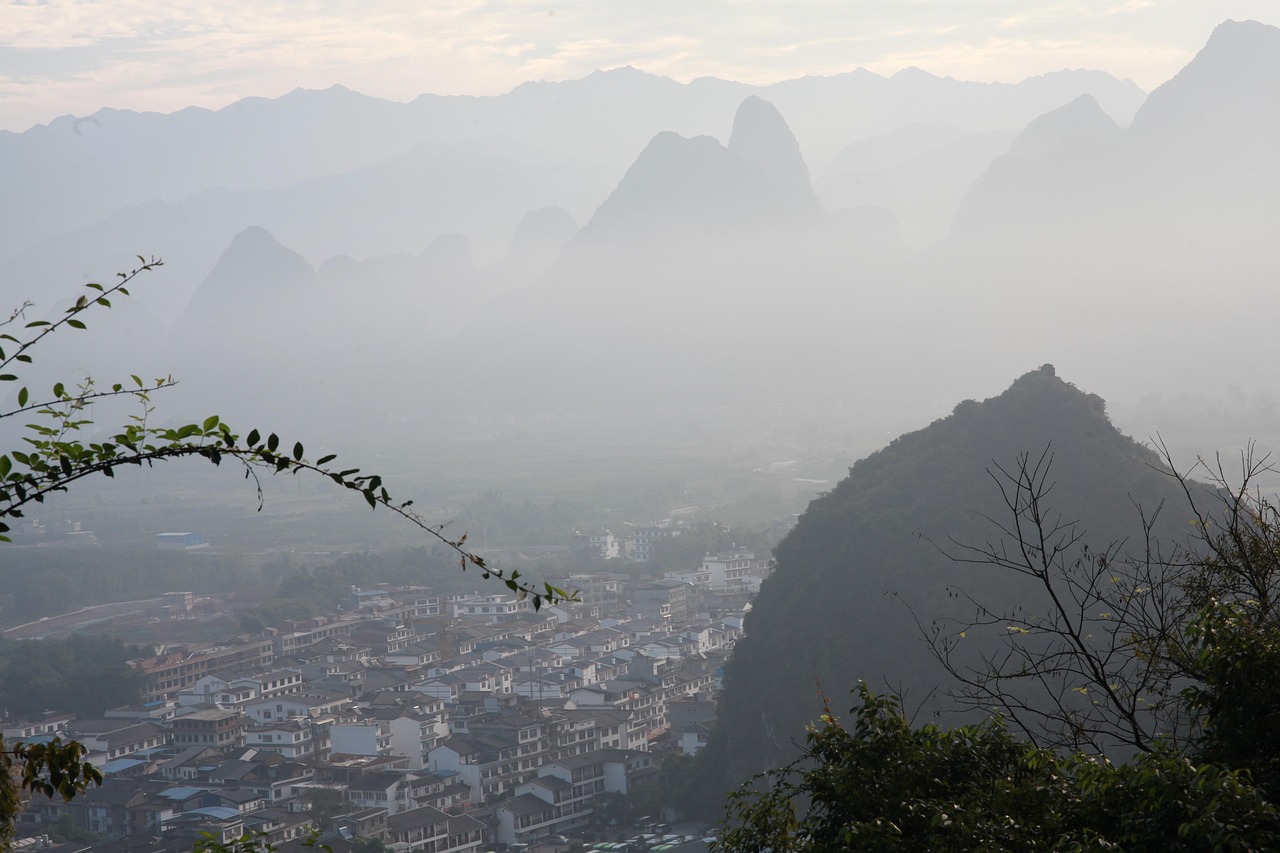
Think of Xingping as your Xingping travel guide in Guangxi between Guilin and Yangshuo—a calmer, more tactile base where culture and landscape meet without the same touristy rush. Xingping has a gentle confidence: the river, the old lanes, and the village edges all invite you to slow down while still feeling you’re uncovering something real.
In the wider Guilin region, many travellers sprint from Guilin straight to Yangshuo, then wonder where the quiet went. Xingping lets you craft a more considered rhythm: arrive, breathe, and then decide whether you want to head to Yangshuo for nightlife or return to Guilin for classic icons like Elephant Trunk Hill and Reed Flute Cave. This is one of those rare places where “less” becomes your most luxurious choice.
Things to see in Xingping along the river and village edges
The best way to explore Xingping is to treat it like a small constellation rather than a single “sight”. Wander along the river, step into lanes where laundry flutters between stone walls, and watch boats slide past as the limestone peaks sharpen into focus. Along the Li River (the Lijiang), viewpoints appear almost casually—one bend, one courtyard opening, one riverside street that suddenly frames the whole valley.
If you’re travelling as a couple or in a small group and want seamless support, it’s worth keeping your first hour simple: drop bags, take a short orientation stroll, then choose one anchor experience—river, old town, or a hill. For more inspiration as you plan, browse our Trip gallery and imagine how Xingping can slot into a designer journey.
At dawn in Xingping, when the karst silhouettes come alive
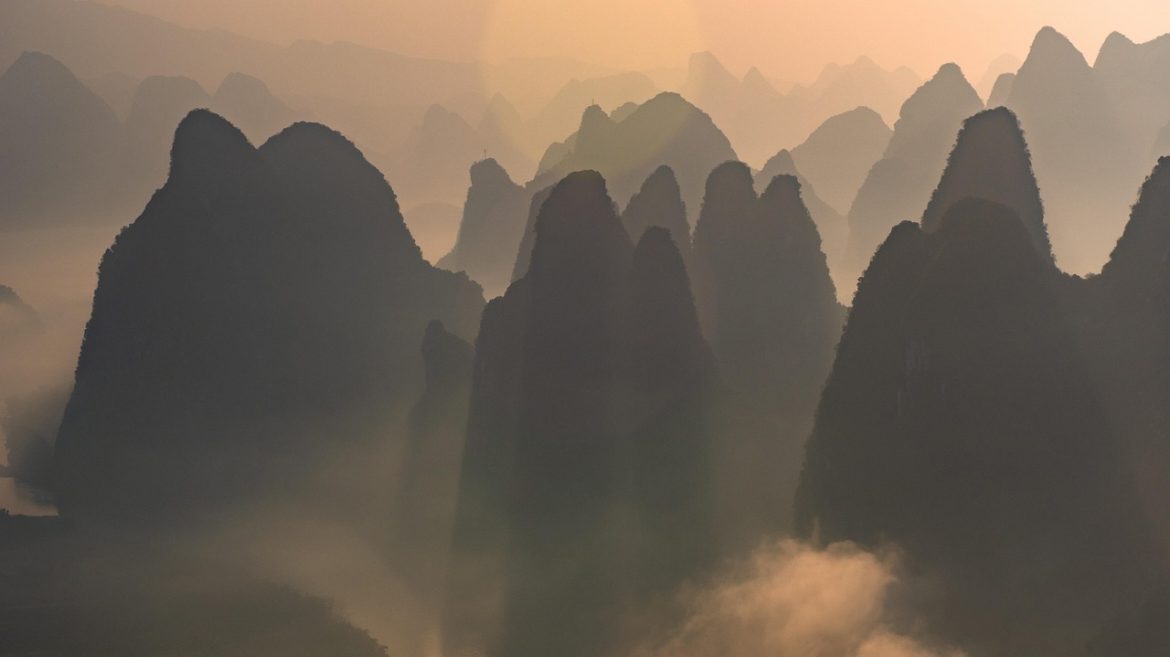
There’s a personal feeling that travellers describe again and again: stepping out at dawn when the air is cool, the river is still, and the karst skyline looks inked onto the horizon. Xingping becomes almost whisper-quiet, and you can hear a bicycle bell in the distance or the clink of a breakfast bowl opening for the day. It’s reassuring, too—nature holding you gently, as if saying you don’t have to hurry to deserve the view.


How to get to Xingping from Guilin and Yangshuo via bus routes in China.
How to Get to Xingping from Guilin and Yangshuo
For most travellers, the practical starting point is simple: get to Xingping from the Guilin and Yangshuo bus stations in China, then let the pace ease from the moment you arrive. Whether you’re coming from Guilin, from Yangshuo, or onward from a railway station, Xingping is easy to reach with a little local insight and a calm plan.
Get to Xingping from Guilin with bus station options
The classic route is to take a bus from Guilin, usually departing from the Guilin bus station network—commonly Guilin central or Guilin south depending on schedules. In peak months, you may find direct buses seasonally, while other times you’ll connect via nearby hubs. If you’re landing at Guilin airport, a hotel transfer into the city makes the whole chain feel seamless and far more comfortable after a long-haul flight.
High-end travellers often choose a private car for door-to-door ease, especially when time is precious or you’re carrying camera gear. If you prefer independence, the bus can be straightforward—just keep your destination name in Chinese on your phone and allow buffer time. This is Guangxi: connections are reliable, but the best journeys leave room for the unexpected.
Yangshuo and Xingping day trips plus rail context
Day-tripping from Yangshuo is popular, with frequent departures from the Yangshuo bus station. It can make sense to visit Yangshuo first if you want to settle into a resort-style base, then escape to Xingping for a quieter day in nature. Alternatively, start in Xingping to reset your senses, then go to Yangshuo for West Street energy and the contrast of the Yulong River scenes.
On the rail side, many people use the train station called Yangshuo (the railway station is often marketed for the area) and then transfer by bus or private car. If you’re planning a Guilin and Yangshuo combination, rail can reduce road time, but it’s the last-mile transfer that matters—this is where a well-crafted pickup makes everything feel effortless.
- Transfer tip: Keep small cash in yuan for tickets and quick snacks, even if you mainly use apps.
- Timing tip: Leave earlier than you think if you’re chasing light—mist waits for no one, but you can wait for it.
- Comfort tip: If you’re staying in a boutique guesthouse, ask them to coordinate a driver; that local support often saves an hour of guesswork.
Finally, there’s the river itself. A ferry can help you cross the river when you’re heading to trailheads or viewpoints, and it’s usually a charming mini-ritual rather than a hassle. Travelling across the river with a bike is part of the adventure; just steady your footing, keep a hand on the frame, and let the crossing become part of the story as you cross the river into the next view.
Li River Bamboo Raft and 20 RMB Viewpoint in Xingping, with things to do and sunrise views.
Li River Bamboo Raft and the 20 RMB Viewpoint
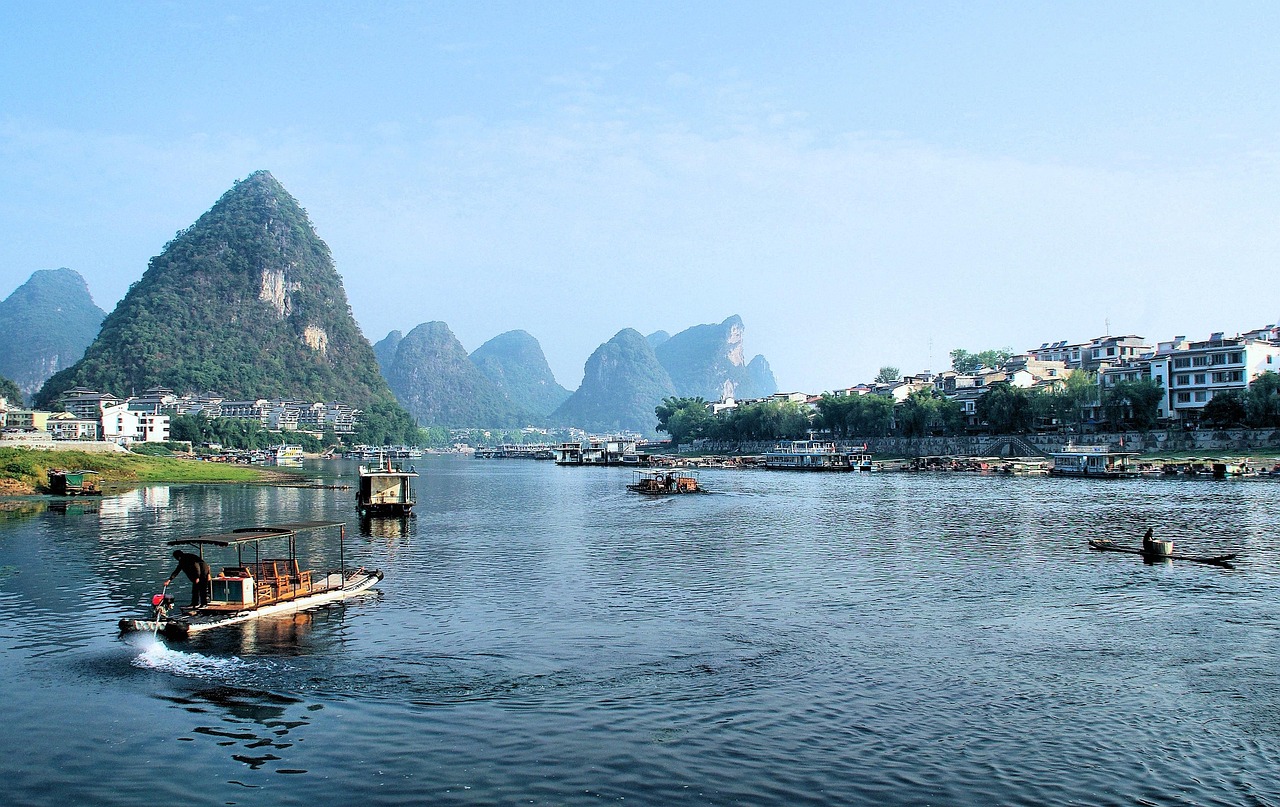
If you came to Xingping for one headline moment, it’s this: things to do in Xingping, Li River bamboo raft, 20 RMB, viewpoint sunrise, all in the same luminous stretch of water. A bamboo boat glides low and quiet, giving you panoramic angles of limestone peaks, working fields, and the subtle choreography of local life along the Li River.
Bamboo raft boat trip along the Li River with panoramic karst views
This isn’t the same feeling as a big Li River cruise from Guilin to Yangshuo; the raft is intimate and immediate. You sit close to the surface, the breeze carries birdsong, and the world feels scaled to human breath. For adventure seekers, it’s the ideal mix of softness and thrill—movement without noise, discovery without performance.
Many travellers share a micro-story that’s hard to forget: a peaceful dawn ride where mist hangs low, a cockerel calls from a village yard, and you suddenly feel “inside” the landscape rather than observing it. It’s a personal moment you can’t manufacture, only notice. That’s the quiet magic Xingping offers when you give it time.
Sunrise and sunset at the 20 RMB note viewpoint
The 20 RMB note viewpoint is iconic for a reason: the river bend and peaks align in a way that looks almost unreal, especially at sunrise or sunset. Arrive early, walk slowly, and watch the sunrise without rushing—there’s no prize for being first, only for being present. If you’re photographing, stand a little back from the most crowded railings so you can include foreground texture and keep the scene feeling spacious.
Costs are usually modest, with small entrance fees in yuan depending on the exact access point and season. Be alert around riverbanks where stones can be slick, and keep phones and lenses secured—this is a place where people get absorbed in the view. For water activities, travel insurance is a simple layer of reassurance; it helps you hold the experience with confidence rather than worry.
- Best light: If you can choose, pick sunrise for softer crowds and calmer water.
- Photo cue: Wait for boats to enter the frame; they add scale and storytelling.
- Safety cue: Step back from wet edges and avoid jumping from rock to rock for a “better angle”.
Xingping Ancient Town Walk and Local Cultural Encounters, including local markets and cormorant fisherman activities.

Xingping Ancient Town Walk and Local Cultural Encounters
To balance river drama with human texture, follow things to do in Xingping ancient town walk local markets cormorant fisherman—and let the town reveal itself at foot pace. In the city of Xingping, the old town lanes still carry the geometry of the Ming and Qing dynasties: tiled roofs, worn stone thresholds, and doorways that feel quietly theatrical in morning light.
Ancient town, walk through an old place, atmosphere
Start with a gentle dot-walk: choose one lane, then another, letting curiosity design your route. The old place’s mood comes from small details—handwritten signs, a courtyard where someone is sorting herbs, a cat sleeping on a window ledge. The town of Xingping rewards travellers who look sideways, not only forward.
You’ll spot small temples and tucked-away shrines, and you may pass an ancient village edge where the street becomes a path. If you’re staying overnight, a well-run guesthouse can be a joy here: owners often share local insight on the best river bends, and some can recommend a simple hostel-style café if you like a relaxed, social breakfast without sacrificing comfort.
Local markets and meeting a fisherman with care
Morning market scenes are where Xingping feels most alive: greens piled in baskets, noodles steaming, and affordable snacks that make day-tripping feel easy. Local stalls are also the best place for small souvenirs that don’t feel mass-produced. Keep your approach warm and respectful—ask permission before photographing residents, smile first, and accept a “no” with trust and care.
One of the most memorable cultural encounters is meeting a fisherman for a traditional cormorant demonstration. Done thoughtfully, it can be a shared conversation rather than a spectacle: ask questions, keep your distance, and be sensitive to ethics—if an experience feels staged or rushed, it’s fine to step away. The best moments happen when you meet people together in mutual respect, not when you try to “collect” them.
Outside Xingping: Adventure loops around LaoZhai Hill and Xianggong Hill, visiting Xingping, Laoszhai Hill, cycling villages, and Longji Rice Terraces.

Outside Xingping Adventure Loops, LaoZhai Hill, and Xianggong Hill
If you want a day in Xingping that leans into movement, follow a visit to Xingping, Laoszhai Hill, Xianggong Hill, cycling villages, Longji rice terraces as your mental map. Outside Xingping, the countryside opens into quiet lanes where you can rent a bike and roll between towns and villages, past fields and a sudden rock formation rising like a natural monument.
Sunrise in Xingping from Laozhai hill and the top of Laozhai
For sunrise in Xingping, Laozhai hill is a favourite with photographers and early risers who want a view that feels earned. You’ll climb to the top on steps that can be slippery after rain, so shoes with grip matter. Pack water, a light layer, and a small torch for the pre-dawn start—then let the sky do the rest as you reach the village-side trail and get to the top.
From the top of Laozhai, the river and peaks arrange themselves into a quiet theatre of light. It’s an expert-level reminder that “better” isn’t always more complicated; it’s often simply earlier, gentler, and more attentive. If you’re travelling in warmer months (April to October), the lushness is at its best, while December–January can feel cold and rainy on exposed steps.
Xianggong Hill bends-in-the-river views with calm timing
Xianggong Hill offers the classic bend-in-the-river viewpoint—one of those scenes that makes you pause mid-sentence. Choose sunrise or sunset based on your energy, but if you value space, arrive well before peak times when Chinese tourists often come in waves. A private driver or a neatly timed scooter ride can make the whole outing feel seamless, especially if you’re pairing viewpoints in a single morning.
- Cycling loop idea: Start early, ride village lanes, cross by ferry if needed, then finish with a riverside meal back in Xingping.
- Water and weather: Bring sun protection in summer; carry a thin rain layer in shoulder season.
- Respect: Slow down through farm areas and give locals the right of way on narrow paths.
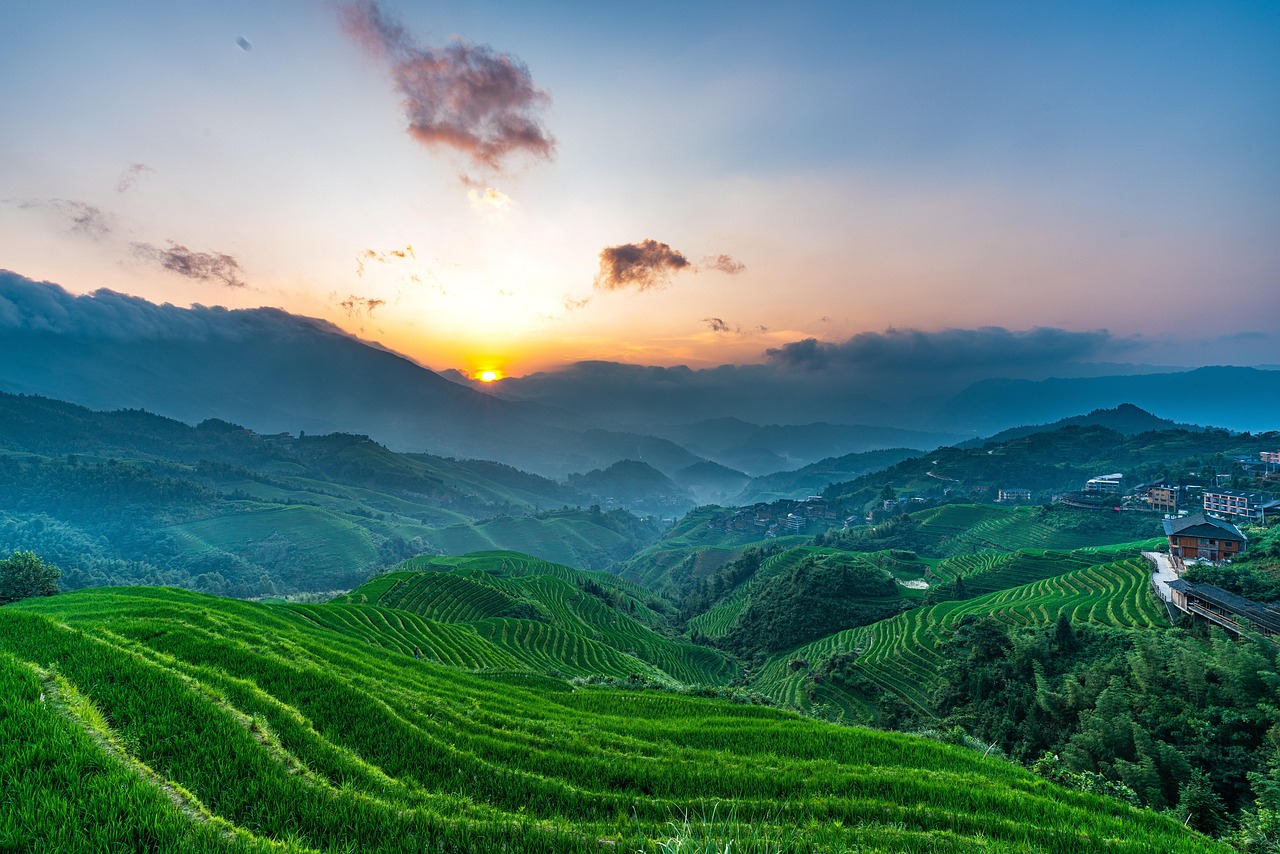
If you’re craving a deeper Guangxi perspective, consider an extension to Longsheng and the Longji rice terraces. Longsheng adds a different kind of drama—patterned slopes and minority culture—making a beautiful counterpoint to the river valley. Or, for a broader loop, link Yangshuo and Xingping with a contrasting evening on West Street and a softer daytime glide on the Yulong River, then return to Xingping’s calm when you’re ready.
F.A.Qs: Xingping, China travel guide quick answers
Is Xingping ancient town worth visiting?
Yes—especially if you enjoy atmosphere over attractions. Xingping’s lanes, riverside streets, and Ming–Qing architecture feel lived-in rather than staged, and it’s a calmer counterpoint to Yangshuo. Arrive early or stay overnight for the most authentic rhythm.
What is Xingping known for?
Xingping is known for its Li River scenery, dramatic karst peaks, and the famous 20 RMB note viewpoint. It’s also loved for its peaceful raft rides, gentle village life, and cultural encounters, such as meeting local fishermen and observing traditional cormorant practices thoughtfully.
What to do in Xingping, China?
Take a bamboo raft on the Li River, photograph the 20 RMB viewpoint at sunrise or sunset, and wander the old town lanes and market streets. For adventure, cycle through surrounding villages and hike to viewpoints like Laozhai and Xianggong Hill for sweeping views of the river bends.
Where is Xingping ancient town?
Xingping is in Guangxi, China, on the Li River between Guilin and Yangshuo. It’s easy to reach by bus or private car from Guilin, and it’s also a good day trip from Yangshuo. Many travellers use nearby rail stations and connect onwards by road.
What Stays With You After Xingping, China: Personal Reflection on Li River Travel Guide Feeling
Long after you’ve left, you may find Xingping, China, personal reflection, Li River travel guide, feeling returning in small flashes: the afterglow of slow mornings, the way shadows moved across karst walls, the sense of scale that made everyday worries feel smaller. Xingping has a quiet talent for recalibrating attention. It doesn’t demand wonder; it simply makes space for it.
What stays, too, are the human moments held lightly. A nod exchanged at the market, the shared laugh when language falters, the gentle rhythm of footsteps on old stone as the town wakes. Even the figure of a fisherman on the water can become a kind of symbol—work and landscape woven together, not posed for you, just lived.
And perhaps that’s the most reassuring insight: you don’t have to rush, perform, or prove anything here. You can trust your own pace, letting curiosity design each turn, letting care guide how you engage, and letting your experience be personal rather than perfect. Xingping is generous like that, meeting you exactly where you are.
Later, when you think back to the river mist and the first light on tiled roofs, the memory may feel less like a checklist and more like a tone you can return to. Not a place you “did”, but a place that quietly stays beside you—waiting for another season, when the same bend in the water will look familiar, and somehow completely new.