Post Contents
- Designing a Japan landmarks itinerary with confidence for high-end travellers – Tokyo, Kyoto, Osaka & Hiroshima
- Tokyo landmarks in Japan: Asakusa heritage, Tokyo Skytree observation deck & Tokyo Tower
- Tsukiji Fish Market Tokyo sushi omakase fine dining
- Mount Fuji fifth station hike luxury day trip Fuji from Tokyo
- Kyoto historical landmarks: Kinkaku-ji gardens and Inari shrine pathways
- Nara landmarks and Arashiyama bamboo grove day trip from Kyoto
- Osaka Castle, Hiroshima Peace Memorial Park, and Itsukushima Shrine
- After Japan: The landmarks that linger
- F.A.Qs: Japan landmarks for travellers
Designing a Japan landmarks itinerary with confidence for high-end travellers – Tokyo, Kyoto, Osaka & Hiroshima
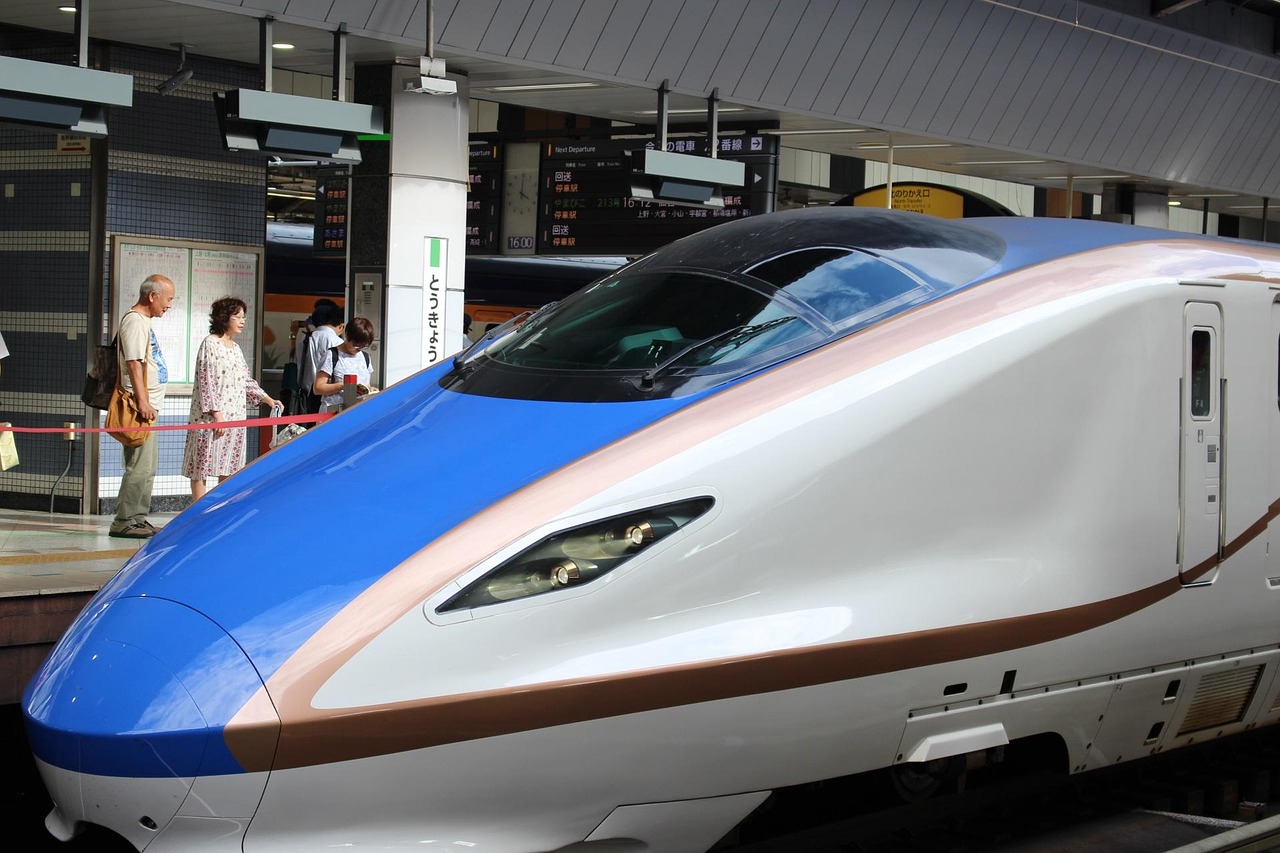
Designing a Japan Landmarks Itinerary with Confidence with seamless rail travel
A Japan landmarks itinerary for high-end travellers starts with one reassuring principle: you’re not here to rush, you’re here to design days that feel calm, curated, and genuinely personal. For a first-time rhythm that works on almost any japan travel schedule, choose a simple spine of Tokyo and Kyoto, then add Osaka and Hiroshima as meaningful chapters that deepen the story. This pacing keeps major landmarks and the best landmarks in japan within reach, while leaving space for the unplanned neighbourhood moments that often become the ones you remember.
For iconic Japan contrast, a well-built route pairs a polished city tempo with older precincts and open-air nature. Tokyo gives you refined energy and neighbourhood texture; Kyoto offers temples and shrines, gardens, and quiet lanes; and mount fuji brings the breath of open space. With the right sequence, these famous japan landmarks don’t feel like a checklist—they read like a narrative you create together.
Best seasons for famous landmarks in Japan: cherry blossoms, autumn colour, and calmer crowds
For scenery, two windows reliably deliver. Spring (March to May) is beloved for cherry blossoms, especially where cherry trees frame water, stone, and traditional rooftops. Autumn (September to November) brings crisp air and luminous colour, and the softer light can flatter almost any landmark without you needing to chase it.
Crowds also shift with the seasons, and that matters for high-end travellers who value ease. If you can, choose weekday visits for headline sites, and schedule your most popular stops early in the morning or later in the afternoon. It’s a small planning choice that builds a surprising amount of trust in the day—and gives you more time to linger where it feels right.
Arrivals, Shinkansen comfort, and seamless support for luxury journeys
Most journeys arrive via Tokyo’s airports, then lean on Japan’s rail network to stitch the itinerary together. The Shinkansen makes tokyo and osaka feel elegantly connected, and a Green Car seat adds extra space and quiet—especially welcome after a long-haul flight. For an even smoother flow, luggage-forwarding lets you travel light between hotels, so your attention stays on the place in front of you.
Budget-wise, many temples and shrines charge modest entrance fees, while premium dining often needs reservations well in advance. Carry some cash for smaller counters and local purchases, even when the rest of Tokyo feels almost cashless. For a curated starting point, you can explore our Japan Trip gallery and imagine what your own design could become.
- Connectivity and safety: a pocket Wi‑Fi device keeps maps and translation simple.
- Etiquette: shoes off indoors, quiet in sacred places, and gentle patience in queues.
- Optional extensions: travel across Japan to hakodate for a quieter northern contrast, or consider cruises to japan for a sea-arrival perspective.
- Simple language: a few phrases and a warm smile go a long way.
With those foundations in place, you can explore with confidence—and let the destination meet you where you are.


Tokyo landmarks in Japan: Asakusa heritage, Tokyo Skytree observation deck & Tokyo Tower
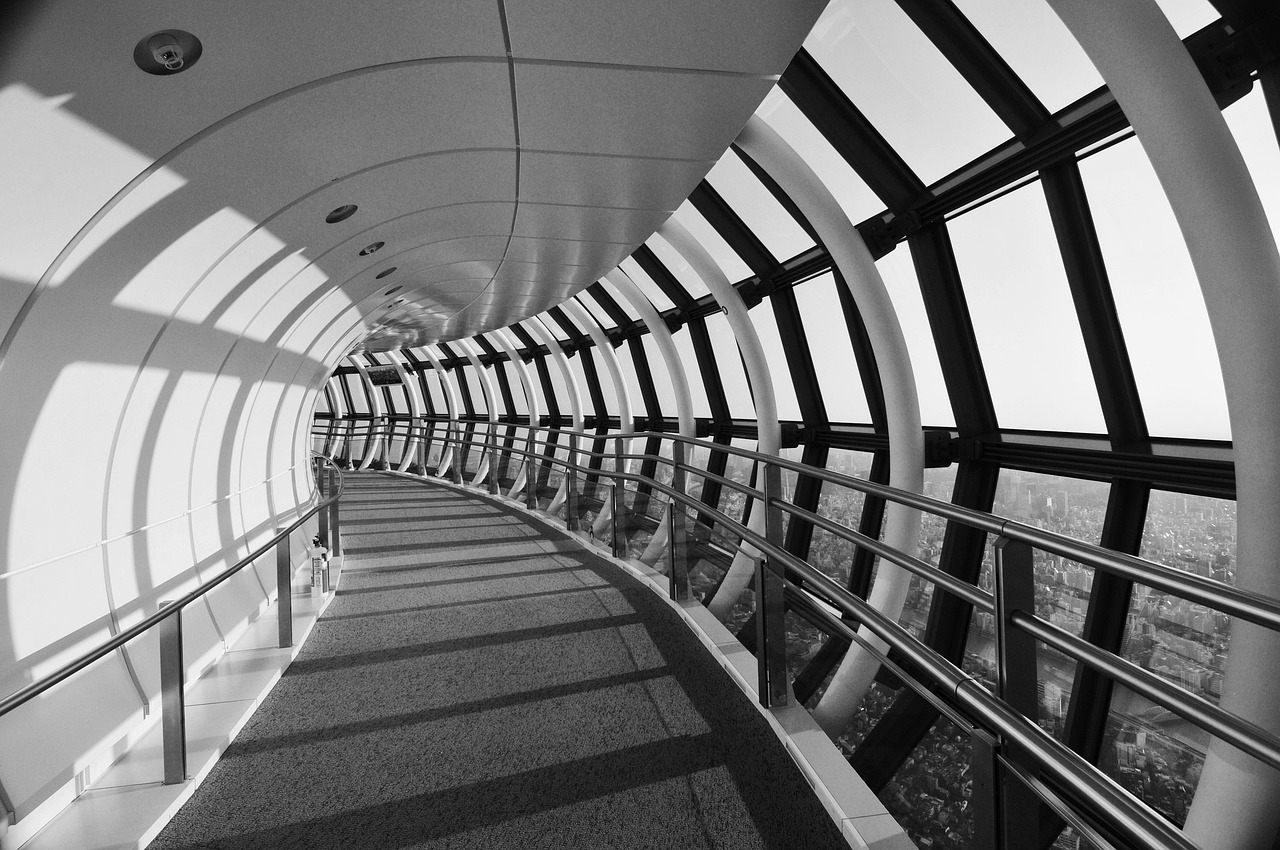
Tokyo Landmarks from Senso-ji to Sky-High Views with an observation deck moment
Your Tokyo day works best when it’s built around contrast: heritage first, then a sleek finish above the skyline. Begin in the asakusa district, where you pass through kaminarimon, drift along nakamise street, and arrive at senso-ji, a beloved buddhist temple with a gentle, photogenic approach. Even in a busy city, there’s something grounding about the steady rhythm of people offering a quiet prayer.
From there, Tokyo becomes a study in layers—old timber and incense set against glass, steel, and a futuristic pulse. This is where the city’s confidence feels contagious, and where a few well-timed stops can highlight both heritage sites and modern landmarks without ever turning the day into a sprint.
Choosing your big-view moment: Tokyo Tower vs one observation deck
For a “big view” that still feels personal, choose one main observation deck rather than trying to do everything. tokyo tower has a classic, slightly nostalgic energy; other high-rise viewpoints lean sleek and expansive, with panoramic views of the city on clear days. Book a timed slot in advance, arrive a touch early, and allow time to linger—your best photos often come after the initial excitement settles.
On the deck, step away from the busiest windows and look for quieter corners where you can take in true views of the city. If visibility is good, the horizon can stretch far enough to hint at distant mountains, and the whole scene feels like a private reveal.
A high-end Tokyo rhythm with care, private transport, and local insight
In Tokyo, comfort is a form of freedom. You might prefer rail for speed and simplicity, or a private driver for door-to-door ease—especially if you’re dressing well for dinner. Either way, plan around crowd peaks, and let your evenings be guided by neighbourhood atmosphere rather than “must-see” pressure; a little neon can be thrilling without ever feeling overwhelming when you choose the right streets.
A local guide can add insight without turning the day into a lecture—explaining architecture, neighbourhood stories, and respectful behaviour at a shrine or temple. If Meiji Jingu comes up in conversation, it’s also a chance to understand why emperor meiji and his wife remain deeply woven into modern Japanese identity, even as Tokyo keeps reinventing itself.
Tsukiji Fish Market Tokyo sushi omakase fine dining

Tsukiji and Tokyo Dining Crafted for Gourmands from market stalls to chef counters
A Tsukiji fish market Tokyo sushi omakase fine dining day is less about eating more and more about tasting better. One gourmet enthusiast described the thrill of standing at a small counter near Tsukiji, watching a chef’s hands move with discipline and quiet pride, then taking a first bite that tasted like pure clarity. In Tokyo, those moments of craft are the real luxury—present, precise, and unshowy.
Tsukiji’s outer market is lively, but it can still feel comfortable if you arrive early and move with intention. You’re not trying to conquer every stall; you’re uncovering a few exceptional bites, then letting the day open out into a more refined dining arc that suits your pace.
How to explore Tsukiji with trust and comfort
Arrive early for the freshest choices and a calmer flow. Follow cues that signal care: tidy workspaces, clear specialities, and lines that move steadily rather than chaotically. Taste little and often—think pristine tuna, sweet tamagoyaki, or warming miso—then pause for a tea or coffee to reset.
- Look for specialities: choose stalls that do one thing well rather than everything at once.
- Keep it light: a market breakfast should energise you, not slow you down.
- Plan a comfort buffer: a nearby hotel lounge stop can be a quiet reset between tastings.
Designing a Tokyo dining arc from market to omakase
For evening, consider omakase, kaiseki, or a chef’s counter that showcases seasonal detail. The best tables often require lead times, and your hotel concierge can be invaluable support—especially if you’re aiming for a specific chef or a smaller room with limited seats. If you have dietary needs, communicate them politely and early; in Japan, clarity is considerate.
Etiquette is simple: be on time, keep your voice low, and let the chef set the pace. Cash can still matter for smaller counters, even in polished districts, so carry enough to avoid awkwardness. If you’d like a “night chapter” afterwards, pair dinner with a rooftop bar or a tower in japan viewpoint—something that feels quietly celebratory rather than performative.
Mount Fuji fifth station hike luxury day trip Fuji from Tokyo
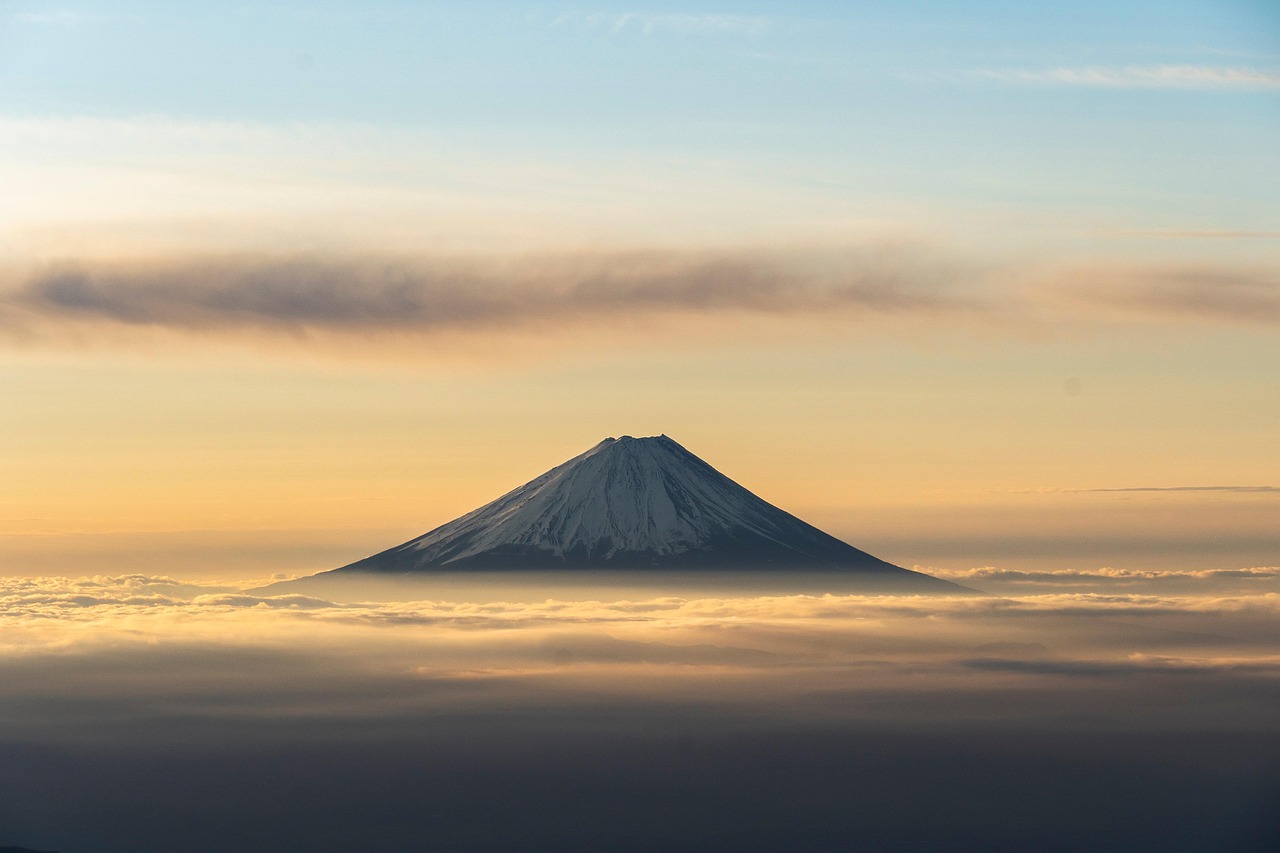
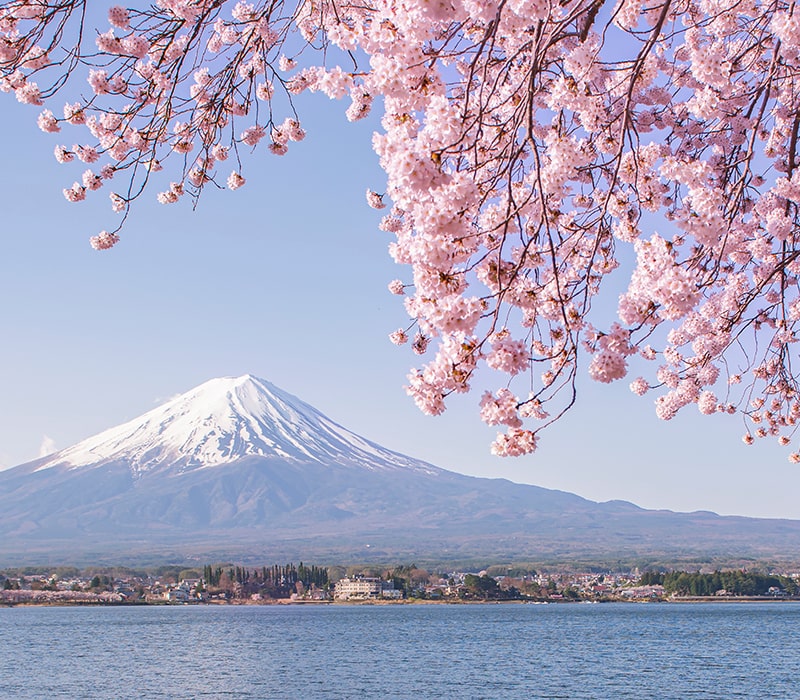
Mount Fuji Natural Landmark Above the Clouds with gentle trails near the fifth station
A Mount Fuji fifth station hike luxury day trip Fuji from Tokyo can be one of the most soothing experiences in the country, especially when you choose an early start. A traveller once recounted a peaceful morning walk around the fifth station, watching sunrise spill above the clouds while the air stayed cool and still. In that hush, the mountain stops being an image and becomes a presence.
As japan’s most famous natural form, Mount Fuji is a defining landmark and a peak in japan that rewards gentle effort. Even without a summit climb, there are serene nature trails and viewpoints that let you explore at your own pace, with nature doing the heavy lifting.
Fuji from Tokyo logistics with seamless comfort
Planning fuji from tokyo is mostly about timing and flexibility. A private car offers the simplest door-to-door comfort; a guided tour adds context and removes decision fatigue; rail-plus-bus can work beautifully if you like structured independence. Leave before the city fully wakes up, and you give yourself the best chance of calm roads and clear skies.
Visibility is the deciding factor, and it varies by season. Winter days can be crisp and clear; spring can be lovely but changeable; and in midsummer haze is more common. Your driver or guide can help you adjust on the day—sometimes the most expert move is simply to pivot to a lake viewpoint or a forest walk when the mountain is shy.
Season notes for summer in Japan and respectful photography
Even in summer in japan, altitude can feel cooler and windier than Tokyo. Dress in breathable layers, bring a light waterproof, and wear proper shoes; comfort lets you stay present. Keep water handy, move steadily, and prioritise safety without losing spontaneity.
Mount Fuji is a unesco world heritage site, and the best way to honour that is to tread lightly—stay on paths, respect barriers, and keep your focus on the moment rather than the feed. Photograph with care, then put the camera down and simply look; among the natural landmarks in japan, this one has a rare ability to quieten the mind.
Kyoto historical landmarks: Kinkaku-ji gardens and Inari shrine pathways
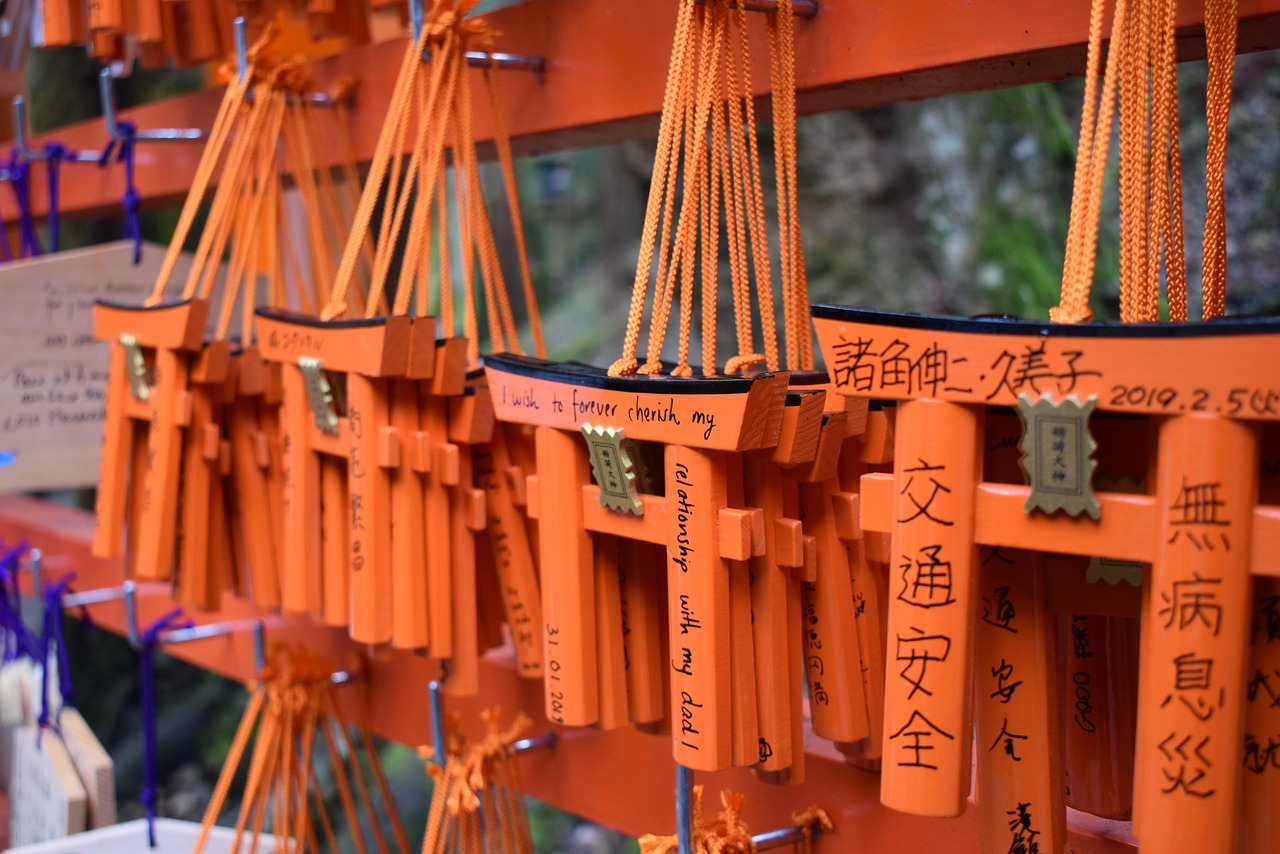
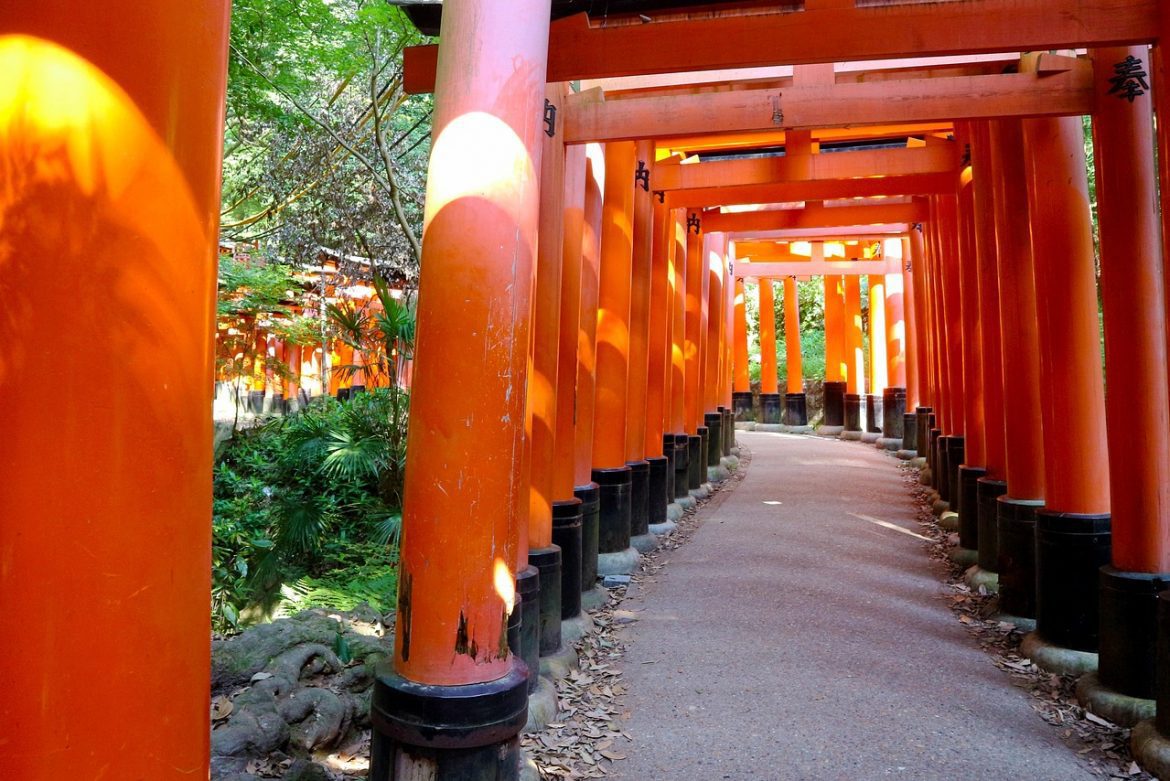
Kyoto Historical Landmarks and Shrine Pathways from Kinkaku-ji to torii gates
A Kyoto shrine-and-garden day is ultimately about noticing how devotion and daily life overlap. kyoto landmarks are living historic landmarks, where the rituals are not staged for visitors—they simply continue. You’ll feel it in the way people bow at a gate, rinse hands, and speak more softly without being told.
This is the city where sacred precincts set the pace of the day. If Tokyo feels like momentum, kyoto feels like meaning—quietly held, beautifully maintained, and generous to those who take their time.
Kinkaku-ji and the Golden Pavilion glow
kinkaku-ji is famed for its pavilion covered in gold leaf, and the approach through the gardens is part of the spell. Aim for softer light—early morning or later afternoon—when reflections feel less harsh and the scene becomes almost painterly. There is a small entrance fee, and the best etiquette is simple: keep to the flow, speak quietly, and avoid blocking paths for photographs.
Rather than chasing the “perfect angle”, let the garden lead you. Luxury here is not access—it’s attention.
Fushimi Inari Taisha, taisha meaning, and Shinto basics
At fushimi inari taisha, the experience is physical as well as spiritual: you walk beneath torii gate tunnels that glow bright orange and white, and the world narrows to footsteps and dappled light. The word taisha signals a grand shrine, and it’s a useful cue that you’re entering a significant sacred space with its own rhythm.
A touch of shinto understanding deepens the visit: you’ll often see purification at the water basin, a quiet bow, and a respectful pause before moving on. Keep your voice low, step aside if others wish to pray, and allow the pathway to unfold without rushing.
In Gion, a couple once shared how dressing in a traditional kimono transformed their walk into something more intimate. Book fittings ahead, choose a respectful photography option, and let the experience be about connection rather than performance; the right stylist and photographer will guide you with care, and you’ll explore the laneways together with a new sense of belonging.
Nara landmarks and Arashiyama bamboo grove day trip from Kyoto
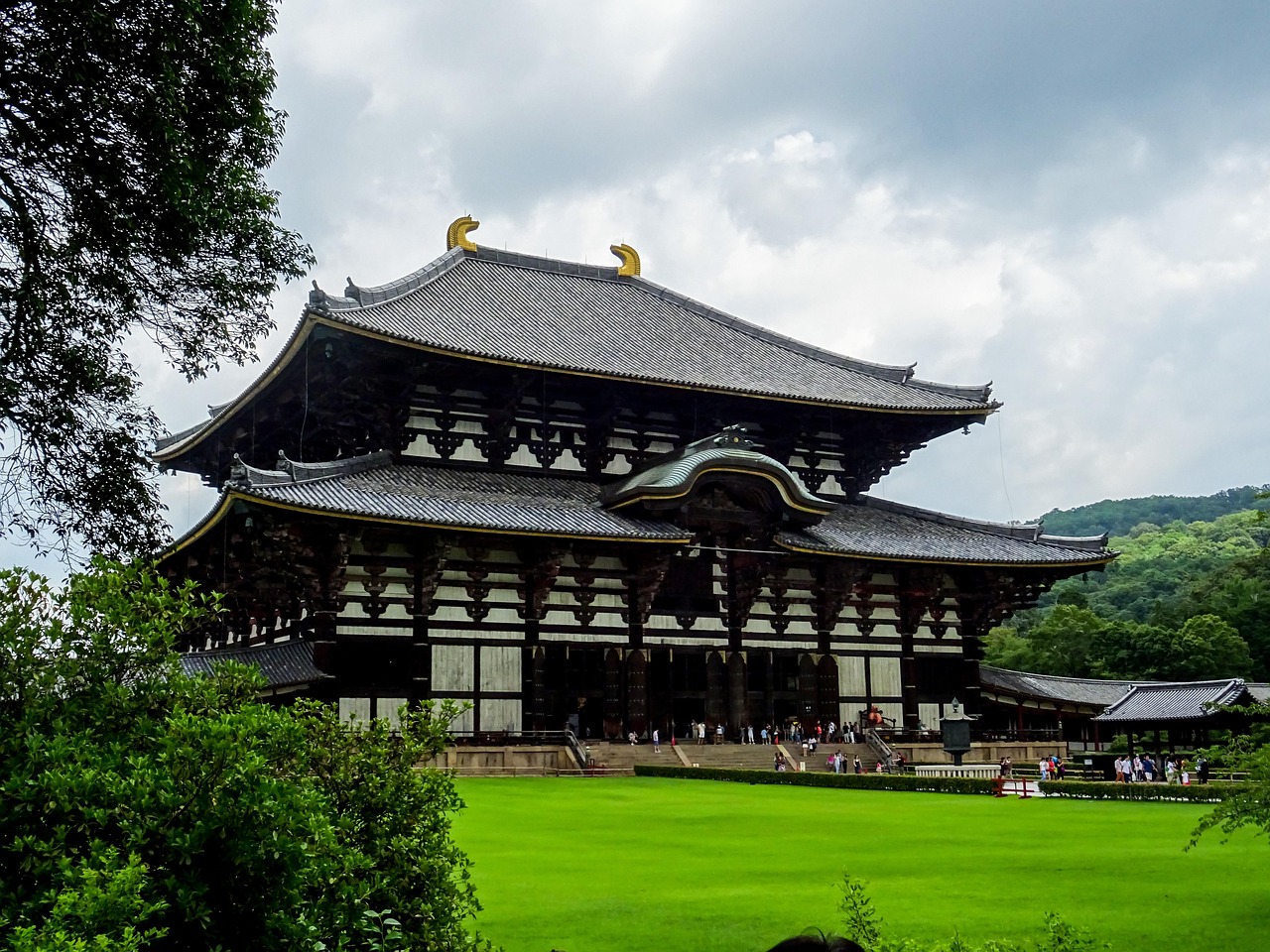
Nara and Arashiyama Bamboo Grove for Gentle Detours with temple scale and quiet paths
This day trip is the kind of “breathing space” that makes a high-end itinerary feel humane. You step away from the headline pace, and you uncover quieter textures—long approaches, shaded paths, and moments where you can hear your own thoughts again. It’s a gentle reminder that a landmark can be spacious, not just spectacular.
With expert pacing, this day also protects your evenings in Kyoto. You return with energy for a crafted dinner or a slow stroll, rather than feeling wrung out.
Todai-ji and a pagoda silhouette: scale, silence, and craft
In nara, Todai-ji is a landmark of scale, famous for the largest wooden hall and for how it holds the sacred with quiet strength. Inside, it houses a massive bronze buddha, and the atmosphere invites a softer step and a calmer voice. In sacred spaces, avoid flash photography and keep movement respectful.
For a classic silhouette, continue to the Kofuku-ji area for a five-story pagoda moment. The pagoda view is often less pressured than other sites, which means your photos can feel unhurried—and more like your own.
Arashiyama bamboo grove timing and riverside calm
The arashiyama bamboo grove is best early, before the pathways fill. When the light is right, the bamboo forest feels almost musical, with each step shifting the sound of leaves overhead. Afterward, follow the riverside paths for a slower, more natural finish that keeps the experience grounded.
- High-end detail: book lunch or a tea break in advance to avoid wandering hungry.
- Guide value: a local guide can add insight, but the best ones know when to let silence do the work.
Osaka Castle, Hiroshima Peace Memorial Park, and Itsukushima Shrine
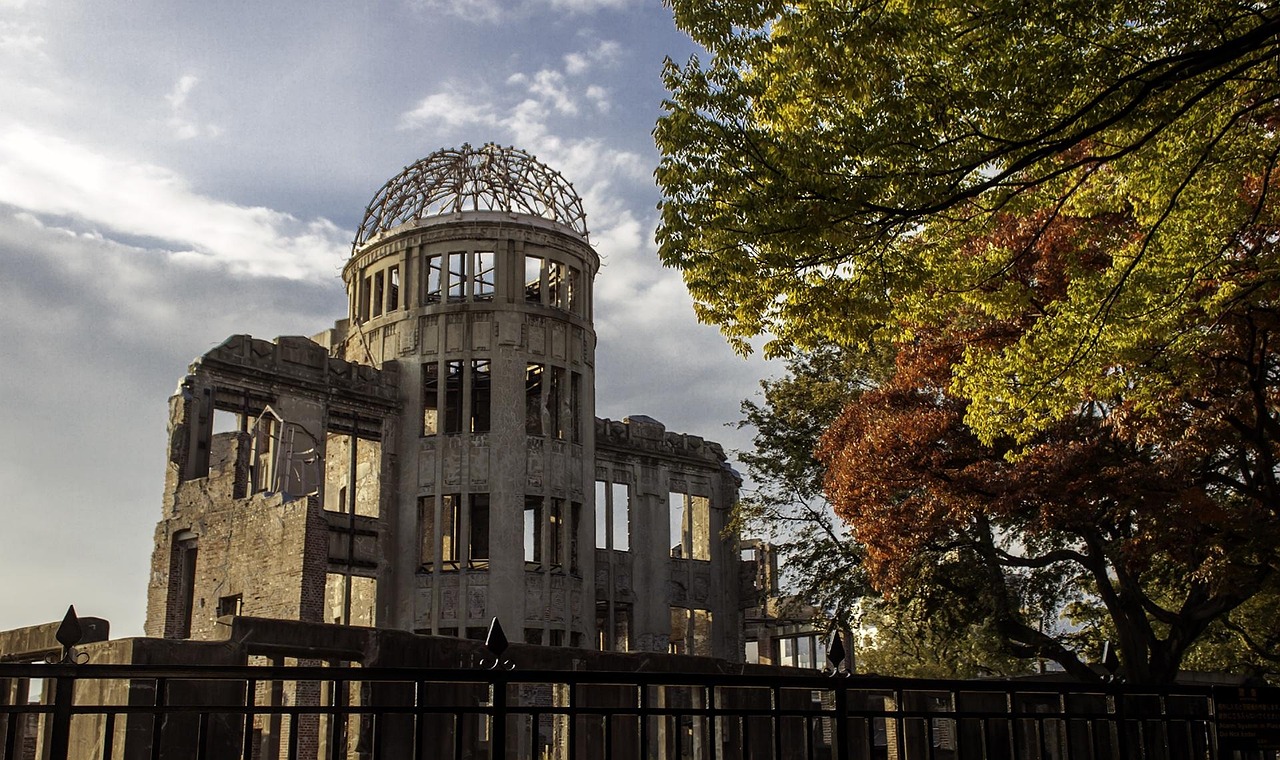
Osaka Castle and Hiroshima Peace Memorial Perspectives with park walks and quiet reflection
An Osaka Castle Hiroshima Peace Memorial Park Miyajima Itsukushima Shrine stretch adds emotional depth to your route and reminds you that beauty and history can sit side by side. osaka is an energetic interlude between Tokyo and Kyoto, while hiroshima offers a quieter register—one that deserves time and care. When planned well, the transitions feel seamless, even on a multi-city journey.
For couples especially, small comforts matter here: baggage-forwarding so you travel light, reserved seats so you can rest, and enough breathing room that the day never feels like a race.
Osaka Castle and a castle park stroll
osaka castle is a defining stop and an easy addition between city connections. Give yourself time for the castle park, where seasonal plantings soften the stone and water lines, and where the atmosphere can be unexpectedly serene. The interior is museum-style rather than original, so treat it as context—then return outdoors for the best sense of place.
Osaka itself is wonderfully direct, and that can feel refreshing after quieter cities. A short evening wander and a well-chosen restaurant can make the stop feel complete, not rushed.
Hiroshima Peace Memorial Park, ferry timing, and Itsukushima Shrine
In Hiroshima, the hiroshima peace memorial asks for a slower pace and a little emotional bandwidth. The visit can be weighty, and it’s wise to plan a gentle afternoon afterwards—perhaps a quiet café, a riverside walk, or simply time back at the hotel. This is where thoughtful support in your itinerary matters most.
Then, if you continue out to miyajima island, you step into a different atmosphere entirely. The island is known for its floating torii presence, and at itsukushima shrine the gate at high tide seems to hover between water and sky. Check ferry timing carefully, and consider an overnight stay for calmer mornings when day-trippers have gone.
- Transit design: the Shinkansen to Hiroshima is swift; luggage-forwarding keeps it effortless.
- Emotional pacing: leave space after your memorial visit to decompress.
- Quiet luxury: an overnight on the island can transform the experience into something deeply personal.
These famous landmarks in japan don’t just impress—they add perspective, and that perspective often lingers long after the flight home.
After Japan: The landmarks that linger
In the days after Japan, you may find it isn’t the grand scale of a landmark that returns to you first, but the feeling around it. The hush of morning air, the warmth of a bowl held between your hands, the sound of footsteps settling into a shrine approach—small textures that stay oddly vivid. They remind you that travel can be both expansive and intimate, without needing to prove anything.
There’s often an afterglow to the journey: a sunrise that made you pause, an exchange of quiet respect in Kyoto, or the simple joy of sharing a meal where every detail was considered. Those moments have a way of revealing what you truly love—stillness, flavour, craft, or the comfort of moving through the world with more attention than usual.
And perhaps the most reassuring part is the confidence you carry home: the trust that you can be in a place so different and still feel supported, and the gentle knowledge that you don’t have to rush to belong. Japan meets you where you are, and it leaves you with a soft invitation—to return in another season, to notice another neighbourhood, and to feel the same places differently, as if you’re seeing them for the first time again.
F.A.Qs: Japan landmarks for travellers
F.A.Qs: Japan landmarks for travellers and planning with confidence
What is Japan’s famous landmark?
For a first visit in japan, mount fuji is often considered the country’s most famous landmark, recognised for its near-perfect cone and cultural significance. It’s also one of the easiest iconic sights to enjoy on a day trip, with viewpoints and gentle walks that don’t require a summit climb.
What are the 8 wonders of Japan?
There isn’t one official, universally agreed list of “8 wonders of Japan”. Travellers and publications define them differently, usually combining natural scenes and cultural sites such as Mount Fuji, Kyoto’s heritage precincts, and major historic districts. It’s best to choose “wonders” that match your interests, season, and pace.
What are the top 10 famous landmarks?
A common “top 10” includes Mount Fuji, Kyoto’s kinkaku-ji, the Inari torii pathways, Tokyo’s classic tower viewpoint, Asakusa’s temple precinct, osaka castle, Todai-ji, Arashiyama’s bamboo paths, Hiroshima’s memorial sites, and itsukushima shrine. Your ideal list depends on season, crowd tolerance, and dining priorities.
What are the top 10 attractions in Japan?
Top attractions often blend landmarks with experiences: cherry blossom viewing, temple and shrine walks in Kyoto, Tokyo neighbourhood exploration, market dining at Tsukiji, Shinkansen travel, Mount Fuji viewpoints, Osaka food culture, day trips for historic sites and nature, island visits, and time for onsens or countryside scenery. A luxury approach spaces these out for comfort and turns the itinerary into something you can actually enjoy.