Post Contents
- Why Gunma Prefecture Belongs on Your Japan Travel Map A Kanto destination travel guide
- Getting to Gunma from Tokyo and Moving Around Seamlessly Tokyo to Gunma Prefecture Takasaki Station Joetsu Shinkansen train
- Tomioka Silk Mill and Japan’s Industrial Story in One World Heritage Visit Tomioka Silk Mill UNESCO World Heritage Gunma Japan tourist attraction
- Kusatsu Onsen Hot Spring Rituals and the Yubatake Glow Kusatsu Onsen hot spring guide Gunma Prefecture yumomi Yubatake
- Hiking Oze National Park Marshlands in Spring and Autumn Oze hike Gunma Japan travel guide marshland trail autumn spring
- Minakami Adventure River Days Rafting Canyoning and Winter Ski Slopes Minakami Gunma adventure raft canyoning ski resort winter
- Ikaho and the Mountain Side of Gunma Slow Steps Big Views Ikaho onsen Gunma mountain climbing Mt Haruna nearby attractions
- Local Culture Stops Takasaki Daruma Konnyaku and Creative Gunma-ken Finds Takasaki daruma Maebashi Isesaki Gunma-ken local culture guide
- Planning Your Gunma Japan Itinerary With Confidence What Stays With You Gunma Japan travel guide itinerary onsen culture prefecture Kanto
- F.A.Qs: Gunma Japan travel guide for tourist planning
Why Gunma Prefecture Belongs on Your Japan Travel Map A Kanto destination travel guide
Why Gunma Prefecture Belongs on Your Japan Travel Map A Kanto destination travel guide
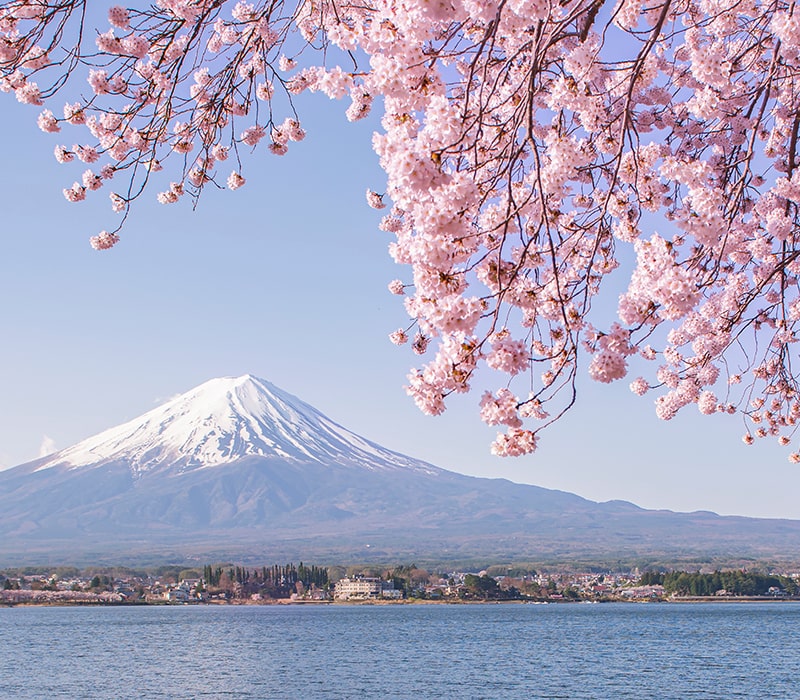
If you’re looking for a Japan detour that feels both elevated and deeply local, start with the phrase Gunma Prefecture Japan travel guide Kanto destination and let it lead you inland. This is a prefecture in the Kanto region, with Maebashi as the prefectural capital and Takasaki as the transport heart that quietly keeps everything seamless. The landscapes shift quickly here—mountain ridgelines, marshland hush, river valleys—so you can create days that feel like proper adventure without feeling overworked.
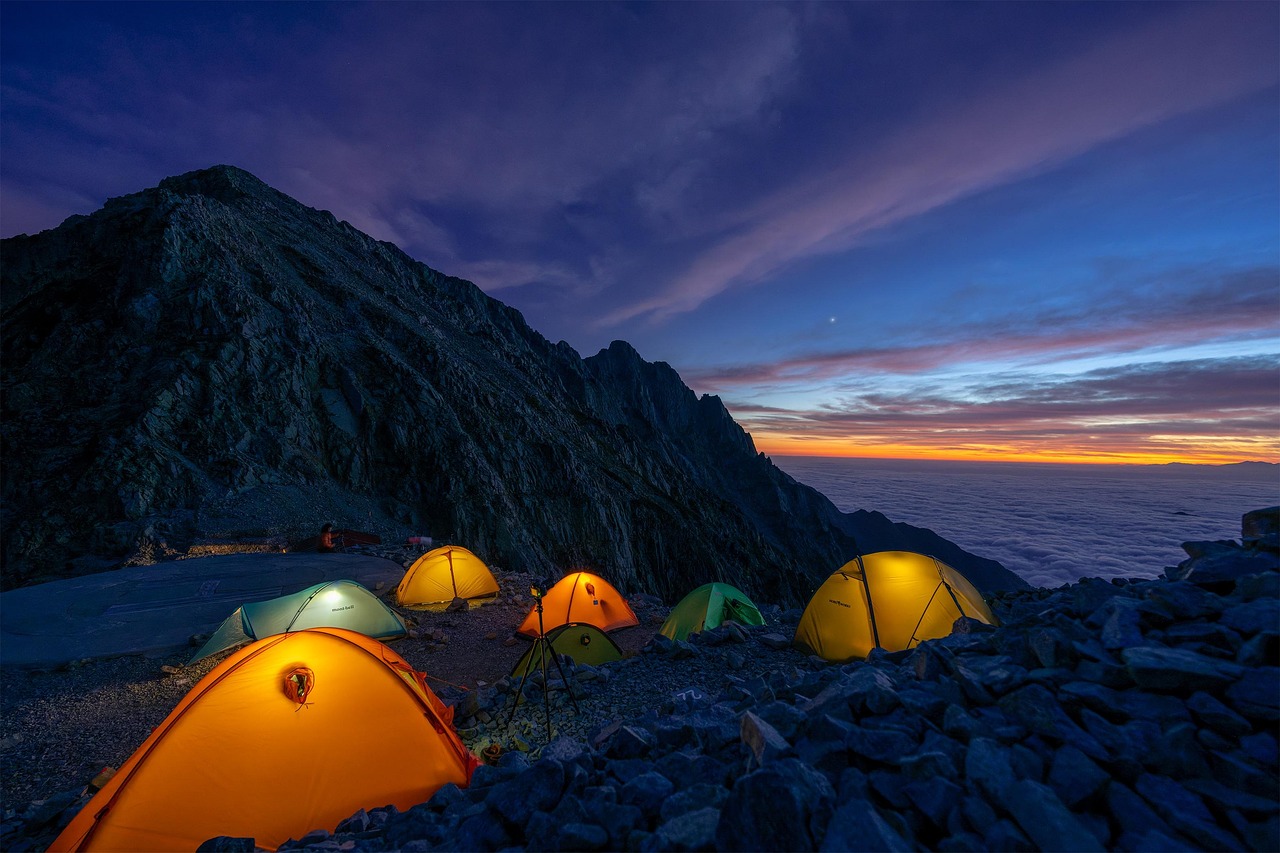
For adventure seekers, Gunma offers a rare pairing: high-energy outdoor wins and restorative onsen culture. Imagine snowy winter play, shoulder-season hikes, and evenings where hot water and good design do the healing. It’s the kind of place where a little expert planning buys you comfort, confidence, and time to actually look up.
Things to do in Gunma for adventurous cultural travellers
Here’s a snapshot of things to do in Gunma, especially if you want your days to feel curated rather than crammed:
- Tomioka for the Tomioka Silk Mill and Japan’s modern industrial story
- Kusatsu for sulphur steam, the Yubatake, and living hot spring rituals
- Oze for a boardwalk hike across wide marshlands in spring or autumn
- Minakami for outdoor river adventures, plus ski slopes in winter
- Ikaho for stone steps, mountain views, and an unhurried pace
- Takasaki for daruma culture and easy city-to-nature transitions
At Designer Journeys, we design routes that uncover insight without leaving you to juggle logistics alone—supportive, human, and crafted around how you actually like to travel. If you’d like to browse what that can look like, here’s our Trip gallery.


Getting to Gunma from Tokyo and Moving Around Seamlessly Tokyo to Gunma Prefecture Takasaki Station Joetsu Shinkansen train
Getting to Gunma from Tokyo and Moving Around Seamlessly Tokyo to Gunma Prefecture Takasaki Station Joetsu Shinkansen train
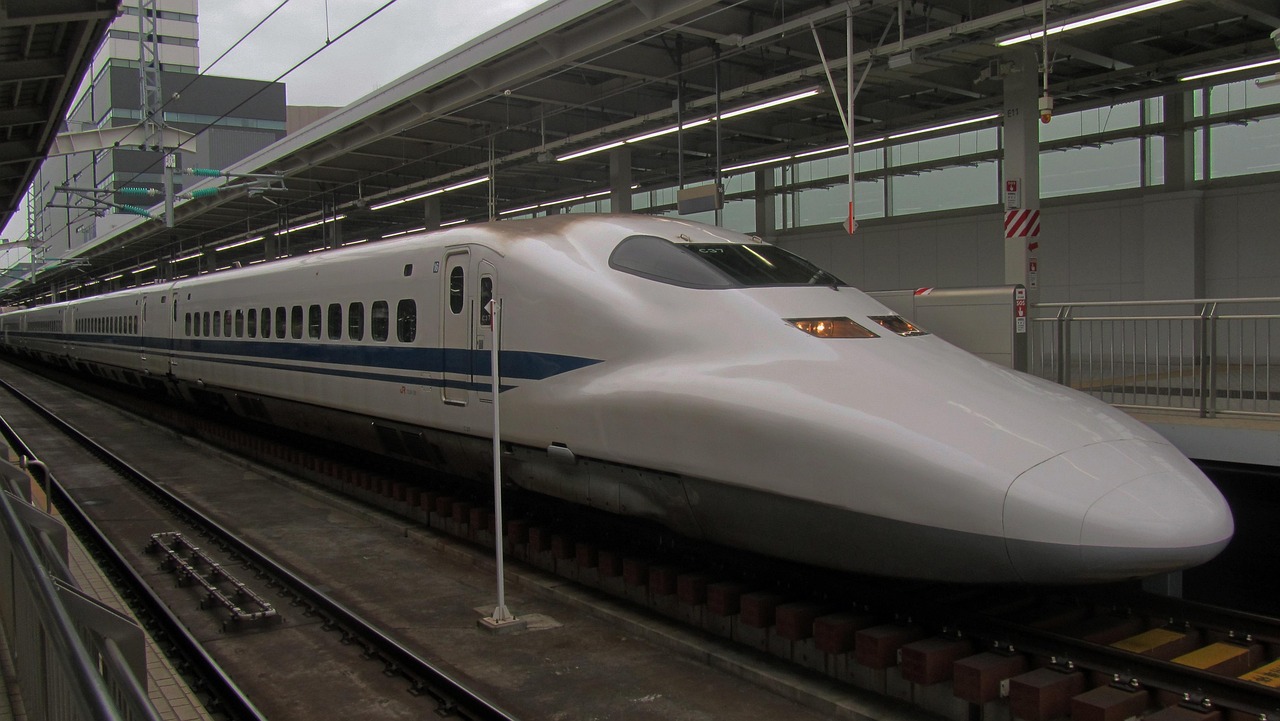
The simplest way to start is exactly as it sounds in the phrase Tokyo to Gunma Prefecture Takasaki Station Joetsu Shinkansen train. Take the JR Joetsu Shinkansen from Tokyo and alight at Takasaki Station, a well-signed, easy-to-navigate hub in the Kanto region of Japan. From there, you can connect by local train and bus to key areas, with station staff and clear platforms making the first steps feel surprisingly calm.
Public transport is accessible for the big-name sights—especially Takasaki, Tomioka, and onward links—but there are moments when renting a car adds freedom. If you’re aiming for rural trailheads around Gunma or want to pair small stops without watching the clock, a car can turn “possible” into “effortless”. If you’d rather stay hands-free, you can still explore Gunma comfortably by train plus local connections.
Stay in Gunma with the right base for your vibe
To stay in Gunma well, choose a base that supports your pace:
- Takasaki for smooth connections and a strong first-night landing
- Kusatsu for onsen evenings and walkable hot spring atmosphere
- Minakami for outdoor days and quick access to river and snow
Seamless arrival reassurance for late check-ins
If you arrive late, trust the basics: buy tickets at the station, follow English signage, and use luggage lockers or a forwarding service so you can travel light. I always “design” the first day with a soft landing—one short local stroll, a simple meal, then sleep—so the prefecture feels welcoming rather than demanding.
Tomioka Silk Mill and Japan’s Industrial Story in One World Heritage Visit Tomioka Silk Mill UNESCO World Heritage Gunma Japan tourist attraction
Tomioka Silk Mill and Japan’s Industrial Story in One World Heritage Visit Tomioka Silk Mill UNESCO World Heritage Gunma Japan tourist attraction
Even if you’re not usually a museum person, the Tomioka Silk Mill UNESCO World Heritage Gunma Japan tourist attraction lands differently because it’s not just displays—it’s space, light, and scale. This world heritage site holds a crucial piece of Japan’s modernisation story, when new technology and global trade reshaped lives. Walking into the old factory buildings, you can almost hear the rhythm of work that once defined the town.
On my last visit as a cultural enthusiast, the moment it truly clicked came during hands-on demonstrations. Watching the process up close—then looking back down the long interior lines of the mill—made the history feel personal rather than abstract. There was even a hint of cherry in the air outside, the kind of small seasonal detail that makes a crafted day feel quietly perfect.
How to reach Tomioka from Takasaki by train and bus
From Takasaki, you can travel by train with simple connections, and in some cases a short bus hop depending on your route and timing. Give yourself a generous half-day so you can linger, read the context panels, and step outside to absorb the atmosphere instead of rushing through for a photo.
Nearby pairings to keep the day balanced
If you want to keep your day designed and not overloaded, pair Tomioka with one nearby complement: Kiryu for textiles (a beautiful continuation of the craft thread) or a relaxed Takasaki stop for coffee and shopping. It’s a gentle way to move between depth and ease—together, the day feels complete rather than crammed.
Kusatsu Onsen Hot Spring Rituals and the Yubatake Glow Kusatsu Onsen hot spring guide Gunma Prefecture yumomi Yubatake
Kusatsu Onsen Hot Spring Rituals and the Yubatake Glow Kusatsu Onsen hot spring guide Gunma Prefecture yumomi Yubatake
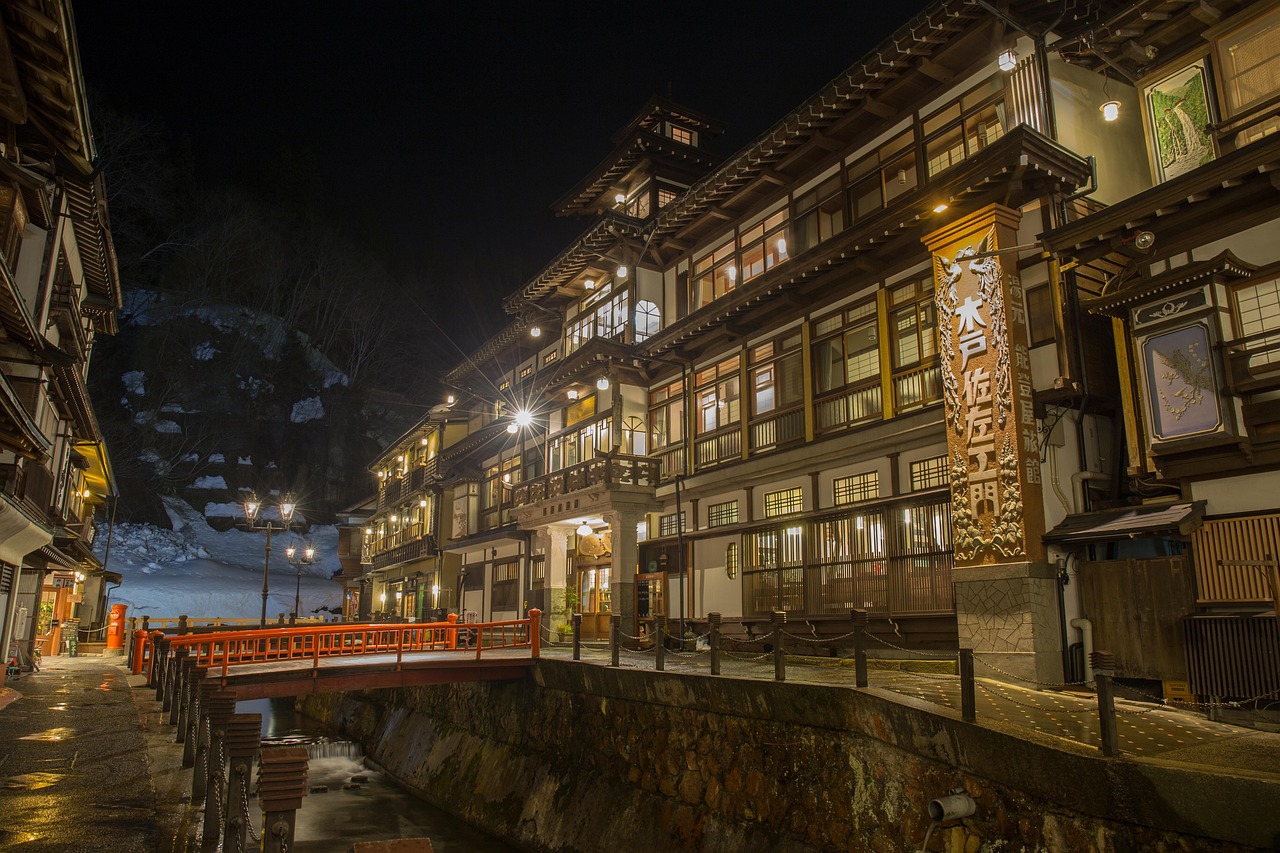
The sensory first impression matches the words Kusatsu Onsen hot spring guide Gunma Prefecture yumomi Yubatake perfectly: steam curling into cold air, a clean sulphur note, wooden walkways underfoot, and the Yubatake glowing like the town’s beating heart. Kusatsu is intense in the best way—alive, atmospheric, and built around the shared ritual of water.
A solo adventurer I met here described arriving a little unsure, then finding confidence through the simplest rhythm: shoes off, phone away, and a slow soak. In the bath, quiet conversations came and went—small nods, a few polite words in Japanese, then contented silence. That communal mood is the secret support system of Kusatsu Onsen; you don’t have to perform, you just have to be present.
Yumomi as living onsen culture in Kusatsu
Yumomi is the traditional water-cooling performance where locals stir hot water with wooden paddles, often with song, turning necessity into culture. It’s worth seeing because it shows care and trust passed down—not staged “tourist” entertainment, but an everyday tradition presented with pride. Watch respectfully, follow photography guidance, and keep voices low.
Day-use baths, costs, and hot spring etiquette
Many ryokans offer day-use onsen baths, typically around 500–1000 yen, which is perfect if you’re passing through. Tattoo policies vary, so check ahead if it applies to you. The key etiquette is simple: wash thoroughly before entering, don’t wear swimsuits, and keep towels out of the water—small courtesies that make the space feel relaxing for everyone.
Hiking Oze National Park Marshlands in Spring and Autumn Oze hike Gunma Japan travel guide marshland trail autumn spring
Hiking Oze National Park Marshlands in Spring and Autumn Oze hike Gunma Japan travel guide marshland trail autumn spring
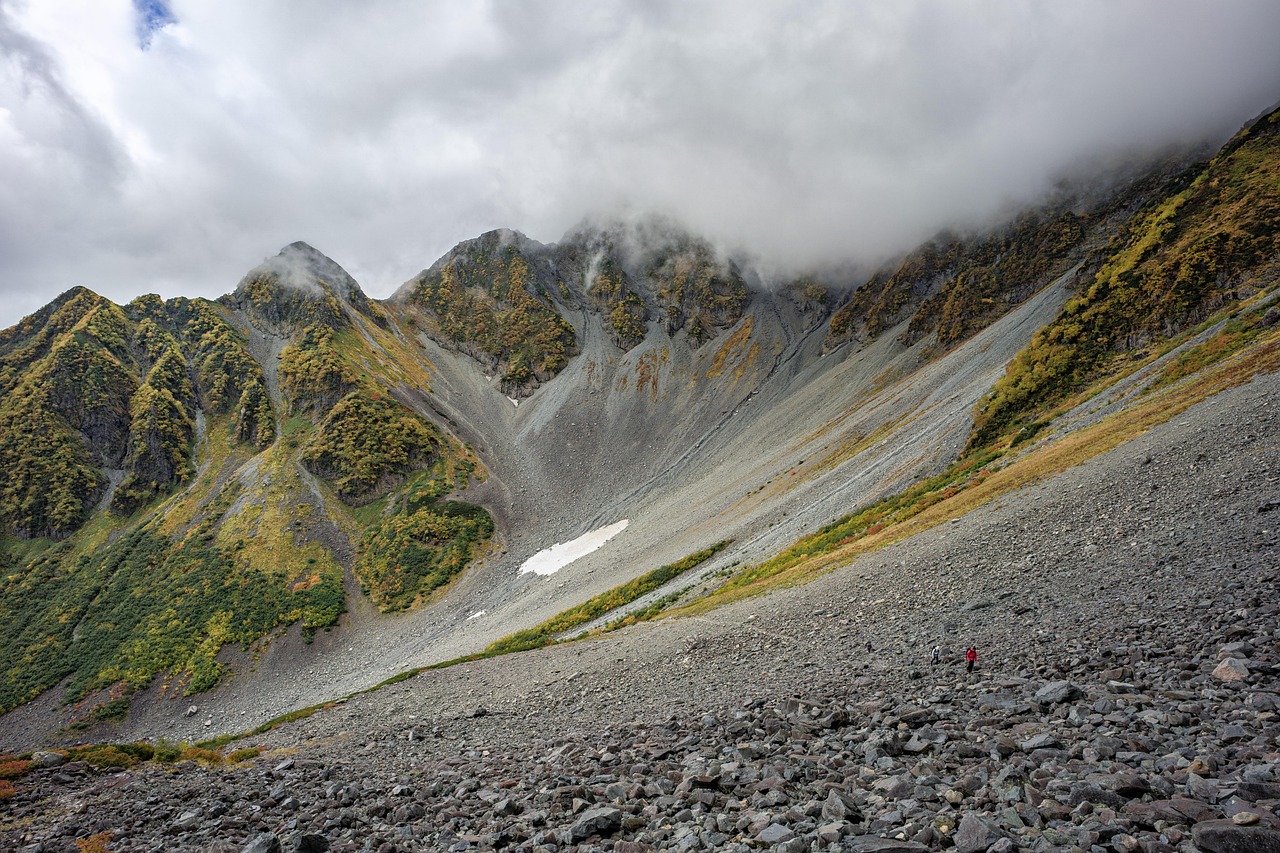
For many travellers, the phrase Oze hike Gunma Japan travel guide marshland trail autumn spring becomes the core memory of the whole trip. Oze is wide-open and quietly dramatic: boardwalks skimming over marshland, mirror-like pools, and a hush that makes you slow your breathing without trying. If you’re used to busy Japan itineraries, the spaciousness can feel like a gift.
On a spring visit, one traveller told me about the first sight of skunk cabbage blooming—white and fresh against lingering snow patches—under enormous skies. The views were breathtaking, but it was the sound that stayed with them: light wind, birds, and footfalls on the boards. It’s an experience that lets you explore without noise, and it does something subtle to your perspective.
Autumn light and an unhurried hike
In autumn, the air turns crisp and the colours deepen—golds, rusts, and shaded reds along the edges of the wetlands. The pace here is naturally unhurried; you don’t “conquer” Oze, you simply walk it, breathe it, and let the day open out. For high-end travellers, it’s a reminder that luxury can be time and space.
Trail safety, what to pack, and steady pacing
Weather changes quickly, and some sections can be slippery, so proper hiking shoes and layers are essential. Carry water, a light snack, sun protection, and a waterproof shell even in mild seasons. Plan for more time on feet than you think, and keep a steady rhythm—careful steps are part of the experience, not a compromise.
To reach Oze trailheads, you’ll typically connect from around Gunma by train and local services, then continue to the start point; timings vary by season, so a little pre-planning keeps the day feeling effortless.
Minakami Adventure River Days Rafting Canyoning and Winter Ski Slopes Minakami Gunma adventure raft canyoning ski resort winter
Minakami Adventure River Days Rafting Canyoning and Winter Ski Slopes Minakami Gunma adventure raft canyoning ski resort winter
If you want pure momentum, bookmark Minakami Gunma adventure raft canyoning ski resort winter and build a day around it. Minakami is Gunma’s outdoor playground, where guides turn big thrills into something that still feels safe and supported. The river runs clear and fast in season, and the surrounding mountain terrain gives you that “we’ve escaped the city” feeling within a realistic travel window.
Rafting is the classic choice—one good raft run can make you feel like a kid again—while canyoning adds a more technical edge with slides, jumps, and rope work. For first-timers, reputable operators are wonderfully reassuring: clear briefings, solid equipment, and a pace that builds confidence rather than pressure.
Winter snow, ski resort options, and flexible plans
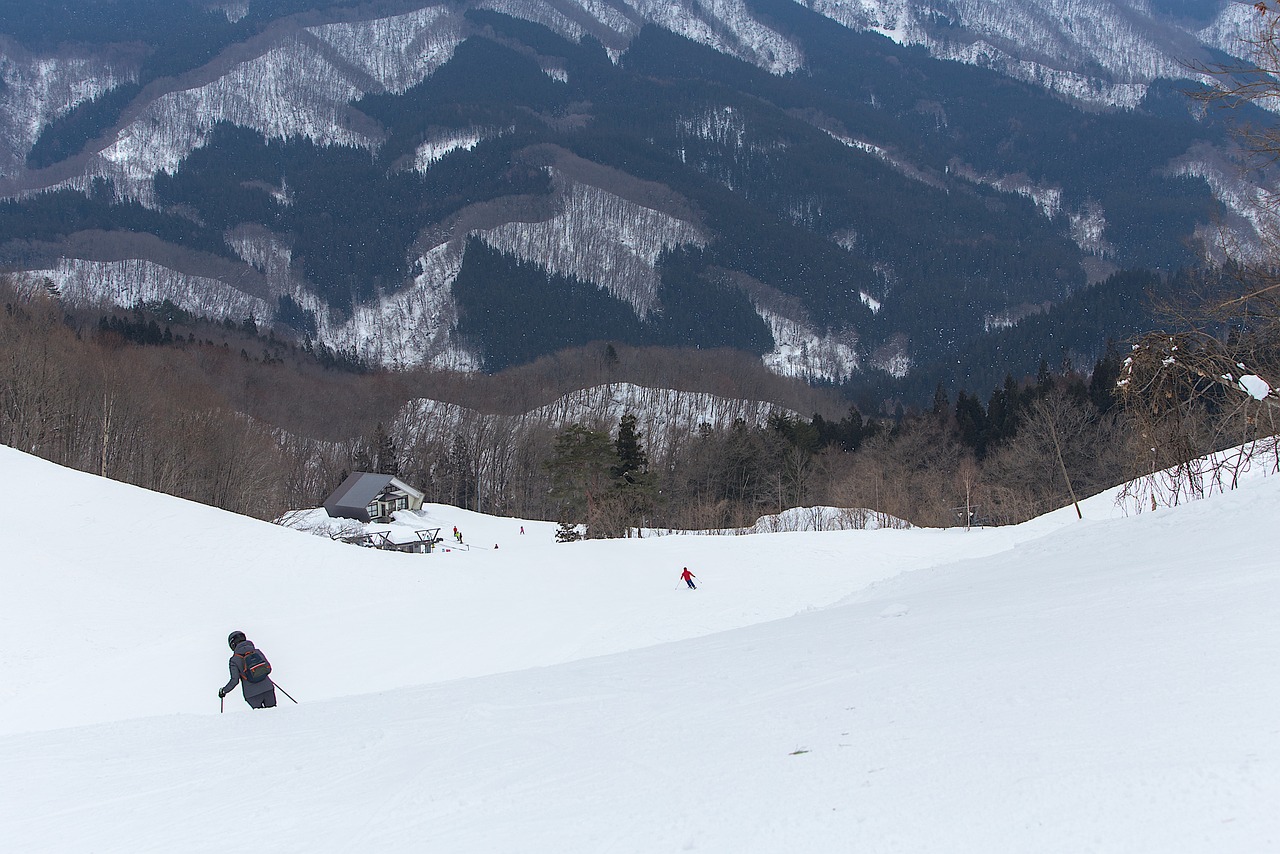
In winter, Minakami becomes a snow base, with local resort choices that suit both half-day sampling and full-day ski sessions. Conditions can shift with weather, so keep your plan flexible—choose a window, not a single fixed hour. It’s a satisfying way to add snow to your Japan story without overcomplicating your itinerary.
What to wear and how to choose a safe operator
Wear quick-drying layers for water sports, and bring a change of clothes for comfort afterwards. Book ahead in peak seasons, and look for operators with clear safety standards, insurance, and small group sizes. After a big adventure day, pairing it with an evening onsen soak is the perfect rhythm—effort, then recovery, designed together.
Ikaho and the Mountain Side of Gunma Slow Steps Big Views Ikaho onsen Gunma mountain climbing Mt Haruna nearby attractions
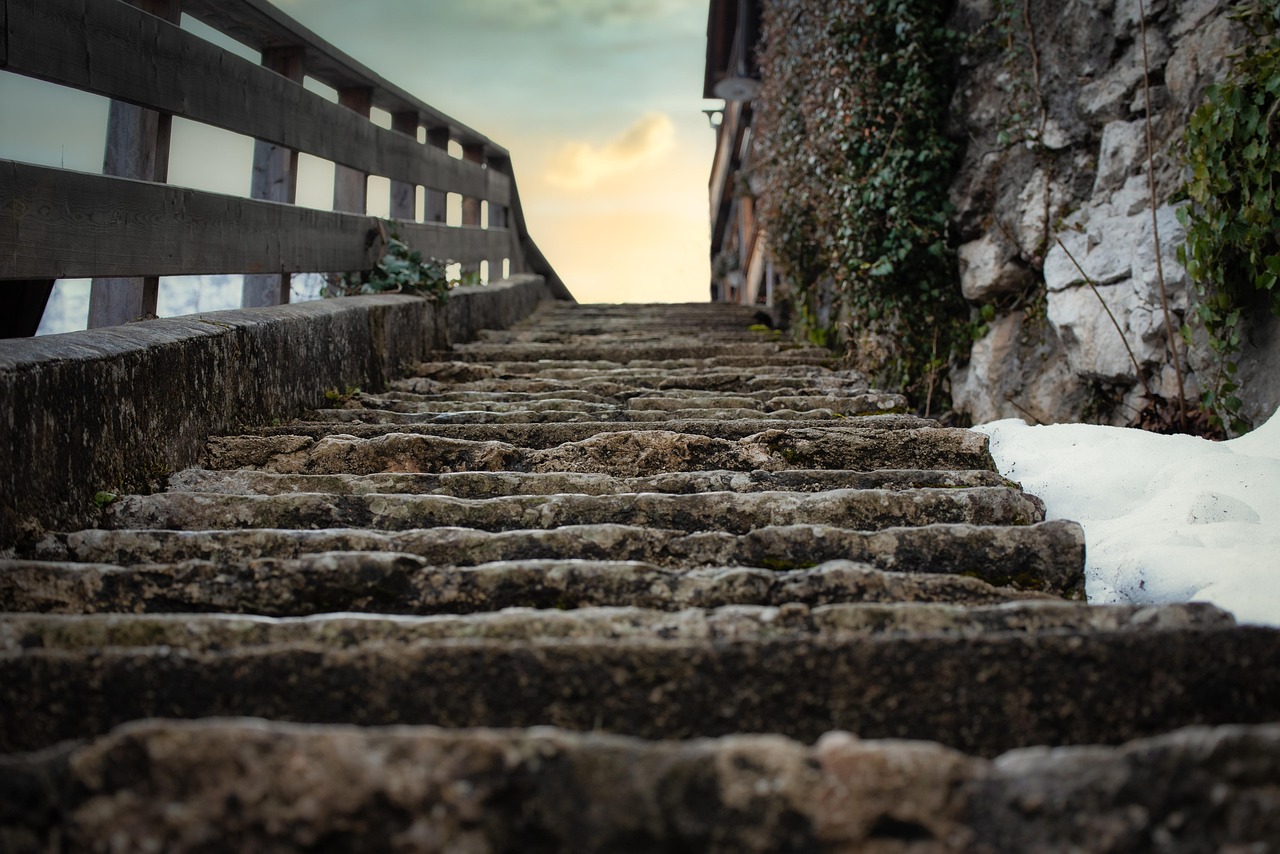
Ikaho and the Mountain Side of Gunma Slow Steps Big Views Ikaho onsen Gunma mountain climbing Mt Haruna nearby attractions
For a softer contrast, follow Ikaho onsen Gunma mountain climbing Mt Haruna nearby attractions and let the pace change. Ikaho is a classic onsen town known for its stone steps and nostalgic atmosphere—less dramatic than Kusatsu, but deeply charming. It’s ideal when you want to relax in a way that still feels active: a gentle climb, a view, a warm bath.
The town’s stepped streets are lined with small shops and cafés that feel lived-in rather than staged. This is where you can slow down without feeling like you’ve “missed” something—because the mood is the attraction.
Mountain viewpoints and a gentle climbing mt option
For the mountain thread, consider nearby viewpoints around Mt Haruna, or alternatives such as Akagi for wide scenery and seasonal colour. If you want a light “climbing mt” experience, keep it simple: one viewpoint, one walk, then back for a soak. The goal is calm confidence, not exhaustion.
Mizusawa udon noodles and small local pleasures
Food here is part of the cultural texture. Try Mizusawa udon noodles—a local noodle favourite—often served simply so you can taste the quality. Gunma’s wheat-based specialities are understated and satisfying, and ordering politely (even with just a few Japanese phrases) builds connection without overplanning.
A nearby micro-itinerary that works beautifully: arrive mid-afternoon, walk the stone steps, catch lake views, then enjoy a quiet evening soak. It’s a designed day that feels spacious.
Local Culture Stops Takasaki Daruma Konnyaku and Creative Gunma-ken Finds Takasaki daruma Maebashi Isesaki Gunma-ken local culture guide
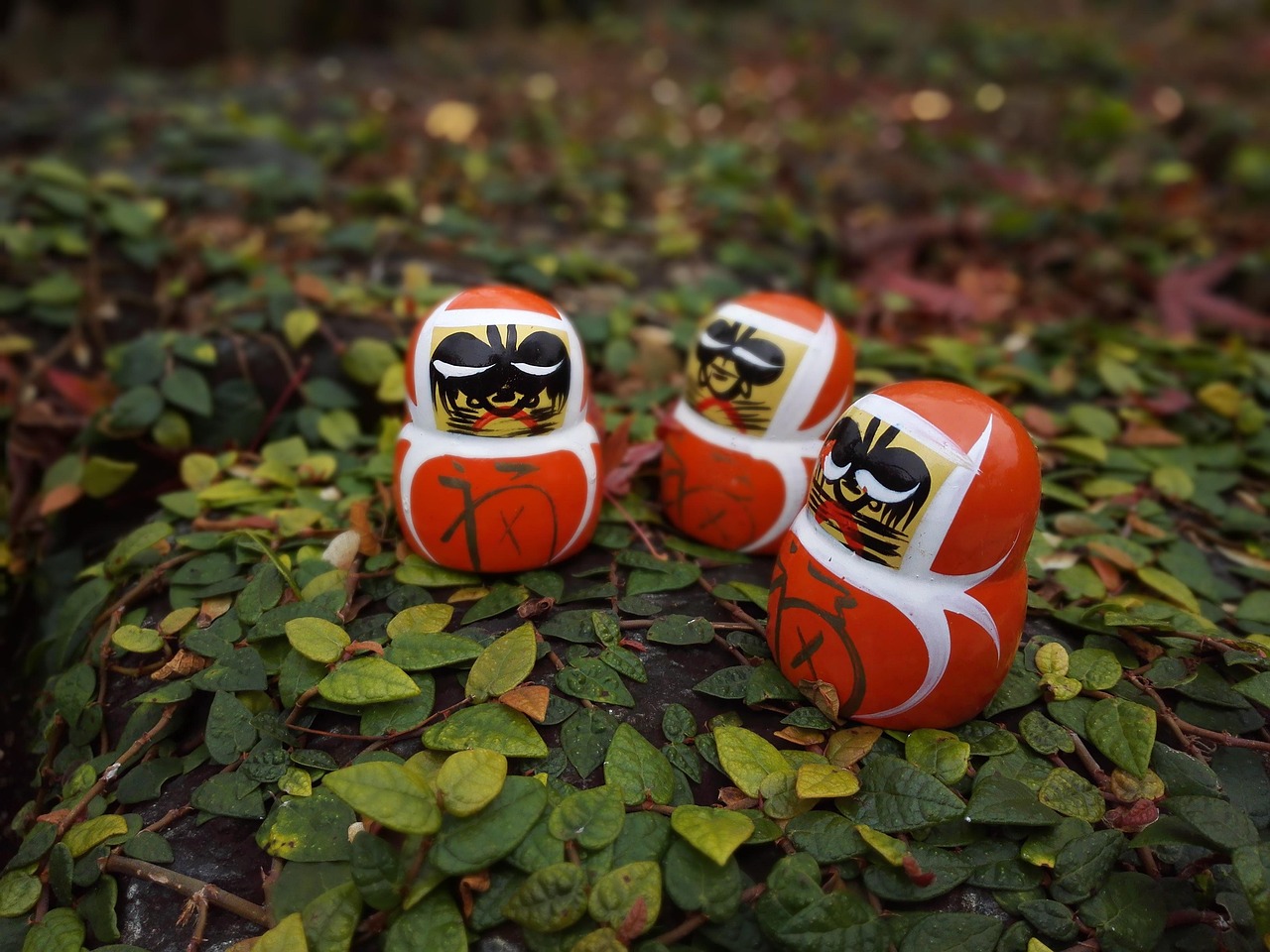
Local Culture Stops Takasaki Daruma Konnyaku and Creative Gunma-ken Finds Takasaki daruma Maebashi Isesaki Gunma-ken local culture guide
It’s easy to think of Takasaki as a transit point—until you search Takasaki daruma Maebashi Isesaki Gunma-ken local culture guide and realise how much texture is waiting between trains. In Takasaki, daruma figures are more than souvenirs; they represent resilience and good luck, and choosing one in a craft shop can feel like setting an intention for your journey. With a short stroll, the city shifts from “station” to story.
Then there’s Maebashi, the capital, and Isesaki, both offering everyday Japan energy—cafés, small galleries, and low-key creativity. Gunma is also modern and quietly inventive, not only hot springs and mountains, and that contrast keeps your trip feeling rounded.
Konnyaku tasting as a playful cultural stop
A konnyaku stop is a brilliant in-between memory: light, curious, and very local. You can taste different textures, learn how it’s made, and pick up small gifts that feel more personal than mass-market snacks. It’s also a gentle way to add culture to an active itinerary without draining your energy.
Design your day around Gunma with a sustainable pace
To keep things sustainable, I like a simple rule: choose one cultural stop and one nature stop, then leave space. For example, daruma shopping in Takasaki plus an evening bath, or a Maebashi café plus a short hike nearby. It’s a way to explore, uncover insight, and still feel cared for by your own schedule.
Planning Your Gunma Japan Itinerary With Confidence What Stays With You Gunma Japan travel guide itinerary onsen culture prefecture Kanto
By the end of a well-paced trip, the phrase Gunma Japan travel guide itinerary onsen culture prefecture Kanto stops being a plan and becomes a feeling. It’s the sensation of moving between steam and silence—between a factory’s measured order and the open marshland’s breathing space—without needing to prove anything to anyone. You carry home a new trust in contrast: effort followed by ease, adventure softened by care.
What stays with you is often small. The look of light on the Oze boardwalk as clouds drift past; the warmth of hot water after a cold walk; the quiet pride in a place that once spun silk into the modern world. These details are personal, and that’s precisely why they endure.
There’s also a gentle comfort in the shared courtesies you learn along the way: onsen etiquette observed together, trail space given without fuss, and local welcomes offered without performance. In those moments, Japan feels both refined and human—something you can hold onto long after you’ve unpacked.
And if you ever return, it won’t be because you missed a checklist. It will be because you remember a particular scent of sulphur steam on cool air, or the way a mountain horizon looked when you finally stopped rushing—an image that quietly invites you back, in another season, when you’re ready.
F.A.Qs: Gunma Japan travel guide for tourist planning
What is Gunma Japan known for?
Gunma is known for hot spring towns such as Kusatsu, outdoor adventures in areas like Minakami, and cultural heritage including the Tomioka Silk Mill. It’s also appreciated for mountain landscapes, seasonal hiking, and local crafts like Takasaki daruma, giving travellers a strong mix of nature, relaxation, and history.
Is Gunma, Japan worth visiting?
Yes—Gunma is worth visiting if you want a less crowded side of Japan with high-quality onsens, beautiful hikes, and meaningful cultural sites. It suits adventure seekers who also value comfort, because you can pair active days with restorative baths, stay in refined ryokans, and still keep travel times practical from Tokyo.
Is Gunma close to Tokyo?
Gunma is close enough for an easy short break. You can travel from Tokyo to Takasaki by shinkansen and use Takasaki as a hub for onward trains and buses. That proximity makes Gunma a convenient Kanto destination when you want mountain air and hot springs without long transfers.
What can you do in Gunma, Japan?
You can visit the Tomioka Silk Mill, soak in Kusatsu Onsen, hike the marshlands of Oze, and book rafting or canyoning in Minakami. For slower days, try Ikaho’s stone steps, sample local food like Mizusawa udon noodles, and explore Takasaki’s daruma culture for an easy, memorable cultural stop.