Post Contents
- National Art Center Tokyo Japan NACT 国立新美術館 one of the largest museum spaces and why it feels different
- NACt architecture wavelike glass facade designed by Kisho Kurokawa Tokyo Japan
- National Art Center Tokyo special exhibition contemporary art exhibition guide Japan
- National Art Center Tokyo largest exhibition spaces art library cafe museum shop and exhibition space flow
- Tokyo Roppongi National Art Center access Nogizaka Station admission tips museums and galleries
- National Art Center Tokyo Japan reflective visit modern museum feeling
- F.A.Qs: National Art Center Tokyo Japan museum
National Art Center Tokyo Japan NACT 国立新美術館 one of the largest museum spaces and why it feels different
National Art Center Tokyo Japan and NACT in a Nutshell with Roppongi city energy
National Art Center Tokyo Japan NACT 国立新美術館 one of the largest museum spaces is your clue that this isn’t a typical art museum built around trophies and timelines. Instead of a permanent collection, the National Art Center was created to host a variety of exhibitions, so each visit can feel like you’ve uncovered a different side of Tokyo.
For Adventure Seekers, that’s quietly thrilling: you’re not following a single prescribed route through a museum of art. You’re choosing your own pace, your own rooms, and your own meaning—more like an urban explore than a lecture. The design of the day can be as bold or as gentle as you want it to be.
Tokyo and Roppongi as a crafted cultural base
You’ll find the centre in Roppongi, a neighbourhood that makes cultural hopping feel effortless. It sits within the Art Triangle Roppongi (and the wider Triangle Roppongi energy), where art institutions cluster close enough that you can move between museums and galleries without turning the day into a logistics puzzle.
Travellers often tell me the first moment of awe happens before they even step inside—this futuristic silhouette in the city—and then, almost unexpectedly, the mood becomes relaxed. As a visitor, you can spend hours wandering, taking in an exhibition, pausing for a quiet look, then drifting into the next gallery with genuine trust in your own taste.
Planning, reassuringly, is simple: admission varies by exhibition, and parts of the building are free to enter, so you can enjoy the architecture and atmosphere even on days you don’t commit to a ticket.


NACt architecture wavelike glass facade designed by Kisho Kurokawa Tokyo Japan
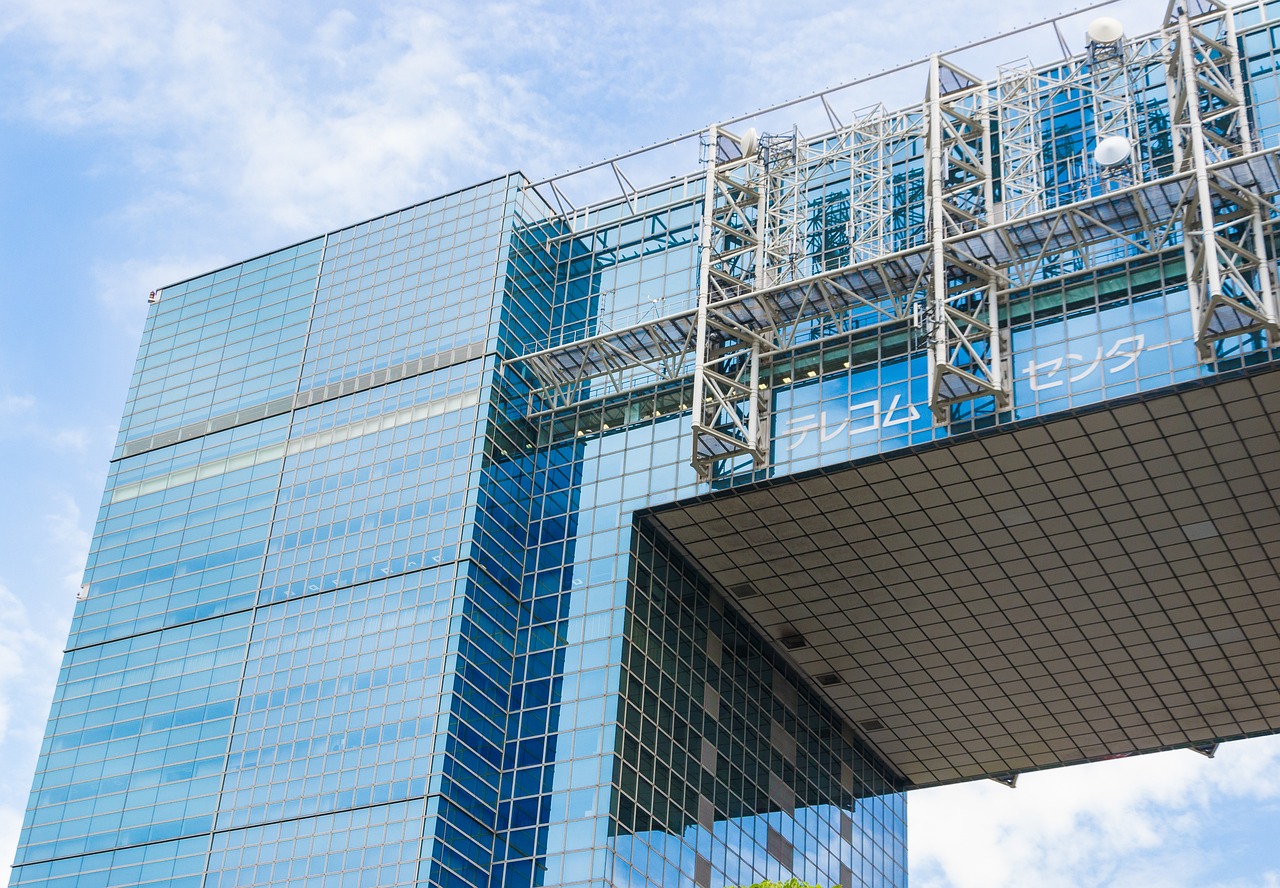
Designed by Kisho Kurokawa The Wavelike Glass Facade at the National Art Center Tokyo
NACt architecture wavelike glass facade designed by Kisho Kurokawa Tokyo Japan is the headline, and it’s worth savouring slowly. The renowned architect Kisho Kurokawa conceived the building as a landmark with intention, and it opened in 2007—modern, yes, but deeply considered in how it invites you to move.
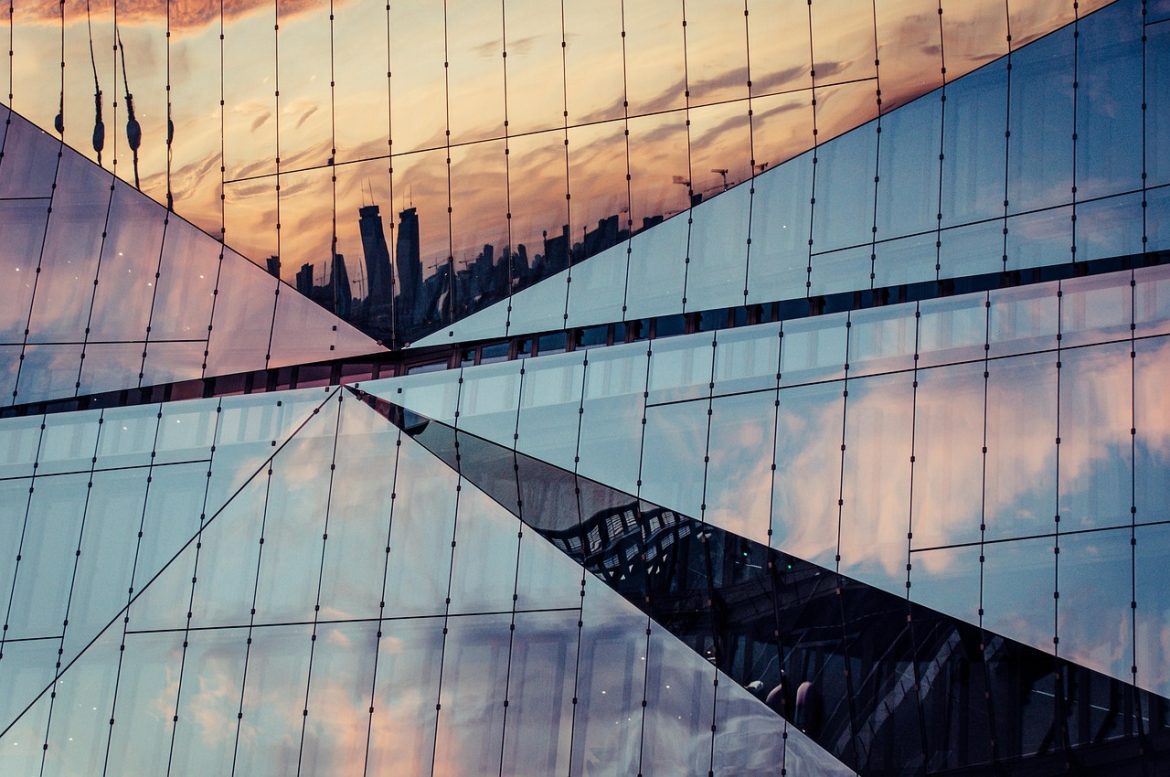
From outside, the beautiful wavelike glass reads like a living surface. As you approach, the curves shift and reflect the city, encouraging you to explore the frontage like an urban trail—step left, step right, and the glass facade changes character. It’s a small adventure before the first exhibition even begins.
Inside the museum entrance and atrium moments to notice
Once through the entrance, the tall atrium is your reset button: bright, airy, and quietly cinematic. Look for the conical forms rising through the space—details that make the scale feel intentional rather than overwhelming. If you’re new to contemporary art settings, this is where you can breathe, orient yourself, and create a calm plan.
If you want a first-timer comparison, the volume can feel a bit like the Louvre, but the mood is more spacious and unhurried—less rush, more room for personal reflection.
- Best light for photos: late morning often gives soft reflections across the glass.
- Low-stress rule of thumb: check signage at each room entry before lifting your camera—photography policies vary by exhibition.
- Comfort tip: take a minute in the atrium before heading upstairs; it keeps the day seamless.
National Art Center Tokyo special exhibition contemporary art exhibition guide Japan
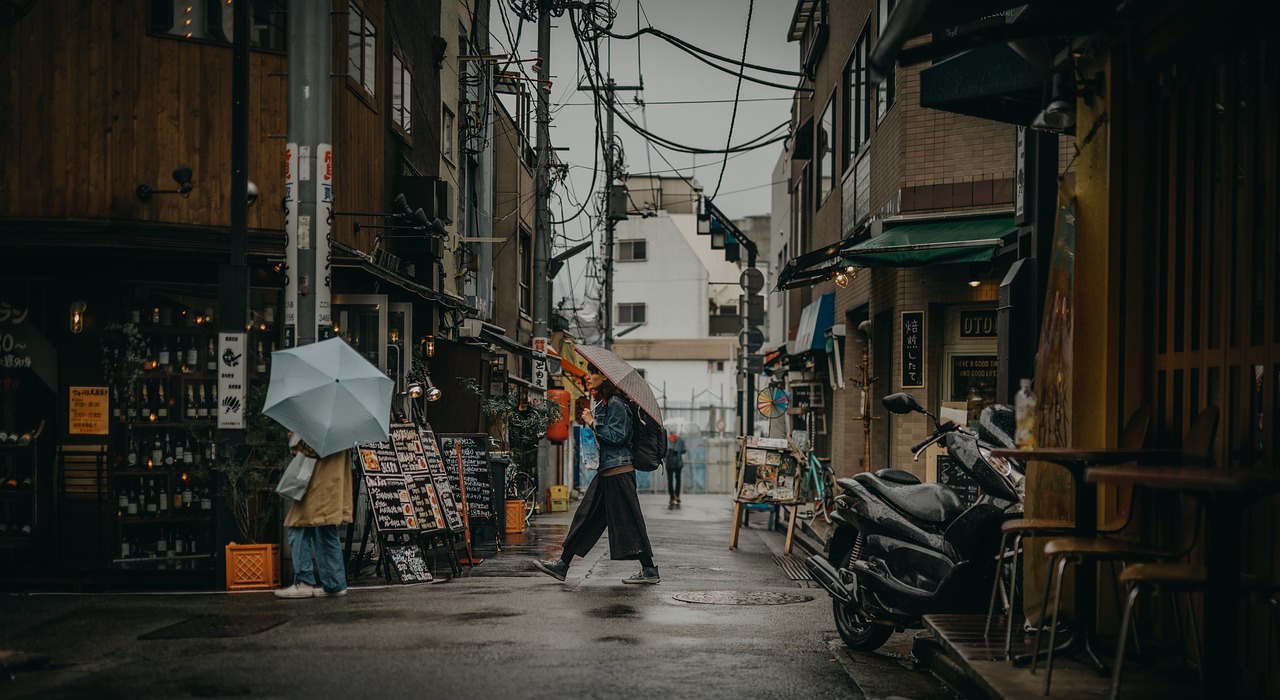
Special Exhibition Game Plan Contemporary Art Without Pressure at the National Art Center Tokyo
National Art Center Tokyo special exhibition contemporary art exhibition guide Japan begins with one helpful truth: programming here is built around temporary exhibitions, and you’ll often find exhibitions simultaneously across different floors. That means no two visits match—today’s gallery story won’t be the same next season.
The most satisfying way to navigate is a “choose your adventure” approach: commit to one headline show, then add a smaller exhibition for contrast. This is where the centre’s range becomes a gift—diverse genres, different moods, and a pace you can design for yourself.
Curator voice, artist associations, and how to feel supported
Some shows have a strong curator perspective, while others may be organised by artist associations, which can feel like stepping into a living community rather than a fixed canon. If something feels challenging, trust that you’re not behind; you’re simply meeting a new artistic language. Read the first wall panel, pick one work that holds your attention, and let your insight build from there.
Travellers often share the same thrill: discovering unexpected Japanese and international names they’d never have sought out—and finding the confidence to like what they like. Interactive works, in particular, help you imagine your own interpretation, rather than waiting for permission.
To avoid museum fatigue, give yourself a graceful stopping point. A good rhythm is: read quickly, pause deeply for one piece, then move on. You’ll leave inspired, not drained—especially if you’re travelling together and want the day to stay warm and enjoyable.
National Art Center Tokyo largest exhibition spaces art library cafe museum shop and exhibition space flow
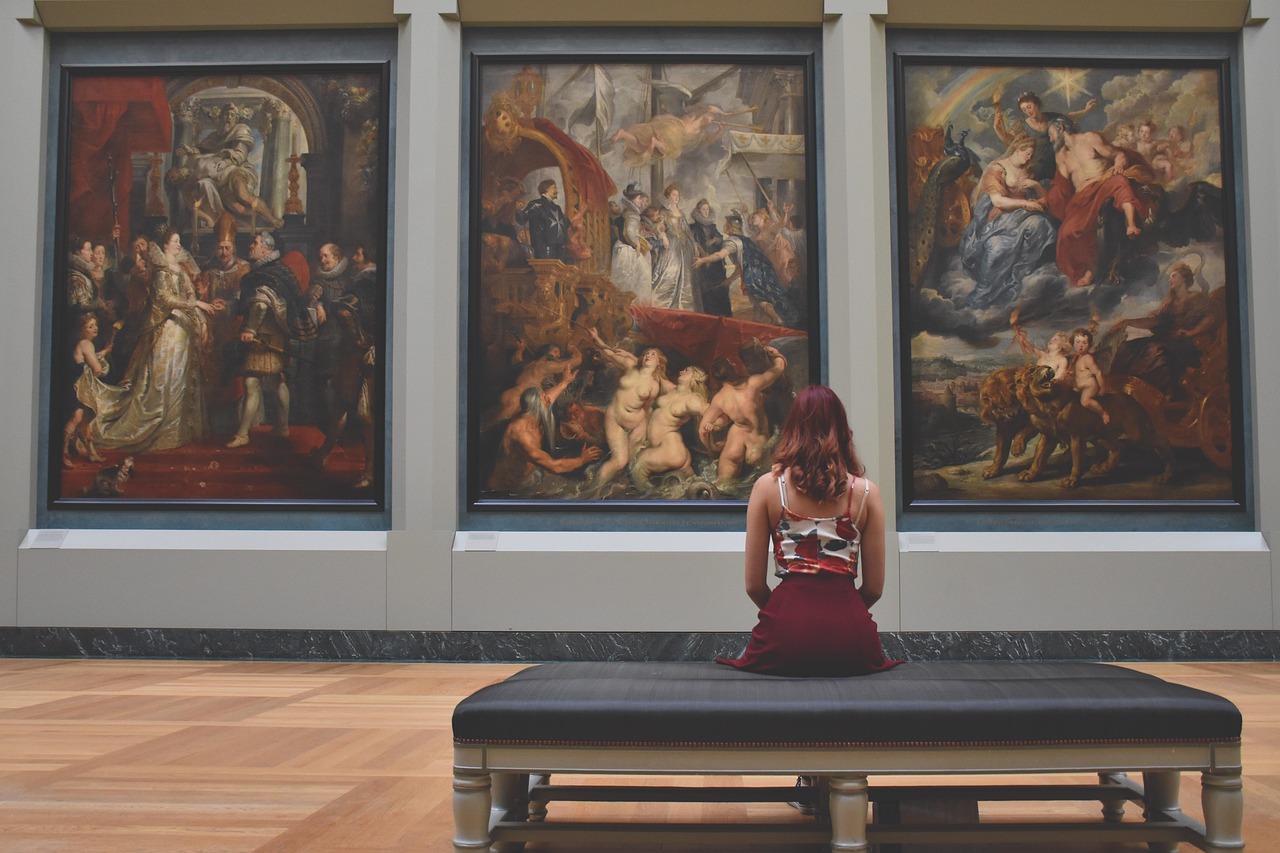
Inside the Largest Exhibition Spaces Galleries Library Cafe Shop at the National Art Center Tokyo
National Art Center Tokyo largest exhibition spaces art library cafe museum shop is where the building proves its traveller-friendly intelligence. The galleries are vast in square meters, yet the layout includes quieter pockets and sightlines that make the whole exhibition space feel navigable, even on a first visit.
For pacing, think in chapters. A half-day visit works beautifully if you choose one major exhibition plus one smaller room. A full-day visit is easy too—simply schedule breaks so your attention stays fresh and your experience feels crafted rather than rushed.
Interactive installations and the art library with manga finds
When you encounter interactive and immersive installations, the most confident approach is also the simplest: follow staff guidance and the signage, keep a respectful distance when requested, and take your turn without hurrying. You’ll still engage all your senses—sound, space, movement—without feeling unsure.
Don’t miss the art library: a unique room dedicated to art-related publications, from exhibition catalogues to design titles, and yes, the occasional manga that opens a window into Japanese visual culture. It’s a gentle way to deepen context without effort, and it often becomes a surprisingly personal highlight.
- Cafe timing: aim for a break just before you “need” it—your focus lasts longer.
- Museum shop strategy: save the museum shop for the end so you’re not carrying bags through galleries.
- Care and access: the building supports wheelchair access, and multilingual guides help international guests feel genuinely looked after.
Tokyo Roppongi National Art Center access Nogizaka Station admission tips museums and galleries
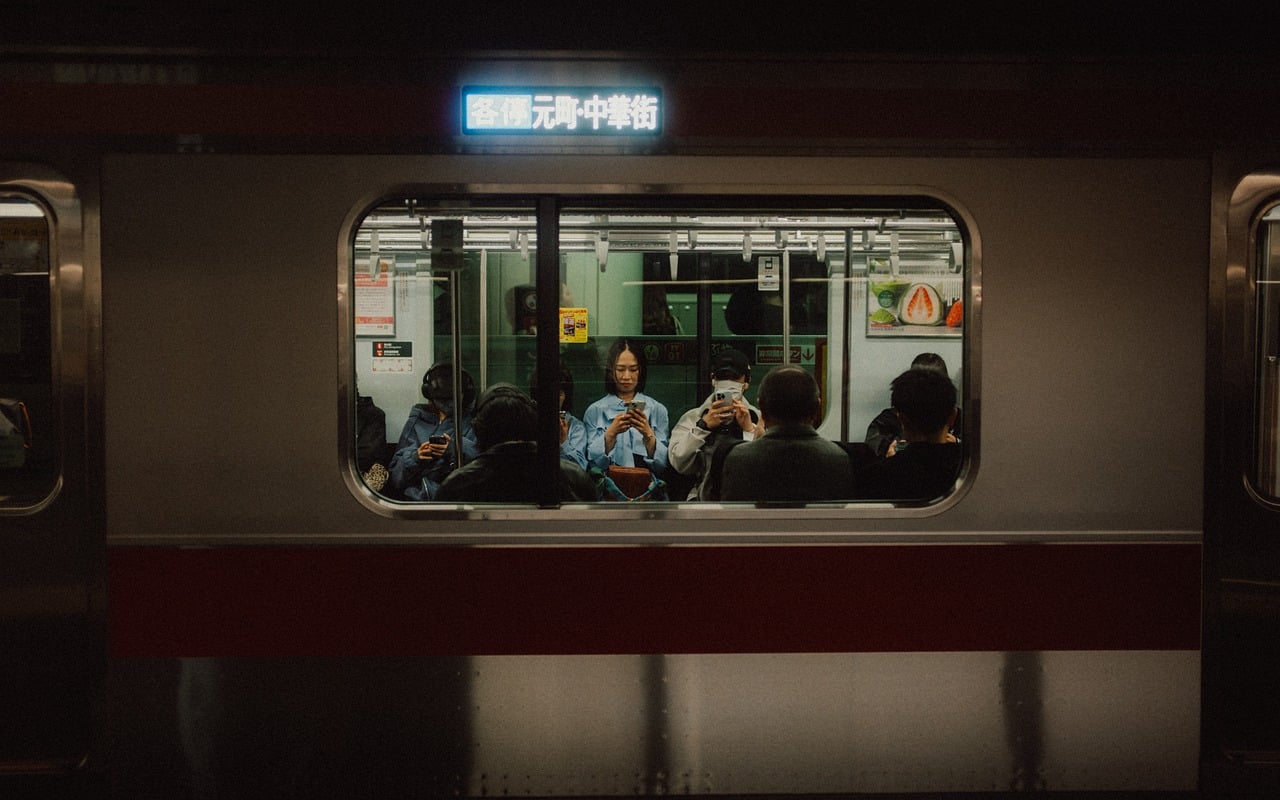
Getting There Admission and Roppongi Culture After Dark near the National Art Center Tokyo
Tokyo Roppongi National Art Center access Nogizaka Station admission tips museums and galleries starts with a simple, reassuring route. Take the Tokyo Metro Chiyoda Line to Nogizaka Station, use Exit 6, and enjoy the easy five-minute walk—well signed, calm, and ideal if you want to arrive with confidence rather than rushing.
For planning, weekdays are your friend if you prefer a more intimate experience in each exhibition room. Admission is set per show (often free to around 1400 yen), so check the official site for current listings; if timed tickets appear, book ahead and keep your day seamless.
Rules without fuss, and a local cultural loop after dark
Photography is allowed in some areas, but not all—look for the signs at the gallery threshold and you’ll never feel awkward. Expect standard museum norms: larger bags may be guided to a cloakroom, and quieter voices help everyone enjoy the space together.
Afterwards, Roppongi makes a beautifully easy evening reset. Pair your visit with the nearby energy of Roppongi Hills, or continue your cultural loop with Mori Art Museum and the Suntory Museum of Art—both excellent complements if you’re curious about modern Japanese art and wider global perspectives. If you’d like inspiration for a larger itinerary, you can browse our Trip gallery and imagine how these stops could fit into a high-end Tokyo stay.
National Art Center Tokyo Japan reflective visit modern museum feeling
National Art Center Tokyo Japan reflective visit modern museum feeling is hard to describe until you’ve felt it yourself. Hours later, what returns is the light on glass, the slow echo of footsteps, and the way the building’s lines make time feel slightly more spacious—like Tokyo has room for your thoughts as well as your plans.
The power of art here isn’t a lesson to master. It’s a quiet confidence: you don’t need expert language to belong in a contemporary space, only attention and honesty. In that sense, the centre offers something rare—permission to explore creativity without needing to prove anything.
People remember small moments with surprising care: lingering at the edge of an installation, meeting a surprising artist whose work stays with you, or sharing a gentle exchange with staff who offer support without making a fuss. You leave not “finished”, but softly changed—more open to what a city can reveal when you let it.
And somewhere in the background is a comforting thought: Tokyo will still be there, ready to be discovered again, one quietly crafted cultural stop at a time.
F.A.Qs: National Art Center Tokyo Japan museum
Is National Art Center Tokyo worth visiting?
Yes—especially if you enjoy design-led spaces and the freedom of rotating exhibitions. It’s less about ticking off famous masterpieces and more about discovering new voices, immersive works, and an atmosphere that feels calm and spacious in central Tokyo.
Is the National Art Center in Tokyo free?
Some areas are free, including parts of the building where you can enjoy the architecture and public spaces. Paid access usually depends on the specific exhibition you choose, so it’s worth checking what’s on before you go.
Do you need tickets in advance for National Art Center Tokyo?
Not always. Some exhibitions allow walk-up entry, while popular shows may use timed tickets. If you’re travelling on a tight schedule, booking ahead is a simple way to keep your day smooth and avoid queues.
What is the most famous art museum in Japan?
It depends on your interests, but Tokyo has several standout museums that travellers consider iconic. If you’re drawn to contemporary work and city views, places like Mori Art Museum are often cited—yet the best choice is the one that speaks to you in the moment.