Post Contents
- Sensoji Temple Asakusa Kannon legend Tokyo Japan as Asakusa Kannon 浅草寺
- Kaminarimon Thunder Gate Sensoji temple in Asakusa Station Ginza Line
- Nakamise-dori shopping street Sensoji Asakusa local snacks souvenir
- Sensoji Temple main hall ritual incense offering omikuji Asakusa Kannon
- Sensoji temple grounds five-story pagoda Hozomon Asakusa Shrine Sumida River
- Sensoji Temple reflection Asakusa Tokyo Japan personal insight
- F.A.Qs: Sensoji Temple Tokyo Japan
Sensoji Temple Asakusa Kannon legend Tokyo Japan as Asakusa Kannon 浅草寺
Sensoji Temple in Asakusa and the legend of Kannon
Sensoji Temple Asakusa Kannon legend Tokyo Japan is the story that gives this place its heartbeat—especially for first-time travellers arriving in Tokyo Asakusa. Known as 浅草寺, it’s a symbol of Asakusa that manages to feel both grand and welcoming, even when the approach is lively with visitors. Often spoken of as Tokyo’s oldest temple, it’s more safely understood as one of Tokyo’s earliest temple sites, and that long continuity is part of its quiet power.
The founding legend begins in the year 628, when two brothers were said to have found a small figure in the river—remembered in the story as they caught a golden statue in their nets. Locals recognised the figure as Kannon, the goddess of mercy, and chose to enshrine it as Asakusa Kannon, shaping a sacred narrative that still guides how people move, bow, and offer prayers today. Even if you arrive with curiosity rather than belief, you can uncover a gentle sense of meaning in how the space is held.
Edo roots and why the attraction stayed famous
During the Edo period, the temple became woven into city life—supported by Tokugawa patronage and surrounded by theatres, craft, and everyday rituals. That blend of the spiritual and the street is exactly why this attraction remains famous with worshippers and the occasional wide-eyed tourist, all moving together under lanterns and rooflines that feel distinctly Japanese. It’s a rare place where Tokyo’s pace slows without asking you to step out of the city.
Destroyed, rebuilt, and still timeless
Over centuries, fire, conflict, and the necessity to destroy damaged structures forced the site into cycles of rebuild, including significant post-war restoration. Yet the overall architecture still reads as timeless—bold gates, sculptural eaves, and a calm geometry that encourages you to pause. If you’re seeking an oldest temple thread to anchor your Tokyo story, this is a beautiful place to begin.


Kaminarimon Thunder Gate Sensoji temple in Asakusa Station Ginza Line
Kaminarimon Thunder Gate your first photo stop in Tokyo Asakusa
Kaminarimon Thunder Gate Sensoji temple in Asakusa Station Ginza Line is the simplest route to design if you want a smooth arrival with minimal decisions. From Asakusa Station on the Tokyo Metro Ginza line, follow the steady flow above ground; Tobu connections also bring you neatly into the neighbourhood, making transfers feel seamless even after a long flight. Within about 700 metres, the city’s edges soften into a ceremonial approach that feels crafted for anticipation.
How to photograph the thunder gate with confidence
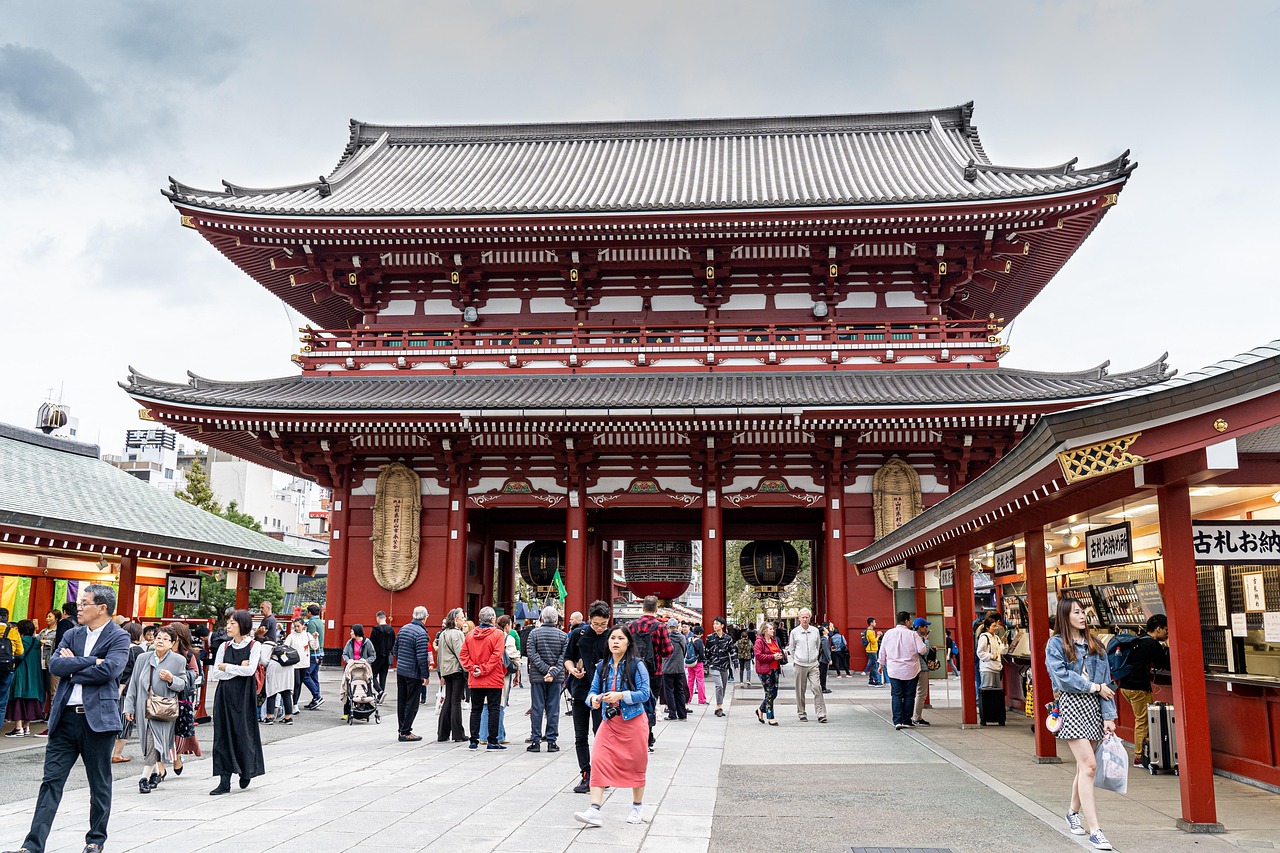
Kaminarimon is the thunder gate moment everyone imagines: the guardian figures, the colour, the scale, and that single lantern that seems to glow even on overcast days. For a signature shot, step slightly to the side so the crowd becomes part of the story, then wait for a small gap rather than pushing forward. You’ll create a stronger image, and you’ll support the flow of foot traffic—an elegant way to travel.
Timing strategy for Tokyo Asakusa atmosphere
Adventure seekers often love an early morning approach, when the gate feels monumental and the air is cooler; late afternoon brings a gentle gold that flatters every detail. Weekdays are calmer, and you’ll feel more space to explore the entrance etiquette: a brief bow, hats off when appropriate, and a moment to look up before you step through. If you’d like ideas for a wider luxury route across Japan, you can weave this into a longer itinerary via our Trip gallery.
- Best times: early morning or late afternoon for fewer crowds and softer light.
- Navigation: follow signs for Senso-ji Temple from the station exits; you’ll naturally meet the gate.
- Quick etiquette: keep to the side for photos, and offer others the same care you’d hope for.
Nakamise-dori shopping street Sensoji Asakusa local snacks souvenir
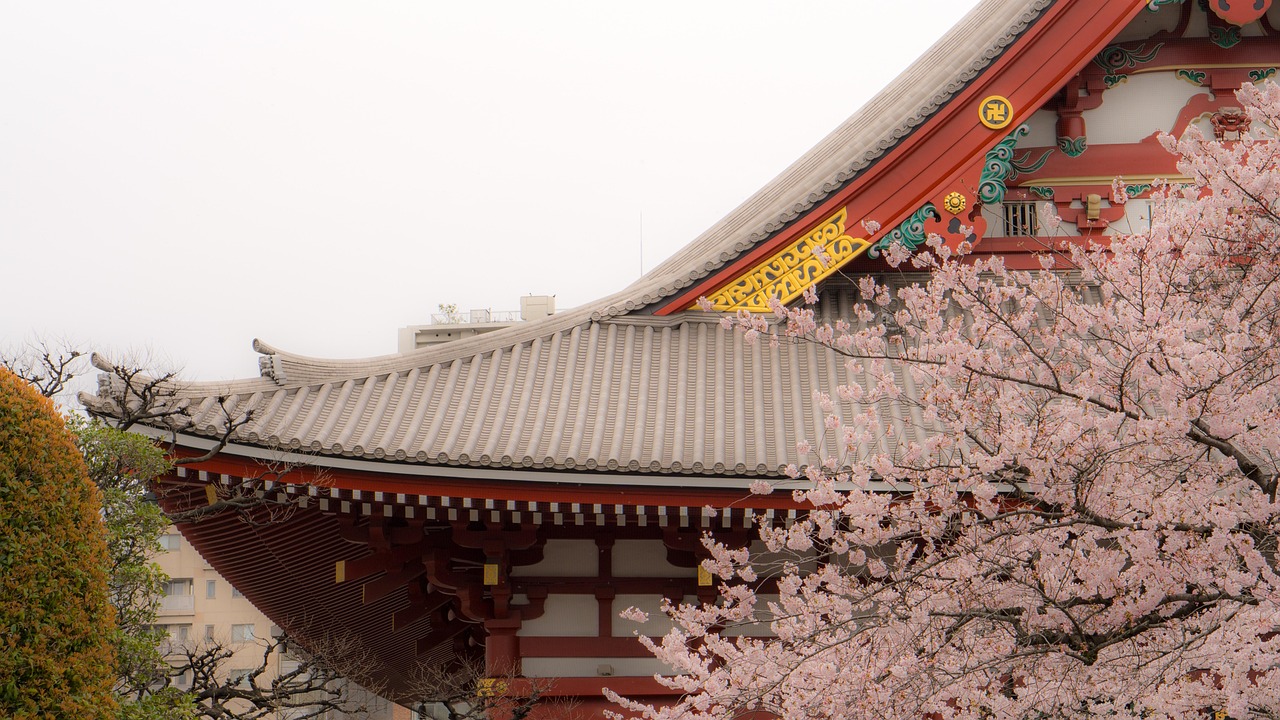
Nakamise-dori shopping street for local snacks and souvenirs
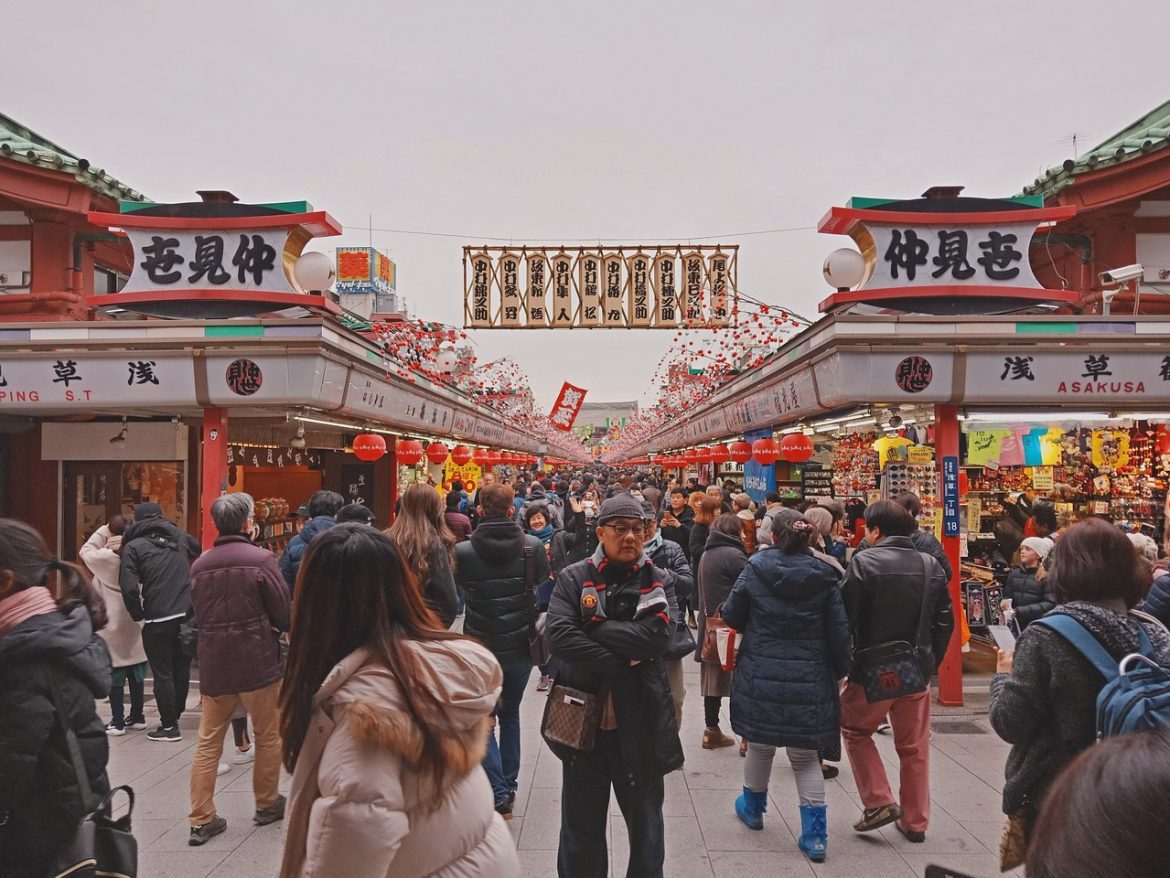
Nakamise-dori shopping street Sensoji Asakusa local snacks souvenir is not a detour—it’s the temple journey in motion. As you step onto the nakamise-dori street, you’ll feel the sensory buzz: cedar, sweet batter, roasted rice, and the bright colour of stalls that have served pilgrims for generations. Take your time; you don’t need to rush to be “efficient” here.
A small tasting trail to fuel your explore
Start with ningyo-yaki cakes, warm and soft, often shaped like little temple motifs; I still remember the joy of receiving a fresh tray from a smiling vendor and taking the first bite while the street opened ahead. Add rice crackers for a savoury balance, then look for seasonal flavours that shift throughout the year. This is one of those local snacks moments where culture tastes like comfort.
Traditional Japanese gifts with meaning
If you’d like one thoughtful souvenir rather than a bag of impulse buys, seek out traditional Japanese items that carry symbolism—like hagoita paddles, often wooden and decorative, associated with good fortune in local tradition. For pacing, keep purchases light so your hands stay free for photos and for the main hall steps ahead, and carry cash because many stalls don’t accept cards. If you’re planning a refined day, bookmark a nearby restaurant for a calm refuel once the crowds thicken.
Sensoji Temple main hall ritual incense offering omikuji Asakusa Kannon
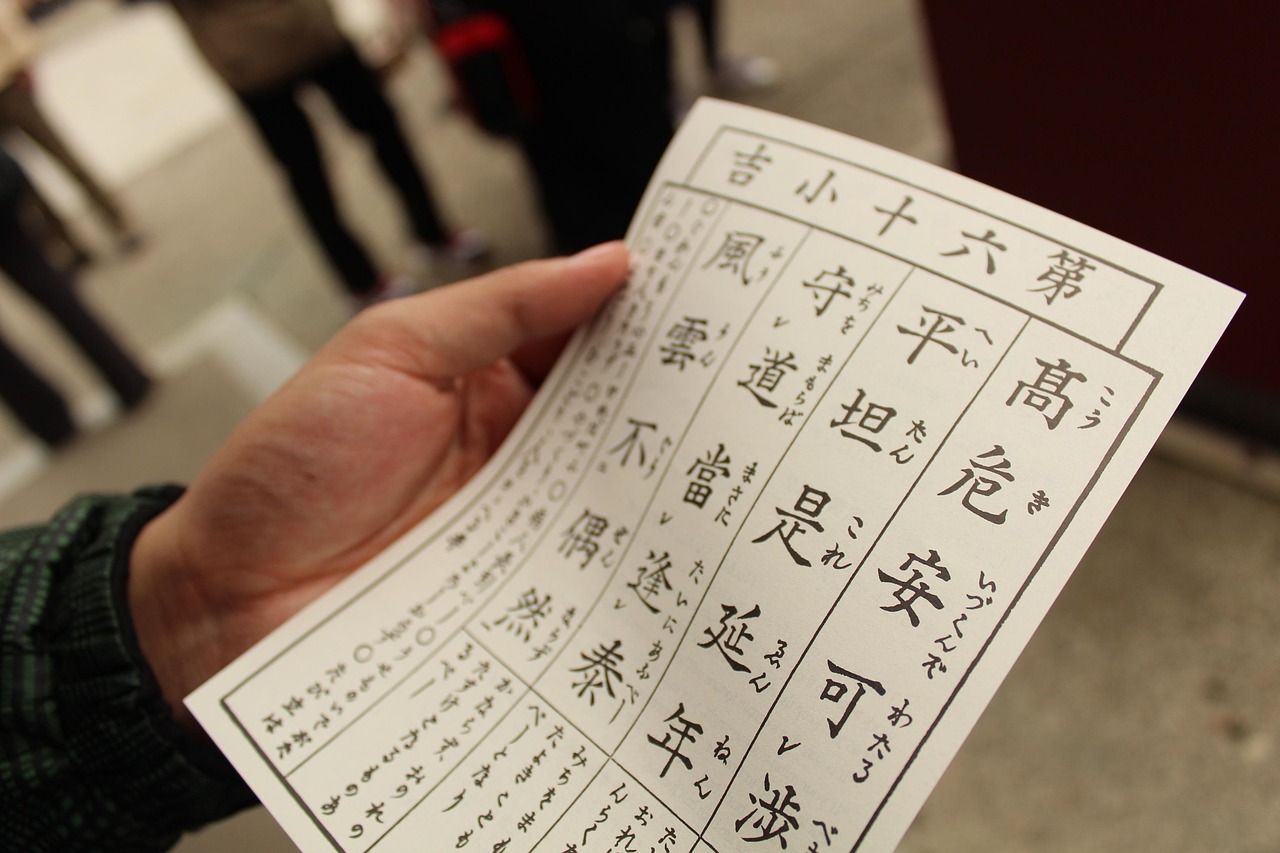
Main hall rituals at Sensoji Temple and omikuji fortune
Sensoji Temple main hall ritual incense offering omikuji Asakusa Kannon is where curiosity becomes insight, even if this is your first Buddhist temple experience. Before you enter, pause at the purification fountain: rinse one hand, then the other, and take a small mouth rinse (without drinking), a gesture of respect rather than performance. These quiet steps help you arrive with confidence, not hesitation.
Incense, offering, and the rhythm of devotion
As you approach the main hall, you’ll notice incense smoke drifting in soft layers—many people waft it towards themselves as a blessing. An offering is simple: a small coin, a brief bow, and a moment of stillness while chants and bells mark the day’s rhythm. The atmosphere stays surprisingly gentle, even with a steady stream of visitors.
The Kannon thread returns here, tied to the statue of Kannon story that began at the river. Keep your presence light and respectful—remove hats in prayer areas, and watch how locals place hands together before bowing. You don’t need to know every rule; you only need care and attention.
Omikuji fortune and what to do with the slip
For many travellers, pulling an omikuji is the most personal part of the visit. The fortune usually costs about 100–200 yen; you draw a numbered stick, then take the matching slip from a drawer, and read the message (often with English guidance nearby). I’ve heard more than one traveller describe how a single line offered unexpected guidance—less “prediction”, more a mirror for what they were already carrying.
- If it’s lucky: keep it in your wallet or journal as a quiet travel talisman.
- If it’s unlucky: tie it to the designated racks so you symbolically leave the worry behind.
- Small detail: be mindful of queues and don’t rush others—this is a shared ritual.
Take a final moment to look up: layered rooflines, hanging lanterns, and carved details that feel both ornate and restrained. It’s the kind of expert craftsmanship that doesn’t demand attention—yet rewards it.
Sensoji temple grounds five-story pagoda Hozomon Asakusa Shrine Sumida River
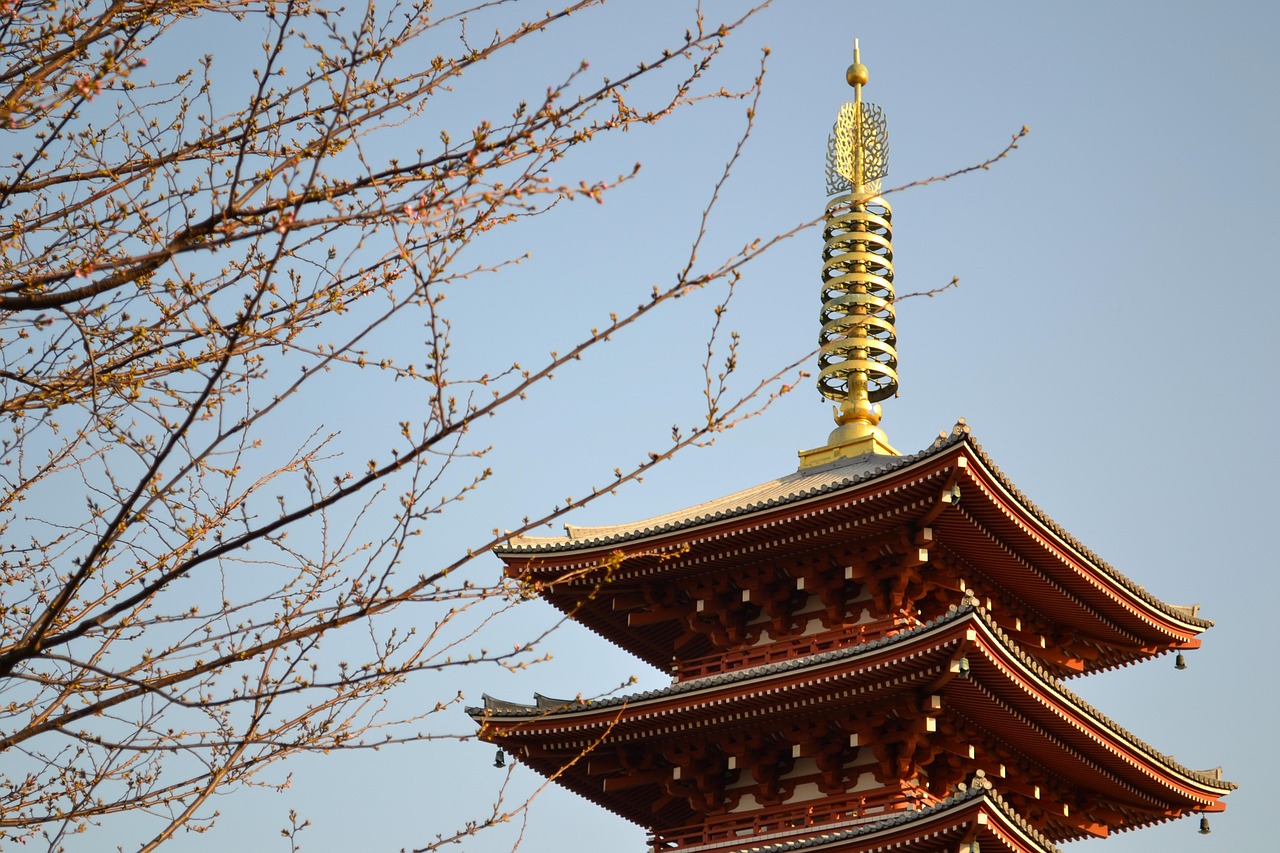
Temple grounds calm gardens pagoda and nearby shrine
Sensoji temple grounds five-story pagoda Hozomon Asakusa Shrine Sumida River is your invitation to step away from the busiest line and breathe. Once you pass the densest part of the approach, the temple grounds open into calmer corners, small gardens, and a five-storied presence that feels like a quiet compass in the middle of Tokyo. This is the temple in Asakusa that rewards those who slow down.
Hozomon gate, pagoda views, and a slow circuit
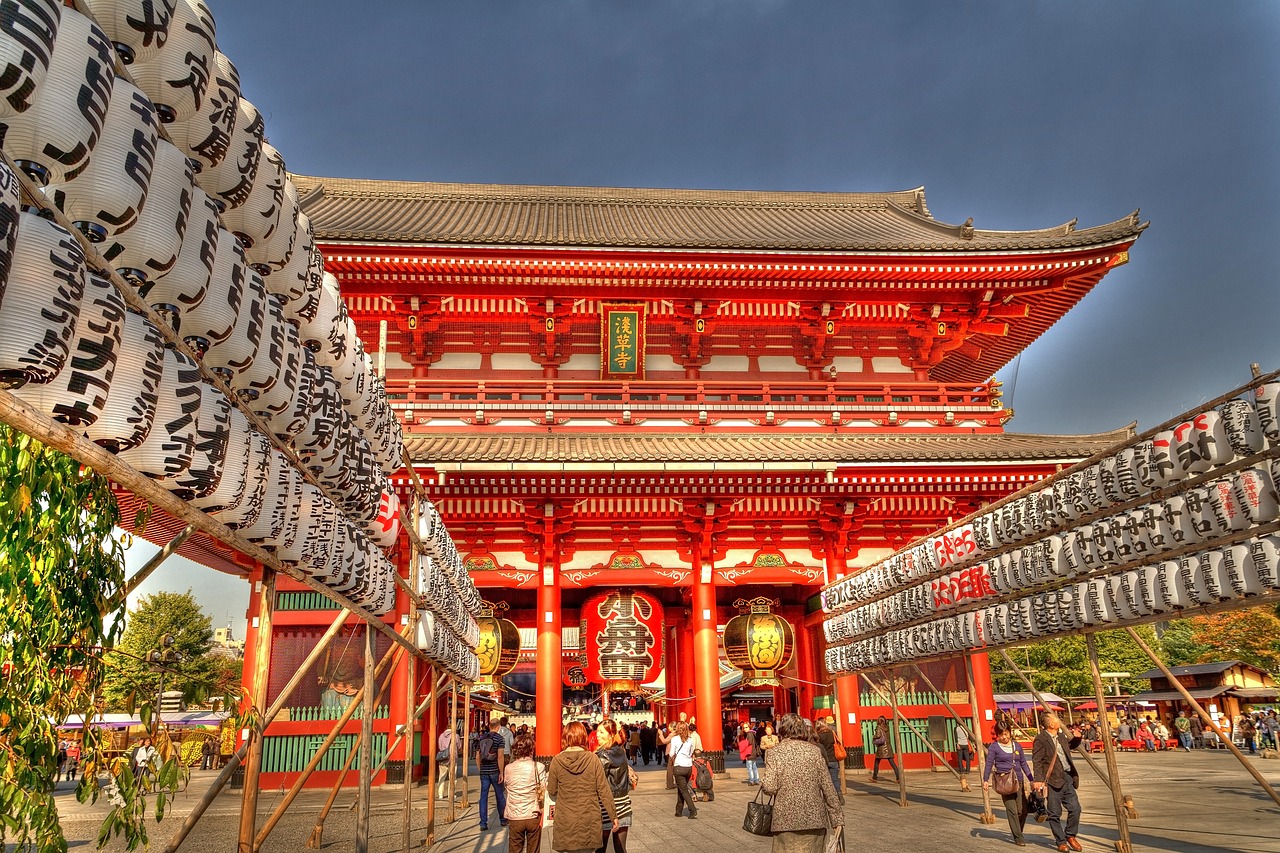
Use the Hozomon as a visual milestone: it’s a natural pause point for photos and a good place to reorient without pulling out a map. From here, a gentle loop brings you to the five-story pagoda, where the vertical lines and deep reds offer a different mood than the entrance gate—less spectacle, more serenity. If you’re travelling together, it’s also a lovely place to regroup and quietly compare impressions.
Asakusa Shrine, festival energy, and a river detour
Nearby Asakusa Shrine sits close to the temple complex; in simple terms, a shrine is typically Shinto and a temple is typically Buddhist, and in Japan they often exist side-by-side in a way that feels natural rather than contradictory. If you visit during the Sanja Matsuri festival, the energy can be electrifying—one visitor told me it deepened their trust in Tokyo’s living culture, not just its history. For a softer finish, stroll towards the Sumida River for fresh air and a clean city vista, with Tokyo Skytree in view; locals may still call it the sky tree, and either way it anchors you back in the modern skyline.
Mini-checklist for a seamless visit: entry is free, early morning and late afternoon are your calm windows, and weekdays outside peak periods keep the experience unhurried.
Sensoji Temple reflection Asakusa Tokyo Japan personal insight
Sensoji Temple reflection Asakusa Tokyo Japan personal insight is, for me, less about what I “saw” and more about what stayed. I remember how the air changed under the eaves, how incense softened the edges of the day, and how the crowd noise faded into something almost musical once I stopped resisting it. There was a moment when I looked back towards the pagoda and felt, oddly, both very small and completely looked after.
What lingers is the shift from doing to noticing. A fortune slip tucked into a pocket, the glow of a lantern against dark timber, the quiet dignity of people pausing to bow—these details don’t ask you to agree with them, only to witness them. In Tokyo, that kind of gentleness can feel like a gift you didn’t know you needed.
And if you’re travelling boldly, or feeling a little homesick, or simply curious, it’s normal to be moved in ways you can’t quite name. The place holds you without questions, and sends you back into the city with steadier shoulders. I like to imagine that, next time I return to Asakusa, Sensoji will offer a different kind of welcome—one that unfolds quietly, like a relationship growing over time.
F.A.Qs: Sensoji Temple Tokyo Japan
What is special about Sensoji Temple?
Sensoji is one of Tokyo’s most historic religious sites, closely linked to the legend of Kannon and the identity of Asakusa. It blends living worship with iconic landmarks like Kaminarimon, a richly atmospheric approach street, and a main hall where you can observe real rituals respectfully. The mix of tradition, architecture, and everyday devotion makes it feel both monumental and surprisingly intimate.
How long does it take to go through Sensoji Temple?
A focused visit can take 45–60 minutes, including Kaminarimon, Nakamise, and time at the main hall. If you want a calmer, more immersive pace—stopping for a snack, trying omikuji, and wandering to the pagoda and quieter corners—plan 90 minutes to two hours. Early morning visits often feel quicker because you’re not navigating heavy crowds.
Is entrance to Sensoji Temple free?
Yes, entry to the temple precinct is free, and you can walk through the grounds without a ticket. Small costs are optional: an omikuji fortune or modest offerings are usually around 100–200 yen, and snacks or souvenirs depend on your tastes. Bringing cash is helpful, especially for Nakamise stalls and small purchases.
Is it worth going to Sensoji Temple?
Yes—especially if you want to understand Tokyo beyond the modern skyline. Sensoji offers a rare chance to experience tradition in the middle of the city, from the dramatic gate and shopping street to the calm of the main hall and pagoda. Arrive early or later in the afternoon, and the visit can feel both culturally rich and genuinely restorative.