Post Contents
- Kyoto travel guide for a first visit: best things to see in Kyoto (with calm pacing)
- Kinkaku-ji and Kiyomizu-dera: iconic Kyoto attractions, temples in Japan, and viewpoints to see in Kyoto
- Shrines and torii gates: Fushimi Inari Shrine hike planning for a classic Kyoto attraction
- Gion nights: tea ceremonies, traditional Japanese etiquette, and respectful geisha encounters
- Unique things to do in Kyoto city: Nishiki Market, bamboo forest walks, and the Kyoto Imperial Palace
- FAQs: attractions in Kyoto, Japan
- What stayed with me after Kyoto: reflections on temples, shrines, and returning to Kyoto
Kyoto travel guide for a first visit: best things to see in Kyoto (with calm pacing)
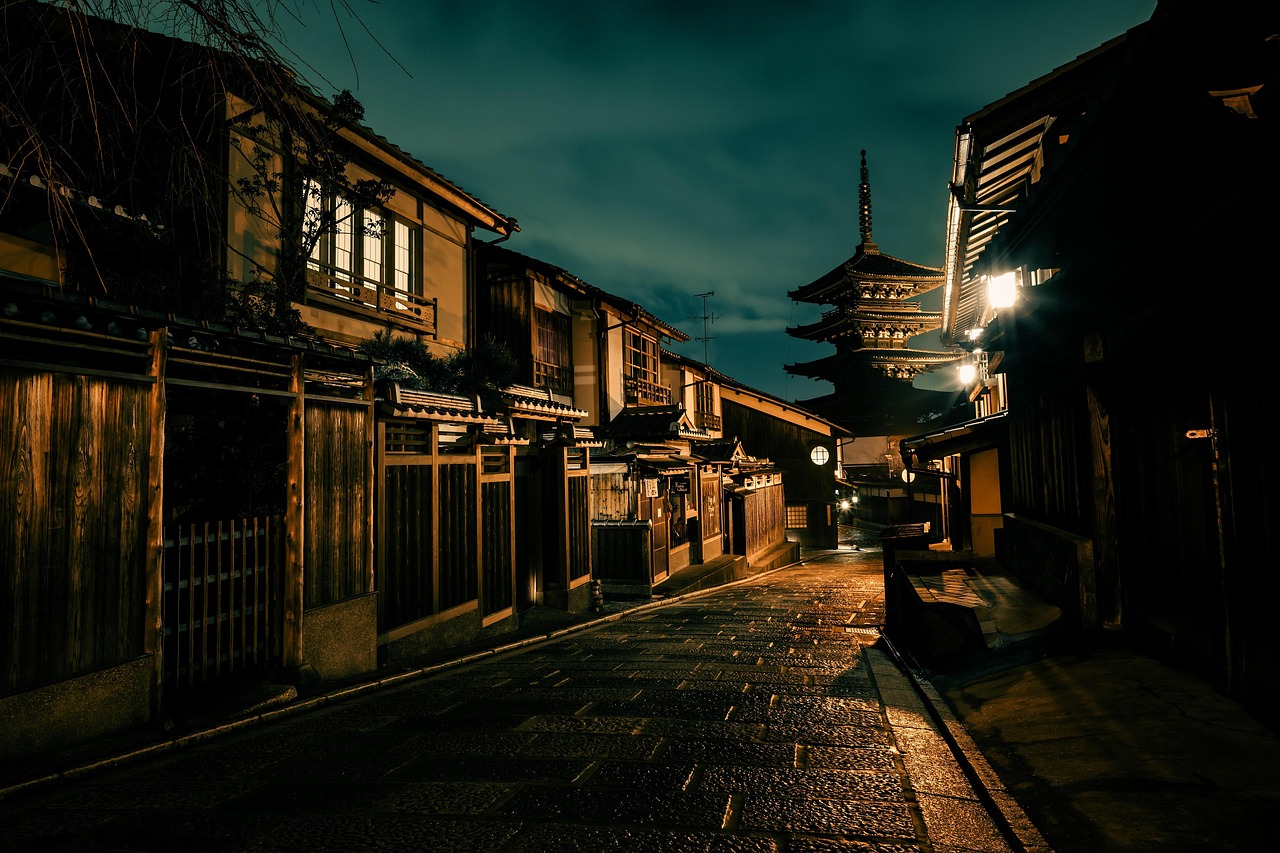
First-visit Kyoto: best things to see along a traditional alley at a slower pace
If you’re looking for a thing to do in Kyoto on a first visit, the most helpful approach is to think in layers: one iconic highlight, a few quiet pauses, and a couple of interesting things that feel genuinely personal. This page is written like a Japan travel guide for travellers who want crafted days and seamless logistics without losing the softness that makes Kyoto streets, gardens, and rituals feel so alive.
Kyoto can be dazzling, but it’s rarely at its best when you rush. Plan each day around one “anchor” attraction, then leave room to explore side lanes, small courtyards, and cafés where the pace naturally slows—this is how a Kyoto itinerary becomes both structured and spacious.
Kyoto bucket list priorities: top Kyoto picks, experiences in Kyoto, and crowd-smart planning
For the first time in Kyoto, you’ll get the richest insight by combining a few well-known Kyoto icons with gentler, less-performed moments. Your Kyoto bucket list can absolutely include headline temples and a signature shrine, but the most memorable experiences in Kyoto often happen in the in-between: reflections on water, incense in the air, and the sound of geta on stone.
To make that balance easy, use a simple rhythm: mornings for popular Kyoto highlights, afternoons for slower neighbourhood wandering, and evenings for atmosphere. With this structure, you’re not fighting crowds—you’re flowing around them, especially when you only have limited days in Kyoto.
Seasonal timing in Kyoto: time to visit, light, and the calm art of starting early
Many travellers consider spring (March to May) and autumn (October to November) the best times to visit Kyoto for blossoms, foliage, and photography. The most important time to visit busy temples and shrines is often early in the morning, when the light is softer, the air is cooler, and Kyoto feels more like itself.
In peak seasons, that early start is the difference between “seeing” and truly experiencing. You’ll move with more care, take photographs without pressure, and leave before the busiest wave arrives—an underrated luxury on a first-time in Japan itinerary.
How many full days should you plan? For most travellers, 2–4 full days is a comfortable rhythm: enough time for iconic temples in Kyoto, a few unique temples, and neighbourhood texture, without turning each day into a checklist. If you’re pairing Kyoto with Tokyo on a wider Japan trip or trip to Japan, the Shinkansen adds a reassuring sense of ease—quiet, punctual, and comfortable, especially if you pack light and keep your time in Japan flexible.
Getting in and around Kyoto city is straightforward once you orient yourself around JR Kyoto Station (and the wider transport hub). Buses reach many major sights; for efficient travel between places to visit in Kyoto, a day pass can feel wonderfully seamless. When you want extra support—after a long temple day, or when you’re dressed for dinner—taxis are easy and can be a quietly luxurious choice.
Where you stay in Kyoto shapes how the city meets you each morning. Gion and Higashiyama offer a traditional atmosphere and gentle evening walks; the central districts are ideal for refined dining and transit; and the area near the station prioritises convenience for a day trip or smooth arrivals. Choose a base that matches your pace, and let proximity do the heavy lifting for your time in Kyoto.
- Luxury planning tip: pick one “anchor” sight per day, then add one flexible neighbourhood stroll.
- Transport support: buses for classic routes, taxis for ease between scattered attractions, and trains for longer hops from JR Kyoto Station.
- Travel tips: carry water, wear comfortable walking shoes, and keep a light layer for early starts—simple Japan travel tips that make a big difference.
If you’d like to see how Kyoto fits into a larger trip to Japan with thoughtful pacing, you can browse our Trip gallery for inspiration.


Kinkaku-ji and Kiyomizu-dera: iconic Kyoto attractions, temples in Japan, and viewpoints to see in Kyoto
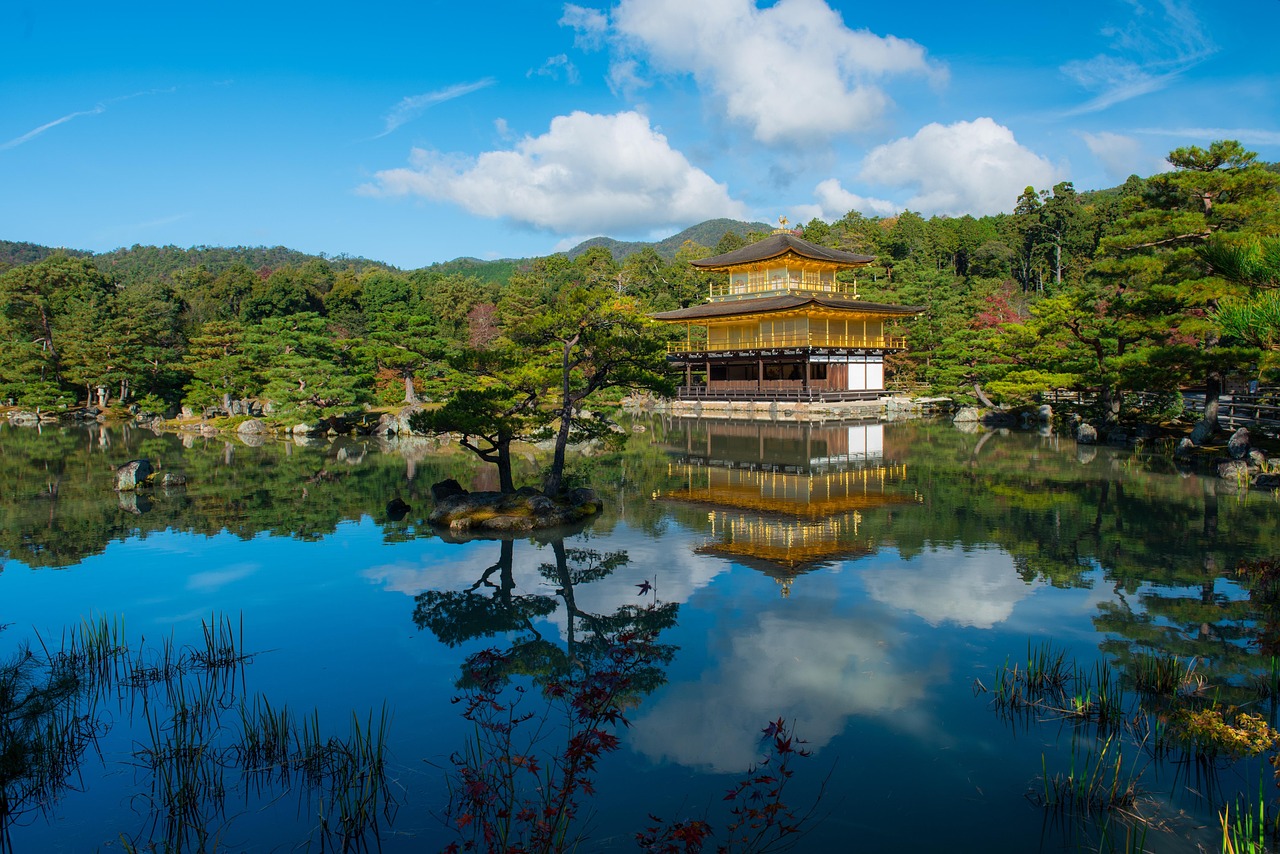
Kinkaku-ji and the iconic temples to explore with the Golden Pavilion
If your wish list includes Kinkaku-ji and Kiyomizu-dera, you’re in the right place—these are iconic for a reason, and each holds a different mood. The secret is not to “do them fast” but to visit Kyoto with a rhythm that lets the atmosphere land: garden approaches, shifting light, and the hush of a temple path beneath your feet.
Kyoto’s temple heritage can feel vast, so it helps to think in sensations: gold on water, wood and sky, blossom petals on a canal. With that lens, the city becomes less of a list and more of a story you’re living inside—one of the best things about this destination.
Kinkaku-ji temple: the Golden Pavilion reflection and a classic attraction
Kinkaku-ji is a top pick among Kyoto’s sights, and it’s best experienced as a slow reveal. You approach through a landscaped garden where the scene is designed to frame the pavilion’s gold-leaf exterior—bright yet refined—against pines and water. The entrance fee is about 400 yen, and it’s easily accessible by bus from Kyoto Station, making it a natural stop even on a shorter trip to Kyoto.
A traveller once described a magical moment here: watching the golden reflection shimmer across the pond at sunset and feeling a deep connection to history. If you can, linger as the light changes; Kyoto rewards patience with a quiet kind of wonder.
Kiyomizu-dera: Kiyomizu-dera temple terrace views over the city of Kyoto
Kiyomizu-dera is another must-see temple, celebrated for its dramatic wooden terrace and wide views of Kyoto. It can be busy, but it still holds a powerful presence—especially when you step onto the terrace and feel the scale of the hillside beneath you.
Paths around Kiyomizu-dera can be uneven, with slopes and stone steps, so comfortable walking shoes are essential. Move with care and confidence, and you’ll enjoy the approach as part of the experience rather than something to endure.
For many travellers, the Philosopher’s Path is the most emotionally resonant place to see in Kyoto during cherry blossom season. The canal-side trail is lined with blooming trees, and the beauty is not staged—it feels like the city is quietly celebrating, especially if you slow down and listen.
A solo traveller once recounted wandering here early in the morning, enjoying tranquil views and meeting friendly locals who shared insights into nearby hidden temples. That’s the gift of starting early: even a popular attraction can turn into something personal.
As you explore temples in Kyoto, etiquette is a form of care. A respectful bow, softer voices, and unhurried movement signal cultural sensitivity; in return, temple courtyards and smaller shrine grounds feel calmer, and your own experience becomes more meaningful—especially when comparing temples in Japan across different regions.
Shrines and torii gates: Fushimi Inari Shrine hike planning for a classic Kyoto attraction
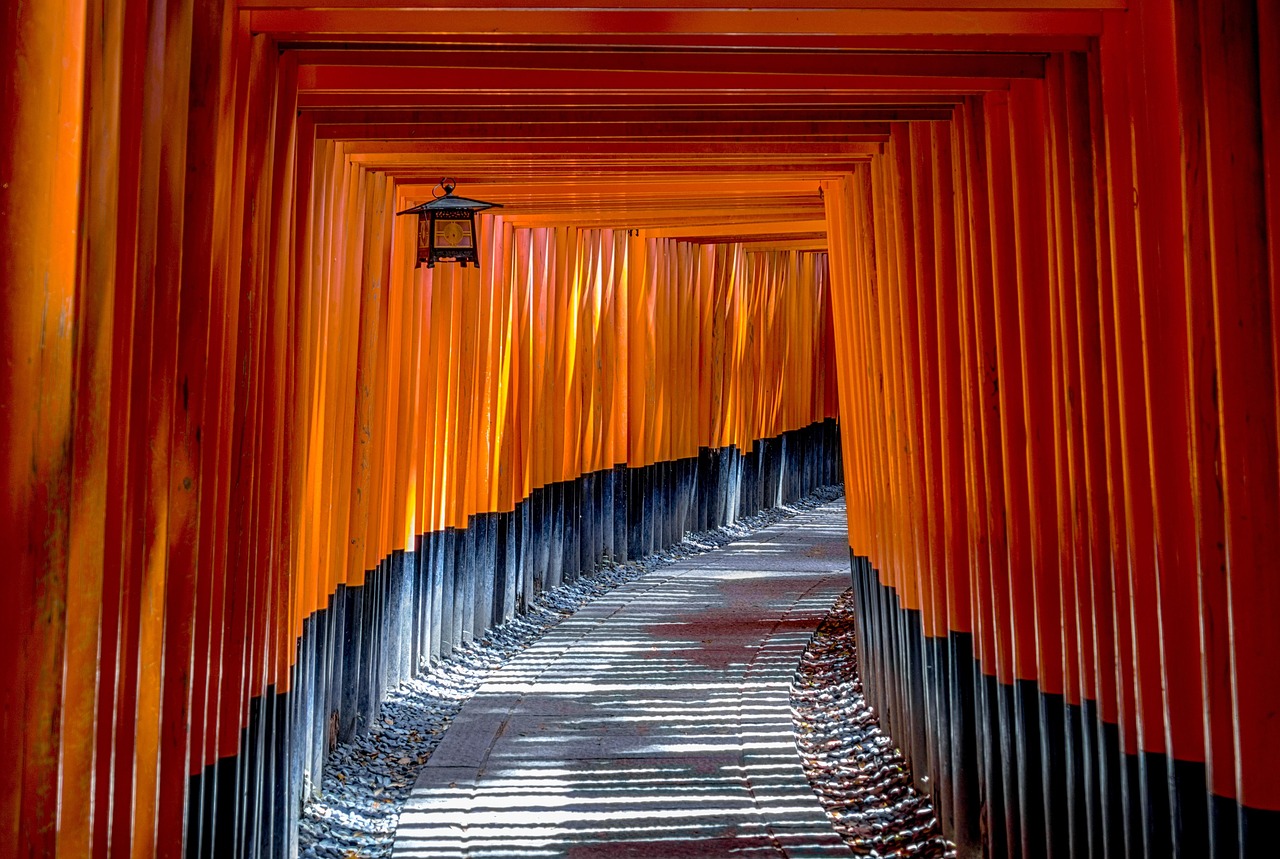
Shrines and torii gates at Fushimi Inari Shrine in Kyoto
If you’re planning a Fushimi Inari Shrine morning, you’re choosing one of the most distinctive shrine experiences in Japan. Thousands of vermilion torii gates create a corridor of colour, light, and stillness—an attraction in Kyoto that feels cinematic, yet grounded in daily devotion.
Even when the entrance is busy, the atmosphere changes quickly once you begin to climb. Within minutes, the sound softens, and you start to notice details: small offerings, the rhythm of footsteps, and the way the gates frame the hillside forest like a moving gallery.
Best time to visit the torii gates: short ascent or full loop for your visit in Kyoto
The best practice here is simple: arrive early, follow the flow respectfully, and choose a route that matches your energy. A short ascent to the first viewpoints offers plenty of beauty in under two hours, while a full loop becomes a satisfying half-day immersion during your visit to Kyoto.
For high-end travellers, the luxury is having the option. If you’ve planned a refined lunch or a quiet afternoon elsewhere, take the shorter route without guilt—Kyoto isn’t a place you conquer; it’s a place you meet.
Hidden gem corners beyond the main route: sub-shrines, side paths, and quieter photos
Part of the magic is in the smaller spaces: sub-shrines tucked into the hillside, quiet lookout points, and side paths where local life continues beyond the main torii gates. If you’re attentive, you’ll uncover moments that feel almost private—a true hidden gem feeling inside a famous shrine complex.
These hidden-gem corners also offer a calmer photographic rhythm. When you pause where others don’t, you’ll often find the stillness you expected from the images.
Practicalities matter, and a little preparation keeps the experience graceful at peak times. Wear footwear with good grip for steps and uneven ground, carry water, and plan a comfort break before you start the climb so your shrine walk feels steady rather than rushed.
For photography and manners, the rule is care: pause to the side, don’t block the flow, and keep voices low. Fushimi Inari is not just a sight—it’s a living place of worship, and your presence can be both respectful and deeply present.
Gion nights: tea ceremonies, traditional Japanese etiquette, and respectful geisha encounters
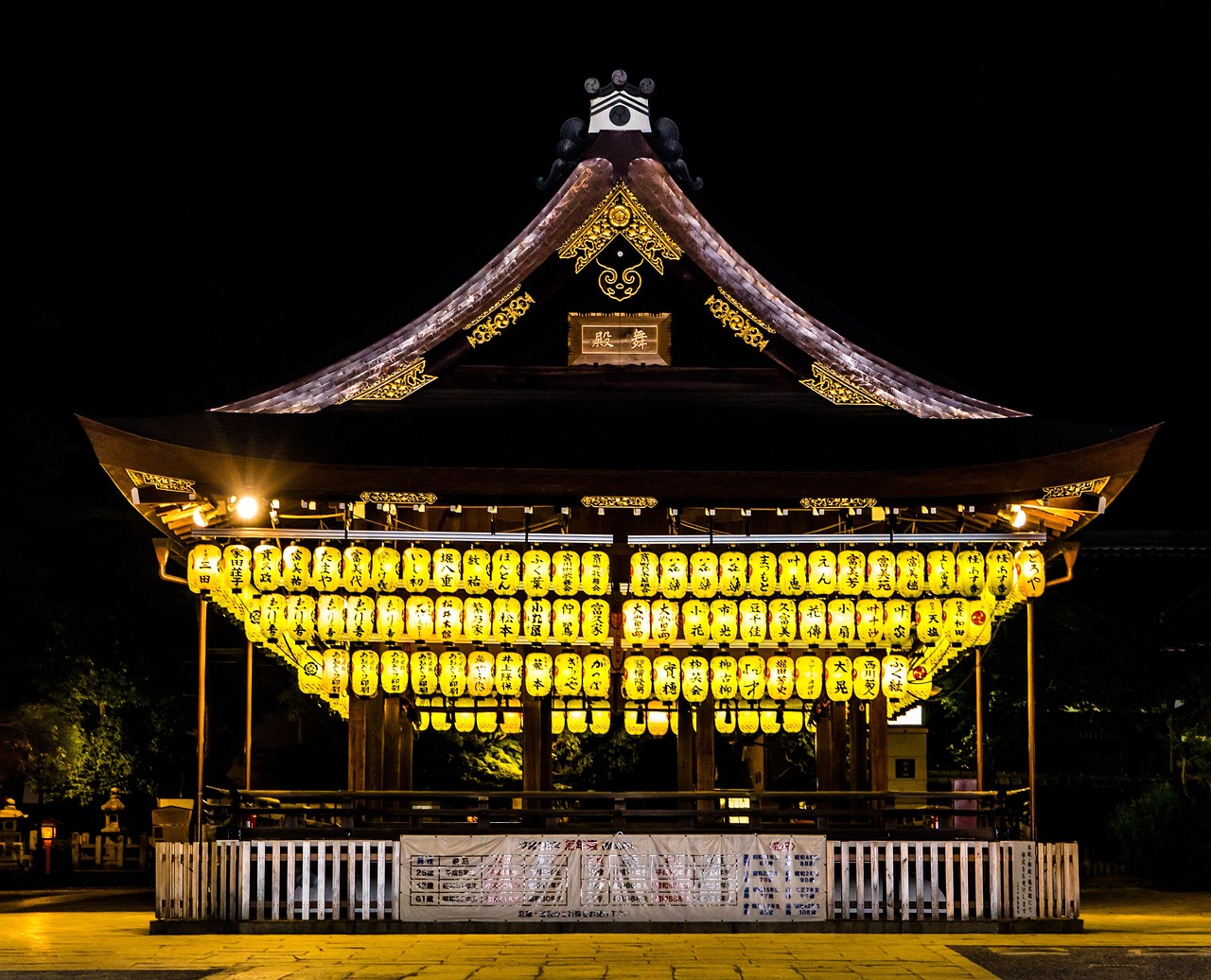
Gion tea ceremonies and lantern-lit nights in traditional streets
If you’re searching for tea ceremonies and a chance of spotting geisha, you’re really searching for atmosphere—the feeling of stepping into a more intimate Kyoto after dark. Gion is traditional Kyoto at dusk: lantern-lit lanes, refined dining behind noren curtains, and the possibility of glimpsing geisha in transit if you’re lucky and respectful.
In these streets, the highest form of luxury is restraint. No chasing, no intrusive photos, no theatre—just quiet appreciation and a willingness to let the night unfold on its own terms.
Tea ceremonies: what happens in the ritual (and why it matters)
Tea ceremonies are less about performance and more about attention. You’ll be greeted, guided to your place, and invited into a sequence of small actions—often including seasonal sweets and a bowl of green tea prepared with deliberate, graceful movements. Many venues offer seating alternatives, so you can relax and focus on the meaning rather than posture.
What you’re really learning is how to notice the sound of water, the texture of the bowl, and the pause before you drink. In a city full of famous temples and shrines, this is one of the most quietly transformative things to do in Kyoto.
An intimate couple’s story: mindfulness that shapes the rest of your Kyoto trip
A couple once shared their experience participating in a tea ceremony here, describing how the tea master’s grace reshaped their appreciation for traditional Japanese culture. They arrived expecting a cultural “activity” and left feeling calmed, connected, and unexpectedly moved—together, in a way that made the rest of their Kyoto trip feel more textured.
That is the deeper gift: a tea ceremony can change how you walk through the city afterwards. You start to explore with softer eyes, and even crowded streets feel less demanding.
Etiquette is simple and reassuring. Introduce yourself with a gentle bow, speak softly, and follow the host’s cues; these small acts show care. If you’re unsure, pausing and watching is always acceptable—many traditional Japanese spaces communicate through rhythm as much as words.
For a luxury pacing idea, design an evening that feels unhurried: a pre-ceremony stroll through Gion’s lanes, a beautifully timed reservation, then a quiet walk back. Let the night settle rather than rushing to the next highlight.
- Respectful geisha etiquette: observe quietly, never block the path, and avoid close-up photographs.
- Tea ceremony comfort: ask in advance about seating options if kneeling is difficult.
- After dark, stay calm: choose one area to wander slowly rather than crossing Kyoto multiple times.
Unique things to do in Kyoto city: Nishiki Market, bamboo forest walks, and the Kyoto Imperial Palace
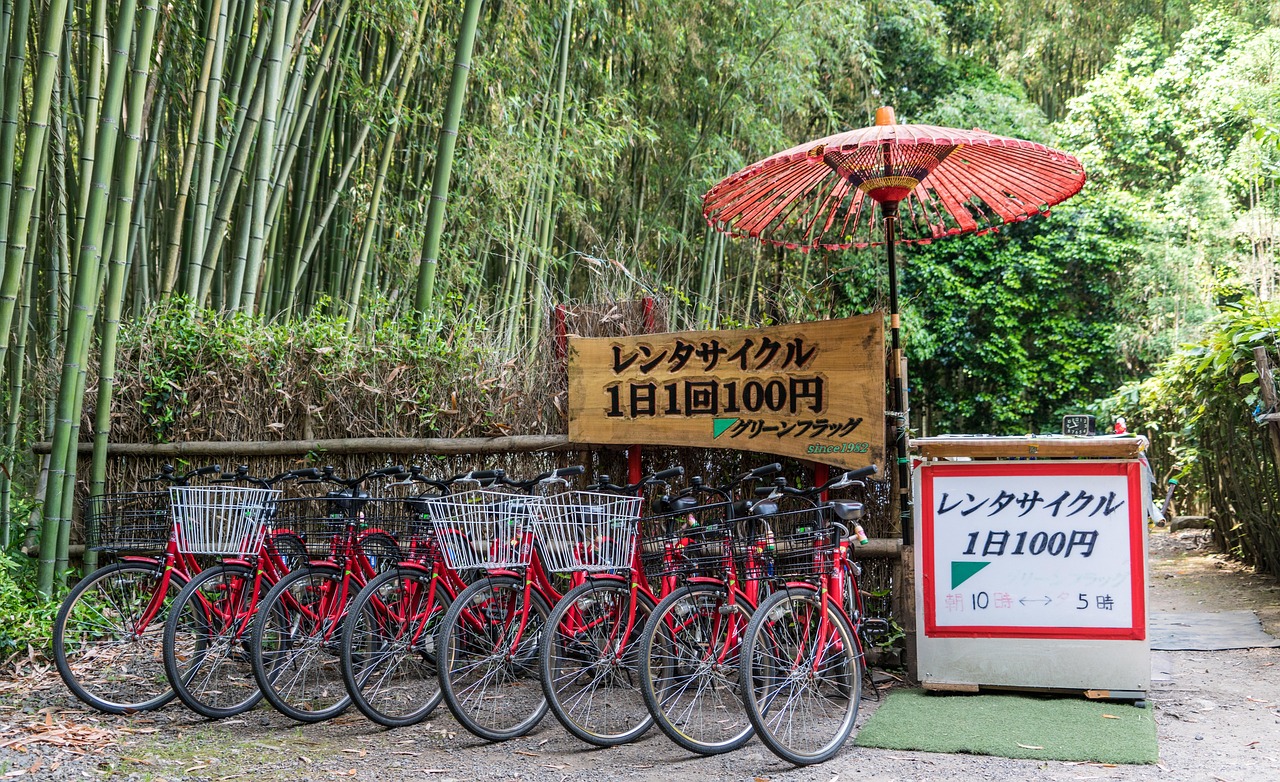
Unique Kyoto moments, from bamboo forest walks to calm market browsing
If you’re looking for unique things to round out your itinerary in Kyoto City, think of this chapter as your “texture day”. These are the stops that balance temples and shrines with nature, food culture, imperial history, and modern creativity—some of the best places to feel the city’s varied character.
Done well, this becomes the day that makes Kyoto feel personal. Keep it curated: quality over quantity, and enough space between stops to enjoy each attraction without friction.
Arashiyama bamboo forest: visit Arashiyama for the Arashiyama bamboo grove at its quietest
Arashiyama is often photographed at its busiest, but it’s at its best when you visit Arashiyama and start quietly. The bamboo forest has a particular sound—wind shifting high above and footsteps on the path—and when crowds are light, it feels almost meditative.
For a softer, nature-led contrast to temples, pair the Arashiyama bamboo grove with riverside scenery. A gentle walk near the water, a pause for coffee, and a short taxi to your next stop can feel beautifully crafted and seamless.
Nishiki Market: Kyoto’s kitchen for tasting, crafts, and small snacks
Nishiki Market is sometimes called “Kyoto’s kitchen”, but it’s best approached as a curated food corridor rather than a rush. Move slowly; sample small tastes; and focus on craftsmanship—pickles, sweets, dashi-based snacks—rather than trying to eat everything.
If you’re travelling with someone, share bites and compare notes. It’s an easy way to explore local flavour while keeping your day light and flexible.
Kyoto Imperial Palace and modern culture: imperial palace grounds and the Kyoto International Manga Museum
For a spacious reset, the Kyoto Imperial Palace and its park-like grounds offer wide paths, gardens, and a calmer lens on history—Kyoto’s role as Japan’s former capital still echoes in the design and scale here. The imperial palace park can feel like a breath of air between denser neighbourhoods, ideal after a morning of busier attractions.
If you’re drawn to contemporary culture, the Kyoto International Manga Museum is an unexpectedly charming contrast. It’s playful, modern, and a reminder that Kyoto is a living city where old and new sit side by side.
To tie these together without friction, treat them like a day trip-style loop within the city: one nature-led morning, one food stop, one spacious historical pause, and one modern cultural note. Buses work well; taxis smooth out transfers when timing matters, and side streets often deliver the most local moments—small shrines, tiny galleries, and cafés that make Kyoto feel yours quietly.
FAQs: attractions in Kyoto, Japan
F.A.Qs on attractions in Kyoto, Japan: temples, shrines, and the best way to time your visit
What are the top 5 things to see in Kyoto?
Many travellers place Kinkaku-ji, Fushimi Inari Shrine, Kiyomizu-dera, a Gion evening (often paired with tea ceremonies), and the Philosopher’s Path among the top five. Together they offer a balanced introduction to Kyoto: iconic temple architecture, shrine culture, panoramic views, traditional streets, and a calmer canal-side walk.
What is Kyoto best known for?
Kyoto is best known for its temples and gardens, refined traditions, and the way historic culture lives alongside modern life in Kyoto City. It’s also famous for seasonal beauty—cherry blossoms in spring and fiery foliage in autumn—plus cultural rituals such as tea ceremonies and the respectful atmosphere of neighbourhoods like Gion.
What is the biggest attraction in Kyoto?
Fushimi Inari Shrine is often considered the biggest attraction because of its thousands of torii gates and the immersive walk up the mountain. It’s visually unforgettable and easy to access, yet it can still feel serene if you arrive early and keep a mindful pace once you move beyond the busiest entrance corridors.
What not to miss in Kyoto?
Don’t miss seeing a major temple at a quieter hour, experiencing a shrine with respectful etiquette, and giving yourself at least one slow, reflective walk—such as the Philosopher’s Path. Also, plan for comfort: wear good shoes for uneven paths and use public transport or taxis to keep your days seamless rather than over-ambitious.
What stayed with me after Kyoto: reflections on temples, shrines, and returning to Kyoto
If you find yourself searching for reflections after a trip, you might be looking for something harder to name than a list of attractions. Kyoto stays with you in pauses: the way water holds a reflection for a second longer than you expect, the faint trace of incense on your sleeve, and the soft choreography of daily life as doors slide open and closed.
What I remember most isn’t a single temple or shrine, but the feeling of being invited to move differently. In Kyoto, you learn to walk more quietly, to wait without frustration, and to notice the way light changes on stone steps—it’s a gentle recalibration in a remarkable place in Japan.
Trust builds here over time. The more you accept local rhythms—the early starts, the calm etiquette, and the patience required at a well-known Kyoto site—the more the city offers back: deeper insight, kinder interactions, and the sense that you’re not consuming culture but meeting it with care.
And when you leave, you don’t only carry photographs. You carry the remembered stillness of a morning path, the taste of tea, the hush inside wooden halls, and the sense that Kyoto is a place you can return to without needing to “do more”. Perhaps, one day, you’ll come back to Kyoto simply to feel that calm again.