Post Contents
- Things to do in Osaka Kansai best places for a first visit
- Osaka Castle attractions in Osaka and a crafted history walk
- Dotonbori Namba Osaka attractions nightlife with local flavour
- Umeda Sky Building Osaka Station hotel Osaka stay in Osaka
- Osaka itinerary days in Osaka day trip from Osaka planning a trip to Japan
- What stays with you after Osaka travel reflections Japan guide
- F.A.Qs: Osaka Japan attractions
Things to do in Osaka Kansai best places for a first visit
Things to do in Osaka and the best places for a first visit
If you’ve been searching for things to do in Osaka, Kansai’s most charismatic city rewards a first visit when you approach it like a designer journey: a few headline sights, plenty of atmosphere, and just enough structure to feel utterly seamless. The best places aren’t only the famous photo stops—though they’re superb—but also the small streets where you uncover a local rhythm and feel cared for as you go.
Think of Osaka travel as a confident blend of theatre and warmth. You can dress up for skyline views and fine dining, then slip into a humble counter meal where the chef remembers your order. It’s an easy city to love, and even easier to navigate when you know which neighbourhoods do what.
Areas of Osaka to explore without friction
For first-timers, a simple mental map removes all stress. Start with central Osaka for big cultural anchors and green spaces; move north of Osaka for sleek shopping and modern architecture; then follow the riverside into Dotonbori and Namba for nightlife and food. These are the places in Osaka that stitch together naturally—perfect for a short break or a polished stop within a longer Japan itinerary.
Central Osaka gives you breathing room: parks, museums, and a sense of the city’s history. North of Osaka (Umeda) is where you’ll find big stations, department stores, and refined hotels. Dotonbori and Namba are where Osaka smiles the widest—late-night lights, laughter, and the kind of stroll that turns into a memory.
Osaka within Japan travel and how it complements Tokyo and Kyoto
In a well-paced trip to Japan, Osaka often becomes the bridge between the polish of Tokyo and the tradition of Kyoto. Tokyo brings glamour and scale; Kyoto offers heritage and hush. Osaka sits between them with a more spontaneous, human feel—still sophisticated, but unpretentious. Many travellers love pairing Kyoto and Osaka together, designing days that move from temples and gardens to street food and skyline cocktails without feeling rushed.
If you’re coming from Tokyo, Osaka can feel like a softer landing: lively, but less formal. If you’re arriving after Kyoto, it’s a joyful release—colourful, delicious, and full of local humour. It’s also a strong base for the Kansai region, especially if you want day trips with minimal logistics.
Before you start building a list of places, it helps to pick the right season. Spring (March to May) and autumn (September to November) are ideal for pleasant weather and vibrant scenery, and they make outdoor attractions feel effortless. A gentle etiquette note goes a long way: bow slightly when greeting, keep voices low on public transport, and remove shoes in traditional spaces. And if you’d like your pacing designed with calm confidence—private transfers, late check-in support, luggage handling, and thoughtful timing—our Trip gallery can help you imagine what’s possible.
- Best time to visit: spring and autumn for comfortable days and luminous evenings.
- Easy getting around: English signage is common, but a few Japanese phrases are warmly appreciated.
- Comfort choices: taxis are reliable when you want door-to-door ease between dinners and hotels.
With that foundation, we can move into Osaka’s icon—an attraction that anchors the city’s story and your own.


Osaka Castle attractions in Osaka and a crafted history walk
Osaka Castle moments and a crafted history walk
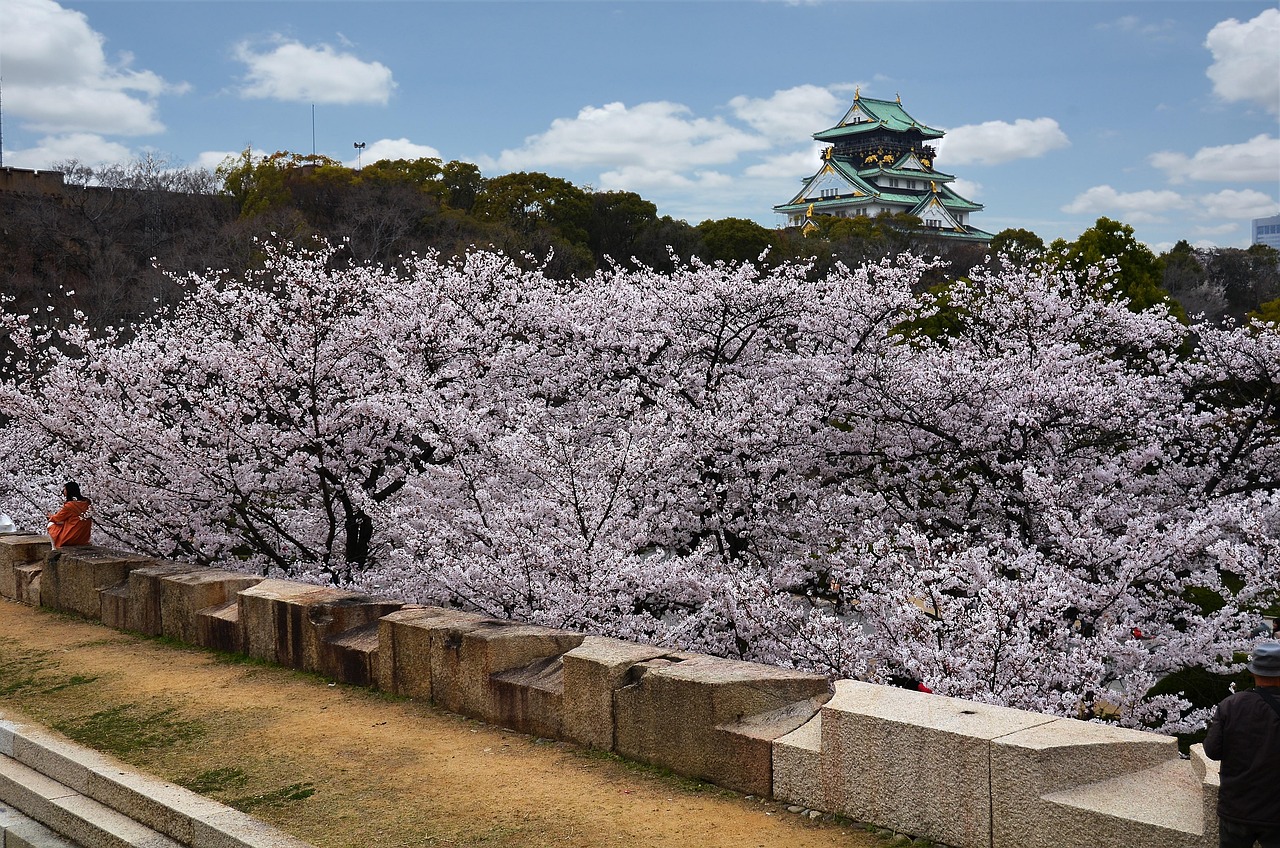
When travellers ask about Osaka Castle attractions in Osaka, they’re usually hoping for something iconic—and Osaka Castle delivers with presence, elegance, and context. This castle is not only photogenic; it’s a beautifully curated gateway into the city’s past, with museum rooms and elevated perspectives that help you understand Osaka’s ambitions through the centuries.
Arrive early for clarity and comfort. The grounds feel calmer, the light is softer for photography, and the museum floors are easier to explore at your own pace. From the upper levels you’ll see sweeping views of Osaka that make the city’s scale feel both impressive and reassuringly navigable.
Explore Osaka Castle with timing that feels effortless
The main tower is a modern museum experience wrapped in classic lines, and it’s worth moving slowly through the exhibits to appreciate the story behind the castle. If you’d like to explore Osaka Castle in a quieter way, plan a clockwise loop through the park paths first, then enter the museum later in the morning once you’ve taken your exterior photographs.
Entry is typically around 600 yen, and queues can build fast at peak times. A refined approach is to prioritise comfort: choose breathable layers, bring water, and keep a taxi option in mind if you’re dressing smartly for the day. Even in a city known for efficiency, small choices create a feeling of care.
Cherry blossom season and a personal hanami moment
One traveller told us their most unforgettable Osaka memory wasn’t inside the museum—it was outside, during cherry blossom season. They arrived expecting a quick visit and instead found families picnicking beneath pale pink canopies, sharing snacks and laughter in that distinctly Japanese style of celebration. With a respectful smile and a little patience, they were welcomed into the moment: a gentle reminder that luxury isn’t always exclusivity, but connection.
If you’d like to create that same feeling, go with a small takeaway drink, find a spot that doesn’t block paths, and watch how locals do hanami. Keep it quiet, tidy up carefully, and you’ll feel the city looking after you in return.
For a weather-proof cultural layer, pair Osaka Castle with the Osaka Museum of History nearby. It’s a polished companion experience—less crowded, deeply informative, and ideal when you want to stay inspired without being outdoors all day. Together, the museum and the castle turn a single morning into a crafted history walk that feels personal rather than programmed.
From here, the city’s mood changes beautifully. You move from stone walls and calm pathways into light, movement, and late-night appetite.
Dotonbori Namba Osaka attractions nightlife with local flavour
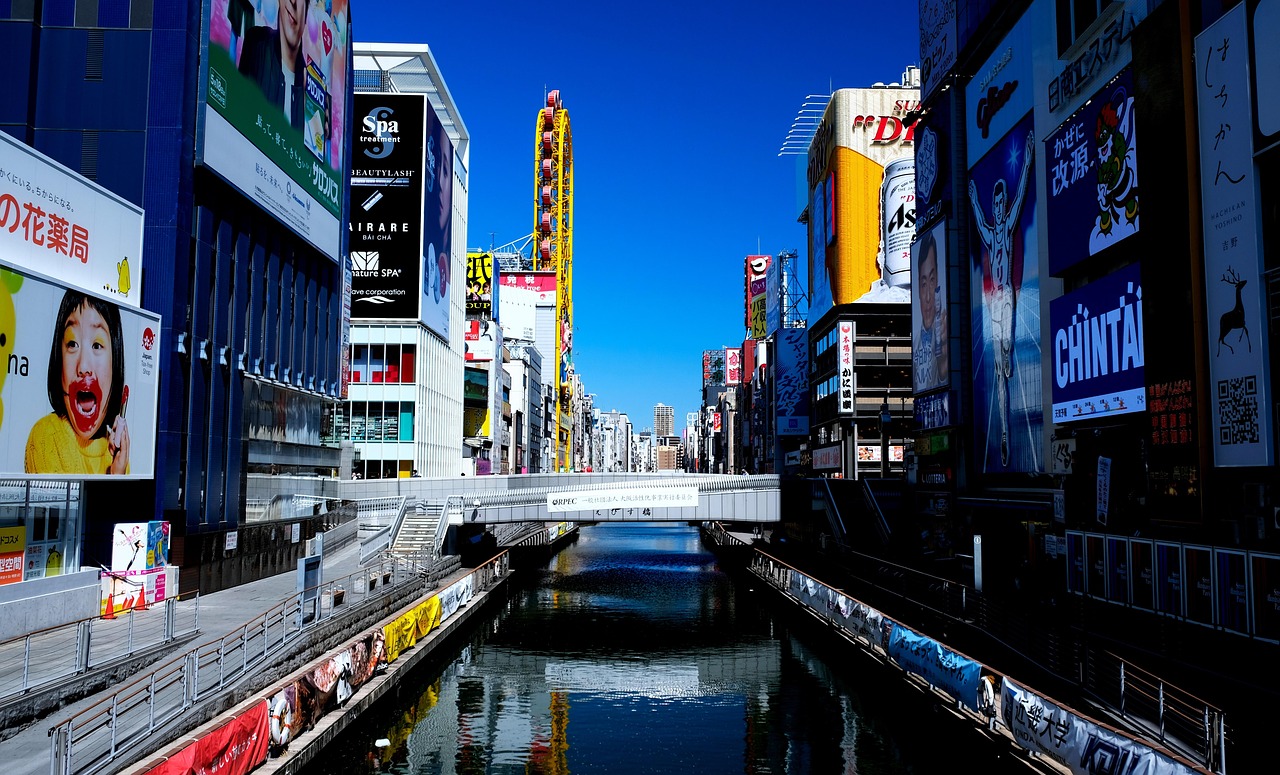
Dotonbori and Namba after dark with local flavour
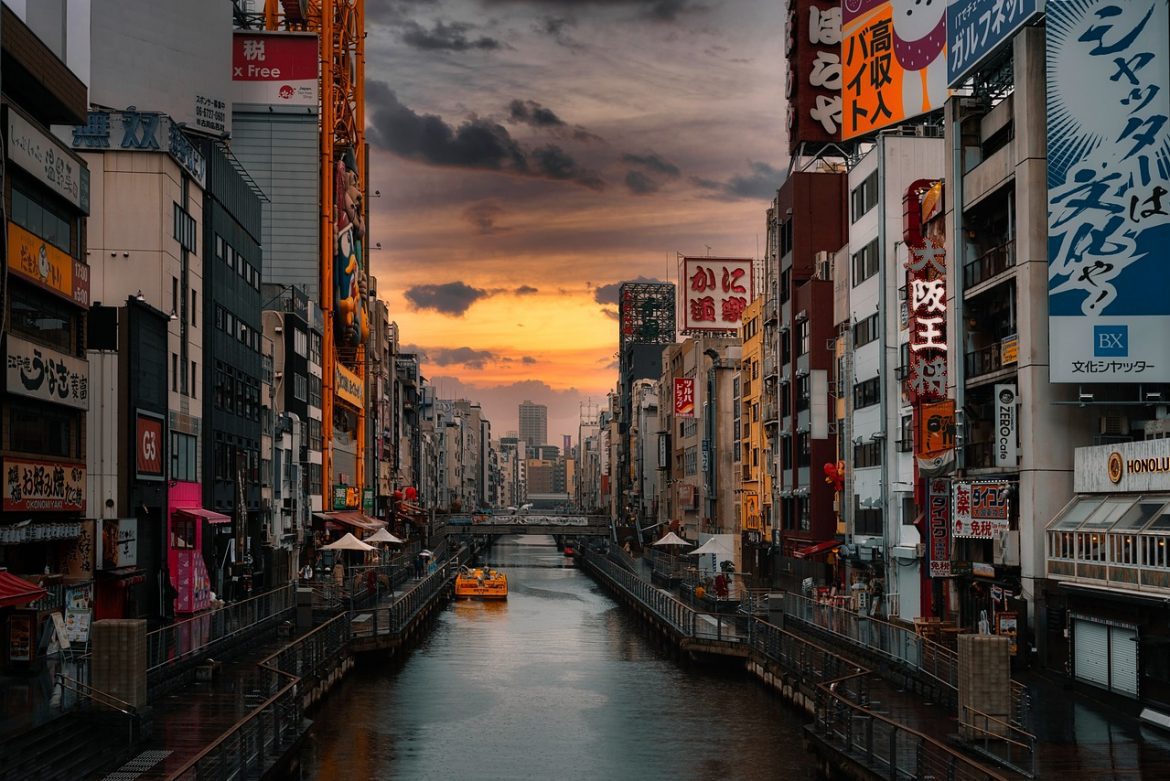
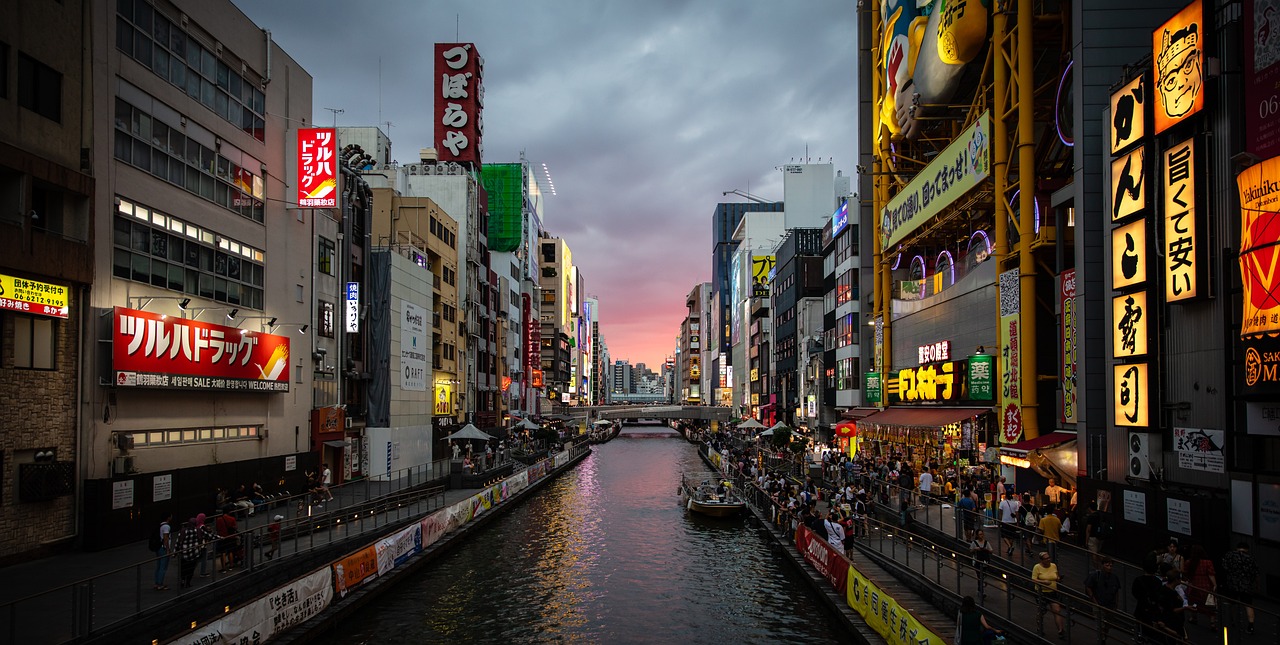
For many first-time visitors, Dotonbori Namba Osaka attractions nightlife is the moment the city turns cinematic. Dotonbori is theatre: neon reflected on water, a canal-side stroll, and the sense that everyone is out to eat well and laugh often. If you time it thoughtfully, it feels thrilling rather than overwhelming.
Start just before the lights feel fully alive—early evening is ideal. You can take your first photographs, settle into the rhythm, and then let the atmosphere build around you as you move.
Dotonbori highlights from the Glico sign to the canal
There’s a reason the Glico runner is so famous: it’s cheerful, unmistakably Osaka, and a surprisingly good meeting point if you’re travelling together. From there, follow the canal, dip into a shopping arcade when you want a break from the crowds, and choose your moments for photos rather than trying to capture everything at once. Osaka’s beauty here is in layers—sound, scent, light.
If you’re seeking a little calm, step one street back from the water. You’ll still feel the pulse of Dotonbori, but with room to breathe and a clearer sense of direction.
In Namba, the nightlife can be designed to match your mood. Begin with a traditional izakaya—warm lighting, small plates, friendly service—then move to a modern lounge where the cocktails feel as considered as the interiors. Local guides often describe leading high-end guests to hidden speakeasy bars in Namba, revealing a sophisticated edge that remains quietly unpretentious. It’s the kind of night that feels curated, yet entirely relaxed.
To balance the buzz, slip into Namba Yasaka Jinja for a brief pause. This striking shrine, with its bold design, creates a calmer mood before you return to the lights. It’s a small detour that can change the feeling of your evening.
No Osaka bucket list is complete without a food-forward wander. Make space for takoyaki and okonomiyaki—classic places to eat that taste best when they’re fresh off the grill. And if you want a more old-school, unpolished bite, head towards Shinsekai for kushikatsu. Food enthusiasts often recount how the vendors’ warmth made the meal: quick jokes, attentive gestures, and that reassuring sense you’re welcome even if your Japanese is minimal.
As a bridge into the next morning, keep Kuromon Ichiba Market in mind. It’s the daytime counterpart to Dotonbori—more daylight, more ingredients, and a chance to slow the pace while still feeling deeply local.
- Best crowd strategy: arrive early evening, then step into side streets to reset your pace.
- Food tour tip: sample small portions—takoyaki first, then okonomiyaki—so the evening stays light and fun.
- Comfort option: after dinner, a short taxi back to your hotel keeps the night feeling elegant.
Next, we lift above the city—where architecture and sunset create one of Osaka’s most refined viewpoints.
Umeda Sky Building Osaka Station hotel Osaka stay in Osaka
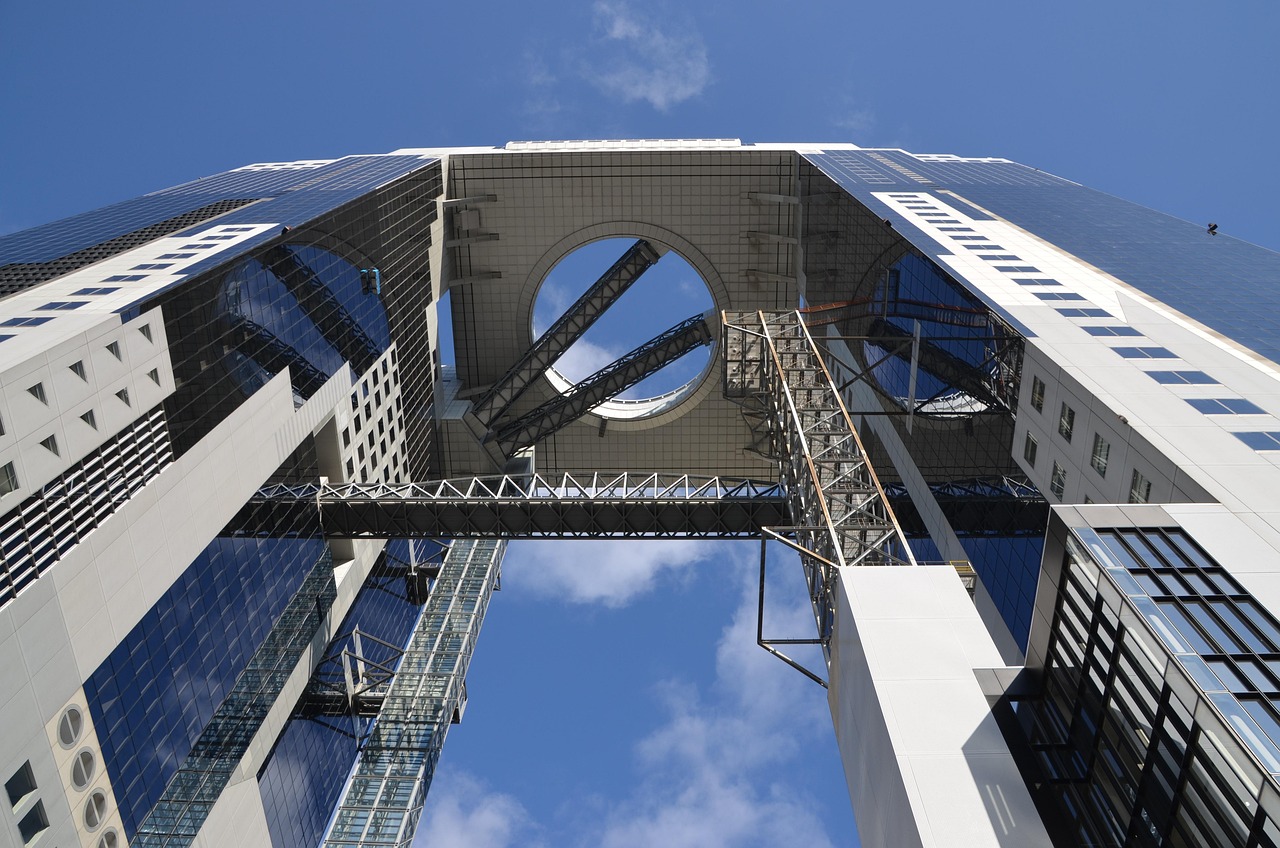
Umeda Sky Building views from the top and hotel Osaka choices
If you’re weighing Umeda Sky Building Osaka Station hotel Osaka stay in Osaka, think of Umeda as your polished pivot point: excellent transport, high-end retail, and an easy route to a signature skyline moment. The Umeda Sky Building is one of the city’s most distinctive pieces of architecture, and the Kuchu Teien Observatory—the Floating Garden—delivers the kind of perspective that resets your entire trip.
It’s also a reassuring area to base yourself if you want smooth arrivals, dependable dining reservations, and swift transfers. For travellers who value comfort, this neighbourhood makes Osaka feel effortless.
Umeda Sky Building and the Floating Garden views from the top
The ‘Floating Garden’ concept is exactly what it sounds like: a rooftop observatory that feels open-air and cinematic. Arrive before sunset, allow time to take in the changing light, and you’ll get the most elegant views from the top. On clear days, the city’s grid becomes a quiet artwork; on hazier days, it becomes moody and modern—either way, it’s memorable.
A luxury traveller once described how the sunset here elevated an already special evening: a calm ascent, a lingering look across the skyline, then a beautifully timed dinner that felt like the city was part of the table. If you want to create that feeling, reserve dining in advance and keep a weather back-up: swap the observatory for a refined bar with high windows if rain rolls in.
Osaka Station and JR Osaka Station orientation for seamless arrivals
For those arriving by train ride from elsewhere in Japan, Osaka Station is your key node. If you’re using JR Osaka Station, give yourself a little extra time on arrival—stations here are excellent but large, with multiple exits and connected malls. A simple strategy is to choose one landmark department store as your ‘north star’ and navigate from there.
Once you’ve found your rhythm, Umeda becomes an easy base for shopping, dining, and smooth onward travel—particularly if you’re moving between Tokyo, Osaka, and Kyoto.
So where should you stay in Osaka if you want both energy and rest? Umeda is ideal for polished access and calm nights; Namba is perfect if you want to walk straight into Dotonbori’s glow; and quieter pockets give you the feeling of retreat. High-end support looks like this: private transfers when you want them, luggage handling to keep your hands free, and late check-in confidence after a long day of exploring.
For skyline lovers, add one stylish extra: a ferris wheel moment in the city centre. It’s short, elegant, and surprisingly soothing—an easy way to end an evening without overplanning.
Now we’ll bring everything together into a paced itinerary, including day trips around Osaka that feel balanced rather than busy.
Osaka itinerary days in Osaka day trip from Osaka planning a trip to Japan
A seamless itinerary for days in Osaka plus day trip ideas around Osaka
If your search has been Osaka itinerary days in Osaka day trip from Osaka planning a trip to Japan, this is the chapter that turns inspiration into calm structure. Osaka rewards thoughtful pacing: it’s compact enough to spend a day well, yet layered enough for longer stays where you uncover different moods.
Below are three options—designed for confidence, comfort, and choice—followed by a menu of day trips across the Kansai region. Choose your tempo, then let the city meet you there.
Itinerary pacing options from one day in Osaka to a week in Osaka
One day in Osaka (high-impact): start at Osaka Castle for morning light and history; take lunch near the river; then head to the Umeda Sky Building for late-afternoon views. Finish with Dotonbori and a gentle loop through Namba—designed so you see the glow without feeling swallowed by it.
Classic 2–3 days in Osaka: add a mindful early visit to Shitennoji Temple in Tennoji, where the city quietens and your senses reset. Include a morning at Kuromon (Kuromon Ichiba Market) for ingredient-led browsing, then keep an afternoon for a shopping arcade and café time. This is also where you can slot in Universal Studios Japan if you love theme parks—one full day, planned with express passes for comfort.
A week in Osaka: this is the luxury of space. You can revisit neighbourhoods at different times of day, book a private food tour, and explore smaller corners in the wider prefecture. Longer stays are where Osaka becomes truly personal: the bar you return to, the pastry shop that greets you, the streets you start to recognise.
Planning a trip to Japan logistics that matter in Kansai
On the practical side of planning a trip to Japan, Osaka is straightforward. Arrive via Kansai International Airport, then take an efficient train into the city; your hotel can also arrange private transfers if you prefer door-to-door comfort. Pick up an ICOCA card to simplify journeys on the Osaka Metro and local trains—tap in, tap out, and keep moving with ease.
Taxis make sense when you’re dressed for dinner, carrying bags, or simply prioritising comfort after a long day. Security is high, but standard precautions apply as they would in Tokyo, Kyoto, or any major city.
To link headline attractions in Osaka smoothly, use this simple spine: Osaka Castle in the morning; Shitennoji Temple early on another day; Kuromon for late-morning browsing; Dotonbori and Namba in the evening; and the Umeda Sky Building at sunset when you want a refined crescendo. Add a small morning shrine visit before crowds whenever you crave stillness.
- Ticket notes: Osaka Castle is typically around 600 yen; the Umeda observatory is around 1500 yen.
- Comfort rhythm: plan one ‘big’ attraction per half-day, then leave time to wander and rest.
- Dining confidence: for high-demand spots, book ahead and keep a graceful back-up nearby.
Around Osaka day trip ideas with Japan Rail and Japan Rail Pass considerations
When you’re ready to look around Osaka, the day trip options are excellent. Nara is the calm counterpoint: soft greenery, heritage, and an atmosphere that feels restorative. Kyoto is the classic heritage pairing, especially if you want to balance Osaka’s nightlife with temple days and traditional streets—this Kyoto and Osaka combination can feel perfectly complete when paced gently.
If you’re using Japan Rail, many routes are simple; if you have a Japan Rail Pass, confirm which lines are covered before you go. It’s not about saving every yen; it’s about designing a smooth day where you’re not thinking about logistics at all.
For two ‘extra-mile’ experiences, consider Kobe for waterfront sophistication—coffee, boutiques, and a quieter luxury mood. For contrast, Himeji Castle is a world-class castle visit that deepens your understanding of Japanese fortifications beyond Osaka’s famous landmark. And for a craft-led local perspective, add Sakai within Osaka’s wider orbit—an understated place where skill and tradition feel alive in everyday workshops.
Finally, if your group wants one modern, family-friendly landmark, Osaka has a strong aquarium scene. The Osaka Aquarium experience at Kaiyukan (also known as Osaka Aquarium Kaiyukan) is beautifully done, and pairing it with the nearby Tempozan Ferris Wheel makes for a stylish, low-effort afternoon.
From here, the guide becomes less about doing, and more about what the city leaves with you.
What stays with you after Osaka travel reflections Japan guide
When the suitcases are packed and the messages from home start coming back in, what tends to linger from Osaka isn’t only the landmark list. It’s the warmth—how the city of Osaka makes even a high-end trip feel human. A server remembers your preference without a fuss; a passer-by points you the right way with a gentle smile; a shopkeeper wraps a purchase with quiet pride. You leave with the sense that you were looked after, not managed.
Two images often sit side by side in memory. One is early morning serenity at Shitennoji Temple, the air cool and clear, footsteps softened by distance before the crowds arrive. The other is the soft glow of Dotonbori later on, lantern-light and laughter reflecting on water as the night unfolds. They’re different worlds, yet somehow they belong to the same city—and you do too, for the time you’re there.
And perhaps that’s why people return. Not to chase another checklist of things to see, but to uncover a new mood: a different season at Osaka Castle, a quieter street near Namba, a new table in a familiar neighbourhood. Osaka has a way of offering trust and care without ceremony, leaving you with a calmer confidence in how you travel.
Japan always has more to reveal—sometimes in the grand, sometimes in the small—and the next time you find yourself listening for it, you’ll know exactly where to begin.
F.A.Qs: Osaka Japan attractions
F.A.Qs: Osaka Japan attractions for first-time visitors
What is Osaka Japan best known for?
Osaka is best known for its food culture, friendly local humour, and lively districts such as Dotonbori and Namba. It’s also famed for Osaka Castle and a street-to-skyline contrast that makes the city feel both exciting and easy to enjoy in comfort.
What is the main attraction of Osaka?
Osaka Castle is widely considered the main attraction, thanks to its iconic architecture, museum exhibits, and panoramic city views. For many travellers, it’s the most meaningful starting point for understanding Osaka’s history before moving on to modern neighbourhoods.
What is the most visited place in Osaka?
Dotonbori is among the most visited places in Osaka, especially in the evening when the neon signs and canal create a signature city scene. Visitors come for the atmosphere, street food, and the easy walkability into nearby shopping and nightlife areas.
What should you not miss in Osaka?
Don’t miss Osaka Castle, an evening in Dotonbori and Namba, and sunset at the Umeda Sky Building. Add a quiet morning at Shitennoji Temple for balance, and try local favourites like takoyaki and okonomiyaki for a genuine taste of the city.