Post Contents
- Visit Nara City in Kansai the first permanent capital and a day trip travel guide
- Todai-ji Temple Great Buddha Hall and iconic Nara Japan attractions
- Nara Park deer park feed the deer in Nara with respect and ease
- Kasuga Taisha Shrine stone lanterns Nara and a restorative shrine walk
- Isuien Garden Nara National Museum sights in Nara for calm design
- Naramachi district luxury dining machiya tea ceremony and old town charm
- Nara itinerary one day in Nara day trip from Kyoto Osaka or Kyoto
- What Stayed With Me After Nara and its quiet temple and shrine light
- F.A.Qs: Nara Japan attractions and planning
Visit Nara City in Kansai the first permanent capital and a day trip travel guide
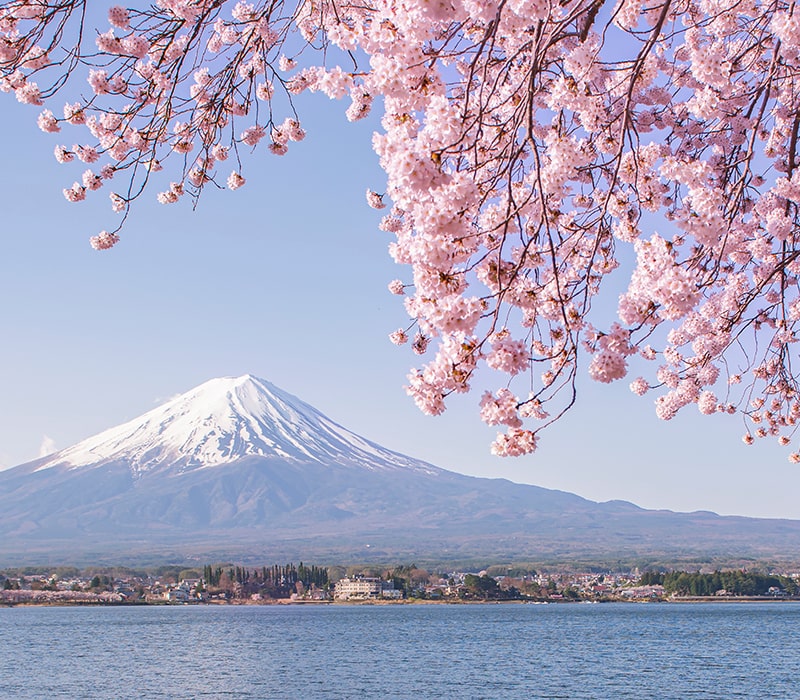
Visit Nara City in Kansai The First Permanent Capital with traditional streets and historic calm
If you’ve been weighing a visit Nara city day trip Kansai travel guide against another stop, imagine this instead: a place where the earliest shape of the capital of Japan still feels present in the air. Nara City was Japan’s first permanent capital, and that heritage is more than a history lesson—it’s why the shrines and temples here feel unusually concentrated, cohesive, and human in scale.
For travellers who value design, craft, and atmosphere, Nara is a place to visit in Japan that feels curated by time rather than trend. You can uncover sculpture-level woodwork, Buddhist serenity, and forest paths—all without the intensity of bigger cities. In a single, well-paced day, you can explore Nara with warmth, insight, and a sense of trust that you’re seeing what matters.
Getting to Nara with confidence from Kyoto or Osaka
Getting to Nara is refreshingly straightforward, which is part of its charm as a day trip from Kyoto or a trip from Osaka. From Kyoto, the JR Nara Line is a classic option, while the Kintetsu Nara Line often places you closer to the park-side sights. From Osaka, you’ll also find frequent trains via JR and Kintetsu, with clear station signage and an easy rhythm even on a first trip.
Two stations matter most: JR Nara Station and Kintetsu Nara Station. If your plan is to begin with the temple-and-park heart of town, Kintetsu Nara typically lands you in the most convenient position for a seamless start on foot.
A gentle pace that makes Nara feel elegant, not rushed
Nara rewards early starts, especially in spring and autumn when day trippers arrive in waves. If your goal is calm—soft light in a garden, a quieter moment in a temple, unhurried photographs—begining earlier is a form of care for your own experience. A local guide can also add discreet support: context you’d never pick up alone, plus smart timing that avoids pinch points without feeling like a sprint.
- Best seasons: cherry blossom in spring and deep foliage in autumn.
- Arrive early: aim to be near the park by 09:00 in peak seasons.
- On the ground: comfortable shoes make the whole day feel lighter.


Todai-ji Temple Great Buddha Hall and iconic Nara Japan attractions
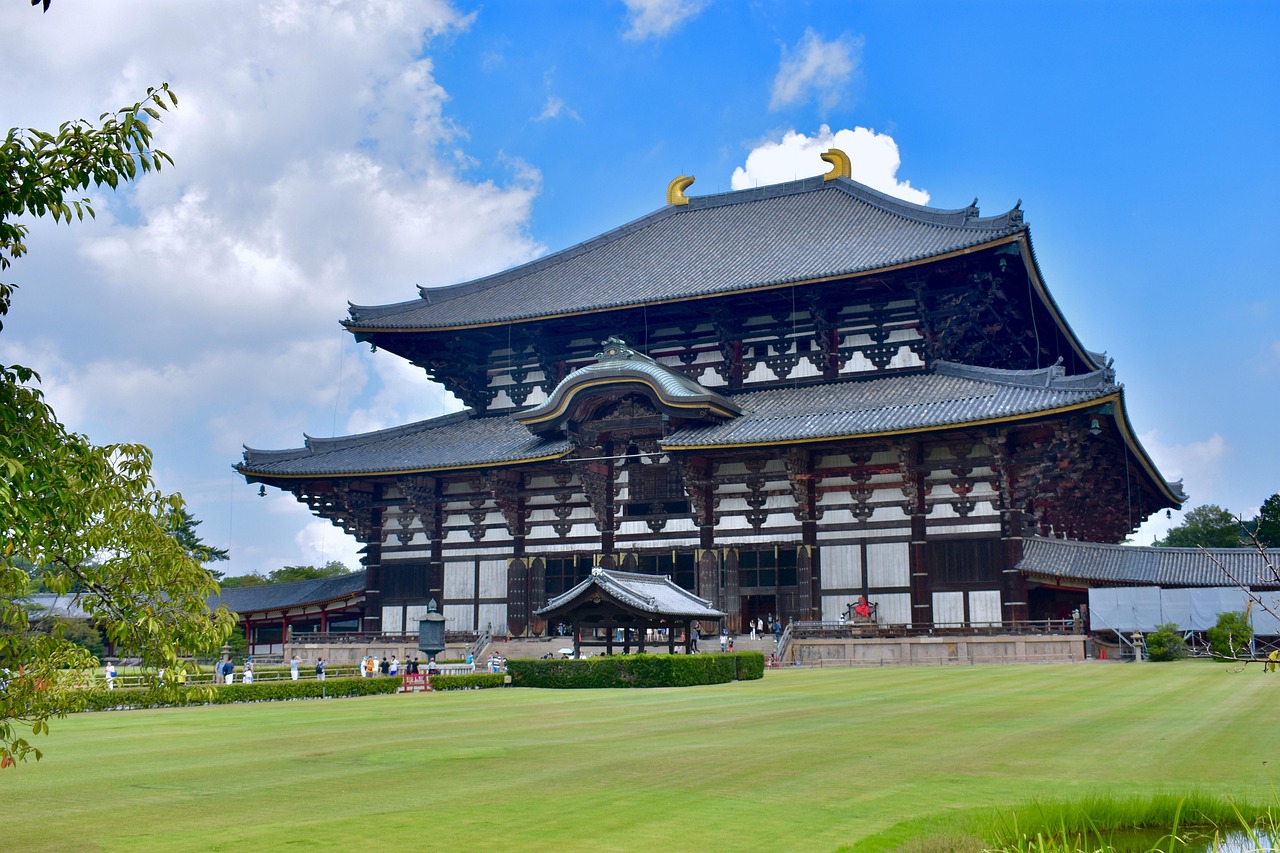
Todai-ji Temple and the Great Buddha Hall with monumental wooden architecture
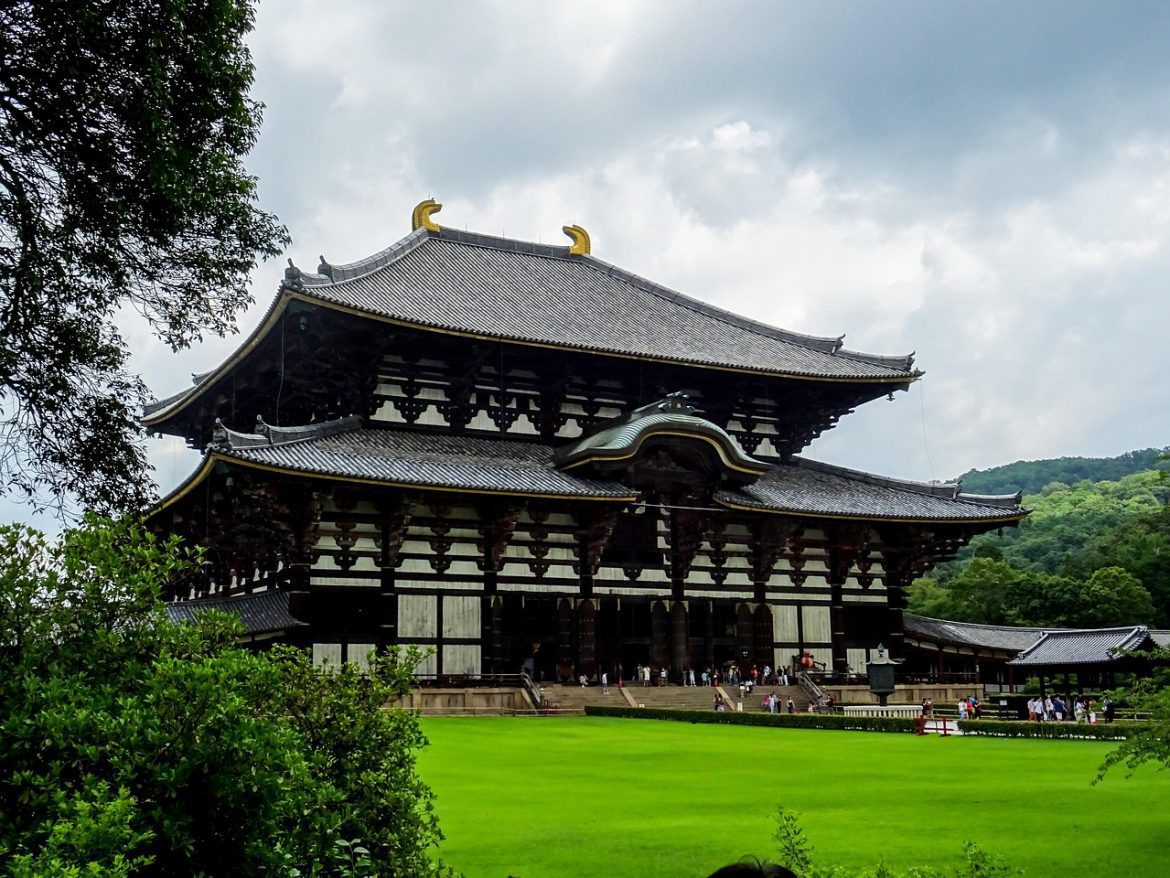
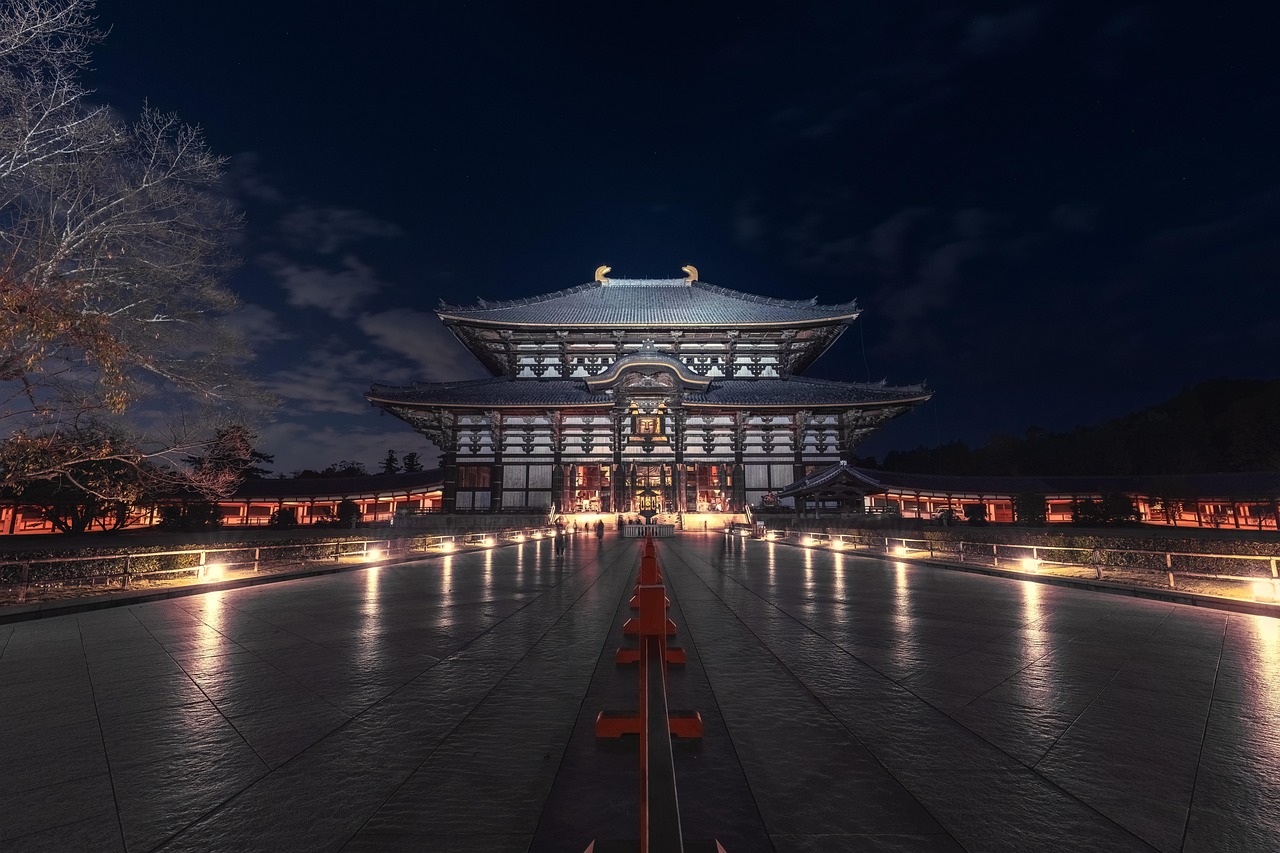
Among the essential Todai-ji Temple Great Buddha Hall Nara Japan attractions, Todai-ji Temple stands apart for its scale and spiritual gravity. Recognised as a UNESCO world heritage site, it’s a centre of Buddhist artistry where the architecture isn’t merely impressive—it’s emotionally persuasive. Even seasoned travellers who have visited many temples in Japan tend to go quiet here.
This is one of those main attractions that feels bigger than a checklist. You’re not just “seeing a temple”; you’re stepping into an atmosphere shaped by centuries of devotion, craft, and an almost cinematic sense of proportion.
Todai-ji Temple inside the Great Buddha Hall
Walking into the great buddha hall, the first sensation is the light—filtered, golden, and calm. Then comes the scale: the hall is often described as the largest wooden building of its kind, and it holds a bronze buddha statue that stops conversation mid-sentence. One visitor told us the moment felt humbling and spiritually moving—less like sightseeing, more like being gently re-oriented.
Stand a little back and let your eyes adjust. The largest bronze buddha presence isn’t just about size; it’s about stillness. If you’re travelling with family or friends, you may notice everyone instinctively lowers their voice—an easy, shared ritual of respect.
Entry fees, timing, and temple etiquette with care
For planning, the Todaiji Temple entry fee is usually around 600 yen (fees can change, so it’s worth a quick check on the day). Arrive earlier in the morning for a calmer feel, or later in the afternoon for softer shadows that flatter the woodwork and statues.
- Etiquette: a small bow at thresholds, speak softly, and follow signs about shoes when required.
- Photography: be mindful of no-photo zones and keep a respectful distance.
- Uncover calmer corners: step away from the busiest centre aisle and explore the quieter edges of the grounds.
Look closely at the joinery, the guardian figures, and the sightlines that draw you towards the Buddha. These details feel like national treasure workmanship—subtle, deliberate, and designed to last.
Nara Park deer park feed the deer in Nara with respect and ease
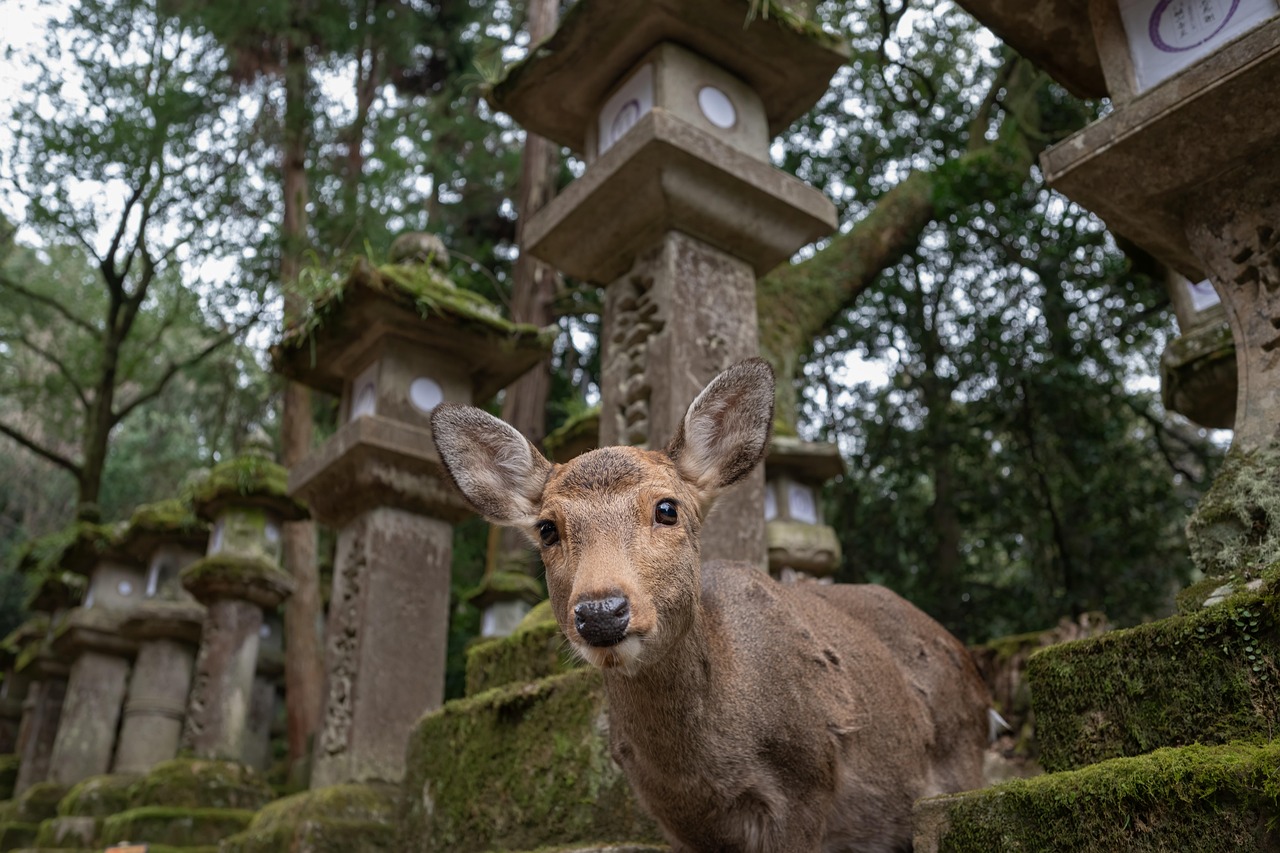
Nara Park Deer Park Encounters With Care among peaceful lawns and ancient temples
No Nara Park deer park feed the deer in Nara story is complete without emphasising the tone: this is a thoughtful wildlife encounter, not a gimmick. Nara Park is home to deer that roam freely, and the best experiences come from meeting them with calm attention. You’ll see deer in Nara Park moving between trees, temple paths, and open lawns as if they belong to the landscape—and in a way, they do.
A traveller once shared a memorable moment feeding and photographing the tame deer, describing them as surprisingly interactive. The detail that stayed with them wasn’t the novelty; it was the gentle intelligence in the animals’ pause—an exchange that felt quietly personal.
How to approach deer in Nara Park for memorable photos
Start by slowing your pace. If you approach the deer with steady movements, you’ll often find they hold eye contact, then step closer. For photography, kneel rather than looming; it makes the moment feel less performative and more intimate. Early morning offers the calmest scenes around the park, especially in peak season.
Deer crackers, safety, and what not to do in the deer park
To feed the deer, purchase the special crackers sold near popular paths. Offer one at a time, and keep the rest tucked away—deer can be persuasive. Don’t tease or wave food around, and keep paper bags, maps, and snacks secured; curious noses will investigate quickly.
Simple rules create confidence:
- Offer crackers with an open palm and step back if a deer becomes too pushy.
- Never chase deer for a photo; let them choose the interaction.
- Mind your belongings—especially during busier midday periods.
From here, it’s an easy walk to your next shrine or temple, which keeps the day feeling seamless rather than fragmented.
Kasuga Taisha Shrine stone lanterns Nara and a restorative shrine walk
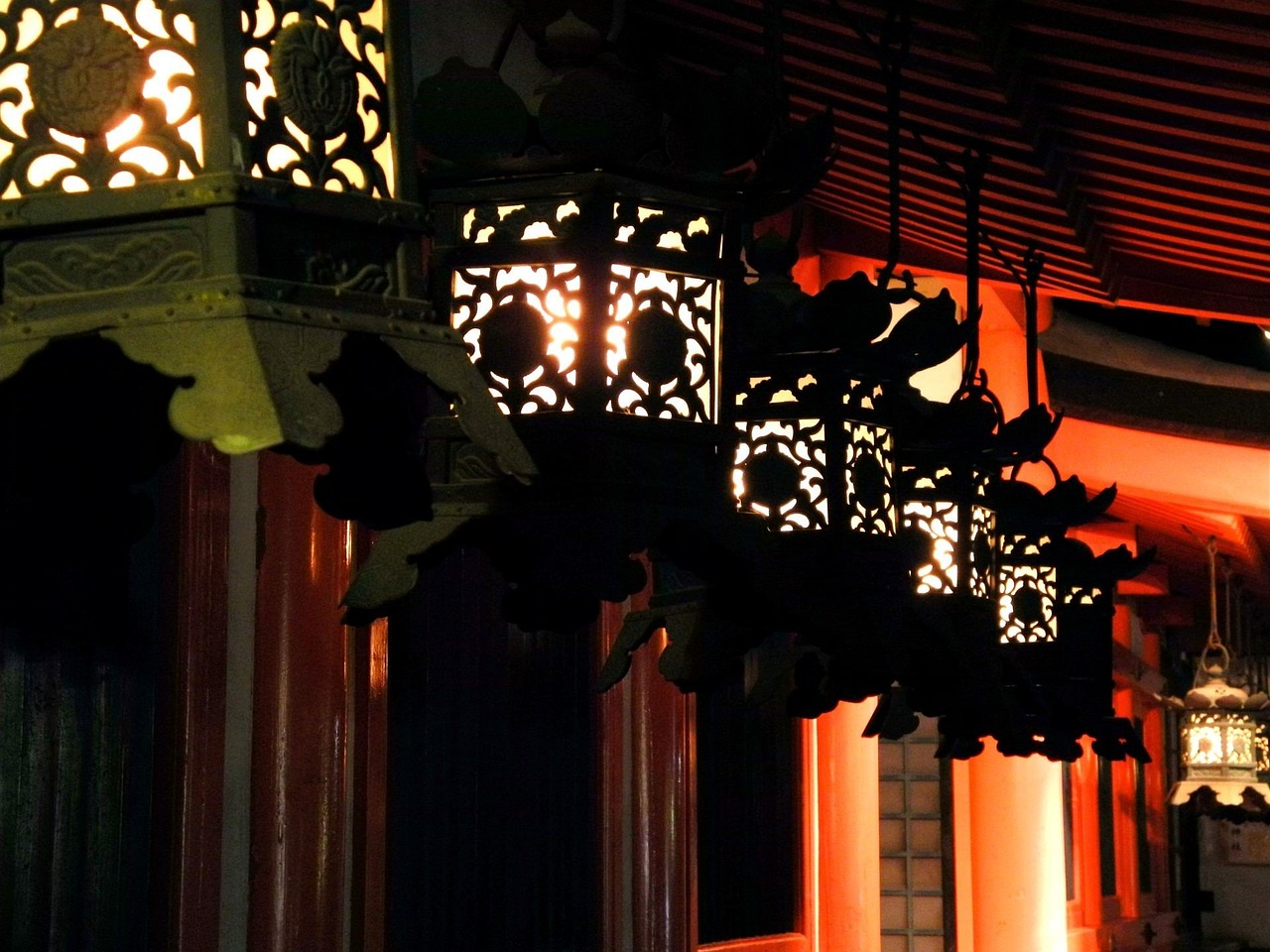
Kasuga Taisha Shrine Lanterns and Forest Paths with stone lanterns in dappled light
The Kasuga Taisha Shrine stone lanterns Nara experience begins before you reach the buildings. The approach moves through greenery with an almost hushed drama, where stone lanterns line the path like quiet sentinels. Kasuga Taisha is a sacred highlight, and the atmosphere feels intentionally softened—an invitation to listen as much as to look.
While Nara is known for shrines and temples, this shrine has a distinct texture: bronze lanterns suspended in rows, shadows pooling beneath eaves, and a sense of time unfolding at walking pace.
Kasuga Taisha shrine festivals and lantern stories
Local guides often share stories of lantern festivals, when Kasuga Taisha glows as thousands of lanterns are lit. The effect is said to be magical, but what makes it truly memorable is the collective quiet—people instinctively lower their voices, as if the light itself deserves respect. If you can time your trip to Nara to coincide with a festival, it’s an extraordinary evening; if you can’t, the lantern corridors still feel deeply evocative in late-afternoon light.
What is free to enter and how to time your visit
The main approach and outer grounds are generally free to enter, while special exhibits or inner areas may have fees. Visit in the morning for clearer, brighter detail, or later for softer tones that flatter lantern-lined corridors. Either way, this is a shrine visit that benefits from unhurried steps.
- Best light: late afternoon for warm contrast on lanterns and wood.
- Quietest rhythm: avoid late-morning peaks on weekends.
- Mindset: a slow walk from Nara Park to the shrine is part of the ritual.
As you walk back, notice how the forest buffers the city. It’s a gentle reset before you return to the more sculpted beauty of gardens and museum spaces.
Isuien Garden Nara National Museum sights in Nara for calm design
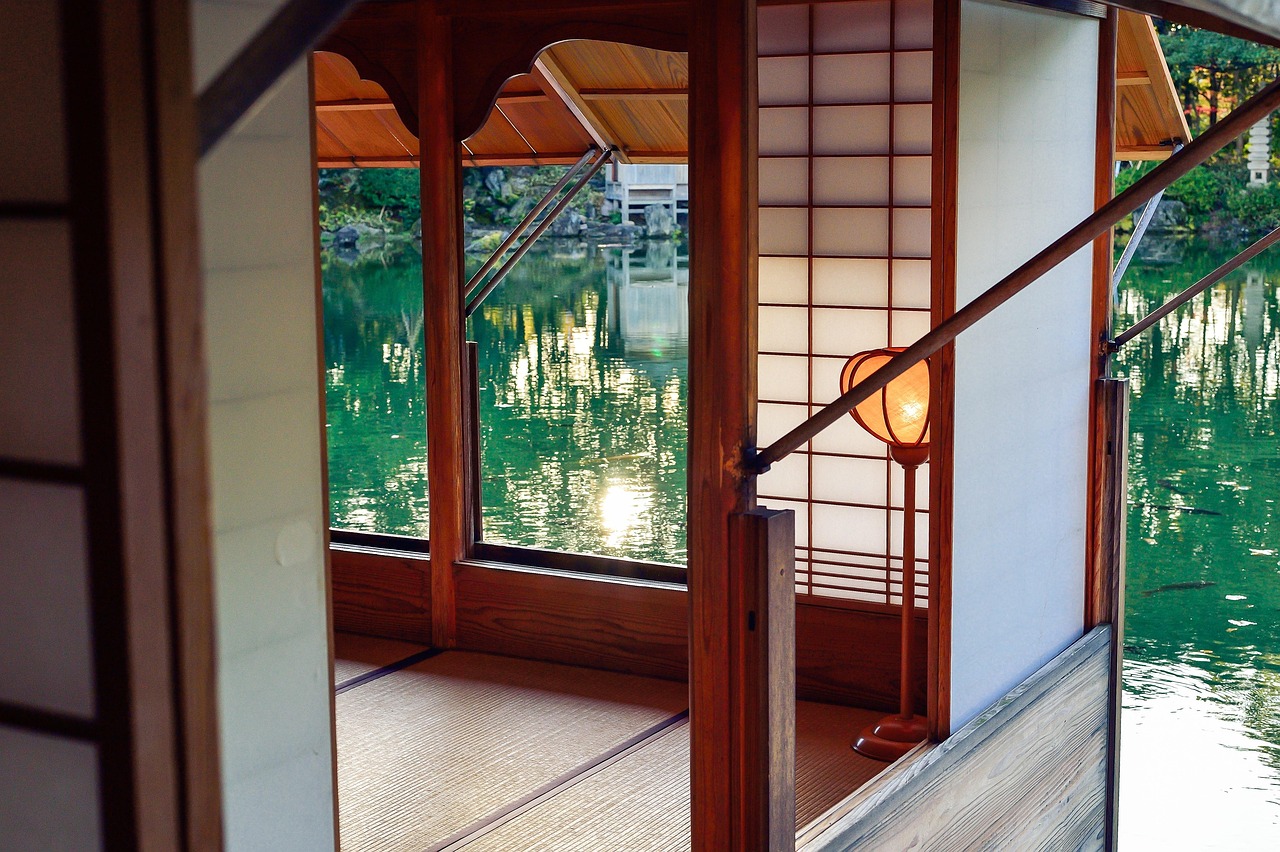
Isuien Garden Calm Design Moments and Nara National Museum with borrowed scenery
For travellers seeking quiet, Isuien Garden Nara National Museum sights in Nara is a pairing that shifts the tempo beautifully. Isuien Garden is a classic example of Japanese garden design, using borrowed scenery so the surrounding landscape feels like part of the composition. After the grandeur of a temple or the liveliness of deer encounters, this is where you can exhale.
The garden’s power lies in restraint: stones placed like punctuation, water reflecting the sky, and carefully framed views that invite you to pause rather than press on.
Cherry blossom and autumn colour in Isuien Garden
In spring, cherry blossom details soften the edges of paths and pavilions; in autumn, the reds and golds feel almost illuminated. To avoid the busiest lanes, arrive soon after opening or slip in during lunch when many visitors are elsewhere. Choose one bench or viewpoint and stay longer than you think you “should”—that’s how the design reveals itself.
Nara National Museum and nearby temple halls for context
If you have half a day, adding the Nara National Museum gives the day cultural depth, especially if you’ve been moved by Buddhist sculpture at Todai-ji Temple. Seeing artefacts with curatorial context can sharpen your eye for what you noticed earlier—gestures, materials, symbolism.
Nearby, you may also pass Kōfuku-ji, where the central golden hall and eastern golden hall add another layer to the city’s temple story. It’s a graceful way to connect “things to see” with a deeper understanding, without turning the day into an endurance test.
Naramachi district luxury dining machiya tea ceremony and old town charm
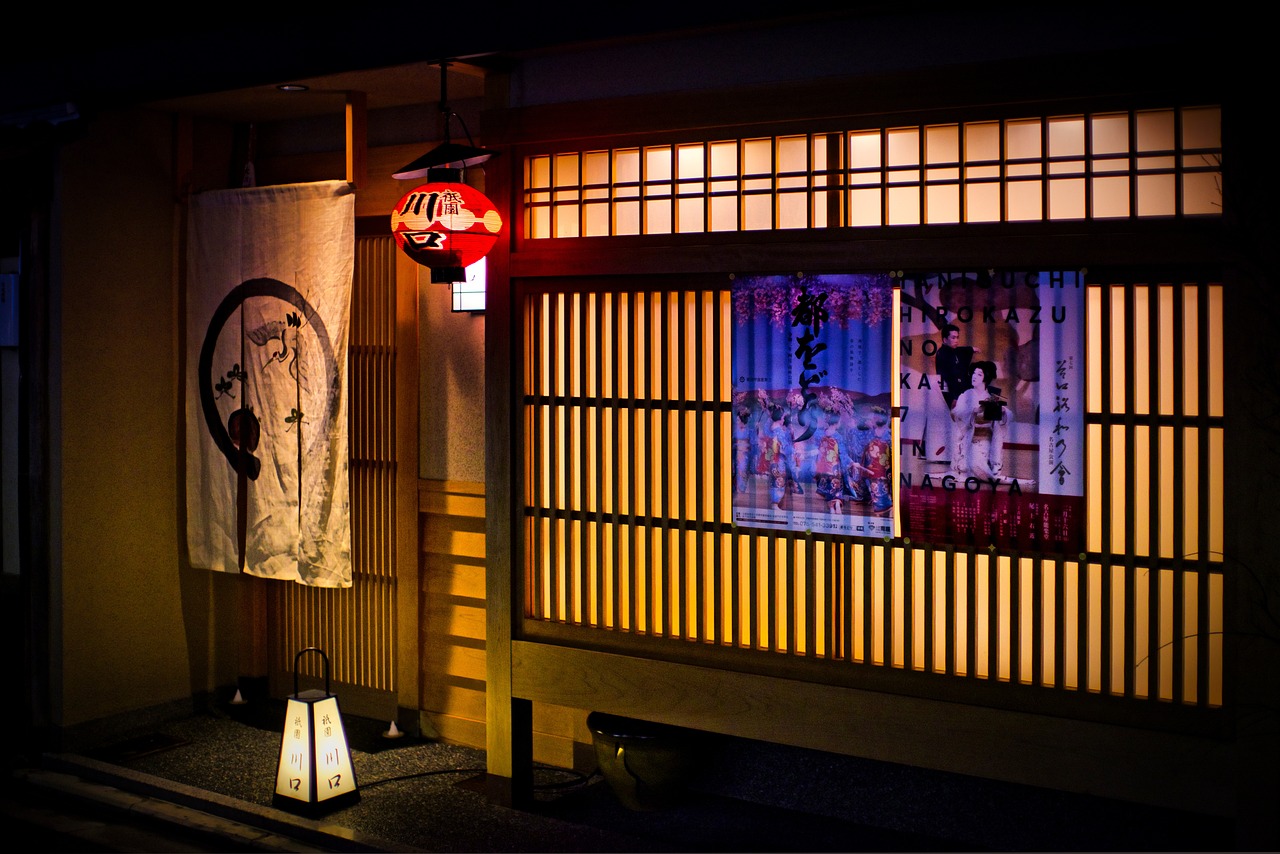
Naramachi Old Town Style Tea Ceremony and Dining in an atmospheric machiya setting
To round out a Naramachi district luxury dining machiya tea ceremony afternoon, step into Naramachi where Edo-period merchant houses create an intimate, textured world. Naramachi is where high-end travellers often feel most at home: boutique craft, thoughtful design, and the pleasure of wandering without needing a “big-ticket” sight every hour.
This is also where the city’s contemporary creativity feels most seamlessly woven into tradition—an ideal counterpoint to the earlier temple and shrine moments.
Machiya tea ceremony that feels personal and quietly luxurious
A luxury traveller once described a tea ceremony inside a machiya as the perfect blend of tradition and intimate ambience. Rather than feeling formal, it felt curated: light through paper screens, the hush of small movements, the warmth of a bowl in hand. If you’ve been moving through crowds, this is where you can reset, supported by ritual.
Shopping street loop and dining reservations in peak season
For a considered stroll, include Higashimuki shopping street for a single, meaningful souvenir—perhaps handmade incense, ceramics, or a refined sweet. Then choose a dining spot that matches your mood: modern kaiseki, a small counter, or a quietly confident bistro-style space.
- Book ahead: in cherry blossom and autumn weekends, reservations make the evening seamless.
- Keep it light: a late lunch and an early dinner can avoid the busiest waves.
- Design your pace: leave space for a final coffee or dessert pause.
Naramachi is the kind of district that makes you feel you’re travelling together with the city, rather than simply passing through it.
Nara itinerary one day in Nara day trip from Kyoto Osaka or Kyoto
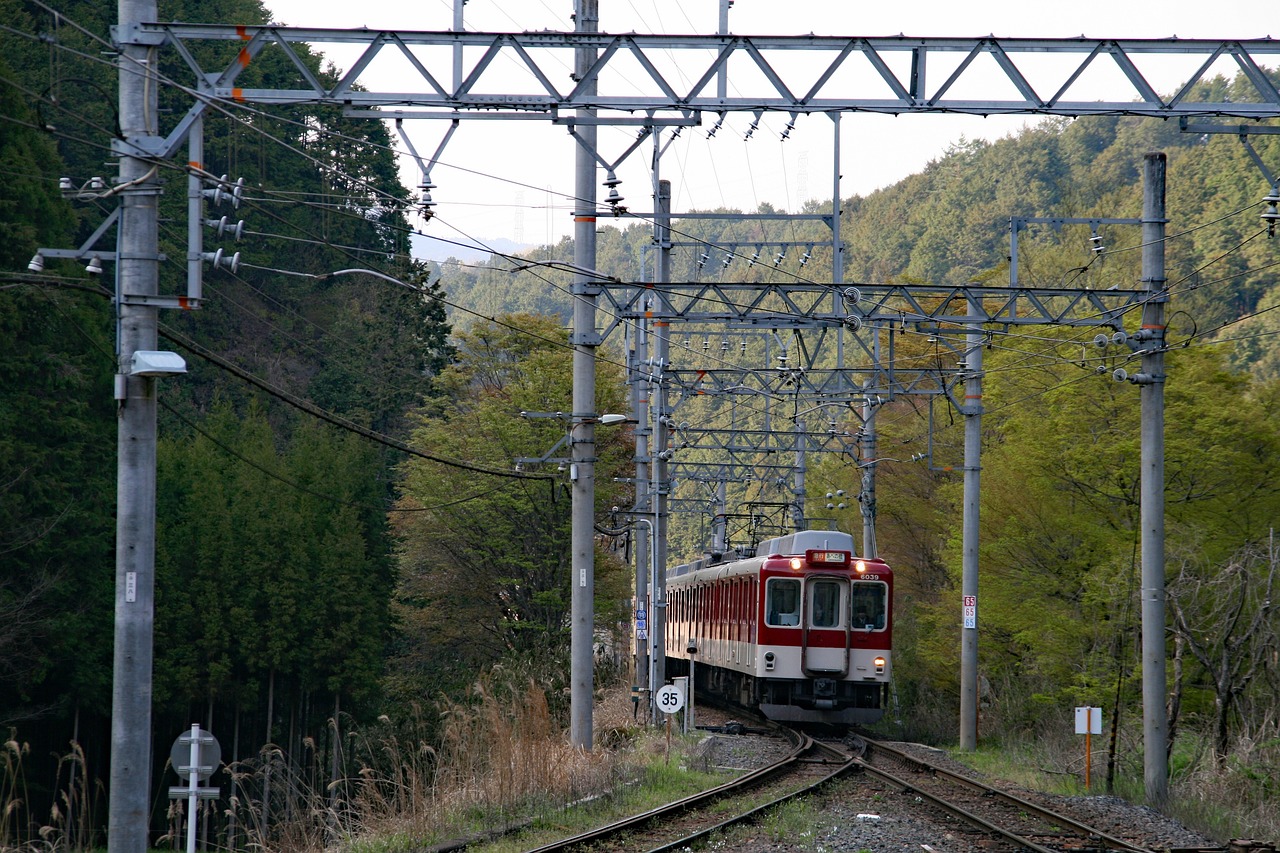
A Crafted Itinerary for One Day in Nara From Kyoto or Osaka with an easy train-led day trip
If you’re after a clear plan, this Nara itinerary one day in Nara day trip from Kyoto Osaka or Kyoto is designed for a first visit to Nara with high-end standards: calm, coherent, and never cramped. It’s a “see in Nara” day that prioritises atmosphere—temple hush, garden stillness, and time to explore Nara at human speed.
Before you set off, take a moment for the key decision: osaka or kyoto as your departure point. Both work beautifully; your best choice depends on where you slept the night before and how early you want to start.
Getting to Nara from Kyoto or Osaka and the station choice
Here’s your simple checklist for getting it right. If you’re taking the train from Osaka to Nara, you’ll find frequent departures that make an early start easy. From Kyoto, the ride is equally straightforward, and both routes are well-suited to a polished Japan itinerary. For many travellers, Kintetsu Nara is the most convenient arrival for the park area, while JR Nara can be better if your hotel or onward connections sit on the JR network.
- Choose Kintetsu: for a shorter walk to Nara Park and major sites in Nara.
- Choose JR: for JR pass logic and easy links to Kyoto and Osaka.
- Plan transfers: keep an eye on limited-express vs local services.
One day in Nara plan from morning to dusk
09:00 Arrive and walk into Nara Park for the first quiet deer sightings, when lawns still feel open and the mood is gentle.
10:00 Visit Todai-ji Temple and the great buddha hall, taking time for the main hall and quieter edges of the grounds.
12:00 A light lunch and a slow drift past temple gates towards the garden zone.
13:30 Isuien Garden for calm composition and seasonal colour.
15:00 Kasuga Taisha Shrine via a restorative forest approach, letting the lantern paths set the pace.
17:00 Naramachi for a tea ceremony or boutique wandering, followed by a reserved dinner that feels effortless.
To keep everything easy, consider a Nara bus pass if you want to reduce walking between distant edges—though many travellers love that the key attractions are connected by footpaths. Either way, comfortable walking shoes are non-negotiable for a relaxed day.
To design the day with true ease, an expert concierge or local guide can offer support with timing, dining bookings, and context—so you can enjoy destinations and travel with confidence rather than logistics. If you’re mapping a wider trip to Japan, you may also enjoy browsing our Trip gallery for inspiration that feels crafted and personal.
What Stayed With Me After Nara and its quiet temple and shrine light
For all its famous sights, what stays with you after Nara isn’t a list of places—it’s a change in attention. Days later, you may still remember the particular hush of a temple interior, the way your footsteps softened without being told, or how a bow became less of a gesture and more of a shared language. Even the deer—so often photographed—can leave a subtler imprint: the calm pause before they step close, the sense that you’re being observed as much as you’re observing.
There is also the lantern-lit feeling of Kasuga Taisha, whether you saw a festival glow or simply walked beneath the shadowed forms of stone and bronze. It’s the kind of memory that returns unexpectedly—on a train platform, in the quiet of a hotel corridor, in the first sip of tea back home. In those moments, Nara feels less like a destination and more like a gentle re-tuning of time.
Perhaps that is Nara’s real luxury: it invites care. Not performative reverence, just small acts of respect that create connection—speaking softly, giving space, letting a scene unfold without forcing it into a frame. When you travel this way, the experience becomes personal, and the trust you place in a place is quietly returned.
And if, one day, you find yourself imagining Japan again, you may notice Nara waiting there in your mind—not demanding a return, simply offering the possibility of stillness whenever you’re ready to listen for it.
F.A.Qs: Nara Japan attractions and planning
F.A.Qs on Nara Japan attractions with deer in Nara Park near historic temples
What is the famous thing in Nara?
The most famous thing in Nara is the Great Buddha at Todai-ji Temple, housed inside the Great Buddha Hall, alongside the free-roaming deer of Nara Park. Together, they create a rare mix of spiritual scale and gentle everyday life that feels uniquely Nara.
Is Nara worth visiting in Japan?
Yes—Nara is worth visiting in Japan if you enjoy heritage, craftsmanship, and a calmer pace. It’s an easy day trip from Kyoto or Osaka, and the combination of temples, a lantern-filled shrine approach, and garden moments makes it deeply rewarding without feeling rushed.
What is the city Nara famous for?
The city of Nara is famous for being Japan’s first permanent capital and for its concentration of historic temples and shrines. Travellers also love its serene gardens and the memorable deer encounters that make walks between major sites feel alive and unexpectedly tender.
What are the main attractions in Nara Park?
The main attractions in Nara Park include the friendly deer, Todai-ji Temple nearby, and the walking routes that connect to Kasuga Taisha Shrine through lantern-lined paths. The park is also valued for its open lawns and forest edges that make sightseeing feel restorative rather than hectic.