Post Contents
- Why visit Todaiji Temple Nara Japan world heritage with story and stillness
- Design a seamless arrival with a Todaiji temple Nara Japan guide from Nara Station
- Through Nandaimon gate into a Todaiji Nara Japan wooden structure
- Daibutsuden Great Buddha Todaiji Temple Nara Japan encounter in the Buddha Hall
- Uncover Sangatsu-do hall national treasures at Todaiji Nara Japan and nearby calm
- Nigatsudo Hall view Todaiji Nara Japan Omizutori and balcony light
- Nara Park deer near Todaiji Temple Nara Japan with confidence and care
- What stayed with me after Todaiji Temple Nara Japan personal reflection
- F.A.Qs: Todaiji Temple Nara Japan guide for travellers
Why visit Todaiji Temple Nara Japan world heritage with story and stillness
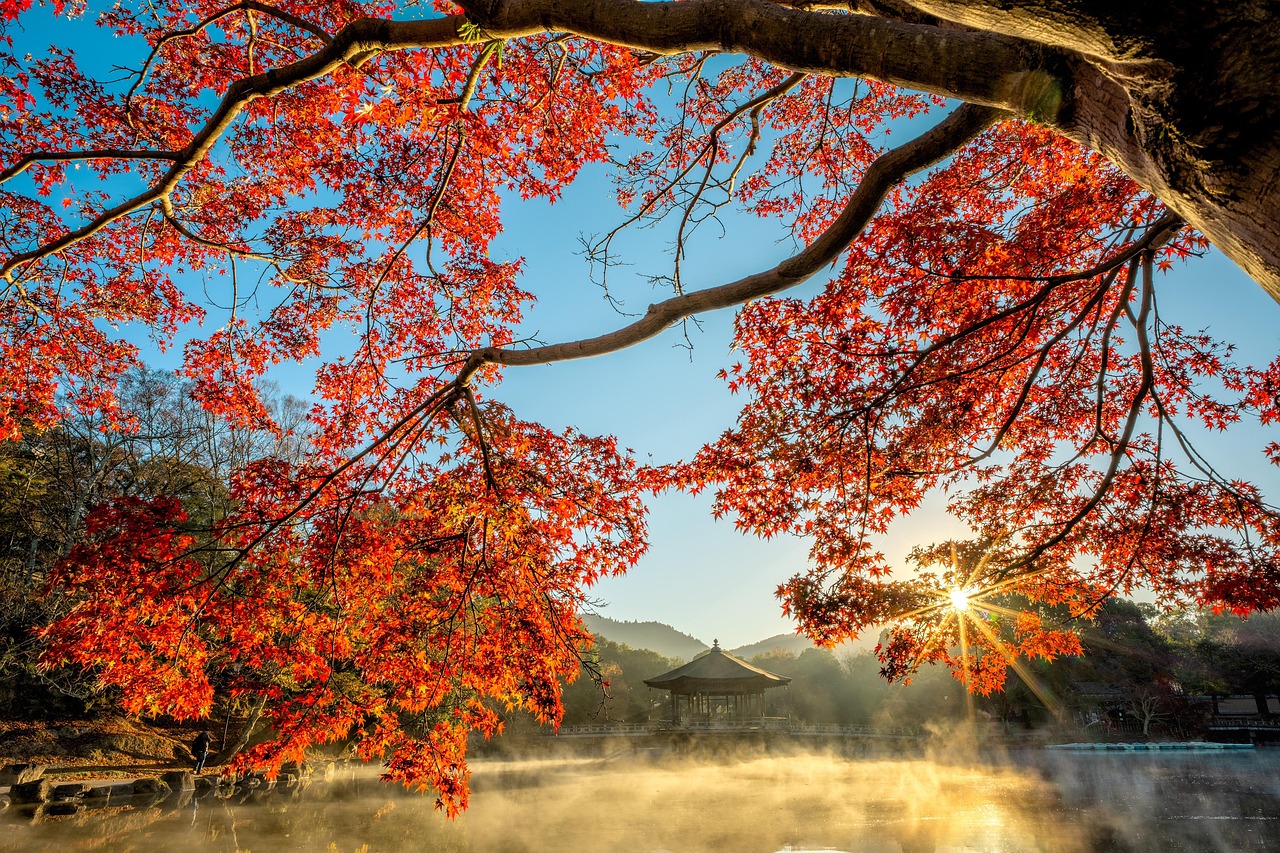
Why visit Todaiji Temple in Nara with peaceful water views and historic grounds
To visit Todaiji Temple Nara Japan world heritage is to choose scale and softness in the same breath. For adventure seekers who crave culture with an emotional lift, this temple in nara offers a rare mix of massive architecture, living ritual, and quiet corners where you can simply be.
Todaiji is historically significant because Nara was once the ancient capital of Japan, and the temple’s story is interwoven with the Nara period and the shaping of Japanese history. It is recognised as a unesco world heritage site, and that status matters here: it protects a layered place that has been repaired, rebuilt, and cherished for generations.
Explore with confidence from grand halls to gentle pauses
Imagine your day as a seamless arc: first the headline wonder, then the slower, more personal discoveries. You’ll explore the main attraction with the right pacing, then uncover smaller halls, a garden reset, and balcony views that reframe the city in a single breath of light.
What the visitor experience feels like at 東大寺
Expect open courtyards, shrine paths that thread through the wider landscape, and prayer spaces where quiet is a form of care. The site is walkable and welcoming, and even at busier times you can create a calmer rhythm by stepping aside, listening, and letting the temple set the tone.


Design a seamless arrival with a Todaiji temple Nara Japan guide from Nara Station

Design a seamless arrival and first steps in Nara by train before visiting Todaiji
This Todaiji temple Nara Japan guide from Nara Station starts with an easy promise: you can arrive with confidence, even if you’re fitting Nara into a wider tour from osaka or kyoto. The approach is part of the pleasure—Nara feels spacious, walkable, and quietly elegant once you step out of the station.
From jr nara station you can stroll into the centre and towards the park, or take a short bus ride if you’d rather save your energy for the temple grounds. Many travellers prefer the simpler route: walk from kintetsu nara station towards Nara Park, then let the deer and lantern-lined paths guide you naturally towards Todaiji.
Practicalities that make the day feel effortless
The entry fee is modest (often around 600 yen for adults) with typical discounts; do check official opening hours as seasons shift. This is the kind of detail that helps you trust your plan, so you can focus on the cultural experience rather than logistics.
- Comfort: wear comfortable shoes, carry water, and allow time for pauses—this is a large site on foot.
- Facilities: you’ll find toilets and rest spots nearby, helpful in humid summer or crisp winter air.
- Riders: if you arrive by bike, look for bicycle parking areas so you can explore unburdened.
If you’d like to browse a curated collection of journeys before or after your Nara travel planning, you can keep inspiration handy via this Trip gallery.
Through Nandaimon gate into a Todaiji Nara Japan wooden structure

Through Nandaimon gate at Todaiji Temple, a monumental wooden structure in Nara
As you approach the Nandaimon gate, you’ll understand why people search for Nandaimon gate Todaiji Nara Japan wooden structure—it’s a statement of intention. This gate is not a quick threshold; it’s the first emotional beat, a massive welcome that signals you’ve entered a place built to hold both awe and attention.
Meet the fierce nio guardians
Look for the fierce nio guardian statues: dramatic, protective, and unforgettable. They set the mood in seconds, reminding you this is a living spiritual landscape as much as a cultural attraction.
What to notice in the wooden building and patina
Architecturally, it’s a masterclass in endurance. The temple precinct has been cared for through repair and rebuild phases, and you can spot the story in beams, joinery, and the deep patina of the wooden surfaces. Pause long enough to notice how the structure is both engineered and human—crafted, not manufactured.
For photos, step slightly to the side rather than stopping in the centre flow. You’ll capture the scale without blocking pathways, especially in spring and autumn when the crowds swell.
Daibutsuden Great Buddha Todaiji Temple Nara Japan encounter in the Buddha Hall
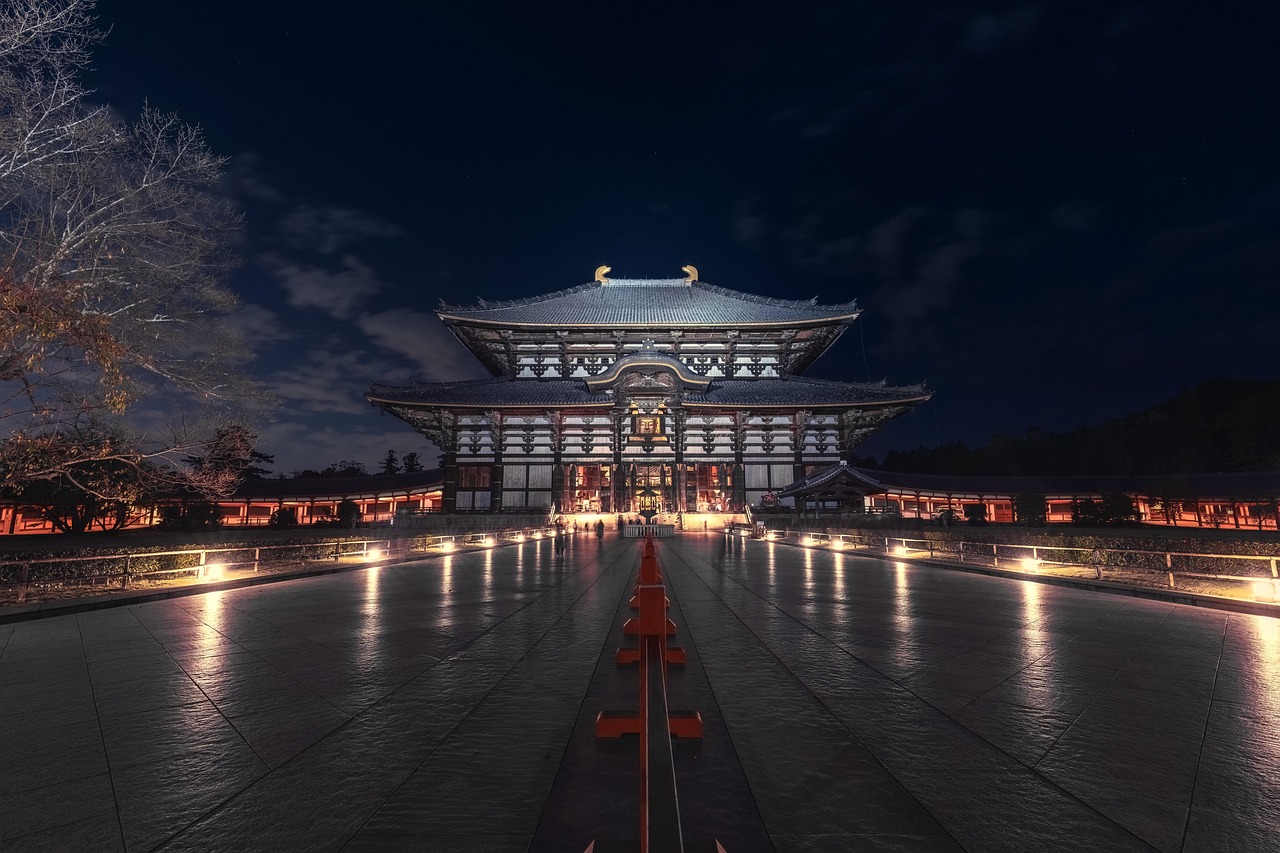
Daibutsuden Great Buddha Hall encounter at Todaiji Temple in Nara, Japan
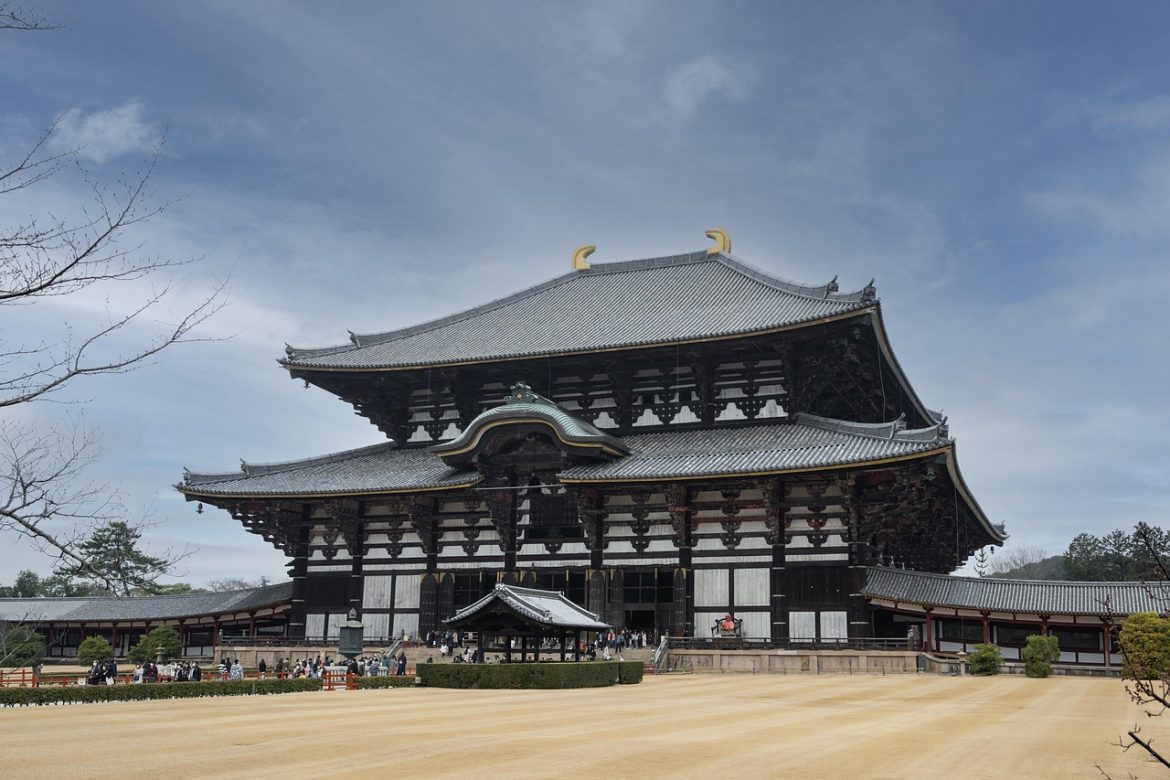
The phrase Daibutsuden Great Buddha Todaiji Temple Nara Japan doesn’t prepare you for the real moment: you step into the Great Buddha Hall and a calm seems to settle over your shoulders. One adventure-minded traveller told me they could almost feel their breathing change as they stand before the colossal bronze image of Vairocana—a quiet, steady presence that makes the rest of the day feel more spacious.
Great Buddha Hall facts that deepen the awe
This is the famed daibutsu experience: the Great Buddha statue is around 15 meter tall, and the sense of scale is immediate. The original dedication ceremony dates to 752, and later generations had to construct and restore what fire and time damaged—yet what remains is still among the world’s largest wooden structures.
You’ll often hear lore about the largest bronze statues on earth, but what matters most is how the hall holds you: a massive space that feels surprisingly intimate when you slow down. If you’re travelling with friends, this is a powerful “together” moment—everyone goes quiet in their own way.
Etiquette and photography with care
- Keep voices low in prayer areas; the hush is part of the experience.
- Follow signs about shoes—some zones request removal, and it’s always signposted.
- Photography is often allowed, but restrictions can apply inside specific sections of the hall.
These small choices are a kind of expert travel skill: respectful, confident, and deeply reassuring for everyone sharing the space.
Uncover Sangatsu-do hall national treasures at Todaiji Nara Japan and nearby calm
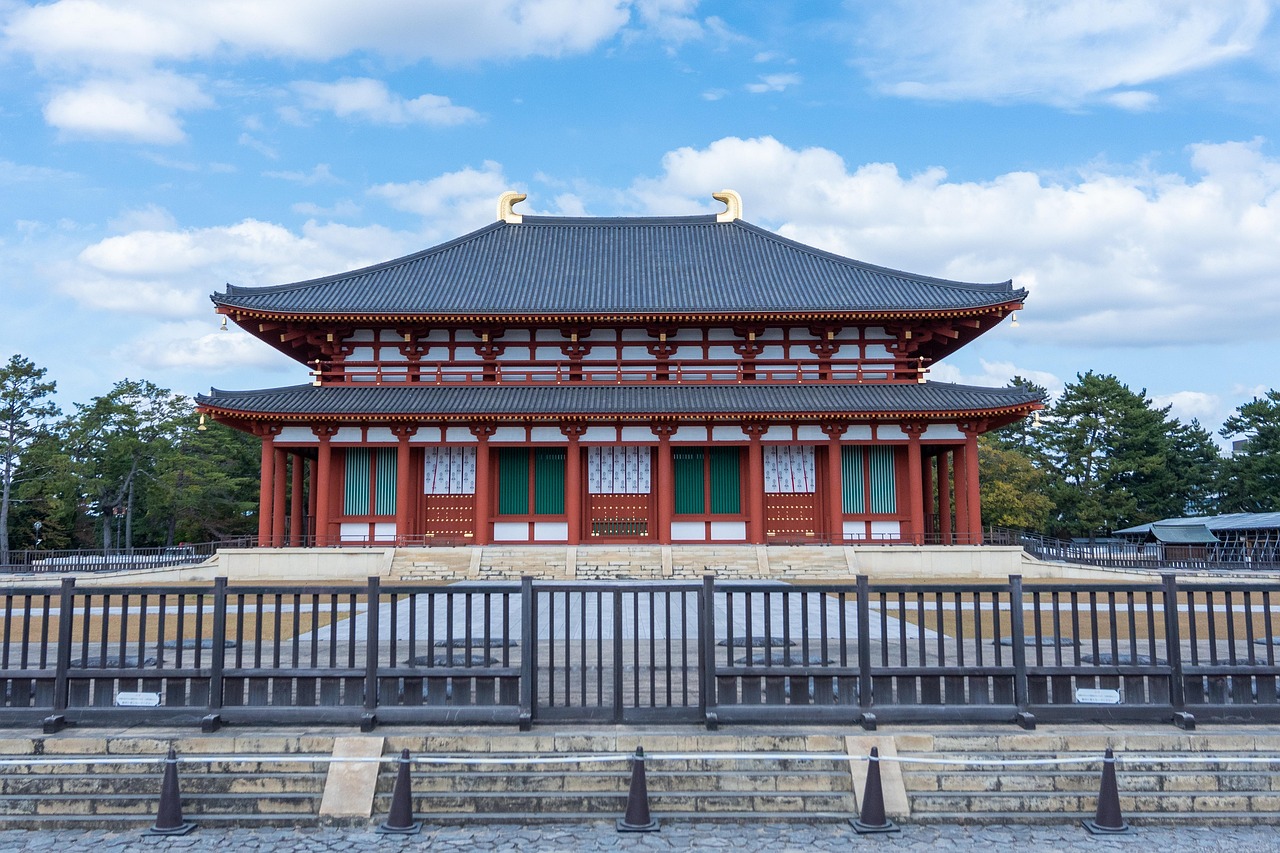
Uncover Sangatsu-do hall national treasures within the Todaiji Temple complex in Nara
After the headline wonder, Sangatsu-do hall national treasures Todaiji Nara Japan is where the site begins to feel personal. Sangatsu-do has a devotional atmosphere—smaller, quieter, and detailed enough that you start noticing hands, faces, and materials rather than just scale.
What it means to designate national treasures
Within the complex, certain objects and buildings are designate as national treasures, a status that protects fragile heritage across centuries. It’s not about putting beauty behind glass; it’s about safeguarding what is old, rare, and still meaningful in modern Japan.
Local guide insight and a garden reset at Isuien
A group of friends once shared how a local guide changed everything for them—suddenly Buddhist icons like Kannon weren’t “museum pieces” but a living language of compassion and practice. If you have time, a short tour here can add layered insight without overloading the day.
For balance, take a calming pause nearby at Isuien, a refined garden that feels like a quiet exhale between historic structures. Even a 5-minute walk reset can help you return to the temple with fresh attention.
If open, a small museum exhibit on the grounds can deepen context—use it as an optional chapter, not a requirement. High-end travel is as much about how you feel as what you “cover”.
Nigatsudo Hall view Todaiji Nara Japan Omizutori and balcony light
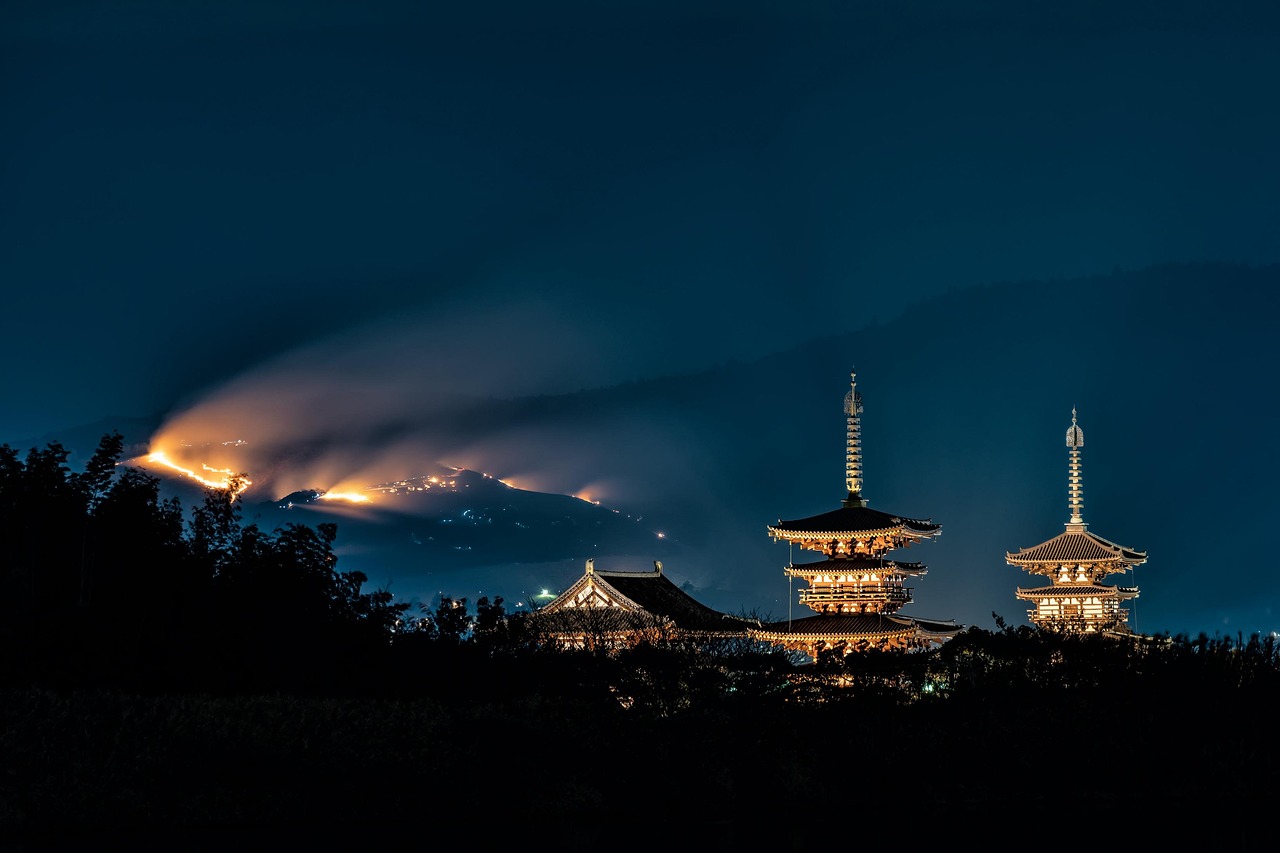
Nigatsudo Hall balcony view at Todaiji Temple in Nara with early morning light
The walk up to Nigatsudo Hall view Todaiji Nara Japan Omizutori feels like a gentle ascent into clarity. Arrive early if you can—one visitor described a peaceful morning when the grounds were nearly empty, and the first light turned the city into something soft and luminous.
Balcony views and the east-facing glow
The reward is a wide view from the balcony, opening towards the east across Nara. The steps can be steep, so treat it as “adventure with care”: pause, hydrate, and let your breath set the pace rather than your schedule.
Omizutori as living tradition
This hall is tied to omizutori, a tradition that reinforces Todaiji as a working Buddhist site, not just an attraction. There’s something reassuring about that continuity—an unbroken thread from the 8th century into the present that you can feel, even if you don’t know every detail.
From up here, the temple complex stops being a checklist. It becomes a quiet reflection of what you’re seeking in travel: space, meaning, and the confidence to move slowly.
Nara Park deer near Todaiji Temple Nara Japan with confidence and care
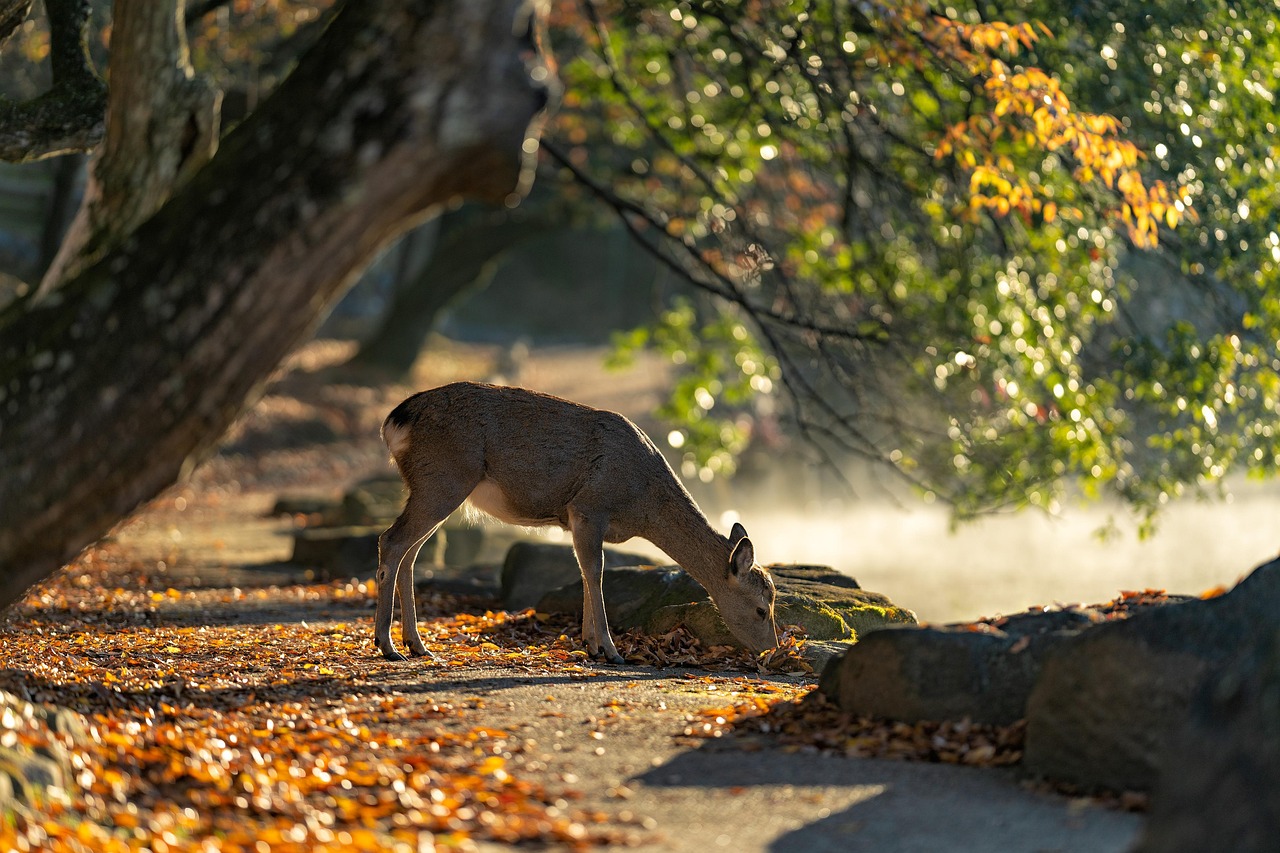
Explore Nara Park deer near Todaiji Temple in Nara, Japan with care and calm
It’s hard not to smile at the idea of Nara Park deer near Todaiji Temple Nara Japan—a sacred landscape with a playful heartbeat. The deer roam freely through Nara Park, and the contrast between spiritual stillness and curious noses is part of what makes Nara so memorable.
One traveller shared an enchanting moment feeding approved crackers, laughing as a deer bowed back before darting away. It felt magical, they said—like the park was reminding them that wonder can be light as well as profound.
Deer etiquette for a supportive, stress-free encounter
- Keep snacks packed away and only use the approved crackers sold nearby.
- If a deer gets pushy, step aside calmly and protect your map or paper bags—confidence comes from quiet body language.
- Be mindful of others; this is shared ground, and a little care keeps it safe.
The deer paths can also pass a shrine or two, which adds cultural texture without derailing your plan. Consider it a gentle detour that keeps the day feeling alive, not over-programmed.
What stayed with me after Todaiji Temple Nara Japan personal reflection
This Todaiji Temple Nara Japan personal reflection isn’t about what you “did”, but what quietly follows you home. Long after the crowds blur into memory, I still feel the softness of that first hush inside the Buddha Hall, and the way the wooden beams seemed to hold time without gripping it.
There’s a particular kind of trust that forms here: trust in your own pace, and in the idea that depth doesn’t need rushing. The Great Buddha’s calm is not dramatic; it’s steady—like a hand resting on your shoulder at the exact moment you realise you’ve been carrying too much.
And then, outside again, the park returns you to movement—deer stepping lightly across paths, wind shifting through trees, distant bells threading the air. It’s a place that lets you be both brave and gentle, all at once, and that balance feels like the real treasure.
Sometimes I imagine returning in another season, when the light changes and the same structures tell a slightly different story. Not as a repeat, but as a continuation—one quiet note of Nara that lingers, like footsteps fading on old stone.
F.A.Qs: Todaiji Temple Nara Japan guide for travellers
F.A.Qs on Todaiji Temple in Nara, Japan with the Great Buddha Hall as your reference point
What is Todaiji Temple famous for?
Todaiji is famous for the Daibutsuden and its Great Buddha statue, an iconic bronze image that anchors the entire complex. It’s also renowned for monumental wooden architecture, the Nandaimon guardians, and its role in Japanese history as a major Buddhist centre.
Is it worth going inside Todaiji Temple?
Yes—going inside the Great Buddha Hall is where most travellers feel the full emotional scale of the site. The interior is spacious and serene, and seeing the Buddha up close adds context you can’t get from the outside alone, especially if you enjoy cultural travel with quiet impact.
How long does Todaiji Temple take?
Most visitors spend 1.5 to 3 hours at Todaiji, depending on pace and whether you add Nigatsudo, Sangatsu-do, and a garden pause. If you’re photographing, visiting the museum areas, or slowing down for reflection, half a day feels beautifully unhurried.
What is the most famous temple in Nara?
Todaiji is widely considered the most famous temple in Nara due to the Great Buddha Hall and its world heritage status. That said, Nara has other remarkable sites, and many travellers enjoy combining Todaiji with a shrine visit and time in Nara Park for a fuller day.