Post Contents
- Miyagi Prefecture gateway to Tohoku for adventure seekers in Tohoku travel guide
- Sendai Miyagi things to do including Sendai Tanabata Festival and samurai history
- Zuihoden Mausoleum Date Masamune Sendai Miyagi Prefecture visit with calm
- Matsushima Bay Miyagi Prefecture coastline oysters and scenic beauty
- Mount Zaō snow monsters Akiu Onsen ryokan stay Miyagi Japan
- What stayed with you after Miyagi
- F.A.Qs: Miyagi Prefecture Japan
Miyagi Prefecture gateway to Tohoku for adventure seekers in Tohoku travel guide
Miyagi Prefecture gateway to Tohoku for adventure seekers
This Miyagi Prefecture Japan travel guide for adventure seekers in Tohoku begins with a simple promise: you can uncover wild landscapes and refined city culture without rushing. Miyagi is a sea-to-volcano province where salt air, mountain weather, and calm spiritual spaces sit close enough to combine in one beautifully designed itinerary. For cultural enthusiasts, the local insight comes easily—street food, festivals, and samurai stories are woven into everyday life. For adventure seekers, the reward is variety: coastlines for cycling, forests for quiet walks, and high slopes where snow reshapes the horizon.
Sendai is your hub, and everything else feels like a thoughtful side quest. You might explore Matsushima Bay for pine-covered islands, then pivot west towards Zaō for hikes and volcanic views. If you crave quieter corners, consider Shiroishi for a gentler pace, or Marumori by the Abukuma River where small-town craftsmanship can include washi paper and local specialty snacks. For nature lovers, Miyagi also holds seasonal wetlands that invite slower observation and a softer kind of adventure.
Discover Miyagi and around Sendai with simple map cues
To keep plans seamless, picture Miyagi as a star with Sendai at the centre. East brings the coastline and Matsushima; west brings the Zaō mountain range; south leads towards Shiroishi and onward connections. North opens to onsen towns such as Naruko and its craft culture. If you want to browse inspiration before you start designing your route, use this Trip gallery as a visual mood board.
When to visit Miyagi Prefecture for festivals, snow and trails
Late spring through autumn is ideal for hiking, coastline cycling, and festival season, especially if you want long evenings and stable weather. Winter is for snow, restorative escapes, and the famous frost formations on Zaō—perfect for travellers who like their adventure paired with comfort. Pack layered clothing year-round; Miyagi’s mountain air can change quickly, and that variability is part of the thrill when you travel with confidence.
Getting here is smooth. The classic route is Tokyo to Sendai on the Tohoku Shinkansen—your bullet train moment that turns a long-distance transfer into a calm, scenic train ride with time to reset and arrive feeling supported. Alternatively, domestic flights land at Sendai Airport, and luggage-forwarding services can keep your hands free for immediate exploring.


Sendai Miyagi things to do including Sendai Tanabata Festival and samurai history
Sendai the City of Trees with samurai history and Tanabata nights
For travellers searching “Sendai Miyagi things to do including Sendai Tanabata Festival and samurai history”, start by letting the City of Trees set the tone. Sendai feels lively but never harsh: broad avenues, leafy shade, and neighbourhoods where you can sightsee in the morning and still have energy for a long dinner. As a base, it’s a high-trust choice—easy transport, excellent hotels, and quick access to the best of Miyagi without constant repacking. This is where cultural experience and adventure sit together, naturally.
Sendai Tanabata Festival nights and how to move with confidence
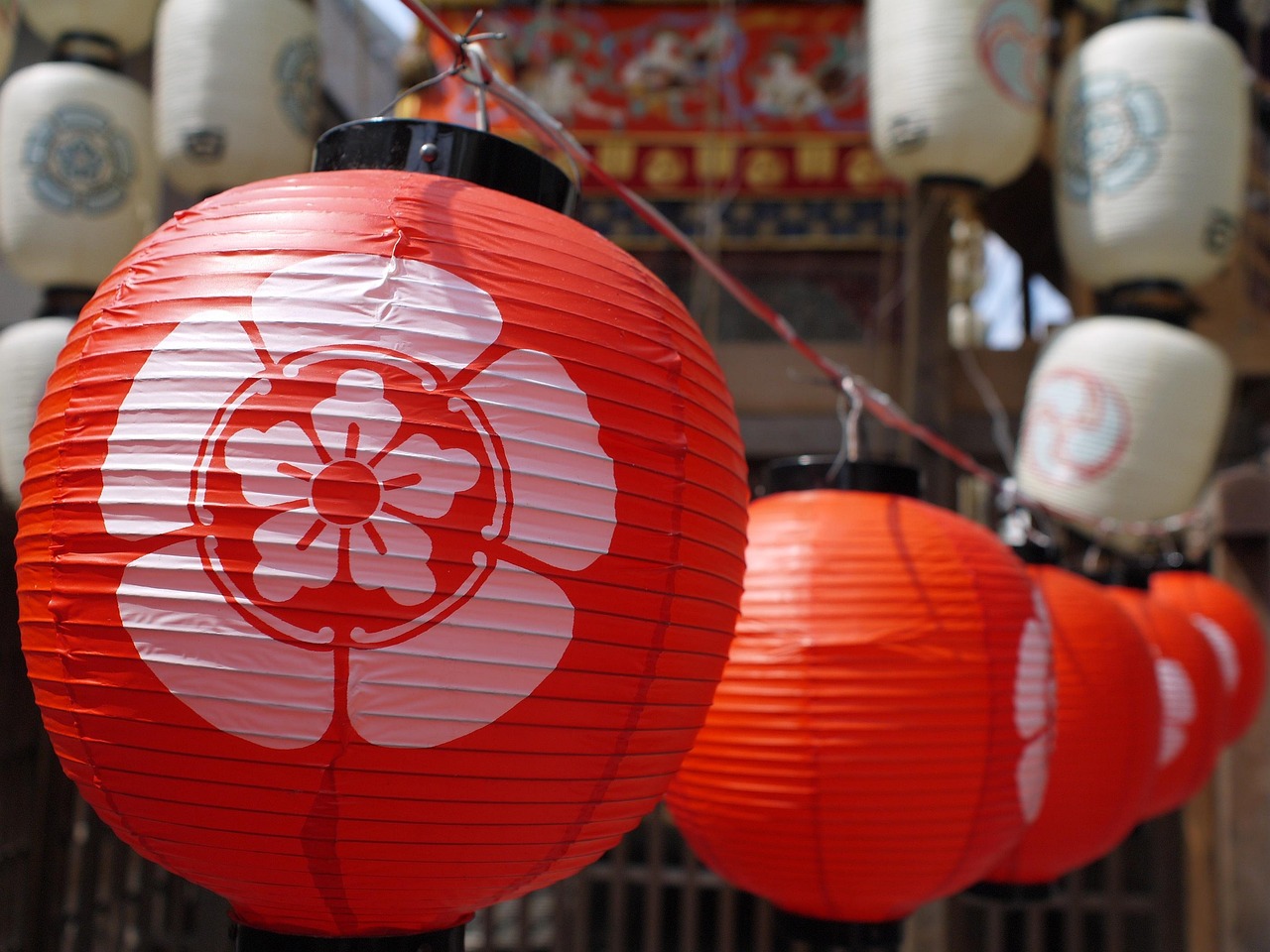
If you visit in August, the Sendai Tanabata Festival is the city at its most creative. Streets are draped with colour, shops compete playfully with elaborate decorations, and evenings have a bright, communal hum. Travellers often recall the festival atmosphere as surprisingly welcoming—locals guiding visitors through busier sections with quiet care, and a sense that you’re part of something shared rather than just watching. For the best experience, arrive earlier in the evening, choose one or two streets to linger on, and step into side lanes when you need space.
- Comfort in crowds: keep valuables close, agree a meeting point, and move as a pair if you’re travelling together.
- Photo etiquette: avoid blocking shopfronts and be mindful when photographing children or performers.
- Atmosphere spots: look for wider intersections where the decorations open up overhead like a canopy.
Samurai history in a castle town and the view from Sendai Castle
Sendai’s identity is inseparable from the warlord Date Masamune, whose choices shaped the castle town you’re exploring today. Head up to the Sendai Castle area for viewpoints that give a grounded sense of place—city grid, distant hills, and the feeling of being held by landscape. Later, when you step into more contemplative spaces, you’ll recognise how Masamune’s legacy still echoes through Miyagi’s architecture and rituals.
Food here is culture you can taste. Try beef tongue in Sendai for a local classic, or seek seasonal mochi made with soft mochi rice for something sweeter. In high-end travel, trust matters: choose places with clear set menus, visible kitchens, and staff who can support allergy notes with calm confidence. A small queue is often a reassuring sign you’ve found somewhere local and well-loved.
Zuihoden Mausoleum Date Masamune Sendai Miyagi Prefecture visit with calm
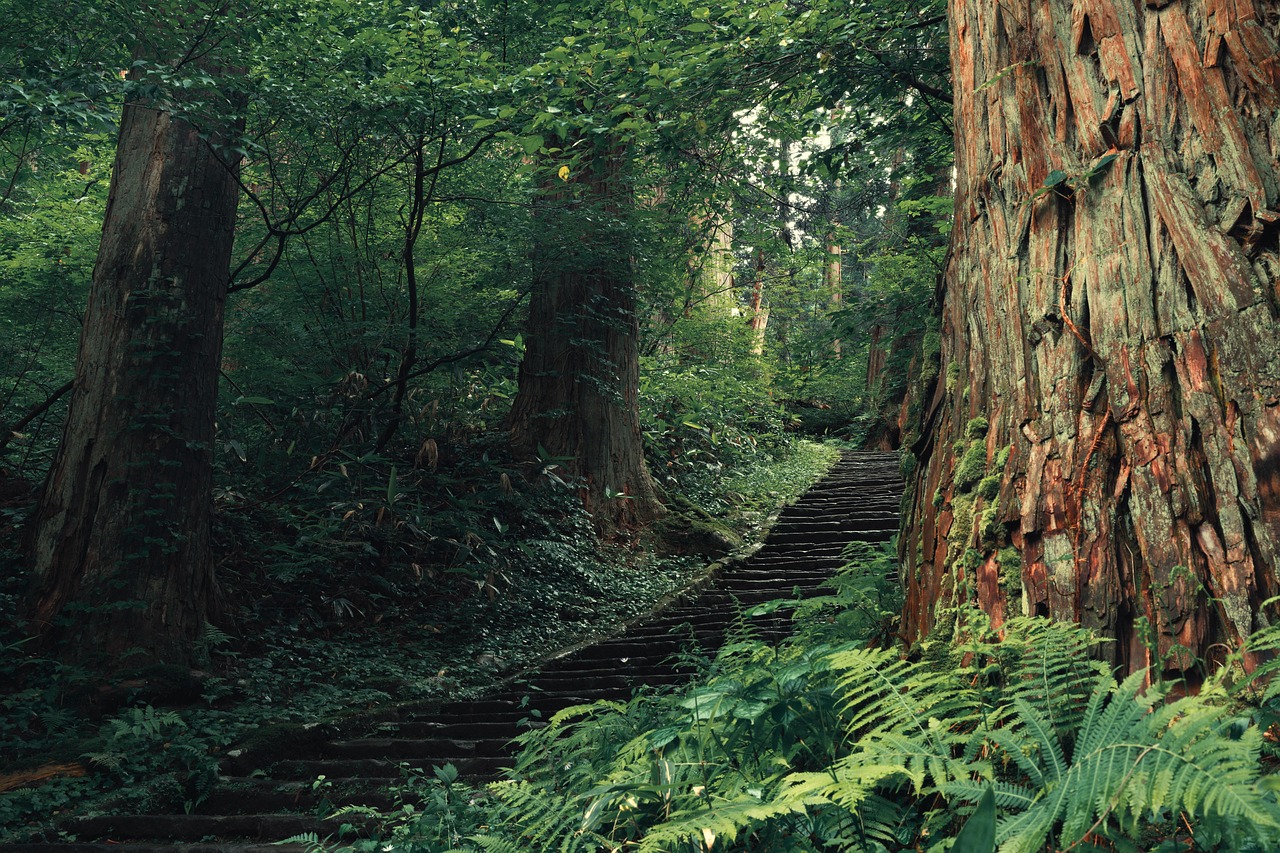
Zuihoden Mausoleum a quiet spiritual pause in Miyagi
If “Zuihoden Mausoleum Date Masamune Sendai Miyagi Prefecture visit” is on your list, treat it as a quiet pause rather than a tick-box stop. Zuihoden is a mausoleum nestled in cedar greenery, where ornate colour and shadowed steps create a mood that feels both intimate and grand. The site’s Buddhist design language—gates, lanterns, incense—invites you to slow down and listen to the forest more than the crowds. It’s a refined contrast to the city, and a gentle reminder that Miyagi holds stillness as confidently as it holds celebration.
Buddhist heritage and the temple complex in cedar forest
As you walk through the temple complex, let small details guide your attention: carved motifs, lacquered surfaces, and how light catches gold against dark wood. Travellers often describe a personal shift here—moving from sightseeing to noticing. One guest told us that standing quietly near the Buddhist temple structures felt like stepping into a protected pocket of history, where the present day softened at the edges.
Practical tips for a seamless, respectful visit Miyagi moment
Opening times vary by season, and there’s a modest entry fee, so it helps to check the latest hours before you go. Photography restrictions may apply in certain areas; the most expert approach is to assume “no” unless signage clearly allows it, and to keep your phone lowered while you decide. If you’re combining multiple sites in Miyagi, look out for combination tickets where available to keep the day efficient and calm.
Etiquette is simple and reassuring: quieter voices, mindful steps, and no rushing. When you give the space that care, you’re rewarded with a deeper sense of cultural heritage—one that feels earned, not consumed.
Matsushima Bay Miyagi Prefecture coastline oysters and scenic beauty
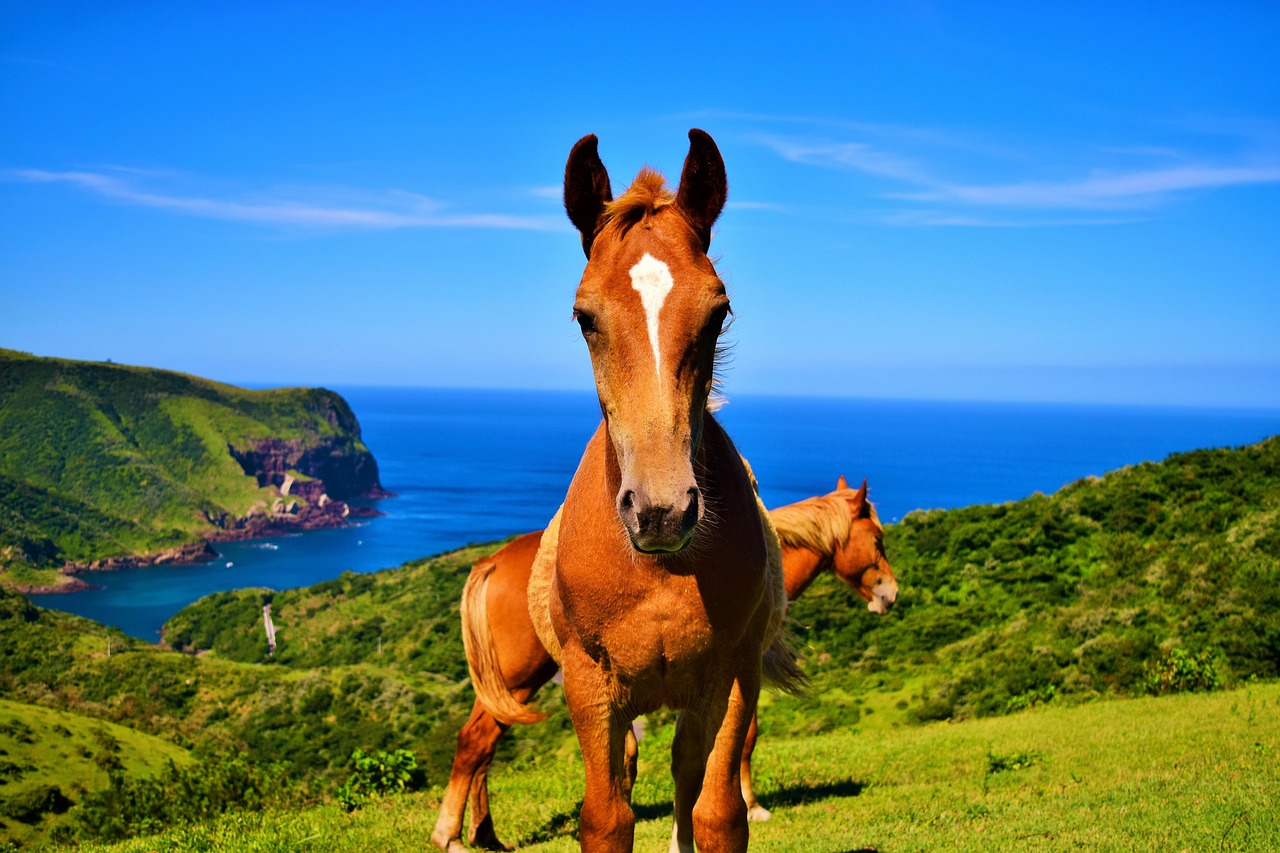
Matsushima Bay coastline days oysters and island-hopping by bike
For travellers researching “Matsushima Bay Miyagi Prefecture coastline oysters and scenic beauty”, this is the day that tends to become a favourite memory. Matsushima Bay is celebrated as one of Japan’s classic views, and it earns that status with pine-covered islets, dramatic rock formations, and light that changes by the minute. The pace here is slower, more tactile—salt wind, camera in hand, and a horizon that feels carefully composed. Even if your trip to Japan is packed, Matsushima has a way of making you breathe deeper.
Matsushima and Oku-Matsushima by bike and boat
Adventure seekers can rent bicycles to explore viewpoints efficiently, especially if you want to create your own rhythm rather than follow a strict tour timetable. Cycling the coastline lets you stop for small photo moments, then push on to the next perspective. If you’d like a wilder edge, consider a boat towards Oku-Matsushima, where trails feel quieter and the bay’s textures become more rugged. This is Miyagi at its most spacious.
- Best light: early morning for softer shadows, or late afternoon when the bay turns silver.
- Easy wins: ride point-to-point, then return by train if you’d rather not double back.
- Comfort: bring a wind layer; sea air can cool quickly, even in warmer months.
Oyster farm tours and local Miyagi pride in fishing grounds
An oyster farm tour is one of the most hands-on food stories in Miyagi. Typically, you’ll learn how the shells are cultivated and cleaned, how freshness is managed, and why water quality matters—then taste on the spot. Guests often say the experience surprised them: not just delicious, but deeply reassuring, with clear hygiene standards and guides who explain each step with calm authority. Choose operators with transparent safety practices, and you’ll feel fully supported while still enjoying something wonderfully local.
For added depth, pair Matsushima with Shiogama, a port town with an everyday, working rhythm. A sake brewery visit here can be a beautiful counterpoint to fresh seafood—one of those quiet luxuries that makes you feel you’re uncovering Miyagi rather than skimming it. Keep an eye out for Miyagi ingredients you’ll recognise later back in Sendai, from seaweed to seasonal citrus accents.
Mount Zaō snow monsters Akiu Onsen ryokan stay Miyagi Japan

Mount Zaō snow monsters volcanic onsen and Akiu ryokan calm
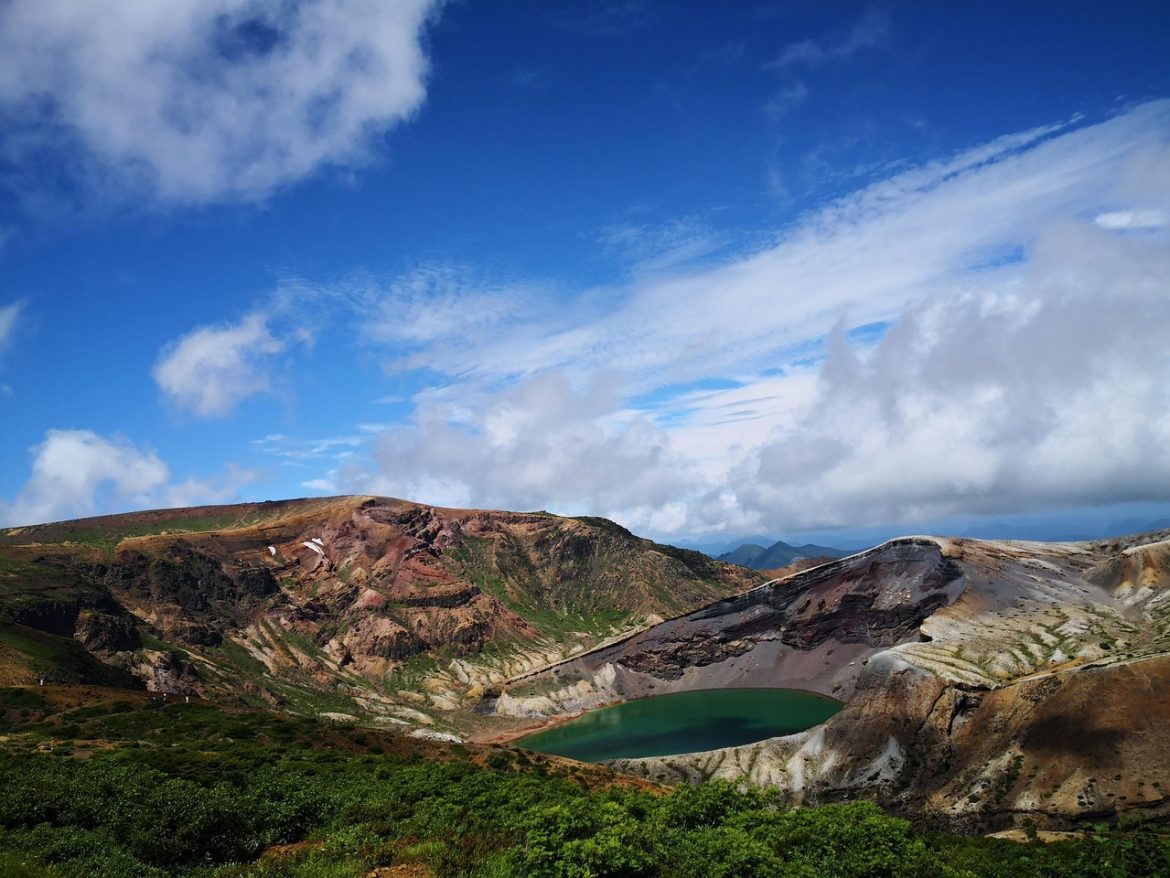
If you’re searching “Mount Zaō snow monsters Akiu Onsen ryokan stay Miyagi Japan”, you’re already thinking like an adventure seeker who also values recovery. Mount Zao sits within the Zao mountain range, and planning here is about weather reality as much as excitement. In warmer seasons, you’ll choose trail length based on time and fitness; in colder months, you’ll build in buffers for wind, visibility, and transport. The most seamless approach is layered clothing, early starts, and an honest check-in with conditions before you commit.
Zao hikes with expert support and layered planning
Some travellers love going independently; others prefer the confidence of a guided hike, especially if you’re new to mountain travel in Japan. A good guide adds more than navigation: they help you interpret cloud changes, choose safer viewpoints, and keep the day feeling crafted rather than stressful. If you’re combining Miyagi with neighbouring Yamagata, Zaō also becomes a natural bridge between regions without adding logistical weight.
Winter snow and the moment you meet the “snow monsters”
In winter, the “snow monsters” appear—trees transformed by frost and wind into surreal, sculptural shapes. Travellers consistently describe awe on first sight: a silent slope, visibility shifting like theatre curtains, and then a whole ridge of figures standing under falling snow. For safety, protect skin from cold exposure, carry hand warmers, and be conservative with daylight; the mountain can feel friendly and fierce in the same hour. Plan your return transport to Sendai before you set off, so the day ends with care rather than a scramble.
After the cold, the reward is warmth. This is where onsen culture becomes your ally, and a hot spring soak turns exertion into calm. Akiu Onsen is a reassuring first experience: well-managed facilities, clear guidance, and a sense of quiet ceremony that helps you feel at ease in traditional Japanese spaces. If you can, include Akiu Gorge nearby for a short nature walk—water, stone, and forest air working like a reset button.
- Onsen etiquette: wash before entering, keep towels out of the water, and speak softly.
- What to pack: layers, spare socks, and a small dry bag for wet items.
- When to slow down: schedule your soak after hiking, not before.
For sleep, one ryokan night can transform the whole Miyagi rhythm. Tatami floors, seasonal meals, and attentive service create a sense of being looked after—without fuss. If you want a different onsen town feel, Naruko and Naruko Onsen are known for craft culture, including kokeshi wooden dolls and the tradition of kokeshi dolls as beautiful, collectible symbols of Tohoku artistry.
Optional, and best approached thoughtfully: Zao Fox Village can be a day trip. Set expectations—this is an animal attraction, not a wilderness encounter—then apply ethical viewing tips: don’t chase animals, follow staff guidance, and prioritise respectful distance. Time it carefully so you’re not returning late and tired.
What stayed with you after Miyagi
Long after you leave Miyagi, it’s often the contrasts that return first—festival colour against temple hush, sea wind against mountain silence, laughter in Sendai streets followed by a few quiet minutes beneath cedar shade. The place doesn’t ask you to choose between thrill and tenderness; it simply holds both, and lets you discover which one you need on any given day.
There can be a gentle shift, too: from moving fast to moving with care. You remember how it felt to trust your senses—salt on the air by the bay, the steady calm of a lantern-lit walk, the weightless quiet around old stories. Even the practicalities become part of the meaning: the reassurance of being welcomed, the confidence of doing things respectfully, the feeling that you were supported without being managed.
And then there’s the image you carry home. Perhaps it’s a pine-lined horizon at dusk, or snow settling softly on branches, or a warm cup in your hands while the city outside continues at its own pace. Somewhere in that memory is an invitation—not to hurry back, but simply to keep a corner of curiosity open.
F.A.Qs: Miyagi Prefecture Japan
What is Miyagi Japan known for?
Miyagi is known for Sendai’s culture and food, the Sendai Tanabata Festival, the samurai legacy of Date Masamune, and the spiritual calm of Zuihoden. Nature is a major draw too: Matsushima Bay’s iconic island views, winter “snow monsters” on Mount Zaō, and restorative onsen and hot spring escapes such as Akiu Onsen. Local seafood, including oysters, is a highlight for many travellers.
Is Miyagi close to Tokyo?
Yes—Miyagi is an easy trip from Tokyo. The most popular route is Tokyo to Sendai on the shinkansen (via the Tohoku Shinkansen), which makes the journey comfortable and time-efficient. Once in Sendai, you can reach coastal areas like Matsushima and mountain areas like Zaō with straightforward local connections, making Miyagi feel accessible for short breaks or longer exploration.
Is Miyagi a good place to live?
Many people find Miyagi appealing because Sendai offers city convenience with a calmer pace, strong transport links, and access to nature. The region is also known for friendly local communities, which can help newcomers feel settled. For international residents, lifestyle fit depends on work opportunities, language comfort, and whether you prefer a quieter environment compared with larger Japanese cities.
Where is Miyagi Prefecture in Japan?
Miyagi Prefecture is in north-eastern Japan, in the Tohoku region. Its capital, Sendai, is the main transport hub and a common base for travellers. Miyagi has a Pacific coastline (including Matsushima Bay) and extends inland to mountainous areas such as the Zaō range. Its location makes it ideal for exploring other parts of northern Japan as well.