Post Contents
- Why Nagano Prefecture Belongs on Your Japan Trip Travel Guide for Adventure Seekers
- Kamikochi hikes Japanese Alps Nagano Prefecture Japan you will remember
- Nozawa Onsen ryokan hot springs Nagano Prefecture Japan for restorative nights
- Zenko-ji temple Nagano City Matsumoto Castle things to do in Nagano Japan
- Hakuba ski resort Jigokudani Snow Monkey Park Nagano Prefecture Japan in winter
- Azumino Valley canyoning zip line Nagano Prefecture Japan route planning
- What Stays With You After Nagano Prefecture Japan personal reflections after the trip
- F.A.Qs: Nagano Prefecture Japan
Why Nagano Prefecture Belongs on Your Japan Trip Travel Guide for Adventure Seekers
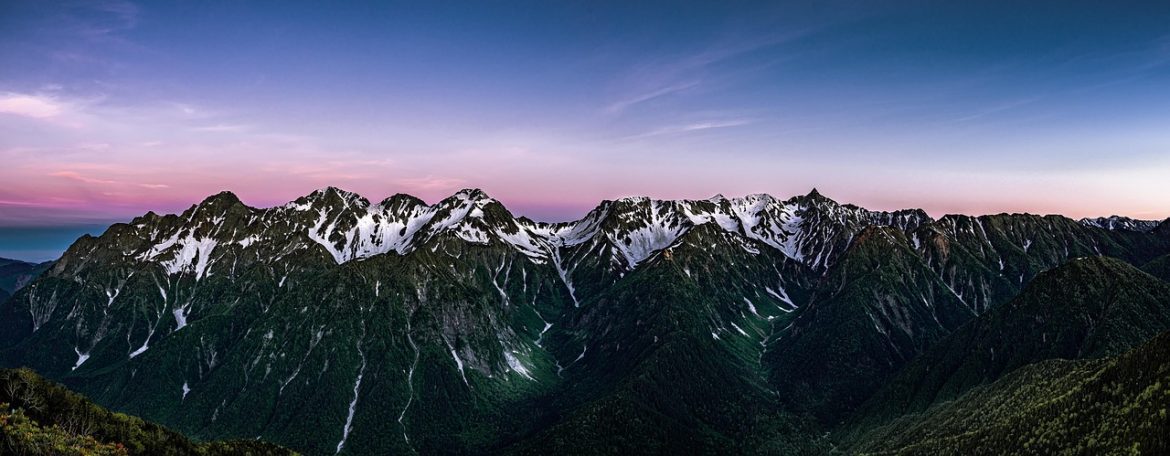
Why Nagano Prefecture Belongs on Your Japan Trip in the Japanese Alps
If you’re searching for a Nagano Prefecture Japan travel guide for adventure seekers, start with a simple truth: Nagano Prefecture is one of the most rewarding prefectures in Japan for travellers who want mountains and meaning in equal measure. This northern, landlocked prefecture sits in the mountainous centre of Honshu, with ridgelines that feel like a backbone and valleys that still move to a rural tempo. The prefectural capital is Nagano City, a calm, walkable city where history and daily life sit side by side.
For a first trip, the map-level route is reassuringly straightforward. Plan a trip from Tokyo on the Hokuriku Shinkansen to Nagano Station, then branch out by train and bus; it’s one of Japan’s easiest transitions from major cities into the countryside. Matsumoto becomes a natural hub for the Japanese Alps, and Matsumoto is an hour away from Nagano Station, making it simple to design a two-centre stay without feeling rushed.
Things to do in Nagano Prefecture Japan with an adventure lens
When people list things to do in Nagano, they often separate nature and culture—but here, they’re beautifully together. You can uncover pristine hiking routes, soak in hot springs, explore castle streets, and still find space for village craft and local food. Add winter sports and you’ve got a prefecture that shifts personality by season, with charm that never feels staged for tourism.
Design a choose-your-own pace with confidence
The most luxurious part of Nagano isn’t always the hotel; it’s the ability to create days that support your energy. Think high-alpine mornings, then a long lunch, a gentle temple visit, and an onsen reset that brings you back to yourself. If you’d like to browse crafted routes and inspiration beyond this article, you can explore our Trip gallery and imagine what a seamless itinerary could feel like.
As we go, I’ll weave in a personal thread I’ve seen again and again here: quiet resilience in the province, and small local insights—how to queue, when to pause, how to speak softly—that help you feel at home sooner than you expected.


Kamikochi hikes Japanese Alps Nagano Prefecture Japan you will remember
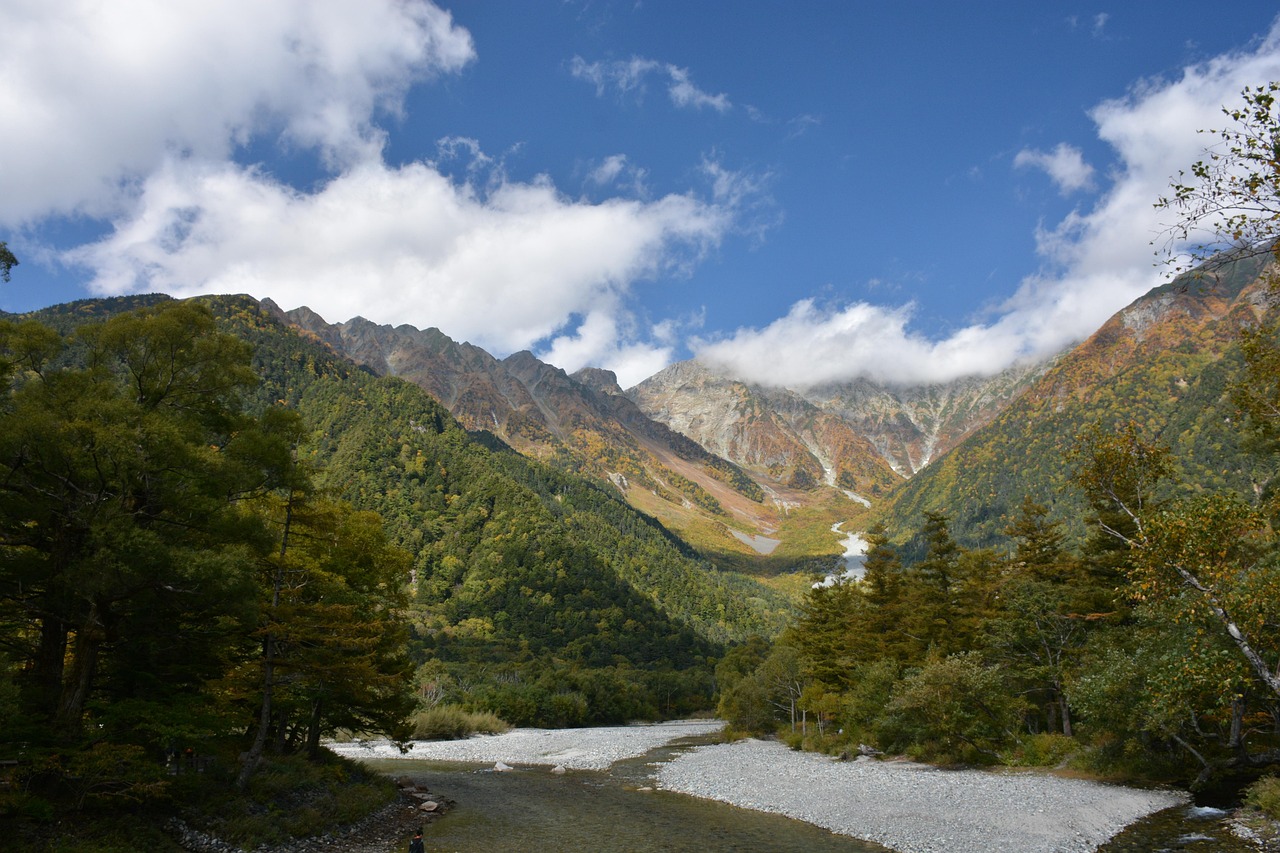
Kamikochi and the Japanese Alps Hikes You Will Remember in Nagano Prefecture
For Kamikochi hikes Japanese Alps Nagano Prefecture Japan planning, picture a day that begins with stillness and ends with your legs happily tired. Kamikochi National Park offers pristine river views, airy boardwalks, and trail options that scale from gentle scenic loops to longer pushes towards Northern Alps viewpoints. Even if you’re not chasing summits, the scenery has a calm, crystalline focus that makes you slow down and notice.
A backpacker once told me about their sunrise trek towards the Mt Hotaka area—golden light spilling across the valley, the first birds cutting through the hush. They expected adrenaline, but what they uncovered was solitude and spiritual rejuvenation, the kind that arrives when nature gives you perspective rather than noise. It’s a gorgeous reminder that adventure can be tender as well as bold.
Prefecture safety for mountain days in Nagano Prefecture
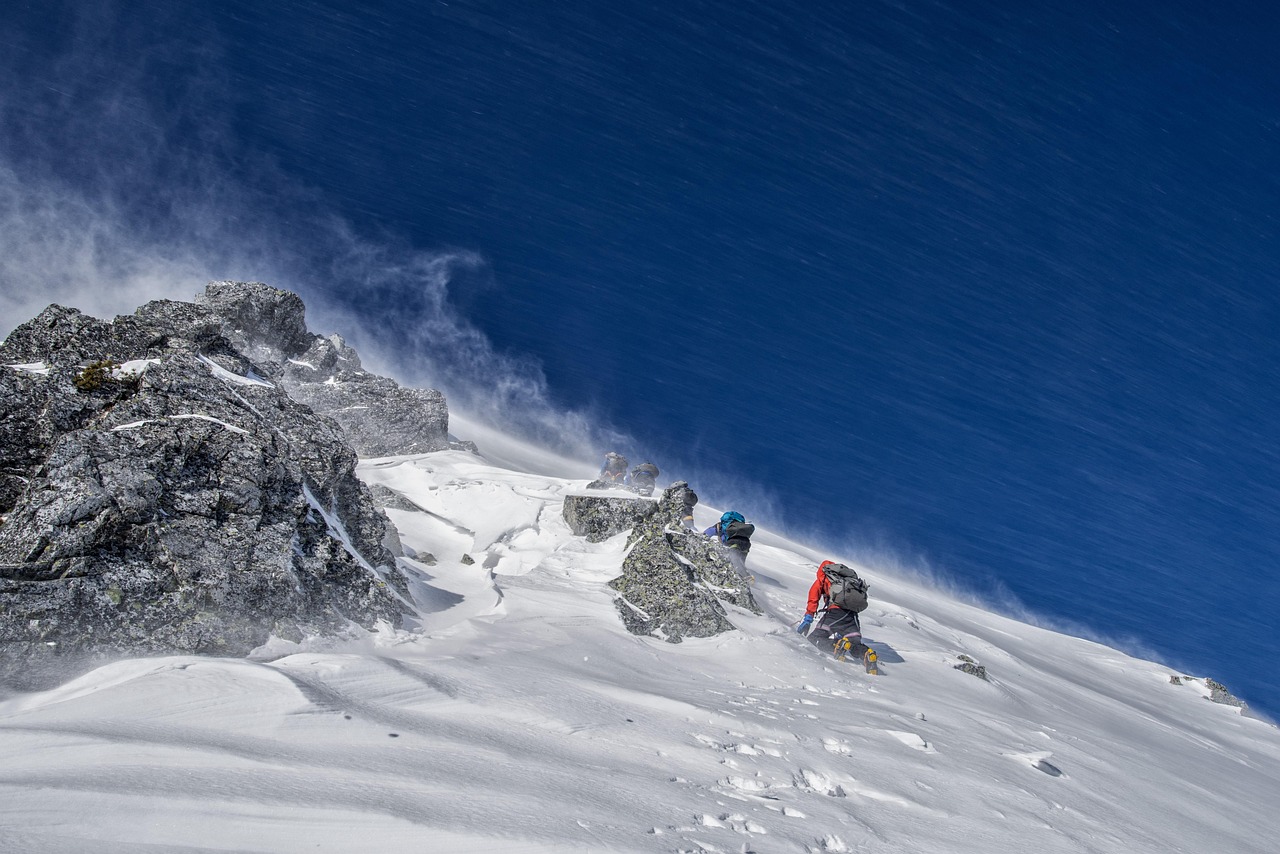
This is a mountainous prefecture, and sudden changes are part of the deal. Your confidence comes from being prepared, and from giving yourself permission to turn back early when weather tightens. Late spring through early autumn is best for hiking, while autumn brings crisp air and glowing colour—just pack for both warmth and rain.
- Carry layers: light insulation and a rain shell for fast shifts.
- Navigation basics: a map (offline too) and a simple route plan.
- Fuel and water: steady snacks, plus enough for longer detours.
- Footing: grip matters after showers, especially near streams.
Respectful passing, water views, and leave-no-trace care
On shared paths, a soft voice and patient passing keep the atmosphere kind. Stay on marked trails to protect alpine flora, and take photos without trampling the edges for the perfect angle. With that small care, the whole route feels more spacious—like the landscape is supporting you, not being consumed.
To end your day seamlessly, design a return that doesn’t feel like a scramble: transit back to Matsumoto is straightforward, and it’s easy to plan dinner and an early night so tomorrow’s adventure still feels inviting.
Nozawa Onsen ryokan hot springs Nagano Prefecture Japan for restorative nights
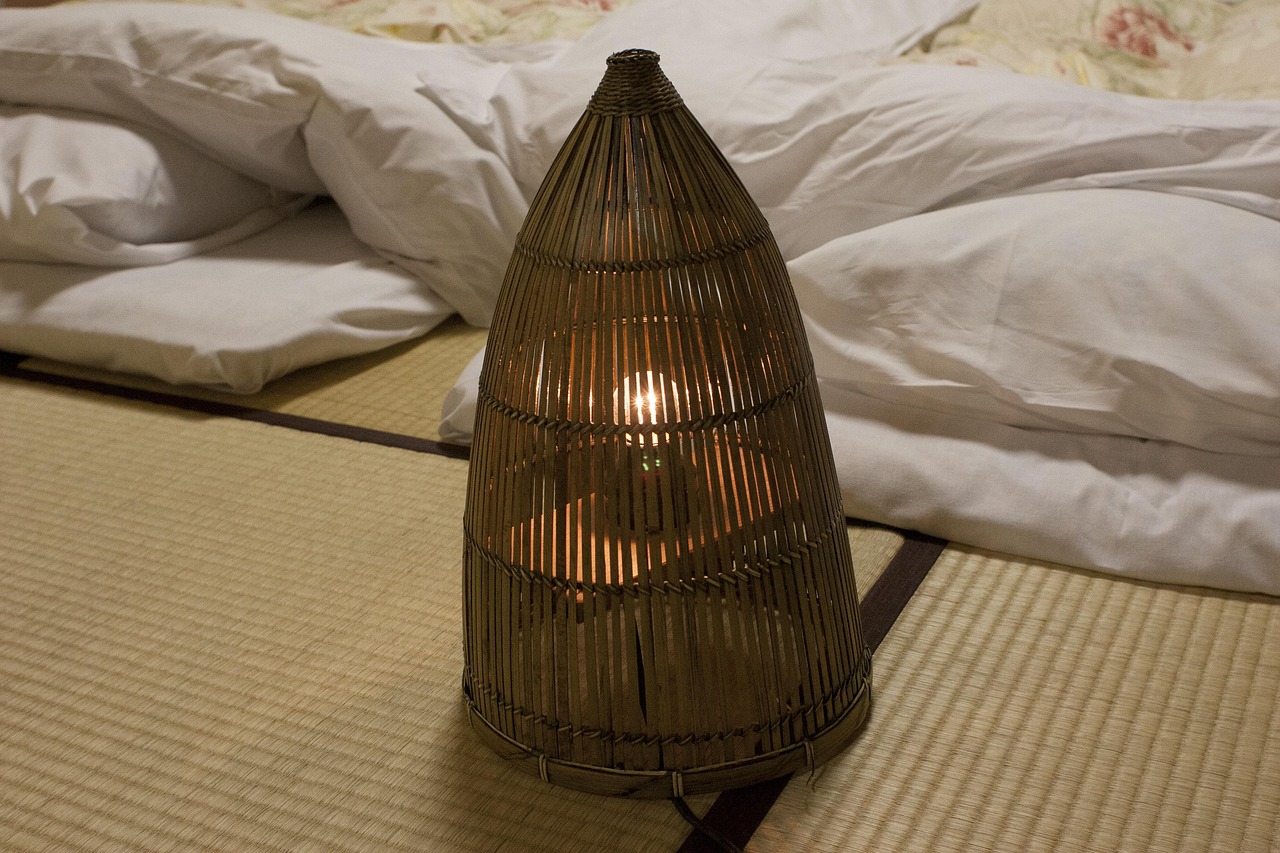
Onsen Towns and Ryokan Nights in Nagano Prefecture for Adventure Recovery
When you look up Nozawa Onsen ryokan hot springs Nagano Prefecture Japan, you’re really looking for a feeling: recovery, warmth, and belonging after a big day outdoors. Nozawa Onsen is a classic town of cosy lanes and communal baths, where the rhythm of soaking fits naturally into an active itinerary. After a hike or a ski session, the water does what stretching can’t—it softens the edges of fatigue.
A group of friends once shared word of mouth from their own stay: how they arrived a little unsure, then bonded quickly over a ryokan routine. Their host explained the inn’s history and the village’s seasonal life, and soon the unfamiliar became comforting. That’s the quiet luxury here—trust building over small rituals, together.
Onsen etiquette in this prefecture with warm reassurance
Onsen culture is simple once you know the rules, and following them shows respect for everyone sharing the space. Wash thoroughly before entering the baths, avoid swimwear, and keep your towel out of the water. For tattoos, policies vary; many places offer private options or simple cover solutions, so ask kindly at reception and you’ll usually find support.
Food that steadies you for adventure days
Ryokan dining is often seasonal and beautifully balanced—think regional produce, clear soups, and local rice that tastes subtly sweeter in mountain air. If you’re moving fast between activities, tuck in snack stops too: steamed buns, fruit, and simple sweets that keep your energy stable without weighing you down.
If your route allows, Kusatsu in neighbouring Gunma makes a logical add-on without blurring boundaries: it pairs well with northern Nagano plans as a hot springs side trip, especially if you’re looping between regions by train.
Zenko-ji temple Nagano City Matsumoto Castle things to do in Nagano Japan
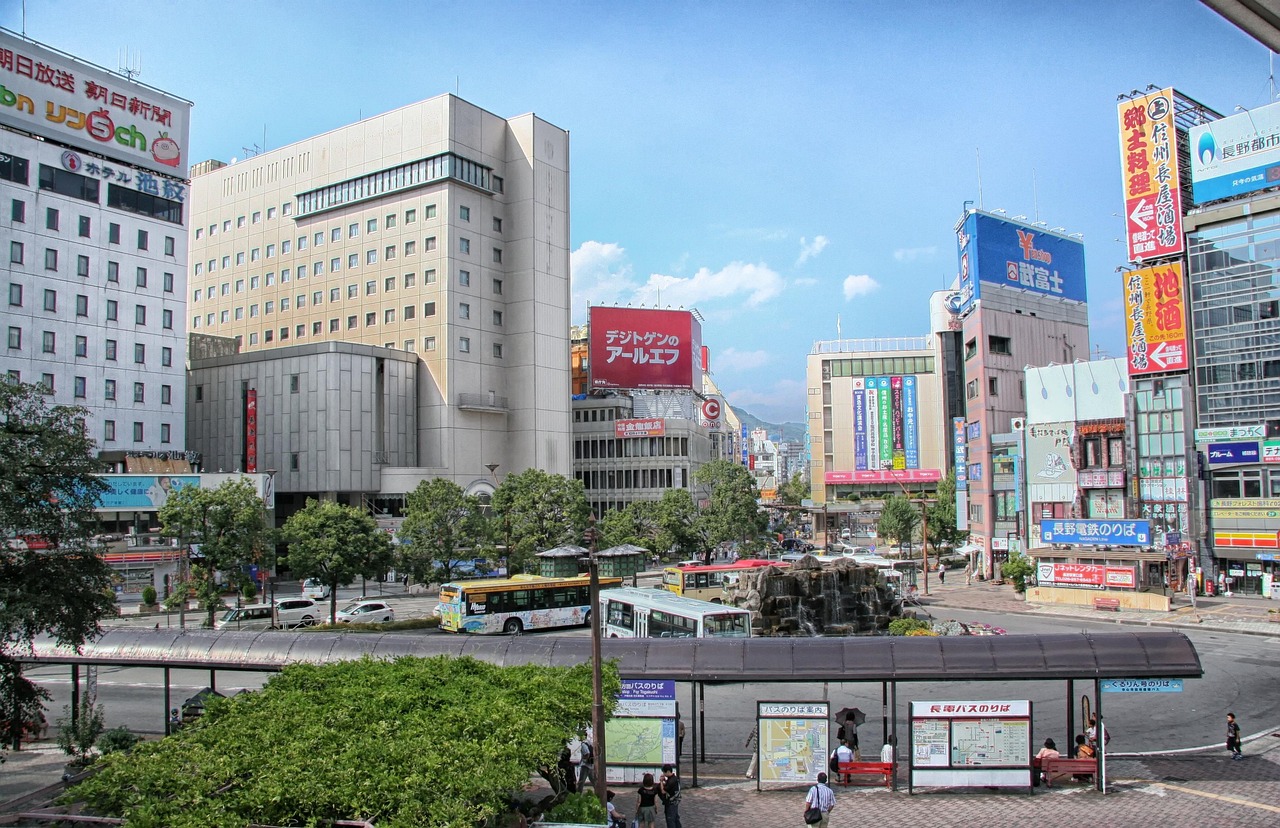
Zenko ji Matsumoto and Festival Nights for Cultural Insight in Nagano Prefecture
For Zenko-ji temple Nagano City Matsumoto Castle things to do in Nagano Japan, begin with the kind of quiet that changes your posture. Zenko-ji Temple in Nagano City is one of Japan’s oldest Buddhist sites, drawing pilgrims who come for its atmosphere as much as its architecture. The underground passage—experienced in darkness—can feel like a personal reset, especially when you enter with a softer voice and a respectful pace.
Photography is usually welcome in open areas, but avoid it where prohibited, and consider choosing one moment rather than documenting everything. That small restraint often creates more insight than a full camera roll. If you’d like to add a shrine visit nearby, treat it with the same calm attention: pause, breathe, and let the place speak first.
Matsumoto as a city counterpoint with Edo echoes
Matsumoto is an elegant city that balances modern cafés with streets that still hint at Edo life. Matsumoto Castle is an iconic attraction—dark timber, crisp lines, and a presence that feels both defensive and graceful. It’s a cultural anchor between bigger days outdoors, and it’s easy to explore before dinner without draining your energy.
If you’re craving a slower historical thread, the Kiso Valley offers a gentle nod to ancient trading routes, where walking old lanes feels like stepping into a quieter page of Japan’s story. It’s a natural pause between adrenaline outings, especially if you’re connecting via the JR Chuo Line towards Nagoya.
Festival nights and prefectural warmth
A family once described their Obasute Tanabata Festival evening with candid delight: lantern ceremonies glowing against the dark, a little crowd movement to navigate, and then an unexpected moment of heartfelt connection when locals made space for them to see. Allow extra time during festivals for transportation and queues—then you can relax into the magic rather than resist it.
- Temple dawn: arrive early for calmer courtyards and gentler light.
- Castle afternoon: pair with a slow stroll and a café break.
- Local dinner: choose something seasonal, then finish with onsen calm.
This culture-to-nature contrast is where Nagano Prefecture quietly excels: it helps you uncover depth beyond the headline sights.
Hakuba ski resort Jigokudani Snow Monkey Park Nagano Prefecture Japan in winter
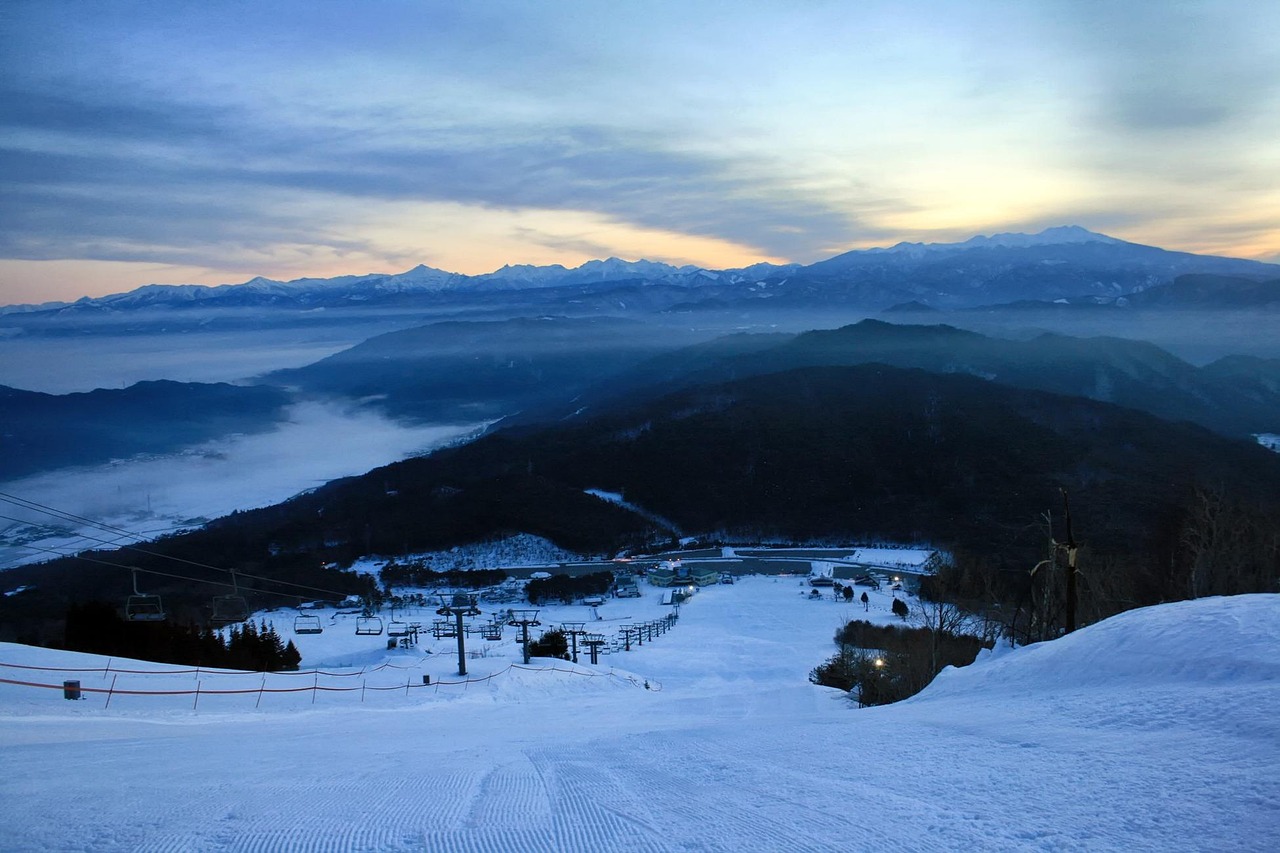
Hakuba Ski Resorts and Jigokudani Snow Monkeys in Winter in Nagano Prefecture
For Hakuba ski resort Jigokudani Snow Monkey Park Nagano Prefecture Japan planning, treat winter as its own distinct chapter rather than a compromise. Hakuba is a famed ski resort area with real range, and the region hosted the 1998 Winter Olympics—an olympic legacy you can feel in the lift infrastructure and the easy competence of the slopes. Winter games history aside, it’s simply thrilling to ski with the Japanese Alps rising around you.
Choose a ski resort day that supports your confidence
Conditions change quickly in mountain weather, so the most high-end choice is often taking a lesson—even for capable skiers—so you can adapt smoothly. Beginners will find forgiving terrain and patient instruction, while advanced riders can chase steeper lines. Rentals are widely available, and most resort areas make it simple to arrive, kit up, and start without friction.
Jigokudani monkey park moments and wildlife care
For the Snow Monkey Park, set expectations: Jigokudani access includes a walk-in trail, and winter footwear matters when paths are icy. The macaques are most likely to appear in colder months, and there’s a singular moment many people remember—watching a monkey bathe in steaming water while snow falls quietly in the trees.
An adventure seeker once told me about playful up-close encounters that felt surreal: a baby clinging to its mother, steam drifting like breath, and that bright, watchful gaze. Keep respectful distance, never feed wildlife, and let the encounter unfold on their terms; that boundary is part of the trust between you and the landscape.
One warm reality check: build buffer time for winter transport disruptions, especially if you’re connecting between towns by train or bus. With good planning, the day feels supported rather than stressful.
Azumino Valley canyoning zip line Nagano Prefecture Japan route planning
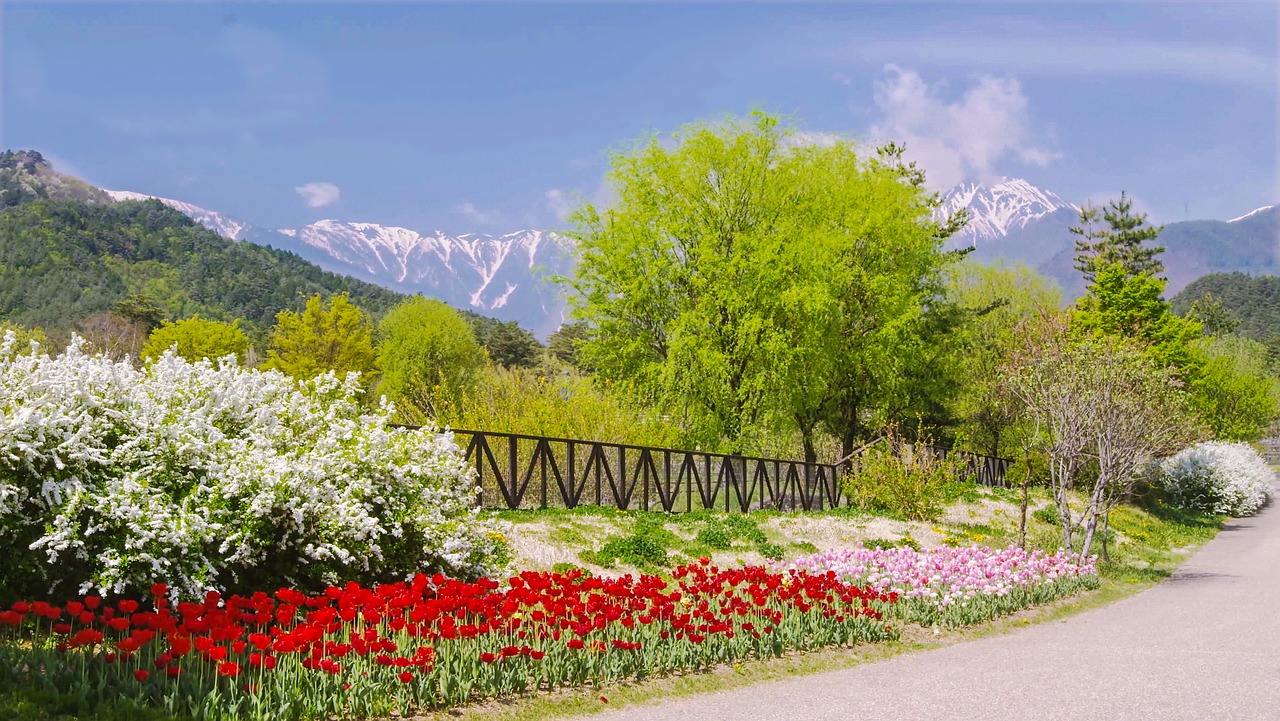
Azumino Valley Adrenaline and Outdoor Route Planning in Nagano Prefecture
If Azumino Valley canyoning zip line Nagano Prefecture Japan route planning is on your mind, you’re in the right place to create a high-energy day without needing elite skills. Azumino is a ‘choose your thrill’ playground: forest zip lines, canyoning, and open views that make the whole valley feel breathtaking. It’s the kind of adventure that leaves you buzzing—then grateful for a soft landing later.
Guided adventure in this prefecture with expert support
Book with a reputable operator and you’ll usually be provided with the essentials: helmet, wetsuit, and a clear safety briefing. You bring swimwear for under layers, quick-drying basics, and a steady mindset. That expert guidance is what turns nerves into confidence, especially when water levels or weather have shifted overnight.
Seamless route logic from Matsumoto and beyond
From Matsumoto, timing is straightforward by train and local connections, and cycling can be a flexible option for slower scenic stretches once you’re in the valley. If you’re arriving from further afield—say Kyoto or the Kansai region—plan a night in the hub first so you’re not stacking long travel with high exertion. If you’re flying in, the nearest airport options connect best via major rail corridors; a little pre-planning keeps the transition smooth.
- Carry the basics: snacks, phone power, and a simple map even on guided days.
- Watch rain: canyoning conditions can change with sudden downpours.
- Hydrate early: mountain air can disguise effort until later.
End with a rhythm I love to recommend: a hard day, a soft night. Adventure in the forest, then hot springs care, then early sleep—designed so tomorrow still feels possible.
What Stays With You After Nagano Prefecture Japan personal reflections after the trip
For Nagano Prefecture Japan personal reflections after the trip, what lingers is rarely the checklist. It’s the hush of an alpine morning when you realise you’re breathing more slowly, and the steady kindness of a host who notices you’re tired before you say a word. It’s steam lifting from an onsen into cold air, and the weightless pause you feel in a temple when you stop trying to capture the moment and simply let it happen.
Later, back in everyday life, you might remember laughter shared together after a long hike, or the small dignity of local routines—shoes lined neatly, voices lowered, hands warmed around tea. In a world that often asks you to hurry, this prefecture offers a different lesson: you can explore boldly and still move with care. Somehow, every traveller becomes a calmer traveler when the journey is crafted with trust.
That’s the Designer Journeys promise at its quietest: a route can hold thrill and tenderness at once, and a seamless plan can make room for the moments you couldn’t have scheduled. Nagano doesn’t call urgently. It waits—patiently, like snowfall on pine, like the first light on a ridgeline—until you’re ready to return and uncover one more season.
F.A.Qs: Nagano Prefecture Japan
What is Nagano Prefecture famous for?
Nagano Prefecture is famous for the Japanese Alps, Kamikochi hiking scenery, onsen culture, and winter sports in areas like Hakuba. It’s also known for Zenko-ji in Nagano City and for wildlife encounters at Jigokudani, where macaques gather near hot springs in winter. The mix of outdoor adventure and cultural depth is what makes it stand out.
Is Nagano foreigner friendly?
Yes—Nagano is generally welcoming and easy to navigate, especially in larger hubs such as Nagano City and Matsumoto, and in resort areas. Clear signage, straightforward train connections, and a strong hospitality culture make it comfortable for international visitors. A little cultural care—quiet voices in temples and good onsen etiquette—goes a long way.
How long is the bullet train from Tokyo to Nagano?
The Hokuriku Shinkansen typically takes around 1.5 hours from Tokyo to Nagano Station, depending on the service. Trains are frequent, seats can be reserved for extra peace of mind, and it’s an efficient way to shift quickly from the capital to mountain landscapes. Allow a little extra time during peak travel periods.
Is Nagano in Japan worth visiting?
Nagano in Japan is well worth visiting if you want a journey that balances adrenaline and calm. You can hike, ski, and try activities like canyoning, then recover in hot springs and deepen your understanding through temples and castle history. It’s a rewarding choice for travellers who value scenery, culture, and a pace that feels both exciting and grounded.