Post Contents
- Beaches in Japan Destination Guide – Best Beaches for Luxury Travellers, Scenic Coastline & Easy Planning
- Okinawa Prefecture Beach Days – Emerald Beach, Kabira Bay on Ishigaki Island & Miyako Island snorkel spots
- Amami Islands: private beach resort-style serenity, luxury villa stays and untouched nature
- Niijima Island & the Izu coast from Tokyo – snorkel, dive and surf escapes on volcanic sand
- Design a luxury beach itinerary in Japan – Tokyo to islands and curated beach destinations
- FAQs: Best beaches in Japan planning, swimming season and luxury travel tips
- What You Carry Home From Japan’s Shores – beautiful beaches in Japan and lasting shades of blue
Beaches in Japan Destination Guide – Best Beaches for Luxury Travellers, Scenic Coastline & Easy Planning
Beaches in Japan: a beautiful beach map for every mood across islands and coastal escapes
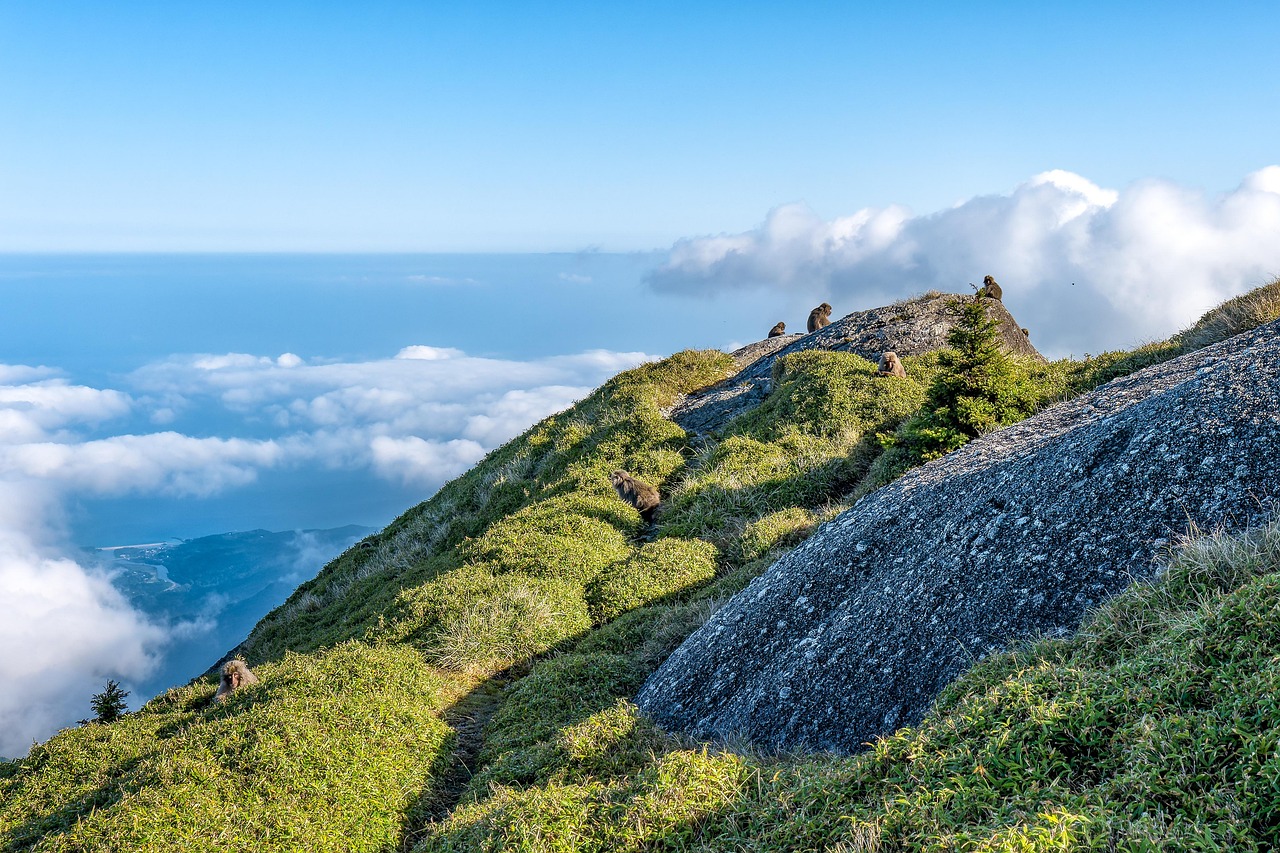
If you’re searching for beaches in Japan as more than a list of beaches, think of this guide as a design-led journey—an invitation to explore different textures of shoreline, from subtropical coves to temperate Honshu shores. For luxury travellers, the goal isn’t to rush between nice beaches but to create a rhythm that feels personal: slow mornings, scenic drives, and time in the water when conditions are calm. Consider these beach destinations as a curated palette rather than a checklist, with each stop chosen for mood, light, and ease.
The swimming season generally runs from late spring to early autumn, though official dates vary by area. In Okinawa, many beaches are open earlier, and the sea stays warm longer; on Honshu, the most comfortable weeks tend to be mid-summer into early autumn, depending on exposure and sea state. If you’re planning with a concierge, ask for the current local dates, plus any seasonal notes on visibility, water temperature, and marine life.
Swimming beaches: how to choose safe water, lifeguards, and calm conditions
Even the most beautiful beach can feel different day to day, so treat safety as part of the luxury. Look for patrolled swimming beaches with a lifeguard, respect designated zones, and take local flags seriously—this is how you go swimming with ease rather than tension. If conditions look unfamiliar, ask the nearest beach team or your hotel concierge; that small moment of local insight is often the difference between “fine” and genuinely restorative.
High-end planning also makes everything feel lighter. Reserve boats, private guides, and a beachfront stay well ahead—especially when places get crowded in the summer—so your days stay crafted and unhurried, with seamless transfers and the freedom to change pace when you’d like.
Beach etiquette in Japan: keep the beaches clean and respect local nature
Japanese beaches reward a softer presence. Keep voices low, respect local wildlife, and keep the beaches clean; it’s a simple gesture that signals gratitude for being welcomed. Where signs ask you to avoid certain dunes or rocks, it’s often for nesting sites or fragile habitats—follow them and let local guidance set the tone for the day.


Okinawa Prefecture Beach Days – Emerald Beach, Kabira Bay on Ishigaki Island & Miyako Island snorkel spots
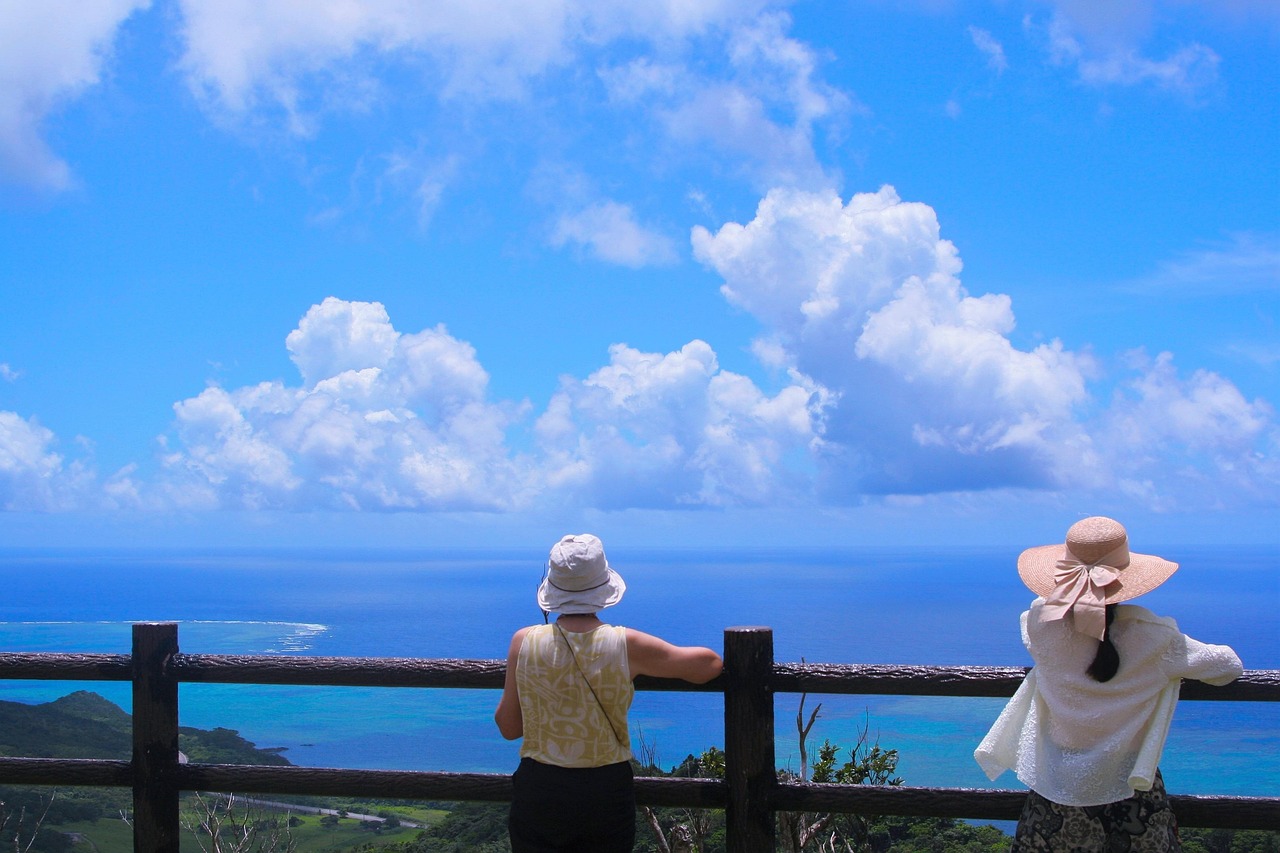
Okinawa Prefecture: reef lagoons and curated snorkel days on Ishigaki Island
For many travellers, Okinawa Prefecture is where Japan’s sun and sand feel most luminous: blue waters, a protective reef, and a relaxed pace that invites you to truly sunbathe. When a planner notes “Emerald Beach, Kabira Bay, Ishigaki, Miyako”, it’s shorthand for high-reward days where the ocean is the main event, and logistics can be kept beautifully simple with the right team.
The main island of Okinawa is the largest island in the chain, with family-friendly bays and polished beachfront options; further out, each island feels distinct. Ishigaki is an island in Okinawa known for calm lagoons and guided encounters, while routes onwards can be arranged for slower, more private days. With the right timing and an expert guide, snorkelling and diving here become less about ticking off spots and more about feeling held by calm briefings and careful pacing.
Emerald Beach: calm swimming beaches, long white sand and facilities like showers
Emerald Beach is one of those rare swimming beaches that works beautifully for travellers who want comfort built in. Expect long white sand, a gentle entry, and practical touches—facilities like showers, shaded rest areas, and an easy layout that lets you dip in and out without effort. It’s also a reassuring choice if you’re travelling together with mixed confidence levels, from the strong swimmer to the more tentative first-timer.
Arrive mid-morning for softer light, then design your afternoon with breaks: a slow lunch, a short stroll, and another swim when the sea settles. It’s a beautiful beach for travellers who want ease without compromising on colour or clarity.
Kabira Bay and Miyako island days: white sand, Sunayama Beach and clear blue water
One traveller we hosted still speaks about Kabira Bay on Ishigaki Island as if it were a dream she can step back into. She recounted floating above coral gardens in turquoise waters, describing the surreal calm and the way the sea seemed almost glassy. A local guide stayed close, offered quiet support, and ensured the encounter stayed respectful and unintrusive—turning excitement into genuine peace.
For a contrasting kind of softness, head to Miyako for bright, open horizons. Miyako Island is famed for white sand and picturesque formations; Sunayama Beach in particular is beloved for its sculptural rock arch and that single, unforgettable moment of clear blue water when the light is right. When conditions allow, it’s ideal for swimming and sunbathing, with cinematic scenery that still feels calm outside peak hours.
Luxury here is often about invisible effort. Consider a private boat day for snorkel time over sheltered lagoons, then return to a beachfront bar for sunset cocktails and a slower evening. In warmer months, your guide will also brief you on seasonal jellyfish awareness, so you can enjoy the water with confidence rather than worry.
Amami Islands: private beach resort-style serenity, luxury villa stays and untouched nature
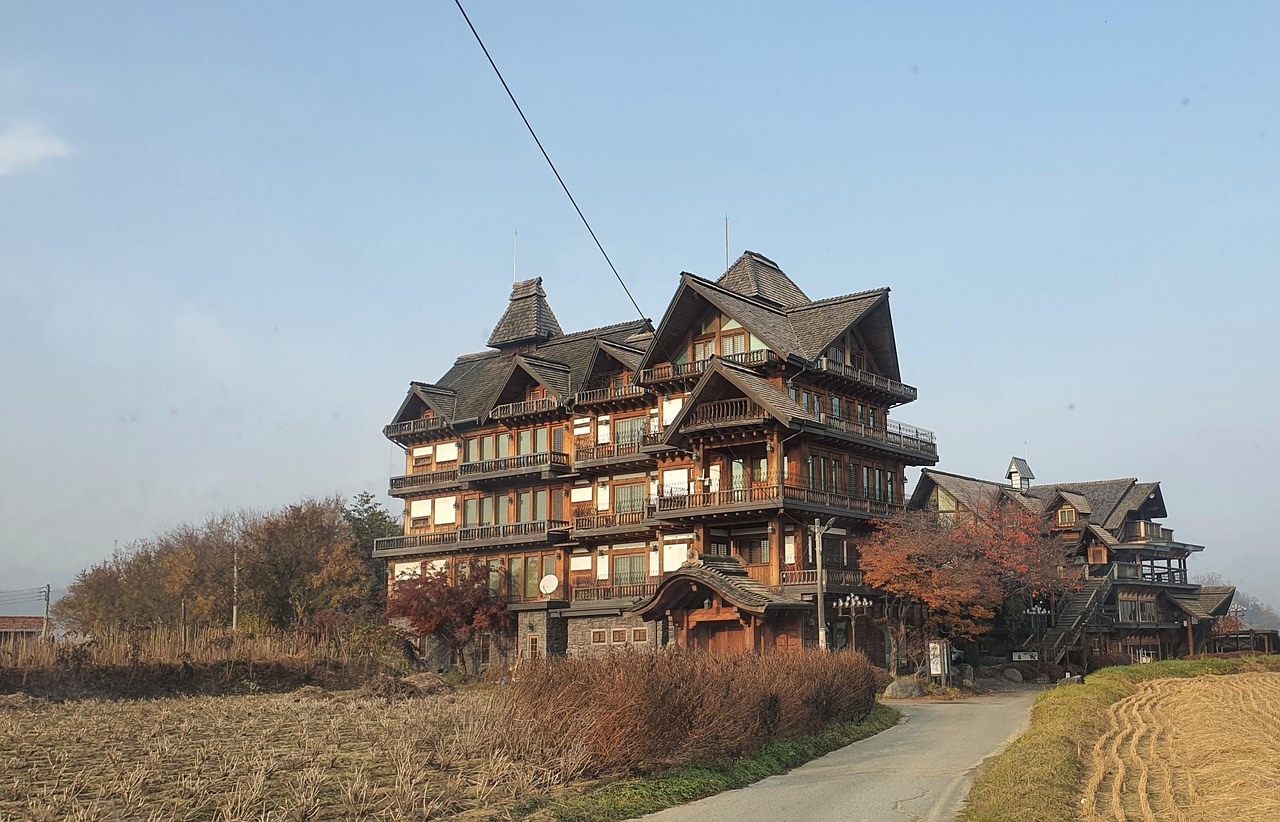
Amami Islands: private villa living and untouched nature for luxury travellers
The Amami Islands are the quiet, exclusive counterpoint to a popular beach scene—a pristine coastline, fewer footprints, and a slower pulse that feels restorative from the moment you arrive. If your idea of the best beaches includes space, privacy, and a sense of being held by nature, Amami offers an elegant answer with a distinctly calm cadence.
In this pocket of Japan, luxury tends to be low-key: not showy, but deeply considered. Think private, design-forward properties that blend into greenery and shores where the loudest sound is wind through trees.
Private villa stays: quiet design, personal service, and true tranquillity
One guest shared her stay at a secluded Amami private villa as a kind of reset. She spoke about personalised service that never felt intrusive—meals timed to her pace, thoughtful local recommendations, and the simple reassurance of knowing someone was quietly looking out for her plans. The tranquillity made the experience feel personal, like the island had been designed just for her to exhale.
That sense of care is what high-end travellers often remember most. It’s not only the scenery; it’s the trust built through small gestures, from a perfectly timed transfer to a host who notices when you’d rather linger than rush.
Low-impact signature experiences: scenic mangroves, snorkel outings and beach picnics
To explore Amami without disturbing what makes it special, choose low-impact experiences led by expert local teams. A guided mangrove kayak can be unexpectedly scenic, with light shifting through leaves and birdsong replacing conversation. Private beach picnics work beautifully here too—simple, crafted, and quietly celebratory.
- Eco-tours that prioritise wildlife and habitat protection
- Sunset shoreline walks with minimal noise and soft lighting
- Snorkel outings timed for calm water and gentle visibility
Access is straightforward with domestic flights and ferry connections, and private transfers and luxury car rentals enhance the experience. Arriving seamlessly means you begin resting sooner—and leave feeling properly supported throughout.
At night, minimise light and sound, and respect any posted nesting guidance. Let your host team lead with judgement; their insight protects the island and your sense of ease.
Niijima Island & the Izu coast from Tokyo – snorkel, dive and surf escapes on volcanic sand
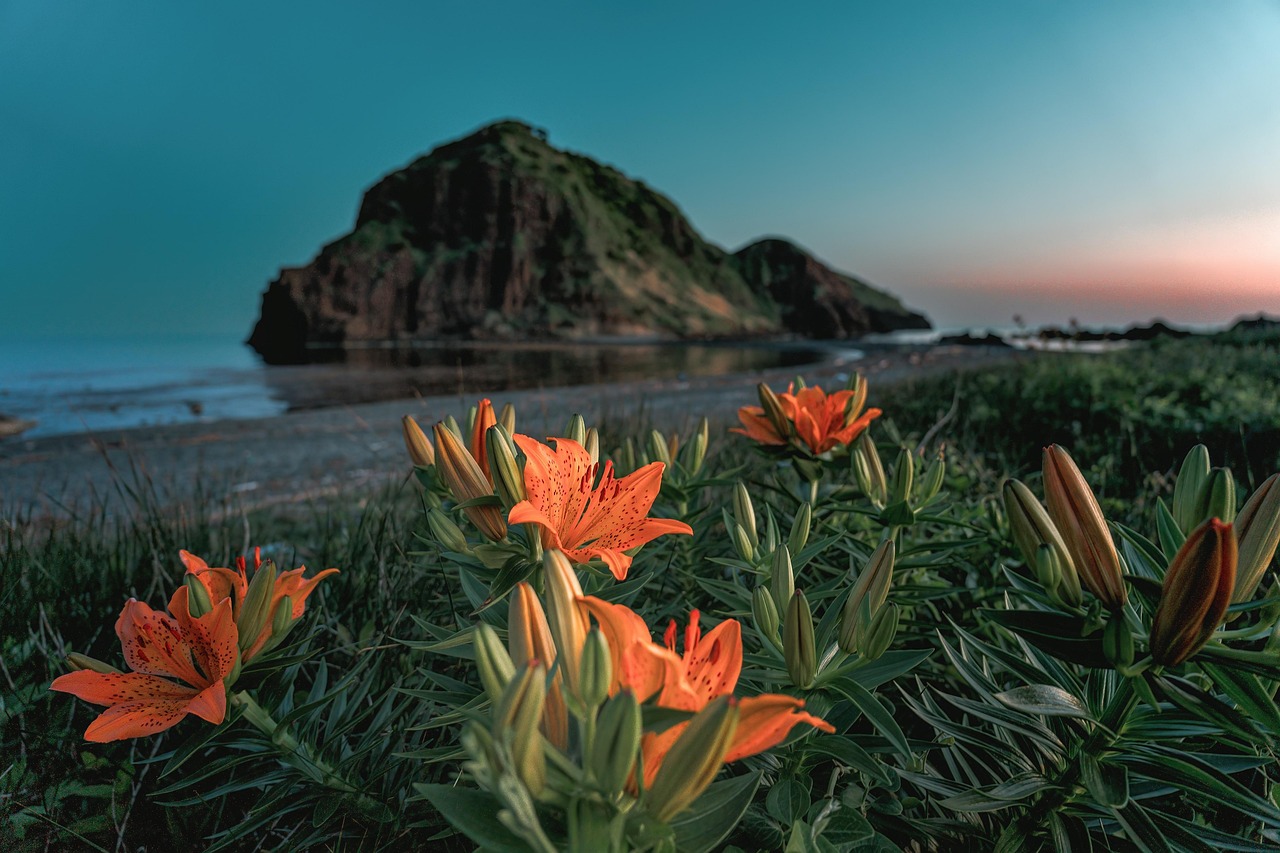
From Tokyo to Niijima and Izu: volcanic sand beaches for snorkel and surf
If you want a near-Tokyo destination with a different kind of beauty, Niijima Island offers volcanic dark sand, crisp horizons, and marine life that rewards patient looking. It’s an easy add-on from Tokyo, with dramatic textures above water and colour below it—perfect for travellers who want a beach day that still feels distinctly Japanese.
Niijima is a small island, but it doesn’t feel small when you step onto the shoreline and see how the landscape shifts with the light. It’s also inhabited and full of creative spirit—ideal for travellers who like their beach time paired with design, craft, and a strong sense of place.
Scuba dive sessions and underwater photography: coral life, visibility, and safety briefings
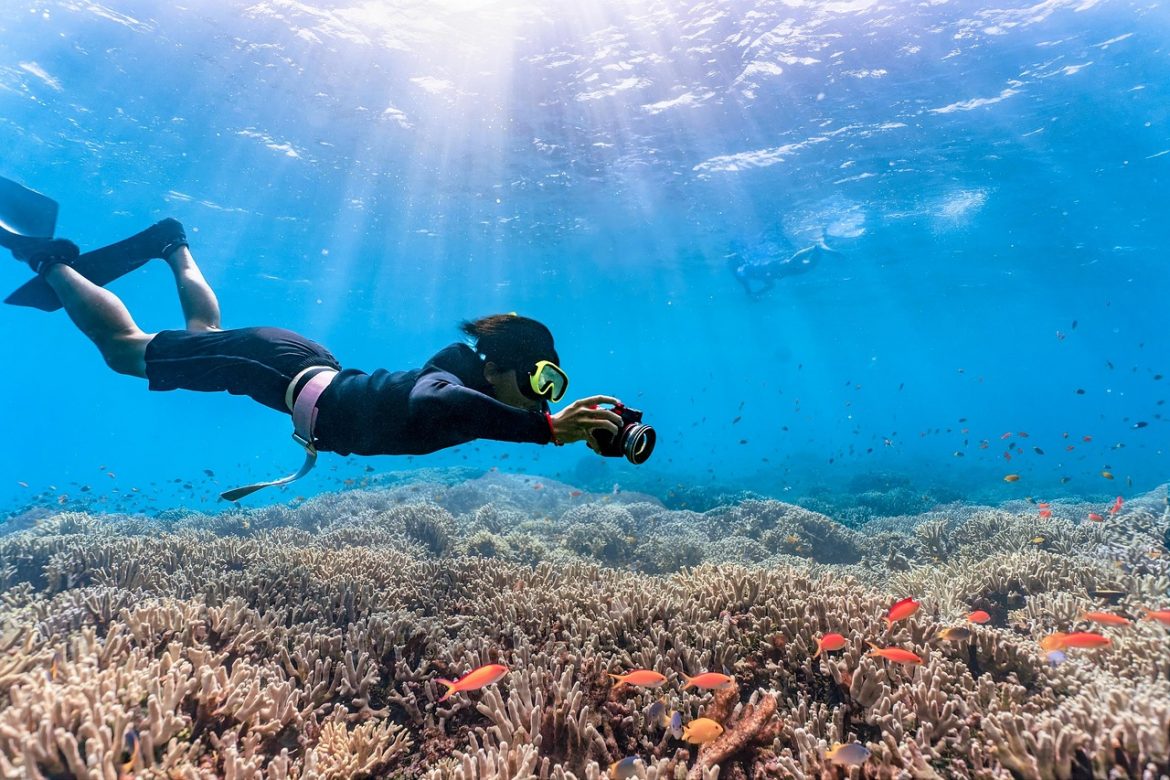
A scuba enthusiast once described capturing rare underwater shots near Niijima’s shores—colourful fish, pockets of coral, and the kind of clarity that makes you slow down. What stood out most, he said, was the expert focus of local guides: detailed briefings, calm pacing, and safety-first checks that built trust before anyone entered the water. It’s the sort of support that lets you concentrate on wonder, not risk.
If you’re new to the area, ask your guide about conditions before you dive, and keep an eye on beach signage. Some stretches can develop strong currents unexpectedly, so it’s wise to choose patrolled areas and follow local advice.
Izu, Enoshima and Tokyo and Yokohama add-ons: onsen recovery, city shorelines, and Fuji views
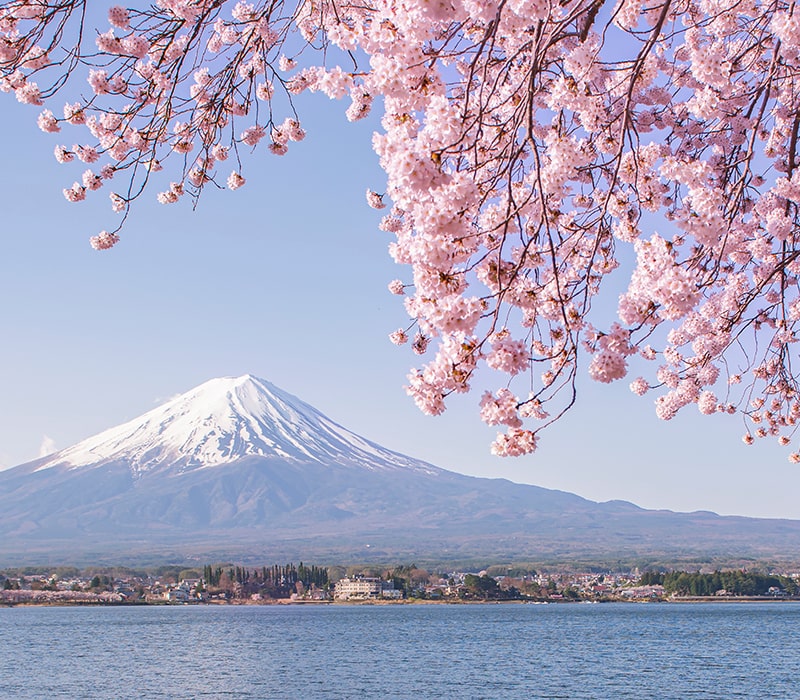
The Izu coastline is a beautiful extension to a Tokyo stay—ideal for day trips or a one-night escape that mixes snorkel coves with onsen recovery. For an iconic horizon, consider a beach in Shizuoka on a clear day; you may catch views of Mount Fuji and feel the world widen for a moment. In the right conditions, even a quick detour can feel like one of the world’s best small luxuries: time and space near the sea.
If time is tight, Tokyo and Yokohama still offer moments of shoreline relief. From Kamakura Station, you can reach Yuigahama, a kilometre-long arc of sand that’s ideal for an easy afternoon; nearby Enoshima adds classic seaside atmosphere in Kanagawa Prefecture. For a city-beach reset between museums, shopping, and dinners in Tokyo, Odaiba gives you a gentle promenade-and-bay moment.
For surfers, ask locals where the conditions are good and start early. A thoughtful plan—surf at sunrise, scenic lunch, then a soak—can be surprisingly restorative, especially if you travel with a keen surfer in the group.
Design a luxury beach itinerary in Japan – Tokyo to islands and curated beach destinations
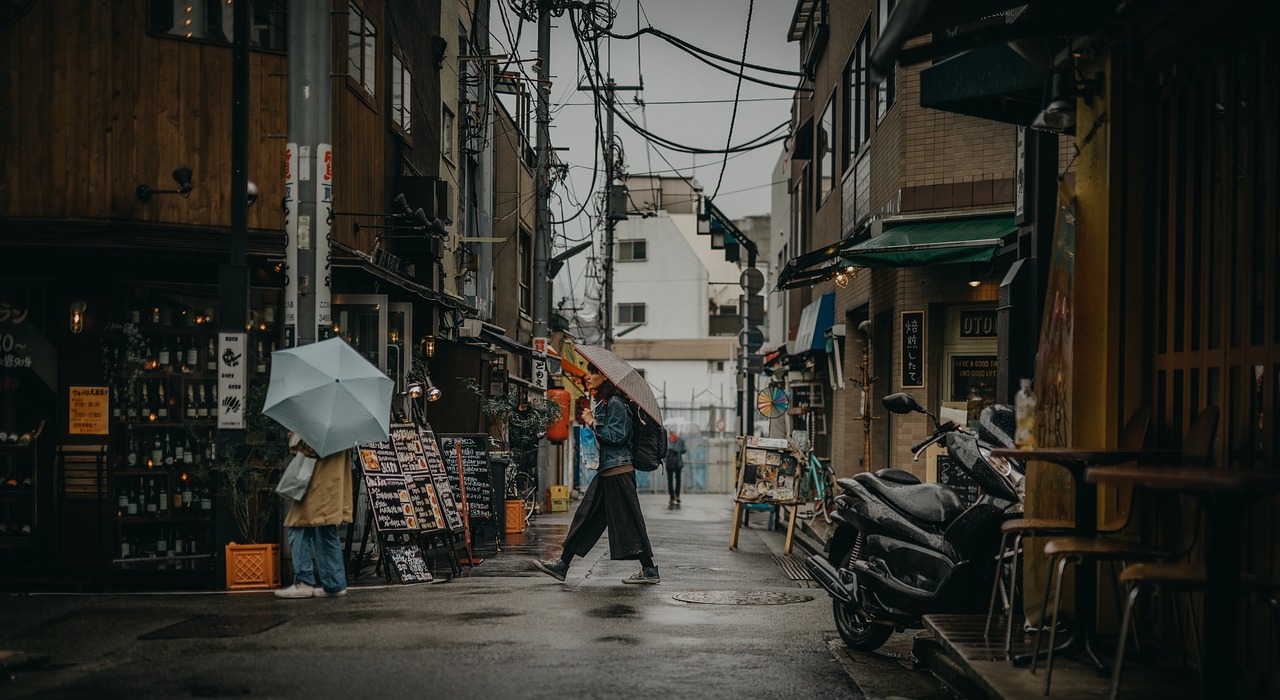
Design a seamless luxury beach itinerary across Japan from Tokyo to island escapes
To design a seamless journey, start with a simple premise: reduce travel friction, then add breathing space. A well-routed plan can begin in Tokyo and then move to islands in a logical loop so the trip stays crafted rather than busy—especially if you’re balancing beach time with restaurants, galleries, and cultural touring.
A classic framework is Tokyo first (for culture and dining), then Niijima or Izu to ease into salt air, followed by Amami for private recovery, and finally Okinawa for full-colour lagoon days. This keeps connections manageable and ensures your energy rises towards the end, when you may want more time in the water.
Getting there with comfort: Tokyo flights, ferries, and Okinawa islands logistics
For comfort and confidence, plan flights and ferries as if they’re part of the holiday, not a hurdle. Access Okinawa via Naha Airport, then move around the Okinawa islands with well-timed domestic flights or ferries depending on your chosen island. Reach Amami and Niijima by domestic connections and ferries, then use private transfers where possible so arrivals and departures feel calm.
It helps to let a concierge or advisor handle the details—especially when boats and guides book out. For inspiration as you explore, you can browse our Trip gallery and imagine which shores match your mood.
Extra days across Honshu, Shikoku and Kyushu: Shirahama, Kochi surf, and the Seto Inland Sea
If you have extra time, Japan offers more destinations that suit a luxury pace. On Honshu, Shirahama in Wakayama is an easy classic stay—Shirahama Beach is a well-known white sand beach with a relaxed, polished feel. In Shikoku, Kochi suits the surfer spirit, with an open coastline and a slower rhythm; it’s ideal if you want surf mornings and long lunches.
For warmer water depending on season, consider Kyushu, where sandy beaches can feel pleasantly mild earlier or later in the year. If you’re drawn to quieter names, ask a local team about Nishihama or a far-flung corner like Hateruma Island as a future add-on—places where you can uncover your own definition of remote.
For travellers who love variety, it’s also possible to layer in the Seto Inland Sea for gentle island hopping or head north for a completely different palette. Jodogahama is a sculptural, scenic shoreline, and Jodogahama Beach along the Sanriku coast in Iwate is especially memorable for its rock formations and softer, cooler light. In other seasons, the Sea of Japan side can feel bracing and beautiful. For a cultural coastal stop, towns like Hagi can bring craft and history into your shoreline days.
- Etiquette: respect wildlife, avoid noise, and stay within designated zones.
- Photography: check local rules on drones and sensitive areas before filming.
- Timing: book accommodation, guides, and boats well in advance—peak weeks fill fast.
- Safety: choose beaches for swimming with clear signage and look for a lifeguard where possible.
With the right planning, you’ll move through Japan with ease—snorkel when the sea is calm, pace your days around tides and light, and let each destination reveal itself at the right tempo.
FAQs: Best beaches in Japan planning, swimming season and luxury travel tips
Which part of Japan has the best beaches?
For most travellers, Okinawa has the most consistently beach-perfect conditions, with blue waters, coral, and a longer warm season than much of Japan. If you’re based in Tokyo, Niijima and the Izu area offer rewarding beach escapes with striking volcanic landscapes. For privacy and a slower pace, the Amami Islands are a favourite for high-end travellers who value space and nature.
Does Japan have swimmable beaches?
Yes—Japan has many beaches for swimming, particularly during the swimming season from late spring to early autumn. Okinawa tends to be warm and swimmable for longer, while Honshu beaches are most comfortable in mid-summer. Choose designated swimming zones, follow local flags and signage, and opt for patrolled areas where possible for reassurance.
Is it worth going to the beach in Japan?
It’s absolutely worth it if you enjoy variety and atmosphere as much as sand. Japan’s coastline ranges from tropical lagoon edges in Okinawa to dramatic black sand shores near Tokyo, often paired with excellent food, onsen recovery, and thoughtful hospitality. With good planning, beach time becomes a seamless, restorative counterbalance to cities and cultural touring.
Is $10,000 enough for a week in Japan?
$10,000 can be enough for a week in Japan, depending on travel style and season. For high-end travellers, costs vary widely based on hotels, private transfers, and boat charters—peak summer can be pricier. If you prioritise a few signature experiences (like a private snorkel day) and balance them with smart routing and advance booking, you can create a very comfortable week.
What You Carry Home From Japan’s Shores – beautiful beaches in Japan and lasting shades of blue
Long after you’ve rinsed the salt from your hair and folded away your linen, it’s the shades of blue that return without warning—on a quiet commute, in the pause before a meeting, in the way evening light lands on glass. A beautiful beach is never only a place; it’s a feeling you learn to recognise again. In Japan, that feeling often arrives softly: the hush of early footsteps on sand, a careful bow from a local host, the tide’s steady patience.
Perhaps you remember the calm of Okinawa—the moment the water turned from pale glass to a deeper colour, and you realised you were breathing more slowly. Or the way Niijima’s dark shore made the sea look brighter, as if contrast itself were a kind of clarity. Travel, at its best, doesn’t simply entertain; it changes the texture of your attention and reminds you what you want more of.
And then there is the human touch: quiet rituals of care, the steady presence of expert guidance, the trust you place in people who know these coasts intimately. When you feel supported, you can be more open—more curious, more present, and more willing to explore and then simply stop.
Later, when you think of Japanese beaches, you may not recall every name, but you will remember how the shoreline taught you to wait for the right moment. Somewhere in the mind, a colour remains—just enough to make you wonder what it would be like to return and uncover a different mood of Japan in your own time.