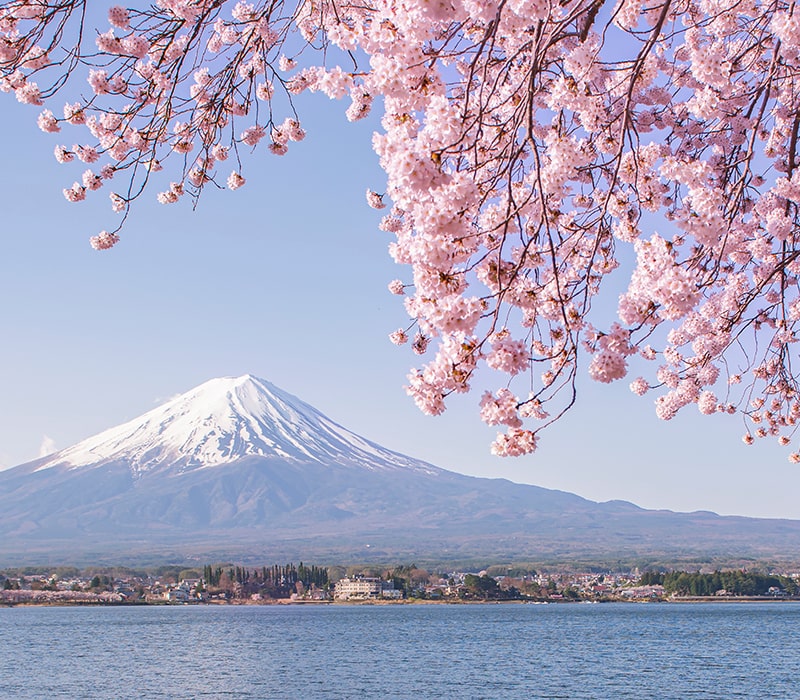
Post Contents
- Japan Rail Pass and JR Pass Essentials for Japan Travel and eligibility and how it works in Japan travel
- Unlimited Route Design with a Japan Rail Pass: Unlimited Route Planner, Tokyo, Kyoto, Osaka Itinerary, Japan
- Shinkansen Reservations and Nozomi and Mizuho Confidence for a reserved seat Japan Rail Pass
- Green Pass Comfort and Green Car first class touches with Japan Rail Pass luxury
- Explore Japan Beyond the Icons with regional JR passes and regional passes by train
- FAQs: Japan Rail Pass
- After Japan by Train: What Stayed With Me – Japan by Train Journey Reflections, Japan Rail Pass
Japan Rail Pass and JR Pass Essentials for Japan Travel and eligibility and how it works in Japan travel
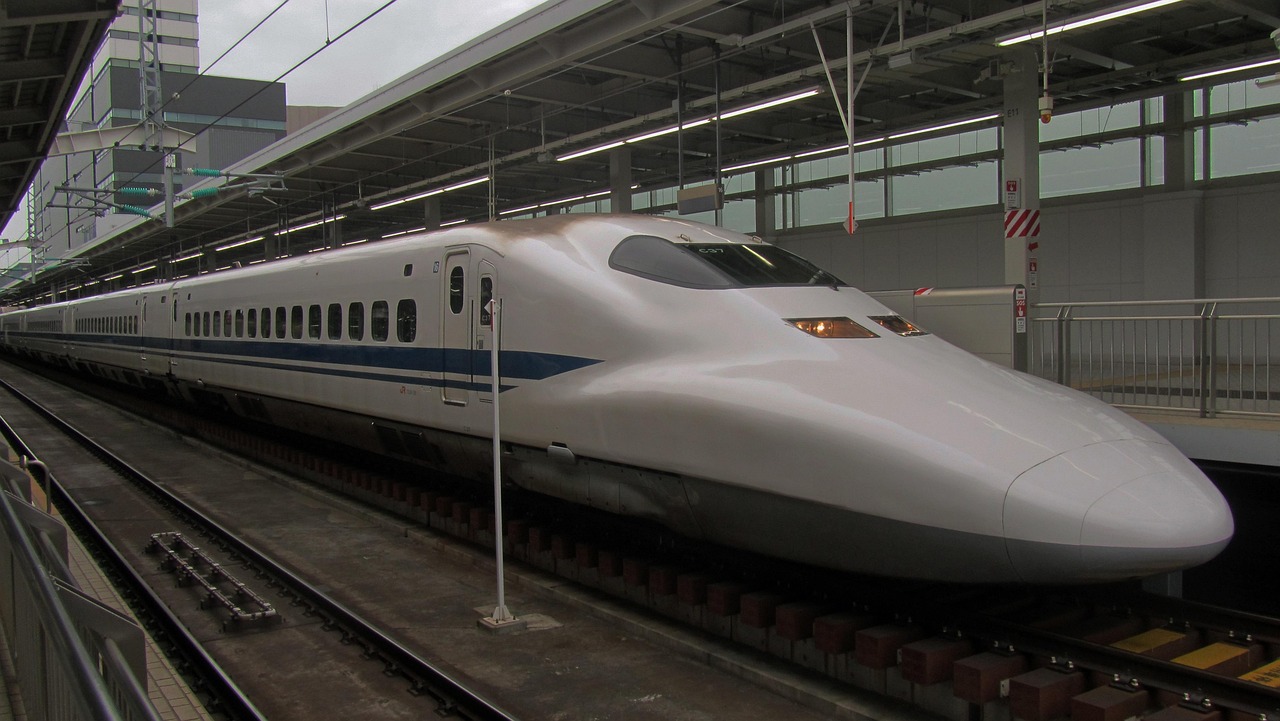
Japan Rail Pass and JR Pass Essentials for Japan Travel with a Shinkansen at the platform
When clients ask about the Japan Rail Pass vs JR Pass eligibility and how it works in Japan travel, I keep it plain: the Japan Rail Pass is a special ticket for most visitors to Japan that turns a complex map into a confident, crafted rhythm. It’s a pass designed for long-distance rail travel, so you can use JR services without repeatedly buying tickets. The JR pass is jointly offered by six JR Group companies, so the coverage feels cohesive even as you move between regions.
Eligibility matters: it’s primarily for foreign tourist entry status (and a few specific resident categories). If you’re visiting Japan on a typical holiday itinerary, you’re usually in the right lane—but always double-check your entry status before you purchase.
Purchase, exchange order, and where to collect at a JR station
For a trip to Japan, purchase a special pass before you arrive. You’ll receive an exchange order (or a digital equivalent, depending on your provider) and then collect the physical pass at an exchange office or ticket office at a major JR station in Japan—often at airports too, including Narita. This is one of those moments where a little preparation makes for a much smoother start.
- Choose your start date carefully: activation begins when you want to start travel on JR, not necessarily on arrival day.
- Bring your passport: staff will confirm eligibility and help you activate smoothly.
- Ask for support: the ticket office can confirm which train lines are covered for your first leg.
What’s covered and what isn’t, with expert clarity
Coverage typically includes JR lines, many limited express trains, and some extras like selected JR buses and a ferry (useful for certain island hops). What isn’t covered is just as important for trust: private rail lines and most subways aren’t included, so plan last-mile connections in Tokyo and Osaka with local tickets or an IC card. Done well, it remains convenient and reasonably priced—especially when your itinerary strings together multiple cities.
Pass options include ordinary cars and the Green Car, with validity choices such as 7 days, 14 days or 21 days, and a 21-day option for longer journeys. Activate only when you’re ready to begin your long-distance rail days, so the value feels designed rather than rushed.


Unlimited Route Design with a Japan Rail Pass: Unlimited Route Planner, Tokyo, Kyoto, Osaka Itinerary, Japan
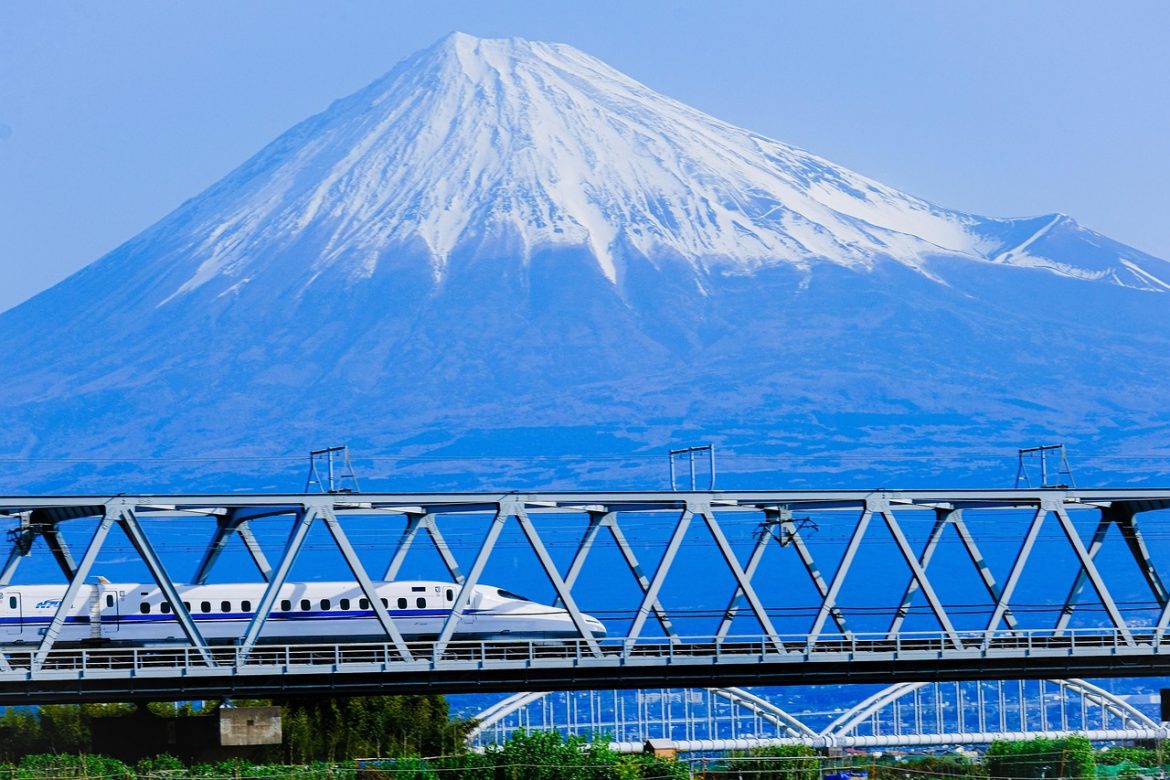
Unlimited Route Design with a Japan Rail Pass linking Tokyo Kyoto Osaka by train
If you’ve been searching for a Japan Rail Pass unlimited route planner, Tokyo-Kyoto-Osaka itinerary, Japan, think in terms of flow, not just distance. The art is to design a route that respects hotel check-in times, protects dining reservations, and leaves breathing space for local discoveries. With a Japan Rail Pass, the sensation is often “unlimited rides” in spirit—within pass rules—because you can move with flexibility and confidence.
A signature high-end rhythm might be the Tokyo area for a few nights (galleries, neighbourhood dining), then Kyoto for heritage and quiet mornings, and Osaka for modern energy and late-night food culture. You’re not just moving cities; you’re creating chapters that feel distinct.
A simple fare calculator approach before you commit
Before buying, take a calm “calculator” moment: list your likely long-distance trips, add up the prices of the Japan Rail tickets individually, and compare that total with the pass fare. If you’re only travelling within one area, regional passes can sometimes make more sense than the nationwide option. This small piece of insight keeps your plan crafted, not automatic.
- Add up your big legs: Tokyo–Kyoto, Kyoto–Hiroshima, Osaka–Tokyo, plus day trips.
- Factor in season: during peak dates, a pass still helps, but you’ll want a reservation plan.
- Decide on comfort: if Green Car matters to you, compare that fare too.
An around-Japan by-train arc with flexibility built in
A classic “around Japan by train” arc follows the Tokaido corridor from Tokyo to Kyoto, then continues via the Sanyo line towards Hiroshima. From there, you can loop back with a choice: linger in Kansai, detour to the coast, or return with a different stop. This is where the Japan train network feels like a living map—ready for spontaneous museum hours, a tea-house recommendation, or a slower afternoon.
For accommodation, choose hotels near a JR station when early departures matter. It’s a small decision that creates a surprisingly calm morning, especially when you’re travelling with family and want together time without friction.
Shinkansen Reservations and Nozomi and Mizuho Confidence for a reserved seat Japan Rail Pass
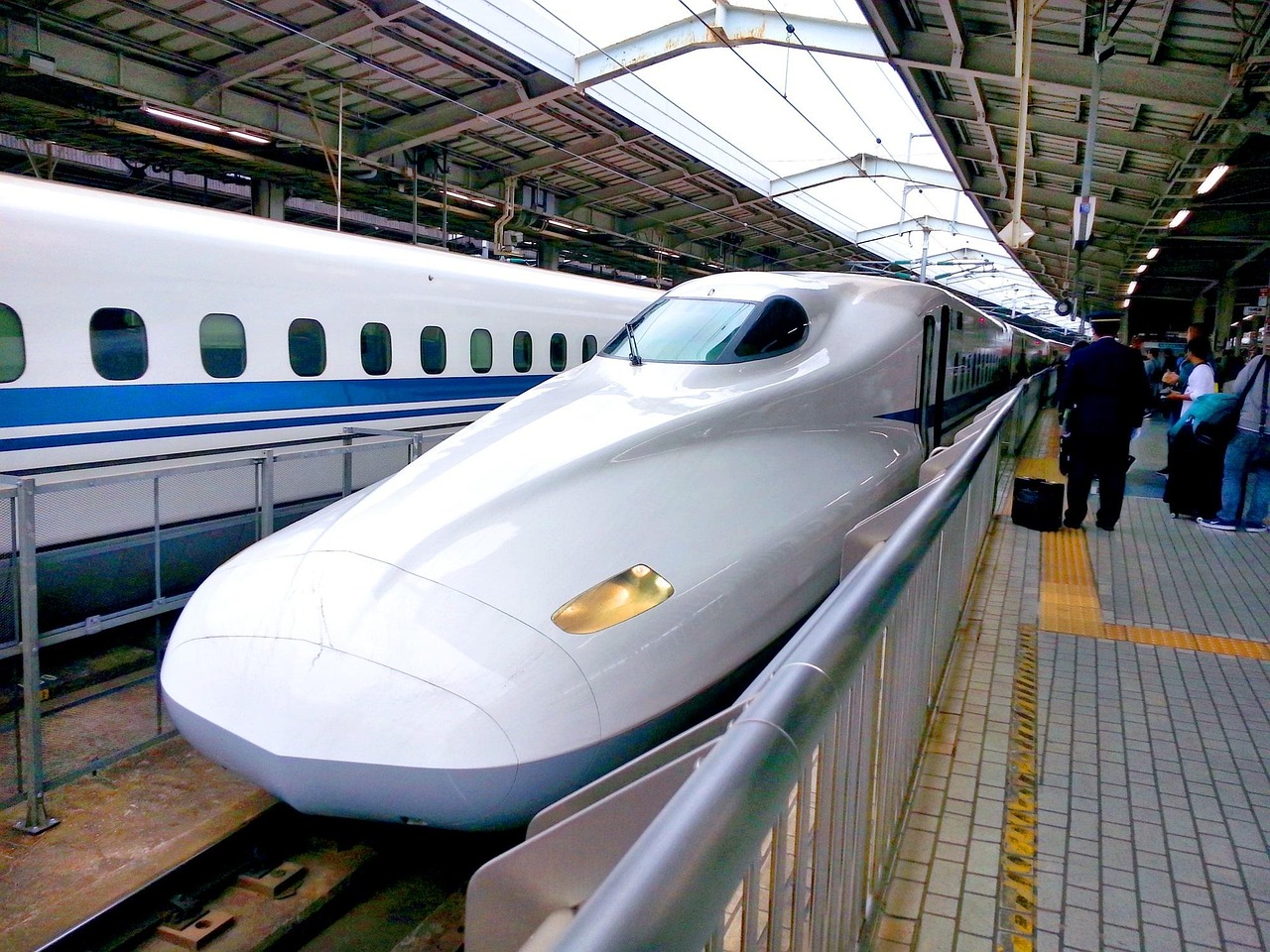
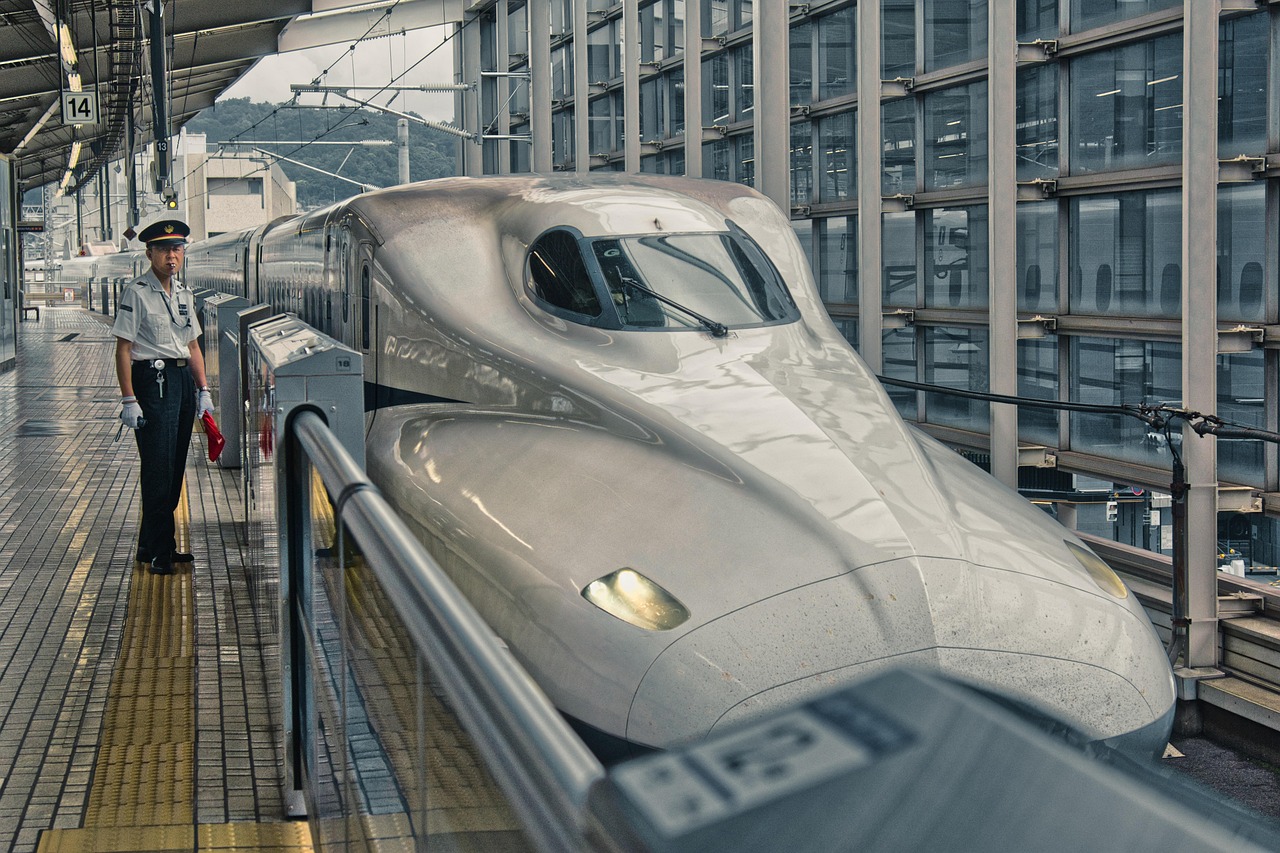
Shinkansen Reservations and Nozomi and Mizuho Confidence using a reserved seat on Japan Rail Pass
For many travellers, the moment of truth is the platform: Shinkansen reservation, reserved seat, Nozomi and Mizuho, Japan Rail Pass questions come up right as the train slides in. In real life, Japan’s signage is clear, carriage numbers are marked on the floor, and staff are present—so you’re supported from the first step. On Shinkansen lines, boarding is orderly, queues are quiet, and the railway feels designed for calm.
Luggage is easiest when it’s streamlined: a cabin-size case and a smaller personal bag keep movement graceful. If you’re travelling with larger suitcases, plan for designated space and arrive a little earlier so you’re never rushed.
How to book reserved seat options and when to book reserved
You can book reserved seats at a JR station ticket office, and staff will help you match timings to your hotel plans. In cherry blossom and autumn foliage seasons, it’s wise to book reserved journeys ahead—particularly on popular routes between Tokyo, Kyoto, and Osaka. If plans change, you can often switch trains at the ticket office with minimal fuss, which preserves that premium feeling of flexibility.
- Arrive early: a gentle buffer keeps your morning seamless.
- Keep voices soft: local etiquette is part of the shared care of travelling in Japan.
- Eat thoughtfully: it’s acceptable on long journeys; avoid strong smells on short hops.
Nozomi and Mizuho rules, and what to choose instead
The key confidence point: Nozomi and Mizuho services (including Nozomi and Mizuho) may have restrictions under certain Japan Rail Pass rules. If Nozomi or Mizuho isn’t included for your pass type, choose comparable Shinkansen services that are covered; the journey remains swift and comfortable. For modern expectations, WiFi is increasingly common but not guaranteed on every service—download a few essentials and then enjoy the quiet carriage atmosphere as an invitation to slow down.
When you step off a Shinkansen bullet train, and the station hum replaces the cabin hush, you’ll understand why many people say Japan by train is part of the destination itself.
Green Pass Comfort and Green Car first class touches with Japan Rail Pass luxury
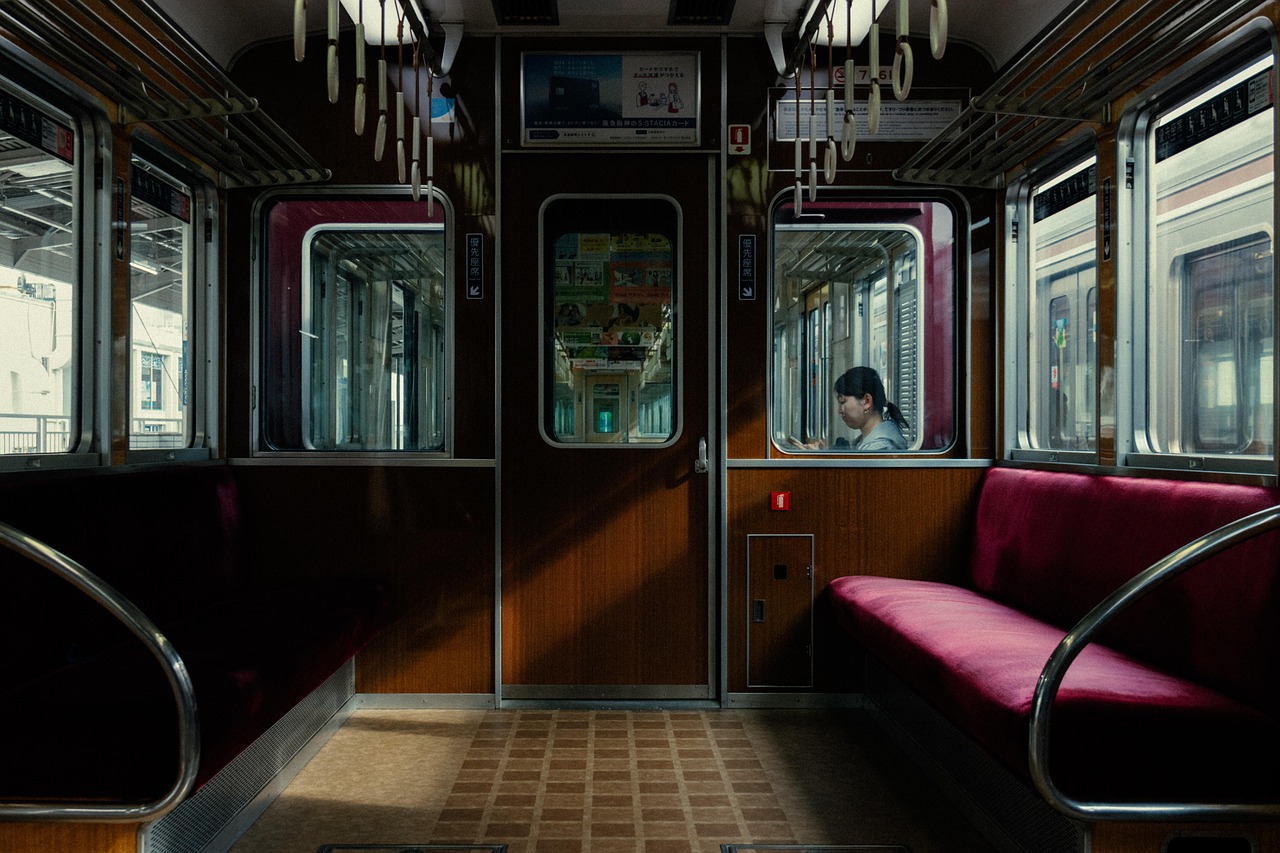
Green Pass Comfort and Green Car first class touches on Japan Rail Pass luxury journeys
If you’re weighing the Green Pass Green Car, first-class experience, and Japan Rail Pass luxury, let yourself imagine the simplest upgrade: boarding, settling into spacious seating, and feeling the cabin become a moving sanctuary. A green pass is not about extravagance for its own sake; it’s about comfort that supports you—especially on longer train travel days when you want to arrive composed.
One high-end traveller told me their favourite moment wasn’t a landmark but the ease of a smooth Shinkansen morning into Kyoto, followed by kaiseki cuisine that evening—unhurried, perfectly timed, and quietly memorable. Myriad travellers echo the same sentiment: the Green Car’s calm, the extra space, and the gentle confidence it brings to every transfer.
Luxury often hides in small decisions. Use this quick checklist to create a day that feels crafted, even when plans change.
- Time arrivals: aim to reach the platform 10–15 minutes early for unhurried boarding.
- Choose quieter cars: where possible, avoid areas near doors if you’re sensitive to footfall.
- Manage luggage: keep essentials accessible so you don’t open cases repeatedly.
- Leave room for detours: a spontaneous garden visit can be as valuable as a booked ticket.
Ordinary cars vs green cars, with care at the centre
Ordinary cars can still be excellent—clean, efficient, and comfortable—particularly for shorter legs or when you’re prioritising experiences on the ground. A green car is ideal when you want a more personal sense of space or when travelling together as a family and you’d like the whole day to feel calmer. Either way, the Japan Rail Pass can turn logistics into reassurance, so your attention stays where it should: on the culture, the meals, and the atmosphere of travel in Japan.
Explore Japan Beyond the Icons with regional JR passes and regional passes by train
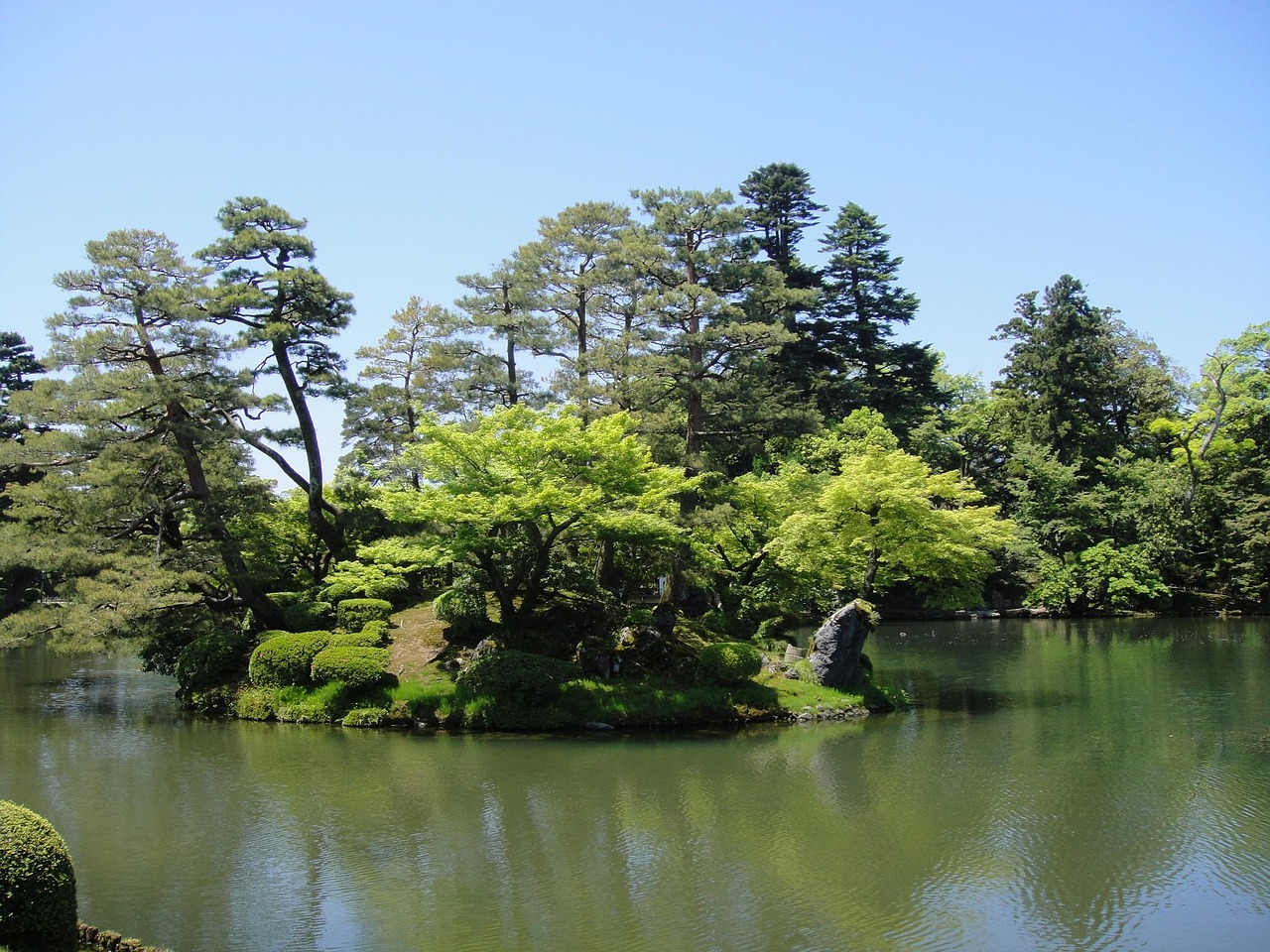
Explore Japan Beyond the Icons with Regional JR Passes including Kanazawa gardens
For travellers searching for regional JR passes, Kanazawa, Hiroshima, Japanese Alps, and Japan by train ideas, this is where you uncover Japan’s quieter brilliance. Kanazawa offers refined craft culture and gardens that invite slow looking; Hiroshima holds history with a sense of calm and dignity; and the Japanese Alps bring fresh air, mountain towns, and a different palette of Japan. With the right rail choices, you can explore the country without making it feel complicated.
Regional JR passes and regional passes can be a smart complement—or an alternative—to the nationwide Japan Rail Pass, especially if your trip focuses on one area. Consider a targeted approach in Kansai for Kyoto and Osaka, or look further afield to Kyushu for hot springs and volcanic landscapes, and even Hokkaido for wide-open scenery and seasonal food culture.
Uncover day trips and slower routes with JR train services
Once your base is set, day trips become the fun part of travel throughout Japan. Takayama is a beautiful Alps choice for a slower pace; Izu offers coastal escapes and restorative views. Depending on the route, you may combine regular JR and other JR train services with approved JR buses and, occasionally, a ferry—small connectors that broaden what feels possible.
- Plan one “slow day”: fewer stops, longer lunch, more local wandering.
- Keep a last-mile fund: some private lines and city subways need separate tickets.
- Ask for station guidance: staff help keep connections seamless and stress-free.
Last-mile realism, with reassurance and trust
Not every local connection is covered, and that’s normal. A short taxi to your accommodation, a metro ride, or a private line to a rural onsen can be part of a beautifully designed journey. The aim isn’t to avoid all extra tickets; it’s to keep the overall experience supported, with care in the details.
If you’d like visual inspiration for a crafted itinerary, browse our Trip gallery and imagine how your own route might evolve across seasons.
FAQs: Japan Rail Pass
Is the Japan Rail Pass still worth it?
It can be worth it if your itinerary includes several long-distance JR journeys within a set window, especially between major cities. If you’re staying mostly in one city or using many non-JR lines, it may not offer the best value. For high-end travel, it’s also about ease: fewer ticket decisions can make the trip feel calmer and more seamless.
What is the best rail pass for Japan?
The best option depends on your route. A nationwide Japan Rail Pass suits multi-city travel, while regional passes can be better for focused areas such as Kansai or Kyushu. If your plans centre on one region with a few day trips, a regional product can feel more crafted and cost-effective than a nationwide pass.
Do I really need a Japan Rail Pass?
You don’t necessarily need one. If you prefer a slower pace with fewer long rides, buying individual tickets can be simpler. The pass is most useful when you want flexibility and multiple intercity trips, allowing you to shift plans with confidence while keeping your travel days organised and stress-free.
What is the Japan Rail Pass for foreigners?
It’s a rail pass designed mainly for foreign tourists visiting Japan, offering access to many JR trains for a fixed period. You purchase it before arrival and activate it in Japan. The purpose is to make travel across the country easier to plan, with clear coverage on JR services and a straightforward way to manage longer journeys.
After Japan by Train: What Stayed With Me – Japan by Train Journey Reflections, Japan Rail Pass
When people ask for Japan by train journey reflections or Japan Rail Pass thoughts, I rarely talk about speed. What stays with me is the rhythm: the soft pause as a train arrives, the shared courtesy of queues, and the quiet competence that seems to hold the day together. There’s a particular hush on platforms that feels almost ceremonial, as if everyone agrees—without saying so—to keep the atmosphere gentle.
One morning, an independent traveller described boarding early in Tokyo and watching a sunrise near Fuji through the window, the landscape changing from shadow to gold. They didn’t call it a “highlight”; they called it a memory that made the rest of life feel slightly wider. That’s the gift of moving through Japan this way: the country feels both vast and intimate, and you feel supported inside it.
Families often tell me the same thing in different words: together time without friction. A pass removes repeated decisions and lets wonder lead—an unexpected view, a local sweet bought at a station kiosk, or the gentle reassurance of knowing the next step is clear. Solo travellers, too, speak of trust: the sense that even in a faraway place, you can move with confidence and still keep your day personal.
Long after the tickets are put away, it’s the small human moments that return—polite nods, quiet cabins, and the way arrival feels like opening a new page rather than ending a day. And once you’ve travelled throughout Japan like this, it’s hard not to wonder, softly, what another season might reveal.