Post Contents
- Japan Rail Pass price in yen and the true fare picture for Japan and fare overview
- Choosing between rail passes and the JR Pass for visiting Japan
- Bullet train: Shinkansen train travel in Japan from Tokyo to Kyoto and Osaka
- An across-Japan itinerary with Japan Rail Pass and Shinkansen lines beyond major cities
- Buy JR Pass and seat reservations at train stations for Japan Rail Pass holders
- FAQs: Japan Rail Pass price and choosing rail passes
- What stays with you after Japan by rail
Japan Rail Pass price in yen and the true fare picture for Japan and fare overview

Japan Rail Pass price in yen and the true fare picture for Japan
When travellers ask for a Japan Rail Pass price in a yen fare overview for Japan, they’re usually trying to do two things at once: budget with confidence and avoid the mental maths of trains in Japan. The headline pass prices are set in yen, so your exchange rate subtly changes what you feel you pay—particularly if you’re converting to USD or GBP while you design a longer itinerary.
In simple terms, the Japan Rail Pass is sold by validity period: a 7-day, 14-day, and 21-day option, typically with a Standard and Green Car. Many travellers loosely quote around $300–$600 USD depending on duration and class, but the only expert way to plan is to check current yen pricing before you commit since updates have occurred since 2024.
Pass prices, yen and the exchange rate you actually feel
Because the pass prices are anchored in yen, the same Japan Rail Pass can feel “cheaper” or “pricier” depending on the exchange rate on the day you purchase. If you’re building a high-end trip budget, treat your pass as a yen-based line item and add a small buffer, rather than pinning everything to a single conversion screenshot.
A practical rule: if you’re planning multiple long Shinkansen hops (think Tokyo to Kyoto and then onwards), the pass often provides a calmer, more predictable spend—even if you don’t chase the absolute cheapest outcome.
What ‘fare’ really means on JR services
Japanese railway pricing can include a base fare plus a supplement for faster services, such as limited express or Shinkansen. With point-to-point tickets, you’re effectively paying for the distance (fare) and the “speed/comfort layer” (the supplement). The Japan Rail Pass simplifies this: on covered JR routes, your ticketing becomes less about calculation and more about choosing the right train and seat.
- Base fare: the distance component of your journey.
- Limited express supplement: added cost for faster limited express trains.
- Seat reservation fee: often bundled into reserved seating on applicable services.
For premium travellers, this is where the pass in Japan earns its keep: fewer ticket decisions, fewer queues, and more bandwidth for the personal details that make a journey feel crafted.
A luxury lens on Green Car value and how much you can save
Green Car matters most on high-demand intercity routes and peak travel days, when comfort, space and quiet support a polished pace. Depending on your route density, the savings versus buying individual Green Car tickets can be meaningful—yet the bigger win is the feeling of being cared for by the system: clear boarding, reliable timing, and an atmosphere that invites you to exhale.
One business traveller told us the JR Pass was their quiet advantage: last-minute itinerary changes still felt seamless, and premium seating made even busy days feel manageable.
Next, let’s explore whether the national pass is the right design—or whether regional rail passes are better tailored to your map.


Choosing between rail passes and the JR Pass for visiting Japan
Choosing between rail passes and the JR Pass for your design
If you’re weighing rail passes vs the JR Pass for visiting Japan, the decision is less about a single “best” answer and more about how you want to explore. Some itineraries flourish with the nationwide Japan Rail Pass; others feel more expertly crafted with regional rail passes focused on one area.
The key is to design around your rhythm: do you want to glide throughout Japan for two or three weeks, or settle into fewer bases with deeper local insight?
Rail passes compared, national versus regional JR East and JR West
Japan has a family of rail passes. The nationwide Japan Rail Pass is broad and simple, while regional options can be sharper value if you’re not crossing the country. For example, JR East passes can suit northern or eastern routes, and JR West options can be a special pass for Kansai and beyond. If your trip is centred on one region—say Kansai plus day trips—regional rail passes may align beautifully with your plan.
On the other hand, if you want to move between major cities and still keep the freedom for detours, the national pass often supports that confidence.
Eligibility, trusted sellers and Japan Rail Pass online options like JTB
For most leisure travellers, you typically purchase a JR Pass outside of Japan before departure, using an authorised platform. Many guests choose reputable sellers; JTB is a well-known name, and whichever provider you use, verify you’re buying an official product (and that delivery timelines suit your departure).
You’ll also see Japan Rail Pass online purchase options that issue a digital or physical confirmation depending on the scheme in place—read the instructions carefully so there are no surprises upon arrival in Japan.
The exchange order workflow, voucher to JR station collection
Depending on the purchase method, you may receive a voucher or an exchange order. In the classic flow, you bring the exchange order for Japan to a major JR station ticket counter and convert it into the actual pass. Think of it as a two-step system designed for clarity: the voucher is your proof, and the pass is your travel tool.
For travellers who like structure but still want spontaneity, this is reassuring: you can plan your anchor points, then leave space for inspired choices once you’re there—together, intentional and flexible.
With the pass choice made, the real romance begins on the platform: Shinkansen journeys that turn distance into design.
Bullet train: Shinkansen train travel in Japan from Tokyo to Kyoto and Osaka
Bullet train splendour and Shinkansen journeys from Tokyo
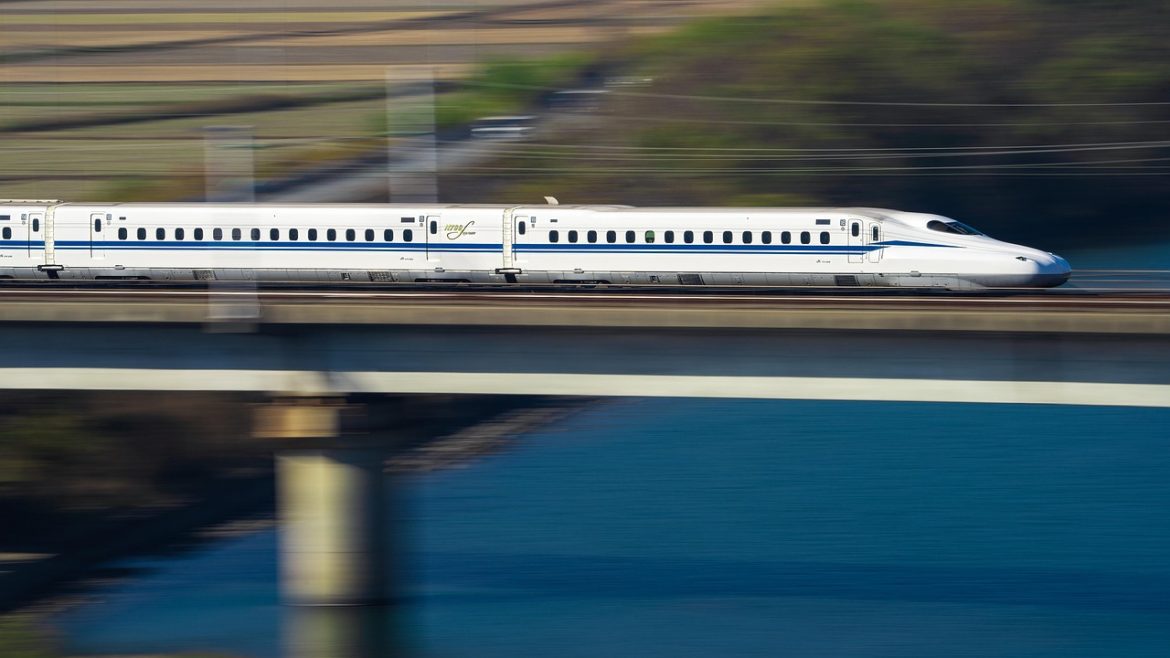
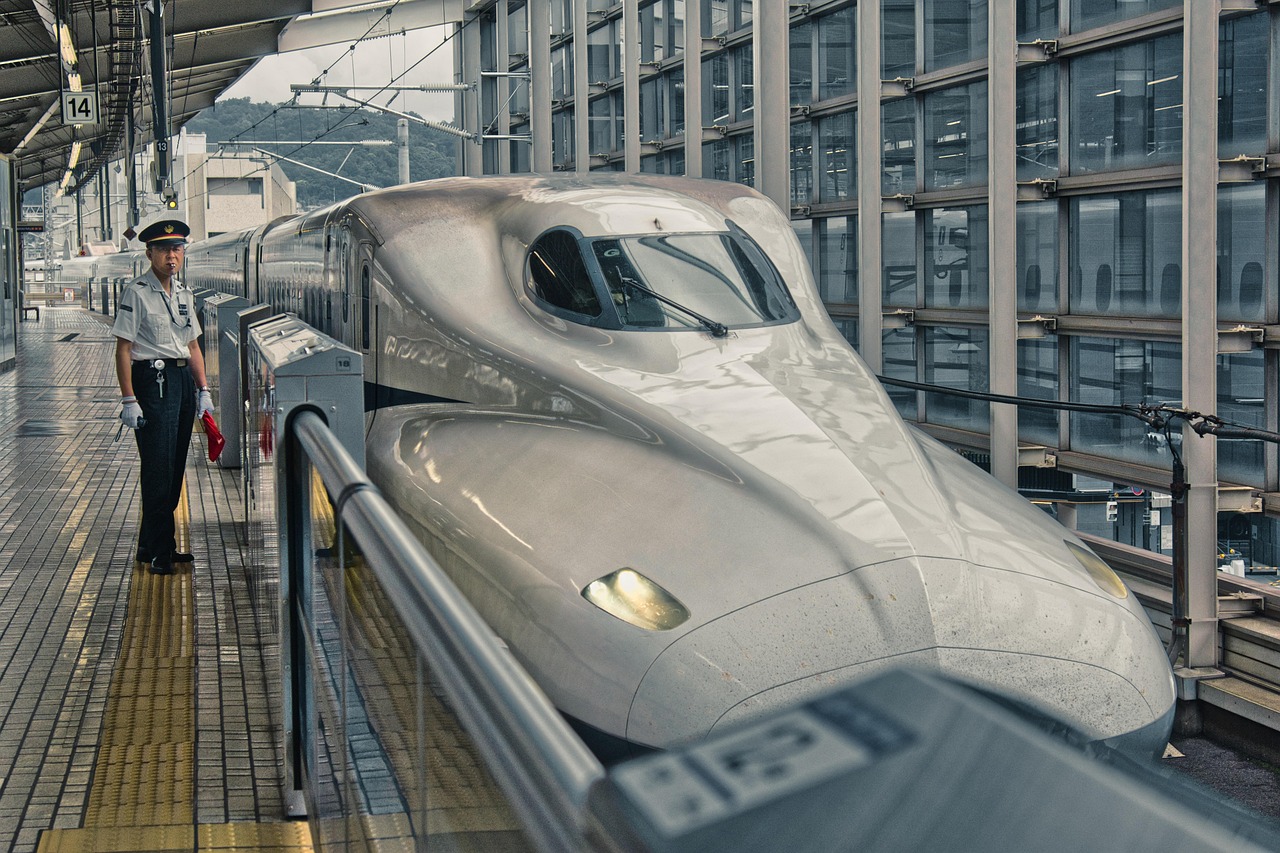
For many guests, bullet train Shinkansen train travel in Japan, Tokyo, Kyoto, and Osaka, is the moment Japan becomes unforgettable. There’s a particular elegance to arriving at the platform in Tokyo, watching the nose of the Shinkansen slide in precisely on time, and knowing your next scene is already waiting—Kyoto’s calm or Osaka’s energy.
This is where the JR Pass feels like luxury: not loud, not showy—simply seamless support for a beautifully paced journey.
Iconic Shinkansen routes, Tokaido to Shin-Osaka and the Sanyo Shinkansen
The classic route runs on the Tokaido Shinkansen corridor: Tokyo to Kyoto and on to Shin-Osaka. From there, you can connect to the Sanyo network—often referred to as the Sanyo Shinkansen—for onward travel towards western Japan, including Hiroshima. These Shinkansen lines make it easy to create a trip that feels both expansive and calm.
One luxury traveller shared how their Japan Rail Pass enabled smooth transitions from the bright intensity of Tokyo to tranquil Kyoto mornings—and still left room for spontaneous day trips when the weather turned clear.
What the pass covers, including Shinkansen but not Nozomi and Mizuho
Set expectations early: the pass covers many JR services, including Shinkansen on multiple routes, but there are notable exclusions. On the Tokaido/Sanyo corridor, Nozomi services are generally not included, and on certain Kyushu connections, Mizuho is also commonly excluded. The good news is that you can usually choose an alternative covered service (often Hikari or Sakura, depending on the line) and still keep your day beautifully on track.
Understanding this upfront protects your sense of ease: no last-minute confusion at the gates, no feeling rushed—just quiet trust in the system.
Seat reservations, reserved and non-reserved, made simple
For premium travel, seat reservations are a small act of care. Many trains offer reserved and non-reserved cars; when you want guaranteed pairing or luggage space, request a reserved seat. During spring and summer shoulder dates, you’ll often find a sweet spot: pleasant weather, fewer crowds, and reservations that feel easy rather than competitive.
- Reserve early for holiday weekends and popular segments like Tokyo–Kyoto.
- If you value spontaneity, reserve your “must-have” legs and leave others flexible.
- Onboard, keep voices low—quiet carriage etiquette is part of the shared luxury.
And yes—the personal pleasures matter. Several travellers still talk about gourmet bento boxes eaten as the landscape unrolls, turning shinkansen bullet trains into an experience, not merely a transfer.
Once you’ve mastered the classics, the most rewarding journeys often begin with a detour.
An across-Japan itinerary with Japan Rail Pass and Shinkansen lines beyond major cities
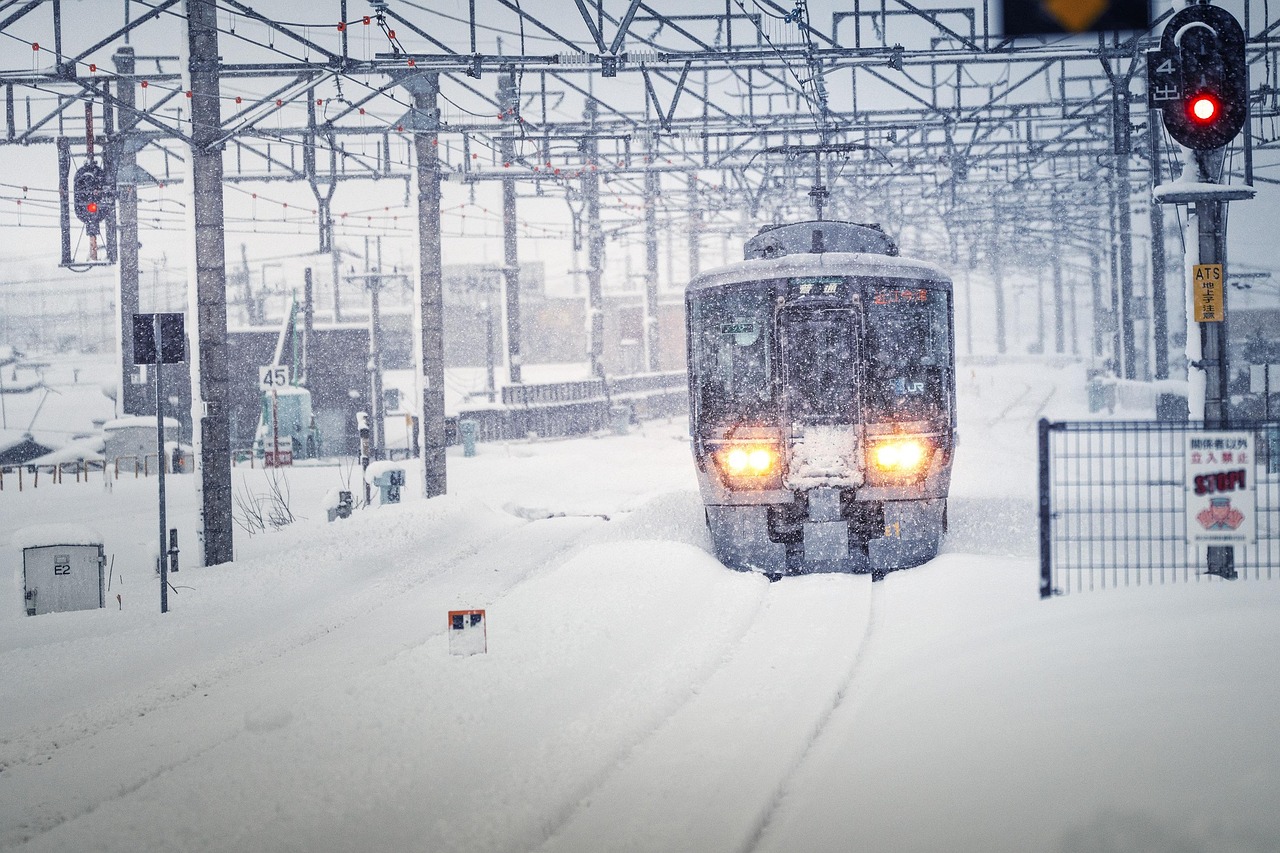
Across Japan beyond the classics to uncover quieter luxury
For travellers searching for an itinerary across Japan with the Japan Rail Pass and Shinkansen lines, the joy is often in what you uncover beyond the obvious. The nationwide pass supports a rhythm of bold city stays and softer interludes—mountain air, lakeside pauses, and slower segments that feel more local and intimate.
This is where a high-end itinerary becomes personal: you’re not just collecting sights; you’re creating space to notice texture—light on water, cedar scents, station announcements fading into quiet.
Across Japan beyond Tokyo, Nikko and Japanese Alps, calm
Consider building in a nature-and-art breath: Nikko for forested shrines and refined ryokan stays, or a Japanese Alps base where a scenic local train becomes part of the pleasure. These shifts in pace can be restorative, especially if you’re also balancing shopping, dining, and museums within Tokyo earlier in the trip.
Even a short hop on express trains can feel like a change of chapter—one that supports both curiosity and well-being.
Mount Fuji day trips via Yamanashi and Shizuoka
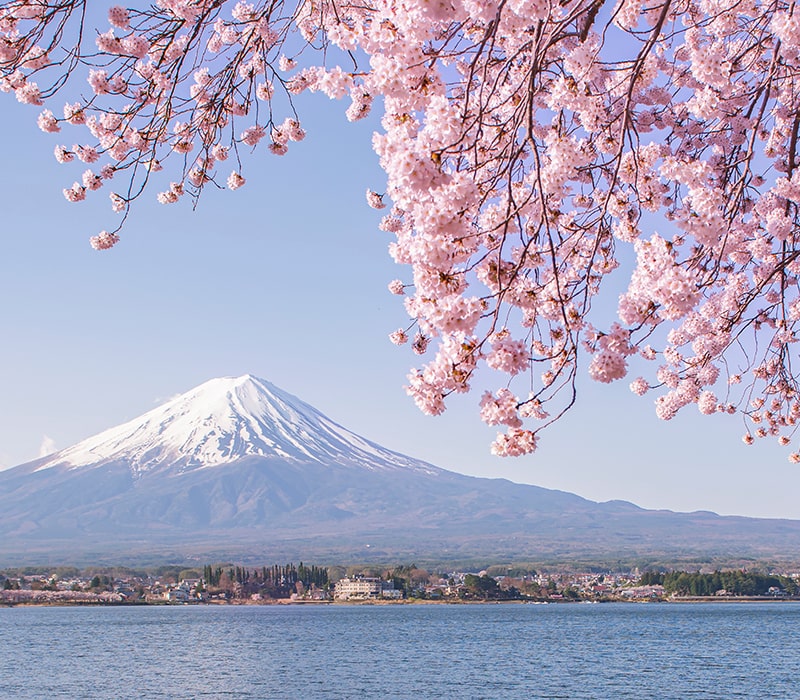
On clear days, the silhouette of Mount Fuji can transform your mood. Travellers often design a spontaneous day trip via Yamanashi or Shizuoka, timing the journey for panoramic viewpoints and unhurried lunches. One guest told us the JR Pass made this spontaneity feel safe: a last-minute change didn’t create friction; it simply created a better day.
If you’re chasing that perfect Fuji view, keep a flexible window rather than a single fixed date—nature rewards patience.
UNESCO anchors: Kiyomizu-dera, Hiroshima and Itsukushima Shrine
For balance, add a few heritage anchors that give your route meaning. In Kyoto, Kiyomizu-dera pairs beautifully with an early start and a slower afternoon in tea houses. Further west, Hiroshima invites reflection, and nearby Itsukushima Shrine offers that floating-torii moment that stays with you long after the photograph is taken.
These segments may include limited express trains or other limited express connections as you stitch the journey together—yet the pass keeps the experience cohesive rather than complicated.
Hokkaido and Kyushu: refined stays beyond the usual trail
If you have time, the pass can support adventures towards Hokkaido for seasonal landscapes or down to Kyushu, where hot springs and design-led hotels offer quieter luxury. The Kyushu Shinkansen and related Kyushu Shinkansen lines are a pleasure in themselves—efficient, comfortable, and often less crowded than the main corridor.
Do note practical boundaries: some routes run on non-JR or private operators, and a few scenic areas require separate tickets. This isn’t a flaw—just a gentle reminder that the Japan Rail Pass sits within a wider railway ecosystem.
If you’d like visual inspiration for designing a crafted route, you can browse our Trip gallery and imagine what you might create next.
Now, let’s make the on-the-ground experience as seamless as the dream.
Buy JR Pass and seat reservations at train stations for Japan Rail Pass holders
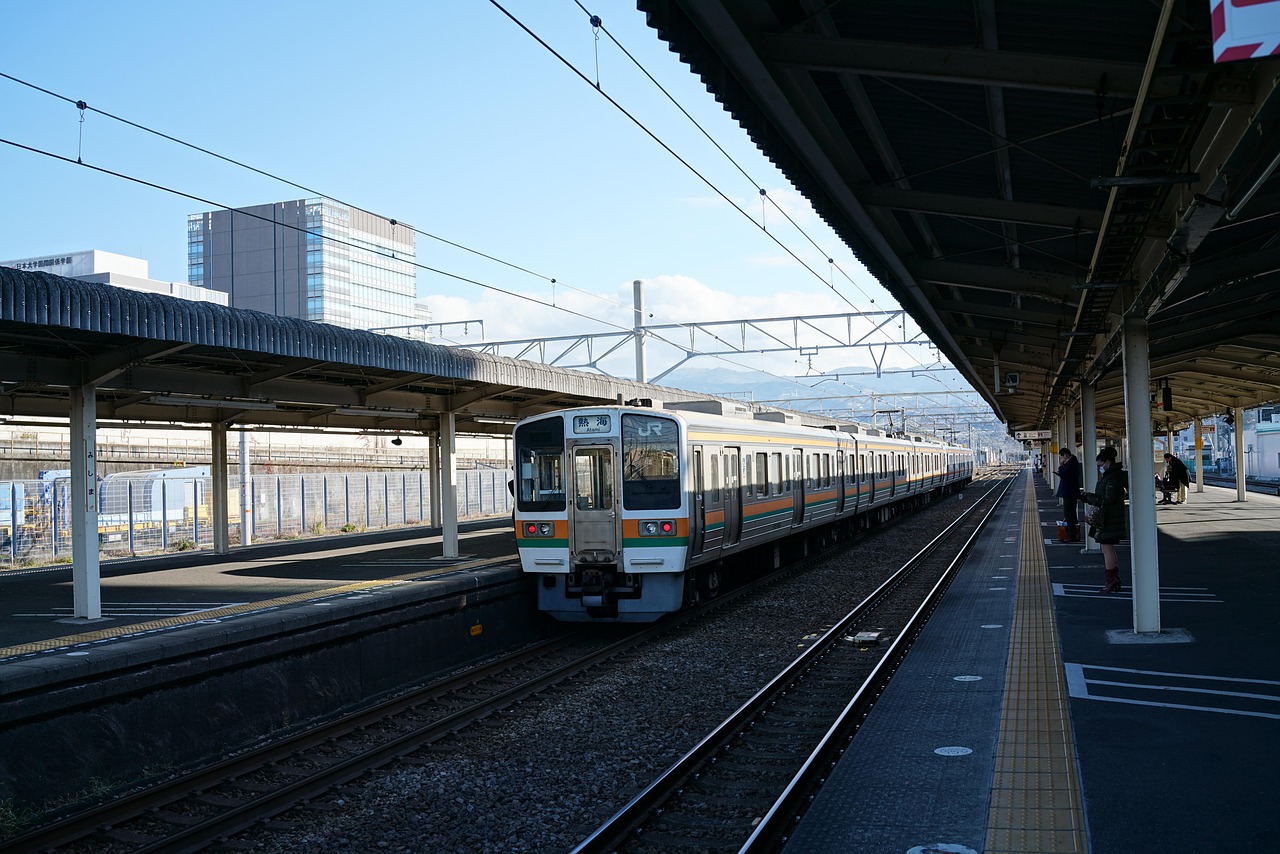
How to buy JR Pass and use the JR Pass seamlessly at train stations
If you’re looking up how to buy JR Pass seat reservations at train stations for Japan Rail Pass holders, you’re likely aiming for the same thing we all want on arrival: clarity. The good news is that Japan’s train stations are designed for order, and the staff are used to supporting international travellers with calm professionalism.
With a little preparation, you’ll use the JR Pass like a local—quietly confident, never hurried.
Activation step-by-step, exchange order and ticket office care
If you buy using the classic process, bring your voucher and passport to a JR ticket office to complete the exchange order. This is when the exchange order becomes your live pass, and you select the start date to match your itinerary. Keep your documents together in a slim travel wallet so the moment feels smooth rather than fiddly.
Depending on the scheme, you might hear variations of wording (such as an order for a Japan Rail confirmation), but the flow is the same: identity check, date selection, pass issuance, and a quick explanation of how to navigate gates.
Narita airport arrivals and the Narita Express into the city
Landing at Narita Airport can feel like stepping into a different tempo—bright, clean, and quietly efficient. Many travellers take the Narita Express from Narita into central Tokyo; it’s a comfortable way to begin, and on eligible passes it’s often included. If you want to start travelling straightaway from Narita, decide whether to activate your pass immediately or start it later, depending on your first few days.
For those staying centrally, it’s a reassuring first ride: a gentle transition into the rhythm of Japan rather than a scramble.
Reservation strategy and luggage on JR trains
For high-demand Shinkansen segments, a simple strategy works best: reserve the legs that matter most, then leave space for inspired changes. This protects your investment and your mood—especially when dining reservations or a special ticket experience (like a seasonal train) is part of your crafted plan.
Be mindful of luggage. If you’re travelling with larger cases, choose services and seats that accommodate them, and handle bags thoughtfully so everyone stays comfortable. Quiet voices, orderly queuing, and giving others space are small acts of care that the local culture deeply appreciates.
Green Car, business class expectations, and a polished pace
In Japanese rail terms, Green Car is the closest analogue to business class on many services: more space, a calmer feel, and the sense that your day is being supported by design. It’s especially worthwhile when you’re moving between hotels and want the journey to feel like part of the experience, not a gap between experiences.
Whether you buy a JR Pass for Standard or Green, the hallmark remains the same: reliability. It’s the kind of quiet luxury that lets you focus on art, food, neighbourhood walks, and the people you’re travelling with.
FAQs: Japan Rail Pass price and choosing rail passes
Is the Japan Rail Pass worth it?
It can be worth it if you’re taking several longer JR journeys—especially Shinkansen—within one validity period, and you value flexibility and convenience. For luxury travellers, the benefit is often the seamless experience: fewer ticket decisions, easier changes, and a calmer travel day. If you’re staying mostly in one city or using private lines, individual tickets or regional rail passes may be better value.
How much is a Japan Rail Pass in US dollars?
The Japan Rail Pass is priced in yen, so the USD amount changes with the exchange rate and the pass type. Many travellers see rough ranges of about $300 to $600 USD depending on duration and whether you choose the Standard or Green Car. Because pricing can change, check the official current yen price close to purchase and convert using a realistic bank rate.
Is it cheaper to buy a JR Pass or individual tickets?
It depends on your itinerary. If you’ll travel between major cities such as Tokyo, Kyoto and Osaka and add longer trips like Hiroshima, a JR Pass may cost less than buying multiple point-to-point tickets. If your travel is limited to short hops or non-JR routes, individual tickets can be cheaper. The simplest approach is to map your main legs and compare totals in yen.
What is the best rail pass for Japan?
The best option depends on where you’re going. The nationwide Japan Rail Pass suits travellers moving across several regions, while regional rail passes—such as JR East, JR West, or Kyushu-focused products—can be better for a concentrated route. If your journey includes many JR services within a set timeframe, the national pass offers broad coverage; otherwise, a regional pass may be a better fit.
What stays with you after Japan by rail
The most surprising thing about travelling by railway in Japan is how quickly movement begins to feel like stillness. There’s a soft hum as you glide out of a station, the brief choreography of platforms and signage, and the calm reliability that lets your mind wander without worry.
Later, what you remember may not be the optimisation at all. It might be a bento box unwrapped with care, the moment the countryside opened up, or the way a Kyoto morning felt gently curated even when it wasn’t planned. Perhaps it’s a Mount Fuji outline appearing and disappearing like a private postcard or the quiet dignity of Hiroshima that stayed with you in a different way.
Travelling well isn’t only about the JR Pass or any fare calculation. It’s about how supported you felt—by the system, by the pacing you chose, and by the confidence that you could change your mind without losing the thread of your journey. In that sense, the Japan Rail Pass becomes less of a product and more of a permission slip: to explore, to pause, to discover what matters to you.
And when you think back, Japan is often there in the smallest details: station lights on polished floors, the quiet kindness of order, and the sense that there’s always another season, another city, another version of the country waiting—patiently—until you’re ready to return.