Post Contents
- Things to Do in Pisa – Travel Guide for a Seamless First Day in Pisa, Italy
- Leaning Tower of Pisa – Climbing the Tower at Golden Hour with VIP Tickets
- Square of Miracles (Piazza dei Miracoli) – Duomo, Pisa Cathedral & Piazza del Duomo
- Beyond the Leaning Tower – Pisa Old Town Palazzi, River Views, and Local Art
- Around Pisa – Day Trip from Florence to Cinque Terre and Beach Time
- Eat in Pisa, Stay in Pisa – Best Places to Stay for a Tuscan Night
- F.A.Qs: Things to know before you visit Pisa
- Pisa travel guide reflections – what stayed with me after the Leaning Tower
Things to Do in Pisa – Travel Guide for a Seamless First Day in Pisa, Italy
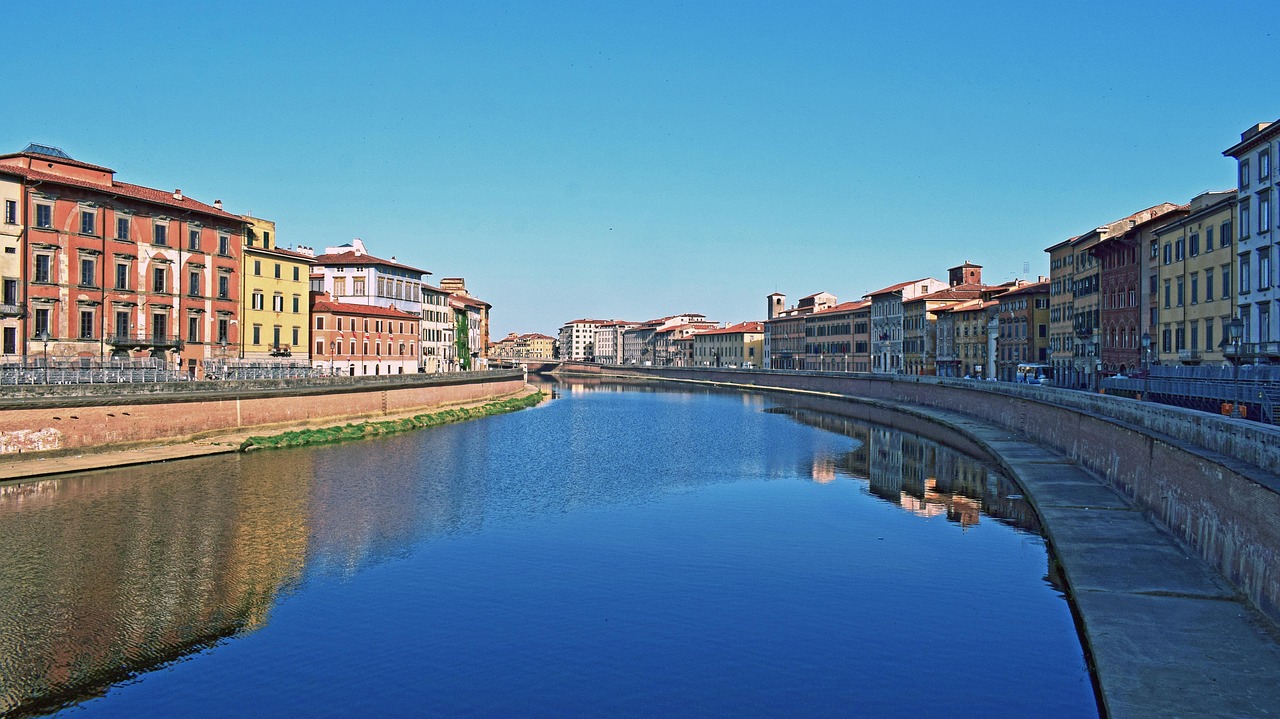
Things to do in Pisa: a calm, design-led first day beside the Arno River
For a refined arrival, things to do in Pisa, Italy, are less about cramming in sights and more about creating flow. Among Italian cities, Pisa is one of the easiest to read: a polished centre, a clear landmark axis, and a pace that suits both a half-day visit and a longer, more unhurried stay. I like to start with a gentle first look at the square of miracles, then return for timed entries once your day has found its rhythm—this guide to the best moments is really a guide to calmer choices.
Think of Pisa as a compact stage set: pale marble, green lawns, and the Arno River threading through it all. The goal is to build breathing space between the main attractions, so each stop feels considered rather than crowded, and every view has time to land.
Best time to visit Pisa, plus how to get to Pisa smoothly
Late spring and early autumn are ideal for comfort and photography, when the air is mild, and the crowds soften into a manageable hum. These shoulder seasons also change how sacred interiors feel—especially inside the cathedral, where quiet and cooler temperatures make the experience more reflective. May, early June, and September are particularly kind if you want warm light without peak-summer intensity.
To get to Pisa with minimal friction, flying into Pisa International Airport is wonderfully straightforward—especially with a pre-arranged transfer and luggage support. If you’re arriving by rail, Pisa Centrale connects easily with Florence and other Tuscan hubs; from there, a car service can deliver you to your door without you having to navigate on foot with bags. That small layer of support sets the tone for the entire trip to Pisa.
Get around Pisa on foot and preview simple, free highlights
Most travellers will simply walk, and that’s part of the pleasure. The centre is compact, and a curated loop helps you feel oriented: head toward the tower lawns for your first glance, then follow the river for calmer, local scenes. If you’re travelling as a couple, with family, or with limited mobility, a driver on standby can be the difference between “possible” and “effortless.”
Before timed entries, I always recommend sampling a few free highlights: broad piazza views, the lawn-framed sightline of the leaning tower, and a slow riverside stroll that lets the city exhale. It’s one of the best free ways to settle your pace, so when you do step inside the Duomo complex, you’re fully present.
- Walk to the leaning tower early for a calm first impression, then return later for your booked entry.
- Pause along the Arno for perspective—Pisa is a relatively easy city to read on foot.
- Keep your tickets and ID organised, especially if you’ve arranged priority access.
If you’re shaping a longer Tuscany itinerary, you can browse inspiration in our Trip gallery and see how this stop fits into the wider story of Tuscany.




Leaning Tower of Pisa – Climbing the Tower at Golden Hour with VIP Tickets
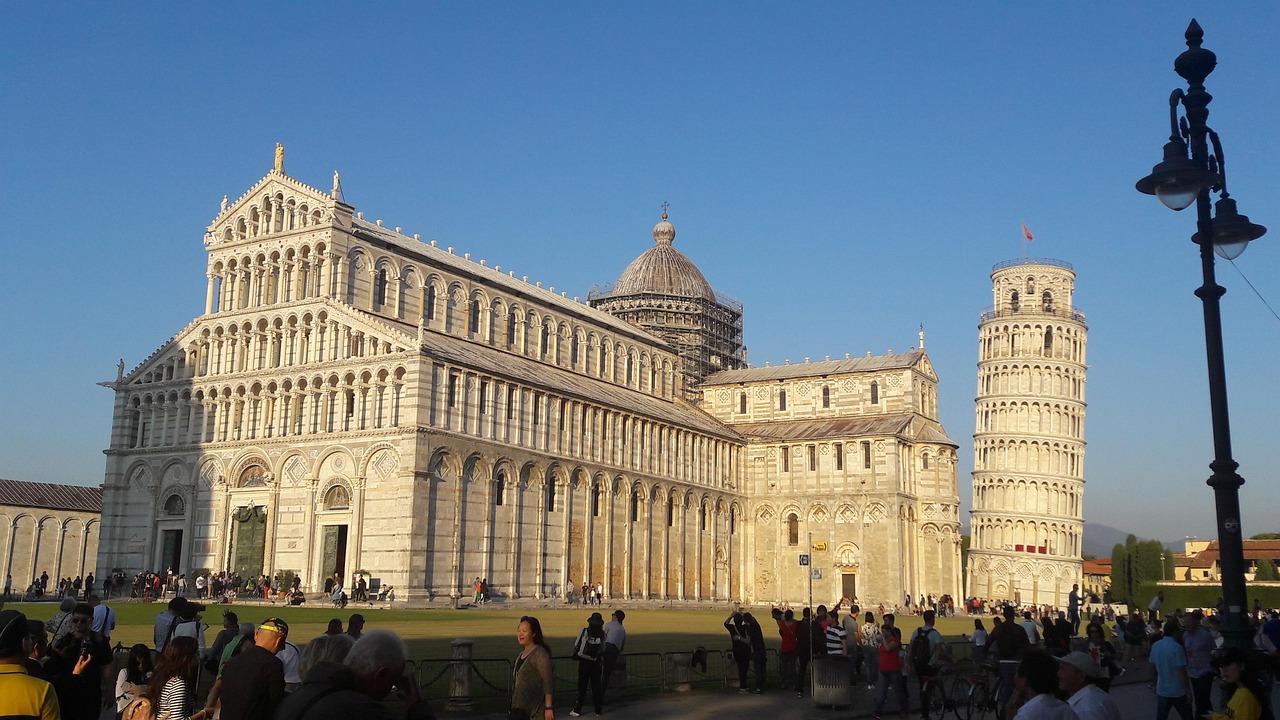
Leaning Tower of Pisa at golden hour: timed entry, calmer crowds, better light
If you’re searching for VIP tickets to climb the Leaning Tower of Pisa, the real luxury is certainty. Timed entry matters because the leaning tower is carefully managed; numbers are limited, and the most desirable slots disappear quickly. Book well ahead so your time matches your rhythm—especially if you want golden hour and a quieter ascent. Bring only a small bag, wear sturdy shoes, and arrive early so the experience begins with calm rather than haste.
Seeing the leaning tower up close is surprisingly emotional, even for seasoned travellers. There’s the tilt, of course, but also the craftsmanship—stone that looks soft in the evening light, and geometry that feels both confident and vulnerable. This is why I treat the world-famous leaning tower as a designed moment, not just an attraction on a checklist.
A steady ascent inside the bell tower: steps, sound, and safety
The climb is a sensory experience: worn steps, cool air, and the subtle feeling of the structure leaning as you spiral upwards. The interior is a bell tower, so listen for the change in acoustics as you rise and notice how the light shifts through the openings. Take it steadily; a measured pace is more elegant and far more enjoyable than rushing. If anyone in your party has concerns, it’s worth noting that the stairs can feel narrow and uneven, and the ascent may not suit every fitness level.
At the top of the tower, the reward is not just the view but the hush. You can get the best views over terracotta rooftops and the green line of the Arno, with the Duomo complex laid out like a model below—an instant reminder of how compact, walkable, and beautiful the city is.
See the leaning tower at sunset – photos, angles, and calmer crowds
One luxury traveller once told me that climbing the leaning tower at sunset felt “like stepping into a painting.” As the city turned honey-gold, the Arno shimmered, and distant rooftops softened into silhouette. The leaning tower wasn’t a trophy; it was a place to breathe, to feel Italy rather than simply record it.
To photograph the iconic leaning tower without the cliché, resist the urge to stand too close. Step back to include the grass and the curve of the piazza; try a symmetrical frame from the front of the tower, then a wider angle that captures the leaning tower and piazza together. For a refined look, shoot early or late when the marble reads as luminous rather than harsh.
A short note on the history of Pisa makes the moment richer: the Torre di Pisa (often written as Torre di Pisa) began as a proud statement of medieval ambition. The famous leaning tower is a marvel of engineering, not because it tilts, but because it has been stabilised with extraordinary care—an ongoing act of protection and trust across generations.
Square of Miracles (Piazza dei Miracoli) – Duomo, Pisa Cathedral & Piazza del Duomo
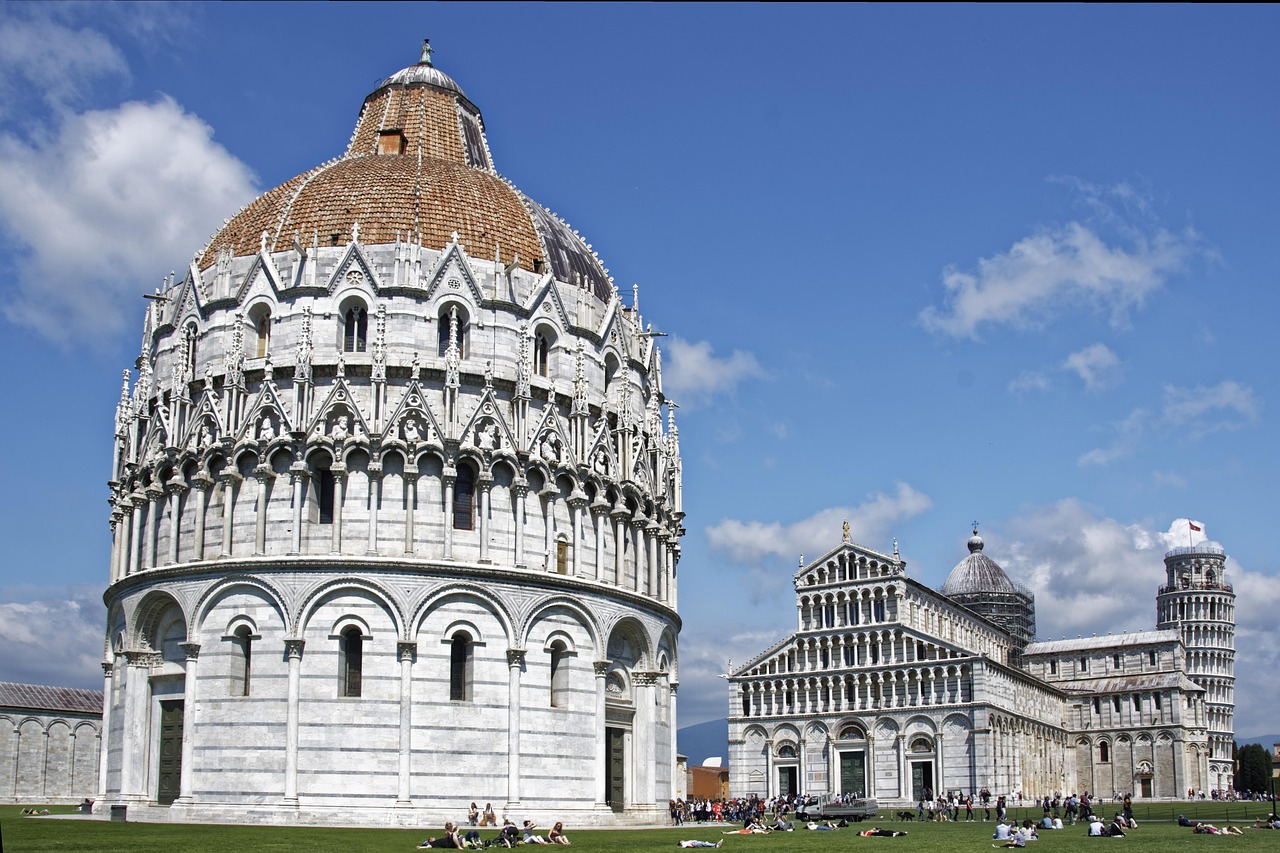
Square of Miracles: Duomo and cathedral interiors that reward slow looking
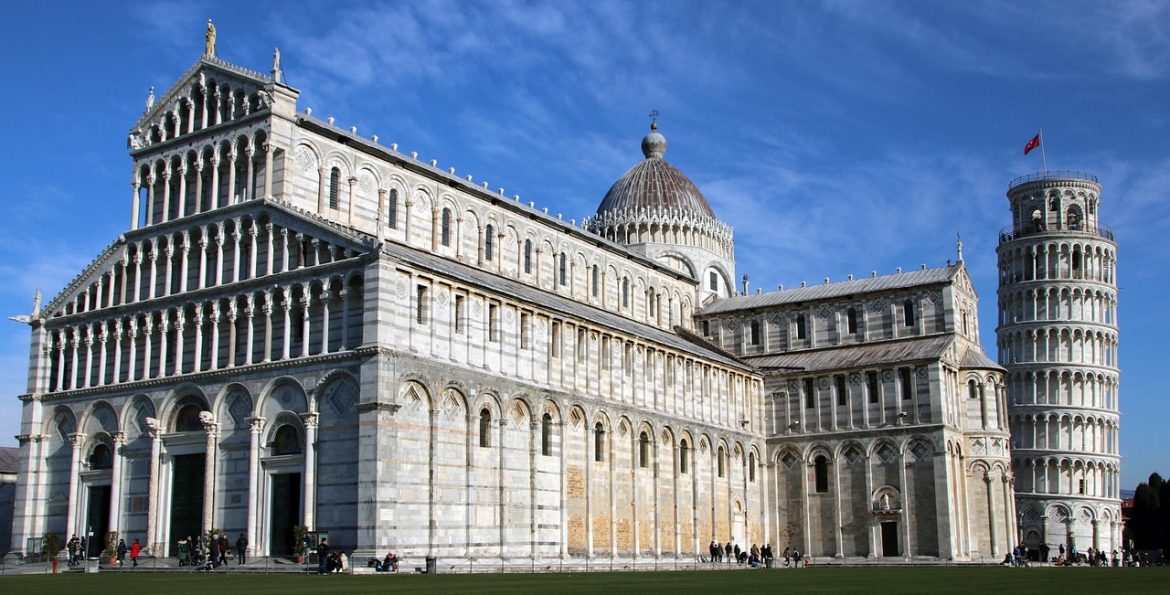
For travellers planning the Square of Miracles, Duomo Pisa Cathedral, and Piazza del Duomo, the secret is sequencing. The Piazza dei Miracoli—also known as the square of miracles—is a UNESCO ensemble that can feel crowded at midday, yet serene when you arrive early or return as the day softens. I recommend beginning outside: absorb the scale, notice how the marble catches light, then move to interiors with timed tickets. This keeps your experience relevant rather than reactive.
Because the complex is concentrated, it’s easy to “do it all” quickly. But the high-end approach is to explore with insight: slow down, let the details speak, and allow craftsmanship to become the story—this is one of the best ways to make a more meaningful visit.
Duomo and Pisa Cathedral: craftsmanship that’s worth slowing down for
The Duomo—the cathedral at the heart of the square—feels like a masterclass in Romanesque artistry. Marble bands, carved columns, and luminous arches create a rhythm that’s both grand and soothing. Listen for the subtle shift in sound as you step inside the cathedral; the space draws your attention gently. This is the Pisa Cathedral, carefully made and carefully kept, and it remains a centrepiece attraction in Tuscany for good reason.
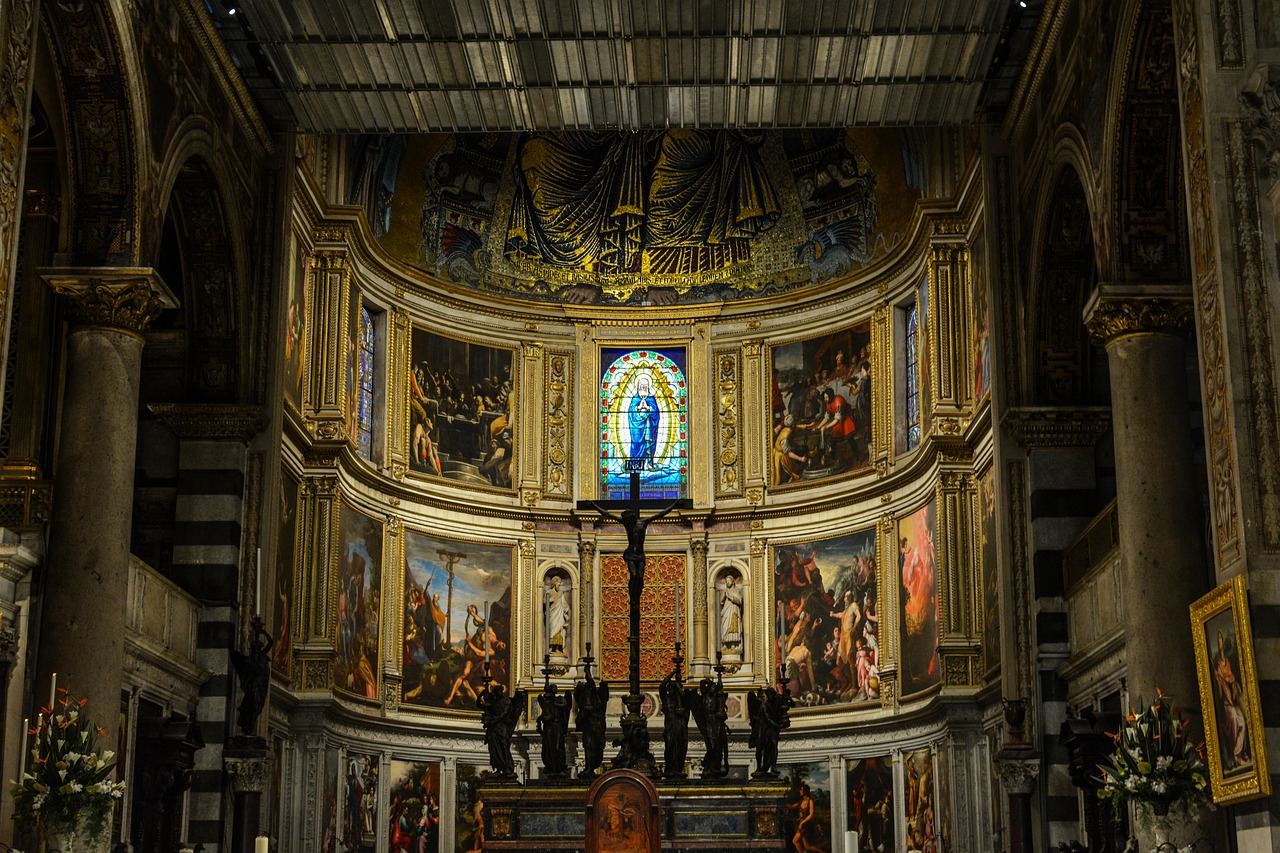
Look up as well as out. Ceiling details, carved patterns, and the way light moves across stone are part of why the cathedral experience stays with you long after you’ve left the piazza. Even if you’ve visited many cathedrals across Europe, Pisa still manages to feel distinct—more maritime in spirit, more intricate in its storytelling.
Battistero di San Giovanni and Camposanto Monumentale for deeper context
Don’t miss the Battistero di San Giovanni. The acoustics inside the Baptistery are quietly astonishing; a short demonstration (when offered) can feel like a private concert. Nearby, the Camposanto Monumentale offers sculpture, fragments, and layers of memory—an elegant counterpoint to the bright lawns outside. Together, these sites transform the piazza from a single attraction into a coherent artistic world.
For those who enjoy a deeper context, a private guided tour can help you uncover lesser-known areas and, where available, rooftop viewpoints. This is where the ensemble becomes human: you learn about artisans, tools, and the patient logic behind the marble. It’s also where you begin to see the Leaning Tower of Pisa not as a standalone icon but as one element within a crafted, living site.
- Dress modestly for the cathedral and sacred spaces—shoulders covered is a safe choice.
- Keep voices low and phones silent; quiet behaviour is a form of care.
- A simple greeting to staff and guides goes a long way in Italy.
With that etiquette in place, you can visit Pisa feeling supported and confident—free to focus on beauty rather than logistics.
Beyond the Leaning Tower – Pisa Old Town Palazzi, River Views, and Local Art
Pisa old town: palazzi, quiet lanes, and small-scale local art
When people look for Pisa’s old-town charm, they’re usually craving the city that locals recognise. This is where the destination becomes personal: shadowed lanes, polished stone thresholds, and the occasional courtyard that feels like a secret. After you’ve taken in the leaning tower, give yourself permission to drift—this is one of the best things you can do for a richer, more local connection.
A gentle route works beautifully here: begin near the monument lawns, then let the streets guide you towards cafés, boutiques, and quieter churches. It’s less about chasing top things and more about uncovering a mood that feels unmistakably Tuscan.
Walk from the leaning tower into Borgo Stretto and the palazzo facades
Head towards Borgo Stretto, one of Pisa’s most atmospheric streets. Under its arcades, you’ll find refined shops and a sense of old-world cadence—ideal for slow exploration. Keep an eye on each palazzo façade: shutters, coats of arms, and subtle architectural flourishes that hint at the city’s historic wealth. Pisa rewards travellers who look up.
As you continue, notice how the city shifts from monumental to intimate. A single doorway can lead to a hidden courtyard; a quiet side street can reveal a small workshop where local makers still practise their craft. For a meaningful souvenir, consider paper, leather, or jewellery—crafted pieces from vetted makers, chosen with care rather than impulse.
See in Pisa: Santa Maria della Spina and a curator’s welcome
Along the river sits Santa Maria della Spina, small in scale yet exquisite in detail. Late afternoon is especially flattering, when the light softens, and the stone lacework becomes almost delicate. Step inside (when open), or simply pause outside for a moment of reflection; it’s a quiet attraction that feels like a gift.
A frequent high-end traveller once shared their surprise at discovering an intimate gallery tucked away in the old town. The curator offered a personalised tour—stories about local artists, small masterpieces, and a sense of welcome rather than processing. That’s the Pisa I love: the city that creates room for conversation, especially when you’ve planned a calm route near the leaning tower and then allowed the afternoon to unfold.
If you’d like one niche, elevated perspective, consider the mura di Pisa—a walkway that offers rooftop-like views without the intensity of tower steps. Alternatively, a curated visit connected to the University of Pisa and Normale di Pisa adds intellectual heritage to your stroll, turning a simple wander into expert-led insight.
Around Pisa – Day Trip from Florence to Cinque Terre and Beach Time
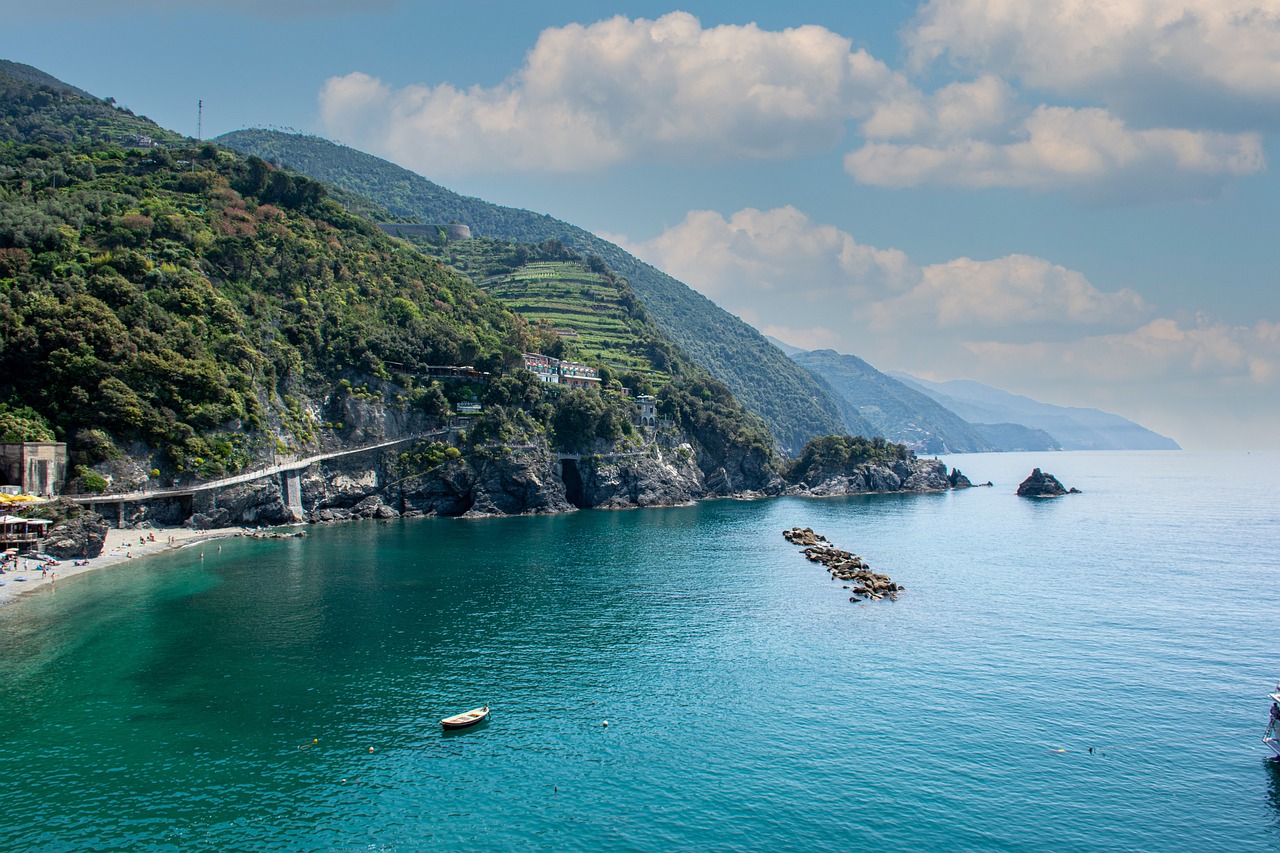
Around Pisa: day trips to Florence, Cinque Terre, and easy coastal air
If you’re researching a day trip to Pisa from Florence, Cinque Terre, and Tuscany Beach, the good news is that Pisa plays beautifully with others. Many travellers experience Pisa as a day trip, and if it is on the way between hubs, a little design can turn it into a highlight rather than a detour. The key is timing—reserve the leaning tower early, then let the rest of the day unfold with ease.
From Florence, you can manage a day trip to Pisa by train or private car. The train is efficient; a driver is more seamless, especially if you’re travelling with luggage or want door-to-door comfort. For a half day, focus on the Piazza dei Miracoli and one unhurried riverside pause.
Pisa from Florence: a refined, timed-entry itinerary
For a classic day trip from Florence, I recommend this shape: arrive early, take a slow loop around the lawns, then return for your timed tower or Duomo entry when the light is flattering. After the cathedral complex, enjoy an unhurried lunch and a short Arno stroll—then decide whether you’re returning to Florence or extending into the landscape. This is how you visit Pisa on a day without feeling as though you’ve sprinted through it.
If you’d like an elegant pairing, add a Tuscan countryside tasting in the afternoon. A small winery experience with seasonal food can be designed to feel intimate rather than showy—an easy way to connect Pisa to the broader story of Tuscany and its Tuscan flavours.
Near Pisa: Cinque Terre day trips and relaxed coastal time
For something more dramatic, consider Cinque Terre—best approached with a driver-to-train handover so you avoid parking stress and keep the day calm. With expert support, you can enjoy the villages without the usual friction, then return to Pisa or Florence in the evening. It’s also a way to taste a northern Italian coastal feel without rushing.
If your idea of luxury is simply space and sea air, a beach pause is wonderfully realistic. The best beaches within easy reach include the Marina and Tirrenia area, ideal for a late-afternoon aperitivo by the water. It’s not about a full seaside holiday—just a soft landing after marble and museums.
For those who drive to Pisa, be aware of ZTL restrictions (limited traffic zones). A concierge or driver can help with valet solutions and comfortable drop-off points near the monuments, so you’re not circling streets or worrying about fines. If you’re driving to Pisa as part of a wider route, this small bit of planning helps preserve the mood of the day.
Eat in Pisa, Stay in Pisa – Best Places to Stay for a Tuscan Night
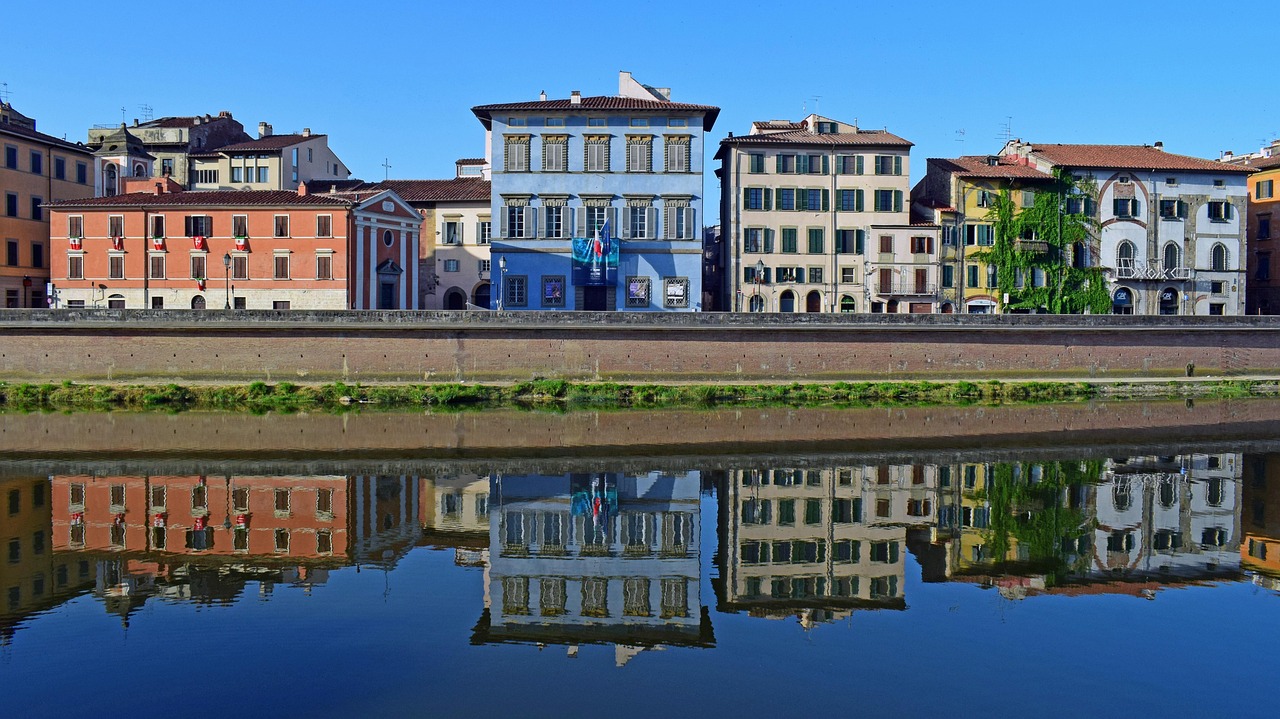
Where to dine and where to stay: quiet confidence and well-timed reservations
When you’re looking for dining and accommodation reassurance, you’re really asking: where will it feel worth it? The answer is to choose places that are discreetly excellent—chef-led, seasonal, and thoughtfully hosted—then reserve ahead so the experience is seamless. Pisa’s dining scene can be understated, but that’s part of the charm: less theatre, more flavour, more local warmth. Let your meals become another way to explore this corner of Tuscany.
Plan your evening around lighting the same way you plan your monuments. A riverside table can turn an ordinary night into a memory you carry for years, especially when the city quietens, and the stone seems to glow.
Where to dine in Pisa – seasonal Tuscan cuisine with reservations
For high-end travellers, the most rewarding approach is to book in advance at top-tier restaurants and ask for seasonal recommendations. Think Tuscan classics with a refined touch: local oils, handmade pasta, market vegetables, and regional wines that anchor the flavours in place. If you enjoy a more curated experience, a chef-led tasting menu can feel beautifully designed—crafted pacing, thoughtful pairings, and a sense of care in the service.
One visitor described a serene moment dining at an exclusive riverside restaurant, savouring authentic Tuscan cooking while watching illuminated facades reflect on the water. From that seat, the city felt less like an itinerary and more like a place where you could simply be together.
Places to stay in Pisa and a seamless service checklist
Choosing where to stay in Pisa depends on your preferred mood. Boutique elegance near the centre suits travellers who want to step out and reach the leaning tower, lawns, and cafés with ease. If you’d rather wake to quiet and greenery, a property just outside town can offer tranquillity, with private transfers arranged for your return visits.
As a simple accommodation strategy, decide whether you want proximity or stillness—then let service fill the gaps. A good place to stay is one where details are handled before you need to ask, so you can enjoy your itinerary at your own pace. For many travellers, the best places combine calm rooms with a concierge who can book tickets and tables.
- Concierge support for dining reservations and museum timing
- Private transfers, including station pick-ups and luggage handling
- Early ticket handling for the leaning tower and Duomo sites
- A plan for travelling as a couple or small group without friction
Value, in the end, is about how the trip feels. With expert guidance, you can design a stay that’s personal, calm, and worthy of trust—where comfort is not an upgrade, but the baseline.
F.A.Qs: Things to know before you visit Pisa
FAQs for visiting Pisa: timing, priorities, and how to make it feel unrushed
Is Pisa, Italy, worth visiting for more than the tower?
Yes—especially if you design your visit around timed entry and quieter hours. Beyond the main monument, the square of miracles is a UNESCO World Heritage Site with a remarkable cathedral, baptistery, and monumental cemetery. Add a short Arno stroll and a well-chosen meal, and the city feels elegant rather than rushed.
What are the best things to do in Pisa over 3 days?
Over three days, balance the Piazza dei Miracoli with slower discoveries: palazzi-lined streets, Santa Maria della Spina, and a curator-led art visit. Include an unhurried food focus with seasonal Tuscan dishes, then take a day trip—either coastal time or a guided Cinque Terre outing.
Which is nicer for travellers, Florence or Pisa?
They’re different. Florence is larger and museum-rich, with a grand Renaissance intensity. Pisa is more compact and can feel calmer once you step away from the busiest photo spots, making it ideal for travellers who value a slower rhythm. Many high-end itineraries pair them so you enjoy Florence’s scale and Pisa’s intimacy.
What things to do in Pisa in a day will feel unrushed?
Start early at the square of miracles, then use timed tickets for the tower, the cathedral, and the baptistery. After lunch, stroll into the old town for artisan shops and a river moment at Santa Maria della Spina. Finish with a reserved dinner and a gentle evening walk for the best atmosphere.
Pisa travel guide reflections – what stayed with me after the Leaning Tower
In the quiet after the day, my reflections don’t arrive as facts—they arrive as sensations. Marble cools as twilight settles; your footsteps sound different once the crowds thin; somewhere a bell carries across the air with an unhurried certainty. The leaning tower is still there, still tilted, yet it feels less like a spectacle and more like a companion to the evening.
I remember the hush inside the cathedral, the way candlelight and stone seem to hold a conversation. I remember how a simple greeting from a local, offered without ceremony, made the city feel intimate, and how a slow riverside pause can be just as memorable as a ticketed monument.
What lasts, I think, is the comfort of a journey designed with confidence. When timing, transfers, and reservations are quietly handled, you get to be present for the small moments: a glint of light on the Arno, a doorway opening onto a courtyard, a pause that feels like your own. Visit Pisa with that mindset, and you’ll understand why it can feel both iconic and surprisingly personal.
And as you leave, there’s no urgency in what comes next, only curiosity: another Tuscan corner, another street where the light changes, another Italian chapter waiting to be uncovered when you’re ready.