Post Contents
- Islands in Italy: how to choose the perfect island in Italy for a luxury escape
- Capri: the Blue Grotto and Bay of Naples glow for a refined luxury island day
- Sardinia: Costa Smeralda beach glamour and Pandemia private island calm
- Sicily & the Aeolian Islands: Lipari culture, Baroque details and volcanic islands like Stromboli
- Other Italian island favourites: Ponza, Elba, Venice lagoon and the Tremiti Islands
- After Italy: what stays with you from Italy’s islands for luxury travel reflections
- F.A.Qs: island in Italy essentials for high-end travellers
Islands in Italy: how to choose the perfect island in Italy for a luxury escape
Islands in Italy: choosing your perfect island along a sunlit coastline
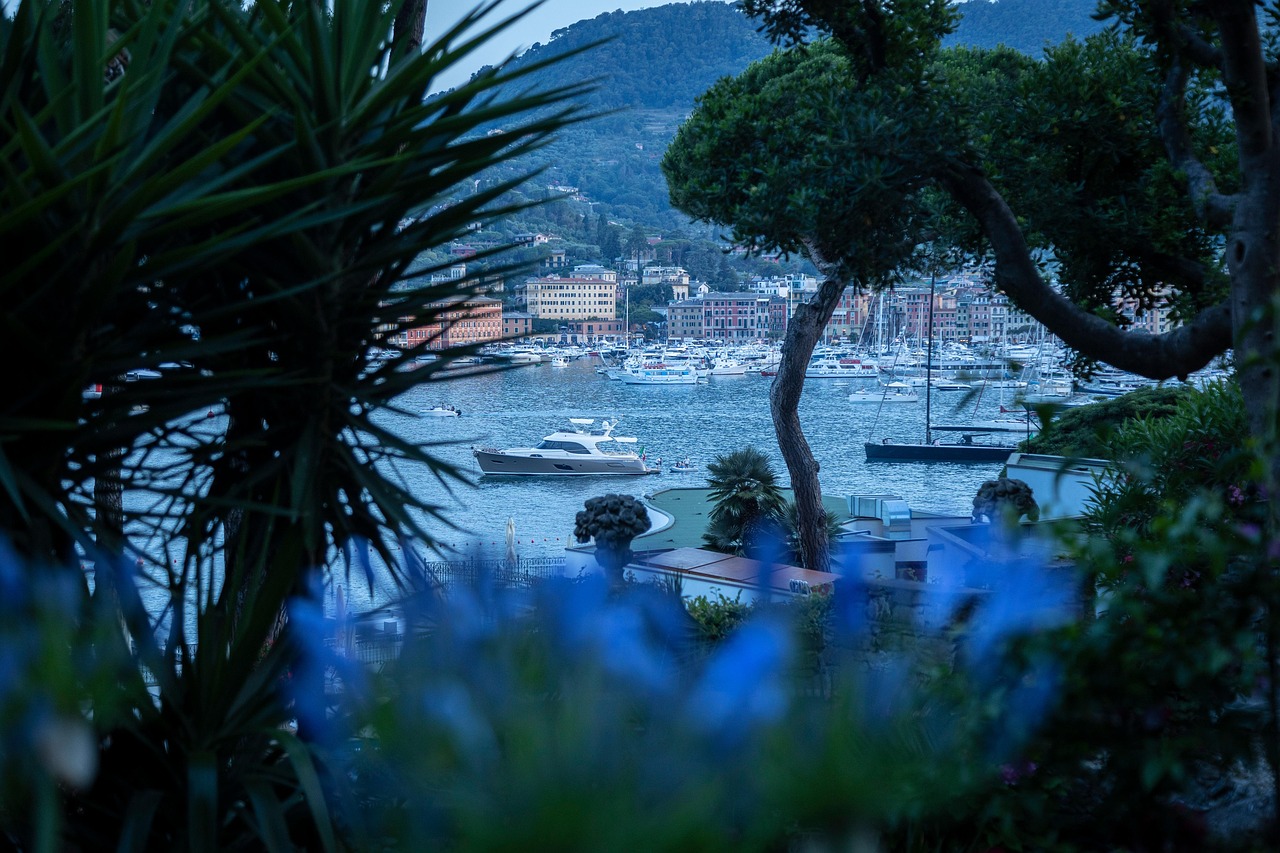
When you’re deciding between islands in Italy, the smartest luxury approach begins with one simple truth: every island has its own rhythm, and the best choice is the one that matches how you want to feel. In the Tyrrhenian Sea, Capri, Ischia and Procida deliver polished glamour close to Naples, while a wilder archipelago off the Lazio coast (including Ponza and the island of Palmarola) feels more intimate and understated. Sardinia’s Costa Smeralda is a masterclass in beach elegance, and Sicily opens the door to island worlds—especially the Aeolian Islands, a chain of seven islands where volcanic silhouettes shape the horizon.
If you’re craving an Adriatic counterpoint, the Tremiti Islands offer clear water, small harbours and a slower pace that still feels quietly exclusive. From cliff-framed coves to long, sunlit coastline drives in Tuscany, this North African-facing corner of Europe is remarkably varied. For perspective: Italy has over 400 islands, and the art is choosing the island that fits your time, style and appetite for exploration—without trying to see everything at once.
Design your escape with confidence on an Italian island
High-end travel isn’t about doing more; it’s about doing the right things, in the right order, with support that feels personal. Use this simple matrix to choose an italian island that fits your taste, then refine the details—hotel location, boat style, and dining pace—so the experience feels effortless.
- Romance vs family: Capri and the Costa Smeralda suit couples; Elba and Sicily suit multi-generational stays with space to breathe.
- Beach vs culture: Sardinia is beach-first; Venice lagoon islands offer a culture reset between coastal chapters.
- Small islands vs the biggest island: tiny island charm on Palmarola or Levanzo; wide-ranging variety on Sicily, Italy’s biggest island and also the largest island in the Mediterranean.
- Festival energy vs tranquillity: Italians adore summer living—late dinners, saints’ days, fireworks—so timing matters if you prefer calm.
Wherever you land, a little etiquette goes a long way: dress elegantly for upscale dining, greet warmly, and follow local cues around boats and beach clubs. That respect is often returned with genuine care, quieter tables, and better advice for a hidden cove or sunset viewpoint.
Timing and transfers for seamless islands in Italy travel (ferry, hydrofoil, and private boat)
For a seamless feel, late spring (May–June) and early autumn (September) are your sweet spots. The weather is mild, beach clubs are attentive rather than overwhelmed, and ferry terminals feel calmer. Restaurants can give you the table you actually want—especially those terrace seats where the light turns soft at golden hour.
Getting there can be wonderfully straightforward with a little expert planning. Ferries and the hydrofoil connect Naples, Sorrento and other ports to Capri and Ischia, while flights and onward transfers open up Sardinia and Sicily. If you’re combining city and sea, think in pairs—Rome and Naples for the Bay of Naples islands—so the journey feels curated rather than rushed. For extra calm, a charter yacht or private captain creates value when queues would steal your time, when sea conditions change quickly, or when you want luggage handling and tender transfers managed with quiet confidence.
For premium suites, book well ahead in peak season, and reserve beach clubs as soon as you know your dates. For any boat excursion, choose licensed operators and follow life jacket guidance when advised—support and safety are part of luxury, not an afterthought. If you’d like to browse itinerary ideas before we dive into specifics, you can start with our Trip gallery.




Capri: the Blue Grotto and Bay of Naples glow for a refined luxury island day
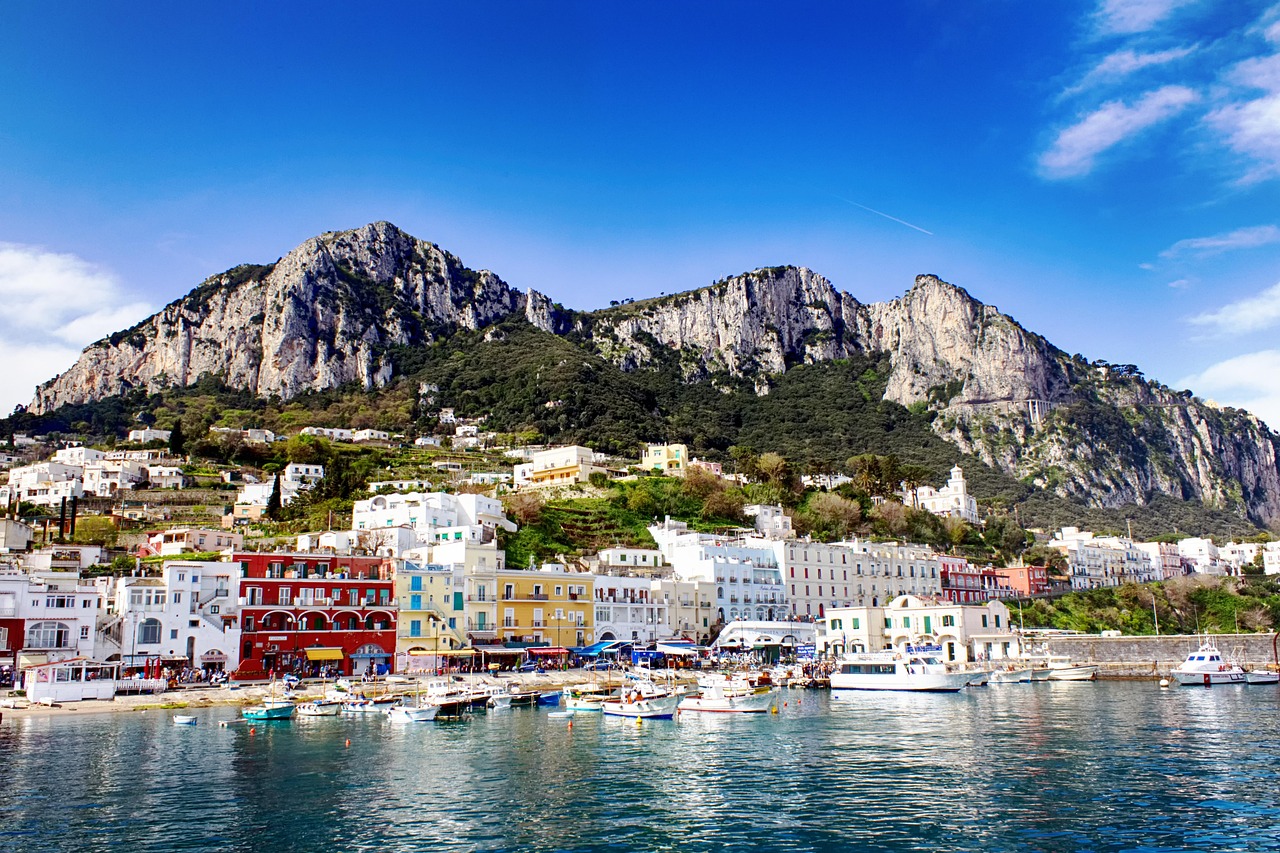
Capri: the Blue Grotto and the Bay of Naples glow at the waterline
For many travellers, a Capri Blue Grotto luxury experience starts as a photograph and becomes something far more personal. One guest once told me about slipping into the Blue Grotto at sunrise—before the day-trippers, before the chatter—when the sea felt like polished glass. Inside, the light turned surreal: an electric, ethereal blue that seemed to rise from the water itself, and a hush that made the moment feel almost private, even in a famous place.
This jet-set island is often described as “the most beautiful island” in conversation for a reason: dramatic cliff edges, polished style, and a coastline that keeps revealing itself. The real magic, though, is how you time it—so you can discover wonder without stress and explore with confidence rather than elbow-to-elbow energy.
How to explore Capri’s Blue Grotto, coves and grottos with calm timing
Sea conditions decide whether the Blue Grotto is open, and the queue can swell quickly once boats begin arriving. In practice, the most seamless approach is to plan early, keep your schedule flexible, and let a trusted captain advise on the best moment to approach.
With a private boat, you can uncover quieter coves and additional grottos along the coastline, then return when the grotto’s entrance looks manageable. This style of day also lets you create a pace that suits you—linger for a swim, pause for photos, or drop anchor in a sheltered cove for snorkel time beneath a sheer cliff.
Arriving from Naples by hydrofoil: port transfers, luggage, and an effortless start
Most guests arrive from Naples or Sorrento by hydrofoil, which is fast and practical. The key is handling the in-between moments: port meet-and-greet, luggage assistance, and a pre-arranged transfer so you’re not negotiating on the spot. Naples can feel busy in summer, but with concierge support you move from terminal to tender as if it’s all one connected experience—then, later, you can still enjoy a simple aperitivo moment in Chiaia before dinner.
Beyond the Blue Grotto, the island rewards small, high-end pleasures: a sunset aperitivo viewpoint, discreet boutique shopping, and a dinner reservation where dressing elegantly signals respect. Italians notice that effort, and it’s often met with warmer service and the kind of local insight that turns a good evening into a story.
A final note of care: always use licensed operators, listen when the crew recommends life jackets, and accept weather calls with trust. If the grotto is closed, your captain can still design a beautiful island day—swims beside a limestone wall, a calm cove for a second snorkel, or an unhurried circuit of the coastline that reminds you why you came.
Sardinia: Costa Smeralda beach glamour and Pandemia private island calm
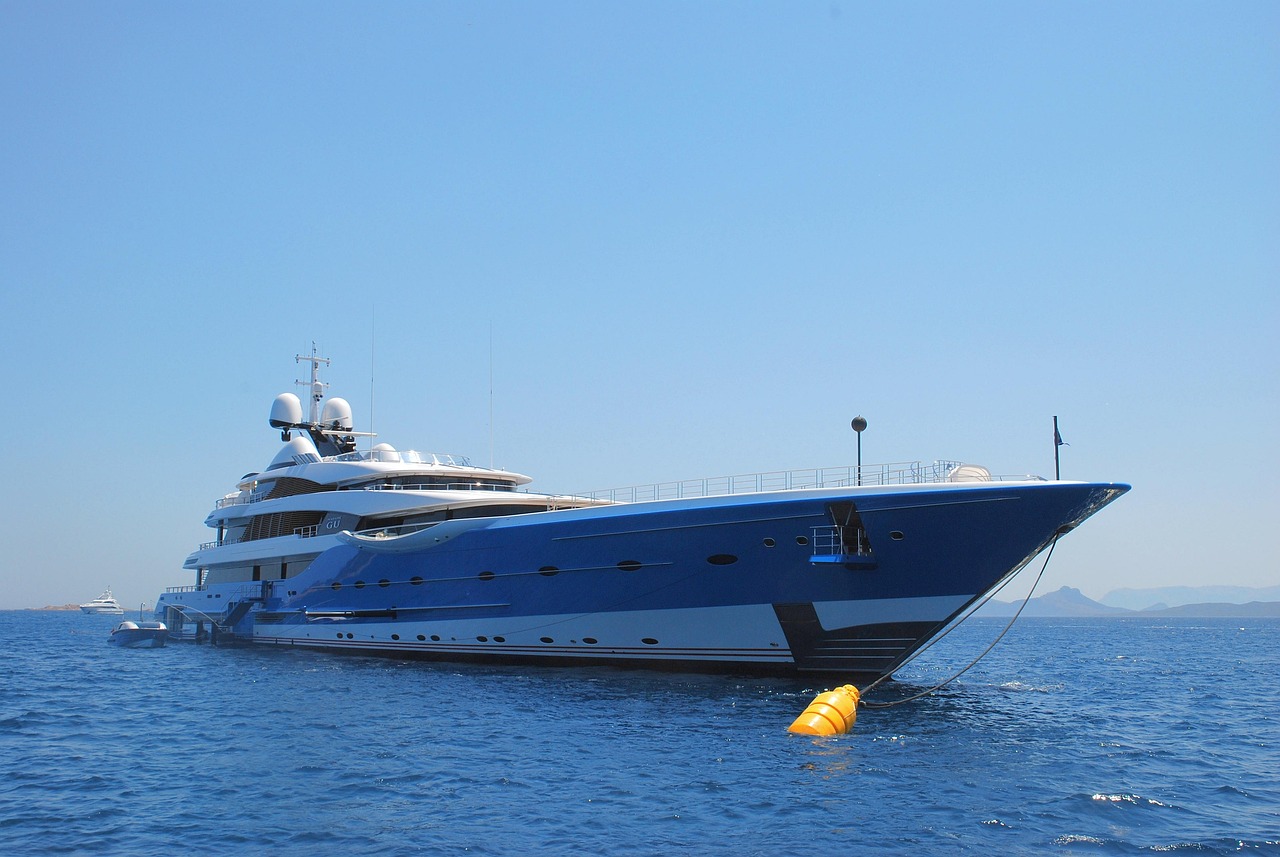
Sardinia: Costa Smeralda calm and a private island day aboard a luxury yacht
A Sardinia Costa Smeralda itinerary is, at heart, about ease. Sardinia’s white-sand bays and clear water are instantly soothing, but the island truly shines when the day is crafted around you: a marina pick-up without waiting, a coastal route chosen for the wind, and a lunch reservation that feels personal rather than performative.
There’s a particular pleasure to this island because it gives you space. Even in peak season, you can design quiet: early departures, a gentle return, and a cove where the only soundtrack is water against the hull.
Pandemia as a private island day: exclusive beach clubs and quiet anchoring
Pandemia, a private island off Sardinia, suits travellers who want tranquillity without compromise. The point isn’t spectacle; it’s restraint—pristine nature, beautifully managed access, and exclusive beach clubs where service is attentive yet discreet. Arrive late morning, settle into a shaded cabana, then let the afternoon unfold: a swim, a slow read, an unhurried glass of chilled Vermentino, and a curated lunch that feels designed together with you.
Because these experiences depend on limited space, booking windows matter. With the right support, your day holds its shape: no last-minute scrambling, no uncertainty about where you’ll anchor, and no awkwardness over etiquette. Simple tender etiquette—waiting for the crew’s cue and keeping the deck tidy—keeps everything smooth and respectful.
Costa Smeralda romance and the Maddalena archipelago: snorkel stops and diver-ready crews
A honeymoon couple once described their private boat tour around the Costa Smeralda as “finally exhaling”. Champagne arrived quietly, and the skipper chose secluded beaches where they could step ashore as if it were their own island for the hour. Later, an intimate beachside restaurant served seafood so fresh it felt like the sea was part of the table setting.
For an extra layer, day-trip the Maddalena archipelago. A certified diver can ask for deeper spots, while others float, snorkel, or simply watch the coastal colours shift from jade to deep blue. The secret is pacing: fewer stops, longer pauses, and a route chosen for comfort.
- Ask for skipper credentials and confirm the operator is licensed.
- Trust weather calls; the calmest beach isn’t always the closest.
- Plan a late-evening return if you love soft light and quieter marinas.
On this island, luxury is often the absence of friction. With expert planning and a captain who reads the sea, you return to shore feeling restored—supported, not shepherded.
Sicily & the Aeolian Islands: Lipari culture, Baroque details and volcanic islands like Stromboli
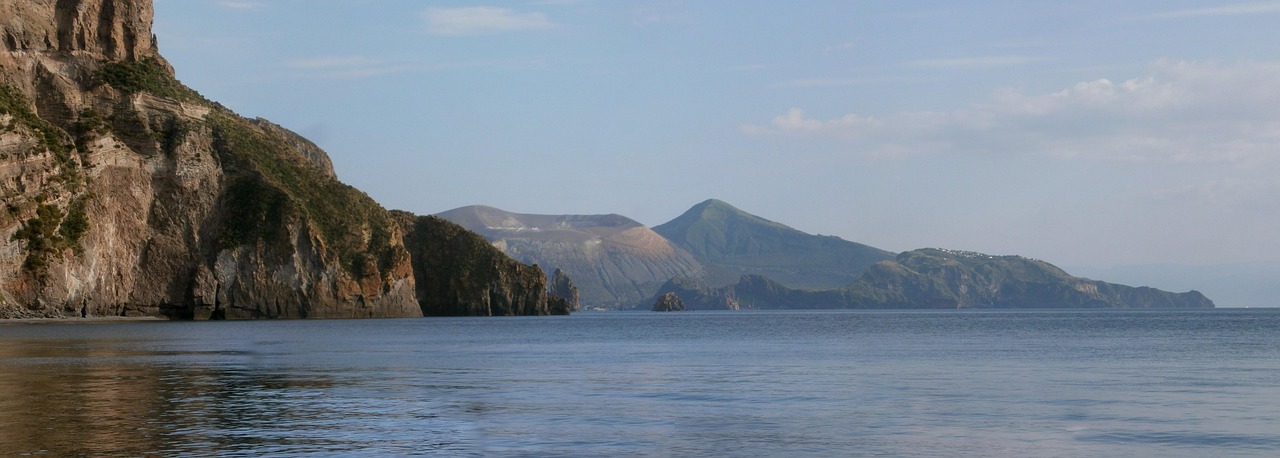
Sicily and the Aeolian Islands: Lipari ruins, Baroque charm, and volcanic drama above the harbour
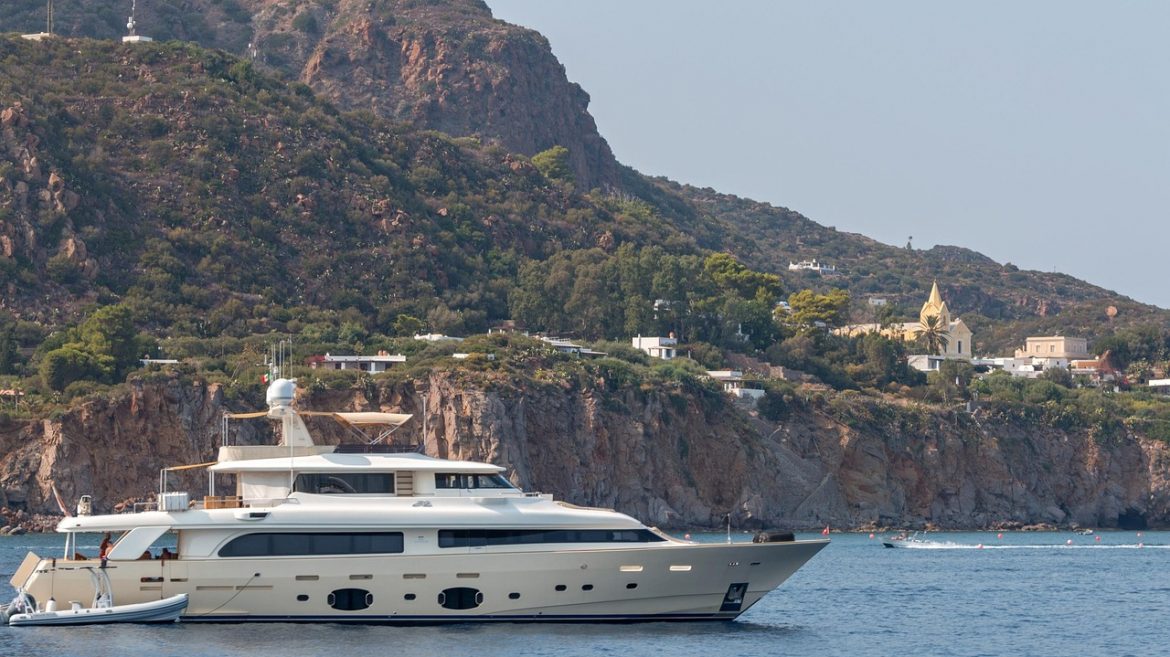
A Sicily and Aeolian Islands journey feels like stepping into layered history—Greek and Roman echoes, Baroque details, and volcanic scenery that makes the air feel charged. The coast of Sicily is your gateway, with routes north towards the Aeolian Islands and their distinct personalities: stylish Panarea, restful Salina, and cinematic Stromboli, where the volcano can glow at dusk across the water.
Sicily is an island that rewards slow attention. Done well, it doesn’t feel like a checklist across sea and ports; it feels seamless, like a single story unfolding from harbour to piazza, with time built in for long lunches and unplanned detours.
Lipari archaeology and Baroque pacing, plus fishing villages and a local seafood plan
Lipari is ideal for travellers who want culture with comfort. With a private guide, you can explore ruins and museums in a shaded, thoughtful rhythm—no fatigue, no rushing, and plenty of time to pause where the light is best. Baroque architecture sits naturally alongside ancient fragments, and the harbour’s fishing villages keep the atmosphere grounded and real.
Then comes the restorative piece: a local-first seafood plan. Think grilled catch of the day, capers from nearby slopes, and a table timed for the gentler hours. This is where high-end travel becomes human—crafted around appetite and energy, not a timetable.
Stromboli at dusk: volcanic boat excursions, safety, and crater views
Seeing Stromboli is one of those volcanic moments that stays with you. The best experience is usually at dusk, when the coastline fades and the crater glow becomes visible. Comfort matters here: choose a boat with good seating, clear safety briefings, and a skipper who will adjust distance based on sea conditions and official guidance.
A traveller once shared that the most joyful way they explored this archipelago was by scooter—gliding between fishing villages, stopping at a hidden cove for a swim, then ending in a family-run trattoria where the owner insisted they try a house dish “for insight”. That sort of encounter is quintessential Sicily: warm, direct, and generous with care.
For logistics, Palermo and Catania are the most useful gateways, making it easy to combine city nights with island calm. From there, plan your island-hop so you’re not constantly packing: two bases are usually plenty, with day boats filling in the rest. If you’re also visiting the northern coast of Sicily, you can thread it together in a way that feels continuous rather than fragmented.
Other Italian island favourites: Ponza, Elba, Venice lagoon and the Tremiti Islands
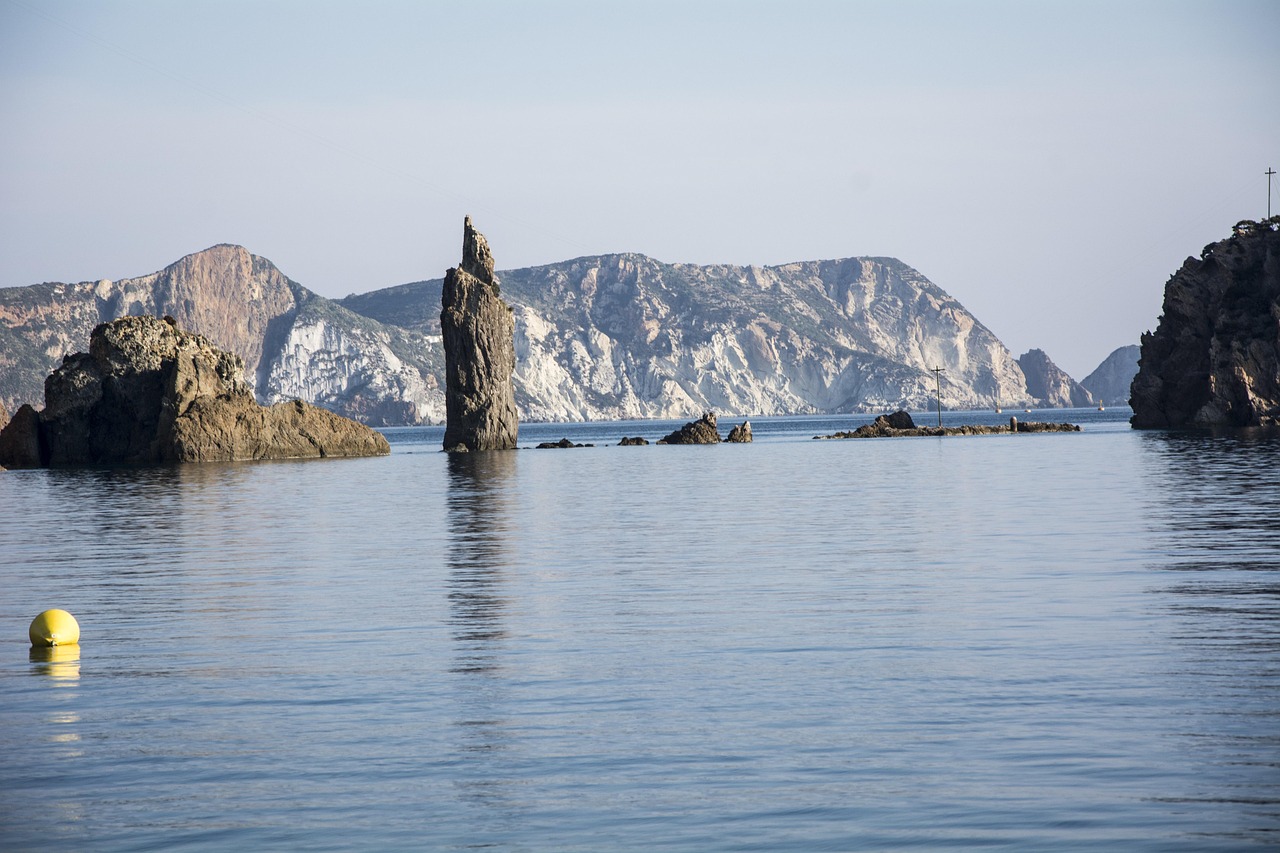
Other Italian island favourites: sea stacks, open water, and character-rich escapes
If you’ve already experienced Capri and want a second chapter, these alternatives offer beautifully varied character without feeling overproduced. Think of them as small islands where a single day can feel complete: a boat ride, a swim, a long lunch, and a golden-hour return with bobbing fishing boats in the harbour.
They’re also ideal for travellers who like contrast—pairing beach ease with culture, or wilderness with a well-made picnic and a great bottle of wine.
The Pontine Islands (Lazio): Ponza, limestone cliffs, and the island of Palmarola
Ponza is the star: colourful, relaxed, and edged by limestone formations that catch the sun. The iconic Chiaia di Luna—often referenced as chiaia di luna—sits beneath limestone cliffs and feels almost unreal from the water, especially when the light turns honey-gold.
For something even quieter, slip to the island of Palmarola. Palmarola can feel like a tiny island pause from the world, with calmer anchorages, a craggy profile, and that rare islet sensation of having nature to yourself. Ask your skipper to tuck into a protected cove for a swim and a quick snack before you cruise back.
Tuscany’s Tuscan archipelago, Venice culture breaks, and the Tremiti Islands in the Adriatic
Tuscany’s coastline opens onto the tuscan archipelago, anchored by Elba—famous for Napoleon and his exile here in 1814. Elba is also an island in the tuscan archipelago that suits longer stays: gentle drives, views, and an easy mix of beach time and hiking and biking. Nearby Giglio offers a more intimate feel, and together they sit within parco nazionale dell’arcipelago, where trails and viewpoints make your days feel naturally spacious.
If you’re curious about lesser-known names, Capraia and Pianosa are quietly compelling. Pianosa has a history as a penal colony, which gives the island a distinct atmosphere—stillness, stories, and a sense of protected space.
For culture between sea days, Venice is a stylish add-on via its lagoon islands. A morning among Murano glass studios, followed by Burano’s colour, can feel like a perfectly judged interlude before you return to the water.
On the Adriatic side, the Tremiti islands—Tremiti—are a joy for snorkelers and divers. Base yourself around San Domino, then visit San Nicola and Santa Maria for history and calm coves (each little cala has its own mood). Don’t miss Cala delle Arene for an easy swim, and if you’re travelling from Puglia or the Gargano coast, the link to Gargano National Park makes a beautiful land-and-sea pairing.
- For Ponza: charter a small boat to explore hidden bays and avoid the busiest hours.
- For Elba and Giglio: plan one “viewpoint day” and one “slow beach day” to keep the balance.
- For Tremiti: choose calm weather windows and confirm your operator’s safety briefing.
If Sicily is calling again, add the aegadian islands and Levanzo for Grotta del Genovese, then pair it with the west coast of Sicily and an onshore day to the Valley of the Temples. It’s an elegant way to widen your view without overfilling your schedule.
After Italy: what stays with you from Italy’s islands for luxury travel reflections
After a journey through this destination, it’s rarely the headline moments that linger in the way you expect. It’s the sensation of light: the Blue Grotto’s impossible blue, Sardinia’s calm water turning silver in the late afternoon, and Sicily’s volcanic dusk when the horizon looks softly inked. These are the kinds of memories that don’t feel “ticked off”; they feel quietly transformative, as if your sense of time has been gently re-set.
And then there’s the human thread. Italians who offer directions with a warmth that feels unhurried. Captains who read the sea like a language and make careful calls without drama. A local meal that becomes a story because someone took the time to explain what you’re tasting, and why it matters here, on this island, in this season.
Long after you’ve returned to mainland italy, you may notice a new confidence: the ease of moving through unfamiliar places with curiosity and trust, and the comfort of knowing you can design travel that truly suits you. These dreamy islands don’t just give you photographs; they give you perspective, and a calm you can call on when life gets loud.
Some evenings, you’ll remember an almost-still sea, soft light, and a distant coastline you couldn’t quite name—only feel. And in that quiet, another horizon seems to appear.
F.A.Qs: island in Italy essentials for high-end travellers
What is the nicest island in Italy?
It depends on what “nicest” means to you. Capri is iconic for dramatic coastline and the Blue Grotto, especially if you go early for a calmer feel and fewer queues. Sardinia is often chosen for white-sand beaches and refined beach clubs, while Sicily offers the richest mix of culture, food and volcanic scenery. For a quieter, boutique atmosphere with beautiful boat days, consider Ponza or Giglio.
What are the main islands in Italy?
The two main islands are Sicily and Sardinia. Popular groups include the Aeolian Islands off Sicily, the Naples-area islands (Capri, Ischia and Procida), the Tuscan chain (including Elba and Giglio), and the Tremiti Islands in the Adriatic. Each island group offers a different balance of beach, culture and pace, so you can match your itinerary to your preferred mood.
What is the most eaten vegetable in Italy?
Tomatoes are widely considered one of the most eaten vegetables in Italy, even though botanically they’re a fruit. They appear everywhere—from simple salads to sauces, seafood dishes and island meals made with just a few excellent ingredients. On the islands, you’ll often taste sun-ripened tomatoes alongside local olive oil, basil, and freshly caught fish, especially in family-run trattorias.
What is the big island off the coast of Italy?
The biggest island off the coast of Italy is Sicily, which is also Italy’s biggest island overall. Sardinia is the second-largest. If you’re choosing between them, Sicily is ideal for history, architecture and volcanic landscapes, while Sardinia is famed for clear water and beach-focused luxury along areas like the Costa Smeralda. Both reward longer stays for a more seamless, less rushed experience.