Post Contents
- Vatican City and Italy The Simple Answer and a City-State Explanation
- Crossing Into the City-State Practicalities From Rome
- Iconic Attractions St Peter’s Basilica Vatican Museums and the Sistine Chapel
- Vatican Gardens and Human Moments With the Swiss Guard
- Tickets Timing and Seeing the Pope With Calm Confidence
- What Stays With You After Vatican City
- F.A.Qs: Vatican City and Italy essentials
Vatican City and Italy The Simple Answer and a City-State Explanation
Vatican City and Italy The Simple Answer and Why It Matters
If you’re searching for an is Vatican City in Italy city-state explanation, here’s the simple truth: Vatican City is not part of Italy. Vatican City is a fully independent micro-nation, a city-state nestled inside the City of Rome, in central Italy, with its own sovereignty and rules.
That distinction exists because of the Lateran Treaty and the Lateran agreements known as the Lateran Pacts, signed on February 11 1929. They recognised the Holy See’s defined territory after a long and sometimes tense transition: the old Papal States era had already ended when Rome was annexed in 1870, reshaping the relationship between the Italian capital and the papacy.
For context, Vatican City covers just 0.44 square kilometres—often described as the smallest country in the world and, more poetically, the smallest state in the world with a truly global reach. It’s the seat of the Roman Catholic leadership: the Holy See guides the Roman Catholic Church and the wider Catholic world well beyond its walls.
Why does this matter to travellers? Because the adventure is hiding in plain sight. You can be sipping espresso on an Italian street, then moments later feel history shift under your feet as you step within the city of a sovereign place—small, meticulous, and astonishingly influential.
Holy See and papacy insight for travellers
Even if you’re not Catholic, the Vatican’s story is a living archive of medieval power, diplomacy, and devotion. From the legends of Saint Peter—often called the first pope and an apostle—to the visible presence of cardinal leadership today, the papacy shapes symbols you’ll recognise across art, architecture, and ceremony.




Crossing Into the City-State Practicalities From Rome
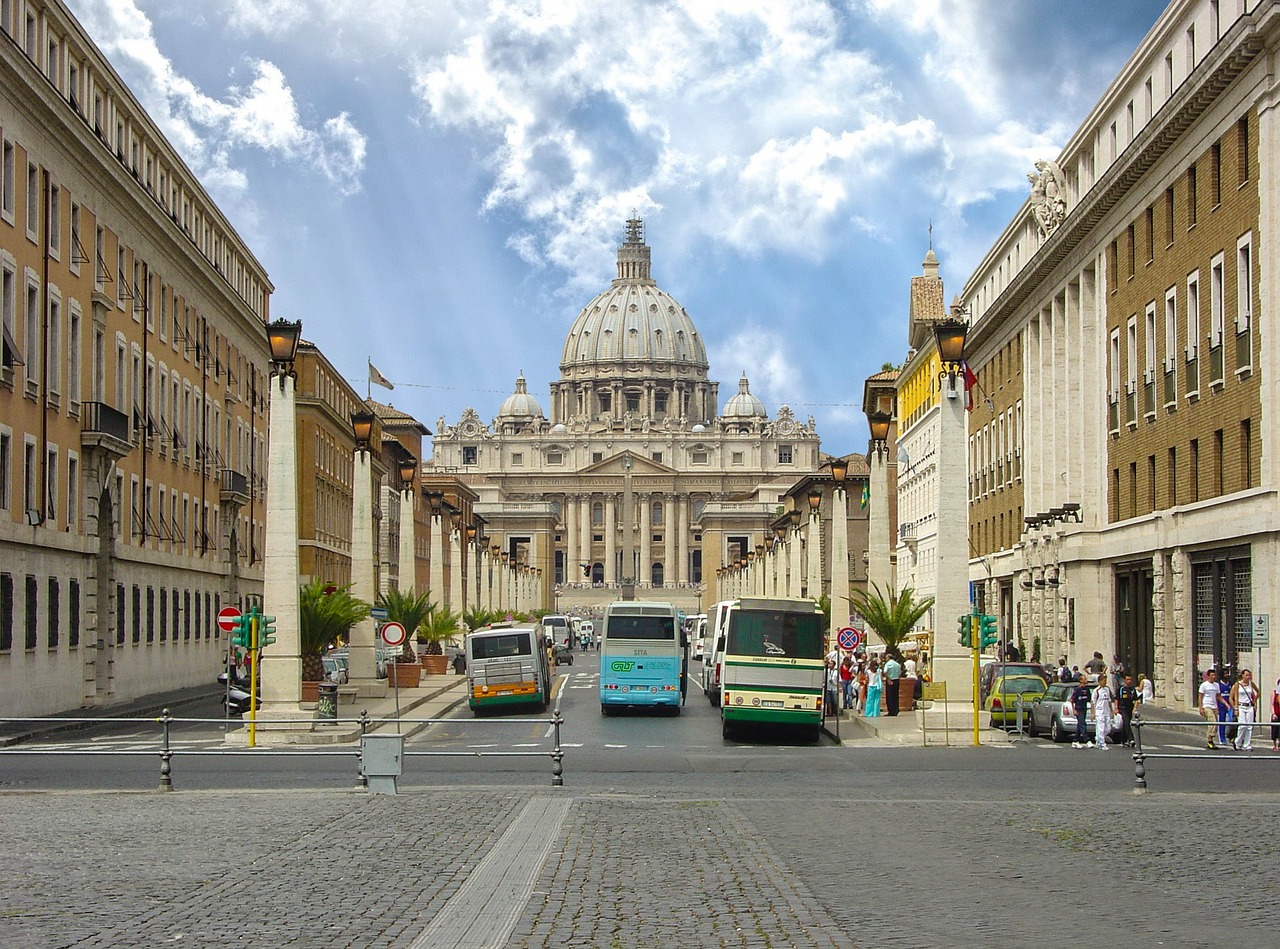
Crossing Into the City-State Practicalities From Rome
When you look up how to visit Vatican City from Rome Italy transport security, what you really want is a plan that feels smooth, local, and reassuring. Approaching Vatican City from Rome is straightforward: arrive by metro (Ottaviano or Cipro), hop on a bus, or simply walk an inspiring route along the Tiber River, letting the city’s light and rhythm set the tone.
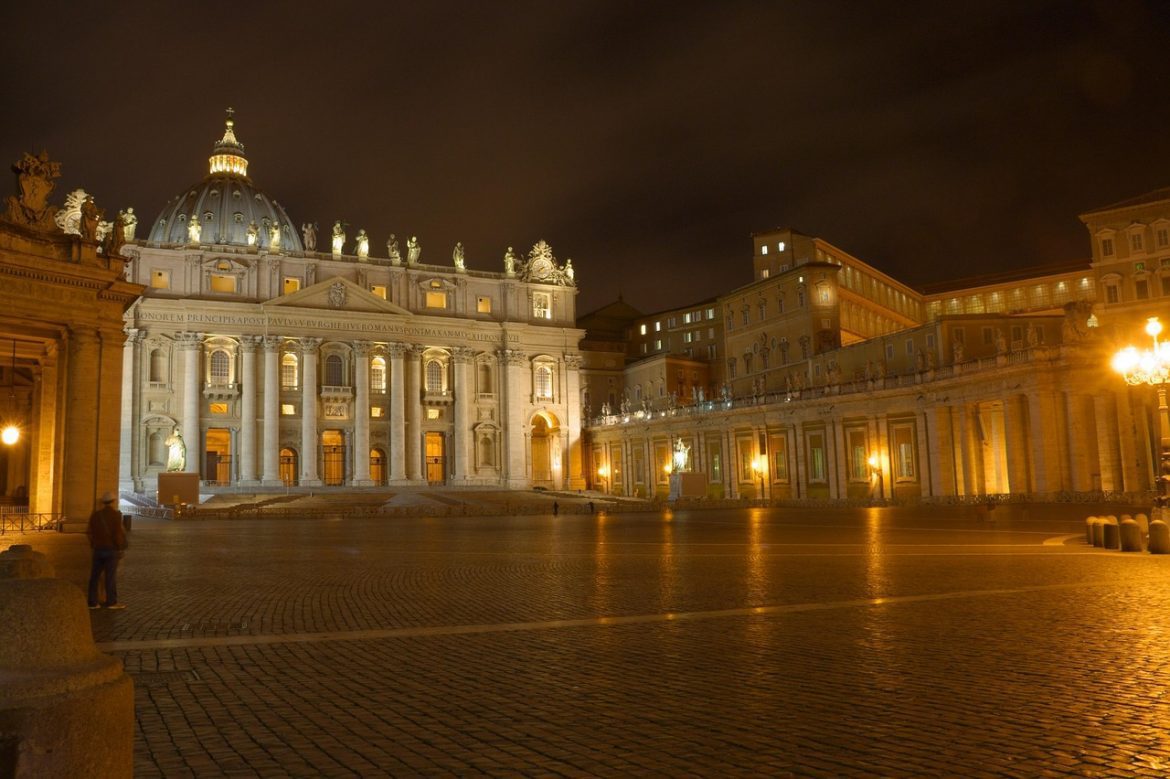
As you near Piazza San Pietro, the space opens in a way that feels designed to gather people together. Early morning can feel almost private, while late afternoon brings a warmer glow for photos and a calmer, end-of-day hush—especially if you’re pacing yourself after a full day of exploration in Italy.
Security checks and calm confidence for a Vatican City tour day
Set expectations: security checks are part of entering major sites, particularly the Vatican Museums. If you travel light, keep your confidence, and follow directions, the queues often move efficiently. One tourist we met arrived worried the checks would be strict and stressful; afterwards, they described the process as seamless and quietly supportive—freeing them to focus on art, atmosphere, and trust in the day’s design.
- Pack minimal gear: fewer metal items means faster screening.
- Carry water thoughtfully: a small bottle is usually fine, but avoid bulky containers.
- Dress with care: modest clothing helps you move between sites without turning back.
- Plan your arrival time: early slots reduce stress and create space for slow looking.
And what does “within the city” feel like day-to-day? There’s no border control like an airport, yet you’re crossing into an independent state with its own post office, beloved stamp culture, and a small but real sense of different rules—especially around behaviour and respect.
Iconic Attractions St Peter’s Basilica Vatican Museums and the Sistine Chapel
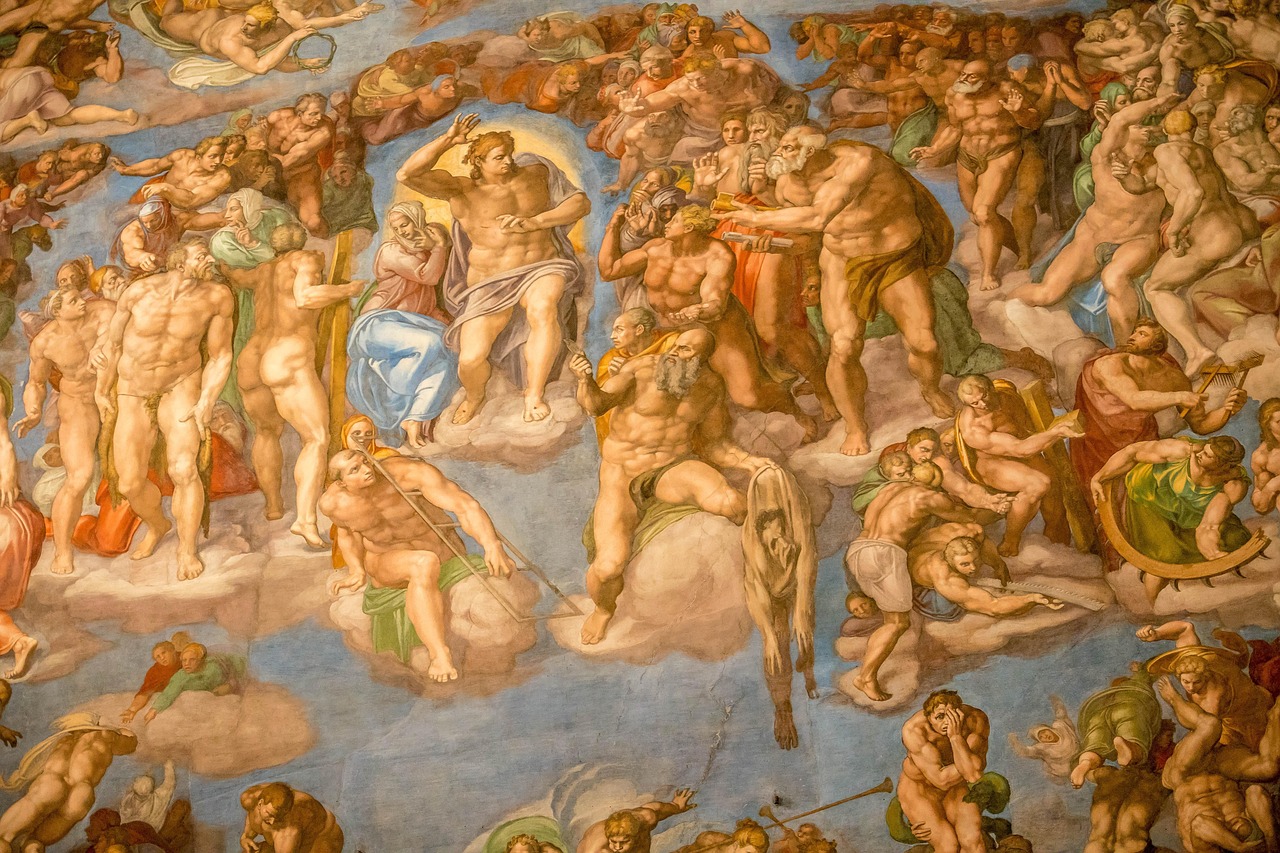
Iconic Attractions St Peter’s Basilica Vatican Museums and the Sistine Chapel
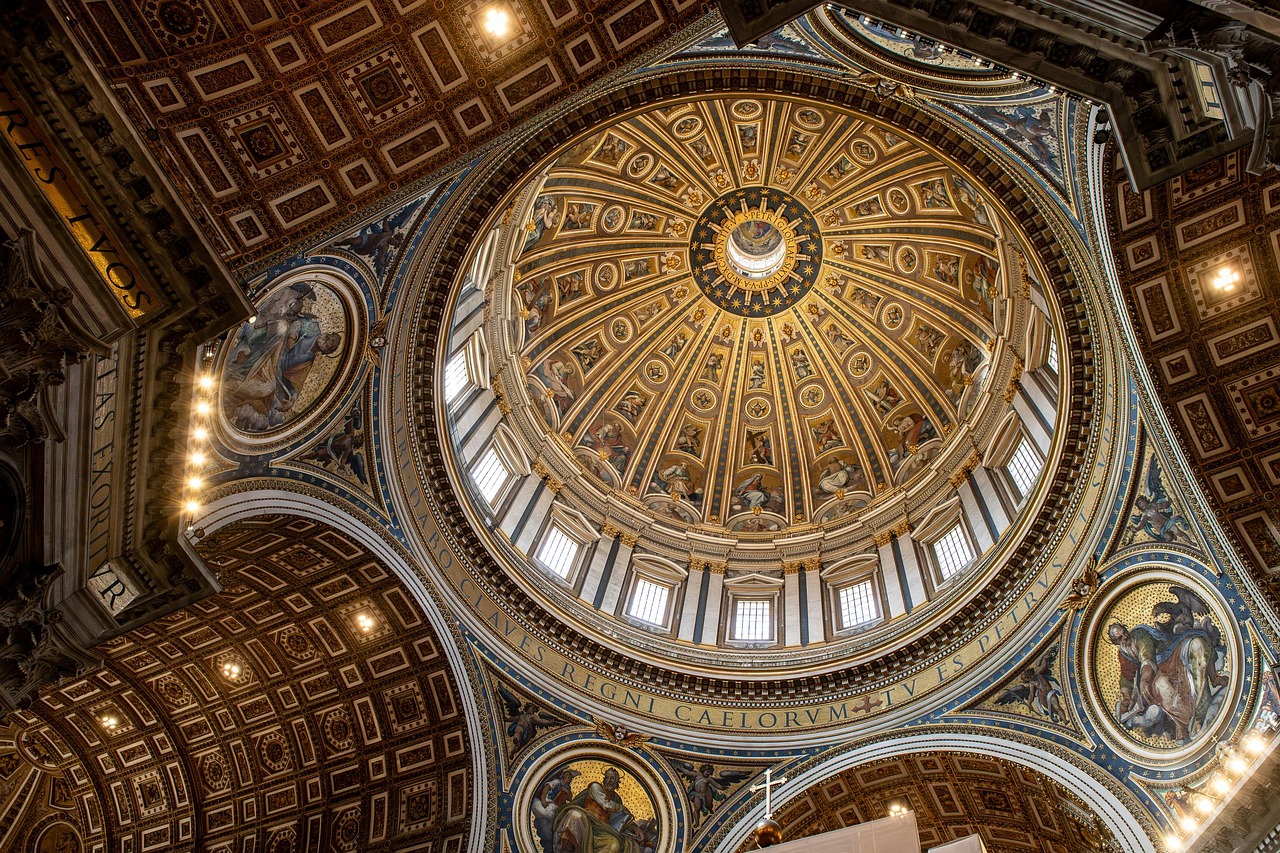
For travellers searching Vatican City attractions St Peter’s Basilica Vatican Museums Sistine Chapel Italy, this is your heart-of-the-day chapter. Start with Peter’s Basilica—one of the largest churches on Earth—where the interior feels almost like a palace built for light. Arrive early morning or late afternoon for calmer entry and softer shadows across marble, mosaics, and gilded detail.
Look for the unmistakable signatures of the Renaissance: proportion, drama, and a sense of humanity in stone. The basilica sits on ground layered with deep time, with Christian memory reaching back toward the 4th century and onward through the 5th century and 9th century as the site’s meaning evolved for Christendom.
St Peter’s Square photo moments and Vatican City attraction flow
Step outside into Peter’s square and let the architecture choreograph your movement. The sweeping colonnades frame the crowds without swallowing you, and the central obelisk gives you a clean visual anchor for memorable images. For a different rhythm, circle the edges of St Peter’s Square before you commit to your next queue—those few minutes can create a surprisingly personal sense of space.
Then, head into the Vatican Museums with intention. The Vatican Museums can feel like an art-lovers’ marathon, so design your pace: choose must-see rooms, accept that you won’t “do everything”, and protect your energy for the final crescendo.
Inside the Vatican Museums, quiet rules matter: no flash, respectful voices, and a little patience when the galleries pinch. These aren’t just regulations—they’re a form of care, a way to keep the experience dignified for everyone moving through priceless works.
And then the moment many imagine for years: the Sistine Chapel. A traveller once told us they thought they were “too adventure-hungry” to be moved by a ceiling—until they stood beneath Michelangelo’s colour and scale. They described the fresco overhead as life-changing: not because it was loud, but because it was quietly overwhelming, like the room had its own gravity.
Should you take a tour? A guided tour of the Vatican can be an expert shortcut to symbolism—papacy history, hidden motifs, and context that turns beauty into insight. Self-guiding, on the other hand, supports slow looking and spontaneous pauses, especially if you’re creating a more crafted, luxury tempo for your day.
Vatican Gardens and Human Moments With the Swiss Guard
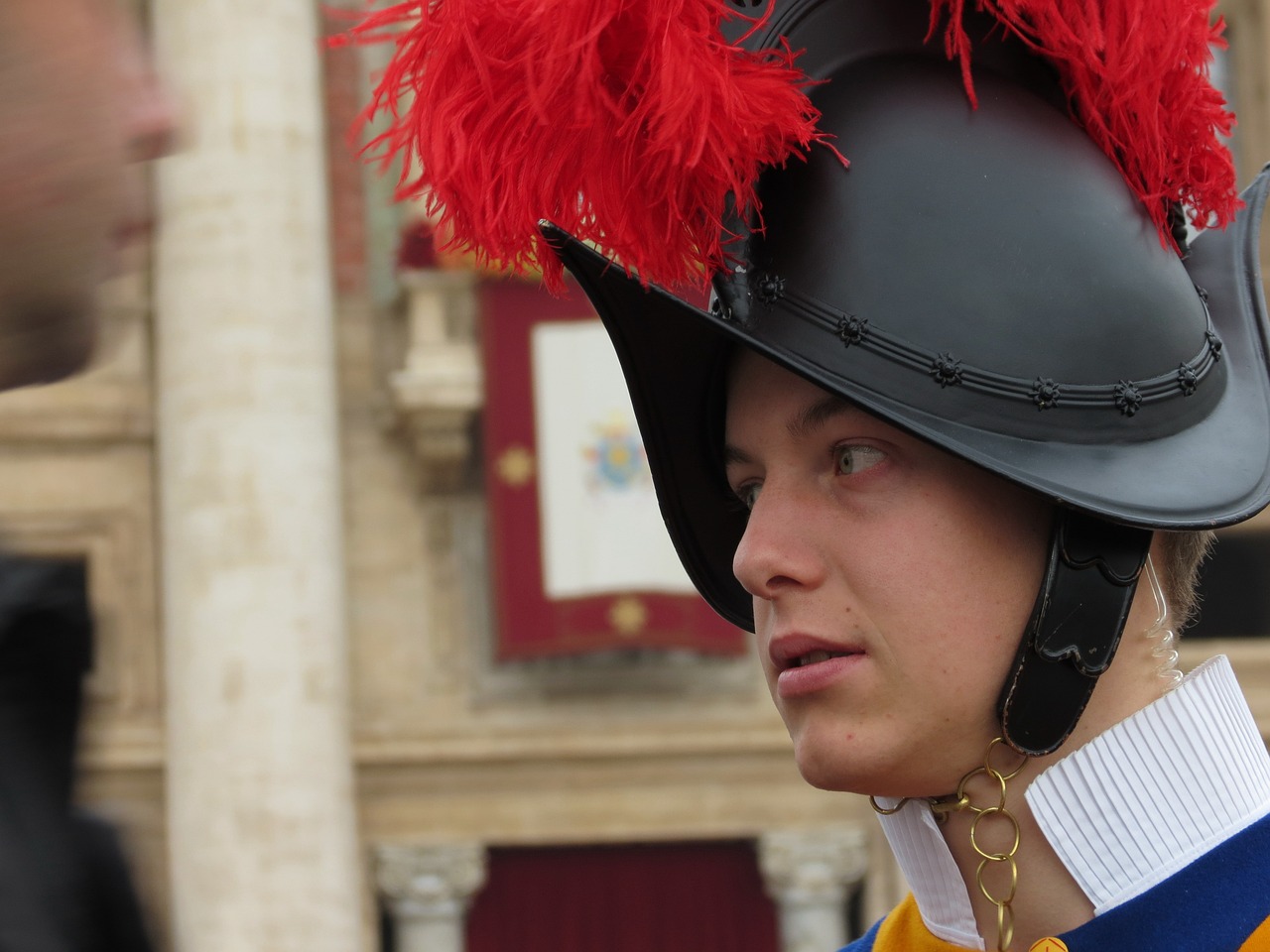
Vatican Gardens and Human Moments With the Swiss Guard
If you’re researching Vatican City gardens tour Swiss Guard history, you’re likely craving the quieter side of Vatican City. The Vatican Gardens are a hidden green oasis—orderly, symbolic, and surprisingly meditative—where pathways and hedges soften the intensity of the main corridors. Access is typically controlled, often via a structured tour, so it’s worth planning ahead if this calm is part of your design.
One adventurer we met recounted an unexpected joy here: a friendly Swiss Guard struck up conversation during a quieter moment. With warm professionalism, he explained traditions, uniforms, and daily rhythms—small details that made Vatican City feel less like a museum-piece and more like a living place.
Papacy and behind-the-scenes Holy See context
Behind the beauty sits a working system. The Holy See operates as a global presence, while Vatican City remains tiny and carefully managed. You’ll sense the balance between ceremony and administration: the official residence, security, archives, and the way a cardinal might pass through a corridor as if it’s any other office day.
History adds texture to that sense of “working continuity”. The papacy’s timeline includes the Avignon period—associated with 1309 and Avignon—and the return towards Rome in 1377. There’s also occasional controversy woven through centuries of power, from disputes with an emperor to modern debates about influence—reminders that sacred places are still human places.
For serenity, spring and early autumn are a gift: April to June, or September to October, bring mild weather and fewer crowds. Keep gear minimal, plan short pauses for breath, and let the garden be your reset before you return to the grand icons.
Tickets Timing and Seeing the Pope With Calm Confidence
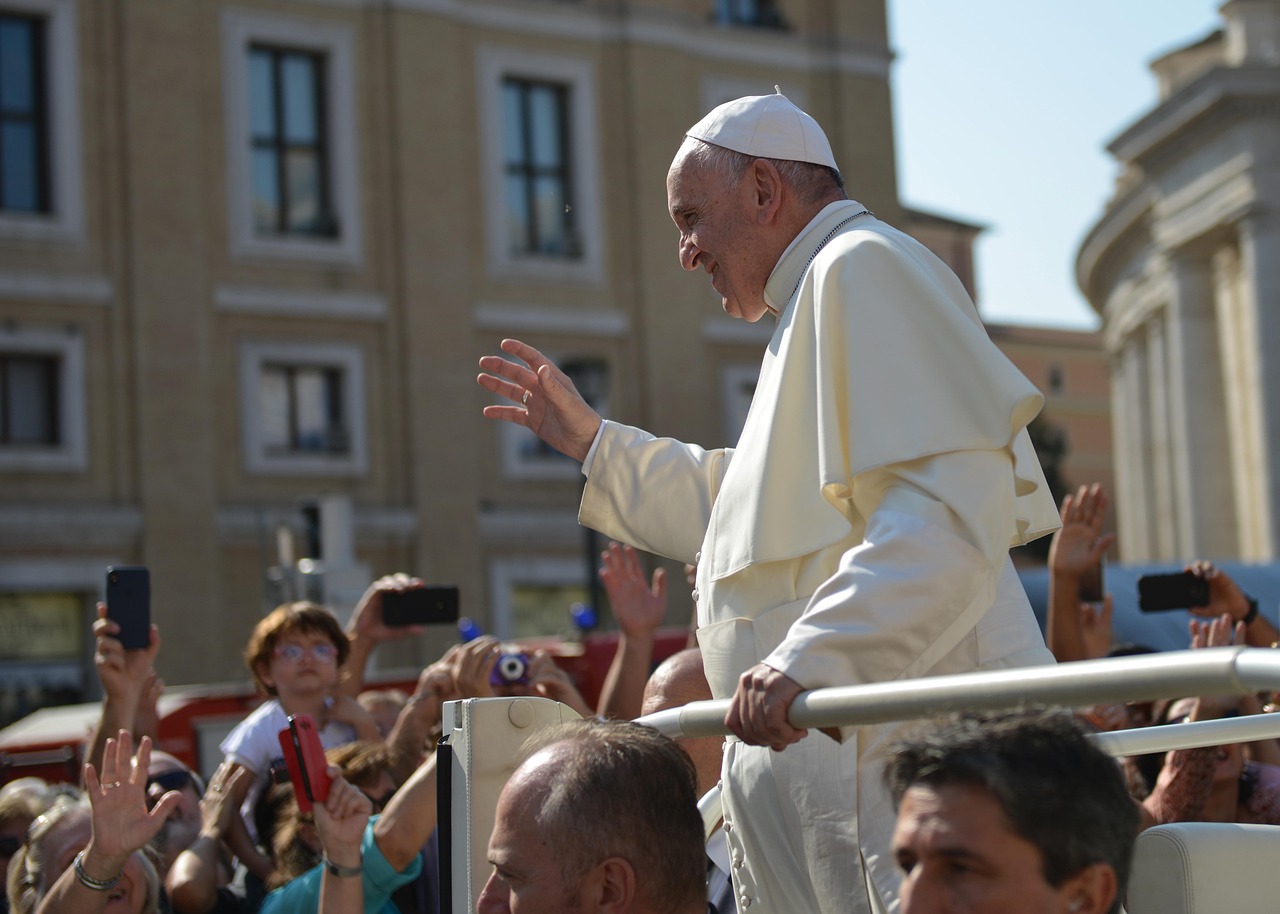
Tickets Timing and Seeing the Pope With Calm Confidence
For Vatican tickets Papal Audience Wednesday tips Vatican City Italy, a little planning creates a truly seamless day. Book the Vatican Museums online in advance and select a timed entry; it’s the simplest way to protect your morning. “Skip-the-line” typically means you bypass the main purchase queue, not every security step—so keep expectations realistic and you’ll feel supported rather than rushed.
The Papal Audience on Wednesdays can be one of the most moving cultural experiences in Italy, whether you come for faith, history, or sheer human atmosphere. A visitor once described it as magical: the shared sense of community among diverse pilgrims, the quiet excitement, and the moment the pope appears—small in the distance yet immense in meaning for many. In that crowd, you feel how Vatican City’s rituals can hold people together without requiring you to be Catholic.
Dress code, respect, and Vatican City papacy etiquette
Dress with modesty—shoulders and knees covered—especially for St Peter’s and the museums. Think of it as an act of care rather than a barrier; it helps the sacred spaces feel protected and welcoming. Behaviour matters too: keep voices low, avoid eating inside key areas, and follow staff guidance with calm confidence.
If you’re designing a high-end day with an adventurous edge, consider this crafted flow, with enough flexibility to keep it personal:
- Sunrise: quiet photos in Peter’s Square, when the marble feels cool and the colonnades glow.
- Mid-morning: timed entry to the Vatican Museums, saving energy for the Sistine Chapel.
- Later: a garden pause if you’ve booked access, or a slower circuit around St Peter’s Square.
- Evening: walk back into Rome for dinner, letting the day settle before the city gets loud again.
For curated inspiration as you imagine your wider route through Italy, explore our Trip gallery. The best luxury travel is never just efficient—it’s designed to make space for wonder.
Practical footnotes that travellers appreciate: Vatican City uses the euro as currency, and you are technically within the city of rome while also standing in a separate sovereign jurisdiction. That contrast is part of the thrill.
What Stays With You After Vatican City
When you leave Vatican City and cross back into Rome, what lingers isn’t a checklist—it’s a feeling. You might remember the hush before you looked up, the way footsteps softened on ancient floors, or the moment light found the curve of a dome and made the world feel briefly larger and more intimate at once.
There can be mixed emotions: awe, curiosity, and a calm you didn’t expect. You don’t need to be Catholic to feel moved by the Catholic Church’s history here, or by the human devotion that shaped it—stone by stone, century by century. In a place recognised by UNESCO and layered with stories of saints, politics, and art, the most powerful details can still be small: a whispered prayer, a respectful pause, the steady presence of a guard, or the gentle patience of strangers standing together.
Perhaps that’s the quiet gift of Vatican City’s scale: it teaches you how much meaning can fit into a small space, and how travel—when approached with trust, care, and a little expert guidance—can create room for tenderness. Long after the crowds blur in memory, you may still feel the afterglow of looking up and realising the world holds more beauty than you assumed.
And next time you find yourself on an ordinary street in Rome, you might simply wonder—what else is hidden in plain sight, waiting for you to step across the line with confidence and curiosity?
F.A.Qs: Vatican City and Italy essentials
Is the Vatican City part of Italy?
No. Vatican City is a fully independent sovereign state, even though it sits inside Rome in Italy. You can walk in freely like moving between neighbourhoods, but it has its own governance and rules.
Is Vatican City in Italy yes or no?
Yes geographically, because it is surrounded by Italy, but no politically. Vatican City is an independent city-state with its own territory and administration, separate from the Italian Republic.
Are Rome and Vatican City the same?
No. Rome is a city in Italy, while Vatican City is a separate sovereign microstate within the city of Rome. They are closely connected in daily travel, but legally distinct.
Which pope had mistresses?
Several historical popes have been accused or documented as having mistresses, especially during certain periods when clerical discipline was less consistently enforced. Accounts vary by source and era, and many stories are debated by historians.