Post Contents
- When to visit Rome, Italy for refined first impressions – a luxury traveller’s seasonal view
- Times to visit Rome by season – tourist patterns, climate, and how the city feels
- Visit Rome with effortless pacing – iconic neighbourhoods, galleries, and a calmer rhythm
- Best time of year to visit Rome: festivals, after-dark culture, and seasonal celebrations
- Time to go to Rome luxury transfers, hotels, and booking top attractions with confidence
- After Rome, what stays with you – best time to visit Rome reflections after the journey
- F.A.Qs: Best time to visit Rome and planning essentials
When to visit Rome, Italy for refined first impressions – a luxury traveller’s seasonal view
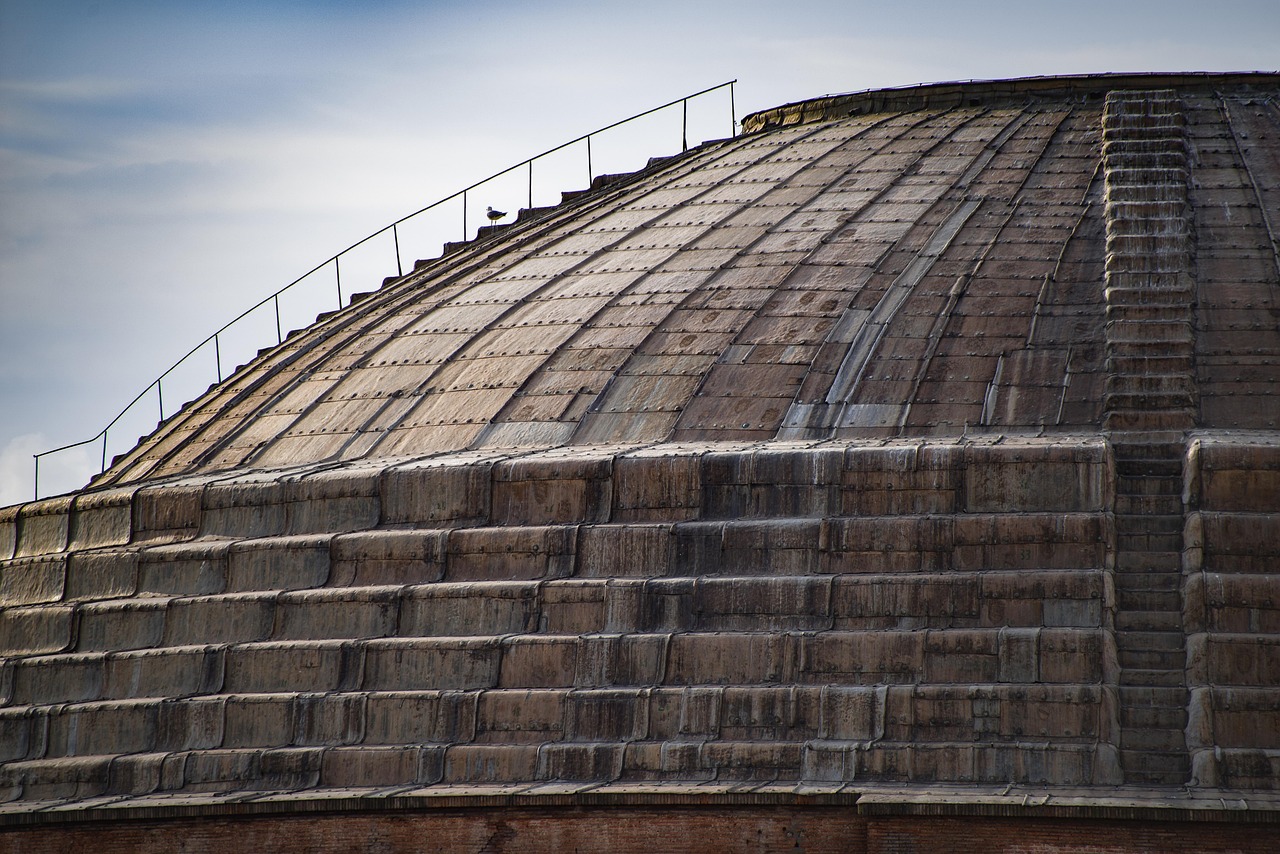
A quiet morning at the Pantheon, one of Rome’s most atmospheric icons
When clients ask for the best time to go to rome italy, we typically suggest mid-April to June and September to October—when weather is mild, the light is flattering, and you can visit Rome with comfortable temperatures. This is often the smartest time of year to visit if you want elegant dinners, unhurried mornings, and days designed around comfort rather than coping with crowds.
Timing shapes the feel of this eternal city in subtle ways: the colour of travertine at golden hour, the ease of stepping into a courtyard, and the way an afternoon coffee at a piazza table can feel unforced. The perfect time is usually the one that gives you enough space to linger—so the city reads as theatre and texture, not logistics.
High-end travel also changes the equation. Rome is one of those rare cities to visit where private access and intelligent pacing can turn even popular landmarks into personal moments, especially when you time each attraction for softer light and calmer streets. With a thoughtful plan, you can visit Rome with confidence—without feeling like a tourist being pushed from stop to stop.
There are, of course, trade-offs across the year to visit rome. Hotel prices rise quickly during the busiest periods, daylight shifts, and some dates feel more hectic than inspiring. Our aim is simple: help you choose the best time to travel with clarity—so your first impressions feel refined, not rushed.




Times to visit Rome by season – tourist patterns, climate, and how the city feels
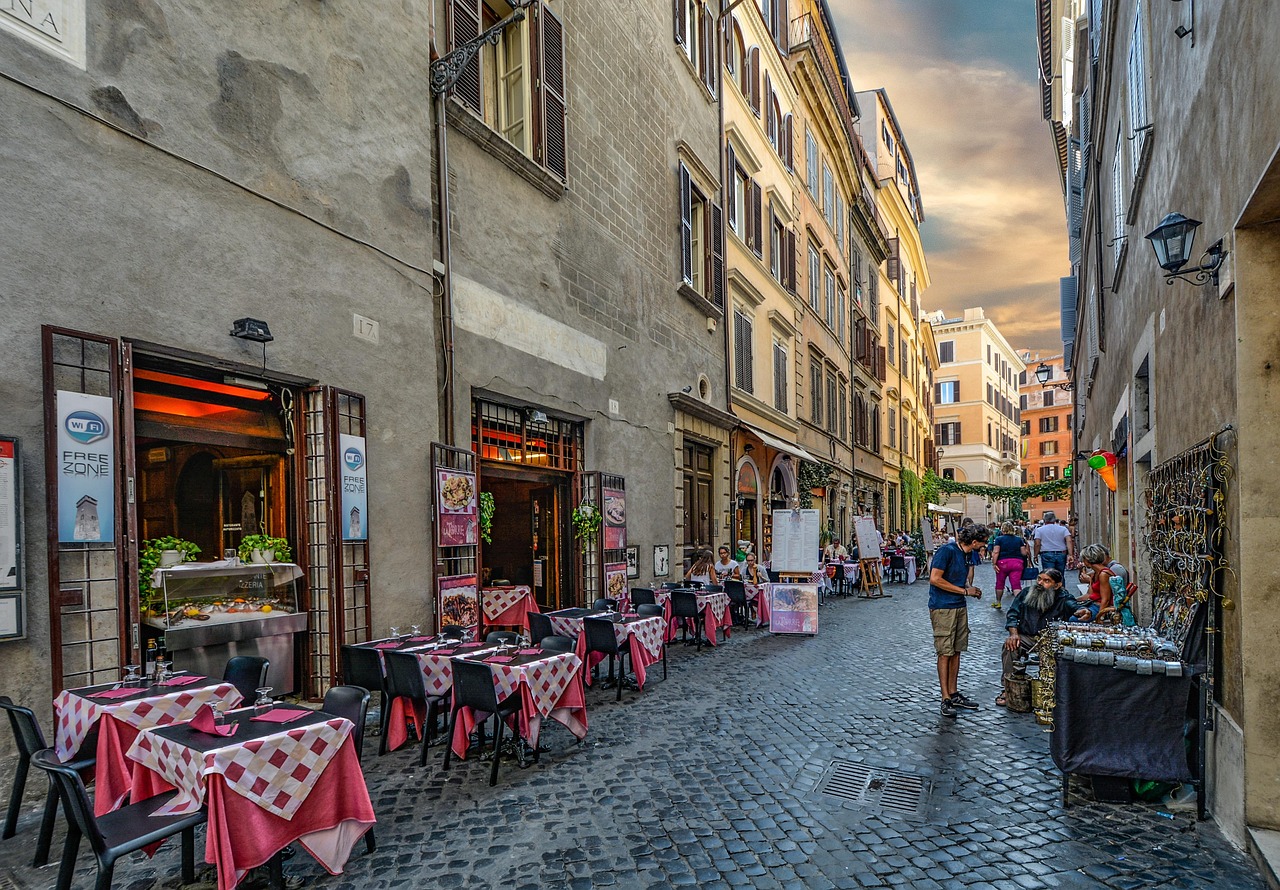
Rooftop views over Rome: the city’s mood changes dramatically by season
If you’re comparing times to visit rome, think in textures: spring and fall feel balanced, summer brings intensity, and the colder stretch invites slower days. This travel guide mindset keeps decisions practical—how long you’ll wait, how easily you’ll slip between each attraction, and how restorative the rhythm will feel after a full day exploring. Across these times of the year, the season in rome is less about a single “right” answer and more about matching your style to the city’s energy.
In simple terms, tourist season is when the city stays consistently busy; peak season is when demand spikes and queues lengthen; and high season is when pricing and availability reflect that pressure. For luxury travellers, the difference is rarely about beauty (Rome delivers in any month) and more about whether your days feel spacious, well-supported, and never overly tourist-focused.
Rome in the spring: lighter days, blooming gardens, and fewer crowds
Spring in rome can start with a cool edge, especially in march or april, when mornings are crisp and you may want a light layer for early starts. By late spring, the city leans into sunny days, blooming gardens, and that feeling that gardens are in full bloom—a beautiful window for long lunches, gallery time, and walking routes that don’t feel compressed. It’s also one of the best times to plan outdoor-first days with fewer crowds and a calmer pace at popular viewpoints.
Autumn elegance and winter calm: September through February in Rome
For many guests, september to november is the most elegant stretch of the calendar: warm light, confident street life, and fewer tourists than summer. September and october in particular suit unhurried sightseeing—when you can pause for espresso, enjoy a long lunch, and still keep your afternoons flexible without feeling rushed by tourist pressure.
From november to march, Rome softens into a quieter, more contemplative experience that many travellers find surprisingly rich. The core winter window, november to february, is often budget-friendly for those who value museums, dining, and atmosphere; and january and february can be ideal if you want the city to feel more local. During december to february, winter in rome is quieter—though the rainiest spells tend to arrive in late autumn and mid-winter—so it’s wise to plan a mix of indoor culture and short walks between meals.
- Spring and early summer: longer light, fresher air, and easier outdoor wandering without the heaviest tourist days.
- Autumn: warm afternoons, crisp evenings, and a calmer rhythm after summer.
- Deep winter: quieter hotels, more last-minute availability, and a gentle soundtrack across the historic centre.
Visit Rome with effortless pacing – iconic neighbourhoods, galleries, and a calmer rhythm
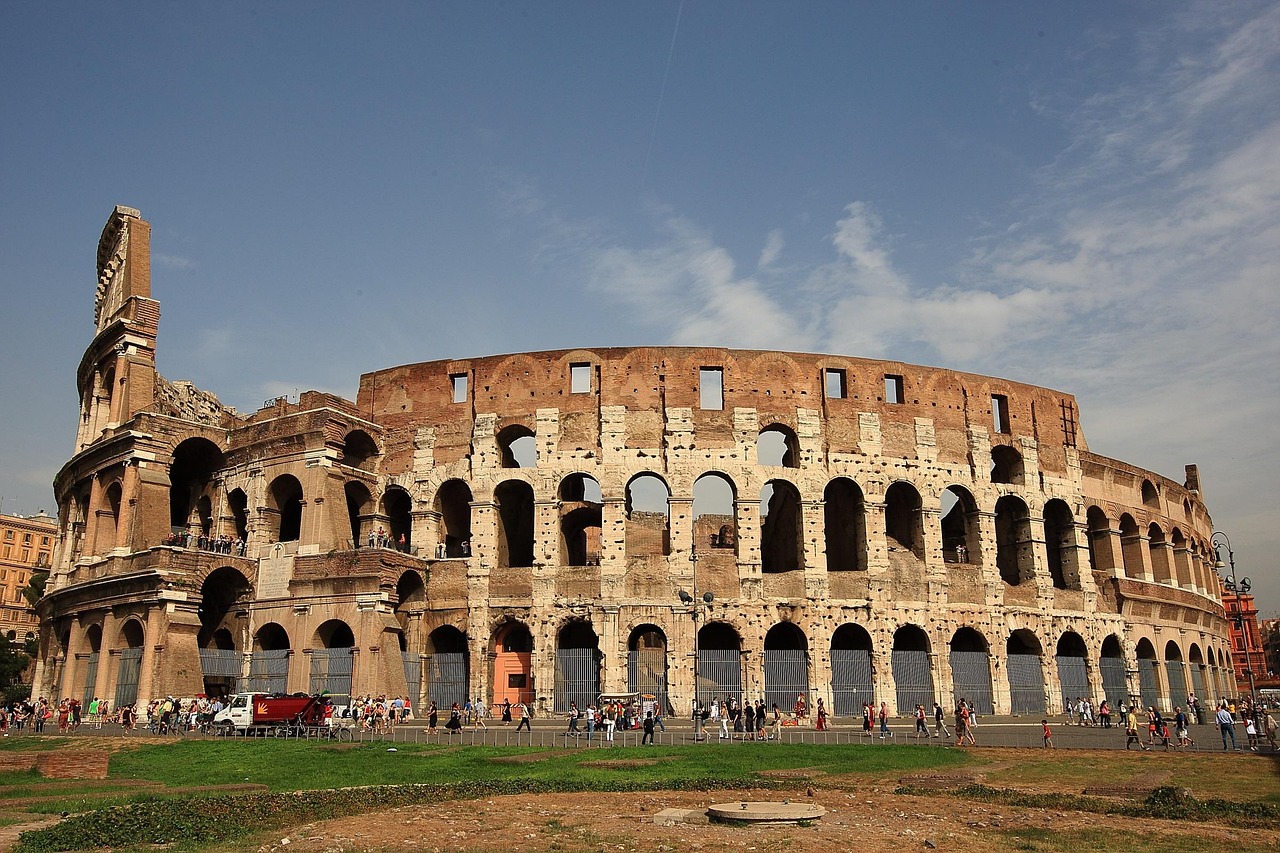
Early light at the Colosseum: timing matters for comfort and atmosphere
For travellers planning a once-in-a-lifetime itinerary, choosing the right best time is really about how your days feel: smooth transitions, beautifully timed entries, and enough breathing room to enjoy the city between reservations. The most rewarding times to visit rome are usually when the air is cooler and the light is softer—so you can visit rome with ease and actually absorb what you’re seeing.
Colosseum and Roman Forum: perfect for sightseeing with dramatic light
In spring and autumn, early mornings are perfect for sightseeing: temperatures are kinder, shadows make the stonework more dramatic, and it’s easier to experience the site as history rather than a rush. With the right guide, you’ll also find quieter angles and storytelling details that give the attraction real depth—so the visit feels curated, not crowded.
One luxury traveller told us that visiting in late September changed everything. With pleasant weather and manageable crowds, they secured prime seatings at high-end restaurants, enjoyed private tours that never felt hurried, and still had time for a slow espresso before returning to their suite.
Vatican mornings and Trastevere evenings with a local feel
Early access to the Vatican collections is transformative. A dawn visit allows you to take in the galleries with space to breathe, and the Sistine Chapel feels less like a throughput and more like a moment of reverence. One couple still speaks about their day: afterwards, they took an evening stroll along softly lit streets, passing ancient ruins glowing against the night—memories created together that felt beyond typical tourist sightseeing.
In Trastevere, the shoulder seasons bring a more local cadence. Cobblestone lanes feel less congested, trattorias are happy to guide you through seasonal specials, and conversations drift from table to table. Arriving outside the busiest weeks can make the neighbourhood feel intimate, not overly tourist-driven.
For calm between churches and museums, villa borghese is a beautiful reset, especially if you pair the park with pre-booked time at the borghese collection nearby. It’s an easy way to slow the day down: a shaded walk, a gelato stop, and time to simply sit near a quieter piazza and watch Rome move around you.
Luxury pacing tip: try a “two-peak day”. Start early for headline sites, pause for a long lunch and perhaps wine tastings arranged by your concierge, then explore again in late afternoon when the streets soften. You’ll sightsee more deeply—and still feel refreshed at dinner.
Best time of year to visit Rome: festivals, after-dark culture, and seasonal celebrations
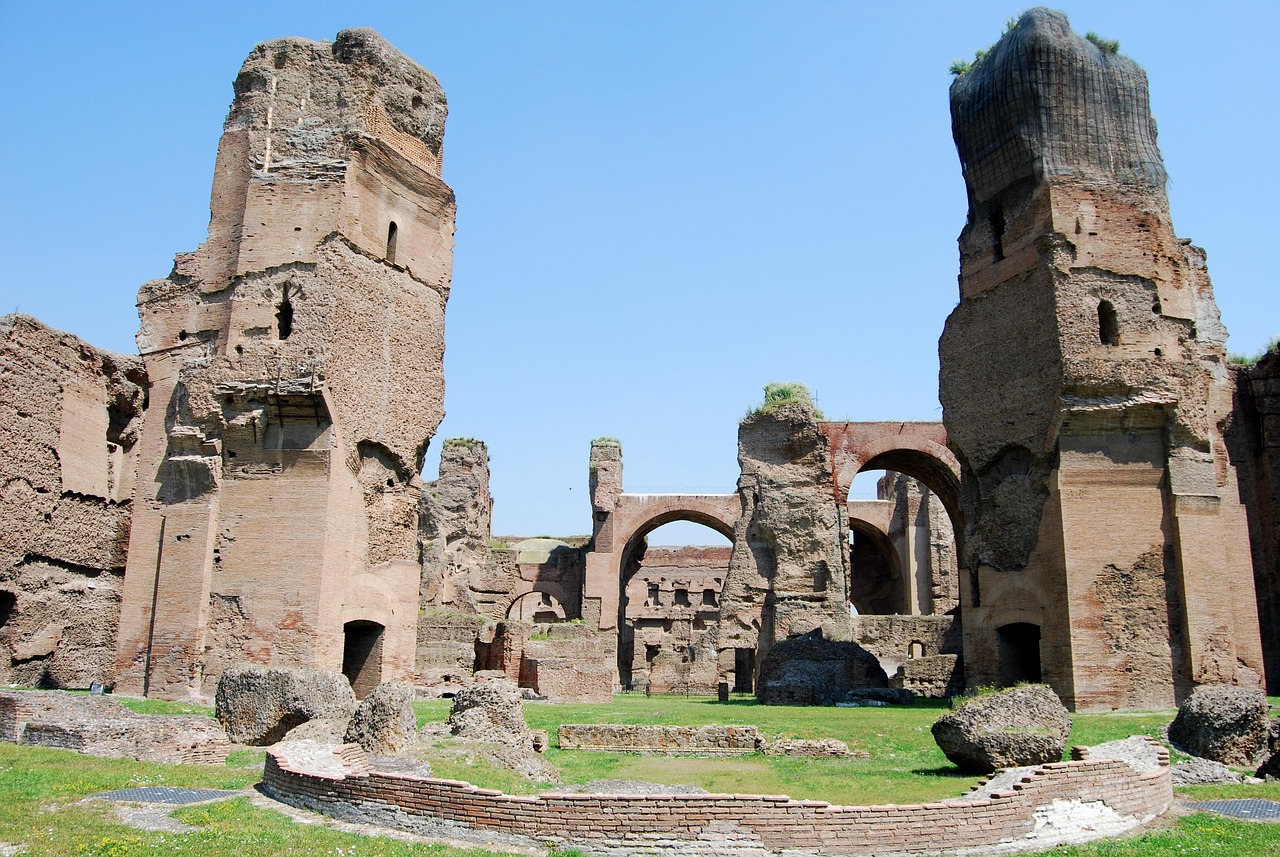
After-dark Rome: opera at the Baths of Caracalla and summer nights in the city
If you’re deciding on the time of year to visit, it helps to think of Rome as a living stage. Events don’t merely fill a calendar—they change how the city sounds at night, how streets feel after sunset, and how you move between meals, music, and monuments. For many travellers, the best time is when your interests (art, music, food, faith, or fashion) align with the city’s cultural pulse.
Spring calendar highlights and Easter week logistics
April to June brings a bright festival atmosphere, with cultural programming that can feel both grand and surprisingly intimate when planned well. Holy week is a powerful time to witness tradition, but it can affect access around Vatican areas and bring heightened security. With careful design—private transport, timed entries, and a patient guide—you can still explore with calm and care.
Summer nights, June to September, and avoiding midday heat
June to september is when summer heat reshapes the day, and the smartest strategy is to shift the emphasis to night. Estate romana, open-air movie screenings, and outdoor opera at the Baths of Caracalla can be extraordinary when you arrive with pre-booked seating and a driver waiting. You experience Rome in its most cinematic form, without battling the midday sun.
- Design nights for comfort: begin later, choose shaded aperitivo terraces, and keep routes short.
- Keep it seamless: pre-booked tables, private transfers, and a flexible end time for lingering.
- Let twilight lead: a quiet piazza, lantern-lit lanes, and the emotional pull of stone turning amber.
There is a particular roman holiday feeling when the city cools and the day-trippers fade. The streets seem to exhale, and even familiar landmarks feel newly personal—less about proving you’ve seen them, more about how they made you feel.
In winter, christmas and new year can create a true major event atmosphere: elegant concerts, warm décor in grand hotels, and a softer rhythm for travellers who value intimacy over intensity. You may trade sunlit terraces for candlelit dining, but you gain a Rome that feels quietly present, ready to be uncovered at your own pace.
Time to go to Rome luxury transfers, hotels, and booking top attractions with confidence
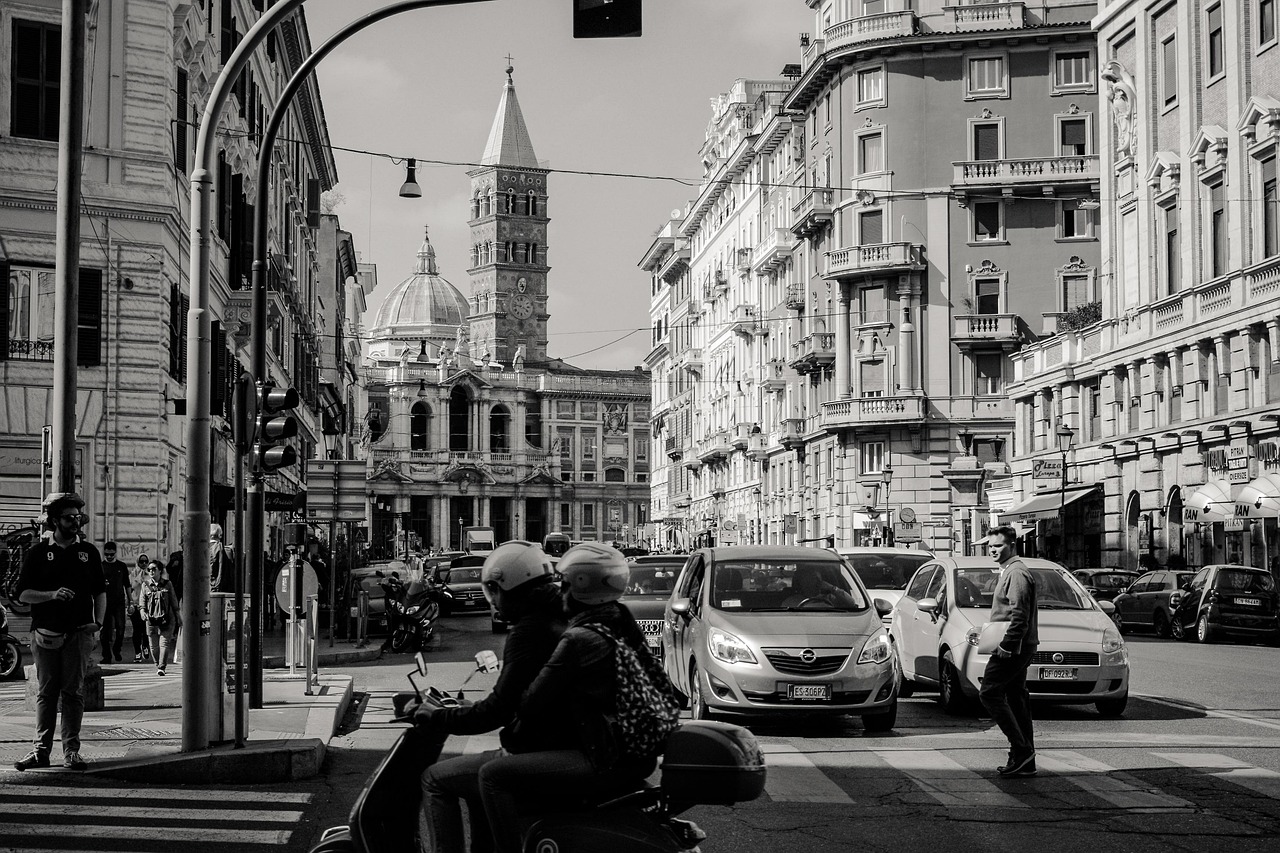
A calm city view: good logistics protect the feeling of your trip
For guests who value ease, the planning is really about protecting the feeling of the trip. The right logistics create a seamless framework: you arrive centred, move smoothly, and always feel supported—especially when tourist numbers rise. Smart timing also means you can visit rome without wasting hours in transit or on avoidable waits.
Arrivals and private transfers for a smooth start
Arriving via Leonardo da Vinci International Airport is typically the simplest option when traveling to rome. Arrange a luxury transfer in advance, and your time to travel to rome becomes part of the experience rather than a hurdle: a calm greeting, chilled water, and a direct route to your hotel without negotiating taxis or language barriers.
If you’d like inspiration for curated journeys beyond the capital, you can browse our Trip gallery for Italy and imagine how Rome can pair beautifully with the lakes, Tuscany, or the Amalfi Coast.
Bookings, shorter lines, and where to stay well
For accommodation, centrally located boutique hotels and historic palazzos are often the most rewarding choice. They keep mornings peaceful, reduce time in traffic, and make it easy to return for a change of clothes before dinner. When your hotel is a sanctuary, you can explore with more energy—and more joy.
Advance bookings matter for major attractions. Timed entry planning is the simplest way to avoid delays, especially when you want skip-the-line access or private guided tours. The best guides are in demand, so protecting those reservations is often what makes the difference between a day that flows and a day that fractures—particularly around the city’s most visited museums and monuments.
- Book early: private guides, signature restaurants, and limited-access museum time slots.
- Plan by neighbourhood: group sights to reduce transfers and keep days calm.
- Leave space: a free hour is where Rome often becomes most personal.
It’s also wise to avoid july and august if you can. Many romans leave, some shops close for ferragosto, and the combination of heat plus congestion can make even simple plans feel harder than they should. This is when flights and hotels can surge, and service can feel stretched.
Finally, a note of reassurance: Rome is generally safe, but tourist crowds invite opportunists. Keep valuables secure, especially on busy streets and public transport. Dress modestly when visiting religious sites, and greet with a warm “Buongiorno” or “Buonasera”—small etiquette details that help you move through the city with confidence.
After Rome, what stays with you – best time to visit Rome reflections after the journey
In the days after you return, the city doesn’t come back as a list. It arrives as sensation: softened stone at dusk beneath your fingertips, the hush inside a chapel when the door closes behind you, and the easy warmth of a local greeting that made you feel briefly known.
And perhaps that is the real best time to visit rome: the moment you felt most present. Not when you photographed the most, but when Rome met you gently—when there was space to listen, to notice, to imagine the lives that have crossed the same threshold for centuries.
With time, the crafted memories keep their shape. A table you were quietly guided towards, a street where lantern-light turned ordinary steps into something cinematic, the calm confidence of knowing you didn’t have to rush—this is why we believe the best time to go is the one that protects your pace as much as your itinerary.
Rome at its finest lingers in the background of your days, not demanding attention—simply waiting, as if the next rediscovery will unfold when you are ready to meet it again.
F.A.Qs: Best time to visit Rome and planning essentials
What is the cheapest time to travel to Rome?
The cheapest time is usually late autumn through winter, outside major holidays. You’ll often find better value on rooms and flights, and the city feels calmer—though shorter daylight and occasional rain are more likely. If budget matters but you still want comfort, choose a well-located hotel and prioritise a few pre-booked highlights.
How many days in Rome is enough?
Four to five days is a lovely minimum for a first visit with a luxury pace. It gives you time for the headline sites, a slower neighbourhood day, and evenings that aren’t rushed. If you enjoy long lunches, shopping, and unplanned wandering, a week feels wonderfully complete.
What not to do in Italy as an American?
Avoid assuming restaurants will adjust to every preference without notice—ask politely and in advance. Don’t enter churches in beachwear; modest dress is appreciated. Try not to speak loudly in quiet spaces, and always greet staff first. A little courtesy goes a long way and you’ll receive warmth in return.
Is $5000 enough for a trip to Italy?
It can be, depending on your travel style, season, and how many places you include. For a high-end experience, $5000 may cover a shorter trip or a split approach—premium hotel in one base, then a more moderate stay elsewhere. Booking early and choosing a focused itinerary helps keep quality high.