Post Contents
- Welcome to the Civitavecchia Port of Rome Italy overview for cruise passengers
- Cruise port transfer to Civitavecchia train station from the ship, bus, or taxi ticket
- A day in Rome from Civitavecchia shore excursions to the city center Vatican, Colosseum
- Explore the Civitavecchia coast at Fort Michelangelo harbour sunset tour
- Local flavours at the Civitavecchia local fish market, waterfront trattorias, and Lazio wine
- Uncover Terme Taurine Civitavecchia Roman thermal baths Ficoncella
- Etruscan coast, Civitavecchia, hiking points of interest in the medieval city
- Beyond the Civitavecchia gateway to the Civita di Bagnoregio day trip tour
- F.A.Qs: Civitavecchia Rome port cruise guide
- After Civitavecchia, what stays with you in Civitavecchia, Rome, Italy
Welcome to the Civitavecchia Port of Rome Italy overview for cruise passengers
For a warm welcome to Civitavecchia and a clear overview, start with one truth that steadies your nerves: Civitavecchia is a major gateway for almost every cruise passenger arriving in Italy. The port of Civitavecchia is busy, but it’s designed for flow, and you can move through it with calm, expert focus. Imagine the moment you step off the ship, feel the salt air, and realise you can discover both coast and capital without rushing.
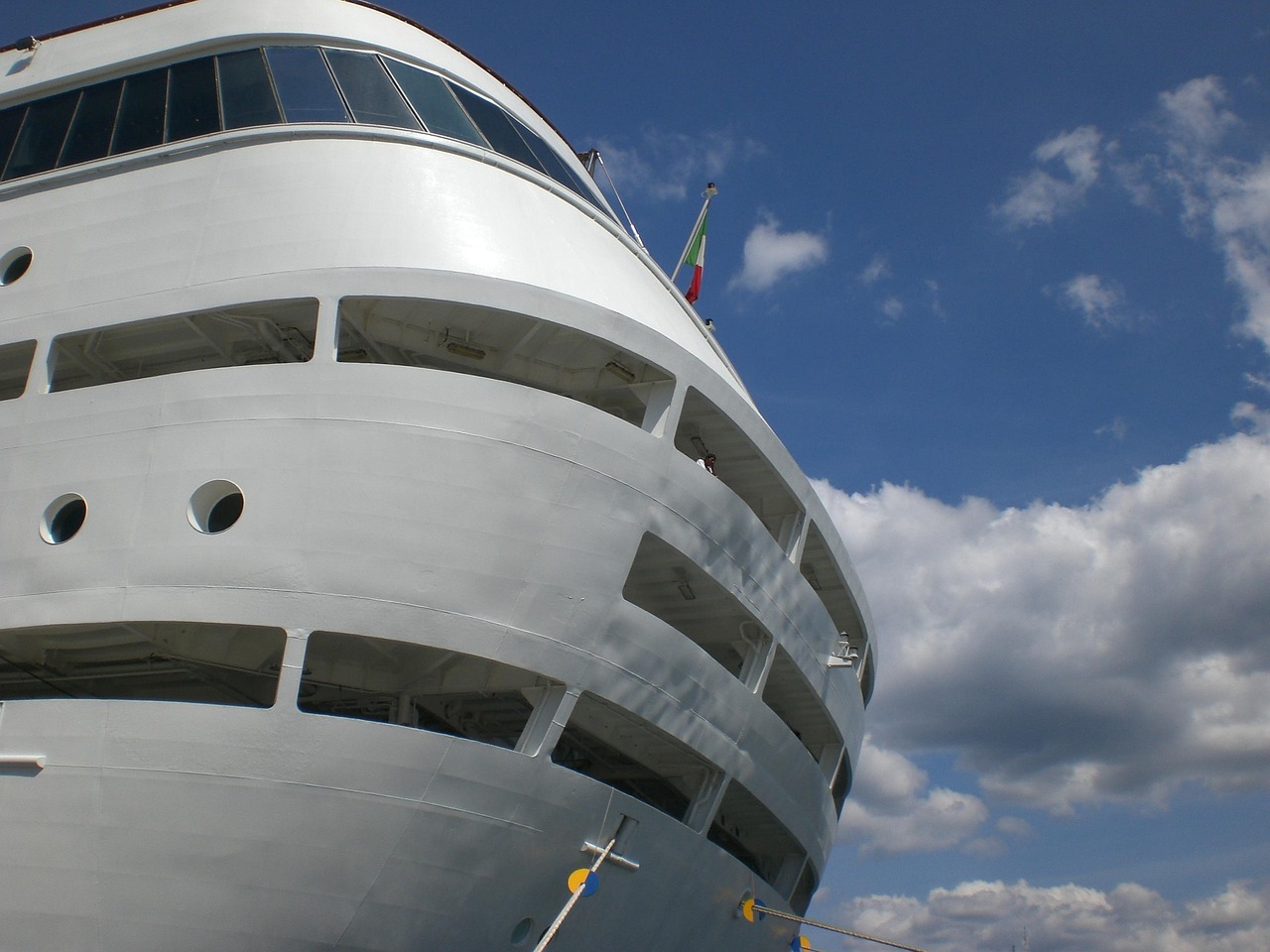
Welcome to Civitavecchia Port of Rome, Italy, with cruise ships and harbour views
Inside the port area, from the dock to the terminal
Most arrivals are straightforward: you’ll disembark near the dock, follow signs towards the terminal, and then choose your next step into town. In many sailings, the free shuttle runs continuously, connecting the cruise ship area to the edge of the centre. If you prefer to walk, the waterfront route is simple in daylight, and it eases you into the town’s pace.
Port guide for your first 30 minutes
Give yourself a small routine so your day feels seamless, not improvised. This is less about rules and more about care—so you can explore with trust in your own plan.
- Pause for water and a quick check of the day’s weather before you commit to long walks.
- Take out only the cash you need for the market; keep documents close and secure.
- Confirm the latest “all aboard” time and set a personal alarm for your return buffer.
In the evening, stay aware around the port, avoid isolated spots, and stick to well-lit routes if you’re returning late. Crowds can gather near the ship at peak times, so keep your essentials zipped away and move with quiet confidence.




Cruise port transfer to Civitavecchia train station from the ship, bus, or taxi ticket
If you’re planning a transfer from the cruise port to Civitavecchia train station—by bus, taxi, or on foot—the key is timing. Aim to leave the ship with a clear departure window, especially on busy mornings when queues form quickly. With a little support from local signage and staff, your first transfer can feel surprisingly smooth.
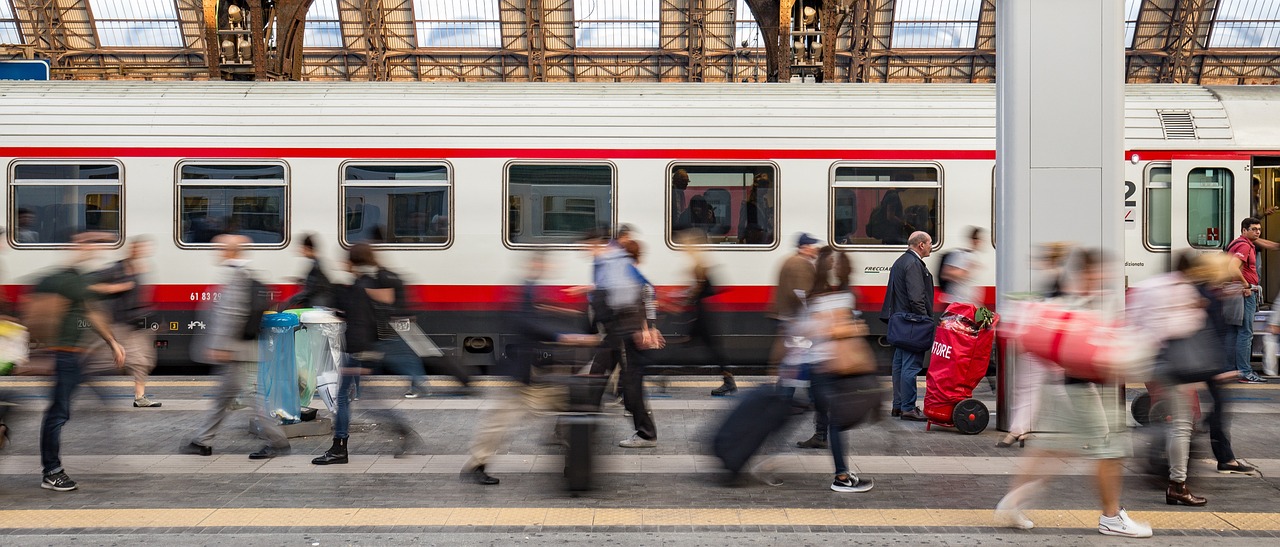
Cruise Port Transfers to Civitavecchia Train Station with regional train platforms
Choosing a bus or a taxi for a cruise ship departure
The shuttle or a local bus is often the simplest option for most travellers, especially if you’re travelling together and want to keep costs predictable. A taxi can make sense if you’re short on time, carrying heavier bags, or coordinating with a private driver for a tailored day. If you’re staying one night in a nearby hotel, consider dropping bags first so you can move faster through Rome later.
Arriving at Civitavecchia train station with confidence
When you arrive, look for platform displays showing the next regional services, then buy or collect your ticket before you head through. If you’re using a paper ticket, validate it at the small machines before boarding—this tiny step saves headaches later. Grab a snack and a bottle of water for the journey; it’s a small luxury that keeps your energy steady.
Trains to Rome run frequently, and the typical journey is around 45 minutes, so you can stay flexible if your cruise timetable shifts. One adventure seeker told us they skipped the packaged tour, chose the train, and felt their confidence rise with every independent step—more freedom, more personal space, and more time where it mattered.
If you miss a train, simply take the next one and adjust your city plans, not your mood. When you need help, a gentle “Buongiorno” and “Per favore” usually open doors with warmth and trust.
A day in Rome from Civitavecchia shore excursions to the city center Vatican, Colosseum
Planning a day in Rome from Civitavecchia for shore excursions is easiest when you treat it like a choose-your-own adventure: an early train, focused sights, and an unrushed return to the port. You’re not trying to conquer the Eternal City; you’re designing an experience with space for wonder. For inspiration beyond this route, browse our Trip gallery and imagine what you’ll create next.
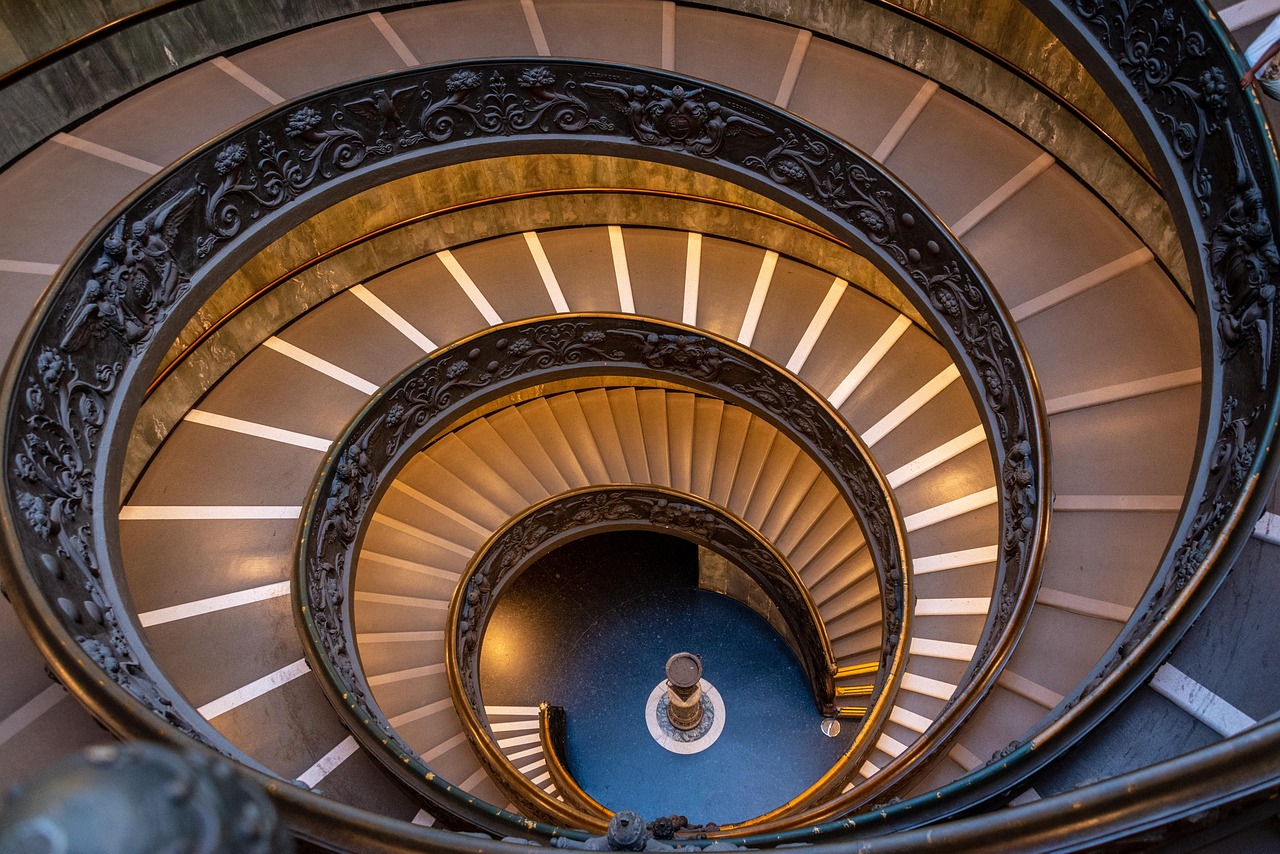
A Day in Rome Shore Excursion from Civitavecchia with city landmarks
Route A ancient icons tour with the Colosseum and a piazza
If your heart pulls towards ancient scale, book ahead for the Colosseum when possible, or accept a queue and keep your expectations kind. Pair it with one nearby piazza for a breath of everyday Rome—an espresso, a street musician, a small moment that feels personal. Stay alert for tourist traps around the biggest sights; your best defence is simply choosing places that feel calm and well-reviewed.
Route B Vatican centre and Peter’s Basilica with respect
If you’d rather lean into art and atmosphere, build your morning around the Vatican, then step into Peter’s Basilica with a quieter pace. Dress respectfully, speak softly, and remember that religious life continues here; you may even see gatherings linked to the pope, and it’s worth letting that moment be what it is. This route can be deeply moving, especially if you allow pauses rather than pushing for one more gallery.
For navigation, use the metro as your backbone, then walk the final stretches for texture and discovery. A fountain stop becomes a calm reset in the city centre—refill your bottle, slow your breathing, and re-check your timing. Most importantly, build buffer time for your return train so the excursion stays seamless and supportive, even if something runs late.
Explore the Civitavecchia coast at Fort Michelangelo harbour sunset tour
To balance Rome’s grandeur, explore the waterfront in Civitavecchia on foot and let the coast soften your pace. This Civitavecchia coast and Forte Michelangelo harbour sunset tour idea works beautifully before or after the city, when you want something quieter but still meaningful. The contrast is the point: less noise, more light, and a steady horizon.
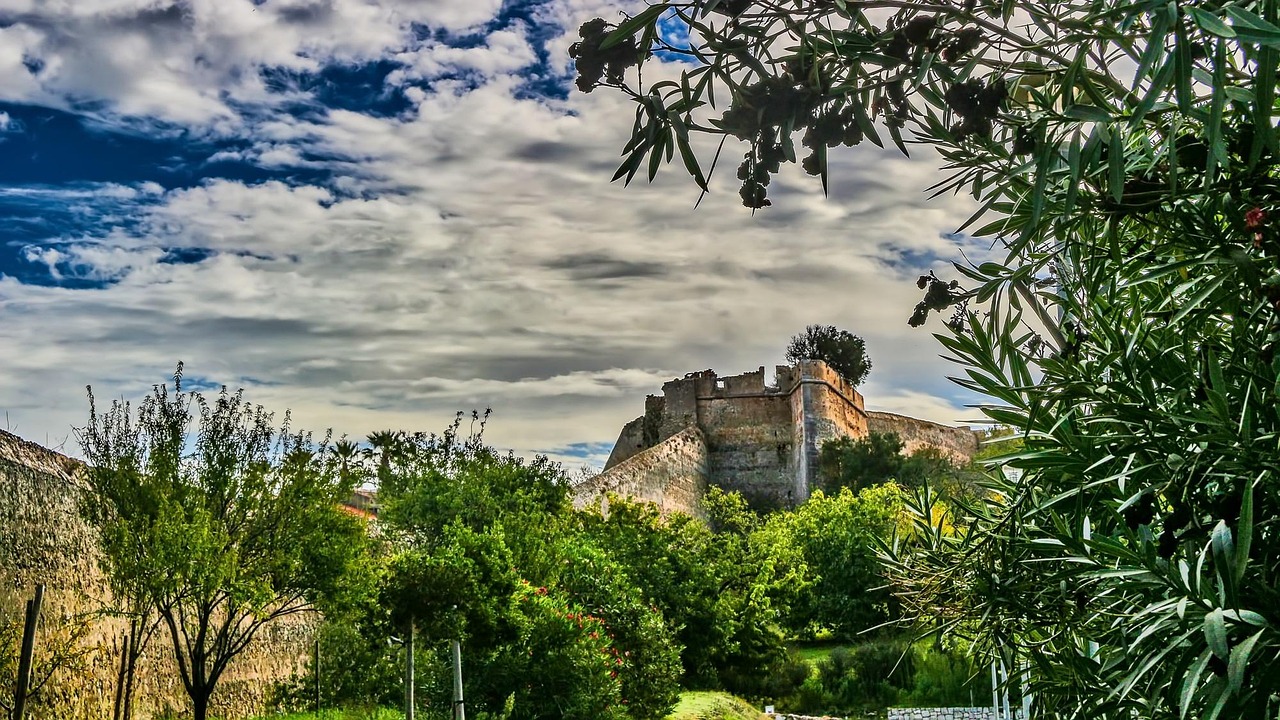
Explore the Civitavecchia Coast at Forte Michelangelo with harbour sunset views
Forte Michelangelo and the sea light at golden hour
From the ramparts, you can see the working harbour, the curve of the bay, and the choreography of arrivals and departures. Many travellers describe sunsets here as unexpectedly intimate—one couple told us it felt like the town gave them a private theatre, far from crowds. It’s the kind of quiet that restores you, especially after the density of Rome.
Access, guided tour options, and safe timing back
Entry is often free, but check locally if a guided tour is running for deeper insight into Michelangelo-era design and maritime history. For photographs, try low angles that catch the waterline, then step back for wider frames where the light warms the stone. If you’re looking for the best glow, plan your route back before it gets too quiet, and stick to busier streets with good lighting for safety and peace of mind.
Local flavours at the Civitavecchia local fish market, waterfront trattorias, and Lazio wine
For authentic coastal culture, the Civitavecchia local fish market and nearby waterfront trattorias deliver the kind of local insight you can’t download. Arrive earlier in the morning when the energy is brisk, and the choices are best, then take your time watching what locals buy. This is where Civitavecchia feels most itself—practical, proud, and quietly generous.
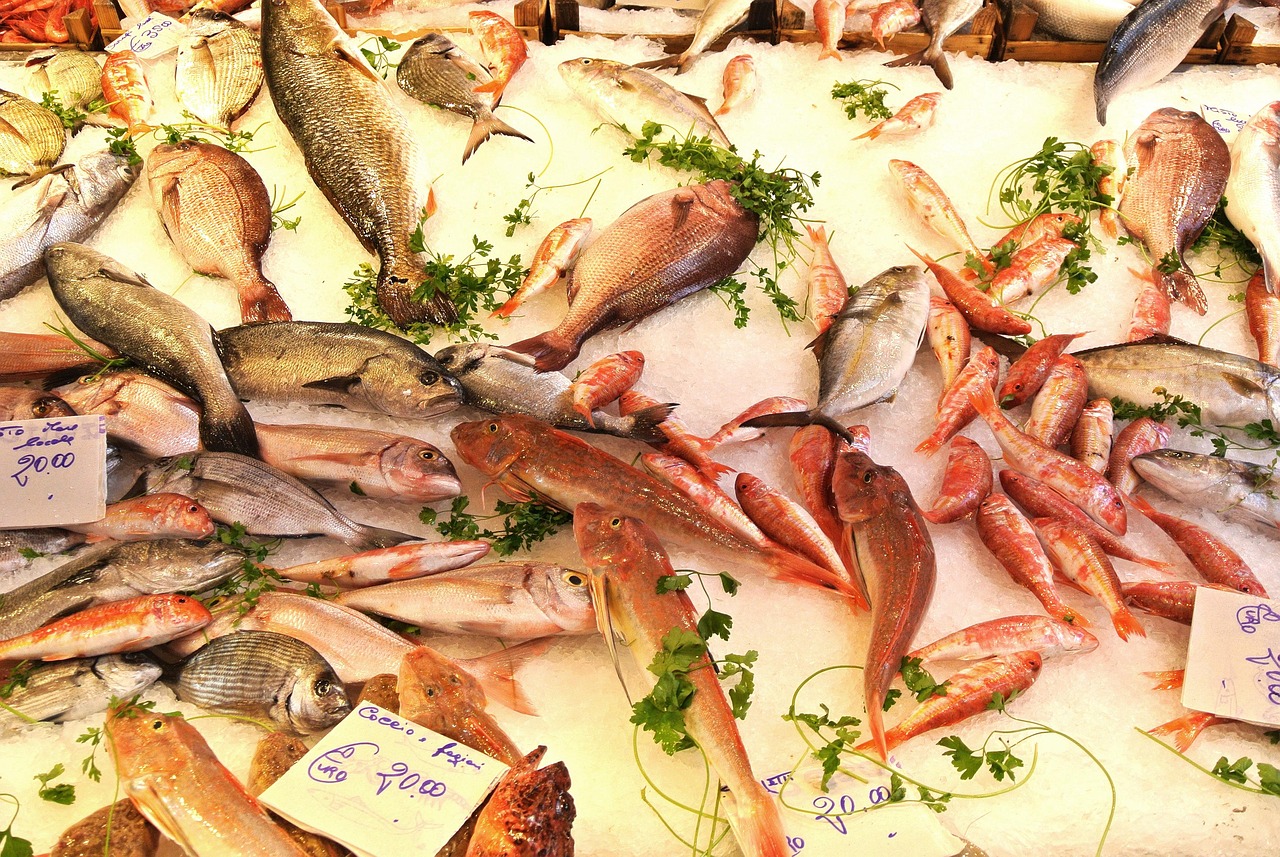
Local Flavours at the Civitavecchia Fish Market with waterfront stalls
Meeting vendors and fishermen with respect
One of our favourite stories comes from travellers who chatted with fishermen as they unloaded crates, learning which catch was best grilled and which suited a slow stew. A smile and a simple greeting go a long way; you don’t need fluent Italian to build a real connection. Ask before photographing people, and you’ll often be met with warmth and pride.
What to order at waterfront trattorias with confidence
Choose a busy trattoria where freshness is visible, and the service feels steady. Try a plate of the day’s seafood, then pair it with Lazio wine for a taste of regional heritage that feels both rustic and refined.
- Good value often looks like: one main seafood dish to share, one salad, and a glass each.
- Be cautious of menus with dozens of items and aggressive pictures; they’re rarely the best-crafted kitchens.
- In heat, prioritise places that keep seafood chilled and tables turning—freshness is part of the care.
Food safety is simple: wash your hands, choose busy spots, and trust what you can see. When the meal ends with a sea breeze and an easy stroll, you’ll understand why many travellers linger here instead of rushing straight back to the ship.
Uncover Terme Taurine Civitavecchia Roman thermal baths Ficoncella
To uncover the Terme Taurine, set aside a few hours for ruins that speak softly but powerfully. Searching “terme taurine civitavecchia roman thermal baths ficoncella” will point you in the right direction locally, but the real reward is on-site: traces of luxury, design, and ritual in the open air. It’s a different kind of adventure—less adrenaline, more time-travel.
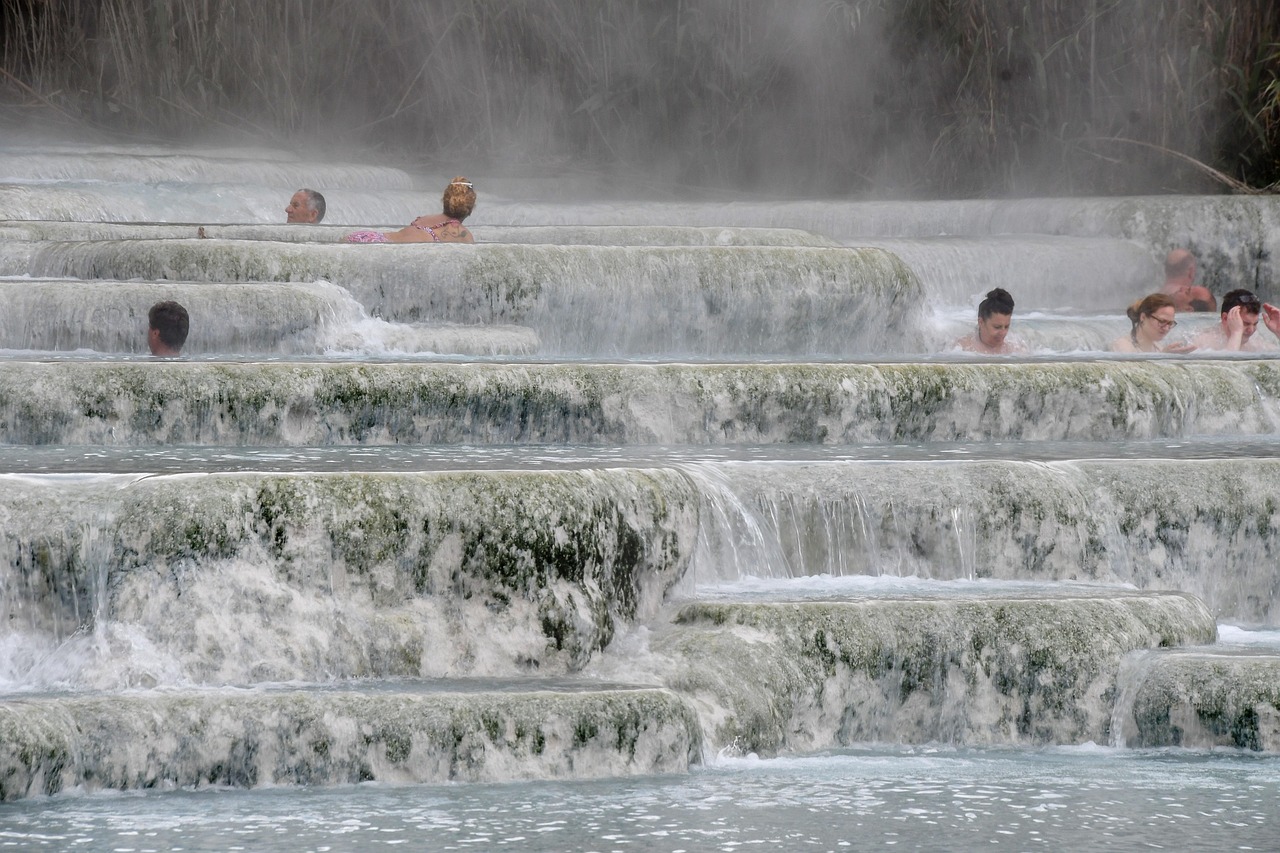
Uncover Terme Taurine Roman Baths and Ficoncella near Civitavecchia
Why Terme Taurine matters and what to look for
These ruins matter because they reveal how Roman wellness shaped the landscape—how leisure and status were built into daily life. Look for the layout hints: where pools once steamed, where rooms shifted from warm to hot, and where social life unfolded in stone. The stories linked to Emperor Trajan add weight to what you’re seeing: power expressed through comfort, architecture, and time.
Practicalities for an adventure-ready visit
Wear supportive shoes, carry water, and bring a sun cover; the site feels like a short hike when you move slowly and look closely. Keep your plan simple: arrive, explore, rest, and leave before you’re depleted. If you want a modern soak afterwards, Ficoncella offers a more contemporary thermal experience—follow local etiquette, keep voices low, and give families space.
Before you go, check local opening hours, carry small change, and keep valuables secure as you move between sites. This is how you keep the day both free and reassuring.
Etruscan coast, Civitavecchia, hiking points of interest in the medieval city
If your energy leans outdoors, “Etruscan Coast Civitavecchia hiking points of interest historic city” is the perfect prompt for a half-day that blends movement with meaning. The Etruscan influence in this part of Italy sits quietly in the background, while the Mediterranean views do the immediate work of inspiring you. Start early, walk with intention, then return to town feeling lighter.
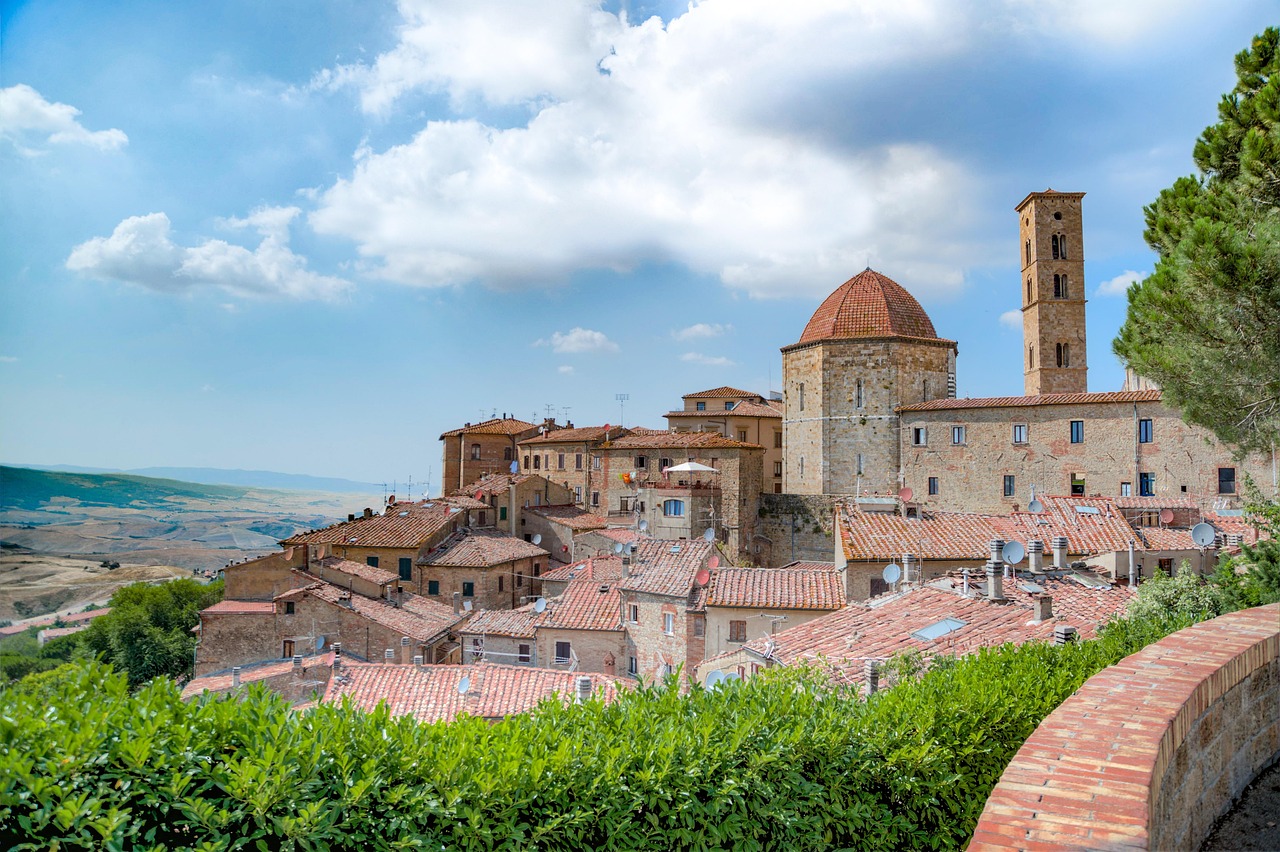
Etruscan Coast Trails and the Medieval City Heart near Civitavecchia
Half-day itinerary mixing coast trails and medieval lanes
Design a simple itinerary: begin with a coastal trail section for views, pause at a monument viewpoint to take photos, then cool down in the historic city centre with a coffee. Add a small museum stop if it’s open, then wander a few medieval lanes where the town feels older and more personal. If you’d like a quiet moment of reflection, step into a small San church and sit for two minutes—no performance, just presence.
Signage can be limited, so download an offline map and let someone know your rough route if you’re solo. If a path feels too empty, turn back without drama; confidence often looks like choosing the safer option early. For small pleasures, pick one edible souvenir to shop for—olive oil biscuits or local sweets—and enjoy it later on deck as the coast slips away.
Beyond the Civitavecchia gateway to the Civita di Bagnoregio day trip tour
If you have extra time in your schedule, a “Civitavecchia Gateway Civita di Bagnoregio Day Trip Tour” adds cinematic drama to your journey. Civita di Bagnoregio is the cliffside dream—ancient, fragile, and unforgettable when the light turns soft. It’s a bold choice, best for travellers who like to explore beyond the obvious.
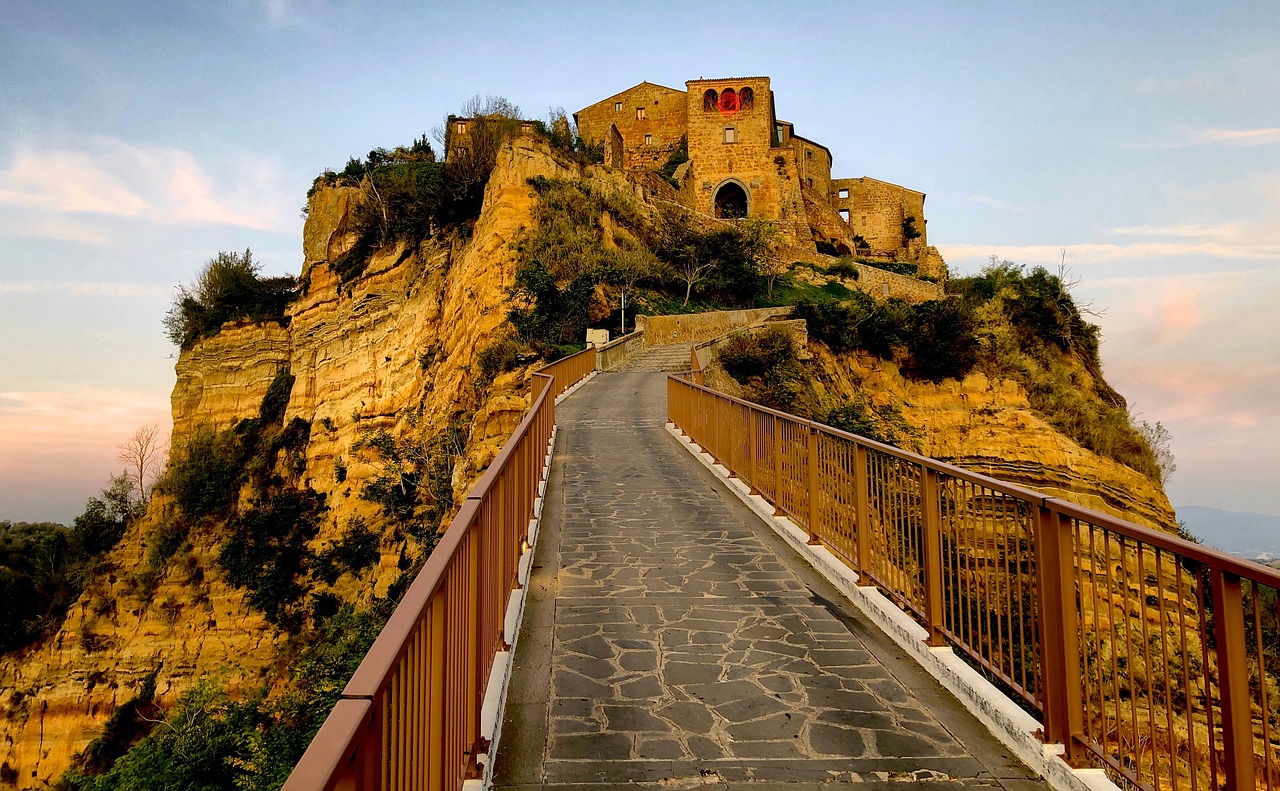
Beyond Civitavecchia Gateway Day Trip to Civita di Bagnoregio with cliffside views
Logistics and when to book an organised tour
Logistics are doable but layered: you’ll typically combine train plus bus segments, then walk into the village. If you want maximum support and fewer decisions on the day, an organised tour can be the most seamless option—especially if your cruise timing is tight. This is where planning becomes an act of care, not constraint.
Terrain, crowds, and a gentle alternative
Expect steep approaches and narrow photo pinch points, and be kind to your knees on the way back. If the weather turns or energy dips, choose a gentler coast-wander in Civitavecchia instead, or consider a short ferry ride for a different perspective on the shoreline. However you decide, keep the logic simple: Civitavecchia and Rome can be paired one day, and this gateway detour fits best on another.
F.A.Qs: Civitavecchia Rome port cruise guide
F.A.Qs: Civitavecchia Rome port cruise guide with ships in harbour
What is Civitavecchia, Italy, known for?
Civitavecchia is best known as the main cruise gateway to Rome and for its working waterfront character. It’s also recognised for Forte Michelangelo overlooking the harbour, its lively fish market culture, and nearby ancient spa ruins that hint at historic luxury and local life.
How far is the cruise port from Rome, Italy?
Rome is close enough for an easy day trip. The most popular option is the regional train, which usually takes about 45 minutes from Civitavecchia, allowing you to sightsee in the city and still return with a sensible buffer.
Is Civitavecchia the same as Rome?
No—Civitavecchia and Rome are separate places. Civitavecchia is a coastal port town, while Rome is inland and much larger. Many travellers enjoy the contrast, using Civitavecchia as a calmer base before heading into the busier historic heart of the capital.
Is Civitavecchia worth visiting?
Yes, especially if you enjoy coastal culture. Even a few hours can be rewarding: a waterfront walk, a market visit, and views from the fort create a sense of place beyond the port. It’s also a smart way to pace yourself before or after a Rome day.
After Civitavecchia, what stays with you in Civitavecchia, Rome, Italy
The feeling that stays with you isn’t the tick-list; it’s the softer shift of stepping from a cruise port into a small town that gives you room to breathe. There’s a particular kind of light you remember—sea glare turning gentle as evening arrives, and stone walls holding warmth long after the sun drops. You may find that you think less about what you “saw” and more about how you felt moving through it all.
Often it’s one vivid image that returns: the hush at the fort as the horizon darkens, a kind exchange at the market that made you feel briefly known, and the contrast of Rome’s grand scale against a quieter coastal rhythm. In those moments, trust grows through small choices—choosing the quieter street, allowing a pause, returning early without feeling you missed out. Confidence arrives when your plans feel crafted but not rigid, leaving space for the unexpected and the personal.
And later, when you think of the Eternal City again, you might also remember the calm that framed it—how the coast gave you a steadier beginning and a softer landing. Italy has a way of doing that, offering beauty at every tempo, and letting your next journey take shape in its own time.