Post Contents
- Designing italy main attractions: a confident, slow-luxury itinerary for high-end travellers
- Rome attraction highlights: Colosseum, Roman Forum and Vatican tour with local insight
- Florence attraction tour: Uffizi, Duomo and Santa Maria top sights with crafted pauses
- Venice attraction private gondola tour: San Marco, palace sights and romantic timing
- Amalfi Coast luxury resorts, Tuscany wine tasting and cooking class tour
- Leaving Italy: what stays with you after the main sights
- F.A.Qs: Italy main attractions
Designing italy main attractions: a confident, slow-luxury itinerary for high-end travellers
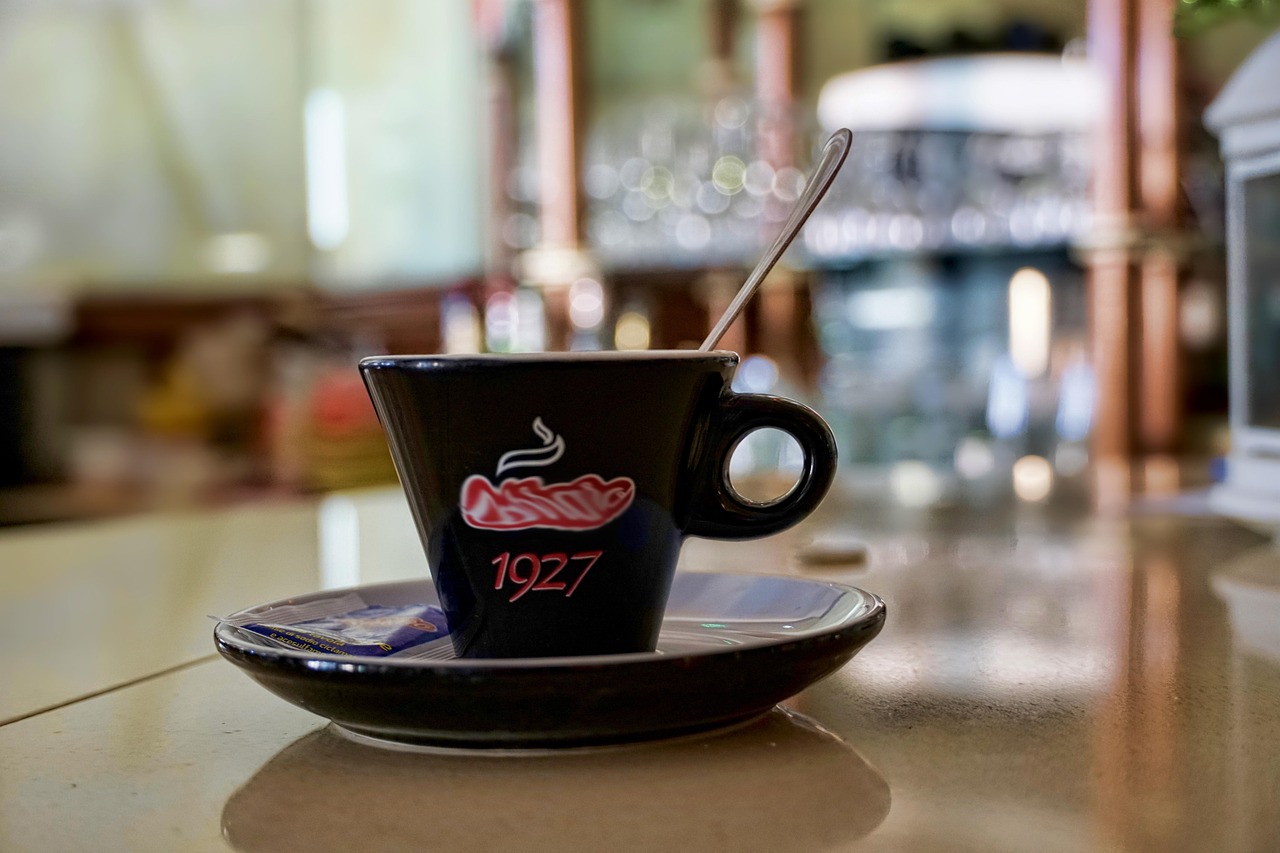
Slow-luxury planning mood: espresso, quiet moments, and a beautifully paced route
Designing a high-end journey is less about collecting a new landmark every hour and more about creating space to truly feel each place. The most rewarding days balance one iconic site with slower pauses—an espresso at the bar, a quiet church threshold, and a late-afternoon stroll when the architecture turns honeyed.
If you’re looking for italy main attractions without the friction, start with a simple principle: fewer bases, better timing, and thoughtful transfers. Confidence grows when your days flow naturally, so you can stay present as a local would rather than rushing like a tourist.
Timing that protects atmosphere and reduces crowd pinch-points at major sites
For a more personal experience, the shoulder seasons (April to June, September to October) are your best ally. Temperatures are kinder, and the crowd pressure eases just enough to make historic streets and piazzas feel human again.
Within each day, aim for early mornings or late afternoons. You’ll often find calmer lanes, shorter waits at a major entrance, and softer light that flatters stone and water.
Local flow by rail, then private comfort where it counts most
To keep your route seamless, consider open-jaw flights (arrive in one city, depart from another) and let high-speed rail handle the core triangle efficiently. For the countryside and coast, a private car service turns logistics into calm—especially where parking, hairpin roads, or luggage transfers can otherwise distract from the joy.
One highlight of this approach is how it protects your energy: you arrive well, settle quickly, and have room for spontaneous discoveries. For inspiration on what a beautifully paced journey can look like, explore our Trip gallery and imagine your own version—crafted around your pace, not someone else’s timetable.
- Ticket strategy: pre-book timed entry for major attractions to protect your day from a queue.
- Private tour value: an expert guide doesn’t just explain; they help you notice what you’d otherwise walk past.
- Contingency: build in breathing space each day—your concierge can adjust plans in real time if weather or energy changes.
- Support and care: travel insurance and a simple safety mindset keep you reassured without feeling on edge.
With that foundation, the joy is in the details: the gallery hour that feels almost private, the late lunch that becomes the day’s favourite memory, and the quiet satisfaction of knowing everything is in hand.




Rome attraction highlights: Colosseum, Roman Forum and Vatican tour with local insight
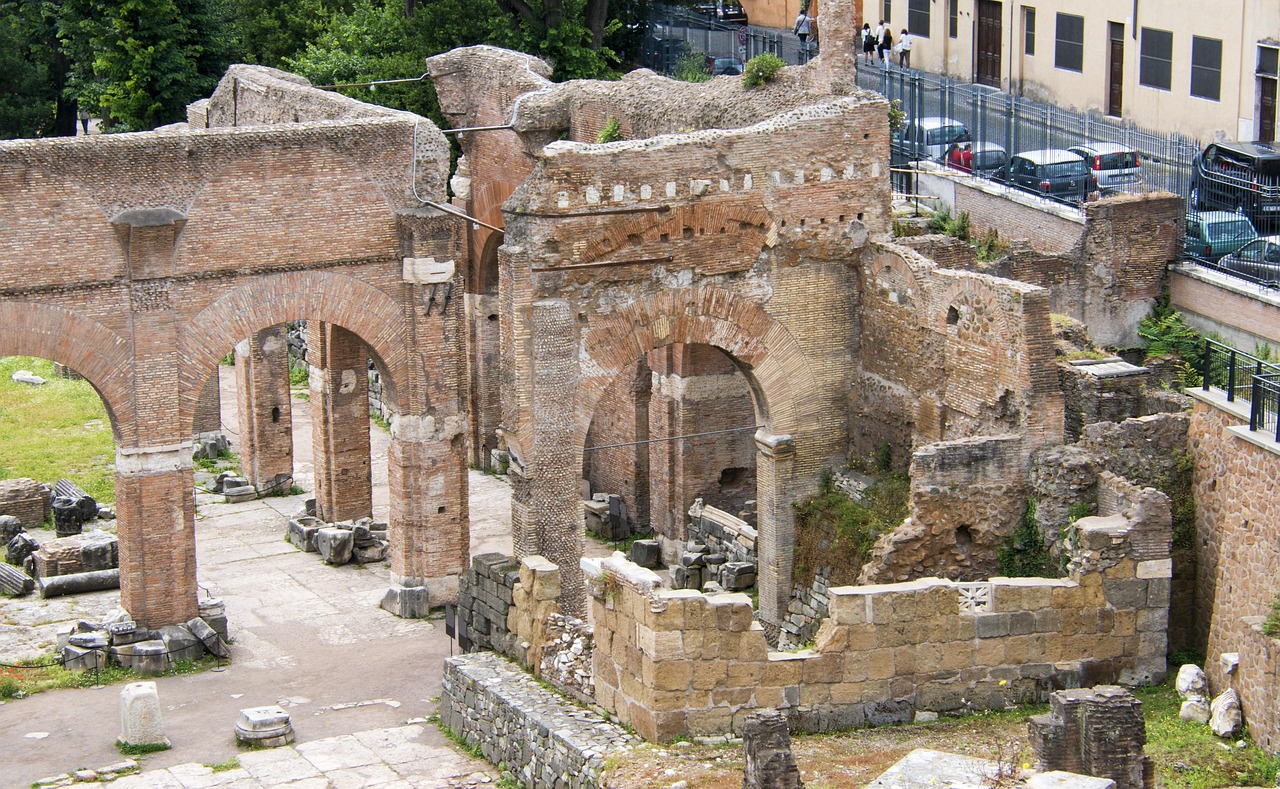
Golden hour over the city: ancient stones, baroque curves, and quiet corners between icons
When travellers ask for the best way to experience the capital’s big icons, they’re usually asking for something deeper than a checklist. Rome is historic theatre at street level: ancient stones beside baroque curves, and moments of stillness if you time them well.
The key is to explore with structure—timed entries for the most in-demand places—then let the city unfold between them. That’s how you keep the day personal, even in a world-famous destination.
Ancient arena engineering and the Roman Forum with a clear, unhurried route
The Colosseum is the headline, but it’s the surrounding context that makes it sing. Choose a guided visit with a timed entry and clear pacing so you can absorb the scale of the arches and the logic of Roman crowd control, rather than simply moving through.
From there, continue into the Roman Forum with an expert who can point out how power and daily life intertwined. Look for the alignment of columns, the remnants of civic space, and the way this architecture still influences the city’s rhythm today.
To soften the intensity of the big archaeological sites, design a curated walk through the historic centre. Begin at this oval piazza, built on Domitian’s stadium footprint from ancient times, and notice how the space still holds its original shape.
Pause beside a baroque fountain—listen to the water, watch the city’s choreography—then continue to the Trevi Fountain. If you enjoy small linguistic details, you’ll hear it called the Fontana di Trevi; either way, it’s a classic wish and a cinematic slice of the city.
Vatican City deserves its own calm window, because it’s both museum and living basilica. One traveller told us a private evening visit to the Vatican Museums transformed their experience: fewer voices in the galleries, more space to read the artwork, and a quieter approach to Michelangelo’s Sistine Chapel. As a visitor, you’ll appreciate how a great guide can add context and a gentle Raphael moment many people miss.
Inside St Peter’s Basilica, dress modestly as you would for any church, and expect airport-style security. Keep valuables close in busy hotspots—simple pickpocket awareness is practical care, not a reason for anxiety.
For atmosphere and photography, early morning gives you room to breathe, while late afternoon brings warmer tones to stone. Either way, the city rewards travellers who move with intention and trust their timing.
Florence attraction tour: Uffizi, Duomo and Santa Maria top sights with crafted pauses
For travellers planning a day of major art and architectural beauty, the secret is pacing. Florence is compact, but the density of Renaissance detail can be surprisingly intense—so a crafted plan helps you experience each masterpiece with clarity, not fatigue.
Think of the day as a gentle crescendo: a gallery in the morning, an architectural viewpoint, then a quiet stop that brings you back to yourself.
A personal encounter with the city’s signature gallery collections
The Uffizi is the must-see cornerstone for art lovers, but it’s best enjoyed with boundaries. Pre-book a timed ticket, and consider a private guide so you can move with purpose—pausing for the pieces that speak to you rather than feeling obliged to see everything.
A good guide will help you read details you might otherwise skim: gesture, colour, symbolism, and how the city used painting to express identity. That kind of insight turns a famous gallery into a personal memory.
Duomo viewpoints, marble detail and one rewarding climb for the best panorama
The Duomo complex is as much about looking closely as it is about the skyline. Spend time with the facade—its patterns, its marble, its confident geometry—and then choose a single ascent for the best experience. Many travellers love Giotto’s Campanile for changing viewpoints and cleaner sight lines over the cathedral roofline.
Go early to avoid the midday crowd, and allow yourself a moment at the top to simply breathe. From above, the city is less about conquest and more about perspective—terracotta roofs, a ribboning river, and streets that feel shaped by artists.
For a quieter counterpoint, step into Santa Maria Novella. This is where the city feels softer: cooler air, fewer voices, and details that reward attention—look for a mosaic accent that feels intimate rather than grand. It’s a beautiful way to balance the busiest attractions with hidden gems that restore your sense of ease.
If sculpture is your love language, add the Museo dell’Accademia for David, then unwind with an intentionally simple walk: a palazzo frontage here, a bridge crossing there, and a glance at the Ponte Vecchio—“vecchio” meaning old—still doing what it has done for centuries. Finish with gelato and people-watching; that gentle pause is often what makes the day feel luxurious.
- Comfort tip: schedule the main collection first, then keep your afternoon flexible for slower discoveries.
- Guide value: an expert can tailor the narrative to your tastes—painting, architecture, or social history.
- Small reset: plan a café stop between major sights to stay fresh and present.
Venice attraction private gondola tour: San Marco, palace sights and romantic timing
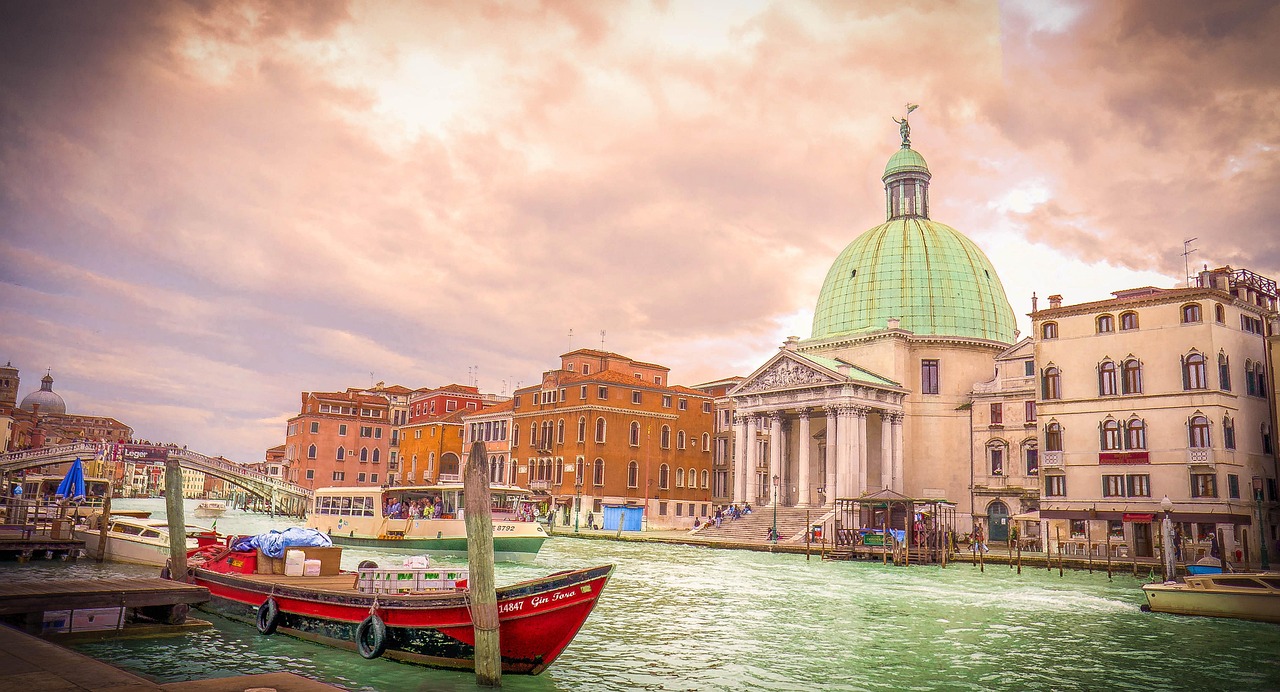
Canals at dusk: quieter lanes, deeper reflections, and a cinematic evening on the water
If you’re planning a private gondola evening with your key landmarks, begin with one word: timing. Venice can feel busy in bright midday, but at dusk the city shifts—canals quieten, reflections deepen, and lanes that felt crowded become gently cinematic.
Step into the evening when the light softens and the water slows. This is where the city feels less like a postcard and more like a secret you’re being trusted with.
Sunset on the canals and a private gondola story worth keeping
One traveller described a magical moment during a gondola ride at sunset: the oar’s rhythm, the hush between bridges, and a sense of tranquillity despite the city’s fame. They told us it felt as though Venice briefly belonged to them together, framed by historic walls and the faint sound of footsteps above.
To design this as a signature evening, book in advance and start just before sunset. Keep the rest of the night simple—a glass of wine, a slow dinner, and an unhurried walk back to your hotel.
San Marco Basilica and palace visits with calmer ticketed entry
The San Marco area is dazzling, but it benefits from a calm approach. Pre-book your ticket where possible, arrive early, and choose a plan that avoids the tightest bottlenecks. Inside the basilica, let your eyes adjust to the gold glow, then look for layered time—centuries of devotion, craftsmanship, and city pride.
Nearby, the Doge’s Palace is a masterclass in civic power and decorative confidence. For architectural photography, step back to capture the lace-like facade, and don’t miss the winged lion motifs—Venice’s emblem watching over the square.
To uncover an extra layer beyond the main routes, seek a smaller church with a painter’s dramatic touch. A Tintoretto canvas can feel electric in candlelight, and a Caravaggio moment brings shadows that suit the city’s mood perfectly.
Practical reassurance matters here: narrow lanes can be disorienting at first, but that’s part of the charm. For luggage, water taxis remove stress, and in the busiest spots it’s wise to stay aware without losing the romance.
Amalfi Coast luxury resorts, Tuscany wine tasting and cooking class tour
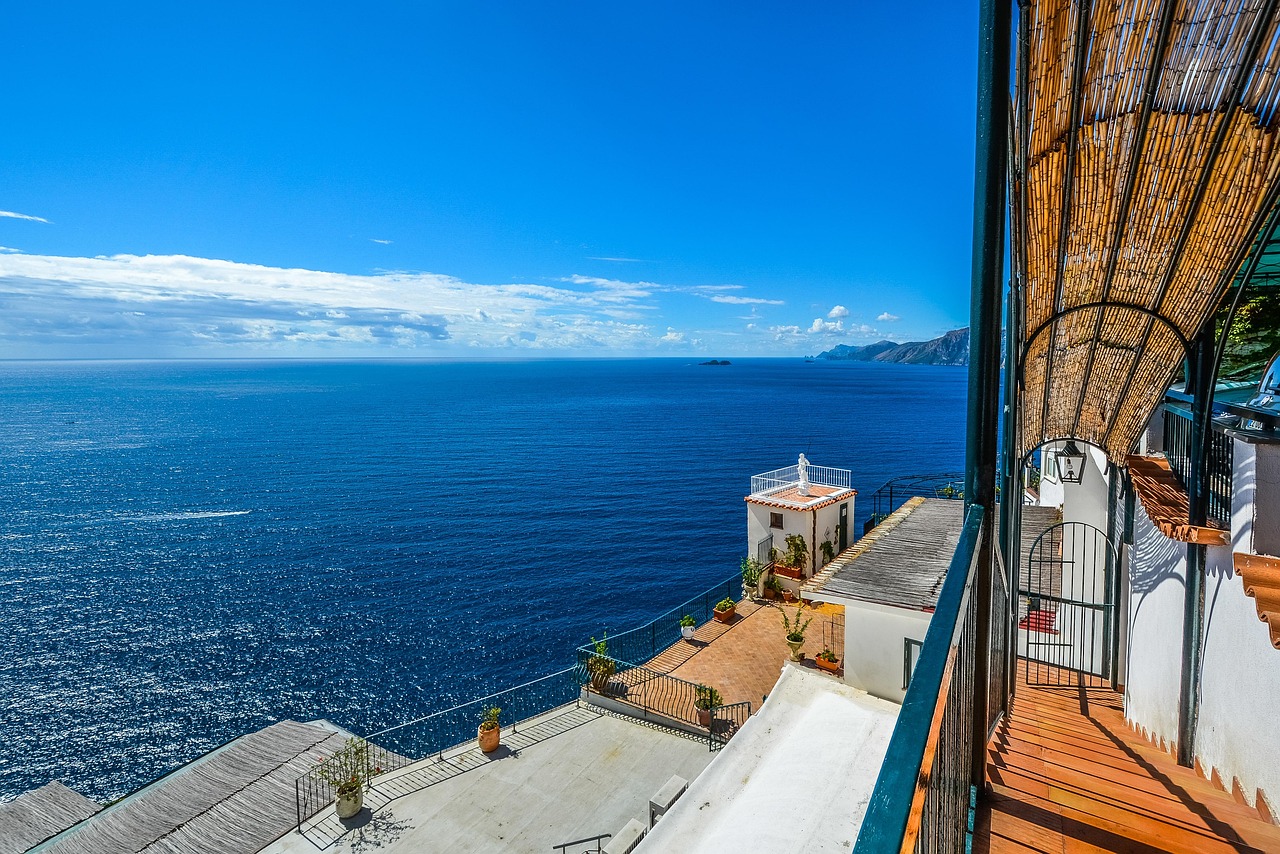
Cliffside villages and sea views: effortless transfers, slow lunches, and memorable taste experiences
For travellers looking up luxury resorts, wine tasting, and a cooking class, the through-line is ease. The coast is dramatic and outdoor by nature, while the countryside invites you to slow down—so the art is stitching them together with seamless transfers and well-chosen bases.
On the Amalfi Coast, a private driver is not an indulgence; it’s support. It allows you to enjoy the views rather than manage the roads, and it keeps each day feeling calm and curated.
Amalfi Coast rhythm and the Path of the Gods with smart, comfortable care
Choose one or two cliffside villages as your base, prioritising privacy, rest, and breathing space. From there, create days that alternate between simple pleasures: boat time, a swim, and a long lunch that doesn’t need to be rushed.
A couple who honeymooned here told us their hike on the Path of the Gods became the defining memory—not just for the breathtaking scenery, but because they returned each afternoon to intimate luxury accommodations where everything felt quietly looked after. If you plan it, wear proper footwear, carry water, and start earlier to avoid the peak sun.
Countryside flavour with a Tuscan host: wine culture and a hands-on cooking class
Then, let the pace shift. A crafted wine tasting with a host can be as cultural as any museum visit, especially when you learn the stories behind the vineyard and the ingredients on the table. Add a cooking class and you’ll bring home something more lasting than a recipe: a sense of Italian hospitality, and the confidence to recreate one truly memorable meal.
If you’d like an optional countryside add-on, a medieval hill town offers a softer rhythm. Arriving through Porta Camollia feels like stepping into another century, and it’s a wonderful place to slow down before your onward travel.
- Comfort first: pick hotels that make rest easy—terraces, sea views, and thoughtful service.
- Heat management: plan hikes and village strolls earlier, then enjoy the afternoon by the water.
- Transfer calm: pre-arranged cars and clear timings protect your sense of trust in the journey.
Leaving Italy: what stays with you after the main sights
What stays with you after Italy is rarely the list of places, even when the attractions were extraordinary. It’s the texture: stone warmed by sun, the echo inside a church, and the hush of a late room where your footsteps sounded almost respectful.
It’s the small, deeply personal moments—Venice at sunset when the water seemed to hold the light; an unhurried glance in a gallery in Florence; the quiet relief of a well-timed entrance in Rome that let you feel the day rather than fight it. In those details, you begin to trust your own travel style, and to design journeys with more intention and care.
And perhaps that’s the real luxury: travelling together with gentle confidence, supported well enough that wonder has room to arrive. Long after the flight home, the country continues to surface in ordinary life—in a colour, a smell, a curve of architecture—inviting you to remember what it felt like to slow down.
There is always more to uncover, and the loveliest part is knowing that next time, it will meet you differently again.
F.A.Qs: Italy main attractions
What is the #1 tourist attraction in Italy?
There isn’t one definitive answer, but the Colosseum in Rome is often considered the #1 tourist draw because it’s an instantly recognisable landmark of Roman engineering. For a high-end experience, a timed ticket and a guided visit can transform it from “famous” into genuinely meaningful.
What are 5 tourist attractions in Italy?
Five classic choices are the ancient Forum in Rome, the Vatican Museums and St Peter’s Basilica, the Uffizi in Florence, St Mark’s Basilica and the Doge’s Palace in Venice, and the Amalfi Coast villages. Pre-booking key entries helps you enjoy these icons with far less waiting.
What is the big 3 of Italy?
The “big 3” commonly refers to Rome, Florence, and Venice. Together they offer ancient history, art and architecture, and canal-side romance—three very different atmospheres in one country. High-speed rail makes the triangle feel surprisingly seamless, especially when you keep your schedule unhurried.
What is a top 15 destination in Italy?
Many places could qualify, but Siena is often named among top destinations thanks to its medieval centre and beautiful pace. It pairs particularly well with time in the countryside, offering a calmer counterbalance to bigger cities while still feeling deeply historic and characterful.