Post Contents
- Landmarks in Rome Italy: The Eternal City’s Best Things to Do and Famous Landmarks
- Colosseum in Rome: an iconic attraction, famous landmark, and gateway to Ancient Rome
- Vatican Museum and Sistine Chapel: the essential Vatican City museum experience
- Trastevere, Rome: charming streets, local sights, and an evening escape from the crowds
- Practical travel tips for Rome, Italy: planning, tickets, and a seamless day in the city
- What remains after Rome: reflections on visiting and the landmarks that stay with you
- F.A.Qs: Landmarks in Rome Italy
Landmarks in Rome Italy: The Eternal City’s Best Things to Do and Famous Landmarks
The phrase best things to do in Rome can sound like a checklist, yet Rome is a city that rewards a more crafted approach—one that lets you see in Rome at your own pace, without feeling like a rushed tourist. Ancient Rome sits beside tailored boutiques, quiet churches, and aperitivi terraces, so your itinerary can be both iconic and deeply personal. Start with the big three—Colosseum, Roman Forum, and Vatican City—then weave in elegant pauses at a waterside fountain or a sunlit piazza to experience some of the most famous landmarks in Rome.
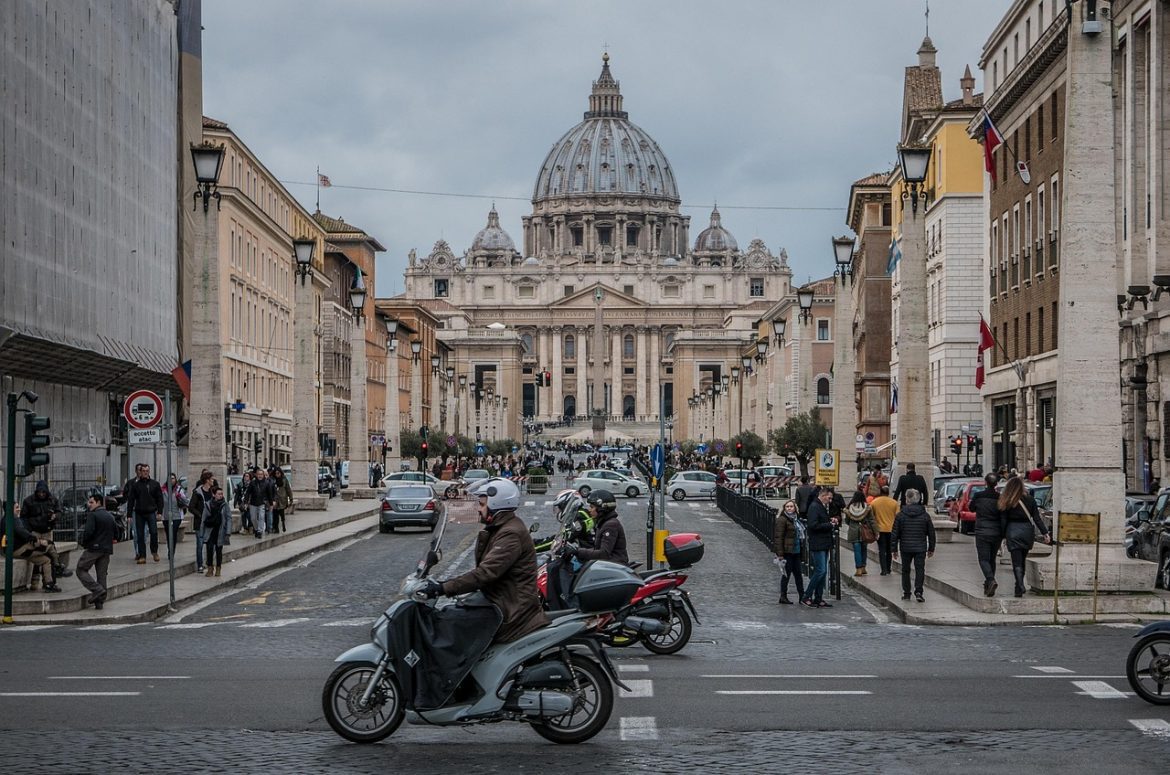
The Eternal City’s Best Things to Do in Rome and Famous Landmarks
Rome landmarks in the center of Rome: ancient history, modern style, and the best way to see it
In the center of Rome, the most memorable moments often happen between the big stops. One minute you’re tracing the edges of a ruin; the next you’re hearing espresso cups clink in a sleek café. That contrast is the true way to see this beautiful city: with time for texture, not just photos.
When you want a refined rhythm, plan your days in layers—major sights in Rome first thing, then walkable neighbourhoods later. The Roman Forum and Palatine Hill bring you close to life in ancient Rome and ancient Roman life, while nearby streets are full of contemporary style. The hustle and bustle of Rome is real, but so are its hidden courtyards and hushed chapels, if you know where to look.
10 best things to see in Rome beyond the headline attractions
To uncover the city’s breadth, let the must-see giants anchor your schedule, then add softer moments that make it feel personal. If you want to discover the best balance of icons and atmosphere, these are standout things to see and some of the best places for a slower, more stylish day:
- Pantheon, a former temple turned church with an astonishing dome and a vivid snapshot of Roman history
- Trevi Fountain, rome’s most famous fountain—visit early for a calmer feel
- Piazza Navona, a baroque stage set with Bernini’s flair and a fountain at its heart
- Spanish Steps at Piazza di Spagna, rising to Trinità dei Monti for a classic view of Rome
- Victor Emmanuel II monument near Piazza Venezia, built to honour italy’s first king and offering one of the city’s best panoramas
- Castel Sant’Angelo, part fortress, part tomb, and a compelling museum of power and protection
Many of these places are free to visit from the outside, which gives you flexibility: pause for a look, then design the rest of the day around how you feel. If you’re deciding what to visit in Rome first, this mix keeps your schedule spacious enough for wonder and structured enough to feel seamless.




Colosseum in Rome: an iconic attraction, famous landmark, and gateway to Ancient Rome
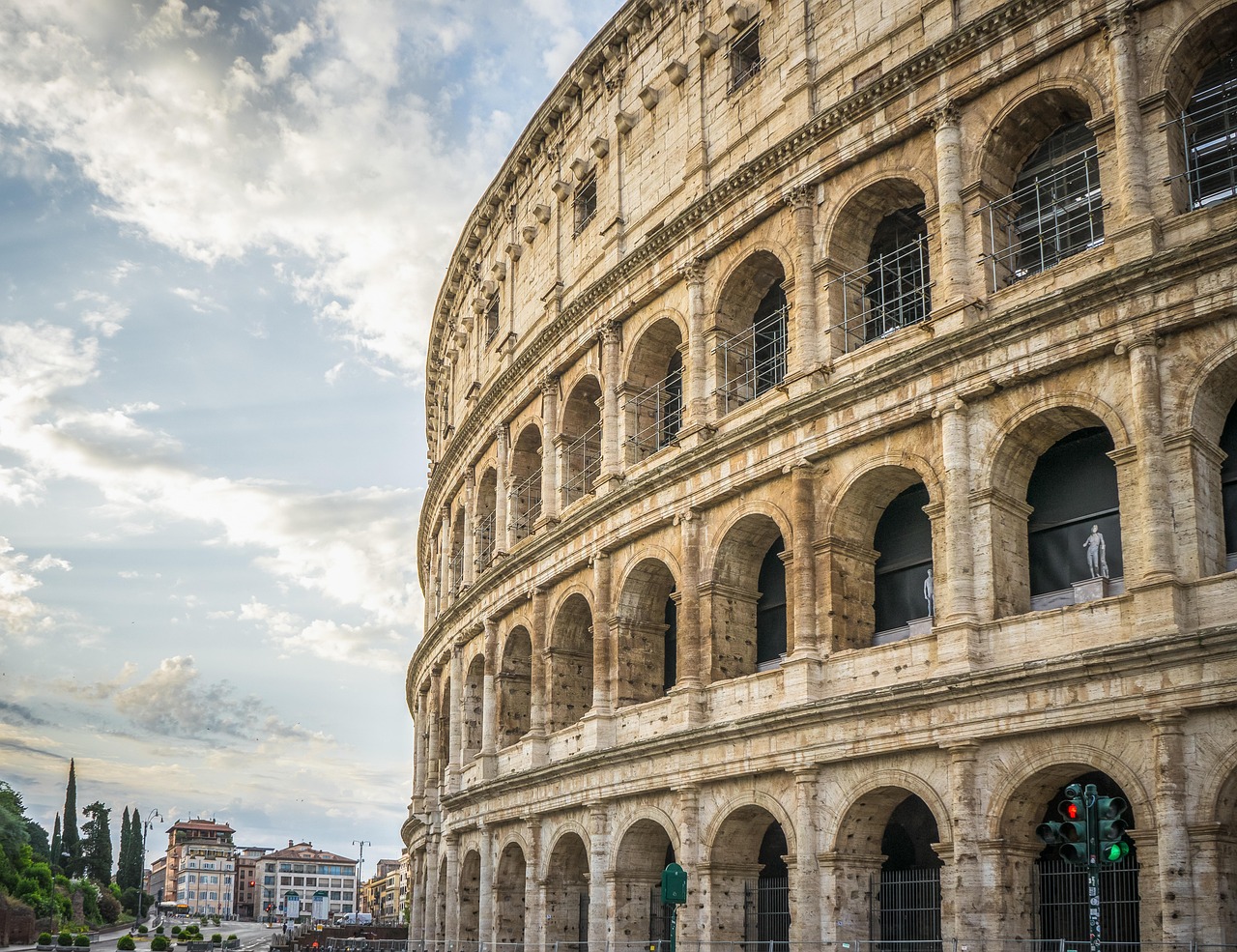
The Colosseum is one of the wonders of the world not just because it’s old, but because it still communicates—architecture as emotion. As a landmark of ancient Rome, it can feel almost impossible that this was once the backdrop to spectacle, politics, and public life. Seeing the Colosseum in person is to understand how the ancient Roman empire used scale and theatre to shape an ancient city—and why this stop remains a defining tourist attraction.
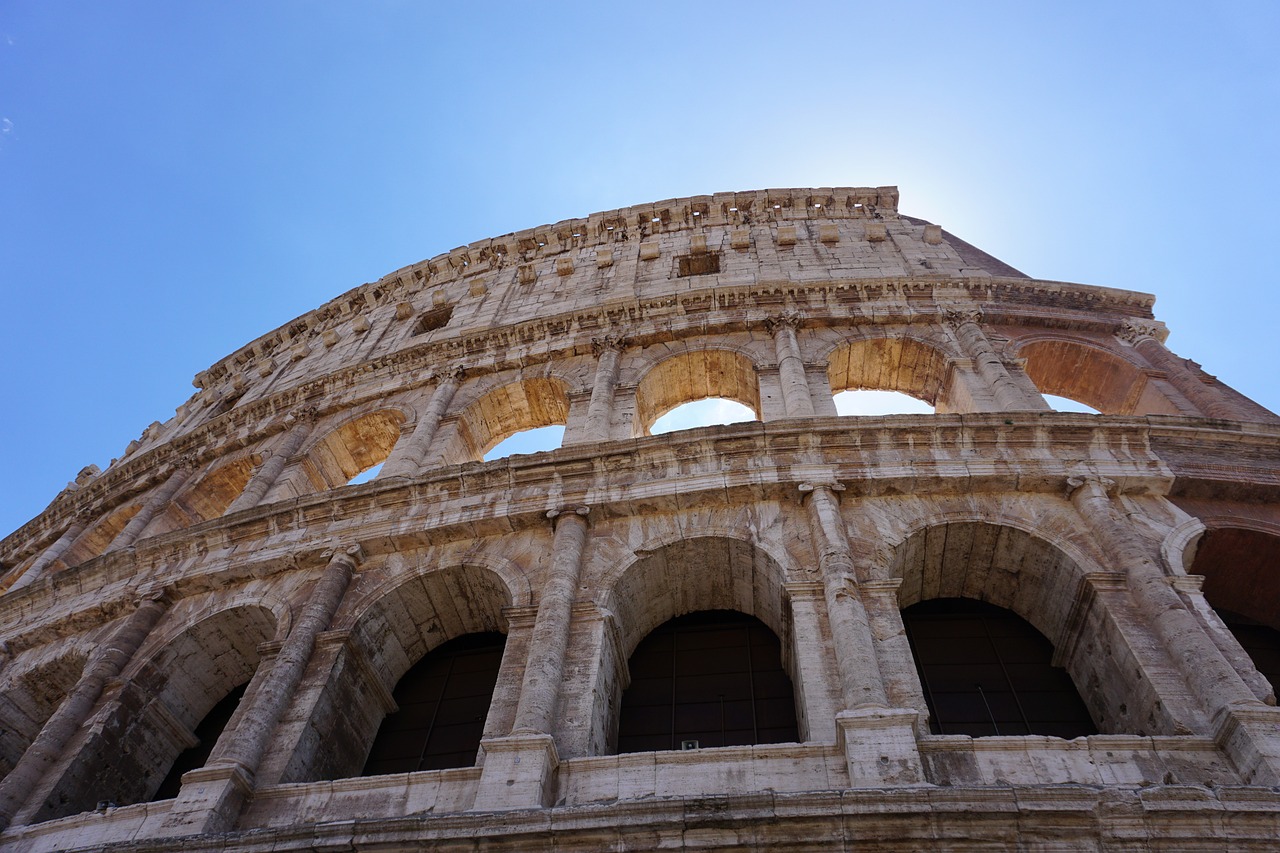
Exploring the Iconic Colosseum in Rome with morning light
Inside the Colosseum: gladiator legends, ancient Roman history, and nearby temples
Even seasoned travellers are surprised by the texture—travertine arches, weathered stairways, and the layered engineering that once controlled crowds. This isn’t simply ancient history; it’s functional design that managed sound, shade, movement, and status. Nearby, the Roman Forum and Palatine Hill complete the story with arches, temple remains, and ancient ruins that show how power was staged in daily life.
It helps to approach the Colosseum and Roman Forum as one narrative rather than two separate stops. The Forum’s open-air ruin fields and the Palatine Hill ridge give context: where emperors lived, where speeches were heard, and where myth and policy overlapped. Together, they’re the heart of ancient Rome—imposing, yes, but also unexpectedly human in detail, with echoes of ancient Roman routines and ambitions.
A dawn visit and practical tips for visiting Rome’s most iconic arena
One traveller described standing inside the Colosseum at dawn, the air still cool, the seating tiers empty. In the quiet, they could almost hear the echo of ancient cheers and imagine a gladiator stepping into the arena. It was less about drama and more about time—how a famous landmark can make you feel small in the best possible way.
For a smoother, high-end experience, a little planning goes a long way:
- Purchase skip-the-line tickets for the Colosseum, Roman Forum, and Palatine Hill combo to protect your time.
- Go early for softer light and fewer crowds—especially in spring or autumn.
- Choose an expert guide if you want deeper insight into ancient Roman history without reading plaques in the heat.
- Allow breathing space afterwards: a long lunch, a short walk to a nearby fountain, or a hotel reset keeps the day feeling crafted.
The Colosseum can be the day’s grand centrepiece—then you’re free to create an afternoon that feels more like a private journey than a standard Rome tourist circuit.
Vatican Museum and Sistine Chapel: the essential Vatican City museum experience
Booking the Vatican Museums and Sistine Chapel route is one of the most meaningful decisions you’ll make when visiting Rome, especially if you’re drawn to art, symbolism, and quiet awe. The Vatican City experience is a museum journey through belief, beauty, and power—rooms that hold centuries of patronage and human aspiration.

The Vatican Museums and the Sistine Chapel with Renaissance masterpieces
Vatican museum highlights: curated routes, sculpture galleries, and museum pacing
The Vatican museum complex is vast, but it doesn’t need to feel overwhelming. With a well-designed route, you can focus on the Raphael Rooms, classical sculpture galleries, and the quieter moments that make the experience personal. Think of it as curated intensity: a sequence of spaces that builds towards one of the world’s defining masterpiece moments.
For many visitors to Rome, the experience is also about atmosphere—marble underfoot, soft light, the hush that falls in certain galleries. Your guide’s context can transform what you see from “beautiful” into legible: who commissioned the works, what they signalled, and how style evolved across generations in this extraordinary museum setting.
The Sistine Chapel: Michelangelo, ceiling fresco, and a once-in-a-lifetime masterpiece
In the Sistine Chapel, the room seems to lift. A traveller once shared their awe at witnessing the ceiling fresco, describing it as a spiritual and artistic revelation—one of those rare moments when a place exceeds even careful imagination. Michelangelo’s figures feel alive, not as decoration but as narrative, and you sense the courage of scale behind the artistry.
A few gentle tips help keep the experience seamless: dress modestly for religious spaces, bring water (and top up at a public fountain outside afterwards), and consider early or late entry times to soften the crowding. If you also plan to see Peter’s Basilica, remember it’s not a museum visit—it’s a living place of worship—and it deserves the same care and unhurried respect.
Trastevere, Rome: charming streets, local sights, and an evening escape from the crowds
The Trastevere neighbourhood Rome travellers fall in love with is not polished in the traditional luxury sense—and that’s precisely its charm. It’s one of those places in Rome where cobblestones, laundry lines, vine-draped corners, and small churches create a romance that feels real. After big Rome attractions, Trastevere offers a softer, local counterpoint: slower pacing, warmer conversation, and evenings that unfold naturally.
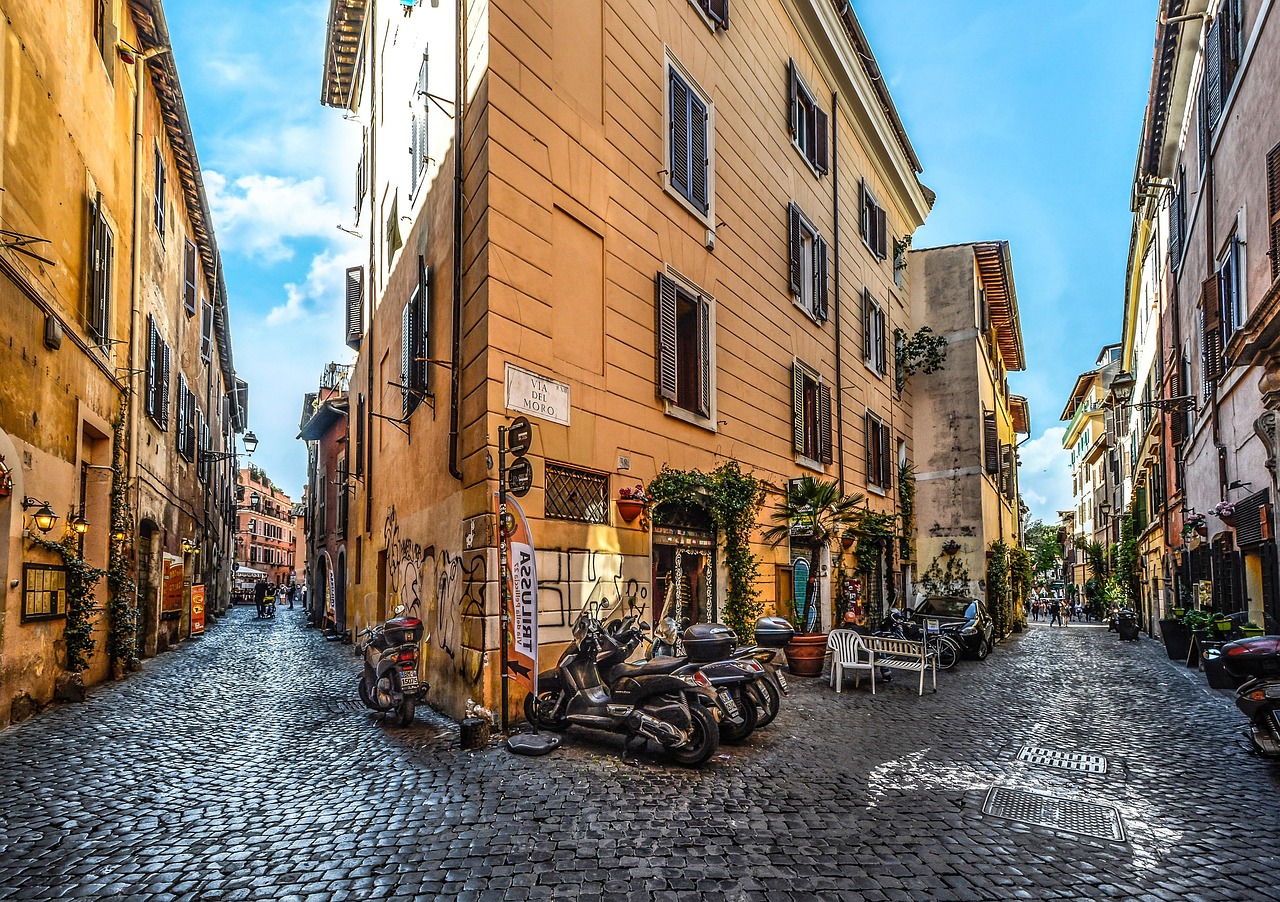
Charming Streets of Trastevere with cobblestones and evening glow
Culture, cuisine, and the Tiber after dark
Just across the Tiber, you’ll feel the mood shift. This is where you explore without needing a map every minute—following music, the scent of basil, or the glow of a small piazza. The neighbourhood’s layers run deep, yet it wears them lightly, with old façades turned into restaurants, galleries, and intimate wine bars.
If you want a sense of the city beyond the monumental, Trastevere is an ideal evening anchor. It’s also an easy pairing with a sunset stroll after a late afternoon at the Pantheon—two very different moods in one day, held together by thoughtful timing and a little distance from the daytime hustle and bustle.
A personal evening in a family-run trattoria
A couple once told us their favourite memory of a trip to Rome wasn’t a museum at all, but an evening in Trastevere: dining al fresco in a family-run trattoria, making connections with locals over homemade pasta and wine. It was simple, but it carried trust and warmth—proof that the most enduring luxury is often comfort, not formality.
To help you design your own night with confidence:
- Reserve dinner slightly earlier than peak time for a calmer terrace and attentive service.
- Learn basic Italian greetings—small care goes a long way with local hosts.
- Take a taxi or private car service back to your hotel if you’re dressed for the evening and prefer a seamless return.
Trastevere is not a single landmark; it’s a feeling—one you uncover street by street, then carry with you long after the last glass is poured.
Practical travel tips for Rome, Italy: planning, tickets, and a seamless day in the city
Good travel tips Rome Italy aren’t about doing more—they’re about protecting your energy so the city stays beautiful. High-end travel in the city works best when the logistics are quietly handled: the right season, the right ticket strategy, and comfortable transport that supports you together as a couple, family, or group. If your goal is to cover attractions in Rome without burning out, build in pauses and choose quality over quantity.
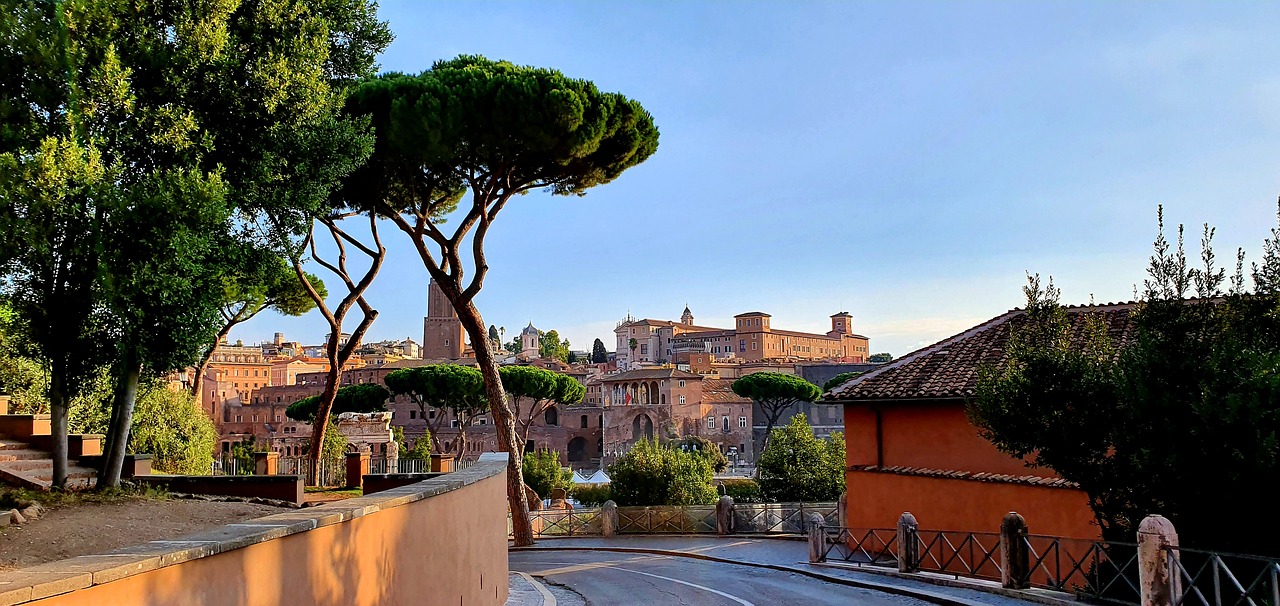
Practical Tips for a Seamless Trip in Rome Italy with elegant street scenes
Best time to visit Rome: timing, light, and avoiding the tourist crush
The best time to visit Rome is typically spring and autumn, when the light is flattering, the evenings are gentle, and walking between places to visit in Rome feels pleasurable rather than punishing. Summer can still be wonderful if you plan like an insider—early mornings for major sites, long lunches, then late afternoons for city walks and a famous fountain moment when the air cools.
Rome’s top sights are popular for a reason, but you don’t have to experience them in the thick of the queues. Your strongest tool is timing—paired with ticketing that avoids long lines outside the Colosseum and Vatican museum entrances, when the crowds and hustle and bustle peak.
Entrance fees, passes, transport, and small etiquette details
Expect entrance fees around 16–20 euros for major sites, though pricing changes and some combined tickets (such as Colosseum with Roman Forum and Palatine Hill) can offer better value. Always check official websites for current options and timed entry. If you want additional inspiration for Italy beyond the capital and around Rome, browse our Trip gallery and imagine how Rome can be paired with the coast, lakes, or vineyards.
For comfort, taxis and private car services can be the difference between a day that feels efficient and one that feels effortful—especially after a long museum visit. And don’t underestimate the simple pleasures: carry a refillable bottle and use Rome’s public water fountain points for fresh top-ups; it’s a small ritual that keeps the day flowing.
- Tickets: book timed entry and skip-the-line access for the Colosseum and Vatican City museum sites.
- Dress code: shoulders and knees covered for religious spaces, including the Sistine Chapel and St Peter’s Basilica.
- Money: keep a little cash for taxis and late-night gelato; cards are widely accepted but not universal.
- Pacing: balance heavy-history blocks (Roman Forum, Palatine Hill) with lighter strolls (Piazza Navona, Trevi Fountain, Piazza di Spagna).
This is how you create a Rome tourist experience that feels crafted rather than crowded—seamless in motion, yet still full of discovery across the city’s best-known monument and neighbourhood scenes.
What remains after Rome: reflections on visiting and the landmarks that stay with you
Reflections on visiting Rome often arrive later, once you’re home and a certain light, sound, or scent pulls you back. The memories don’t always organise themselves around a monument; they gather in smaller scenes—the cool stone under your hand, the way a dome seems to hover above a narrow street, the soft chorus of evening voices drifting over the Tiber.
Perhaps it’s the feeling of standing before a ruin and recognising how time can be both fragile and enduring. Or the quiet after the museum crowds, when the mind keeps turning over colour and masterpiece detail, and something inside you feels gently rearranged. Rome has a way of making space for reverence without demanding it.
Even the most iconic moments can become intimate: a fountain sound at dusk, a shared look in a chapel, a pocket of silence inside the Colosseum when you least expect it. And in those moments, famous Rome becomes less of a destination and more of a relationship—between you and the ancient world, between you and the person travelling beside you, between who you were before and who you become after.
One day you may choose to return to Rome, not to “do” it again, but to feel it differently—perhaps with fewer plans, deeper trust in your own pace, and the curiosity to let the city speak first.
F.A.Qs: Landmarks in Rome Italy
What are the top 10 famous landmarks in Rome, Italy?
A classic top 10 includes the Colosseum, Roman Forum, Palatine Hill, Pantheon, Trevi Fountain, Piazza Navona, Spanish Steps (Piazza di Spagna), Vatican Museums, Sistine Chapel, and St Peter’s Basilica. For many travellers, adding Castel Sant’Angelo or the Victor Emmanuel II monument rounds out a more complete picture of rome landmarks and the city’s signature viewpoints.
What are the top five attractions to see in Rome?
For first-time visitors, the most rewarding five are the Colosseum, Roman Forum (often paired with Palatine Hill), the Vatican Museums, the Sistine Chapel, and the Pantheon. These are the core highlights to see in Rome because they combine art, architecture, and history—and they’re also the places that benefit most from timed tickets or a well-paced guided visit.
Is there a 7 wonder in Rome?
Yes—many people consider the Colosseum one of the New Seven Wonders of the World. It’s also often described as the largest ancient amphitheatre, and it remains one of the city’s defining sites for good reason: it captures the engineering ambition and spectacle of the ancient world in one unforgettable place.
What is the most famous landmark called in Rome?
The best-known answer is the Colosseum, widely recognised worldwide as Rome’s signature attraction. That said, “famous landmark” could also refer to the Pantheon, Trevi Fountain, or the Vatican City complex depending on your interests—history, architecture, or art. Most travellers find the Colosseum is the defining first image of Rome, and a must-see starting point for planning landmarks in Rome Italy.