Post Contents
- Things to Do in Rome: How to Design a High-End First Day (and the Best Places to See in Rome, Italy)
- Ancient Rome with a Colosseum and Roman Forum Private Guided Tour
- Vatican City in Peace with an After-Hours Vatican Museums Sistine Chapel Private Tour
- Best Places to See in Rome on Foot: Pantheon, Piazza Navona, Trevi Fountain & Spanish Steps
- Trastevere Rome Food Tour and a Michelin Star Dinner Worth Dressing For
- Borghese Gallery & Villa Borghese: Museums in Rome Itinerary for Art Lovers
- Stay in Rome with Boutique Hotels in Campo de’ Fiori and Piazza Navona Luxury
- Around Rome Day Trip from Rome Luxury Driver Itinerary Ideas
- F.A.Qs: places to see in Rome, Italy
- What Stayed With Me: Rome Reflections and places to visit in Rome After High-End Travel
Things to Do in Rome: How to Design a High-End First Day (and the Best Places to See in Rome, Italy)
Things to Do in Rome: A High-End First Day Plan for a Luxury Itinerary
When clients ask for things to do in Rome, Italy, a luxury itinerary, I start with one reassurance: welcome to Rome. If you’re researching places to see in Rome, Italy, this approach keeps the experience elevated—Rome is a city that rewards calm, where a quiet espresso can feel as iconic as a landmark.
The best time to visit Rome for pleasant weather and fewer crowds is typically late spring and early autumn. Those shoulder seasons make Rome sightseeing far easier on the body: you can begin early, pause during the warmest hours, then return for golden-hour light when the city of Rome looks softly burnished.
When to go and how to pace a first day without rushing
For high-end travellers, the best things often come from a designed rhythm rather than more reservations. A simple formula keeps exploring Rome effortlessly: one major attraction in Rome + one museum + one long meal + one viewpoint. This gives you room for the small details—mosaic floors, a Baroque façade, the hush inside a chapel—and it’s also a smart way to choose a place to visit without turning the day into a sprint.
It also means your day in Rome doesn’t collapse under its own weight. The centre of Rome is compact, but it’s textured: cobbles, crowds, security lines, and the occasional “just one more photo” pause add up quickly, especially if you’re trying to pack in too many things to see.
- Start early for your headline site (cooler air, kinder queues).
- Schedule a long lunch as a reset, not an indulgence.
- Choose one museum that matches your mood (sculpture, painting, antiquities).
- End with a viewpoint so the day lands gently, not abruptly.
Seamless entries in Rome: tickets, timing, and VIP-level planning
For a seamless visit to Rome, pre-book private or small-group entries well in advance—especially the Vatican Museum and any Colosseum tour. Build buffer time for transfers, and be realistic about how long security can take at major sites in Rome. This is where expert planning shows care: it protects your time in Rome, and it keeps the experience feeling crafted rather than crowded.
Think of your list of Rome not as an exhaustive map, but as a Rome bucket list of favourite places you’ll actually enjoy. Rome offers endless options; your job is simply to choose the right ones, at a pace you can trust.




Ancient Rome with a Colosseum and Roman Forum Private Guided Tour
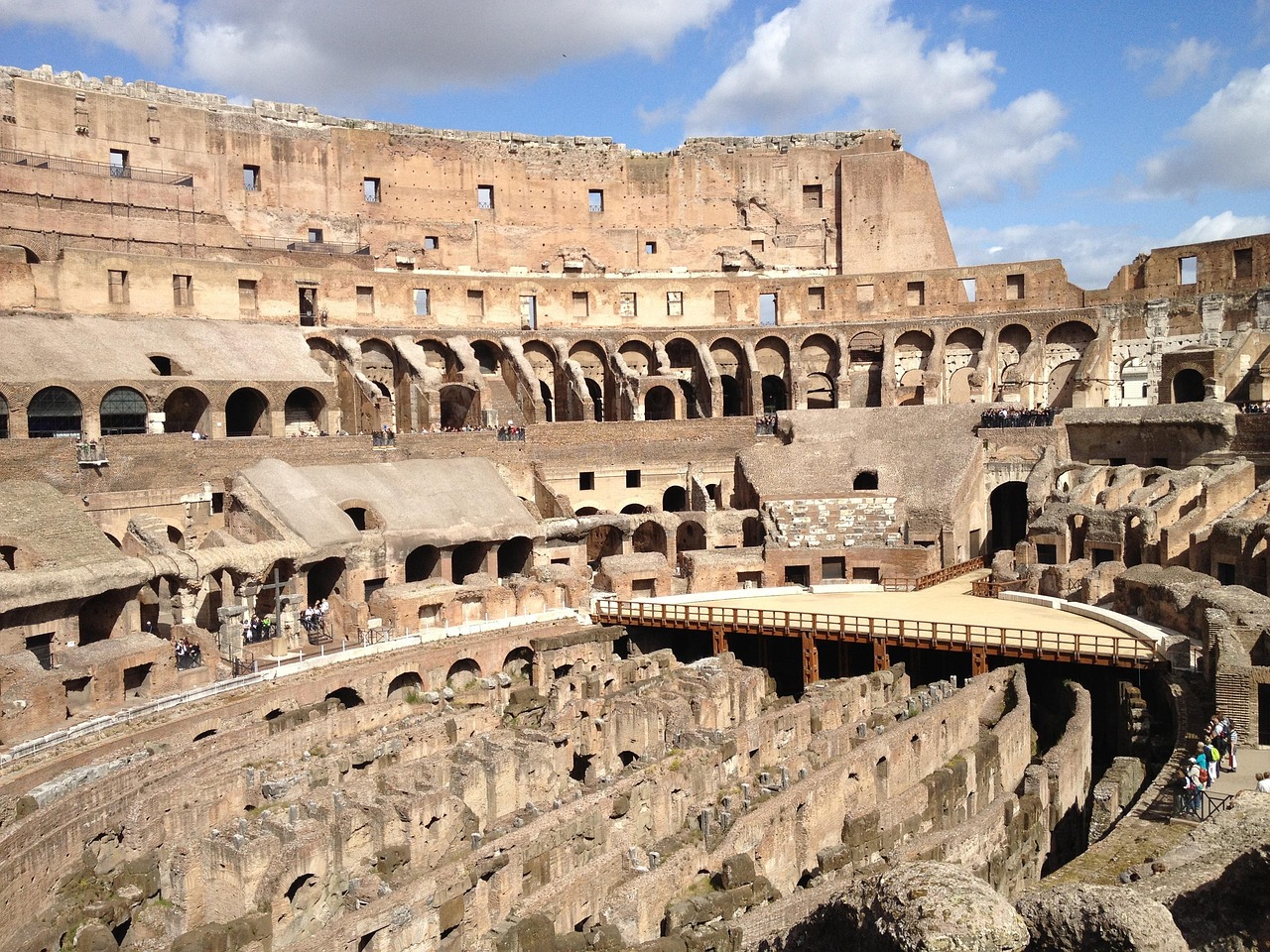
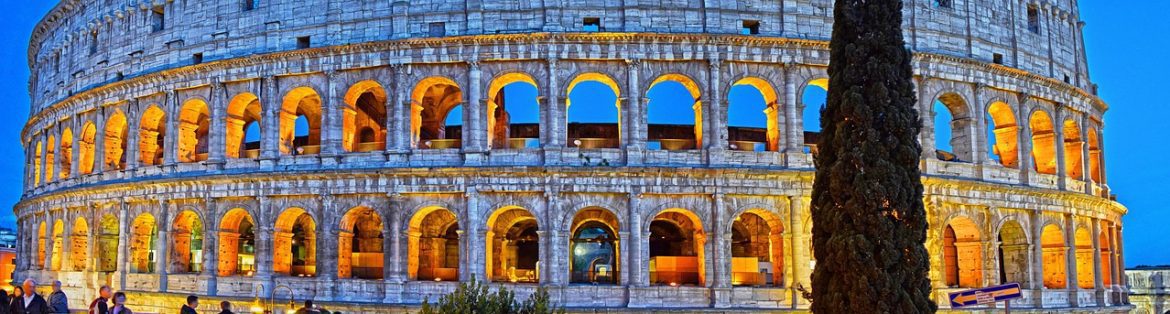
Ancient Rome with a Private Colosseum Tour
If you’re prioritising one headline day, a private guided tour of the Colosseum and Roman Forum in Rome is the most rewarding way to step into ancient Rome with context and calm. The Colosseum and Roman Forum are a must-see, but they’re also complex—an expert-guided tour turns stone and rubble into a human story, and it helps you avoid the worst bottlenecks.
A couple once told me their private visit to the Colosseum’s underground chambers changed everything. On their tour of the Colosseum, they stood where animals were held, where lift systems once groaned, and where the mechanics of spectacle lived. They said it transformed their understanding of ancient Roman life—less myth, more layered reality.
Roman Forum route planning with the Forum and Palatine, ending at Palatine Hill for a panoramic view of Rome
A classic, elegant route is Colosseum → Roman Forum → the hill (often called the Forum and Palatine). The Roman Forum asks you to walk slowly: pause for shade breaks, take water seriously, and let your guide point out what’s easily missed—political stages, basilicas, and the geometry of power in ancient Rome.
Late afternoon is a gentle reward here: the light skims across columns and fragments, and the noise drops just enough for imagination to do its work.
Gladiators and political theatre: comfort tips for your Colosseum day
You don’t need a lecture to feel the weight of history here. A good guide will give you insight into gladiatorial culture, the theatre of politics, and daily rhythms—without overload. Wear supportive shoes (cobblestones and uneven steps are common), carry a hat in warmer months, and plan to visit this attraction early in the morning if you’re sensitive to heat.
To round out the story, add one meaningful stop nearby. The Capitoline Museums offer a beautiful bridge between emperors, citizens, and art, while a quieter alternative is San Pietro in Vincoli—less crowded, deeply atmospheric, and home to works that pull you into a different Rome entirely.
Vatican City in Peace with an After-Hours Vatican Museums Sistine Chapel Private Tour
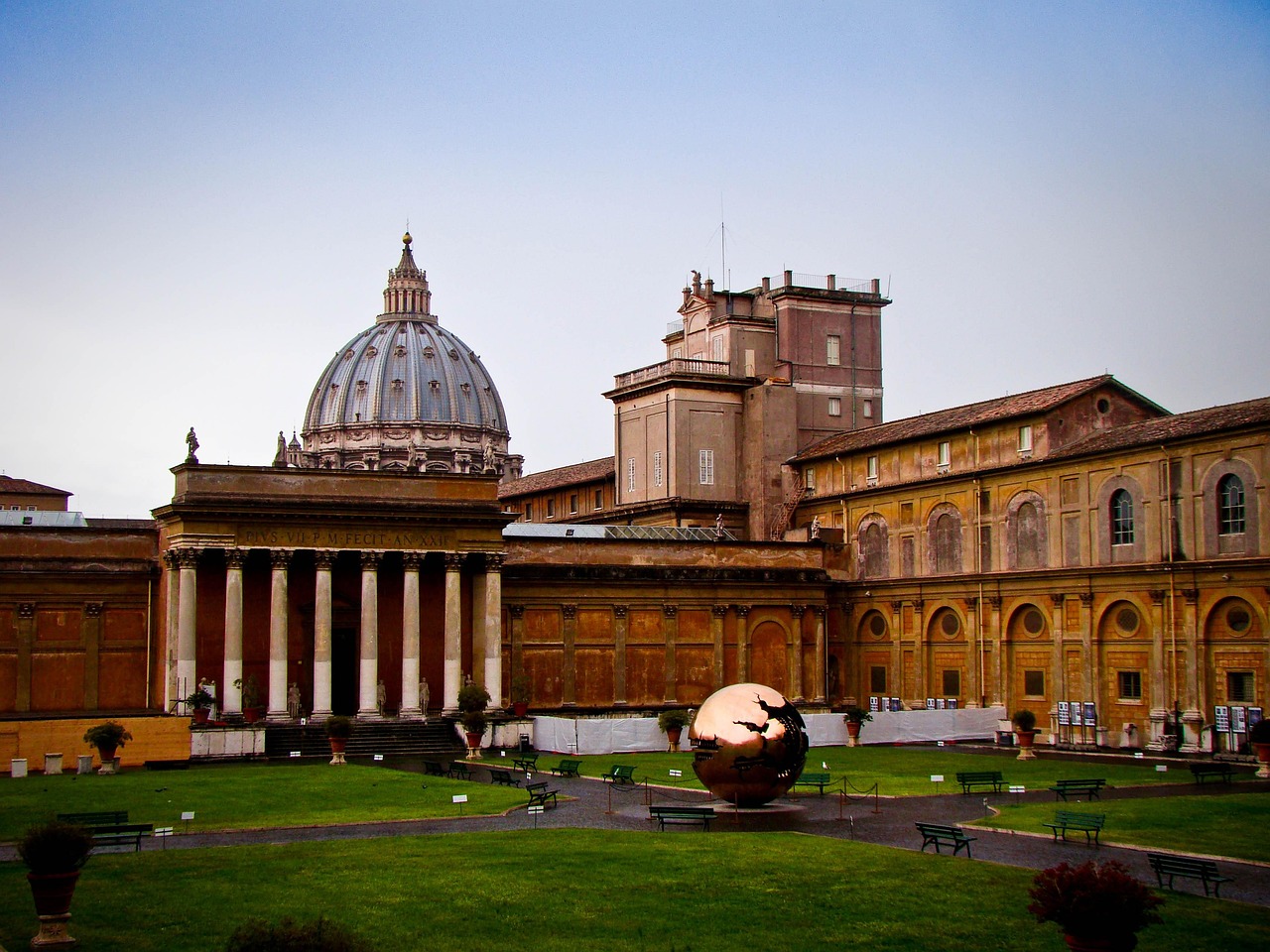
Vatican City in Peace After-Hours and at Dawn
For art lovers who want space to breathe, an after-hours Vatican Museums Sistine Chapel private tour in Vatican City can feel like the ultimate quiet luxury. An exclusive entry plan is not about status; it’s about stillness. The tour of the Vatican becomes less about surviving crowds and more about discovering what moves you.
An artist once described wandering the Vatican museum at dawn and feeling an intimate connection to Renaissance masterpieces—untouched by crowds, with time to notice brushwork and emotion. To recreate that calm, aim for the earliest possible entry or a truly after-hours visit, and keep the rest of the day light.
How to see the Sistine Chapel with presence and real attention
The Sistine Chapel is often rushed, but it rewards slowness. Stand back, let your eyes adjust, and choose a focus: the narrative flow, the colour harmonies, or a single figure that draws you in. Keep the experience respectful—quiet voices, no flash, and a gentle patience with the rhythm of the room.
If you’re travelling with family or friends, agree in advance on a simple plan: a few minutes together, then a few minutes alone. That small design choice can make the experience feel personal rather than performative.
- Look for the way bodies are painted as sculpture.
- Notice how scenes “read” like chapters across the ceiling.
- Pause when you feel overwhelmed—your attention is the real luxury.
Peter’s Basilica highlights: from the basilica to the grottoes and a tomb below
Pair the museums with St Peter’s Basilica for a complete sense of Vatican City. Choose one tangible focal point: the basilica itself, then the layers below, including the option to visit a tomb in the grottoes if open and appropriate. It’s a moment that reminds you Rome is built in strata—faith, art, and time together.
Dress conservatively for religious sites and carry a shawl or scarf as a respectful gesture. Even with premium tickets, security is non-negotiable, so plan a small time cushion to keep the day seamless.
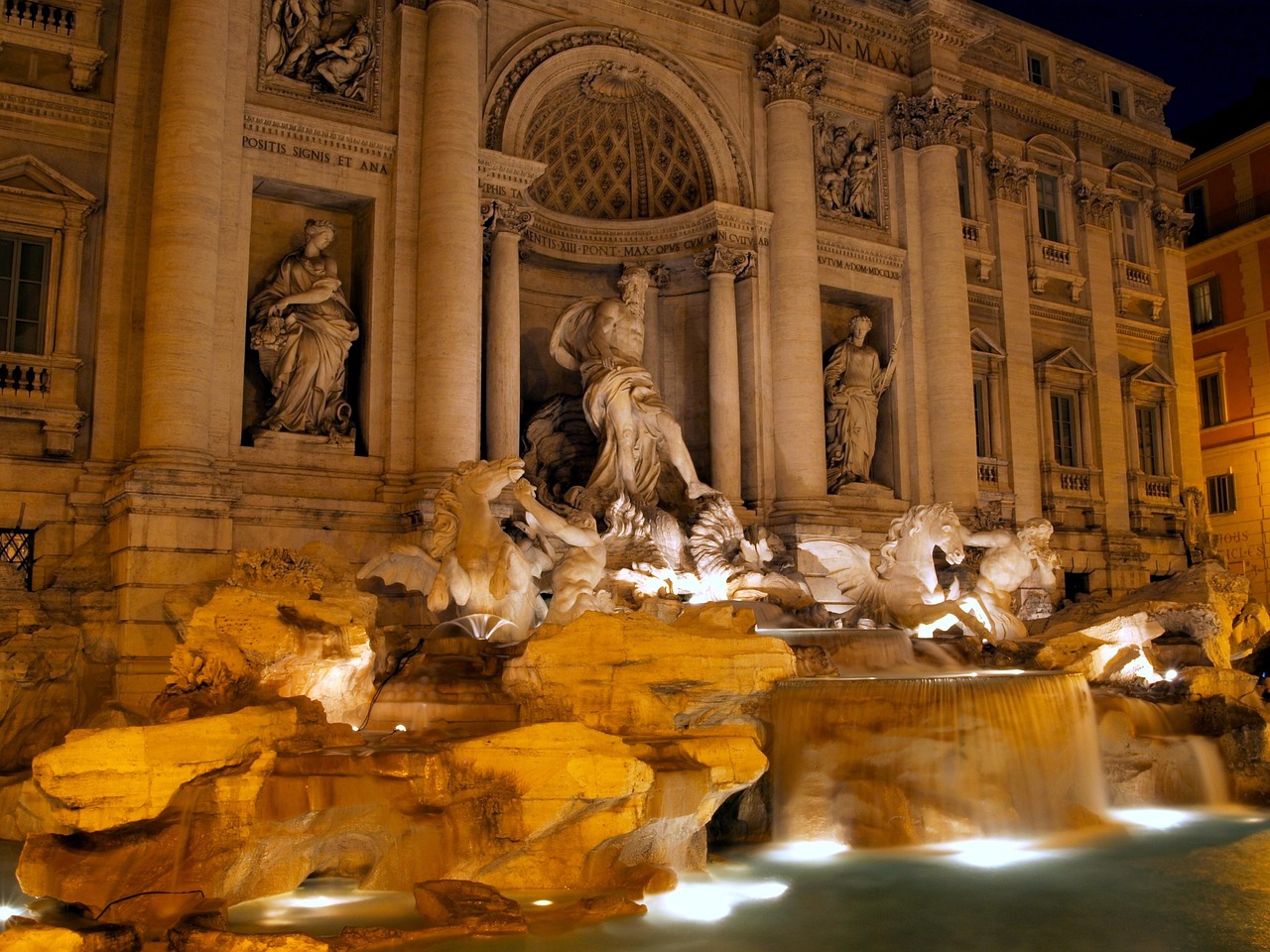
Best Places to See in Rome on Foot from Fountains to Piazzas
For a beautifully paced day, the best places to see in Rome, the Pantheon, Trevi Fountain, Spanish Steps, and Piazza Navona can be linked on foot without rushing. It’s the best way to see the city’s texture and monuments—a graceful drift through central Rome, where the most memorable places often live between the big stops.
Start at the Pantheon, then stroll to Piazza Navona for Baroque grandeur, continue to Trevi Fountain for romance, and finish at the Spanish Steps for a classic Roman finale. It’s an iconic sequence of Rome attractions, but the secret is to move slowly enough to hear the city—fountains, footsteps, and quiet conversation.
Pantheon essentials: Oculus light, acoustics, and a tomb worth noticing
The Pantheon is more than a photo stop. Step inside and notice how light falls through the oculus and shifts minute by minute; the acoustics make whispers feel oddly intimate. Look too for the tomb of Raphael—an unexpectedly moving reminder that genius becomes part of the city’s fabric.
Although entry is often free to enter (rules can change), the calmest times are early morning or near closing. It’s a simple choice that makes this attraction feel almost private.
Trevi Fountain traditions: throw a coin, then climb to Piazza di Spagna and the Spanish Steps
At Trevi Fountain, do the ritual properly: turn away and throw a coin over your shoulder. Then step aside to find a quieter corner for photographs—often slightly down the side streets, where you can frame the scene without the crush. It remains one of the best things to do in Rome, especially when you treat it as a moment rather than a task.
Finish at the Spanish Steps in Piazza di Spagna. Count the 135 steps if you like, then enjoy the top-of-steps viewpoint for a soft, elevated look back over the city. Around luxury boutiques, keep behaviour and dress understated; Rome is the Spanish Steps on a sunny afternoon, and the area can feel like a stage—your calm presence is your advantage.
If you have extra energy, add two anchors nearby. Piazza del Popolo offers symmetry and sunsets, while the Altar of the Fatherland—linked to the first king of Italy—delivers scale and spectacle. These popular things are best early or late, when the city exhales.
For travellers looking for free things between reservations, this walk is quietly rich: piazzas, fountains, and churches are often the most memorable parts of a visit to Rome. If you want another beautiful stop that feels unhurried, Santa Maria Maggiore is a rewarding detour with a calmer atmosphere.
Trastevere Rome Food Tour and a Michelin Star Dinner Worth Dressing For
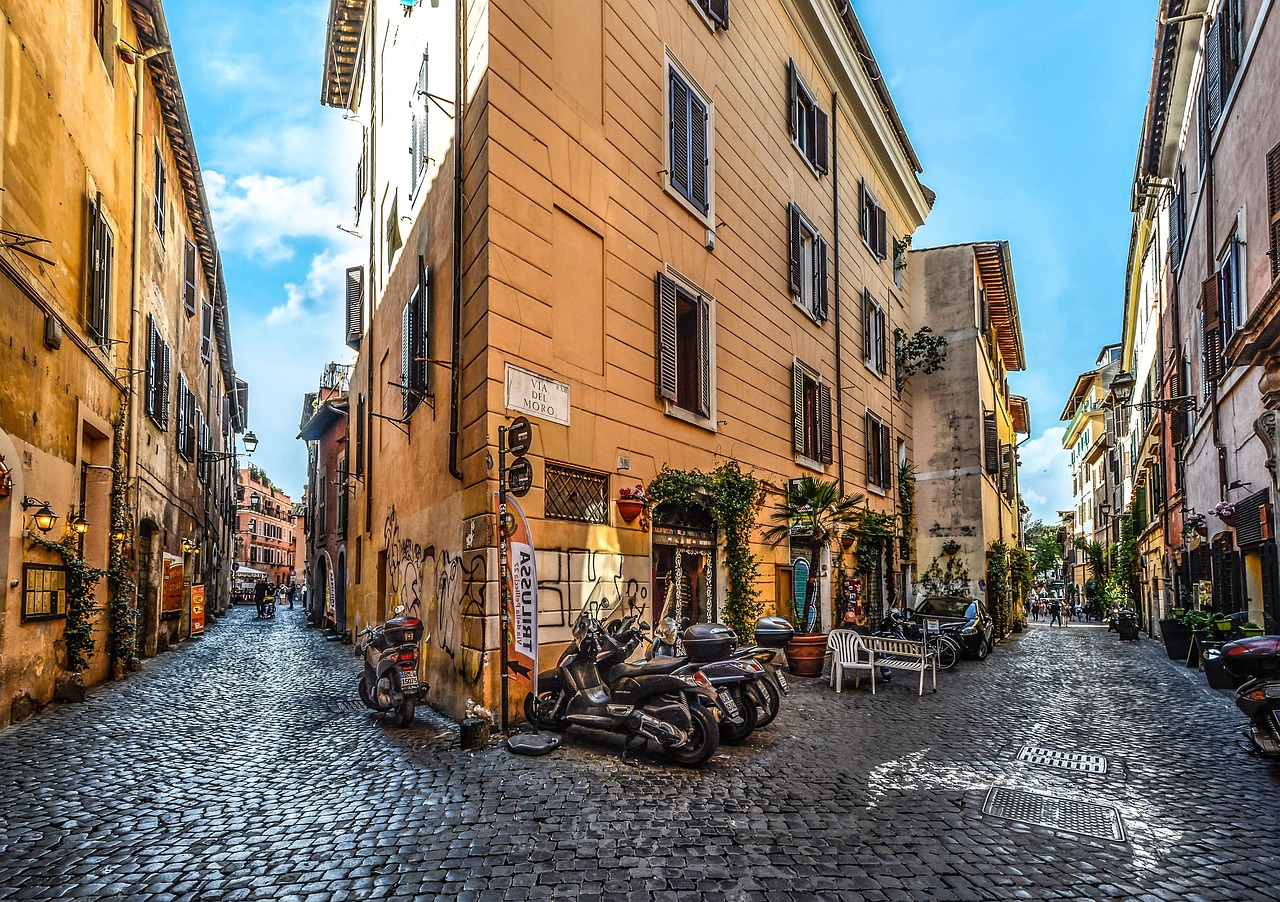
Trastevere Evenings and a Roman Food Tour Worth Dressing For
When you want a local counterpoint to the big sites, the Michelin-starred Trastevere Rome food tour dinner is the kind of evening that restores you. Trastevere’s cobbled lanes, small churches, and slow aperitivi make it feel like a different Rome—less monumental, more intimate, and full of small discoveries.
One traveller shared a magical evening dining in a hidden rooftop garden overlooking St Peter’s Basilica, describing it as serene luxury and city magic. The lesson wasn’t “find that exact place”, but rather: create a similar moment with timing and reservations. Arrive just before dusk, let the sky change, and allow the city to glow around you.
A high-end food tour strategy in Trastevere that feels effortless
A great food tour is not about volume—it’s about quality, pacing, and care. Choose a small number of exceptional tastings (three or four is plenty), and let your guide translate not only flavours, but the story of the neighbourhood and its traditions.
- Make dietary requests early so alternatives feel crafted rather than improvised.
- Keep a lighter lunch if you’re planning a long dinner.
- Build in pauses for gelato, a short church visit, or simply watching the street life.
Michelin-starred Rome dining: refined classics, then a second-night trattoria
For one night, choose a Michelin-starred restaurant that honours Roman classics with precision—think perfect pasta textures, seasonal artichokes, and restrained, confident service. On menus, look for dishes like cacio e pepe, carbonara, amatriciana, and carciofi, prepared with finesse rather than theatrics.
On a second night, go lower-key: a warm trattoria where the room is lively, the wine is easy, and the staff treat you like a regular. That contrast—high ceremony one evening, relaxed generosity the next—is often what makes a trip to Italy feel complete.
If you’d like something hands-on, a cooking class in Rome is a memorable way to bring the city home. Done well, it’s less about technique and more about confidence: the courage to recreate a flavour and relive an evening.
Borghese Gallery & Villa Borghese: Museums in Rome Itinerary for Art Lovers
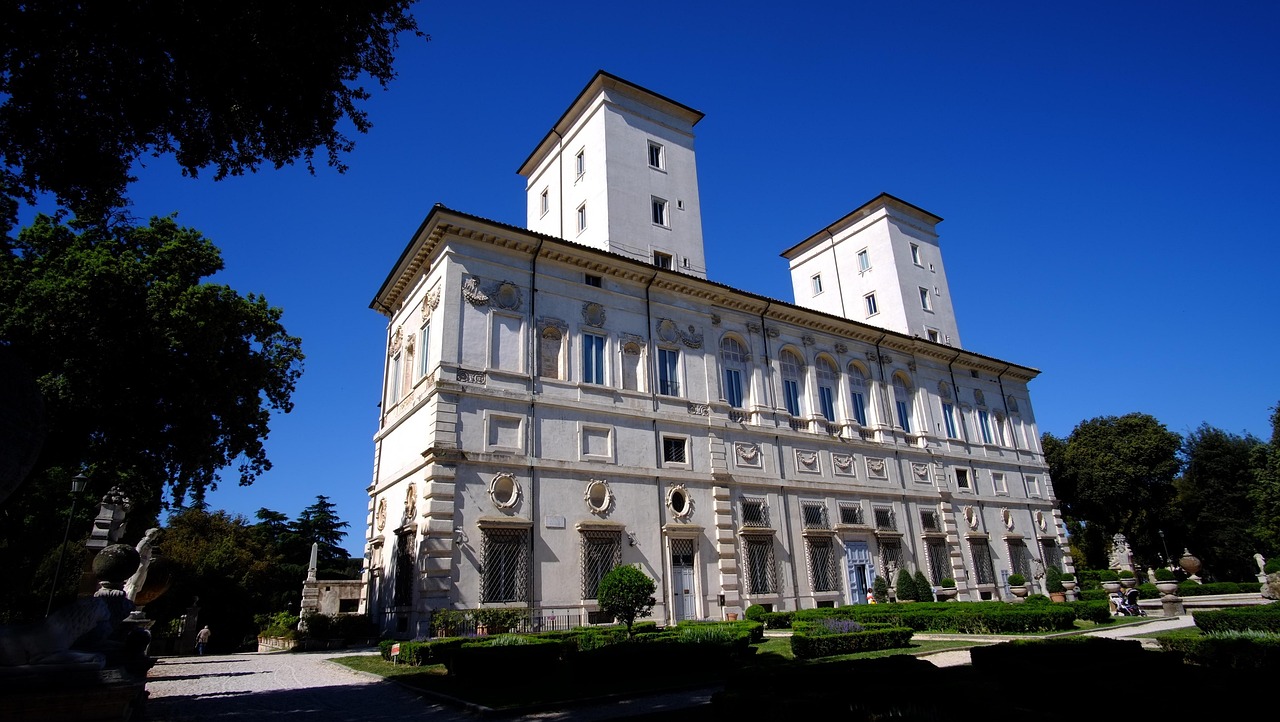
Museums of Rome for Art Lovers from Borghese to Bernini
For travellers who want culture without fatigue, the Borghese Gallery Villa Borghese museums in Rome itinerary is a masterstroke. A museum morning can be one of the best places to see in Rome because it’s controlled: timed entry, steady temperatures, and a clear beginning and end—ideal for luxury pacing.
The Borghese Gallery is all about precision planning. Tickets are timed and tightly managed, so book early, arrive a little ahead, and treat the two-hour window as a focused encounter rather than a marathon.
Timed entry tips and Villa Borghese calm between museums
After your visit, step into Villa Borghese for a restorative stroll. That shift—masterpieces to open air—keeps your nervous system settled. It’s also one of the gentlest ways to experience Rome’s museums as part of a day that still feels light.
If you have a private driver or you’re using a premium taxi service, set a clear pick-up point in advance. Rome is wonderfully walkable, but a little transport support at the right time keeps the day seamless—especially in the heat, or if you’re wearing heels.
Bernini made it simple and unforgettable for first-time museum visitors
You don’t need an art history degree to be moved by Bernini. Stand still and notice three things: movement (how the body seems to turn), texture (skin, stone, hair), and emotion (the exact instant of transformation). Bernini’s genius is that the sculpture feels alive—like the next breath might happen.
For paintings in Rome, decide based on mood. Do you want tender Madonnas and luminous Renaissance balance, or dramatic Baroque shadow and surprise? Choosing based on feeling is a high-end strategy: it keeps the museum experience personal, and it builds trust in your own taste.
Practical note: some bookings require an ID that matches the ticket name, so keep your passport or a copy to hand. That tiny detail can be the difference between flustered and flawless.
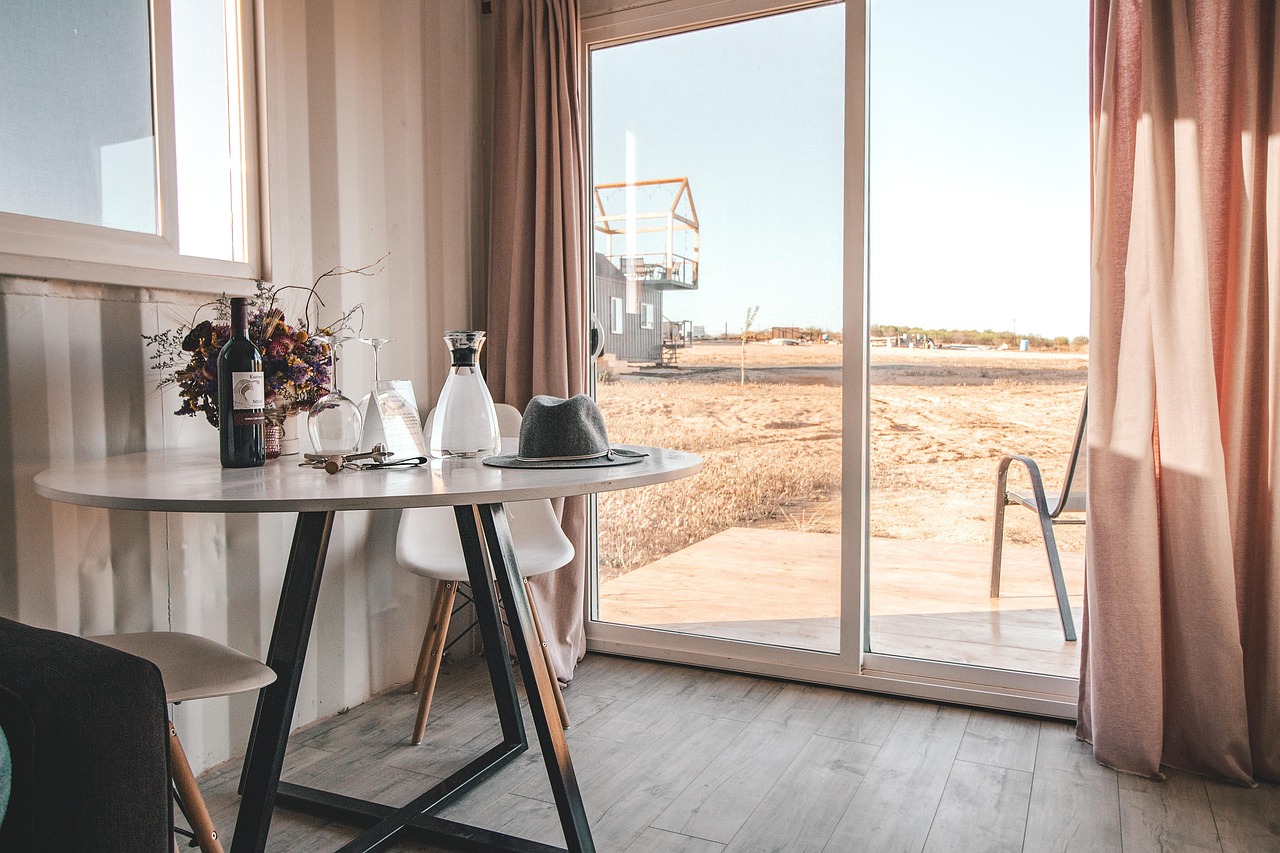
Where to Stay in Rome for Seamless Luxury and Local Character
If you’re deciding where to base yourself, staying in Rome boutique hotels, Campo de’ Fiori, Piazza Navona, luxury is a strong starting point. These neighbourhoods keep many sites in Rome walkable while still feeling charming and lived-in—ideal for travellers who want local character without sacrificing convenience.
Campo de’ Fiori is vibrant and central, with an easy flow to dining and late-night energy; the Navona area is slightly more refined, with a beautiful evening atmosphere. The trade-off is simple: the closer you are to major squares, the more you may hear them. Double glazing and a thoughtful room position matter more than thread count.
Choosing the right pocket in Rome with confidence and comfort
Think in practical layers. Do you want river crossings to reach Trastevere, or would you prefer to return on foot after dinner? Are you sensitive to morning market set-up noise? Do you prefer a discreet side street or the theatre of a view?
A good hotel will support your style of travel: a concierge who can hold restaurant tables, anticipate timings, and quietly solve problems before you even notice them. That’s the quiet luxury of being looked after with care.
Arrange private drivers for airport transfers and evening returns; use premium taxi services for safe, efficient hops when the heat makes walking less appealing. Carry cash for small tips—many upscale venues accept cards, but tipping (even modestly) often improves service and goodwill.
- Ask your concierge to pre-book the Vatican and Colosseum times that suit your energy level.
- Place restaurant holds early for rooftops, gardens, and Michelin rooms.
- Design a day-by-day plan around how you want to feel, not how much you can fit in.
Around Rome Day Trip from Rome Luxury Driver Itinerary Ideas
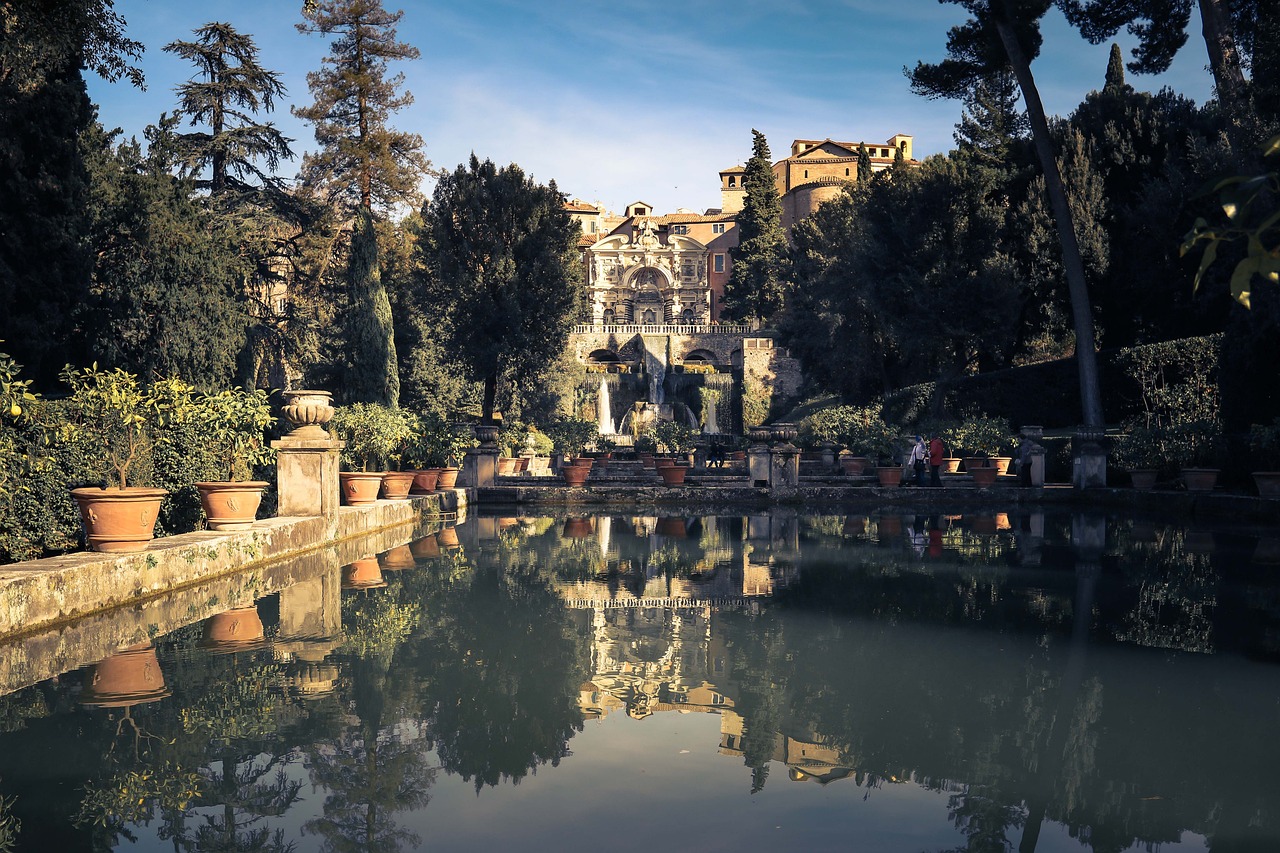
Around Rome Day Trips for a Second Chapter of the Journey
Once you’ve settled into the city’s rhythm, around Rome, a day trip from Rome luxury driver itinerary planning becomes your second chapter—still curated, just outside the city. The right day trip from Rome should feel like a release rather than an effort, with a private driver, flexible starts, and a lunch reservation that turns the middle of the day into a pleasure.
Three ideas suit high-end pacing: Tivoli’s villas and gardens for beauty and fountains; Ostia Antica for a quieter archaeological counterpart to the Colosseum story; or a vineyard-style countryside day for Italy travel at its most relaxed. Each option complements Rome landmarks without competing with them, and it can add depth to longer trips to Rome.
Keeping day trips stress-free with tickets, timing, and stops outside the city
To keep day trips to Rome effortless, handle ticketing in advance and book lunch before you leave your hotel. Plan the return for late afternoon, so you’re back in time for an early evening passeggiata—fresh enough to enjoy Rome again rather than collapse into it.
Between planned experiences, remember the joy of looking for free things that still feel rich: a viewpoint, a quiet church, a small piazza with no agenda. Those pauses are often where you uncover your favourite things.
Return to Rome for a soft final evening and best views
After a full day out, choose one gentle moment rather than another big entry. A rooftop drink near the river, a slow walk along the water, or a twilight glance towards the domes can close the day with softness rather than crowds.
If you’d like to browse beautifully crafted itineraries for a trip to Italy beyond the capital, you can explore our Trip gallery for inspiration that keeps the same calm, considered pace.
F.A.Qs: places to see in Rome, Italy
What shouldn’t you miss in Rome on a first visit?
Don’t miss the Colosseum and the Roman Forum with a guided tour for real context, plus Vatican City for the Vatican Museums and the chapel. Add an evening wander through Trastevere, and a slow walk linking the Pantheon, Navona, and Trevi Fountain. The best experiences come from visiting early or late and leaving space for long meals and quiet moments.
What are the top five attractions in Rome for a classic itinerary?
Many travellers start with the Colosseum, the Roman Forum, the Vatican Museums, St Peter Basilica, and the Pantheon. After that, the Trevi Fountain, Spanish Steps, and Navona are iconic and easy to weave into a walking route. If you love art, the Borghese collection is another standout, but it requires timed booking.
Is there a 7th wonder in Rome?
The Colosseum is recognised as one of the New Seven Wonders of the World. Seeing it with an expert guide—ideally on a private or small-group experience—helps you understand the engineering, the social history, and the human drama behind the scale. Early entry is the simplest way to enjoy it with more space and better light.
What to do in Rome in 3 days without feeling rushed?
Day 1: the Colosseum, Roman Forum, and Palatine Hill, then a relaxed dinner. Day 2: the Vatican Museums, plus St Peter’s Basilica, with time for a long lunch and one museum-style afternoon. Day 3: walk the Pantheon to Navona to Trevi Fountain and the Spanish Steps, then finish with Trastevere in the evening. Book major entries well ahead for a seamless flow.
What Stayed With Me: Rome Reflections and places to visit in Rome After High-End Travel
After a journey like this, what lingers is rarely the loudest attraction. It’s the sensation of Rome at twilight, when stone turns honey-coloured, and the air cools just enough to feel like a promise. It’s the hush of marble corridors in a museum, the way your footsteps sound briefly ceremonial, and the surprising intimacy of history throughout Rome—always present, never finished.
I think of the moments that felt quietly extravagant: a long supper where laughter softened into ease, a pause beside a fountain when the city briefly belonged to no one, and the calm confidence that comes from unhurried days. Rome is definitely a city that rewards travellers who build in support and space; when details are handled with care, curiosity has room to breathe.
Rome is home to many stories, and each traveller discovers a new one when they slow down enough to listen. The next time you hear water moving in the dark—somewhere far from Italy—what will it bring back to you from Rome?