Post Contents
- Why Reggio Calabria Belongs on Your Calabria Map: Reggio Calabria Italy Travel Guide – Largest City in Calabria
- National Archaeological Museum and the Riace Bronzes in Reggio Calabria.
- Lungomare Falcomatà and Reggio’s Seafront Rituals, the seafront promenade in Reggio Calabria.
- Aspromonte National Park hiking from Reggio Calabria in Calabria.
- Aragonese Castle, Old Town Echoes and City Stories Aragonese Castle Reggio Calabria old town history
- F.A.Qs: Reggio Calabria, Italy
- What stayed with me after Reggio Calabria, Italy: personal reflections and cultural adventure.
Why Reggio Calabria Belongs on Your Calabria Map: Reggio Calabria Italy Travel Guide – Largest City in Calabria
Why Reggio Calabria Belongs on Your Calabria Map in Reggio di Calabria at the tip of Calabria
Think of this Reggio Calabria, Italy travel guide as your calm starting point in the largest city in Calabria, set right at the tip of the Italian peninsula. Reggio di Calabria is a natural base for travellers who want culture in the morning and a more adventurous horizon by afternoon, without overcomplicating logistics. It’s a place to explore with confidence, then return to a warm, walkable centre for dinner and a slow evening.
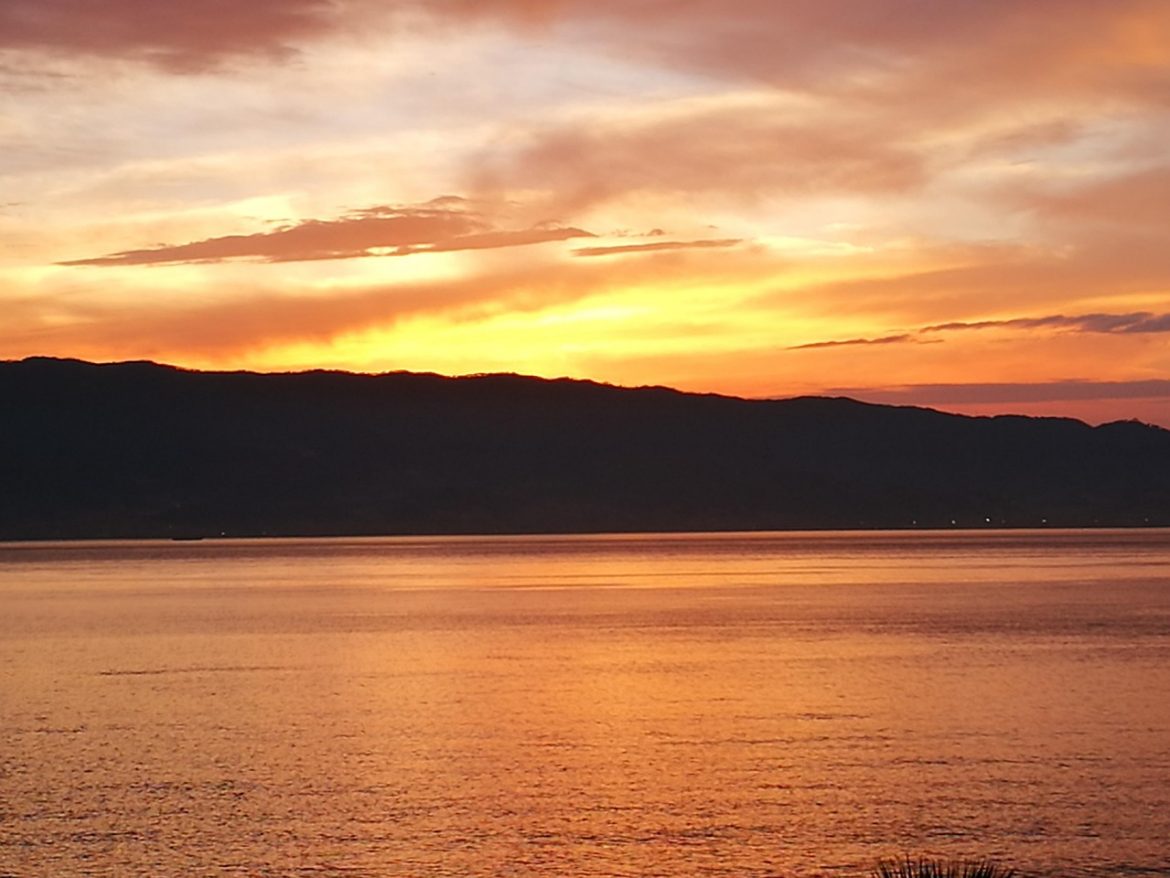
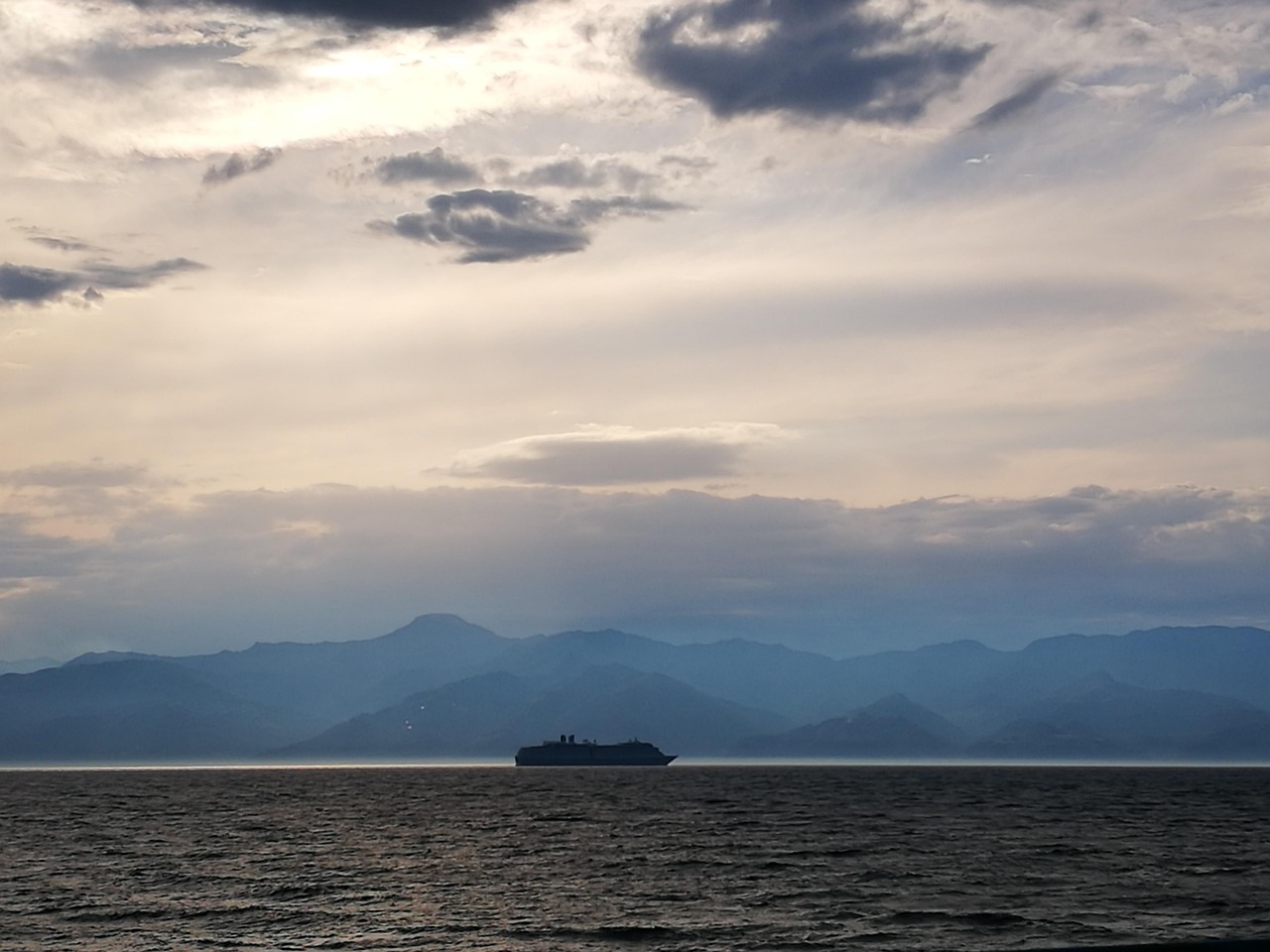
The setting is the story: the city faces the Strait of Messina, with Sicily across the strait in plain sight. On clear days, you can catch Etna like a distant stage prop, hovering above the waterline. If your imagination loves geography, you can feel that Reggio and the Strait will give you that rare sense that land, sea, and history are stitched together.
Reggio di Calabria and the Strait of Messina with Sicily
Getting “across the strait” is wonderfully straightforward. You can reach the ferry at Villa San Giovanni (a quick transfer north of Reggio) and slip over to the island of Sicily with ease—an elegant add-on for travellers who like their itineraries flexible. Even if you never board, watching the currents in the Strait of Messina is its own quiet lesson in motion and myth.
Rich in history, from Rhegion to rebuild after the earthquake.
Reggio is rich in history, beginning as Rhegion in the 8th century BC, and shaped by Magna Graecia and the wider world. The city you see today was also defined by the earthquakes that repeatedly demanded resilience, including the one in 1783. Reggio chose to rebuild, and while that means the old town can feel lighter on “medieval streets” than other Italian cities, the reward is a spacious, airy elegance that suits modern wandering.
To plan a trip with care, start by assessing how walkable the city centre feels. Corso Garibaldi is your easy spine for shopping strolls and café pauses, and the grid makes it simple to design your days without stress. If you only have 24–48 hours, prioritise the National Archaeological Museum, a sunset promenade, and one deep-dive meal that introduces proper Calabrian flavour—fresh seafood and a little nduja heat, balanced by local bergamot brightness in desserts or digestivi.
- 24 hours: Museo morning, Corso afternoon, Lungomare at golden hour, then a seafood supper.
- 48 hours: Add Aspromonte or Scilla, plus the Aragonese Castle and a slower café ritual.
- Confidence notes: stay alert in crowded areas, keep valuables secure, and carry cash for small vendors.
One last human detail: in Calabria, a simple “Buongiorno” and “Grazie” is an instant bridge. That small gesture creates trust fast—especially in markets, family-run trattorias, and places where pride in local life is felt as much as spoken. For more inspiration as you design a seamless Italian journey, browse our Trip gallery.




National Archaeological Museum and the Riace Bronzes in Reggio Calabria.
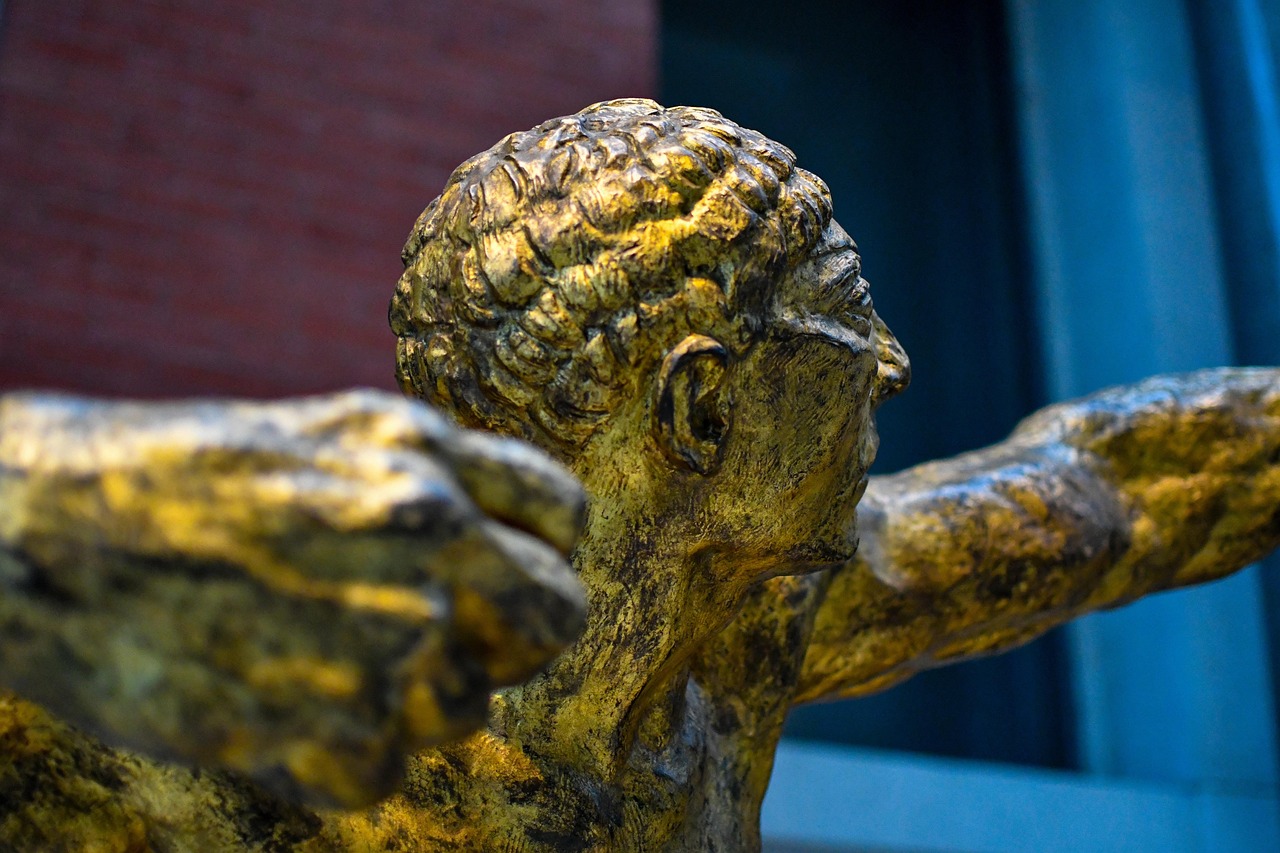
National Archaeological Museum and the Riace Bronzes Moment in Reggio Calabria
The National Archaeological Museum of Reggio Calabria Riace Bronzes experience is the kind of cultural encounter that quietens even seasoned travellers. This is the museum home to the Riace Bronzes—also called the famous Riace Bronzes—and they don’t read like relics. They feel like a presence: an example of Greek bronze sculpture that is unnervingly alive when you stand close enough to notice the tension in the muscles and the softness of expression.
It helps to hold a little context without turning your visit into a lecture. Calabria sat inside the ancient Greek world of Magna Graecia, and these masterpieces are commonly dated to the 5th century BC (within the broader century BC story of the region’s artistic power). Their survival is miraculous; their impact is immediate.
Riace and Magna Graecia in an archaeological space
A visitor once told me that seeing the bronzes of Riace in person felt like a moving connection to ancient history—less “museum day”, more a private conversation with time. I understand that completely. The light is controlled, the room is hushed, and the archaeological displays around them provide just enough narrative to let your imagination create meaning rather than chase facts.
Practical care for a seamless museum to Lungomare afternoon
Entry is typically around 6 euros, making this one of the most high-value cultural experiences in Italy. Arrive early for quieter viewing, especially if you prefer unhurried space to take in detail. Afterwards, design a seamless transition: step back out into the city centre, take a slow espresso, and then drift down to the lungomare when the sea air feels like a reset.
If you’re travelling as an adventure seeker, don’t underestimate how grounding this stop can be. The bronzi offer a kind of steadying insight before you head into Aspromonte’s wilder contours. In Reggio, culture and nature don’t compete; they support each other.
Lungomare Falcomatà and Reggio’s Seafront Rituals, the seafront promenade in Reggio Calabria.
Lungomare Falcomatà and Reggio’s Seafront Rituals along the promenade
For many travellers, the Lungomare Falcomatà seafront promenade in Reggio Calabria is where the city becomes personal. This is the place for a passeggiata that doesn’t need an agenda—just comfortable shoes and an unhurried heart. Often described as one of Italy’s most beautiful waterfronts, it’s also wonderfully liveable: benches, viewpoints, and a rhythm of local families that makes visitors feel gently included.
Start with a slow walk, then pause where the seafront opens out and the view becomes properly picturesque. The air carries salt and conversation; the palms and balustrades frame the water like a stage set. It’s easy to imagine why Reggio has long been a threshold city—looking outwards, staying grounded.
From Corso Garibaldi to Piazza Italia and a villa pause
The promenade connects naturally with the city centre. Pair your lungomare time with Corso Garibaldi for an easy shopping stroll—clean lines, good people-watching, and that relaxed southern cadence. Drift by Piazza Italia, then find shade in a villa-style garden for a pause: a small green pocket where you can recalibrate before dinner, or simply sit and uncover the day’s details.
When evening comes, Reggio’s clubs and restaurants begin to glow without the hard edge of bigger cities. Choose a trattoria that feels local rather than loud: order seafood that tastes like the strait, and if you enjoy spice, let nduja turn a simple dish into something memorable.
Beach logic, calm timing, and Sicily across the strait with Etna
Let’s talk beach expectations with honesty. Reggio has access to the seaside, but if you’re picturing long, uninterrupted sandy beaches, you may want to plan a short hop—some stretches are pebbly or narrower. The calmest moments are early morning or late afternoon, when the light softens, and the promenade belongs to walkers rather than sunseekers.
If you do want sandy beaches, ask locally about the most realistic nearby options and be open to a short ride. Either way, the reward here is the view: Sicily across the strait, the shifting currents, and—on the clearest days—Etna’s silhouette, as if the island is quietly watching back.
- Micro-itinerary: gelato or espresso, a short museo stop, then sunset on the promenade.
- Best light: early morning for Etna, golden hour for photographs.
- Simple comfort: keep a light layer—sea air can turn cool after dusk.
Aspromonte National Park hiking from Reggio Calabria in Calabria.
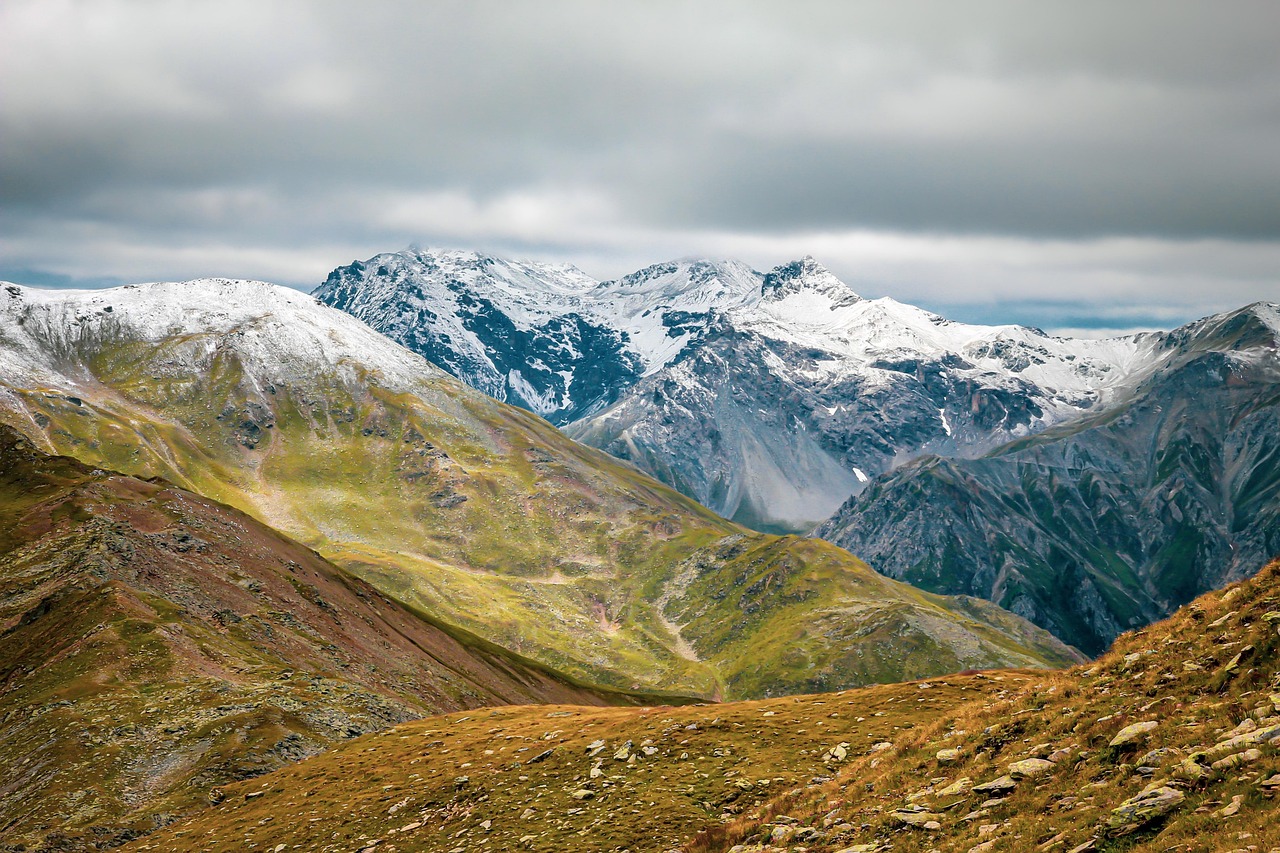
Aspromonte National Park Adventure in Calabria with panoramic views from the trails
If you’re craving a wilder edge, Aspromonte National Park hiking from Reggio Calabria is the most satisfying way to pivot from sea-level elegance to mountain drama. In a single day, you can explore deep forest trails, open ridgelines, and panoramic views that make the coastline feel like a ribbon. Aspromonte is Calabria’s reminder that the region isn’t only about the sea; it’s also about height, silence, and space.
A traveller once recalled hiking here and unexpectedly encountering shepherds along the trail. They shared traditional stories and offered homemade cheese—simple, generous, and utterly unforgettable. It’s the kind of local moment you can’t manufacture, yet it’s exactly what Calabria gives when you move at the right pace and with genuine care.
Trail confidence for Aspromonte in late spring to early autumn
Most trails are free, but the mountains ask for respect. Late spring to early autumn is the sweet spot for weather, longer daylight, and a more comfortable climb. Bring good footwear, water, and a light layer; even on warm days, conditions can shift quickly at elevation.
Signage can be limited in places, so plan routes in advance and download maps offline. If you’re unsure, consider a guided hike for extra support—especially if you want deeper insight into flora, geology, and the small cultural traces hidden in the folds of the landscape. This is how you travel with trust: not by being fearless, but by being prepared.
Optional extensions north of Reggio to Scilla or Locri
Keeping Reggio as your base makes your trip to Calabria feel seamless. If you have energy for one more day trip, head north of Reggio to Scilla for dramatic sea cliffs and a romance-of-the-water feeling. Or aim towards Locri for an archaeological angle that complements the museum—another layer of Calabria’s long memory.
- Pack for care: sun protection, 1–2 litres of water, and a small first-aid kit.
- On the ground: respect private land and close gates behind you if you pass them.
- If plans change: turn back early—mountains reward good judgement.
Aragonese Castle, Old Town Echoes and City Stories Aragonese Castle Reggio Calabria old town history
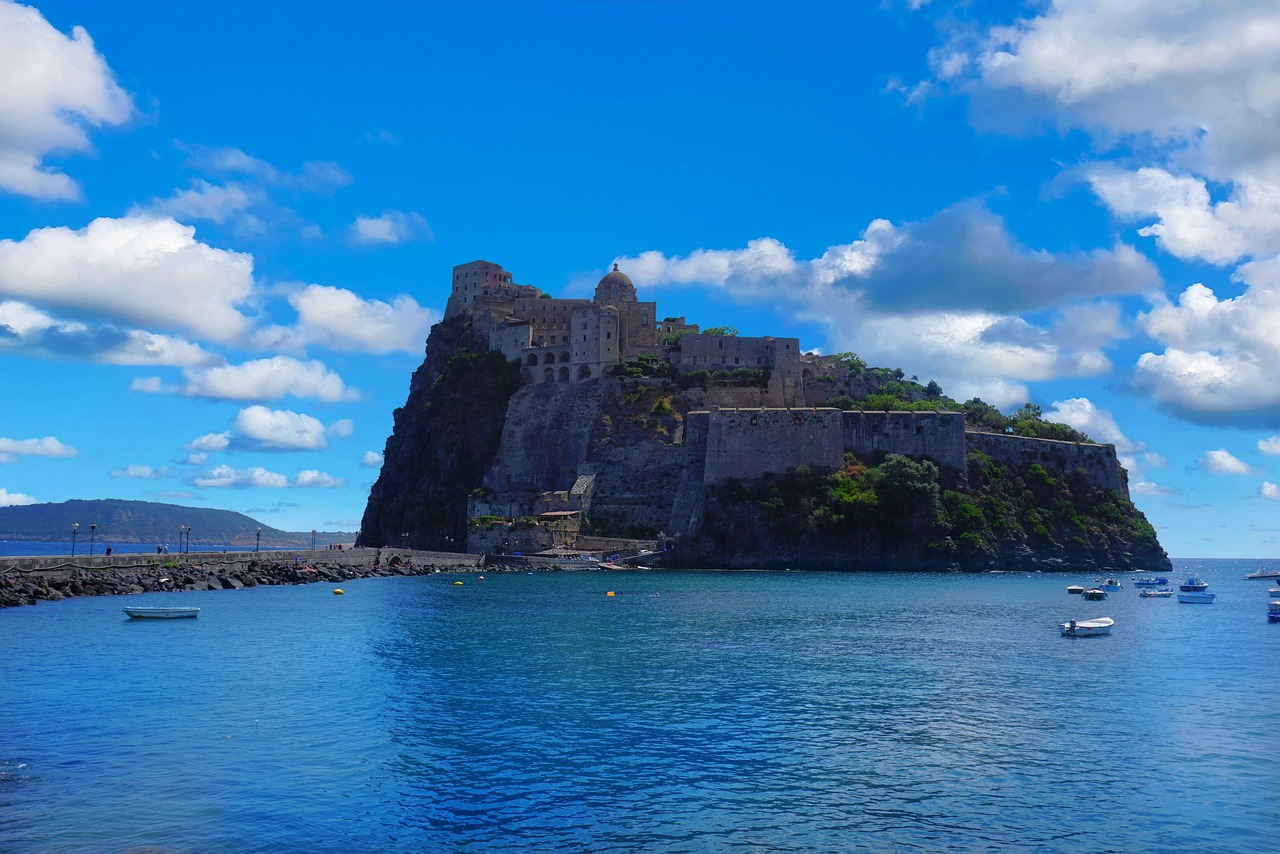
Aragonese Castle, Old Town Echoes and City Stories in Reggio Calabria
For structure and story, the Aragonese Castle Reggio Calabria Old Town History Walk is a rewarding way to uncover the city’s blend of history. The Aragonese fortress sits confidently in the city centre, with layers that hint at earlier Norman foundations and the shifting priorities of defence and power. It’s a landmark that asks you to slow down and imagine what the streets once held.
It’s also where an honest understanding of Reggio helps. Earthquake rebuilding means the old town is not an intact medieval maze, and that’s alright. The charm here is subtler: a piazza opening up when you least expect it, a baroque detail on a façade, or a quiet church that still holds daily devotion.
Use Piazza De Nava as a gentle reference point when orienting yourself between museum time and the rest of the centre. From there, you can spot how Reggio di Calabria balances openness with intimacy: wide streets, pockets of shade, and small moments that feel lived-in rather than curated.
And if you’re curious about the wider Calabria region, it can help to know Catanzaro is the regional capital—useful context if you’re tracing the province of Reggio Calabria on a map and wondering how the region fits together. Still, Reggio holds its own identity: a southern threshold city, facing the water, always looking outward.
A crafted walking route with etiquette and care
For a simple, crafted route that feels seamless: begin at the castle, walk to Corso Garibaldi, then drift towards the lungomare for a sea’s calm finish. It’s structured without rigidity—perfect for travellers who want confidence but not constraints.
If your route includes churches or religious sites, dress codes are usually simple: shoulders covered, shorts not too short, and a respectful tone. It’s minimal fuss, and it’s one of the easiest ways to show care as a visitor.
F.A.Qs: Reggio Calabria, Italy
What is special about Reggio Calabria?
Reggio Calabria is special for its meeting of sea and mountain, with views across the Strait of Messina towards Sicily and, on clear days, Etna. Culturally, the National Archaeological Museum is home to the Riace Bronzes, a powerful connection to Magna Graecia. The Lungomare Falcomatà adds a beautiful, local seafront ritual, while Aspromonte brings real adventure close to the city.
Is Reggio Calabria worth visiting?
Yes—especially if you enjoy culture with an adventurous edge. Reggio offers world-class heritage through its museum collections, plus a relaxed, walkable city centre and an elegant promenade for slow evenings. You can easily add hiking in Aspromonte, day trips to Scilla, or a quick ferry route towards Sicily. It also tends to feel less crowded than many Italian hotspots, making the experience more personal.
What is the difference between Calabria and Reggio Calabria?
Calabria is a wider region in southern Italy, with multiple provinces, landscapes, and towns from coastlines to mountains. Reggio Calabria (or Reggio di Calabria) is a city in that region, the largest in Calabria and a key base at the tip of the Italian peninsula. Think of Calabria as the destination area, and Reggio as one of its most strategic gateways for culture, the sea, and nearby nature.
Is Reggio Calabria part of Sicily?
No. Reggio Calabria is on mainland Italy in the Calabria region, separated from Sicily by the Strait of Messina. Sicily is a separate region and an island, visible from Reggio’s seafront on clear days. Travellers often pair the two because the ferry connections via Villa San Giovanni make it easy to cross over, but they are distinct places with different identities and traditions.
What stayed with me after Reggio Calabria, Italy: personal reflections and cultural adventure.
In Reggio Calabria, Italy, what stays with you isn’t only what you did—it’s the feeling of the city and the straight breathing together at dusk. The light seems to stretch, the sea air cools, and the promenade becomes a gentle thread of footsteps and conversation. You’re both grounded and restless at once, as if Calabria has quietly tuned your senses to a slower, truer frequency.
I remember the bronzi most vividly not as a “must-see”, but as a human presence that followed me back outside. The Riace figures held a kind of steady dignity, and later—thinking of Aspromonte—those mountain trails felt like the natural counterpart: wild, panoramic, and honest. In Reggio, culture and landscape sit together in the mind without any need to compete.
There’s also the warmth of community, which can be hard to describe until you feel it. Locals spoke of festivals such as the Feast of Saint George with a pride that wasn’t performative; it was simply lived. Street celebrations spill into everyday life, and visitors are welcomed as participants rather than spectators—so long as you arrive with respect, curiosity, and a little humility.
When I think back, it’s the small details that return first: a quiet “buonasera” from a passer-by, the salt on the breeze, the way Sicily across the water looks close enough to touch and yet still unknown. And you begin to wonder—if Reggio can offer this much with such gentle confidence, what else might Calabria and the island beyond reveal when you travel with care?