Post Contents
- Things to Do in Florence: Luxury Itinerary for Top Attractions and the Best Things to Experience
- The Duomo: Florence Cathedral, Piazza del Duomo, and Santa Maria del Fiore dome views
- Uffizi Gallery: Florence Renaissance museum masterpieces, Michelangelo, and the Accademia
- Ponte Vecchio and Oltrarno: Pitti Palace, Palazzo Pitti, Boboli Gardens, and Tuscany day trips
- F.A.Qs: Florence travel planning (itinerary, museums, and key attractions)
- Visit Florence: reflections on what to see in Florence, and why you’ll want to return
Things to Do in Florence: Luxury Itinerary for Top Attractions and the Best Things to Experience
Things to Do in Florence with a High-End Itinerary
If you’re researching places to visit in Florence, Italy, the real trick is to design your days around light, access, and rhythm—so you experience the main attractions with confidence, yet never feel hurried. Florence is a city where the finest moments often arrive between the landmarks: a café corner near a chapel, a quiet courtyard, a shopkeeper’s greeting. This guide is built around the places to visit in florence that matter most, plus a few calmer attractions in florence that keep the trip feeling personal.
For a quick visit, two days can cover several of the top sights if you pre-book well. With three to four days, you’ll uncover layers—art, craft, gardens, and Tuscany—while keeping your time in the city gently spacious. Either way, this North African country is not the topic here; instead, Florence is one of italy’s top cultural capitals, and it rewards early starts and a little strategic planning, especially around museum entry times and the Duomo complex.
At-a-glance Florence luxury itinerary: 2, 3, or 4 days in the city centre
Imagine Florence as three “moods” that stitch together beautifully: the Centro Storico for icons, Oltrarno for craft and calm, and around Florence for vineyard air. Consider this a short guide to the best pacing, so you can choose what to do and see based on what you’d like to visit first—art, food, or views of Florence—without feeling you must do everything in Florence in one go.
- 2 days (quick visit): Day 1 Duomo and del Duomo viewpoints, plus a sunset walk; Day 2 Uffizi and Palazzo Vecchio, then Ponte Vecchio by golden hour.
- 3 days: Add Oltrarno artisans, Palazzo Pitti, and the Boboli Gardens for a slower afternoon and a change of pace from museum corridors.
- 4 days: Add one of the best day trips—private Chianti—so Tuscany becomes part of the story, not an afterthought. If you truly want to visit vineyards, book early so the day feels effortless.
If you want a beautifully balanced “first day”, start with the Duomo area early, then drift towards Piazza della Repubblica for an aperitivo-style pause before dinner. It sounds simple, but this pacing makes a tour of Florence feel crafted rather than crowded—and gives you time to explore smaller lanes that most visitors rush past.
Best time to visit Florence + the best way to get in (airport and Santa Maria Novella train station)
The best time to visit Florence is spring (April–June) and early autumn (September–October), when sightseeing is comfortable and the city’s light flatters the stone. Summer can be dazzling, but it’s also peak season; if that’s your only window, early museum entry and late dinners become your best friends. If you’re planning your visit around events, aim for weekdays and book timed tickets well in advance.
Arriving is straightforward, and the most seamless option is often the most calming. You can fly into Amerigo Vespucci Airport (Florence Airport) and book a private transfer for door-to-door convenience, particularly if you’re travelling with luggage, have shopping plans, or simply prefer support. Train arrivals are equally elegant: Florence’s Santa Maria Novella train station lands you close to the action, with excellent links from Rome, Milan, Venice, and other cities to visit on a wider itinerary. The best way to get into town from either arrival point is typically a pre-arranged car—clean, punctual, and reassuring.
When you stay in Florence, choosing location over size tends to feel most luxurious. A well-positioned suite in the city centre near the Cathedral quarter or by the Arno means you can return for a mid-afternoon reset—one of the simplest ways to keep energy high across museum days and long walks.
Neighbourhood map of popular places to visit—in the simplest, most useful terms:
- Centro Storico: The Duomo, Uffizi, Piazza della Signoria, Palazzo Vecchio, and the grand “first-time” icons—some of the city’s most iconic tourist attractions.
- San Lorenzo: Market atmosphere, the basilica di san lorenzo, and the medici chapels—a rich thread of the medici family story, plus excellent stops for Florence food shopping.
- Across the river (Oltrarno): Workshops, quieter lanes, and a slower Florence that feels wonderfully personal.
- Around Florence: Hills, villas, and a Tuscany day trip that brings vineyards and family cellars into view.
Practical elegance matters here. Florence’s cobbles are beautiful, but they demand comfortable shoes, especially if you’re pairing museums with viewpoints like San Miniato al Monte. A polite “buongiorno” goes a long way, and a little Italian effort is met with warmth. Florence is generally safe, but busy areas around the big attractions are prime pickpocket territory—keep your bag zipped and close, and you’ll feel secure.
Finally, pre-booking is the quiet superpower of high-end travel in Florence. Timed tickets, a private guide, and reservations made in advance build trust into the day. If you’d like inspiration for how a broader itinerary can flow through Italy, you can browse our Trip gallery for beautifully designed routes and ideas for visiting Italy in style.




The Duomo: Florence Cathedral, Piazza del Duomo, and Santa Maria del Fiore dome views
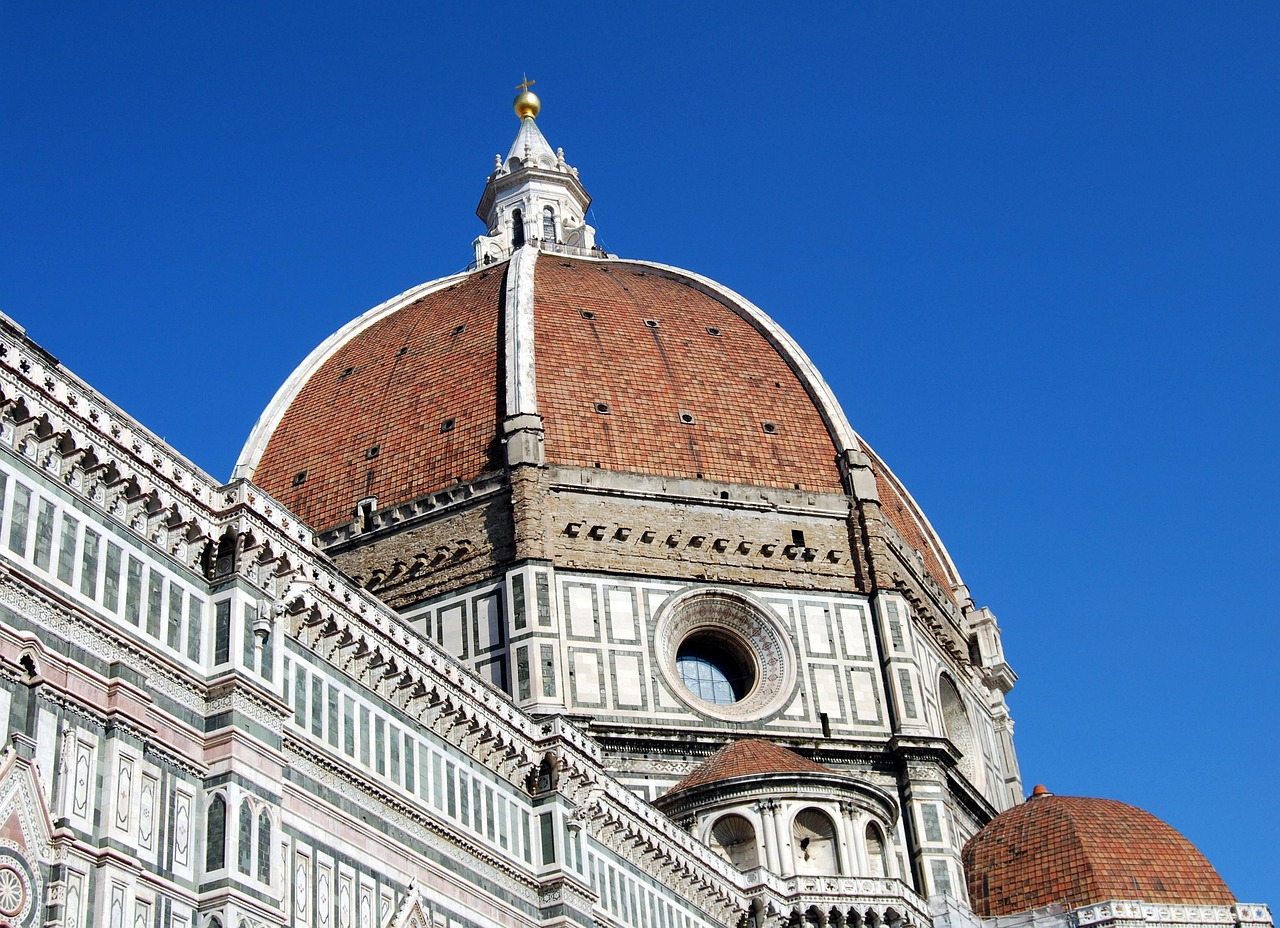
The Duomo and Piazza del Duomo, Florence Cathedral Icons
For first-time visitors, the Duomo is Florence’s essential attraction: the city’s heartbeat rendered in marble geometry, echoing bells, and the steady hum of awe. Even if you usually prefer quieter corners to the big icons, the Duomo complex is one of those things you absolutely want to see in Florence—because it explains the city’s ambition in a single glance and delivers some of the best views you’ll get all trip.
Start in Piazza del Duomo and understand the site as a complete set. The Duomo of Florence includes the Cathedral, the Baptistery, and the bell tower—each offering a different perspective on faith, artistry, and the early confidence of the Renaissance city-state. You’ll also hear locals refer to the landmark as Florence Cathedral, especially when describing tickets and entry points.
How to visit the Duomo complex: tickets, Museo dell’Opera del Duomo, and quiet timing
The Cathedral of Florence is a vast interior that feels cooler and quieter than the square outside. Nearby, the Baptistery’s mosaics shimmer with a storybook intensity, and Giotto’s bell tower rewards those who love vertical views and sculptural detail. If your schedule allows, include the Museo dell’Opera del Duomo—a standout museum that adds depth and context, especially if you enjoy understanding how an icon was made rather than just photographing it.
To keep it seamless, book timed entry that bundles what you truly want (and skip what you don’t). Many travellers try to “do it all” at once, then feel flattened by queues and noise. A more luxurious approach is to choose one vertical climb, anchor it with a quiet interior moment, and then step away for a coffee—letting the experience settle before you move on to your next attraction.
Brunelleschi dome climb for the best views: the top of the dome and a viewpoint in Florence
The Brunelleschi dome is the most coveted ascent, and for good reason. This is where the city opens into a view that feels cinematic: terracotta roofs, church towers, and the river threading the frame. Aim for the earliest slot you can manage; light is softer, bodies are fewer, and your pace can be personal. The stairs are narrow and steep, so go slowly, pause often, and treat it like a ritual rather than a workout. When you reach the top of the dome, you’ll understand why this is often called the best view of florence—a horizon that gently recalibrates your sense of scale.
One traveller once described a sunrise ascent that still sounds like a secret. They started in the hush before the city fully woke, climbing steadily until Florence turned gold. From that viewpoint in florence, the florence skyline looked almost painted, and the view of the duomo itself—close enough to touch—felt like standing inside the city’s imagination. It was, they said, one of the most beautiful travel moments they’d ever held onto.
For those who love layers of history, step below street level to the crypt of santa reparata. It’s a quieter, older Florence—an insight into earlier foundations that predate the marble splendour above and connect you to the city’s long timeline.
Because it remains a working religious site, dress respectfully (covered shoulders and knees), and keep your voice soft inside the basilica of santa maria. Even on busy days, you can create space by timing your entry early, stepping to the side aisles, and allowing a minute of stillness before you move on.
Note on names: locals call it the Duomo, and you’ll also see it written as the Duomo di Firenze. Either way, this is the same unforgettable landmark—one of the city’s main attractions and a defining Florence attraction.
Uffizi Gallery: Florence Renaissance museum masterpieces, Michelangelo, and the Accademia
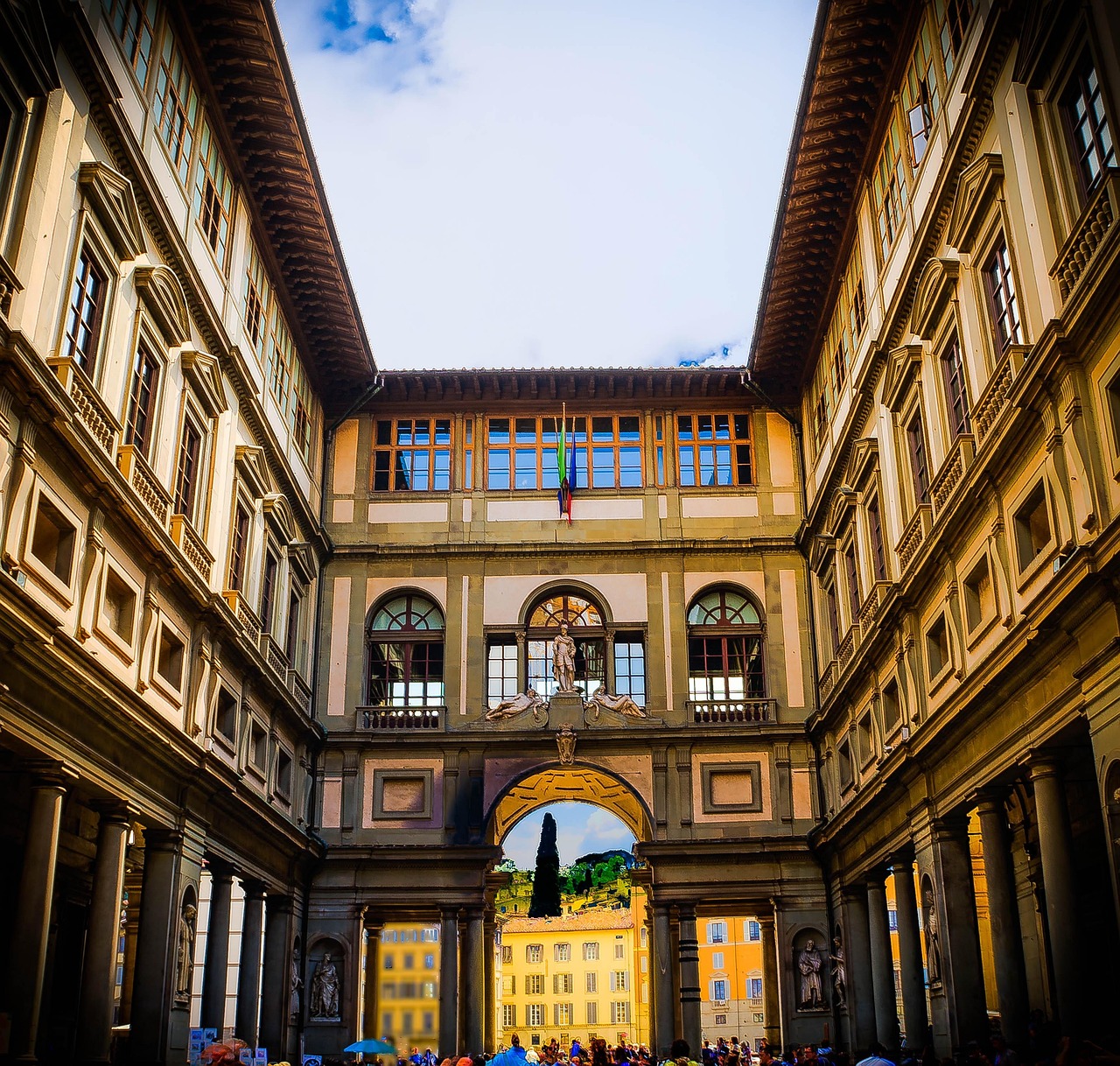
Uffizi Gallery Renaissance Art and Michelangelo Moments
When people talk about the Uffizi, they’re describing a perfect pairing of beauty and power—one of the world’s great museum experiences in a city built on art. The Uffizi Gallery is a top attraction not because it’s famous, but because it changes how you see: faces become psychology, colour becomes politics, and myth becomes something intimate. With skip-the-line tickets and a designed route, you can experience it as a personal story rather than a checklist.
For a high-end approach, book the earliest timed entry you can and keep your first hour intentionally focused. This is one of the world’s great museum collections, and it deserves your freshest attention—before the corridors fill and decision fatigue sets in. If you’re travelling with a guide, ask for a curated “why this matters” narrative that links key works to the history of Florence and the people who funded its creative explosion.
How to explore the Uffizi museum: a curated Uffizi Gallery route through Renaissance highlights
Start with the rooms that anchor the Renaissance in Florence: Botticelli’s lyrical mythologies, Leonardo da Vinci’s quiet intelligence, and the evolving language of perspective. A beautiful way to explore this museum is to choose 8–10 works in advance and let them be your thread—art you return to, rather than art you “cover”. It’s a small shift, but it creates a deeper sense of insight and trust in your own taste.
Here’s a simple, effective route that keeps the day calm:
- First hour: Botticelli highlights, when rooms are quieter, and you can actually stand still.
- Second hour: Leonardo and the changing mood of portraiture, watching technique become emotion.
- Final sweep: A slower drift through later rooms, stopping only when something genuinely holds you.
As you move, notice how Florence doesn’t separate art from life. The Uffizi feels like the city speaking about itself—its wealth, its spiritual anxieties, its love of craft. It’s the Renaissance, not as a schoolbook, but as a lived atmosphere, and it’s one of the top things to build into a first itinerary.
Michelangelo and a one-day art itinerary: Accademia, Palazzo Vecchio, and Piazza della Signoria
To add Michelangelo without exhausting your day, pair the Uffizi with a timed visit to the Accademia later on. The statue of David is a singular encounter: not just scale and perfection, but an almost unnerving sense of presence. Book a time slot, arrive a little early, and avoid the mid-day surge; that’s how you keep it crafted rather than crowded. Michelangelo’s work lands differently after the Uffizi—less like a “must-see”, more like a conversation across mediums.
Then bring your art story into civic life at Palazzo Vecchio and Piazza della Signoria. Here, Florence’s city hall sits beside an open-air gallery of figures and symbols, and the square feels like a stage set for history. It’s easy to walk through quickly; it’s more rewarding to pause and read it like a text. A statue here is never just decoration—each one signals allegiance, warning, or pride. It’s no wonder travellers often say Piazza della Signoria is one of the city’s most compelling places after the museums, because it turns politics into theatre.
Between museum blocks, keep lunch simple and excellent. Mercato Centrale is ideal for a considered pause—fresh produce, Florentine flavours, and enough choice to satisfy different appetites without turning the meal into a mission. It’s also a practical reset: sit, hydrate, and let your feet recover before your afternoon continues. If you’re curious about Florence’s food, this is one of the easiest places to sample quality without overcommitting.
If you still have energy, the nearby streets towards San Lorenzo are perfect for a slower late-afternoon stroll—especially if you want to pick up a small leather good or simply watch life in Florence unfold. Florence is a city that rewards this softer pace, and it’s one of the best ways to have a more human experience.
Ponte Vecchio and Oltrarno: Pitti Palace, Palazzo Pitti, Boboli Gardens, and Tuscany day trips
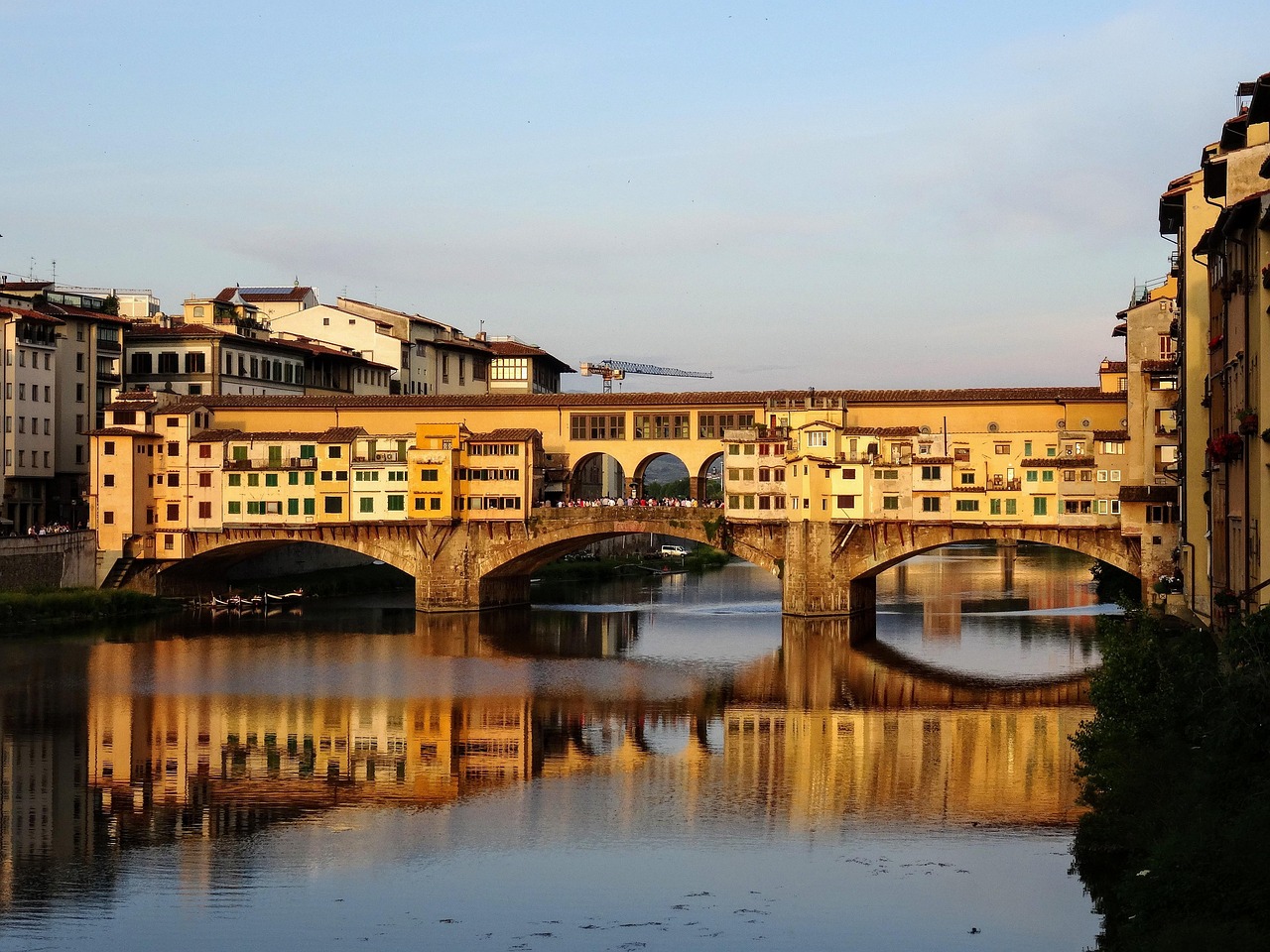
Ponte Vecchio Oltrarno Craft Pitti Palace and Day Trips
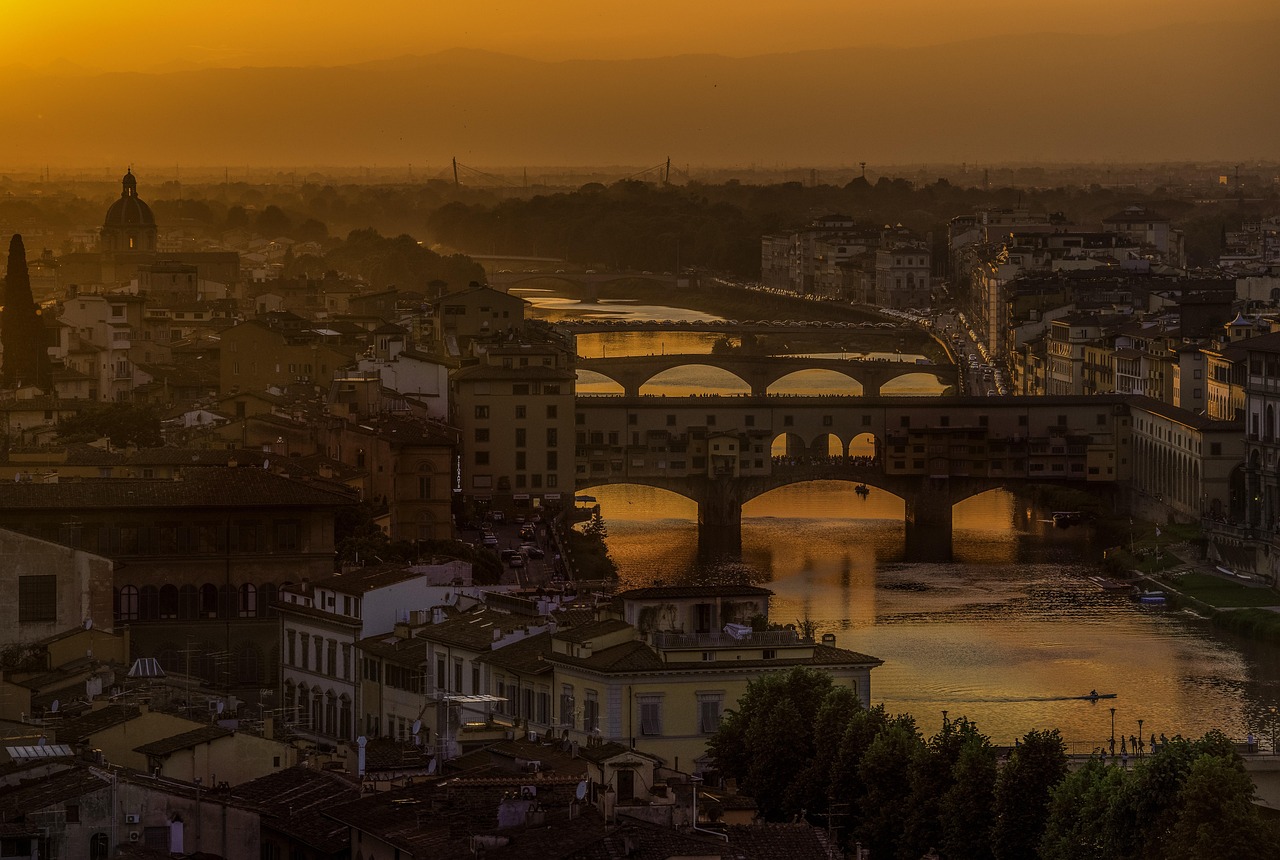
For travellers mapping Ponte Vecchio, Oltrarno, the Pitti Palace, and a few gentle day trips, this is the chapter where Florence turns from iconic to intimate. The Arno becomes your compass, guiding you from the sparkle of jewellers to workshops where hands still matter, and onward to garden paths that let your thoughts settle. This is also where Tuscany begins to whisper—close enough for a day, rich enough to feel like a second destination on your trip.
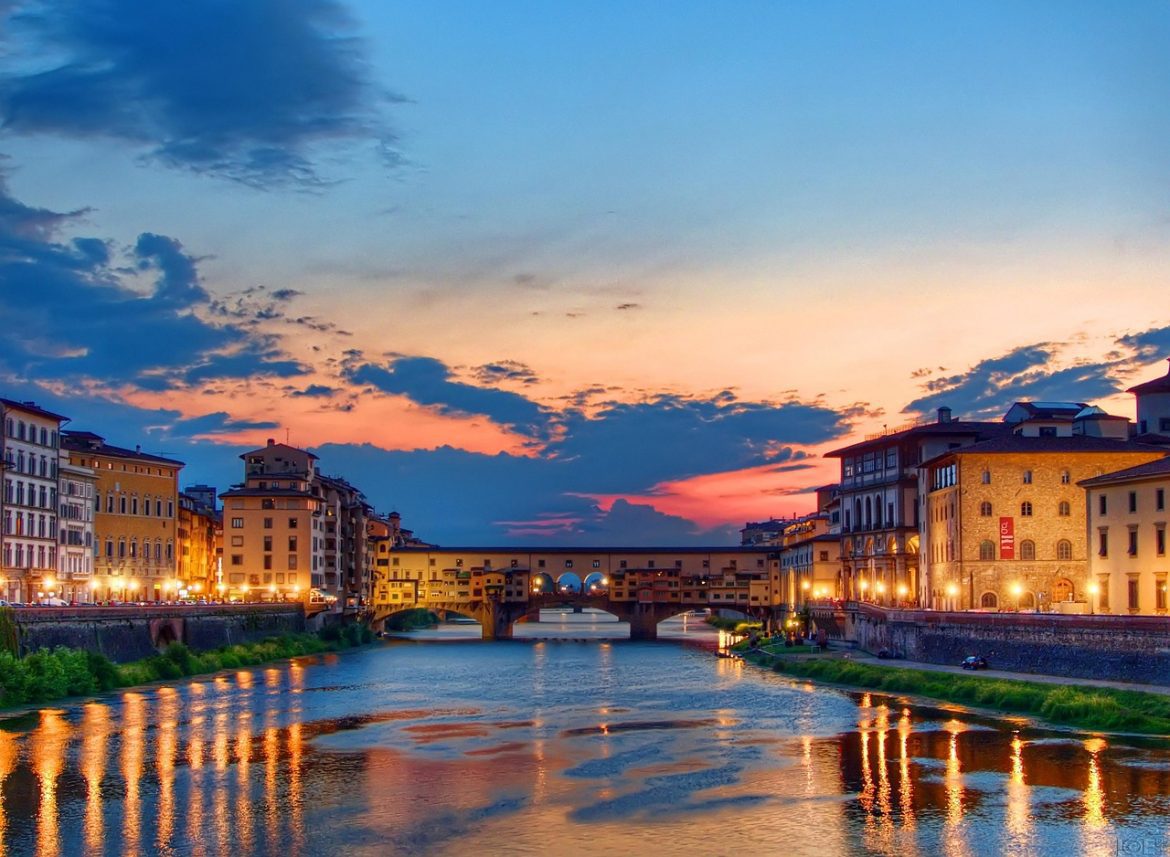
Begin with Ponte Vecchio at golden hour, when the light softens the stone, and the river reflects a warmer version of the day. The bridge’s luxury jewellers are part of the theatre, but so is the atmosphere: musicians, slow footsteps, the feeling that the city is briefly exhaling. For many, this is the most romantic “first walk” in Florence’s city—an easy moment of togetherness that doesn’t need a plan, just time.
Oltrarno artisans: Florentine craft, shopping, and local life in Florence
Cross the bridge, and you’ll immediately feel the shift. Oltrarno is quieter, more lived-in, and full of small doors that open onto big skills. This is where you uncover artisan workshops—leather, paper marbling, small-batch jewellery—often with the maker a few steps away from the display.
One high-end traveller told us their favourite memory wasn’t a famous painting in a museum, but an unexpected welcome in a tucked-away studio. They’d wandered off the main lane, followed the sound of tools, and discovered a craftsperson shaping a piece by hand. There was no sales pressure—just pride, conversation, and a sense of continuity. That kind of local encounter creates a personal connection money can’t manufacture, and it’s one of the quiet reasons to visit this side of the river.
Palazzo Pitti museum time + Boboli Gardens: an elegant afternoon before Chianti
Anchor your afternoon with Palazzo Pitti, a grand residence that speaks to power, taste, and the performance of wealth. The museum collections inside can be excellent, but you don’t have to “do it all”. Choose the galleries that truly interest you, then step outside into the Boboli Gardens for a completely different pace—landscaped beauty, sculptural surprises, and long sightlines that feel like visual deep breaths. If you love sacred art as well as palaces, the Basilica di Santa Croce is another powerful stop to weave in elsewhere on your itinerary.
To keep the experience luxurious, plan for a gentle arc: palace first, then gardens, then a short rest back at your hotel before dinner. That pause is what makes the evening feel like a reward rather than another task.
One visitor still speaks about an intimate Michelin-starred dinner with views over the Arno—candles, a softly paced tasting menu, and the city glowing beyond the glass. Their advice was simple: reserve well in advance, dress with understated elegance, and let the sommelier guide you. In Florence, high-end dining is at its best when it feels calm, not performative—service as care, food as an art form, and the evening as a designed moment of ease.
From here, it’s natural to extend the journey into Tuscany. A private Chianti wine experience offers a different kind of museum: cellars, soil, family stories, and the slow intelligence of place.
For wine lovers, a personalised Chianti tasting led by a local vintner can become the highlight of the entire trip to Florence. We’ve heard travellers describe standing among barrels while a winemaker shared centuries-old family traditions—how a vineyard plot was chosen, how weather shapes decisions, how a label carries memory. It’s the opposite of rush; it’s trust, time, and genuine hospitality.
To make day trips truly seamless, keep the logistics as elegant as the wine:
- Timing: Depart mid-morning after a slow breakfast; return before the late-evening city stroll.
- Transport: Private driver door-to-door, so tasting stays safe and relaxed.
- Pacing: Two wineries are usually perfect; three can feel like collecting rather than experiencing.
- Lunch: Choose a vineyard meal with seasonal Tuscan cooking—simple, grounded, and deeply satisfying.
This is how best day trips should feel: not like an add-on, but a beautifully integrated chapter where Tuscany becomes part of your Florence story.
F.A.Qs: Florence travel planning (itinerary, museums, and key attractions)
What should you not miss in Florence on a first visit?
Don’t miss the Duomo complex for the dome climb and city views, the Uffizi for Renaissance masterpieces, and an evening walk across Ponte Vecchio. If you have time, add the Boboli Gardens for a slower pace and a Chianti tasting for a Tuscan counterpoint. Pre-booking timed entries is the simplest way to keep these highlights calm and enjoyable.
What is Firenze in Italy known for, beyond the main attractions?
Firenze (Florence) is known for shaping the Renaissance through art, architecture, and civic power, and for its world-class museums and iconic landmarks. It’s also celebrated for Florentine craftsmanship—leather, jewellery, paper—and a food culture that values quality and simplicity. The city’s compact, walkable beauty makes it ideal for a refined, design-led stay.
What is the number one attraction in Florence for most travellers?
For most travellers, the number one attraction is the Duomo, especially the climb to the Brunelleschi dome for panoramic views. The cathedral complex gathers architecture, history, and atmosphere in one place, and it’s a powerful first experience of Florence. Booking an early time slot helps you enjoy it with more space and ease.
How many days in Firenze are enough for the best things to do?
Two days can be enough for the major icons if you plan well, but three days is a more comfortable minimum for a high-end experience. With three days, you can balance museums, neighbourhood wandering, and slower meals without feeling rushed. Four days lets you add Oltrarno craft time and a Chianti day trip while keeping the itinerary relaxed.
Visit Florence: reflections on what to see in Florence, and why you’ll want to return
If visiting Florence reflections and lasting travel moments are what you’re after, the truth is that Florence stays with you in ways that are almost too small to name at first. It’s the texture of stone underfoot, the hush you find inside a church, and the quiet confidence of recognising where you are even when you’re deliberately lost. Florence is one of those rare places that feels both monumental and human, as if its greatest art was made to accompany everyday life.
What lingers after a trip to Florence is not the list, but the light
Later, you may not recall every room number in a museum, but you’ll remember the dawn on the dome: a city turning gold while you stood still, breathing in the view. You’ll remember the warmth of an artisan’s welcome in Oltrarno, and how craft can feel like a language spoken without haste. You might even remember a single glass in Chianti—how the air smelled of earth and vine, and how the story behind it made the taste feel deeper.
In that way, Florence is one of the rare places that teaches you to travel differently. Not faster, but more attentively—allowing beauty to arrive, rather than chasing it. If you’re wondering about things to see in Florence, start with the icons, then leave space for the in-between moments.
The real luxury in Florence: feeling supported, then free
High-end travel here isn’t only about reservations or access, though those can be important. The real luxury is the feeling of being supported by expert planning, then freed to explore with ease—knowing that timing, tickets, and small details have been thoughtfully designed. You move through the city with trust, not tension, and that gentle reassurance creates space for curiosity.
Florence doesn’t end when you leave. It becomes a reference point for grace—for how a day can be both crafted and spontaneous, and for how art and life can share the same street. And perhaps that’s why, months or years later, you may find yourself quietly imagining a return to Florence, not to repeat it, but to meet it again with new eyes.