Post Contents
- Things to Do in Rome Travel Guide Italy Sites Luxury for a Seamless First Visit
- Ancient Rome Attraction Italy Colosseum Roman Forum Palatine Hill Icons
- Vatican City After-Hours Vatican Museum Private Tour with Confidence
- Rome Museum Guide Italy Borghese Gallery Pantheon Piazza Navona for Art Lovers
- Trastevere Food Tour Via Condotti Spanish Steps Trevi Fountain Italy Fashion
- What Stays With You After Rome Italy Sites Memories Feelings Personal Journey
- F.A.Qs: Rome Italy Sites for First-Time Visitors
Things to Do in Rome Travel Guide Italy Sites Luxury for a Seamless First Visit
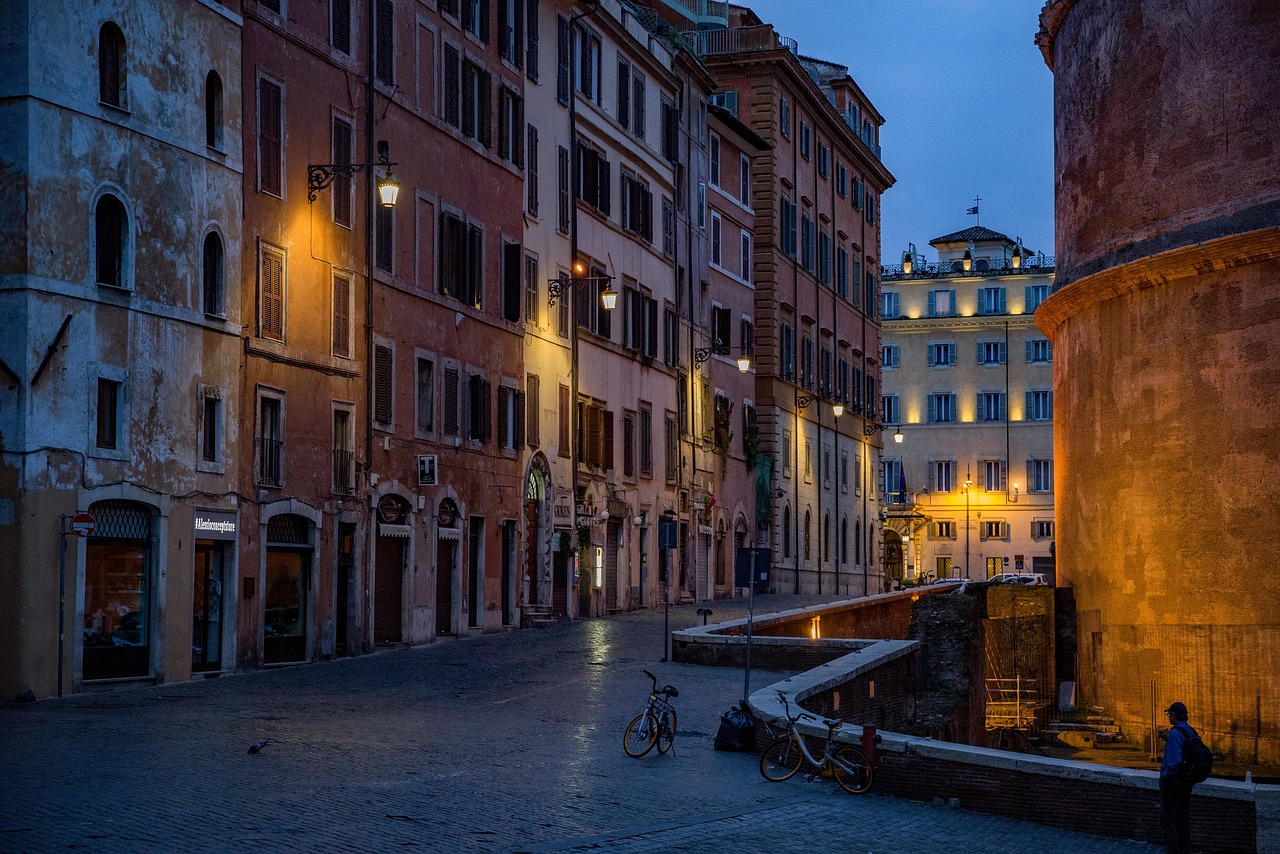
Things to Do in Rome Travel Guide for a Seamless First Visit
For anyone searching things to do in Rome travel guide Italy sites luxury, the most valuable shift is moving from a checklist to a rhythm. Rome is a city where a famous landmark can sit beside a quiet courtyard, and the contrast is part of the magic. With expert support and a little thoughtful booking, you can explore top sites, step into a museum without stress, and still leave space to linger over espresso like a local.
Think of your first visit as a balance: the big attractions you want to see in Rome, the museums in Rome that deserve time, and the slower moments that make the Eternal City feel personal. When the day is designed with care, even the busiest tourist areas feel manageable—and surprisingly intimate.
Best time to visit and the most comfortable way to see the city
The best time to visit is spring and autumn, when light turns the stone honey-gold and the temperature makes walking a pleasure. It’s also the smartest time to visit if you want fewer tourist crowds and more breathing space at popular places. In summer, a hot day can be dazzling but demanding; in winter, Rome’s galleries and churches feel wonderfully atmospheric.
Comfort is a luxury in itself. Pack stylish, supportive shoes for cobbles, and plan your heaviest sightseeing early in the day. This is the best way to see Rome’s layers without feeling rushed—especially if you’re weaving in private access and timed museum entries.
Where to stay in Rome and why concierge support matters
Where you stay in Rome quietly shapes everything: your morning pace, your walking routes, and even how you feel returning “home” at night. The historic centre of Rome puts you close to the Pantheon, Piazza Navona, and elegant shopping streets; quieter addresses can offer a calmer reset while still keeping the centre of Rome within easy reach by taxi.
For high-end travellers, a strong concierge is more than helpful—it’s reassurance. The right team can design hotel choices around dining reservations, private guided tour timings, and the simple luxury of stepping out to a beautiful street rather than a busy artery.
Before we dive into the Rome landmarks themselves, a few seamless essentials to create trust in your plan:
- Booking: reserve Colosseum and Vatican Museum tickets well in advance, especially for limited-entry experiences.
- Getting around: the metro and taxis are reliable, but walking uncovers hidden corners around Rome.
- Confidence: stay vigilant about pickpockets near tourist attractions like Trevi Fountain; keep bags closed and phones secure.
- Local touch: simple Italian greetings and calm dining etiquette build warmth with Romans.
If you’d like inspiration for a crafted, high-comfort itinerary beyond the city, you can browse our Trip gallery for Italy and imagine how Rome can be paired with the coast, the lakes, or a vineyard stay.
Now, let’s begin where Rome’s story is carved in stone.




Ancient Rome Attraction Italy Colosseum Roman Forum Palatine Hill Icons
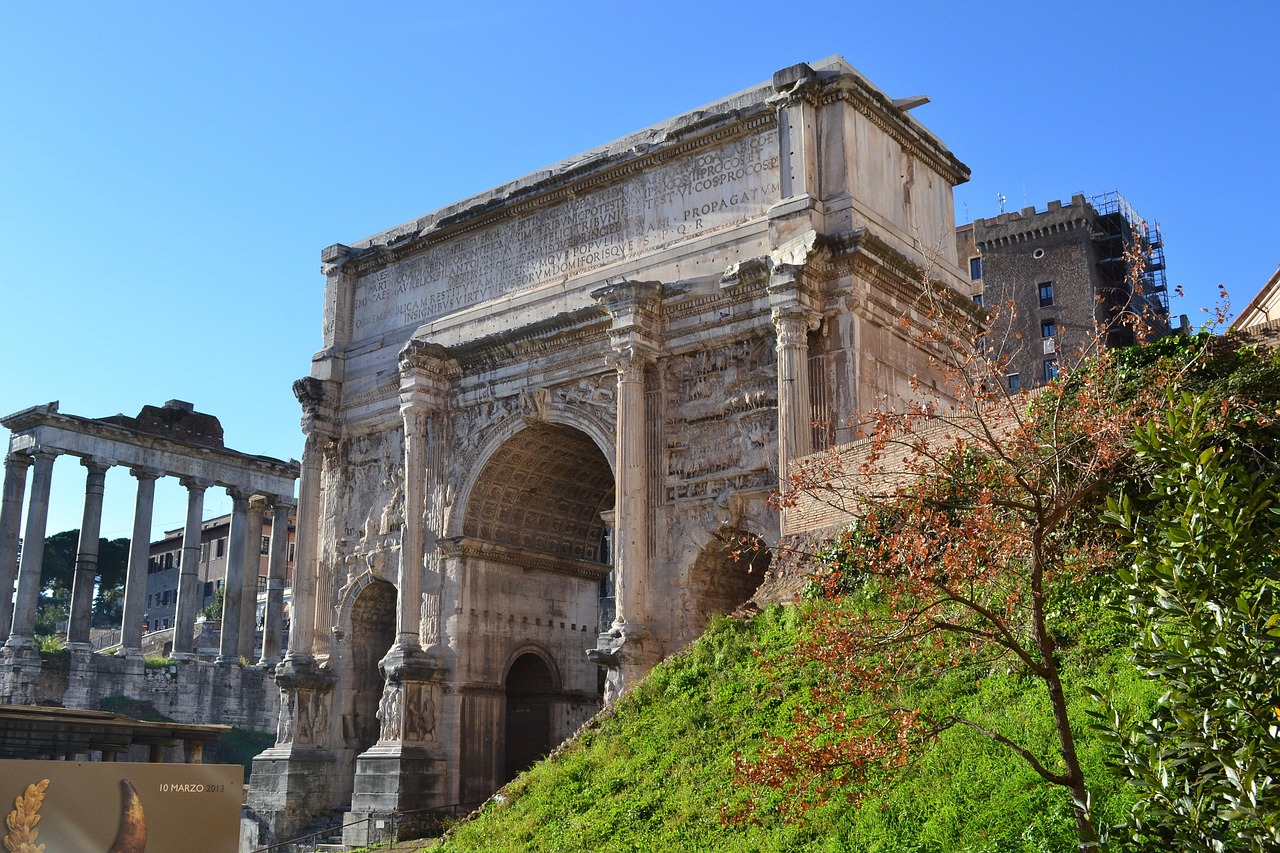
Ancient Rome Attraction Icons Colosseum Roman Forum and Palatine Hill
If your search looks like Colosseum Roman Forum Palatine Hill ancient Rome attraction Italy, you’re already aiming for the right trio. This is Ancient Rome at its most cinematic, but it’s also the most revealing place to understand how the Roman Empire shaped daily life. With a premium guided tour, the stones become story—measured, human, and wonderfully clear.
Arrive early for softer light and a calmer mood, and let your day build in layers: arena to forum, hilltop to viewpoint. It’s one of the most impressive sequences of monuments in Rome, and it deserves unhurried attention.
The Colosseum is a masterclass in Roman engineering: ingenious crowd movement, dramatic sightlines, and an arena designed for spectacle. It’s also a place to hold the weight of history gently—gladiator contests were real, and the scale can feel confronting as much as awe-inspiring. A private guide helps you explore with sensitivity, avoiding trivia while explaining what the architecture reveals about power, entertainment, and the ancient Roman world.
For a seamless experience, choose a timed entry that includes the arena floor or underground when possible to visit. The best tours keep you out of the longest queues and offer clear routes that reduce the hustle and bustle of Rome. If you want to linger, a quieter late-afternoon slot can be a great way to see the light settle into the arches.
Roman Forum and Palatine Hill for a panorama without the hustle and bustle of Rome
Walking the Roman Forum feels like stepping into a living map: basilicas, temples, and political spaces layered like pages. On Palatine Hill, the city seems to open out, and the view of Rome reminds you why emperors chose this height. Look for viewpoints that let you see in Rome not just ruins, but alignments—how roads, forums, and palaces were designed to impress.
A couple once told us about their sunset picnic overlooking the Forum—simple food, a soft blanket, and an unforgettable sense of history meeting romance. The magic was in the restraint: they chose a respectful spot away from fragile edges, kept it tidy, and left without a trace, carrying only photographs and a quiet gratitude.
To keep this day comfortable and elevated:
- Timing: start with the Colosseum, then move to the Roman Forum and Palatine Hill when the light is gentler.
- Hydration: carry water—stone reflects heat, even in shoulder season.
- Details: bring a light scarf for sun and for a polished look in the city.
On the way, pause at Piazza Venezia to appreciate the grand axis of modern Rome. The Victor Emmanuel II monument, born from Unified Italy, is theatrical by design—worth a short stop for context and photographs, even if you don’t linger long.
If you’re planning a return to Rome, consider extending the story with Circus Maximus for scale, and the Appian Way for a quieter, more contemplative counterpoint around Rome. It’s a reminder that Rome landmarks aren’t only in the centre—they radiate outward into silence and shade.
Vatican City After-Hours Vatican Museum Private Tour with Confidence
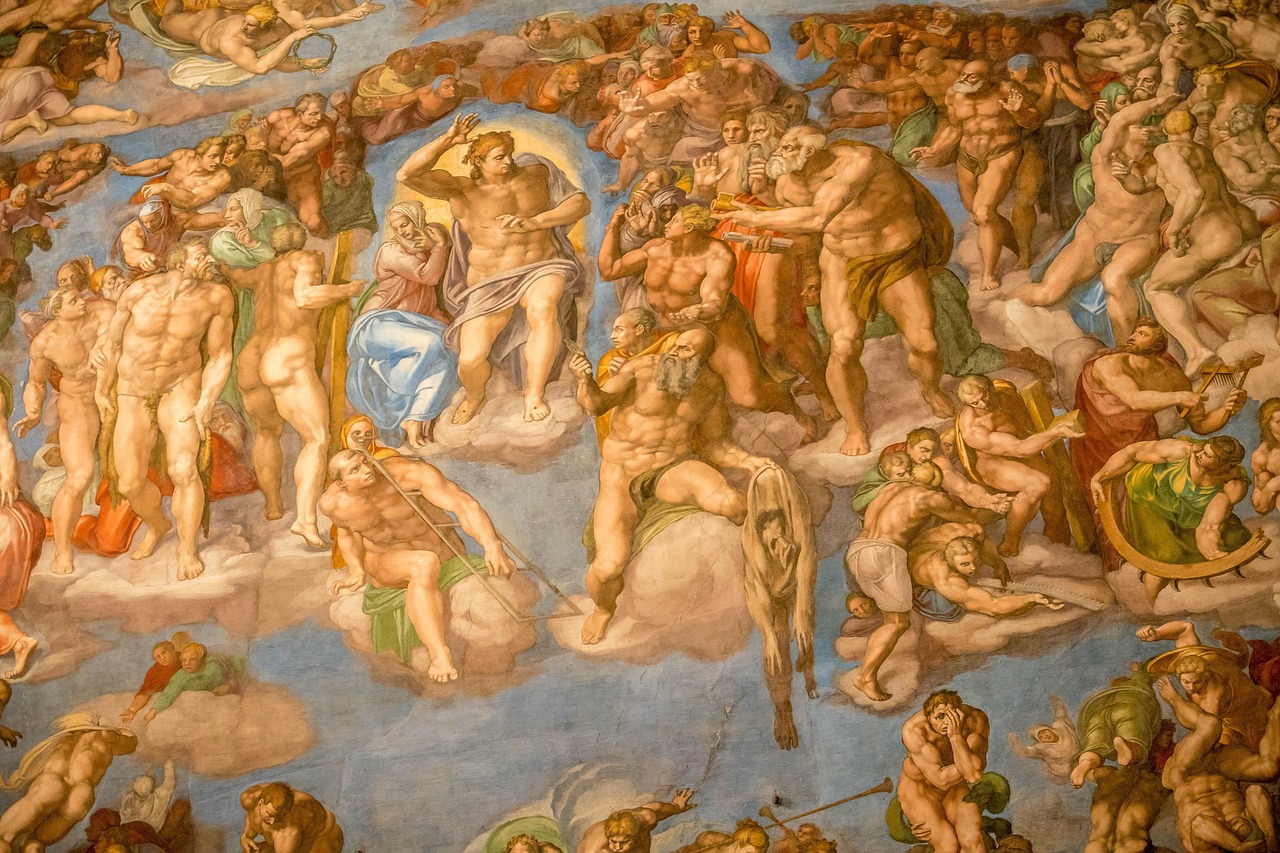
Vatican City with Confidence After-Hours Vatican Museum Moments
Travellers looking for Vatican City after-hours Vatican Museum Sistine Chapel private tour Italy are usually seeking the same thing: calm. An after-hours or limited-entry experience is less about exclusivity for its own sake, and more about creating space for real looking—without the press of a tourist crowd. With expert planning, you step into the Vatican with confidence, knowing your timing is aligned and your evening still feels seamless.
After-hours access varies, but it typically means a restricted entrance window, fewer visitors, and a pace that feels crafted rather than hurried. It’s one of our favourite things to recommend for art lovers who want the Vatican Museum to feel like a personal encounter rather than a race.
Sistine Chapel and Raphael rooms with respectful etiquette
The Sistine Chapel is not just a masterpiece—it’s an atmosphere. In quieter hours, you notice how colour holds emotion and how silence changes the experience. The Raphael Rooms reward the same attention: let your guide offer insight into composition and meaning, then take your own moment to absorb.
Etiquette keeps it seamless. Dress modestly, keep voices low, and follow photography rules (which are strict in the Sistine Chapel). When the experience is designed with care, even security checks feel manageable—simply part of the ritual of entering a place that matters.
Peter’s Basilica is vast, but your experience can still feel intimate with the right timing. Consider the dome early or at a quieter point in the day; the climb is worth it for an expansive view of Rome that makes the city’s geometry feel almost serene. If steps aren’t your preference, your guide can help you design a route that focuses on the nave, chapels, and key artworks instead.
Then, for a small thrill that feels like an insider secret, uncover the Aventine Keyhole. That perfectly framed view of St. Peter’s—almost like a private postcard—creates a pause that feels personal, elegant, and unexpectedly moving.
Logistics matter here more than anywhere. A thoughtful booking strategy should consider:
- Security lines: arrive with time, but not so early that you wait longer than necessary.
- Evening flow: plan dinner in the centre of Rome after your Vatican visit so you don’t lose the calm in transit.
- Support: concierge coordination can align transport, dress code reminders, and restaurant confirmations.
If you have time near the Vatican, a gentle stroll past Castel Sant’Angelo can be a beautiful bridge between sacred grandeur and the everyday life of the riverbank.
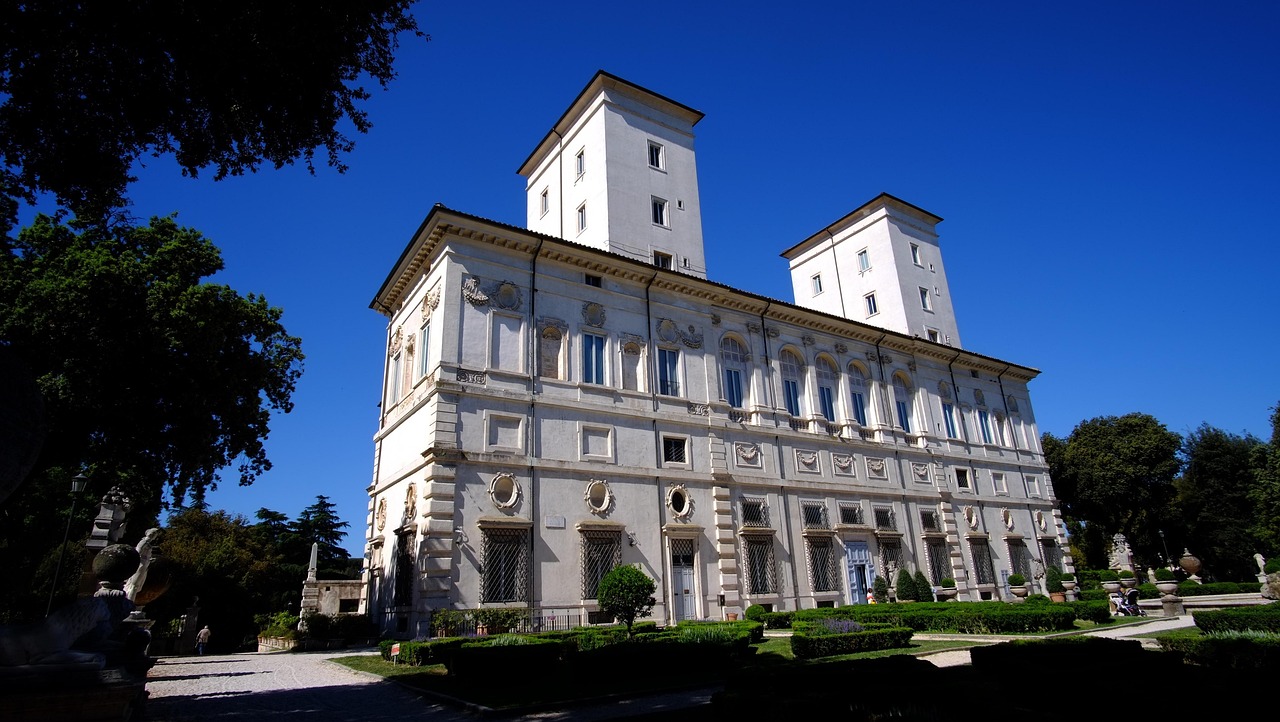
Museum-Forward Rome for Art Lovers Pantheon Piazza Navona
For travellers searching Rome museum guide Borghese Gallery Pantheon Piazza Navona Italy, the joy is in curating a day that feels light but meaningful. Rome rewards slow looking: a museum room where time stretches, a piazza that changes mood by the hour, a place in Rome where ancient design still feels modern. With the right pacing, you can explore deeply without feeling over-scheduled.
This is also where high-end travel shines quietly—small-group slots, private entry windows, and a guide who reads the room. The goal is not to do everything, but to create a day of best places that suit your attention and energy.
Borghese Gallery as a favourite things anchor
The Borghese Gallery is one of the most controlled museum experiences in the city, thanks to timed entry and limited numbers. That structure is a gift: it protects the art and gives you space to see detail. An art lover once described her awe during a guided, small-group visit—how the intimate setting made Bernini feel alive and Caravaggio feel startlingly close, as if the paint still held breath.
Plan your booking well in advance, and consider a private guide if you want deeper context without feeling lectured. The villa setting itself adds softness; you move from room to room as though you’re visiting a collector’s home, not just a gallery.
The Pantheon is a lesson in proportion and light. Stand beneath the oculus and notice how the dome draws your gaze upward, then gently returns you to earth. Built under Emperor Hadrian, it’s one ancient monument that still feels astonishingly current—proof that the best design never ages.
From there, drift to Piazza Navona and experience it like a local: early morning, before the day’s volume rises. Choose a café with calm service, keep your table manners unhurried, and photograph details without blocking flow. In that quieter window, you can almost hear the older Rome beneath the modern chatter.
To design a museum day that stays effortless:
- Pacing: one major museum, one major outdoor space, and a long lunch in between.
- Comfort: stylish-comfortable shoes for cobbles, and a light layer for church interiors.
- Energy: plan breaks that don’t pull you far off-route, so you keep momentum without pressure.
If you’d like a calm church stop, choose one Santa Maria that fits your route—many love Santa Maria Maggiore for its atmosphere. For a different rhythm, add a quick look at Piazza del Popolo, where space and symmetry give the city a breath of air.
Trastevere Food Tour Via Condotti Spanish Steps Trevi Fountain Italy Fashion
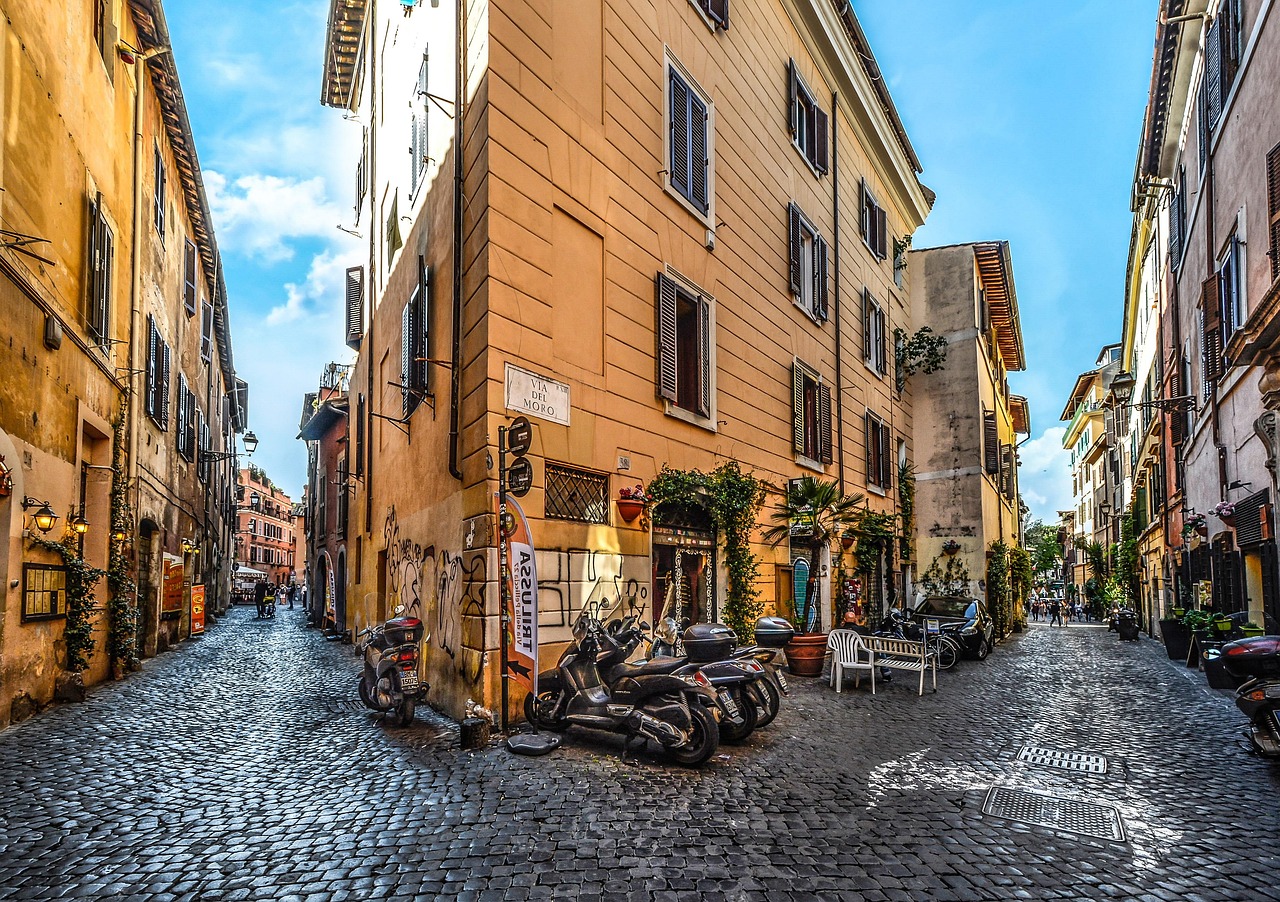
Trastevere Food Tour and Fashion from Spanish Steps to Via Condotti
If you’ve been saving Trastevere food tour Via Condotti Spanish Steps Trevi Fountain Italy to your notes, you’re picturing a Rome that’s equal parts flavour, style, and evening energy. This is the chapter where the city becomes sensory: clinking glasses in a trattoria, satin in a boutique window, the hush of dawn at a famous landmark. With a little thoughtful planning, you can keep it seamless—moving between neighbourhoods with confidence and plenty of room for spontaneity.
It’s also where Rome feels most local. The streets are smaller, the choices more personal, and the best moments often arrive when you slow down and let the city meet you halfway.
Trastevere food tour with a chef-led tasting story
Trastevere is made for wandering: cobblestone lanes, laundry lines, hidden courtyards, and restaurants that have fed families for generations. A luxury traveller once recounted the delight of a private, chef-led tasting food tour here—how the personal touch changed everything. Instead of simply eating well (which is easy in Rome), they were introduced to owners, tasted seasonal dishes with context, and learned the quiet rules of ordering with confidence.
For evenings, Trastevere’s nightlife can be lively; choose a curated bar or wine spot, and let your hotel or concierge support confirm reservations so you’re not negotiating crowds. It’s a gentle way to enjoy the buzz without being pulled into the noisiest pockets.
Spanish Steps, Via Condotti fashion, and Trevi Fountain with ease
Start early at the Spanish Steps—all 135 steps—and aim for dawn when the air is cool and the scene feels almost private. From the top of the steps, the city looks freshly staged, and the light flatters every façade. Then slip into Piazza di Spagna for a classic espresso in the Spagna area and a little people-watching before the day turns busy.
From here, a bespoke fashion experience along Via Condotti is a natural next move. If you want appointments at ateliers and luxury boutiques, request them ahead of time and be clear about tailoring timelines—especially if you’re ordering made-to-measure pieces. Keep receipts for VAT refunds, and consider a style concierge who can translate preferences into Italian elegance without pressure.
Later, visit the Trevi Fountain with strategy. This famous fountain in the world is at its best early morning or late evening, when you can stand back and take respectful photographs. Be pickpocket-aware in the surrounding lanes, keep jewellery discreet, and let your plan place Trevi between bookings so it feels like a beautiful pause rather than a stressful crush.
For an insider’s lift—playful, cinematic, and surprisingly revealing—consider a Vespa ride through less touristy neighbourhoods such as Dei Monti. A frequent visitor once described the thrill of gliding through streets they’d never walked, uncovering street art, tiny workshops, and local artisans not found in guidebooks. It’s a great way to see Rome beyond the obvious, while still feeling supported by a guide who knows where to stop and where to simply pass through.
What Stays With You After Rome Italy Sites Memories Feelings Personal Journey
When you leave Rome, the photographs are only the beginning. What stays with you is the warmth of stone after sunset, the sound of footsteps in a side street, the way a piazza can hold both noise and calm at once. You remember the feeling of standing quietly in a museum room, letting beauty arrive at its own pace, and the small confidence that grows when a day is crafted to fit you rather than the other way around.
Often it’s the human notes that linger most. A waiter who teaches you a phrase without making you feel foolish. A guide who senses when you want more insight, and when you simply want to look. The trust built through these small exchanges turns a visit to Rome into something softer and more lasting—less about tourist achievement, more about personal connection.
And then there’s the gentle satisfaction of seamless design: a perfectly timed entry, a calm car waiting when the street is busy, the quiet certainty that someone has thought ahead with care. In the Eternal City—so layered, so alive—this kind of support doesn’t remove spontaneity; it protects it. It gives you room to discover what you didn’t know you were looking for.
Rome is home to so many stories that no single journey can hold them all. Perhaps that’s why, long after you’ve unpacked, you find yourself remembering not only what you saw, but who you were while you were there—unhurried, curious, and open. And somewhere in the back of your mind, a new question begins to form, not urgent, just quietly luminous: what might the city reveal next time, if you returned together and let it unfold in its own time?
F.A.Qs: Rome Italy Sites for First-Time Visitors
F.A.Qs Things to do in Rome travel guide for Rome Italy sites
What are the top 3 attractions in Rome?
The top three attractions many travellers prioritise are the Colosseum, the Vatican Museums (with the Sistine Chapel), and the Pantheon. Together they cover Ancient Rome, Renaissance brilliance, and architectural genius in one city. For a high-end experience, book timed entry and consider a private guided tour so you can explore with insight, comfort, and far less queueing.
What are the most visited sites in Rome?
The most visited sites in Rome include the Colosseum, Vatican City (especially the Vatican Museum and St Peter’s Basilica), the Trevi Fountain, and the Roman Forum. These popular places can feel busy, particularly in summer. Visiting early, choosing shoulder season, and arranging tickets well in advance helps you enjoy them with more space and confidence.
What are the must do sites in Rome?
Must do sites for a first visit often include the Colosseum, Roman Forum and Palatine Hill, the Vatican Museums, St Peter’s Basilica, Piazza Navona, and a wander through Trastevere. Add the Spanish Steps at dawn for a quieter view. If you want the journey to feel seamless, structure days around one major attraction plus a slower local moment, like a long lunch or an artisan stop.
What are the must-see historical sites in Rome?
Must-see historical sites include the Colosseum, the Roman Forum, Palatine Hill, the Pantheon, and key Vatican highlights. These places to visit in Rome reveal different eras—from the ancient Roman world to the Renaissance. A well-paced itinerary, supportive transport, and an expert guide can turn these Rome landmarks into a coherent story, rather than a rush between ruins and queues.