Post Contents
- Choosing the Right Map for Rome for a Seamless Arrival (Luxury Traveller Essentials)
- Reading a Map of Rome by Areas and Atmosphere: Trastevere, Monti and Esquilino
- Ancient Rome on the Map: Colosseum, Roman Forum and Palatine Hill in One Route
- Vatican City on Your Rome Map: Vatican Museums, Sistine Chapel and St Peter’s Basilica
- A Walking Tourist Route Map of the Historic Centre: Spanish Steps, Trevi Fountain and the Pantheon
- Transportation on a Rome City Map: Metro Hops, Private Transfers and a Simple Itinerary
- After Rome: What Stays With You from the Eternal City
- F.A.Qs: Rome Italy city map planning for first-time visitors
Choosing the Right Map for Rome for a Seamless Arrival (Luxury Traveller Essentials)
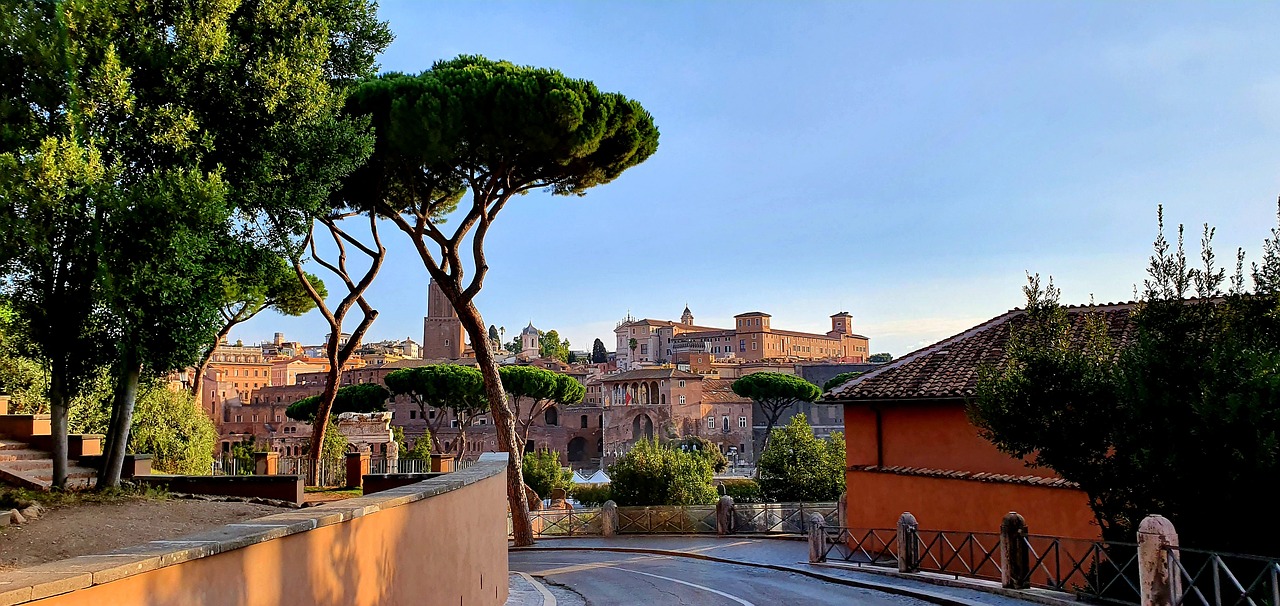
Choosing the right map for a seamless arrival, with elegant routes for luxury travellers
For a polished start in the city of Rome, choose guidance that feels calm and legible, not busy. A rome italy city map is ideal when you want quick orientation, while a Rome city map gives you the street-level scale to connect districts, piazza landmarks, and hotel addresses without guesswork. If you like having a file to download, choose a printable PDF you can keep as a back-up, then use a separate tourist layout when your priority is a headline attraction or museum stop.
In practice, two formats work best. An interactive map of Rome supports live routing when plans shift, and a paper option supports slower wandering when you want to look up, not down.
Map formats that feel effortless in summer heat: durable, waterproof and easy-fold
Choose a durable, easy-fold paper guide with a sensible folded size that slips into a slim day bag. In July and August, a waterproof finish is practical rather than precious—especially with sudden showers or gelato drips. On your phone, learn to zoom with intention and keep one tidy list of saved places, so you can find your way without stopping every few steps.
- Digital: save key addresses in one list and add a colour tag for restaurants vs. museums.
- Paper: circle three “anchor points” (your hotel, a central piazza, and one major landmark) to re-orient quickly.
- Back-up: screenshot your hotel pin for offline peace of mind if signal drops.
From the airport to your hotel: a graceful arrival route, plus simple safety
From the airport, a chauffeured transfer removes friction and sets a crafted tone from the first minute. Before you fly, pin each stop with one simple marker (hotel, dinner, and an evening stroll), so your driver and concierge are supporting the same plan together. This small habit keeps arrivals calm, especially after a late landing.
A gentle word on pickpockets: keep valuables minimal, use hotel safes for passports and jewellery, and stay aware in crowded corridors. With that quiet confidence, Rome feels welcoming rather than watchful.




Reading a Map of Rome by Areas and Atmosphere: Trastevere, Monti and Esquilino
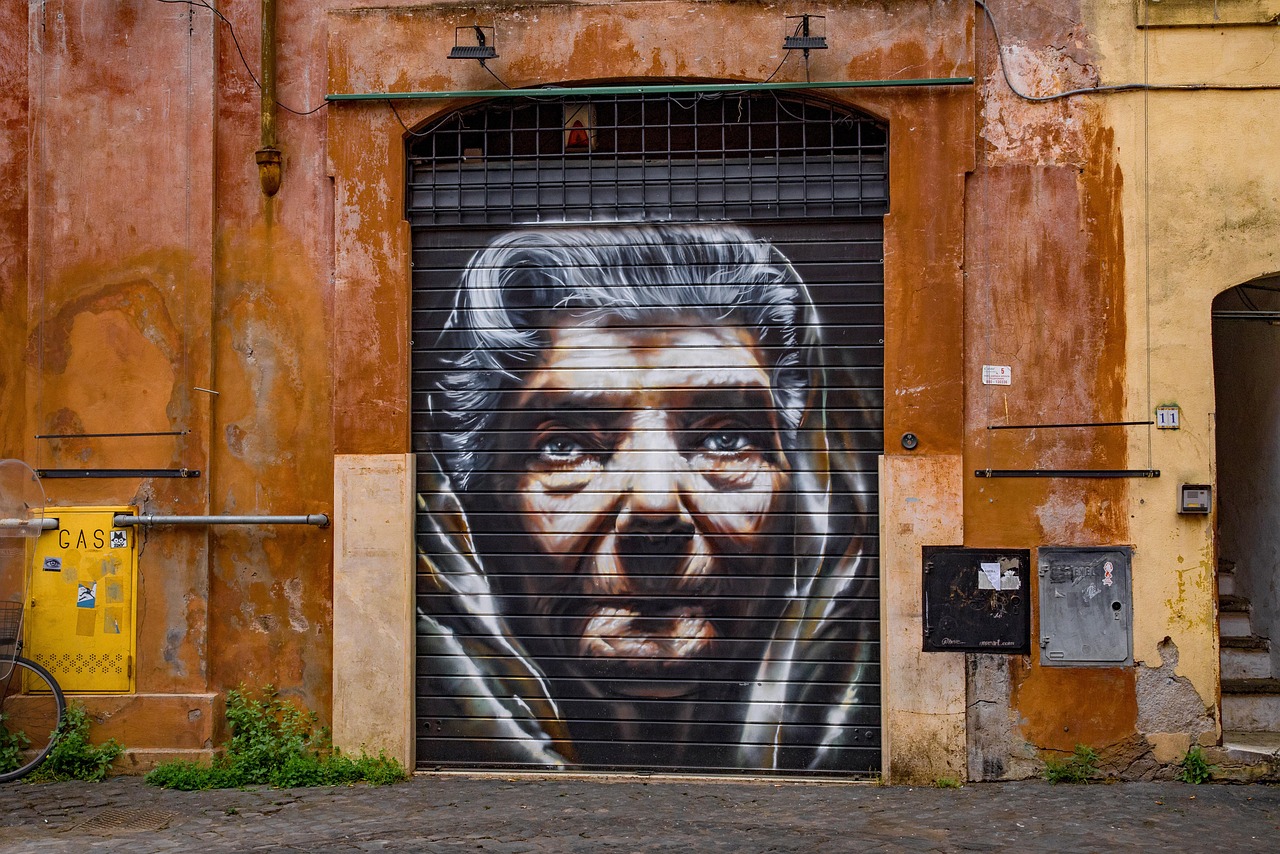
Reading the city by areas and atmosphere, from Monti to the Aventine
Think in neighbourhood chapters, because the areas of Rome read best by mood. Centro Storico carries classic elegance and polished addresses, while Trastevere brings cobblestones, candlelit energy, and a nightlife hum that still feels local. Monti leans design-led, Esquilino adds multicultural flavour (and it’s an easy detour if you’re near San Giovanni), and the Aventine offers quiet viewpoints and shaded lanes.
To design a day that feels seamless, pair stops by proximity rather than by checklist. When you cluster locations, you arrive with time to notice detail—stone textures, a small fresco, and the particular light at a church threshold.
See in Rome by neighbourhood, not by hurry
A simple sampler can carry an entire day without becoming a tourist sprint. Begin with a morning church visit where the streets are still exhaling, take a midday market pause for colour and conversation, then aim for the Janiculum at sunset for a wide, reassuring sight over rooftops. That pacing creates a sense of dimension without constant crossing.
- Morning: a quiet church near your base (ask your concierge for one with a notable fresco).
- Midday: a market stop for seasonal fruit, flowers, or a small bottle of olive oil for your suite.
- Evening: Janiculum viewpoints for that “I’m really here” dimension of Rome.
Pin the Aventine Keyhole as a small surprise that pays off disproportionately. Arrive in softer light—late afternoon is kind—and you’ll see St Peter’s Basilica framed with remarkable precision. It’s a reminder that this city rewards travellers who slow down enough to notice the quieter designs.
Finally, create one personal ritual: schedule one unplanned hour each day. It’s often the hour when a lane suggests itself, a workshop door is open, or a small artisan window becomes a treasure you didn’t know you needed.
Ancient Rome on the Map: Colosseum, Roman Forum and Palatine Hill in One Route
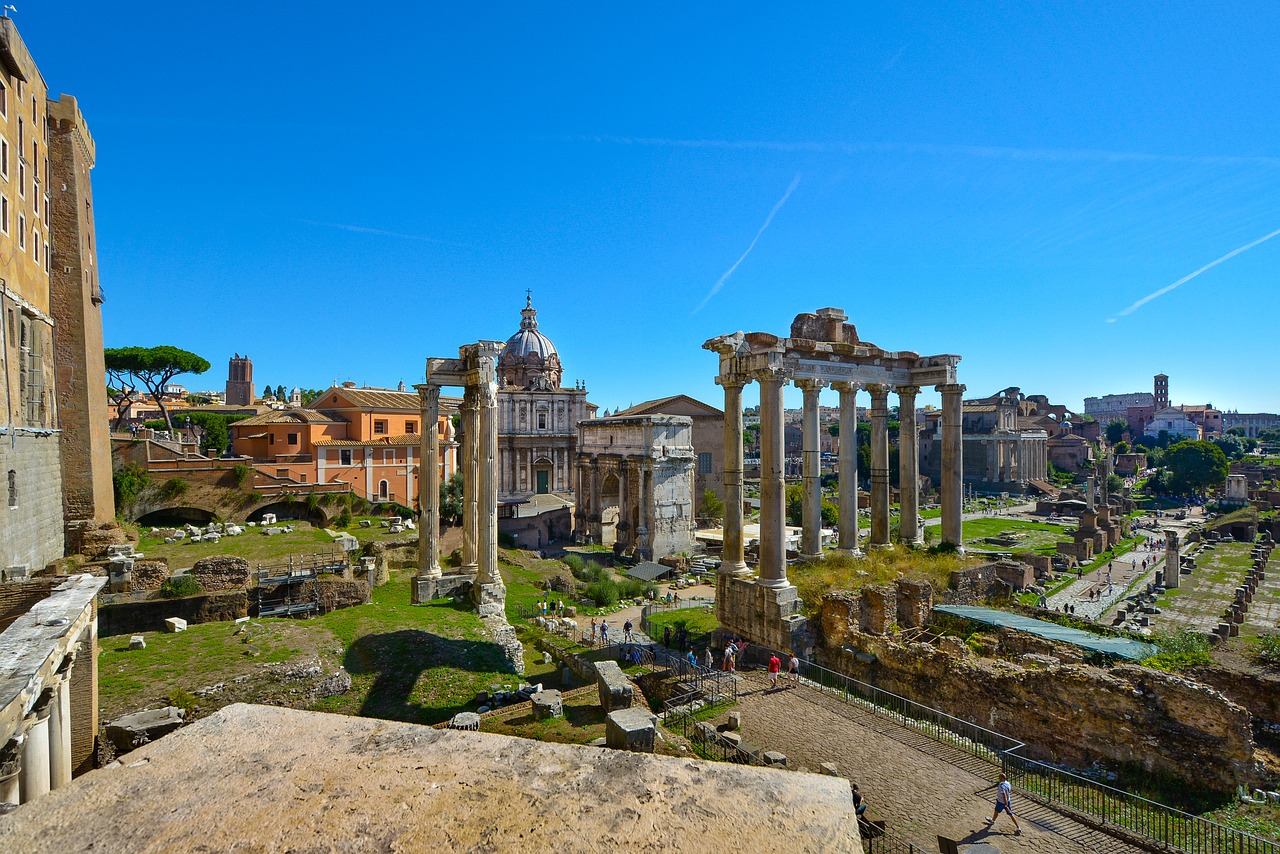
Ancient Rome route planning, linking the Colosseum, Roman Forum and Palatine Hill
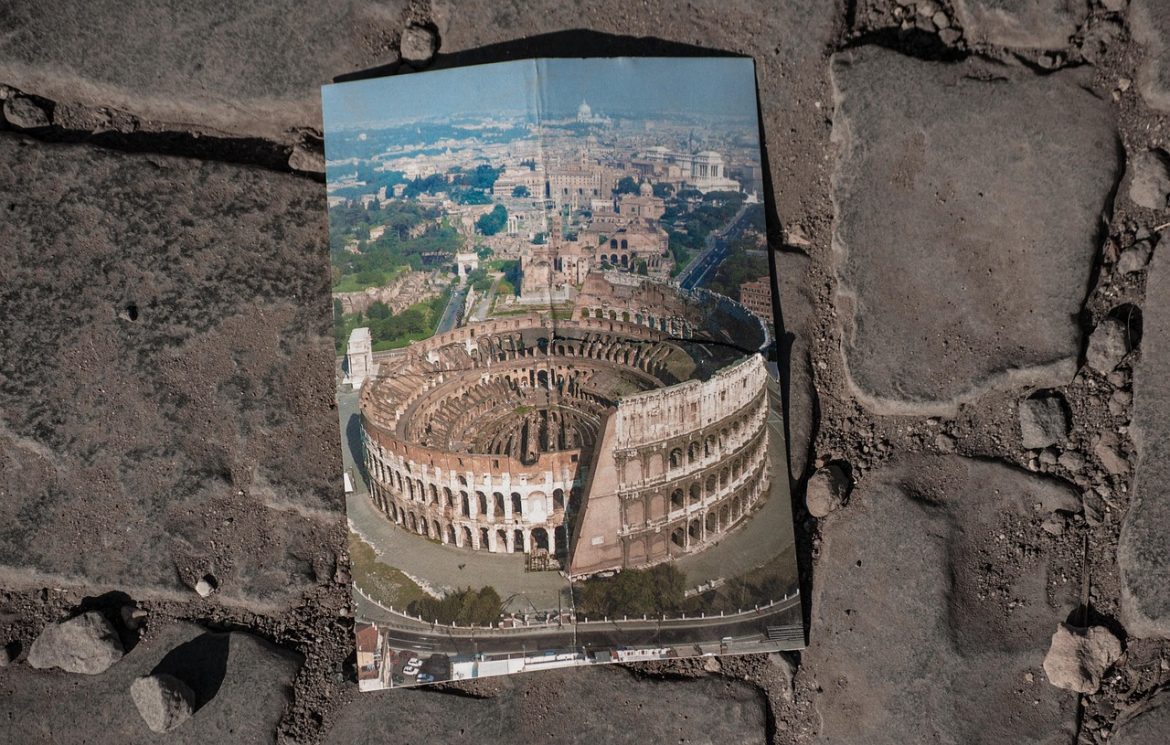
Treat the ancient core as one connected landscape rather than separate ticketed stops. Start at the Colosseum early, then flow into the Roman Forum, and finish on Palatine Hill so you climb once, not repeatedly. This order protects your energy for what matters: the history and culture in the open air, from inscriptions to arches to the quiet power of a ruin in morning light.
Mark the surrounding side paths too. Those calmer edges can be the most memorable, because the crowds thin and even a single monument feels more personal.
Luxury-friendly access: an expert walking tour with breathing space
For a crafted experience, book an expert-led early entry or after-hours walking tour paired with skip-the-line tickets. The difference is emotional as much as practical: you’re not jostling; you’re listening. With an excellent guide, a broken column becomes a story and a worn threshold becomes a human trace.
Link the quiet corners between the big landmarks
Connect the headline sites with calmer pauses—a shaded wall where you can sip water, a bench with a clean view, or a short detour that resets your pace. Rome is a must-see destination, yes, but it’s also a place to sit and imagine what the stones have witnessed.
- Footwear: supportive shoes with grip; the paving is uneven and polished smooth in places.
- Heat: start early, carry a refillable bottle, and note refill points before you set out.
- Bag: keep it small and durable, with hands free for steps and railings.
A couple once described their romantic evening walk near the illuminated ancient sites: the stones seemed to glow from within, and the city felt suddenly intimate. They followed the light across the river and ended with a private dinner in a hidden garden—proof that a good route is not just efficient, it’s tender.
Vatican City on Your Rome Map: Vatican Museums, Sistine Chapel and St Peter’s Basilica
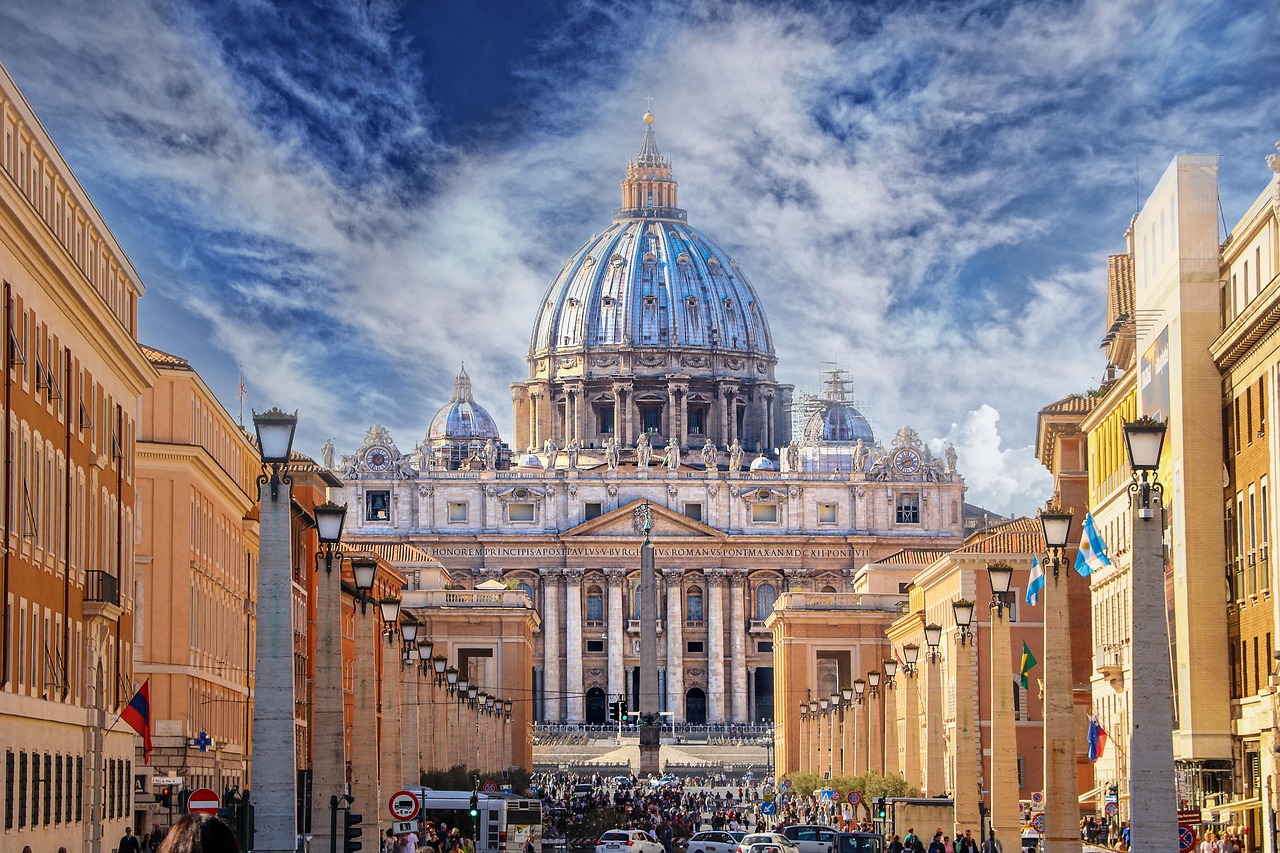
Planning Vatican City moments with calm pacing and clear entry points
Vatican City sits to the northwest of the historic centre, and the calm approach is everything for a first-time visitor. Know your entrance, pick a nearby café for a quick espresso, and arrive at a time that protects your attention—especially if you’re dressing for a special lunch afterwards. A private transfer can be worthwhile here simply because it keeps the morning friction-free.
Inside, plan the route with care because wrong turns cost energy and add unnecessary crowds. Decide your priority rooms in advance, and let everything else be a bonus.
Museum route planning that protects the experience
Ask your guide to keep the pace human: a few key galleries, one or two major fresco moments, and a clear line to your highlight. One luxury traveller told us her early morning guided entry felt profoundly moving; the quiet made the colours feel alive, and the atmosphere created insight rather than overwhelm.
Care and etiquette in sacred spaces, including papal Rome
Dress modestly with shoulders and knees covered, and keep voices low—simple gestures that show care. Plan a pause before St Peter’s Basilica rather than rushing through; even five minutes of stillness can reset the mind. If you need a comfort stop or accessibility support, tell your hotel concierge in advance so everything is arranged with confidence.
For photos, keep it simple: one “arrival” frame, one ceiling detail, and one exterior view—enough to remember without turning the visit into a performance.
A Walking Tourist Route Map of the Historic Centre: Spanish Steps, Trevi Fountain and the Pantheon
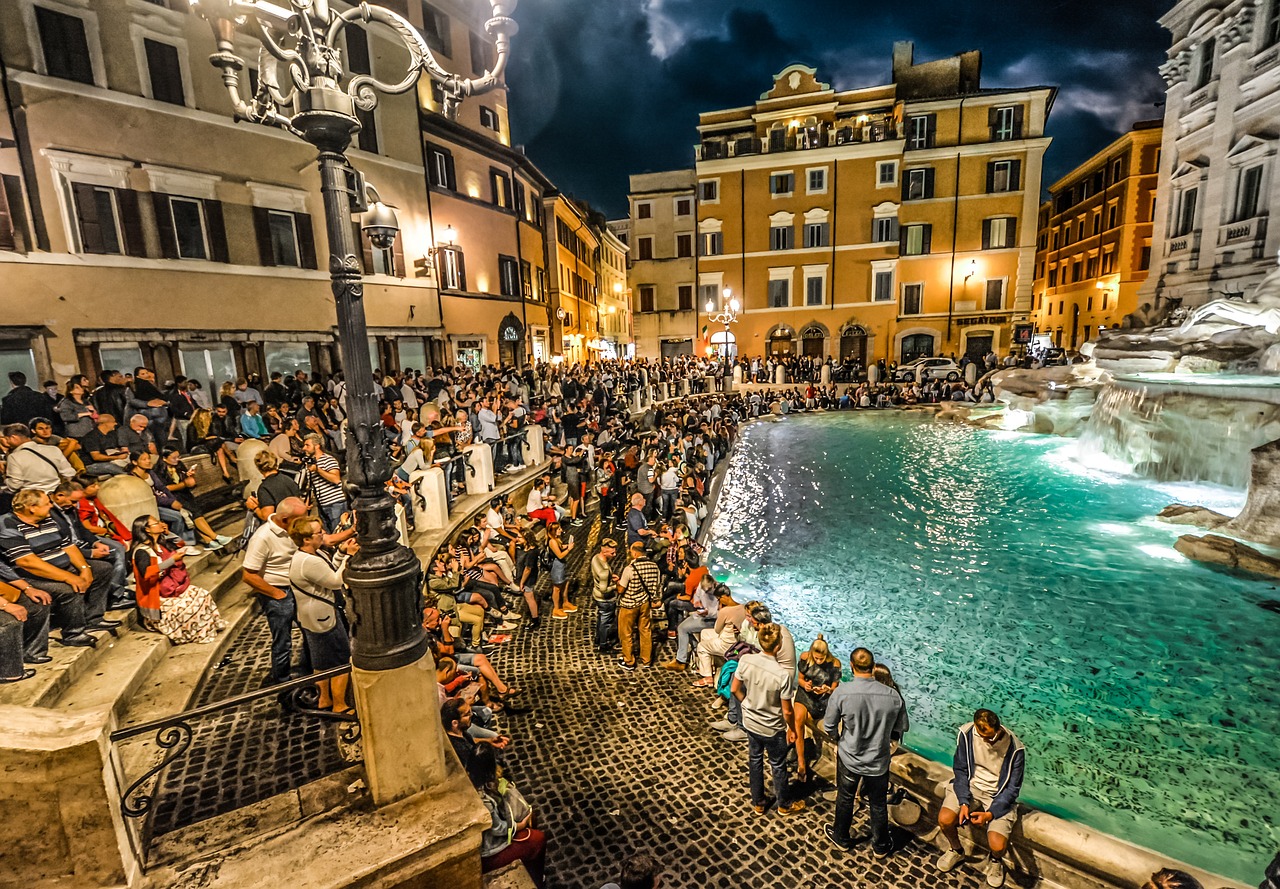
A stylish historic-centre loop, from the Spanish Steps to the Trevi Fountain
Build a loop that feels curated, not crowded, and treat timing as your most elegant tool. Start early at the Spanish Steps, then drift to the Trevi Fountain before the midday surge. Continue to the Pantheon when the light is steady, and take a Campo de’ Fiori (campo) detour when you want colour, conversation, and a touch of theatre.
The point is not speed; it’s sequencing. When you stagger the icons, each stop feels like an encounter rather than a queue—an iconic day without the pressure.
Gallery hour and Villa Borghese calm between icons
When your energy dips, choose a gallery hour instead of “pushing through.” A short walk under trees changes the rhythm of the day, and a curated collection can feel like a reset between outdoor stops. If you can secure timed entry, treat it like a quiet appointment with beauty.
A gourmet route for boutique classics and travel tips
Design a gourmet food tour with reservations spaced kindly, so you feel indulged rather than overfull. Aim for small, excellent addresses in the historic centre—one classic dish at a time, with a glass of something crisp and local. If you’re ready to plan your trip with specialist support, ask for pairings that match your pace and palate.
- Start: a light tasting and a glass of wine before you’re too hungry.
- Middle: one signature dish, then a slow walk to reset.
- Finish: a sweet pause and a final digestif where you can linger.
One traveller still smiles about finding a small artisan gelateria down a side lane, away from the obvious tourist flow. The creamy gelato was a perfect respite, and it became the day’s quiet treasure—proof that the best pleasures often sit just beyond the main line.
If you want an evening extension, cross a ponte towards Sant’Angelo for golden-hour views and baroque atmosphere. Keep it walkable and romantic, and let the city do the rest.
Transportation on a Rome City Map: Metro Hops, Private Transfers and a Simple Itinerary
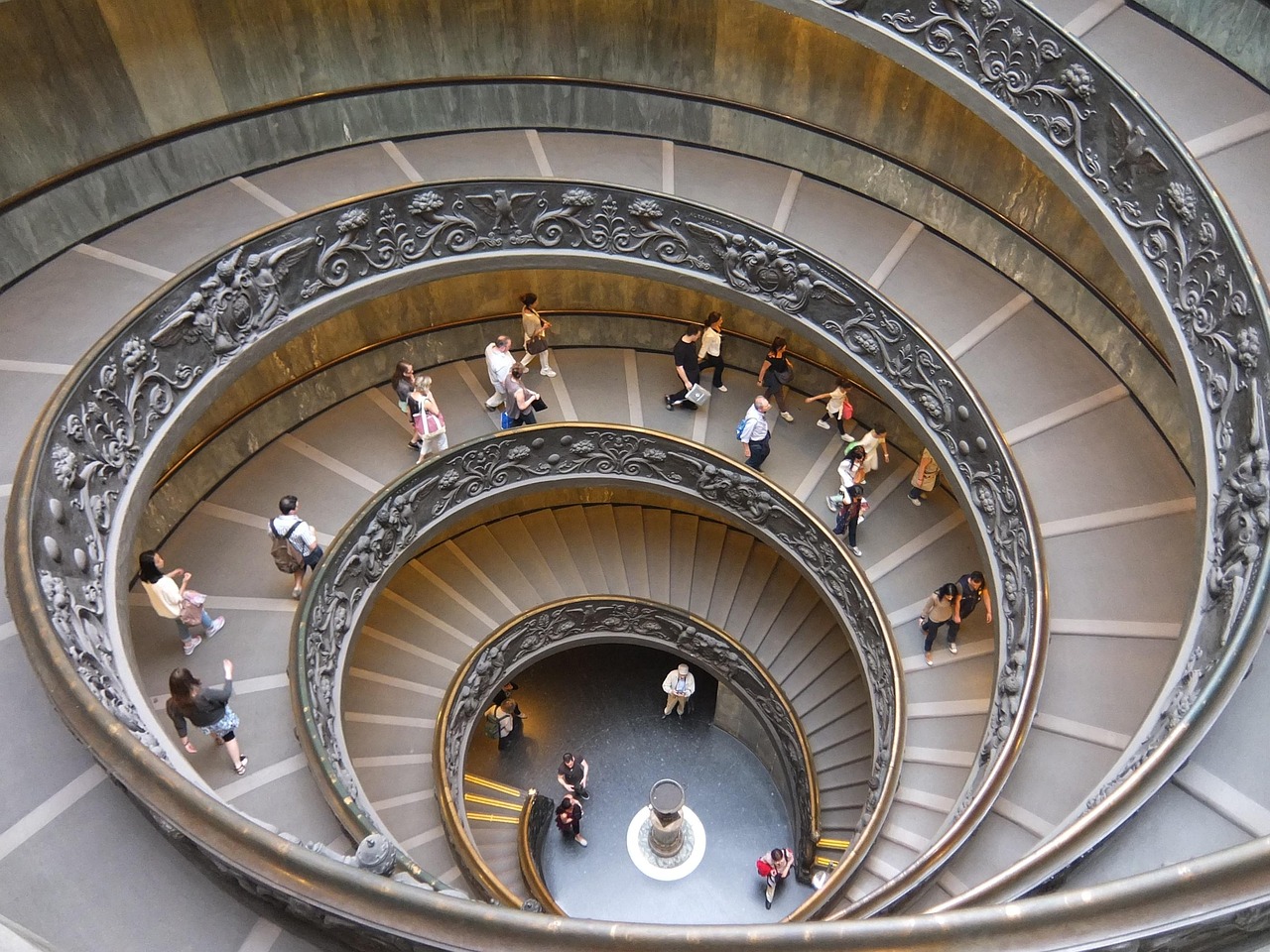
Balancing transportation choices with safe, elegant walking corridors
Think in one coherent layer: walking corridors for ambience, quick car transfers for farther points, and the metro for a clean hop when traffic is heavy. The goal of good transportation planning is not to “do more”; it’s to arrive and linger so each place has space to land. With a little intention, your days feel seamless even when the streets are busy.
A simple three-day itinerary can be beautifully geographic: one day for Ancient Rome, one for Vatican City, and one for the historic centre with gardens and shopping. That’s not limitation—it’s a luxury mindset.
When the metro helps, and when it doesn’t
Public transport is useful when you’re travelling light, but less comfortable if you’re carrying shopping or eveningwear. Keep your route direct, your bag closed, and avoid peak crush where possible. For evenings, a car arranged by your hotel can feel like a small kindness you’ll thank yourself for later.
Money, service customs, and staying safe in tourist areas
Carry some cash for small purchases—markets and quick cafés still appreciate it—and tip around 10% where appropriate. In packed queues, avoid displaying high-value jewellery, and keep phones secure rather than on café table edges. When in doubt, ask your concierge: expert local support is part of what turns a busy city into a smooth experience.
If you’re browsing routes and experiences beyond the centre, you can explore our Trip gallery for inspiration that keeps comfort and character together.
After Rome: What Stays With You from the Eternal City
Long after you fold away your notes, what remains is not a checklist but a feeling: the sense that the Eternal City met you at the pace you needed. A well-chosen route creates room for wonder—room to stand quietly beneath a painted ceiling, to step into a candle-lit church, and to hear laughter spill into a narrow street and realise you’ve stopped measuring time.
People often remember the hush before a landmark more than the landmark itself, and the way a simple bath of evening light can soften even the grandest stone. They remember the calm confidence of knowing where they are, and the freedom that confidence gives them to look up.
The city’s true design reveals itself slowly, as if it’s been waiting for you to arrive with enough stillness to notice. And what you uncover in Rome often mirrors what you needed to find—patience, delight, and a renewed trust in your own curiosity.
When you leave, you carry small details like talismans: a doorway you almost missed, a quiet fresco, a view that widened the day. Somewhere else in Italy, another corner is keeping its own light—ready whenever you are, like Roma itself.
F.A.Qs: Rome Italy city map planning for first-time visitors
What is the nicest area of Rome to stay in?
For high-end comfort, many travellers love Centro Storico for elegant addresses and walkability to key sights, while Monti offers a more boutique, design-led feel with excellent dining. If you prefer a quieter, residential mood, the Aventine can feel restful yet still well connected. The “nicest” choice depends on whether you want classic glamour, creative character, or peaceful evenings—your hotel concierge can match the neighbourhood to your style.
How many cities are in Rome, Italy?
Rome is a single city, not a collection of separate cities. Within it, you’ll find distinct districts and neighbourhoods that can feel like small worlds of their own, each with a different atmosphere and rhythm. That’s why navigating by neighbourhood is so helpful: it lets you enjoy variety without constantly crossing town.
What food is Rome famous for?
Rome is famous for classic pasta dishes and robust, simple flavours—often best enjoyed in smaller places with a confident hand. Many visitors seek out carbonara, amatriciana, cacio e pepe, and Roman-style artichokes, alongside excellent espresso and seasonal gelato. For a more luxurious approach, book a paced tasting so you can savour the experience without feeling rushed.
Where to avoid staying in Rome?
Be cautious with accommodation directly on the busiest late-night corridors where noise and constant footfall can dilute the experience. Streets immediately around major transport hubs can also feel less polished after dark, depending on the block. Instead, prioritise well-reviewed hotels on quieter lanes with secure entrances and strong concierge support, and consider a room facing an internal courtyard for extra calm.