Post Contents
- Arrival in Tuscany made easy: reach Pisa Centrale, transfers from the international airport, and a smooth start to your trip
- Leaning Tower of Pisa at Piazza dei Miracoli (Square of Miracles): Cathedral, Baptistery, and the full marble complex
- One day in Pisa itinerary: best things to do on a day trip, including a day trip from Florence
- Tour of Pisa with a private guide: hidden gems in the historic centre and Renaissance architecture
- Along the Arno River at sunset: a unique perspective, Ponte di Mezzo views, and an unhurried finish
- Michelin-star Tuscan dining in Tuscany: local wines, tasting menus, and refined evenings
- Stay in Pisa for an unhurried luxury escape: where to stay near Pisa and around Pisa
- Beyond the leaning tower: day trip ideas in the Tuscany countryside estates and Marina di Pisa
- After Pisa: what stays with you from the leaning tower, the Duomo, and the river at dusk
- F.A.Qs: Things to know before you visit Pisa and plan the best things to do
Arrival in Tuscany made easy: reach Pisa Centrale, transfers from the international airport, and a smooth start to your trip
A seamless arrival in Tuscany: getting from the airport to Pisa Centrale and into the historic centre
This Pisa travel guide begins where comfort matters most: arrival. If you’re planning to get to Pisa by air, Pisa International Airport (Galileo Galilei) is compact and efficient, and it sits close enough to the city that you can be checking into your hotel in under half a day—even with luggage and a coffee stop. For rail, Pisa Centrale is the main train station, well connected across Tuscany and beyond, which is ideal if you’re combining Pisa and Florence or continuing through northern Italy.
From the international airport, many visitors reach the centre Pisa via the fast, automated shuttle; it links the terminal to Pisa Centrale train station in minutes and keeps transfers simple. From Pisa Centrale, you can walk, take a taxi, or arrange a chauffeured car depending on your timing, the temperature, and how polished you want your first hour to feel.
How to get to Pisa smoothly from the train station and airport
Arriving at the train station can feel busy at peak times, especially in summer. The area around Pisa Centrale is functional rather than romantic, so if you prefer a softer landing, a pre-arranged pickup is a small luxury that buys instant ease—particularly if you’re travelling with tailored luggage, have mobility needs, or want to begin your trip to Pisa without stress.
Pisa is a relatively compact city, and once you’re settled the historic centre is genuinely walkable. The centre of Pisa is laid out in a way that invites wandering: a café pause, a boutique window, a sudden glimpse of a tower between façades, and the sense that the best moments arrive between your “must-sees.”
Best time to visit Pisa for calmer streets and beautiful light
The best time to visit Pisa is generally April to June and September to October, when the air is warm but not oppressive and crowds are easier to sidestep. Pisa in the summer can feel bright and queue-heavy around the main attraction, so if summer is your only option, plan for early mornings, museum breaks, and late-afternoon softness.
Before going to Pisa, a few practical details help everything run smoothly. Book tower time slots and any timed museum entry in advance, and reserve special dinners early in peak months. Pack respectful layers for religious sites (covered shoulders inside the cathedral), and keep in mind local quiet hours in the evenings—this city rewards a gentler pace and volume.
- Booking windows: Tower tickets and private guides are best secured a few days ahead (longer in summer and holidays).
- Accessibility: The tower climb has stairs and tight turns; we’ll suggest alternatives if needed.
- Local customs: Dress codes for the cathedral and calm evening behaviour help you blend in with care.




Leaning Tower of Pisa at Piazza dei Miracoli (Square of Miracles): Cathedral, Baptistery, and the full marble complex
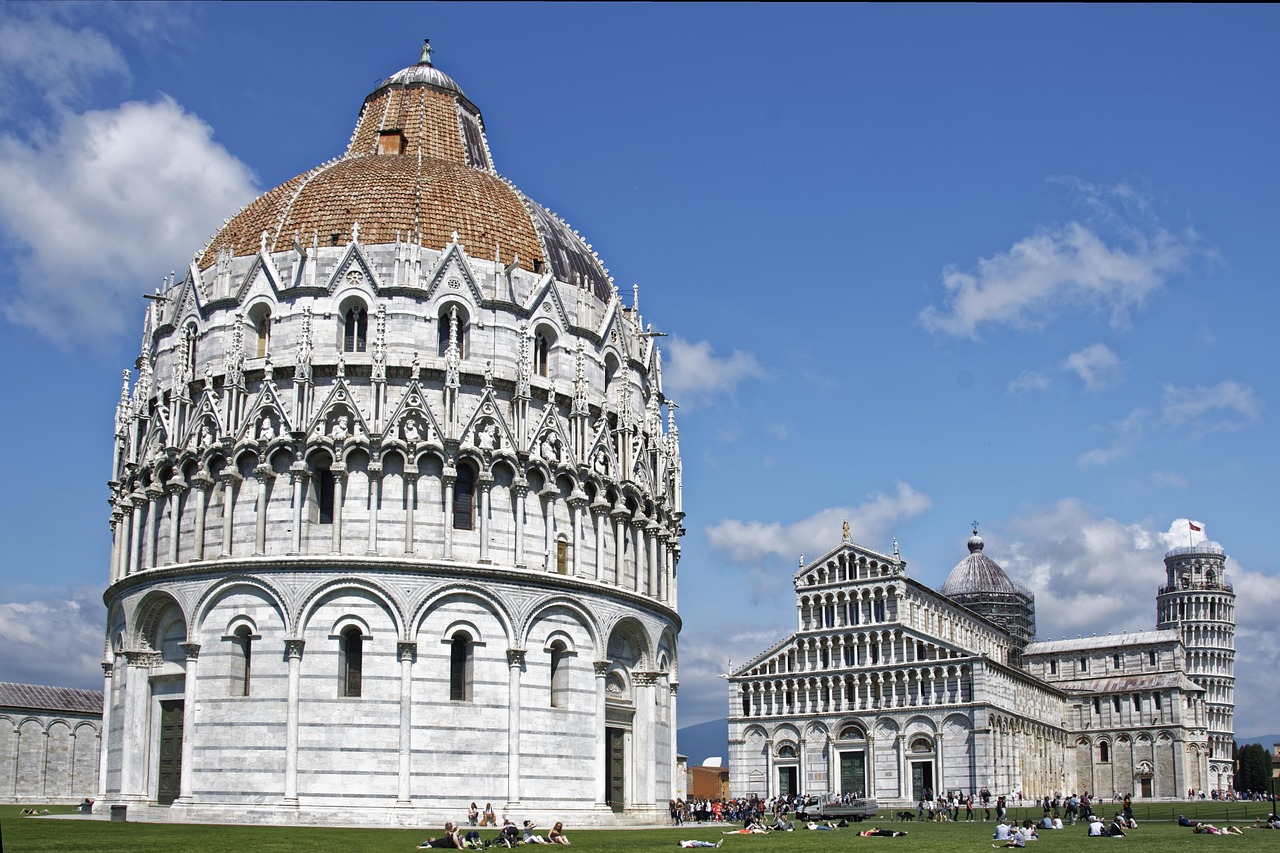
Leaning Tower of Pisa and the Piazza dei Miracoli complex, including the Duomo and Baptistery
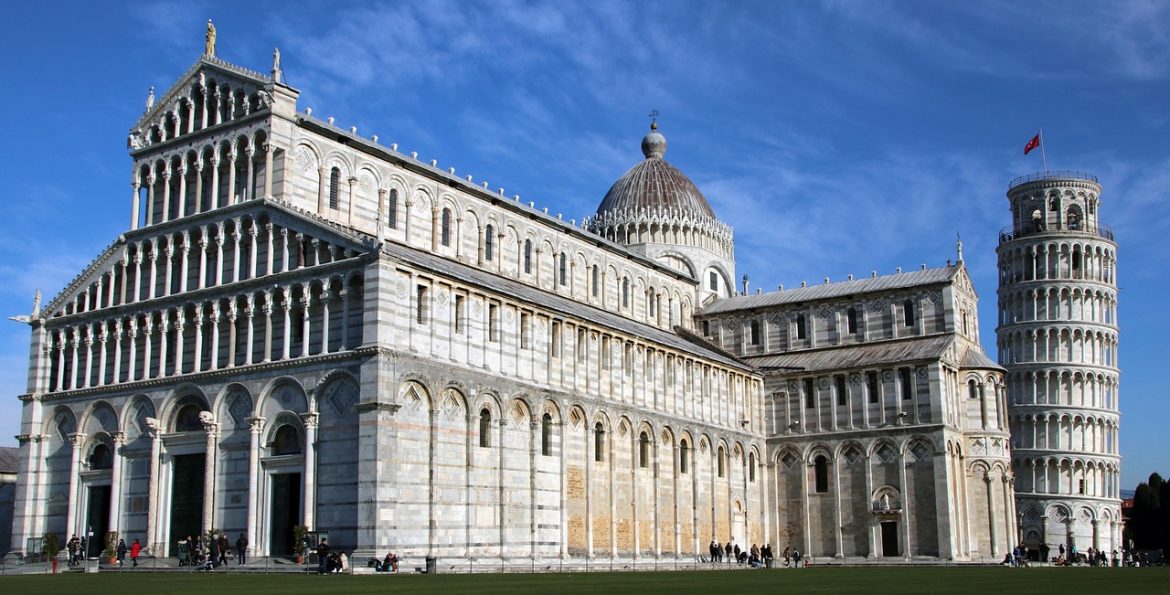
If you’re collecting the best things in this part of Tuscany, begin at Piazza dei Miracoli—also known as the square of miracles—where the white marble ensemble feels theatrical against the sky. Here, the Leaning Tower of Pisa (the bell tower, or torre di pisa) shares the stage with the Pisa Cathedral, the Baptistery, and the Camposanto Monumentale. It’s the postcard scene, but it’s worth treating it as an experience rather than a quick photo stop.
Take a slow loop across the lawns and notice how the marble shifts in colour: cool in the morning, honeyed later in the day. The Duomo is dedicated to Santa Maria Assunta; you may also hear it called the cathedral of pisa. Step inside and the hush resets your pace, while the baptistery—formally the Battistero di San Giovanni—adds a different kind of wonder, with acoustics that can feel almost unreal when a staff member demonstrates a note.
Leaning Tower of Pisa tickets: when to book and how to climb the leaning tower
To climb the leaning tower and reach the top of the leaning tower with minimal waiting, buy timed-entry tickets online. The typical price is around 25 euros (it can change), and entry is strictly controlled, which helps with crowd management. Wear shoes you trust on stone steps, keep your bag small, and allow breathing room if you’re pairing it with a Pisa Cathedral visit.
Once you’re inside the famous leaning tower, the tilt becomes physical—subtle at first, then unmistakable. The spiral staircase narrows, the walls curve, and suddenly you’re stepping out onto the upper level with an open view across the rooftops. It’s easily one of the top highlights in town and an iconic leaning tower moment you’ll remember long after you’ve left.
See the leaning tower with a crowd-smart, calm approach
A traveller once told us they visited the leaning tower at dawn, when the day was still cool and the lawns felt almost private. Their description was simple and surprisingly moving: “quiet, surreal, like the city was holding its breath.” If you can, choose the earliest time slot and arrive a little ahead—there’s something deeply reassuring about experiencing this attraction before the day trip crowds arrive.
After you’ve taken your photos (yes, the classic holding up the leaning tower pose happens), step back into the cathedral for a second look. Marble, mosaic, and shadow work differently once you’re no longer rushing. This is where Pisa stops being a checklist and becomes a place.
For a more art-forward pause, the Museo dell’Opera del Duomo adds texture to what you’ve just seen outside. You’ll find sculpture details you might have missed at full scale, and a closer look at techniques that shaped the history of Pisa across centuries—stonework, devotional objects, and carefully preserved fragments. Look out for a fresco element within the narrative of the square of miracles, and notice how the museum’s quiet changes your relationship with the space.
- Timing tip: Pair the tower early, then retreat into the museum or cathedral as the piazza gets busier.
- Style note: A light scarf or blazer helps with Duomo dress expectations and sudden temperature shifts.
One day in Pisa itinerary: best things to do on a day trip, including a day trip from Florence
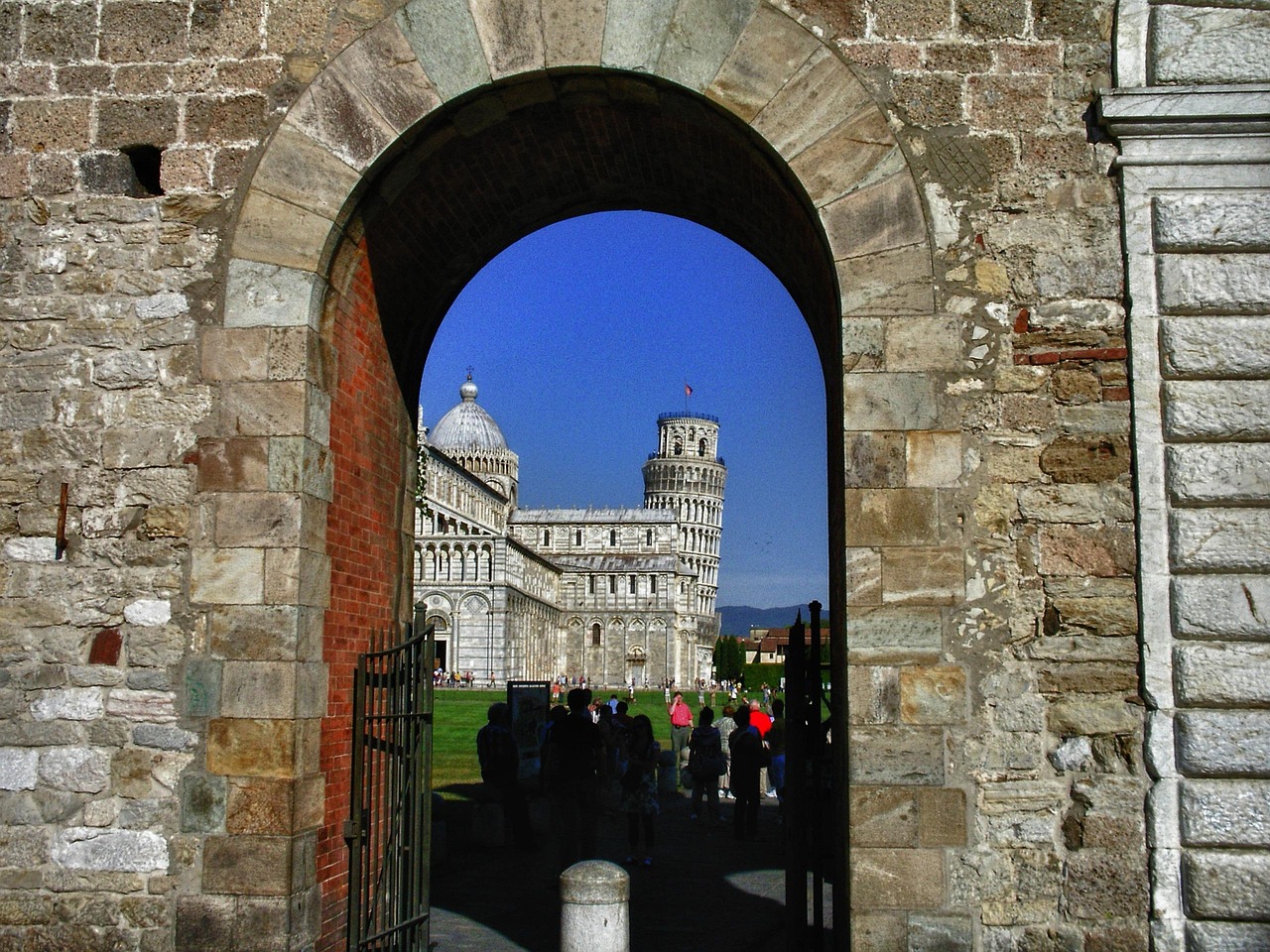
One day in Pisa itinerary for a relaxed day trip, including Pisa on a day trip from Florence
For travellers planning one day in Pisa, a crafted rhythm matters more than cramming places in Pisa into a tight schedule. If you’re searching for things to see and do in pisa italy, this city delivers beautifully: a morning at the Leaning Tower of Pisa, a mid-day architectural wander, and an afternoon along the water as the light softens. Whether you’re doing Pisa on a day trip, stopping in pisa between cities, or committing to a full day of sightseeing, this itinerary is designed to feel spacious.
If you only have half a day or Pisa for a few hours, take the morning section below and add a short riverside stroll. If you have longer, extend the afternoon with a private guide, a museum, and a slow dinner that lets Tuscany unfold through food.
Morning at Piazza dei Miracoli, then a walk from the leaning tower to Borgo Stretto
Start early at Piazza dei Miracoli to see the leaning tower in gentler conditions. If you’ve booked a climb, do it first, then step into the Pisa Cathedral for a calmer counterpoint—its scale and quiet are part of the experience. Afterwards, take the walk from the leaning tower into the streets in pisa, letting the buzz fade as you move away from the lawns and begin your walk from the tower towards local life.
Pause for coffee and people-watching, then aim for Borgo Stretto, one of the most elegant shopping streets in town. Under its arcades you’ll find refined boutiques, local pastry counters, and small details you’ll miss at speed—door knockers, hand-painted signs, and the soft patina of daily life.
Midday and afternoon: Piazza dei Cavalieri, Palazzo Blu, and life along the Arno River
By late morning, head towards Piazza dei Cavalieri, a historic square that adds depth beyond the tower. It’s a beautiful place to take in Renaissance architecture and stories that reveal how Pisa was shaped by power, learning, and design—look out for Santo Stefano dei Cavalieri and the stately façades that frame the square. If you’re an art lover, Palazzo Blu is a thoughtful optional stop—small enough to feel intimate, yet curated with real insight.
In the afternoon, trace life along the Arno River. The small gothic jewel of Santa Maria della Spina (the church of santa maria della) sits close to the water and photographs beautifully when the light is low. Continue towards Ponte di Mezzo for classic scenes—less frantic than the tower lawns, and often more flattering for portraits.
If you want a quick list of top things to round out a day in Pisa, keep it simple: a river walk, a gelato pause, and one small museum or artisan stop. The banks of the river arno give the city a different personality—softer, more local, more lived in—especially when you linger rather than rush.
- Day trip from Florence: Trains make a day trip to pisa straightforward; the classic option is a day trip from florence with flexible return times.
- Comfort tip: Keep a taxi or chauffeured option in mind for the warmest hours and for effortless dinner arrivals.
Logistically, Pisa and Florence pair easily, and Pisa is a popular add-on between Tuscany’s headline cities. The key is to design your timing—early arrival, midday shade, late-afternoon river—so you can spend in pisa with confidence rather than watching the clock on your day trip.
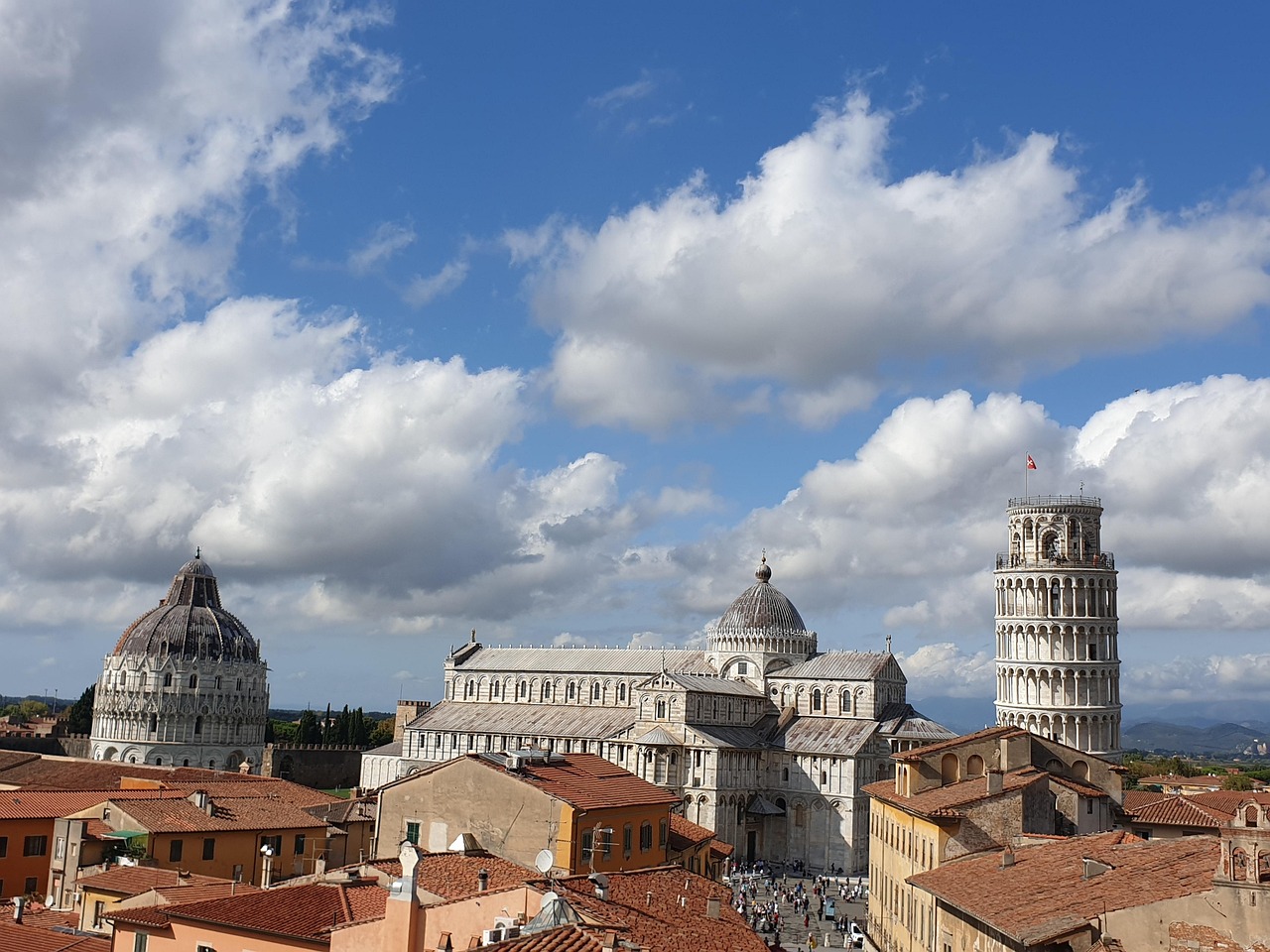
A private tour of Pisa that goes beyond the postcard: historic centre details and Renaissance architecture
A private tour of Pisa historical centre can transform the city from “a quick tower stop” into something more personal. With an expert guide, the experience becomes about context and craft: why a façade looks the way it does, how stone ages in sea air, and where the city quietly hides its charm. For high-end travellers, it’s not about more walking—it’s about better seeing, with pacing that feels considered and seamless.
Private guiding also helps you step lightly around crowds. You can time your route, slip into courtyards when the streets fill, and uncover the small architectural details most visitors miss—carved emblems, worn thresholds, and the way light lands on pale stone.
Local artisan encounters and the human craft behind di Pisa
One visitor told us about a chance encounter during a private city walk: their guide introduced them to a local artisan working with traditional stone-carving tools. For a moment, Pisa stopped being an attraction and became a living workshop—hands, dust, patience, and pride. They left with more than a souvenir; they carried trust in the human craft that has held di pisa together for centuries.
These are the moments you can’t always plan, yet a good guide knows how to make space for them. It’s part of the care of travelling well: curiosity, respect, and time to listen.
Quiet corners near the walls of Pisa and the mura di pisa
Ask your guide to explore viewpoints near the walls of pisa—also called the mura di pisa—where you can look back across rooftops and find a calmer relationship with the city. In the lanes around the historic centre, you’ll see Renaissance façades that rarely make postcards, and small squares where the soundtrack is simply conversation and bicycles.
To add depth without turning the experience into a lecture, it helps to know that the University of Pisa has long shaped the city’s intellectual identity. You feel it in the bookshops, the student cafés, and the quiet confidence of a place that has always been more than its famous lean.
- Why private works: You set the pace, your guide builds narrative, and you avoid the “follow-the-flag” feeling.
- What to request: Courtyards, artisan workshops, and a gentle route that complements your tower timing.
Along the Arno River at sunset: a unique perspective, Ponte di Mezzo views, and an unhurried finish
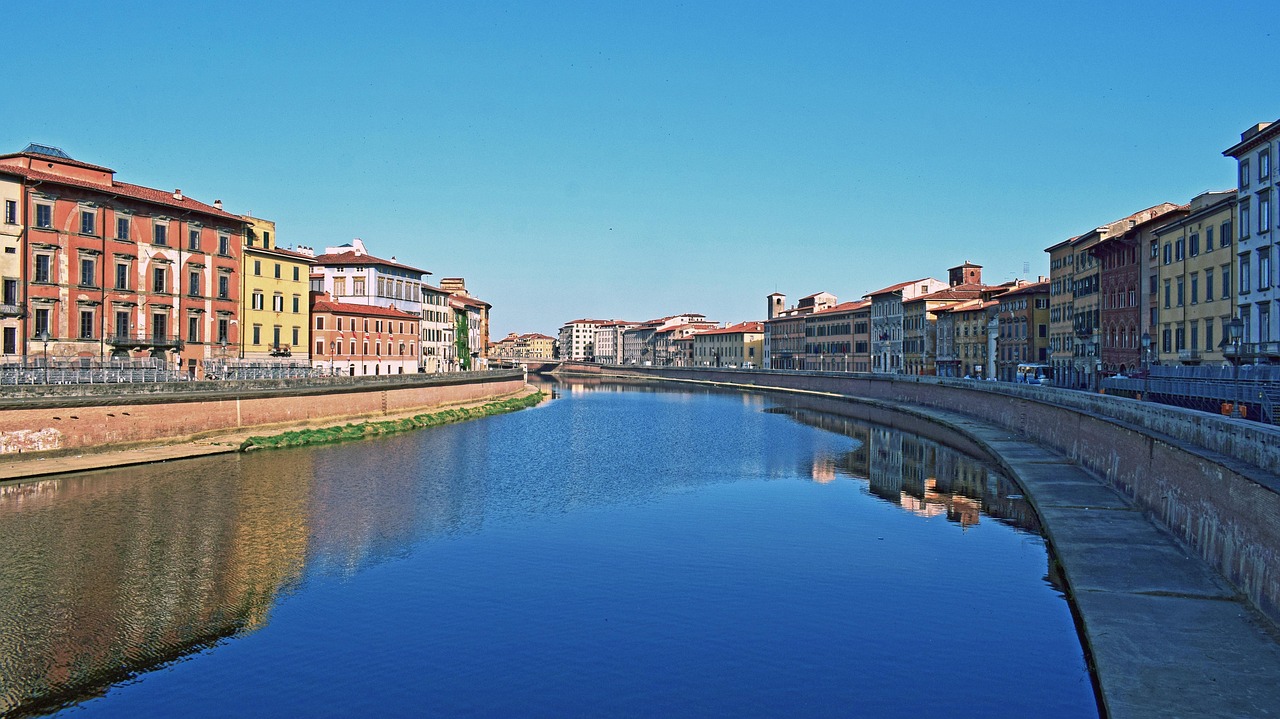
Along the Arno River at sunset for a calmer, more cinematic side of the city
For many high-end travellers, the most memorable things to do in pisa happen away from the square of miracles. Along the Arno River at golden hour, the city becomes quieter and more cinematic, offering a unique perspective that feels intimate rather than performative. This is the Pisa you can imagine returning to—slow, glowing, and gently self-possessed.
Begin on the Arno River as the day cools, and let the light guide you. The colours shift quickly: warm stone, reflective water, and silhouettes of rooftops that look almost painted. For travellers who value atmosphere, it’s one of the best things to build into your itinerary.
Best light from Ponte di Mezzo bridge and nearby viewpoints
Position yourself near the Ponte di Mezzo bridge for a balanced skyline view, then wander a little to find your own angle. The area is lively but rarely overwhelming, and it’s easy to step aside for quieter frames. Bring a light layer, a discreet camera strap, and just enough time—rushing is the only thing that breaks the spell.
Sunset boat ride on the Arno River with discreet service
If you’d like something truly elevated, a sunset boat ride on the Arno River can be arranged with service that feels quietly designed. Think soft seating, a simple aperitivo, and a skipper who understands that the best luxury is space—space to talk, to look, to breathe. Some luxury travellers describe it as “magical” and unexpectedly private, a moment where the city’s beauty feels made for you alone.
If you prefer land-based calm, a slow riverside stroll works beautifully: gelato in hand, music drifting from terraces, and long pauses to simply explore the feeling of the evening. Either way, this is where the day gently closes, with confidence that you’ve seen more than the postcard.
- Timing: Arrive 45 minutes before sunset to settle in and watch the light build.
- What to bring: A light jacket, comfortable shoes, and a small umbrella if the forecast shifts.
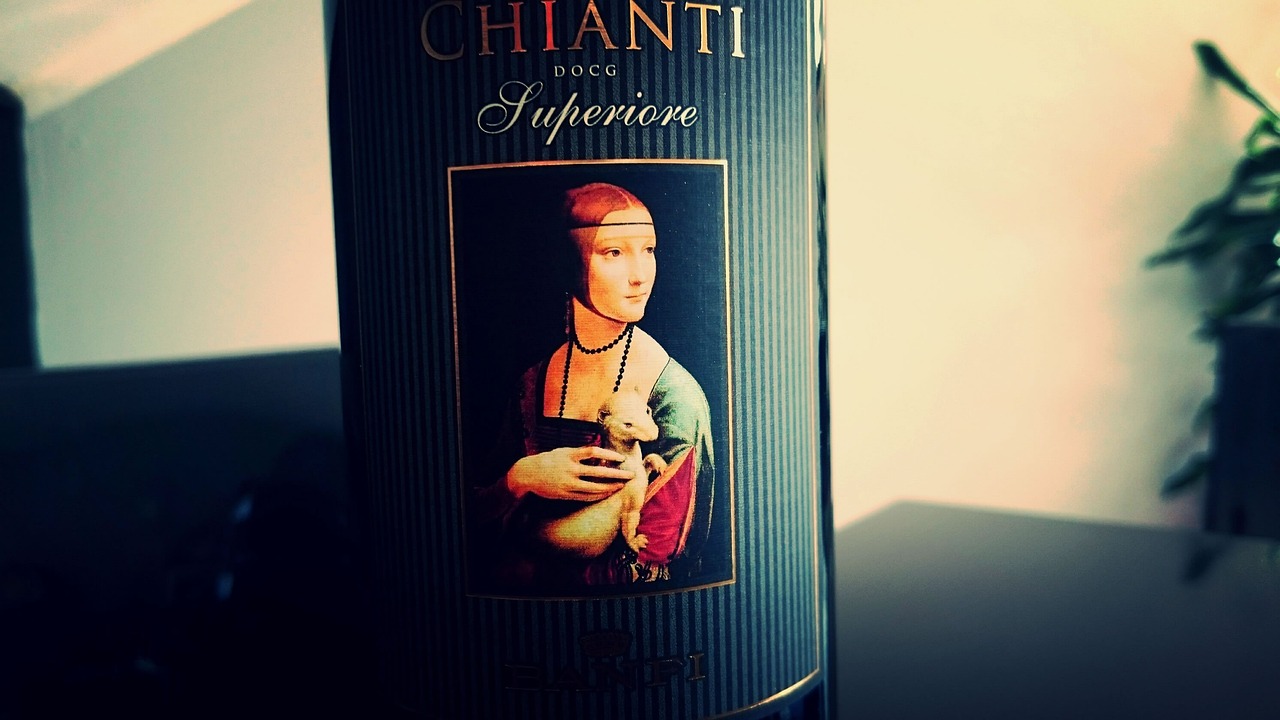
Michelin-star Tuscan dining with local wines and unhurried service in Tuscany
Michelin-star restaurants in Pisa may be fewer than in Florence, but quality in Tuscany isn’t only about star counts—it’s about craft, seasonality, and care. In the city, Tuscan cuisine often leans into local produce with a coastal wink: seafood starters, bright olive oil, and vegetables treated with respect. For high-end travellers, the goal is to create a dinner that feels like an extension of the day’s beauty, not an afterthought.
If you’re planning a special evening, handpick dining reservations in advance, particularly from April through October. A chef’s table or tasting menu can be among the best things you do here—not because it’s extravagant, but because it’s thoughtful, paced, and quietly confident.
In peak months, aim to book one to three weeks ahead, and longer for weekends or special menus. Share preferences clearly—dietary needs, celebratory occasions, and whether you prefer a calmer corner table. The best rooms will meet you with warmth, and the service tends to be polished without feeling stiff.
Local wines paired with Tuscan dishes without the jargon
Wine pairing in Tuscany can feel intimidating if you don’t want a lecture with your meal, so keep it simple. Ask for a local red with structure for grilled meats, a fresher white for seafood, or a by-the-glass pairing that follows the chef’s pacing. A good sommelier will guide with trust, not pressure, and you’ll come away with genuine insight you can use again.
Luxury travellers often tell us that these exclusive eateries deepen cultural immersion: a “designed for you” evening where the food becomes a form of storytelling. It’s not only about taste—it’s the feeling of being supported, unhurried, and fully present in Tuscany.
- Easy pairing rule: Let the menu lead, and ask for one standout local bottle rather than over-ordering.
- Atmosphere tip: Choose an earlier seating if you want quieter conversation and gentler lighting.
Stay in Pisa for an unhurried luxury escape: where to stay near Pisa and around Pisa
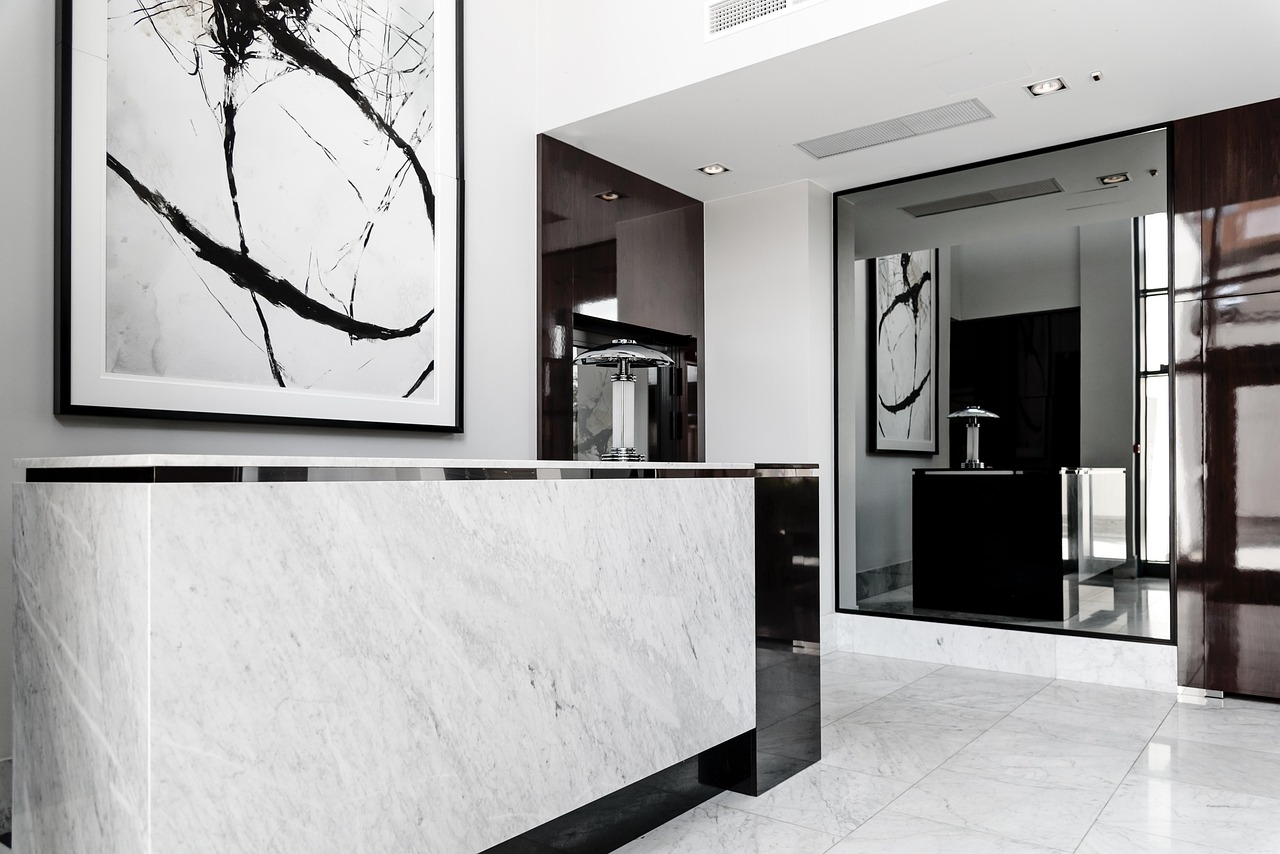
Stay in Pisa in a boutique hotel or historic palazzo for a quieter, more personal experience
To stay in pisa is to experience the city after the day-trippers leave—when the marble lawns quieten, the Duomo complex empties, and dinner feels like a local ritual rather than a schedule. For high-end comfort, look for boutique hotels and historic palazzi where the design feels quiet and intentional: natural fabrics, thoughtful lighting, and staff who remember your preferences without making a performance of it.
Where you base yourself changes the mood. Close to the centre, you can walk to Borgo Stretto and the river with ease. In calmer pockets, you’ll sleep better and wake to a slower rhythm—often the difference between “seeing Pisa” and genuinely feeling it, especially if you’re choosing accommodation near pisa but still within easy reach of the sights.
Service standards that make luxury feel seamless
When choosing a luxury stay, prioritise concierge-led planning and the ability to arrange seamless transfers—especially if you’re arriving at Pisa Centrale with tight connections. On-the-ground support matters too: a hotel that can adjust restaurant bookings, secure last-minute museum slots, or organise a discreet car if plans change gives you confidence.
A well-connected concierge can also suggest small, local touches: a quiet wine bar, a craft shop you’d never find alone, or the best time to revisit the Duomo interior for a calmer look.
Practical reassurance for comfort, safety, and local customs
Local safety is high, and the city is generally relaxed, but standard precautions apply—secure valuables in busy areas and keep an eye on bags around the train station. For religious sites such as the Pisa Cathedral and other churches, dress codes are simple: covered shoulders, modest hemlines, and a respectful tone. And remember that evenings can be quieter in residential streets; it’s part of how Pisa cares for itself.
- Best base for walkability: Stay near the historic centre if you want to step out and explore on foot.
- Best base for sleep: Choose a calmer street just outside the busiest zones, then taxi in for dinner.
Beyond the leaning tower: day trip ideas in the Tuscany countryside estates and Marina di Pisa
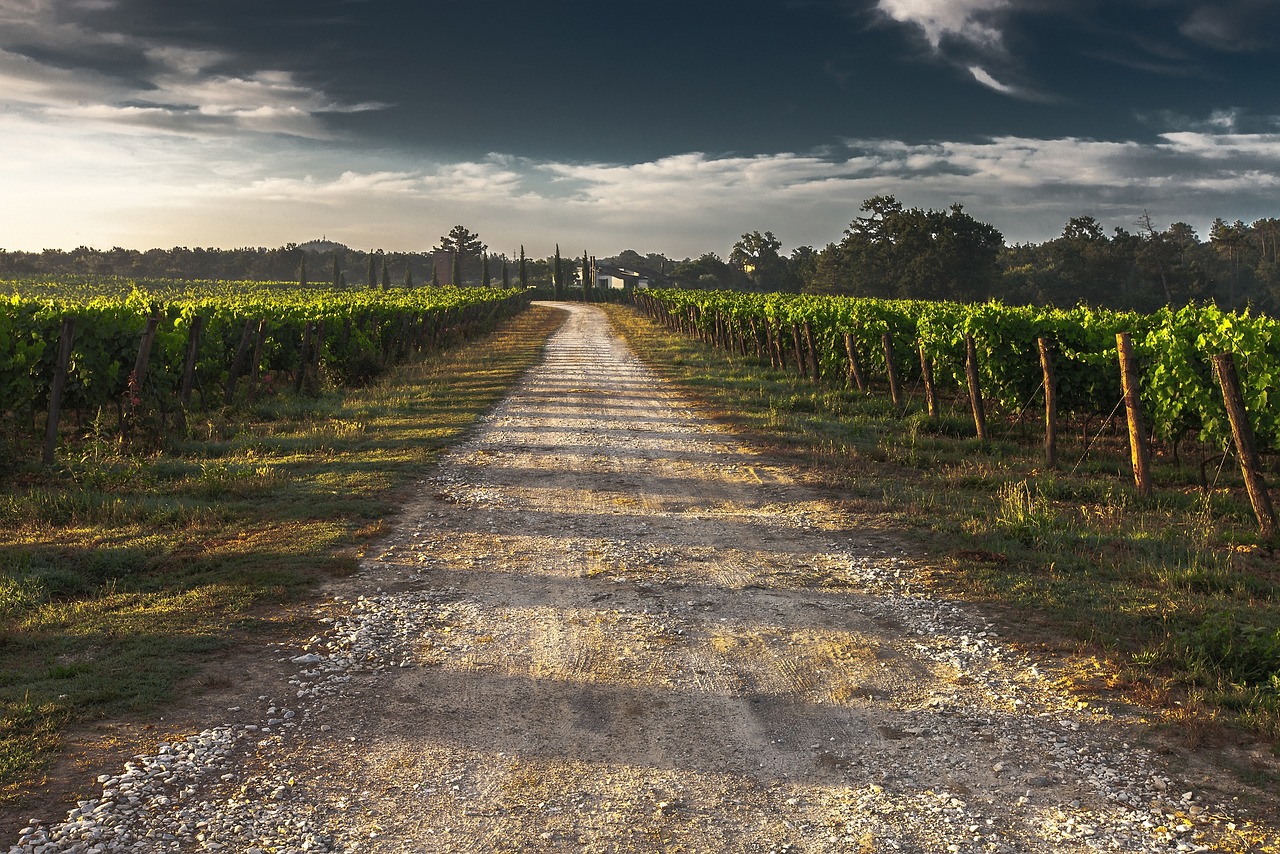
Beyond the tower: Tuscan countryside estates and an elegant coastal escape to Marina di Pisa
Beyond the leaning tower, Tuscany opens out in ways that feel made for high-end travellers: vineyard roads, olive groves, and estates where tasting becomes a conversation rather than a transaction. If you have extra time after your day in pisa, consider a curated day trip route that keeps the pace relaxed and the quality high—no rushing, no coach crowds, just a gentle expansion of your experience.
This is where it helps to travel with intention. With a chauffeur, you can settle into the landscape, stop for viewpoints, and arrive composed for tastings and lunches. It’s a simple way to create a day that feels crafted and personal, with expert support behind the scenes.
Insider tip for Tuscany estates and exclusive tastings
Our insider tip is to explore nearby countryside estates for private wine tastings and olive oil tastings, ideally booked ahead so you’re welcomed properly. Many estates offer cellar walks, small plates, and time with someone who can explain the land in plain language. It’s one of the best things to do if you want to understand Tuscany beyond postcard images.
If you’ve already had a rich cultural morning, keep the afternoon simple: a scenic drive, one estate, one long lunch, and then back to the city before evening—especially if you’re planning a day trip to Pisa as part of a wider route.
Coastal contrast with an elegant stop at Marina di Pisa
For a lighter alternative, head to Marina di Pisa for sea air and a softer colour palette. The coast offers a gentle contrast to marble and stone—perfect for a late lunch, a stroll along the water, and the feeling of being slightly off-script. It’s also a refreshing option in warmer months, when inland heat can build.
Planning notes make all the difference: align reservations, consider driving times, and avoid over-scheduling. If you’re going to pisa as part of a larger itinerary, you might enjoy browsing the Trip gallery for inspiration on how Tuscany can connect gracefully with other stops—without turning your holiday into a race.
- Keep it simple: One estate + one coastal or village stop is often enough for a satisfying day trip.
- Reserve ahead: Private tastings and the best lunch tables are limited, especially on weekends.
After Pisa: what stays with you from the leaning tower, the Duomo, and the river at dusk
After Pisa, what often lingers isn’t only the snapshot of the Leaning Tower of Pisa, but the way the light sits on marble when the crowds thin. You remember the hush inside the cathedral, where footsteps soften and time feels less urgent. You remember how Tuscany can hold both grandeur and intimacy in the same afternoon.
It’s the small moments that return later: an early climb that felt like a private conversation with the city; a local exchange that made you feel seen rather than sold to; the gentle drift of evening along the Arno, when the day finally exhaled. Even the quieter streets—where laundry moves in a window breeze and shopkeepers greet familiar faces—become part of your own internal map.
And perhaps that’s the real gift here. Pisa is one of those places that doesn’t demand you squeeze it into a perfect plan; it simply rewards attention, care, and the willingness to slow down. Long after you’ve left, you may find yourself imagining the city again—not as a checklist, but as a feeling you can uncover whenever you return to Tuscany, in your own time.
F.A.Qs: Things to know before you visit Pisa and plan the best things to do
What not to miss in Pisa?
Don’t miss the Piazza dei Miracoli (Square of Miracles), the Leaning Tower of Pisa climb if you can secure timed tickets, and a quiet visit inside the pisa cathedral and baptistery. For a more refined finish, spend time on the Arno River near Ponte di Mezzo at golden hour.
Is Pisa, Italy worth visiting?
Yes—especially if you approach it with a crafted pace. Pisa is more than its iconic leaning tower: it has beautiful religious architecture, an elegant historical centre, and a calmer local atmosphere once day-trippers leave. Stay in pisa overnight if you can; it makes the experience feel far more personal.
What are the main attractions in Pisa, Italy?
The main attractions are the Leaning Tower of Pisa, pisa cathedral (Santa Maria Assunta), the Baptistery (battistero di san giovanni), and the Camposanto Monumentale in the square of miracles. Many travellers also enjoy Santa Maria della Spina, Piazza dei Cavalieri, and riverside views along the Arno.
What food is famous in Pisa?
Pisa’s dining reflects Tuscan cuisine with seasonal produce, excellent olive oil, and often a coastal influence in seafood dishes. You’ll also find classic Tuscan pastas, grilled meats, and local wines. For special occasions, consider a tasting menu experience with thoughtful pairings.