Post Contents
- Florence itinerary planning: things to do in Florence, sights in Florence, smart pacing, and the best time to visit
- The Duomo complex: Santa Maria del Fiore, Piazza del Duomo, and a must-see attraction in the city center
- Uffizi Gallery, Michelangelo, and Palazzo Vecchio: Piazza della Signoria Renaissance top attractions
- Crossing the Arno River: Ponte Vecchio in Florence and Oltrarno artisan workshops
- Pitti Palace and Boboli Gardens: Palazzo Pitti splendour, plus a day trip from Florence into Chianti, Tuscany
- What stays with you after you visit Florence: memories beyond the top things
- F.A.Qs: Things to do in Florence, Italy
Florence itinerary planning: things to do in Florence, sights in Florence, smart pacing, and the best time to visit
Thoughtful planning for a slower, more elegant stay in the historic heart
When you’re shaping your days around things to see and do in florence italy, the real luxury is rhythm. In Florence Italy, rather than racing through a rushed list of things, plan mornings for essential things to see and things to see in florence in the historic core, afternoons for neighbourhood texture and places to eat, and evenings for soft views of Florence—so the city feels like a conversation, not a checklist. This guide covers the best things and helps you build an itinerary that’s calm, curated, and genuinely memorable.
This approach is especially reassuring if it’s your first time in Florence. The historic centre is compact and walkable, but it can feel busy in Florence at peak hours; a little planning creates breathing room, quieter moments, and genuine care for your time in Florence—without turning the experience touristy.
Time to visit Florence: the best time to visit for weather, crowds, and comfortable sightseeing
The time to visit that feels easiest is typically spring and early autumn, when the light is flattering, the air is mild, and the flow of tourist groups is gentler. If you can, aim for weekdays and early start times; it’s one of the simplest ways to visit Florence with ease, better photos, and more space at each landmark.
Winter can be deeply atmospheric too—think museums, candlelit dinners, and fewer queues—though you’ll want a flexible plan in case of rain. Summer brings long evenings and festival energy, but also more heat and crowds; if that’s your only window, plan indoor mornings and late-day strolls so your trip feels refined rather than rushed.
City center walking guide: how to explore Florence on foot without feeling too touristy
The city center is made for walking, and exploring on foot is often the best way to uncover in-between beauty—stone thresholds, tiny courtyards, and artisan doorways. Wear comfortable shoes, pause for a coffee, and keep your pace intentionally unhurried; many of the best things in the city reveal themselves between the major stops.
That said, private chauffeured transfers add comfort at the right moments: airport arrival, a dinner across town, or day trips into the hills of Tuscany. For inspiration while you plan, you can browse our Trip gallery for crafted journeys around Italy and beyond—ideal if you’re comparing trips to Italy and want Florence to feel effortless from the first step.
- Book ahead: timed tickets for the Uffizi Gallery and Accademia keep the experience seamless and protect your mornings.
- Build in breaks: a late-morning gelato in Florence or a shaded terrace reset can transform your time in Florence.
- Pack thoughtfully: a light layer for churches, and a reusable bottle—tap water is safe and free.
For orientation essentials, arrivals are typically via Florence train station (Santa Maria Novella) for easy connections between cities in Italy, or through Florence airport (Peretola) with a short transfer into central Florence. When we design a trip to Florence for high-end travellers, we treat arrival and departure as part of the experience—quiet, smooth, and fully supported—so you can start enjoying the city straight away.
Next, we begin where the skyline begins.




The Duomo complex: Santa Maria del Fiore, Piazza del Duomo, and a must-see attraction in the city center
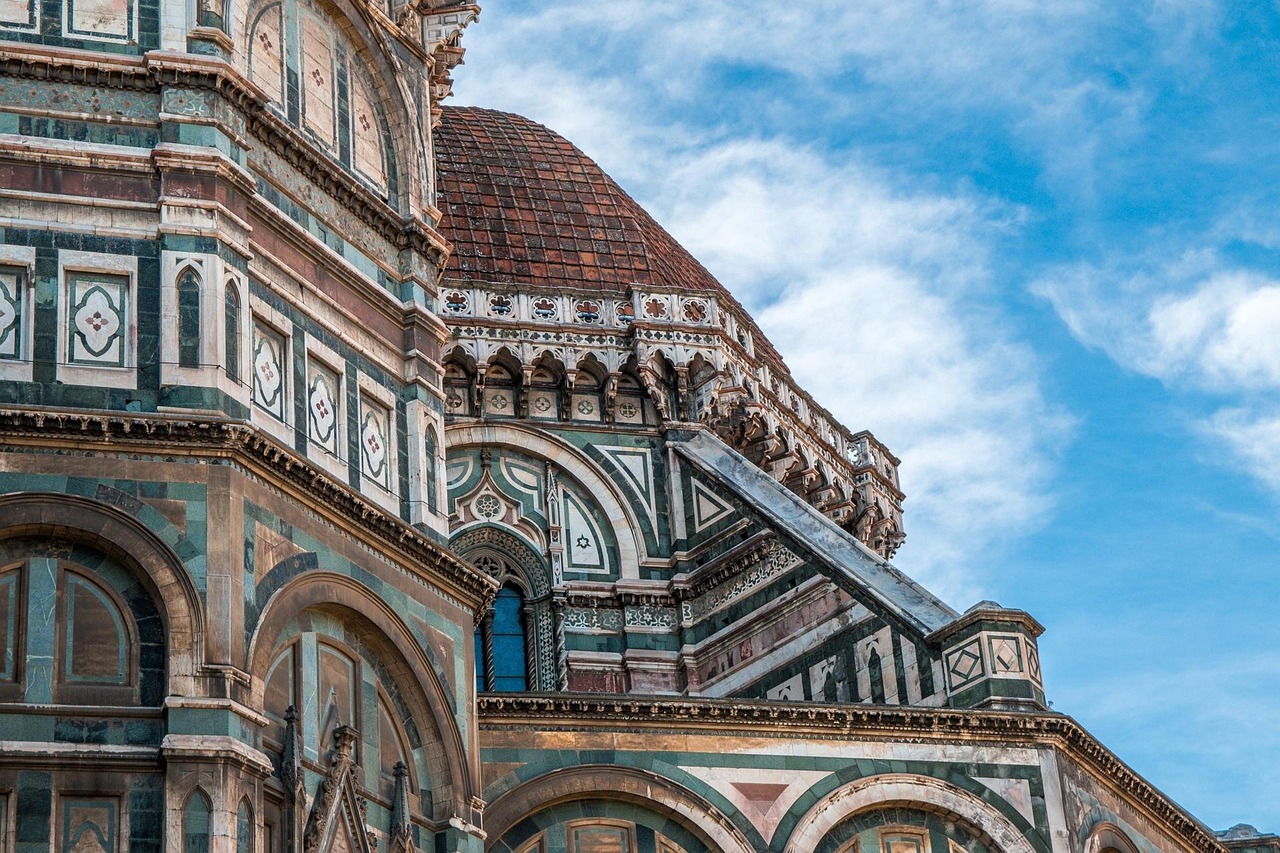
The Duomo complex as your first iconic attraction in the cathedral square
Your first true “pinch me” moment is often found at the Duomo complex—the heart of the city’s identity and its most defining attraction. The Duomo sites are not just one building, but a story told across the cathedral, the Baptistery, and the museum; give yourself time at Museo dell’Opera del Duomo to understand the ambition behind what you’re about to experience, and how this landmark shaped the city center around it.
Arrive early, before the pavements fill, and let your eyes adjust to the scale. Even seasoned travellers tend to fall quiet here; it’s as though the city is inviting you to look closely, not quickly.
Inside Santa Maria del Fiore: the Duomo story, Renaissance art, and bold engineering
Step inside Santa Maria del Fiore with modest dress and a calm mind: shoulders covered, voices lowered, and attention sharpened. A private guide can transform the experience, translating symbols and helping you read the Duomo as a living expression of the Renaissance spirit—bold, experimental, and intensely human.
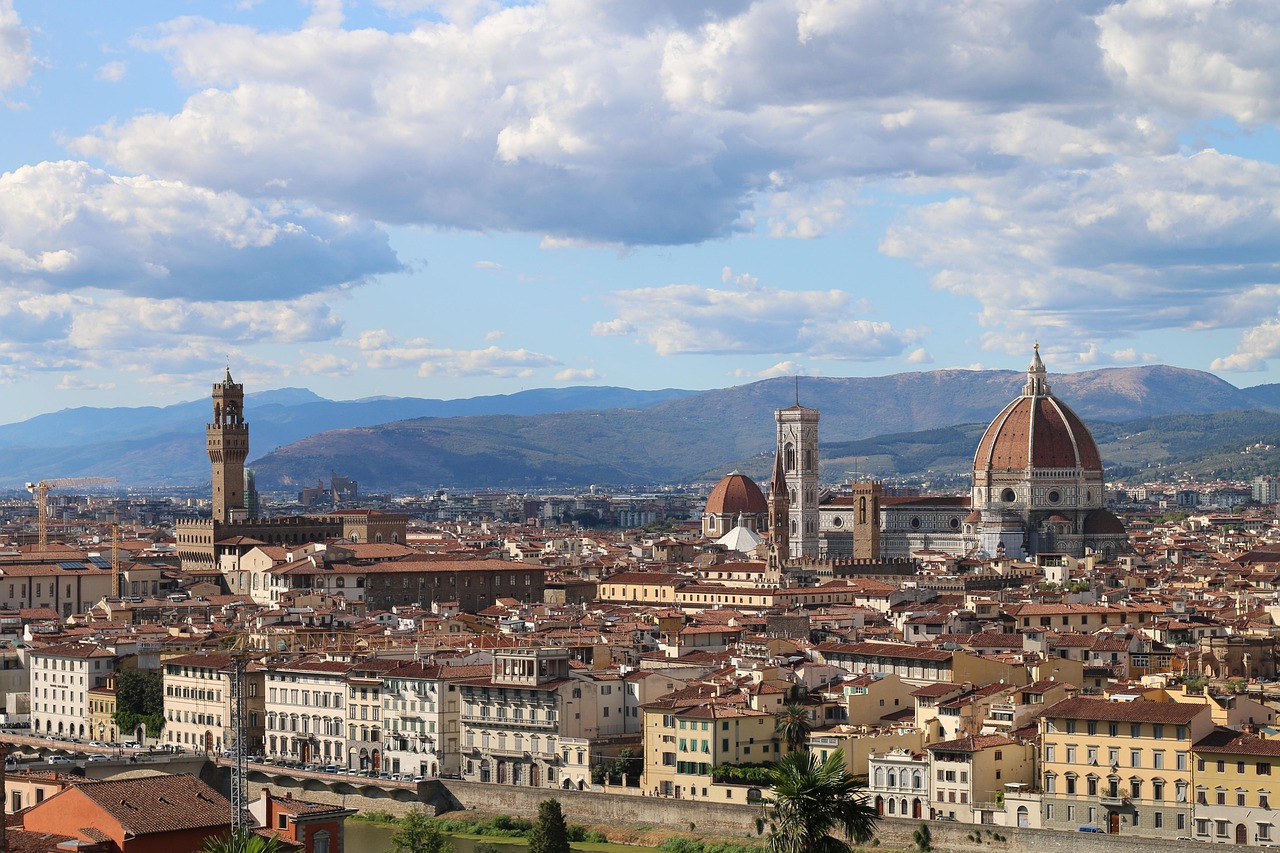
Brunelleschi’s dome is the marvel everyone quotes, but it still feels miraculous in person. Understanding how it was engineered—without modern scaffolding—makes you appreciate the design intelligence behind this skyline-defining Duomo, and why it remains one of the top things to see when you want to experience the city at its most iconic. Many travellers also choose to see the Duomo from multiple angles as the light shifts across the marble.
Giotto’s bell tower climb: a tower in Florence for open-air views of Florence
For many, the highlight is the climb: consider Giotto’s bell tower if you want open-air angles without the tighter interior stairways. It’s a classic tower in Florence experience, with steps to the top that reward you with texture—marble geometry, terracotta roofs, and a breathtaking best view over the rooftops.
Ticketing matters here. Pre-book timed entries for the Duomo sites, anticipate security lines, and be realistic about how long each stop takes; we often recommend starting early, then leaving your afternoon open for slower pleasures and a more relaxed pace.
Signature moment: before you move on, take a small detour to a quieter street and hold still for a single, intentional view of the duomo. It’s a simple act, but it makes the memory feel personal rather than performative.
From sacred geometry, we move to civic theatre—where Florence’s power and art meet in the open air.
Uffizi Gallery, Michelangelo, and Palazzo Vecchio: Piazza della Signoria Renaissance top attractions
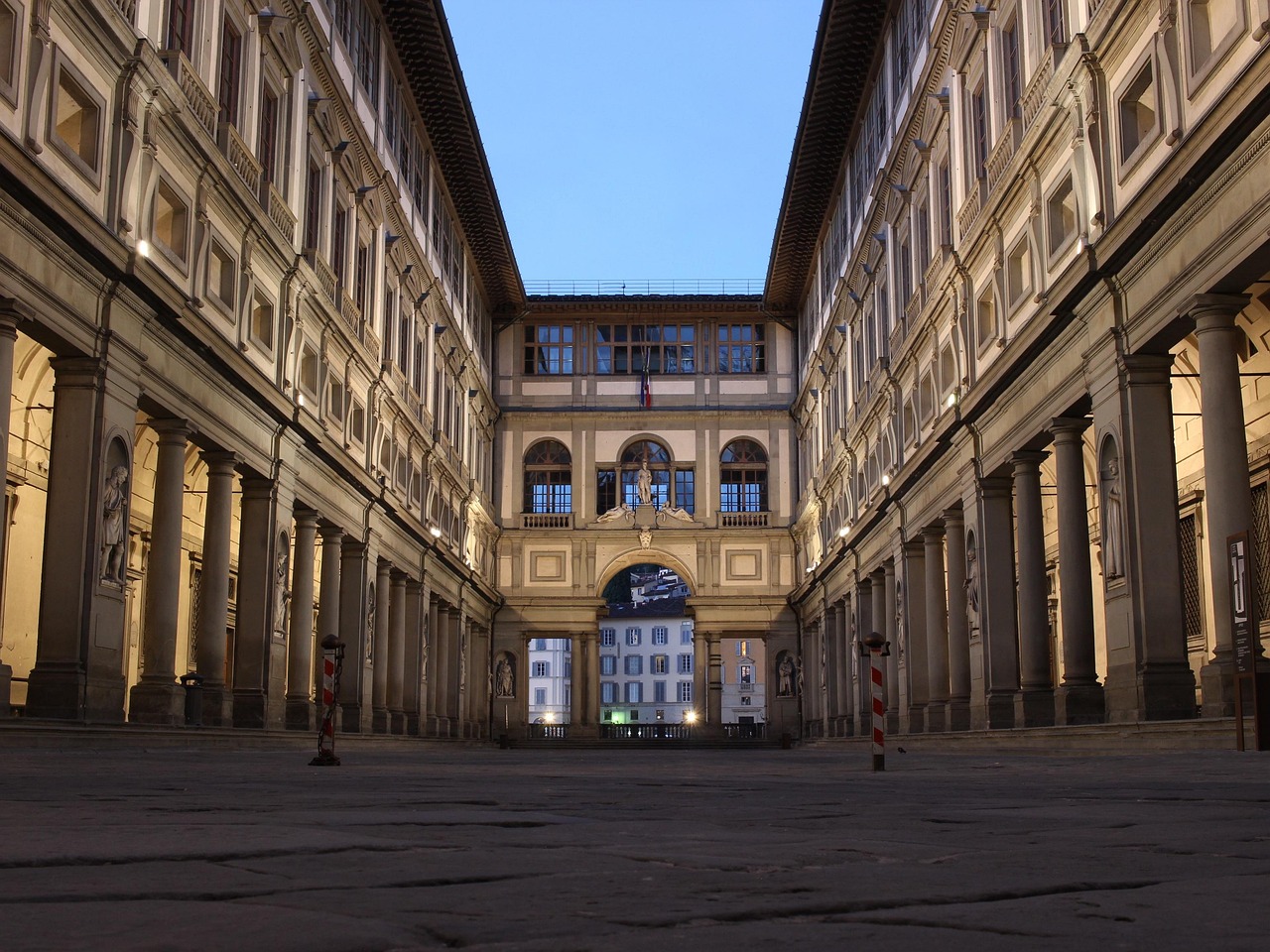
Renaissance masterpieces and walkable highlights around Piazza della Signoria
To connect the dots between genius, ambition, and beauty, build time around the Uffizi Gallery, Michelangelo, Palazzo Vecchio, and Piazza della Signoria. This is where top attractions sit within a few elegant streets—an art museum experience that’s world-class in content, yet still compact, walkable, and ideal for slow, intentional sightseeing in Florence.
The key is curated pacing. Rather than trying to “do it all”, choose a handful of masterpieces, then give yourself permission to pause—so each room lands before the next work asks for your attention.
Uffizi highlights: a calm, curated Renaissance route through masterpieces
The gallery rewards a crafted plan: start with Botticelli, then move through Leonardo da Vinci, before letting the room with Michelangelo breathe. With an expert guide, you’re not just learning dates—you’re feeling how the Renaissance changed the way Europe imagined beauty, power, and the human figure.
If you prefer quiet, request the earliest timed entry and consider a private guided visit. It’s not about exclusivity for its own sake; it’s about support that keeps the experience calm, connected, and genuinely enjoyable.
Michelangelo’s David at the Accademia: a quick visit that still feels meaningful
At the Accademia, Michelangelo’s David can feel like a modern pilgrimage. The best strategy is a morning slot or a late afternoon entry, when energy softens and the room feels less compressed. Where VIP openings are available, they’re worth considering—especially if you want your moment with Michelangelo’s work to feel reverent rather than rushed.
Even a quick visit can be deeply moving when you arrive with the right timing and a little context. Look at the hands, the tension in the stance, the calm confidence in the face—then step back and notice how the gallery frames him like a revelation.
Between museums, walk the civic heart. Piazza della Signoria is an open-air stage where sculptures, façades, and civic symbolism tell stories of power, pride, and performance. Step into Palazzo Vecchio to feel Florence’s political pulse—grand rooms, intricate ceilings, and echoes of decisions that shaped the city of Florence.
For emotional depth, add Santa Croce. The atmosphere here is quieter, more reflective, and unexpectedly tender; it’s a place where artistry and memory sit together—another facet of the Renaissance beyond the headline masterpieces.
- Look for details: in Palazzo Vecchio, notice how art reinforces authority—every surface has intent.
- Keep it elegant: choose two museum anchors per day, then leave space for places to eat in Florence, small boutiques, and the discoveries that appear between appointments.
- Optional connoisseur stop: the Medici chapels near San Lorenzo deepen the family story and add another high-impact stop to your itinerary.
From Florence’s civic centre, it’s time to cross the water—into a neighbourhood that feels more local, more intimate, and wonderfully tactile.
Crossing the Arno River: Ponte Vecchio in Florence and Oltrarno artisan workshops
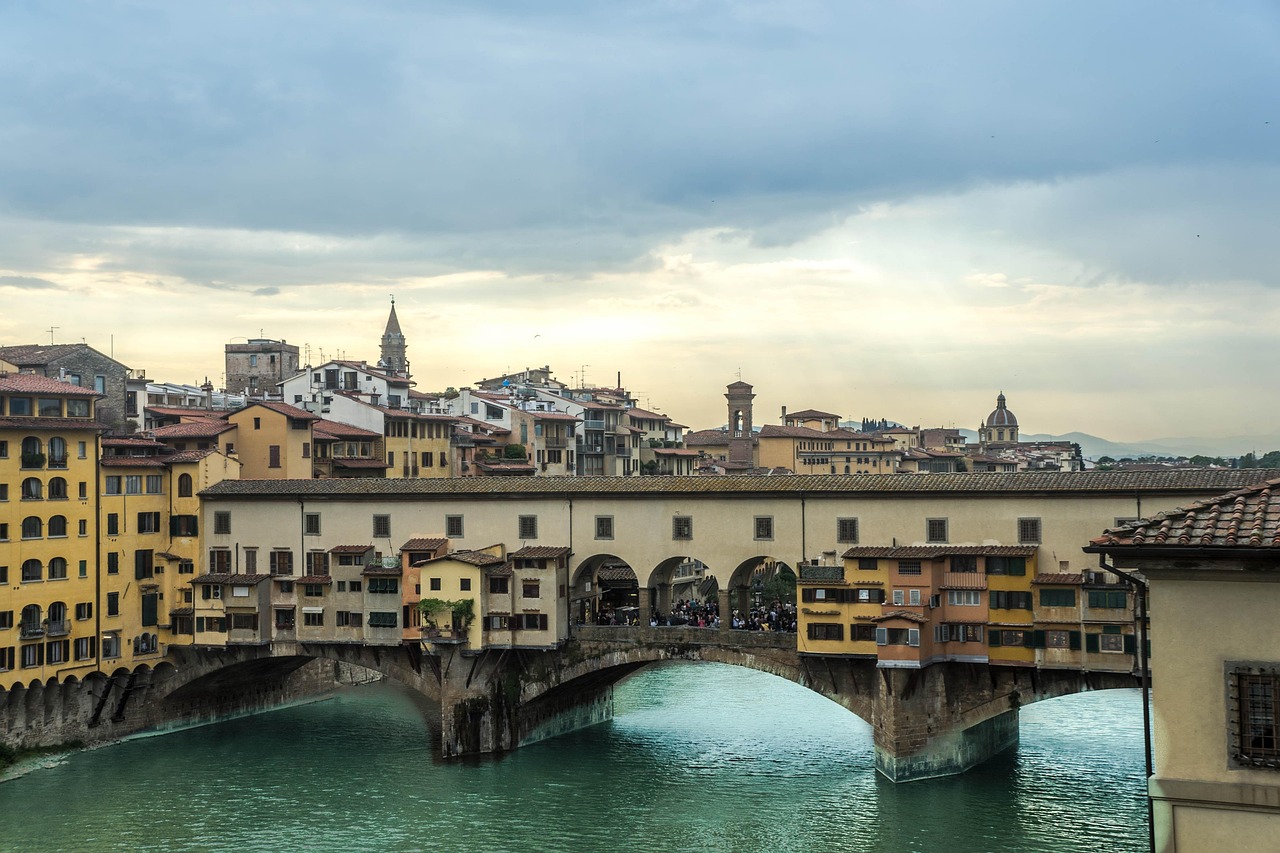
Oltrarno local life and artisan insight along the river
For a change of tempo, cross Ponte Vecchio as your cue to slow down. It’s the city’s living icon—the oldest bridge in Florence—lined with jewellery windows that glitter like tiny theatres of luxury above the Arno River.
To enjoy this crossing without the thickest tourist flow, come early. The light is softer, the walkway feels more like a place than a passage, and the Arno River below seems to hold the city’s reflections with quiet care.
Ponte Vecchio in Florence at dawn: the oldest bridge in Florence with gentle river light
As you cross, notice how Florence changes almost immediately. The sounds shift, the pace loosens, and the city begins to feel more intimate—an invitation to experience the city beyond the popular places to visit.
Pause mid-span, glance upstream, and let the view settle. These small pauses are often the best things—because they allow place to enter your day rather than be consumed by it.
Oltrarno artisan workshops: hands-on things to try, craft, and local texture
On the Oltrarno side, you can uncover lesser-known artisan workshops: leather, goldsmithing, paper marbling, and hand-bound books. One traveller told us about meeting craftspeople here—watching hands move with centuries-old techniques—and feeling, in that moment, that Florence wasn’t just preserving its past; it was still creating.
If you’re curious, ask gentle questions and show respect. A warm buon giorno at the door is a small act of trust, and it often opens a more generous conversation.
For a “taste of Florence” interlude, Mercato Centrale is ideal when approached with intention. Rather than treating it as a performance, use Mercato Centrale as one of the best places for small bites, ingredients, and a real glimpse of Florence food culture that still feels local; it’s also one of the easiest places to visit in Florence between museum slots.
Practical note, worth repeating: tap water is safe and free—carry a reusable bottle, especially when you’re walking through the historic centre.
Then, as evening approaches, design one golden-hour ascent. Piazzale Michelangelo is the best view of Florence for many travellers, and the reason becomes obvious the moment you arrive.
A traveller once described watching the sunset from this viewpoint in Florence: golden light bathing the rooftops, the Florence skyline softening into calm, and a feeling of serenity that made time seem kinder. If there’s one moment to simply stand and breathe, this is it—one of the most beautiful things to do in florence after a full day on foot.
After the bridge and the hillside, we return to grandeur—then step into gardens that feel like a private exhale.
Pitti Palace and Boboli Gardens: Palazzo Pitti splendour, plus a day trip from Florence into Chianti, Tuscany
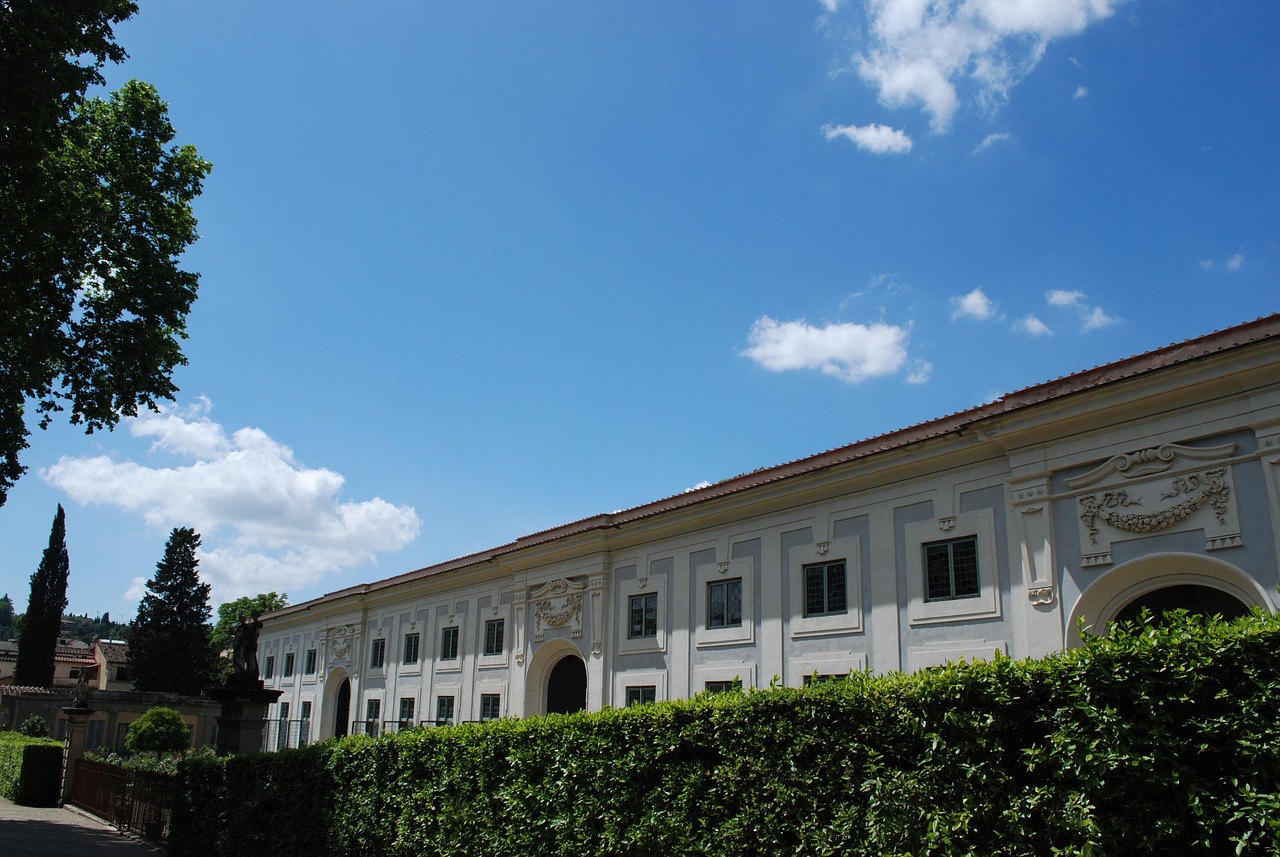
Palace grandeur, garden calm, and Chianti beyond the city
To balance art intensity with open air, plan Pitti Palace, the Boboli Gardens, and (if you wish) a private escape into Tuscany as a natural pairing. This sequence creates an easy transition from city splendour to sanctuary—especially welcome after museum-heavy days when you want your time in Florence to feel spacious.
It’s one of the most restorative ways to spend an afternoon, because the pace shifts from “take in” to “let settle”—and it leaves room for unhurried dinners, shopping, or a final walk back through the lit streets.
Palazzo Pitti (Pitti Palace): elegant rooms, royal collections, and Oltrarno atmosphere
Palazzo Pitti (also known as Pitti Palace) feels like stepping into a world where aesthetics and power lived side by side. Rooms unfold with a particular kind of drama—portraits, fabrics, gilded frames—yet the experience can still feel intimate if you choose a quieter entry time and move with intention.
It’s also a useful contrast to earlier Renaissance sites: not just genius in workshops, but the lifestyle that patronage built. Seen this way, the palace adds another layer of insight to your itinerary and helps round out the things to do in Florence beyond the cathedral and the galleries.
Boboli Gardens: Renaissance landscaping, shade, and wide views of Florence
From the palace, drift into the Boboli Gardens. These are not “just gardens”; they’re Renaissance landscaping as theatre—perspectives, sculptures, shade, and long lines of sight that open onto wide city views and gentle views of Florence.
If you’ve been moving from attraction to attraction, the gardens offer space to breathe and reflect. Find a bench, listen to the softened sound of footsteps, and allow the day’s beauty to arrange itself in your mind.
Now, if your heart is calling for vines and hilltop air, this is the moment to design a day trip from Florence into Chianti. A private wine tasting tour is the high-end choice: exclusive vineyard settings, thoughtful pairings, and a chauffeur so the day feels seamless from first sip to return—one of the most satisfying day trips for travellers who want countryside calm without logistical friction.
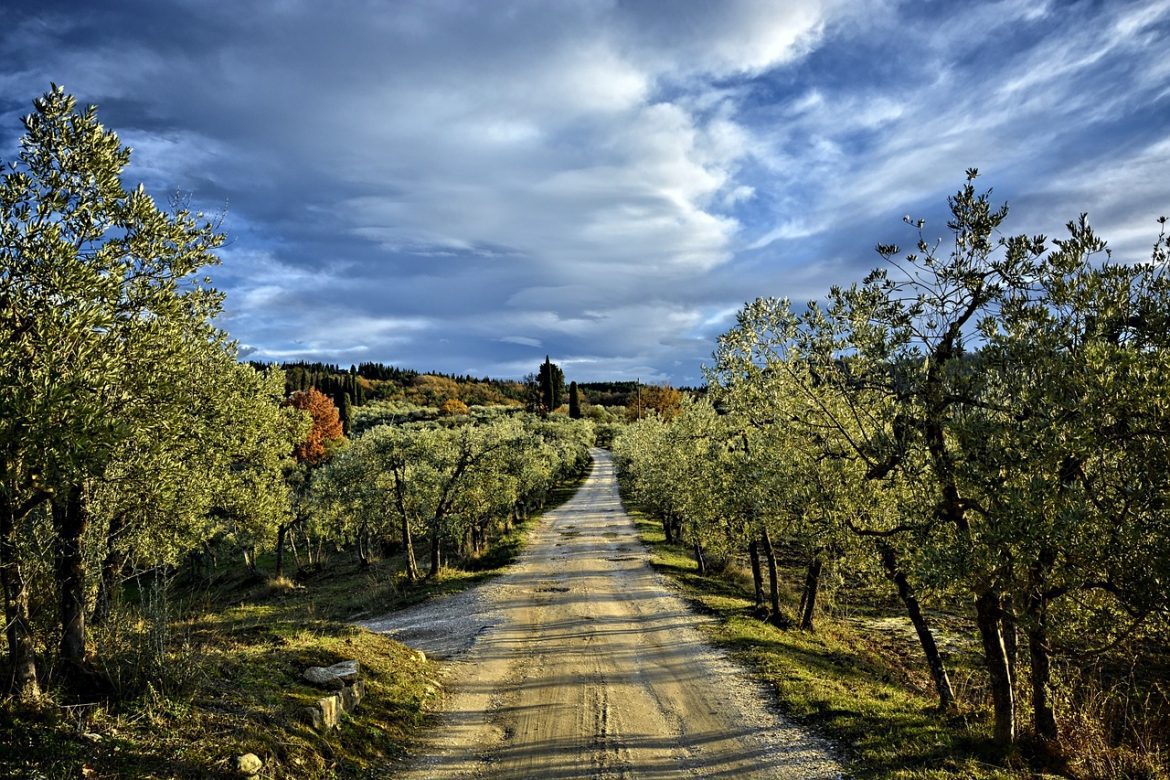
In Tuscany, the pleasure is often in the details—how a host speaks about soil, how olive trees frame the drive, how time slows at the table. In Florence and Tuscany, craftsmanship is the shared language, and it’s part of why these moments stay with you long after you return.
- Best day trips from Florence: Chianti vineyards, small hill towns, and artisan-led tastings designed around your preferences.
- Keep it elegant: choose one region per day, and let the day unfold without over-stacking stops.
- What to wear: modest layers for churches, comfortable shoes for cobbles, and smart-casual attire for tastings.
If you prefer not to travel far, there are still wonderful day trips within easy reach—yet for many, Chianti is the perfect counterpoint to the city’s intensity. Either way, a concierge or expert guide can quietly support bookings, timing, and those small comforts that help you feel cared for.
And then—almost without noticing—you reach the point where Florence stops being a place you’re visiting, and becomes a place you’re carrying.
What stays with you after you visit Florence: memories beyond the top things
What stays with you isn’t the number of things to do in Florence, or even the number of museums you managed to fit in. It’s the sensation of softened time: footsteps echoing through the historic centre in the early morning, the hush inside cathedral spaces, and the way dusk seems to gild the stone until the city looks quietly eternal.
Memory often returns in small scenes. The sunset at Piazzale Michelangelo, when the rooftops turned warm and the air felt still; the concentration in an artisan’s hands in Oltrarno, working as though the centuries were simply part of the day; the moment you realised that beauty here isn’t just displayed, it’s lived.
One couple spoke about a spontaneous evening opera performance in a historic palazzo—an unplanned invitation, a room lit softly, voices rising into frescoed air. It became their private Florence: not rehearsed, but deeply human, as though the city had opened a door just for them.
Florence rewards travellers who explore Florence with curiosity and trust their pace. It’s a place where the in-between matters: the glance across a quiet street, the gentle ritual of greeting a shopkeeper, the feeling that design and daily life still belong together.
When you leave, you may find you’re carrying more than photographs. You’re carrying a renewed eye—for proportion, for craft, for the way a city can offer care without asking for anything in return. Florence is one of those rare destinations that improves with a second visit, and a visit to Florence can become the beginning of a longer relationship with the country: visiting Italy feels less like ticking highlights and more like returning to something familiar. If you’re planning future trips to Italy, this Florence itinerary also pairs beautifully with the wider region of Tuscany—and reminds you that a calm visit to Italy can be a deeper conversation, timeless and still unfolding.
F.A.Qs: Things to do in Florence, Italy
What not to miss in Florence, Italy on your itinerary?
Don’t miss the Duomo complex (including Santa Maria del Fiore), the Uffizi Gallery for Renaissance masterpieces, and a walk across Ponte Vecchio into Oltrarno. Build in golden hour at Piazzale Michelangelo, then give yourself time for the Boboli Gardens. If you can, add a Chianti wine tasting for a gentle taste of Tuscany beyond the city.
What are the top 5 things to do in Florence for first-time visitors?
The top five for most travellers are the Duomo and its dome, the Uffizi, Michelangelo’s David at the Accademia, Piazza della Signoria with Palazzo Vecchio, and Ponte Vecchio at sunrise or early morning. For a high-end stay in Florence, consider swapping one museum slot for a private guide or an artisan visit in Oltrarno.
Can you wear jeans in Florence, Italy (including churches)?
Yes—jeans are common and perfectly acceptable for walking and dining. The main consideration is church etiquette: when you explore churches or Santa Croce, dress modestly with shoulders covered and avoid very short hems. For tastings in Tuscany or a palazzo evening, smart-casual jeans can work well if styled neatly.
How many days do you really need in Florence, Italy to see the essentials?
Ideally plan 3 to 4 days in Florence to enjoy the Duomo, Uffizi, Accademia, and the Oltrarno side without rushing. With 2 days you can still see in Florence the major highlights and see the Duomo, but it will feel fuller and more structured. A fourth day is perfect for day trips into Tuscany, such as Chianti.