Valley of the Temples, Italy in Sicily (Agrigento & Akragas) – an archaeological UNESCO World Heritage overview
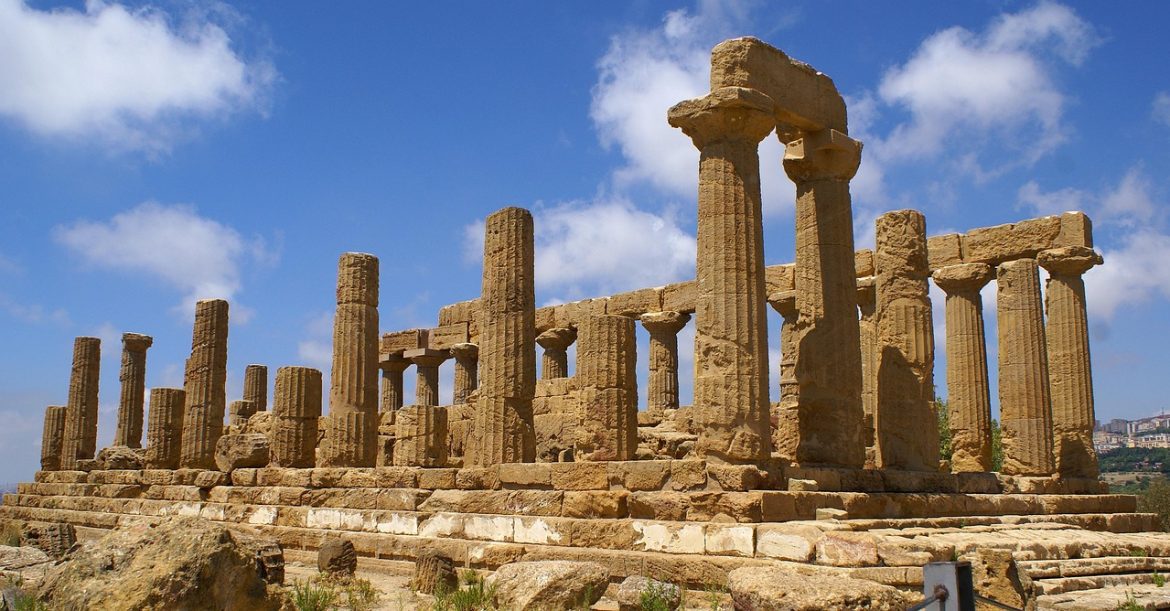
Valley of the Temples in Sicily near Agrigento, looking across the ancient city of Akragas and the temple ridge
Before you explore the Valley of the Temples, Italy, anchor your day with one clear idea: this is a vast archaeological area, not a single ruin. Known as the Valley, the Valley of the Temples stretches along a luminous ridge on Sicily’s southern coast, where the ancient city of Akragas—ancient Akragas, the famed city of Akragas—once signalled wealth, faith, and ambition to the Mediterranean.
Today, this is Sicily’s valley of the temples, protected as a UNESCO World Heritage Site and a living heritage site where Greek and Roman layers sit side by side. It’s a true world heritage landscape: you can sense the arc from ancient Greece to Roman times in the way later reuse and restoration reshaped the setting, while the Doric character remains unmistakably Sicilian.
Orient yourself in Agrigento and the valley: routes, comfort, and a temple tour approach
For travellers who value ease, the most reassuring detail is the site’s layout. The valley of the temples is long rather than steep, with wide paths, occasional uneven sections, and plenty of places to pause without feeling rushed. Plan for early morning or late afternoon, and you’ll find the walking pleasantly unhurried, even when you’re fitting it into a broader Sicily itinerary.
Start by deciding what matters most: a connected sweep of sanctuaries, an archaeological explanation led by a specialist, or a relaxed temples tour that balances highlights with breathing space. Many visitors hire a certified guide for a reliable archaeological context, then return independently for a slower second pass once the setting feels familiar.
Imagine Akragas in the 5th century BC: Doric temples, conflict, and city life
Picture Akragas in the 5th century BC: ceremonial processions, offerings to gods and goddesses, and the clean geometry of a Doric temple rising from local limestone. Several sanctuaries began earlier, with phases reaching into the 6th century BC; across the wider 6th century and later, rebuilding followed moments of turmoil as the Carthaginians and broader Punic pressure shaped Sicily’s fate.
In later centuries, names and identities shifted too—Girgenti in medieval memory, the arrival of the Arabs, and Christian layers that still echo in local stories (you may hear mention of the bishop of Agrigento when guides discuss later religious life). What remains constant is the joy of standing among Doric silhouettes at golden hour and letting history meet the present with calm attention.




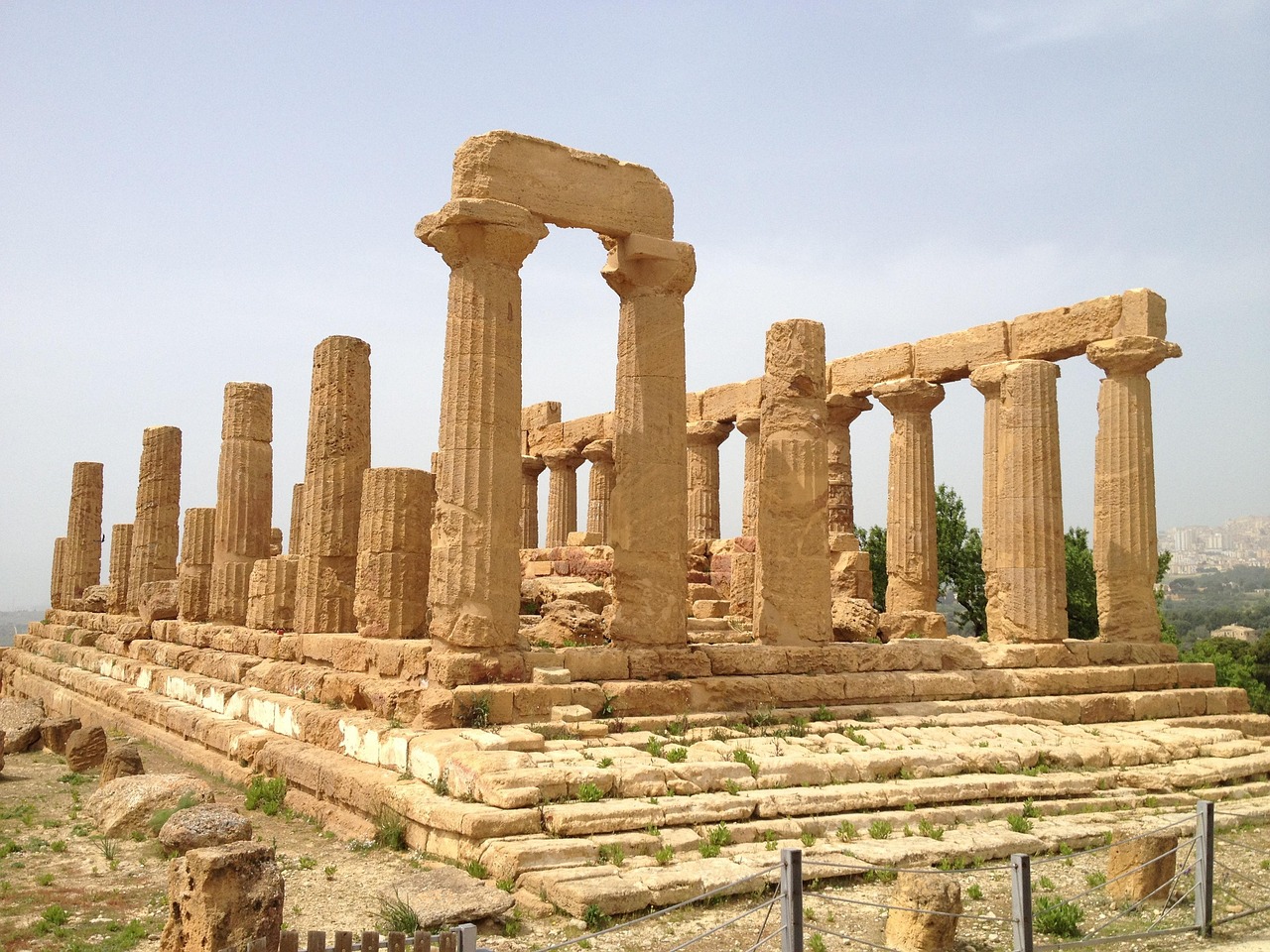
Temple of Concordia in Agrigento – Valley of the Temples sunrise photography and Doric proportion
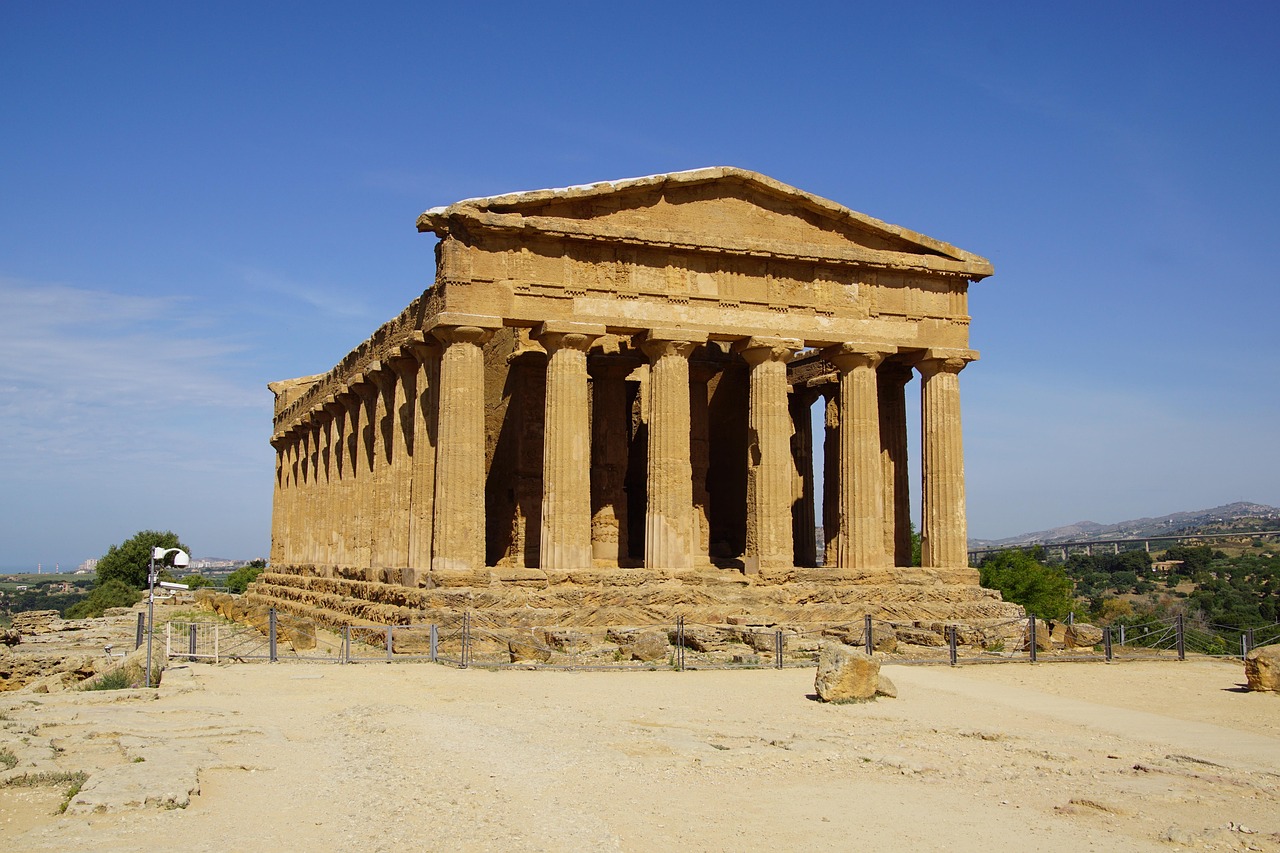
Temple of Concordia at sunrise in Agrigento for classic Valley of the Temples photography
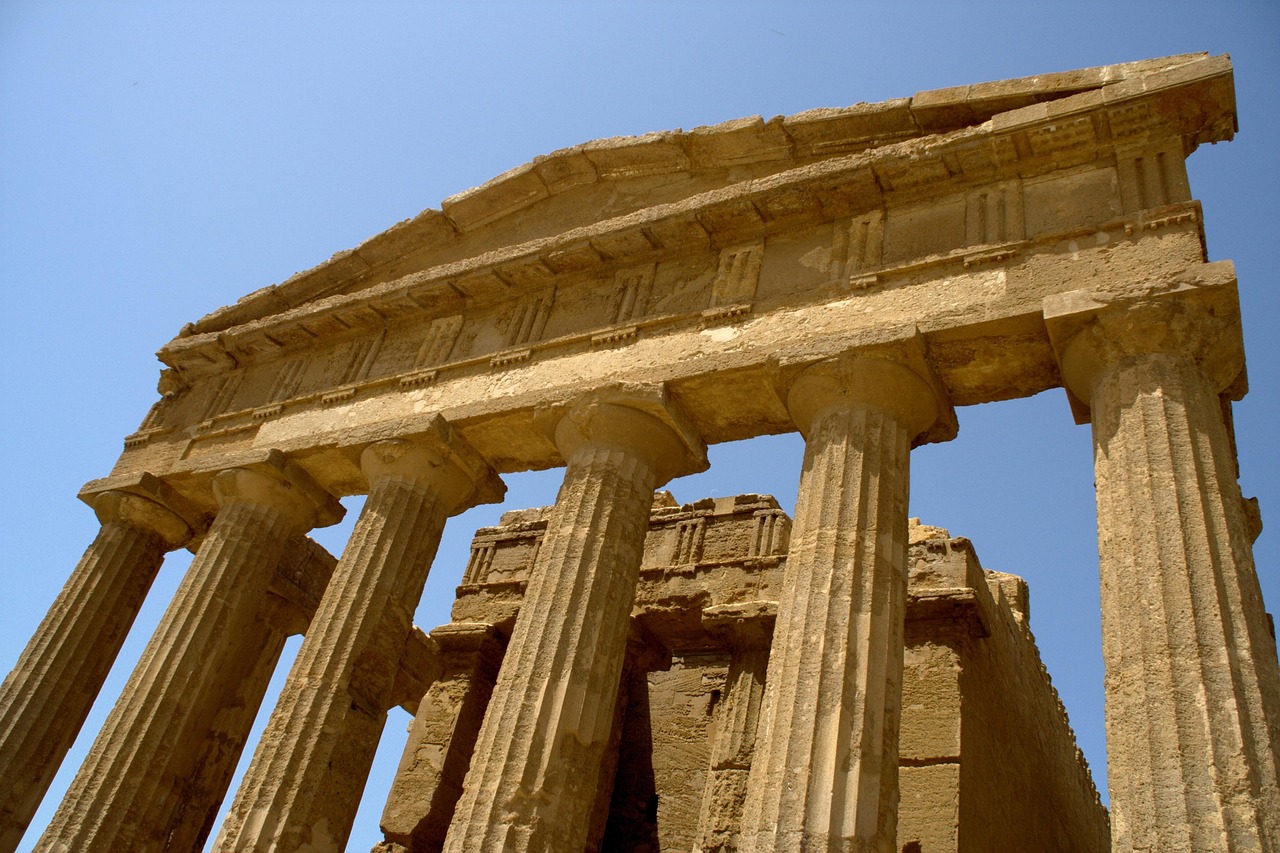
If you’re choosing one centrepiece for Temple of Concordia, Agrigento Valley of the Temples sunrise photography, make it this: the Temple of Concordia. Often described as among the best preserved Greek temples, it’s also remarkably well-preserved for its age, with proportions that still feel perfectly measured. In the cool morning air, the Doric lines look freshly drawn—columns, spacing, and the calm confidence of a true Doric temple.
Concordia is not just a photo opportunity; it’s a lesson in how to look. Notice the gentle taper of the columns, the quiet balance of the façades, and the way the stone shifts from honey to rose as light rises over Sicily. For adventure-minded travellers, that early start isn’t a sacrifice—it’s a crafted upgrade that brings comfort, clarity, and a quieter connection with the valley of the temples.
How to read the Temple of Concordia: Doric details, archaeology, and setting
A sunrise visit is where many personal stories begin. One traveller told me they expected beauty, but not the almost spiritual hush—standing still, hearing distant birds, and feeling time stretch wide enough to breathe. The valley of the temples can be busy by mid-morning, yet at dawn it feels aligned with your own pace.
To uncover more than the obvious, slow your gaze: trace the long side to see the rhythm of the doric; step back to read the temple as part of its landscape; then turn towards the coast and let the scale of Agrigento do the rest. This is archaeology at its most approachable—built to be read in light and distance, not just in textbooks.
Sunrise viewpoints towards the Mediterranean Sea from the Concordia ridge
For panoramic vistas, take a few minutes to find a clean angle where the temple aligns with the landscape dropping towards the Mediterranean Sea. The strongest frames often come from slightly off-centre positions that include foreground grass and a hint of path, so the structure feels anchored in place rather than cut out like a postcard.
- Photographing stone: side light reveals the texture in the blocks and the subtle shadows between columns.
- Comfort and care: bring water, a light layer for the morning, and sun protection for later—Sicily warms quickly.
- Slow looking: give yourself ten minutes with no camera at all; it changes what you notice.
Temple of Juno (Temple of Hera) and Temple of Heracles – ridge walk in the Valley of the Temples, Sicily
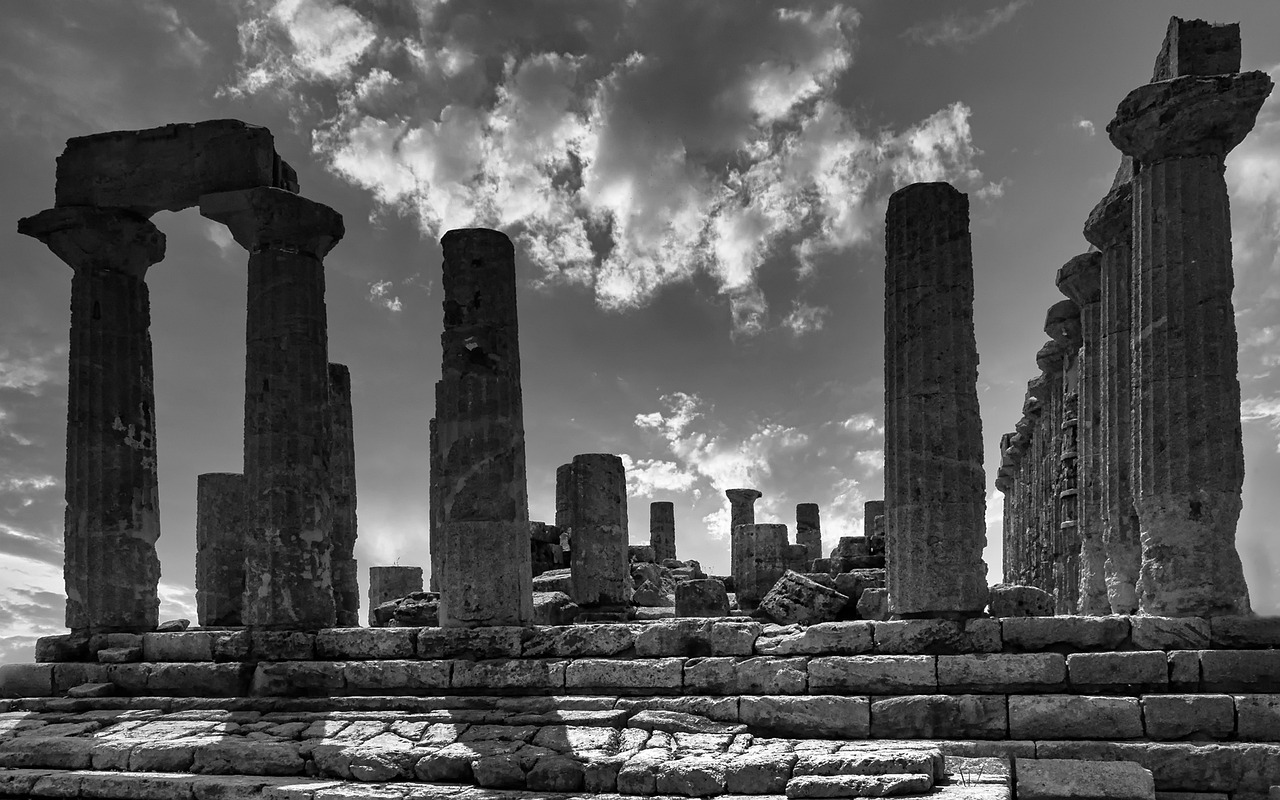
Juno, Hera and Heracles on the ridge of the Valley of the Temples, with wind-swept views above Agrigento
When you see Temple of Juno, Temple of Hera, Temple of Heracles, Valley of Temples, Sicily on the map, treat it as an invitation to walk the ridge rather than hop between highlights. Among the temples in Agrigento, this stretch feels the most adventurous: wind in your ears, big-sky perspective over Agrigento, and the coastline glinting in the distance.
The temple of Juno’s entrance sits near an ancient gate often labelled Porta V (porta), and arriving here can feel like crossing a threshold into the park’s older, wilder mood. The route is straightforward, but the atmosphere is more elemental—especially in summer heat, when planning shade and water becomes part of travelling well in Sicily.
Juno and Hera at the Temple of Juno viewpoint: goddess stories without the lecture
Mythology can add depth without turning your day into a seminar. Juno is a Roman goddess name, while Hera belongs to Greek tradition, and the temple of Juno is often discussed alongside that of Hera because stories evolved over centuries of retelling. Rather than chasing certainty, let the goddess narrative bring colour: devotion, protection, rivalry, and the fragile hopes of a community looking up at its own ideals.
From this viewpoint, you’ll understand why people speak about temples in Sicily with such reverence. The ridge shows how these buildings were designed to command attention from afar, not only for pilgrims on foot but also for travellers approaching the coast.
Heracles and Hercules at the Temple of Heracles: ruins, ritual, and the necropolis
Further along, the Temple of Heracles feels rawer—broken, open to the elements, and honest about what time does to stone. Heracles is the Greek hero; Hercules is the Roman name, and here the story turns physical: surviving fragments, fallen column drums, and terrain that keeps you present and attentive.
Nearby, the Tomb of Theron and the wider necropolis context add a sober counterpoint to the sanctuaries. At twilight, these spaces can feel unexpectedly intimate—not theatrical, but quietly human—reminding you that even a magnificent temple was only one thread in the life of the ancient city.
Temple of Olympian Zeus in Agrigento – night tour in the Valley of the Temples with Dioscuri legends
Zeus, the Dioscuri and the valley after dark, with dramatic lighting on ruins in Agrigento
For many travellers, the most memorable way to deepen the Temple of Olympian Zeus night tour, Valley of the Temples, Agrigento is to see the site after dark. The temple of Olympian Zeus was once astonishing in scale—an architectural statement of power and gratitude—and even in ruin, it conveys ambition. Stand with the remains and try to picture the original massing: not delicate, but deliberately overwhelming.
This is where names become story anchors. Zeus in the Greek world becomes Jupiter in Roman tradition, and that shift helps you understand how belief systems were adapted and carried forward rather than simply replaced. It’s an elegant lesson in continuity, told through stone.
Zeus, Olympian Zeus, and the human scale of the archaeological ruins
With Olympian Zeus, what survives can look fragmented until someone helps you read it. A guide may explain how the platform worked, why the sanctuary mattered politically, and how later centuries reinterpreted the same sacred ground—an archaeological narrative that turns scattered blocks into a coherent experience.
You don’t need to be a classicist; curiosity is enough. The valley of the temples rewards travellers who ask simple questions and let meaning unfold step by step.
Castor and Pollux, the Dioscuri, and a wider pantheon near the Zeus precinct
Close by, you’ll often hear about Castor and Pollux and the dioscuri tradition linked to smaller shrine-like remains, with a brief nod to Vulcan to broaden the pantheon without overwhelming the evening. These connections feel like sparks—small, bright links that make the mythic world easier to imagine while you walk.
- Why night works: dramatic lighting turns columns and foundations into storytelling stages, revealing depth and line.
- Choose a crafted tour: a guided night visit is designed for atmosphere and flow, not just facts.
- Local expertise: a passionate local guide can translate dates into human insight with warmth and humour.
One adventurer described meeting a guide whose storytelling felt like cinema: the Carthaginians at the gates, rituals under stars, and a city trying to define itself against the sea. It’s the kind of narration that creates connection—without ever demanding that you memorise a thing.
Visit the Valley of the Temples, Italy: tickets, transport, timing, and a seamless day plan
How to visit the Valley of the Temples in Italy seamlessly, with practical paths and transport planning in Agrigento
If you want the practical backbone in one line, visit the valley with comfort first, then timing, then add-ons. The valley of the temples is at its most enjoyable in spring or autumn, when the air is mild and the light is flattering; in peak summer, heat and exposure can make the walk feel more demanding.
Late afternoon suits travellers who enjoy a slower start, while early morning is ideal for those chasing quiet and photography. Either way, you can design a day that feels luxurious, not because it’s complicated, but because it’s calm and well-paced.
Transport to Agrigento and pacing the archaeological paths through the park
Getting to the site is straightforward by car or by local buses from Agrigento, and parking is available nearby. “Uneven paths” here usually means occasional rough stone, shallow steps, and gravel sections rather than anything technical—but sturdy shoes make a real difference for confidence and comfort.
If you’d like a softer, greener counterpoint to the stonework, consider the Garden of Kolymbethra within the park. It’s a shaded pause among citrus and olives, and its mythic associations—some guides mention Persephone as a poetic link to cycles of life—can be a gentle complement to the monumental temples.
Tickets, value, and responsible care at a UNESCO World Heritage Site
Entry is generally affordable, with discounts for EU citizens under 25 and free entry on the first Sunday of each month—do check official updates before you go, as policies can shift seasonally. For the richest experience, hire a certified guide; it’s the simplest way to ensure trustworthy context and understand why this UNESCO World Heritage site still matters today.
- Carry water and sun protection: even outside summer, the Sicilian sun is serious.
- Respect signage: the most meaningful souvenir is knowing you helped preserve the ruins.
- Hands off the stone: avoid touching fragile surfaces, even if they look solid.
For an adventure add-on, many travellers combine Agrigento and the Valle dei Templi with the Scala dei Turchi cliffs. It’s a brilliant contrast—white coastal drama after ancient stone—and it makes a full day feel balanced: culture, sea air, and bold scenery. If you’d like to explore more designer-led routes across Italy, you can browse our Trip gallery for inspiration and seamless planning.
F.A.Qs: Valley of the Temples, Italy
Is the Valley of the Temples in Italy worth seeing?
Yes—especially if you enjoy culture with a sense of open-air adventure. The valley of the temples in Agrigento offers exceptional Greek ruins, sweeping coastal views, and a true highlight: the Temple of Concordia. Arrive early or late for cooler air and softer light, and consider a local guide for deeper insight without feeling overwhelmed.
What is the significance of the Valley of the Temples?
It’s one of Sicily’s most important archaeological landscapes, linked to Akragas and protected by UNESCO. The park preserves major sanctuaries and reveals how city life, ritual, and architecture developed from the 5th century onward. Beyond the buildings, its significance lies in how vividly it connects you to identity, belief, and everyday life in the ancient Mediterranean.
How long does it take to visit the Valley of the Temples?
Most travellers spend 2–4 hours, depending on pace, weather, and how long you linger at each sanctuary. If you add a guided visit, photography stops, or a sunset walk, half a day feels far more seamless. The paths are generally manageable, but allow extra time if you want a calmer rhythm and room for quiet moments.
What happened to the Valley of the Temples over time?
The structures survived in varying states after centuries of change—weathering, earthquakes, and shifting power across Sicily. Some temples were repurposed or dismantled for materials, while others endured thanks to later uses and careful preservation. What you see today is a layered blend of ruins and restoration that still conveys the site’s original intent.
Valley of the Temples, Agrigento, at twilight – reflection and the lasting feeling of the ridge
At the end of the day, it’s often the quietest moment that stays. The phrase “Valley of the Temples, Agrigento, reflection twilight experience” reads like a caption, but in real life it arrives as a feeling—fading light across limestone, long shadows at the base of columns, and the gentle weight of the 5th century settling into the evening air.
Twilight has a way of returning the site to human scale. You stop performing your visit and simply inhabit it: a pause on the path, the distant call of a bird, the wind cooling your skin after the sun. With a little trust in your own pace, the valley of the temples becomes less like a checklist and more like a conversation you’re allowed to enter quietly.
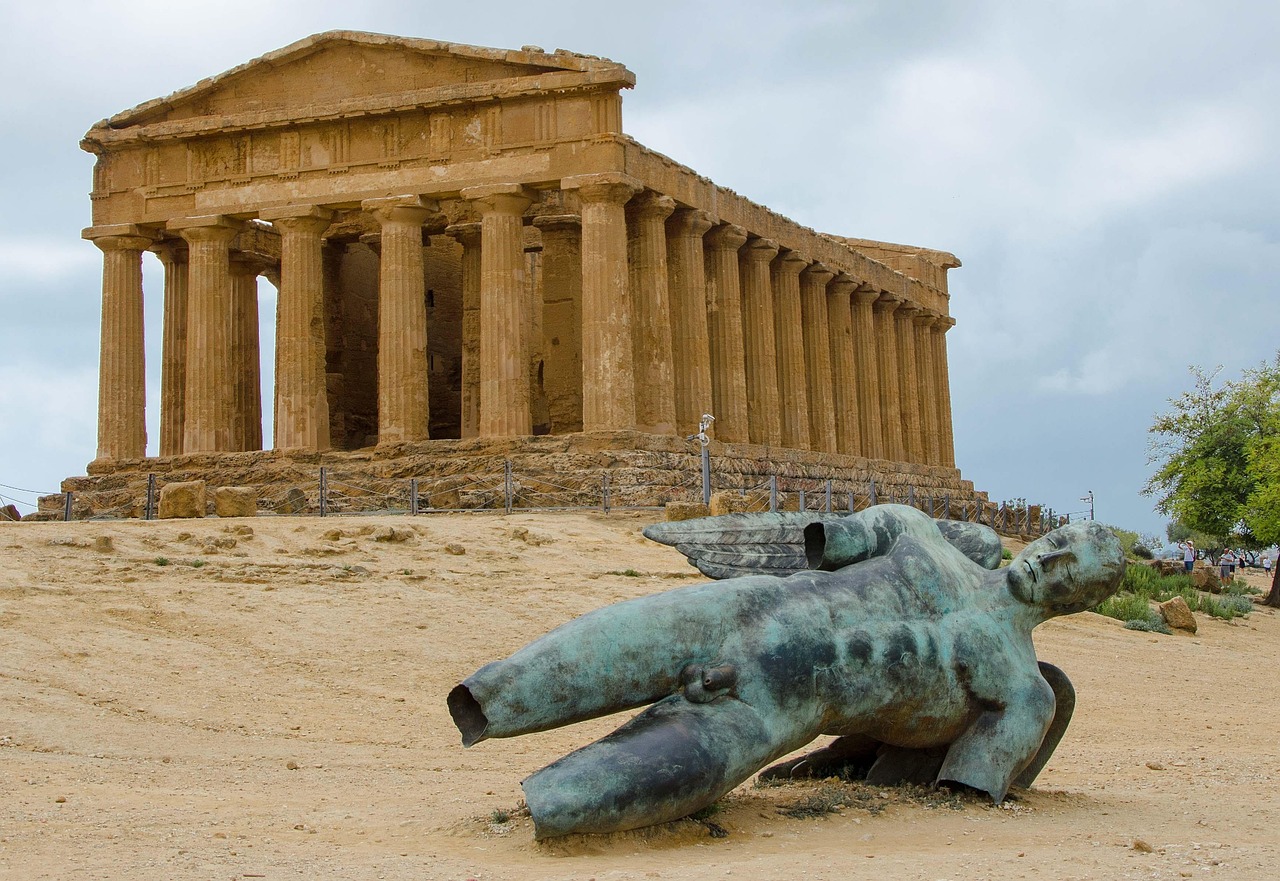
I also love how Agrigento makes room for modern imagination alongside ancient stone. The statue of Icarus by Polish sculptor Igor Mitoraj can appear almost unexpectedly as you wander, and it’s a reminder that meaning is still being created here, not sealed behind time. Ancient and contemporary sit together, and somehow that feels reassuring rather than jarring.
When you leave the Valle dei Templi at dusk, you carry home more than photographs. You carry stillness, scale, and a renewed sense of time—proof that the valley of temples doesn’t demand urgency, only attention. Long after Sicily slips behind you, you may find yourself wondering what other stones, in some other light, are waiting to speak.