Post Contents
- Villa Adriana in Tivoli, Italy, a UNESCO World Heritage site, has a rich history.
- Day trips from Rome to Tivoli with Villa Adriana bus tickets
- Canopus and Serapeum Villa Adriana, Tivoli, Italy, reflecting pool statues
- Maritime Theatre Villa Adriana Tivoli Italy island villa Roman engineering
- See Tivoli’s Villa d’Este, Villa Gregoriana, and other villas.
- FAQs: Villa Adriana in Tivoli, Italy
- What stayed with me in Tivoli after Villa Adriana
Villa Adriana in Tivoli, Italy, a UNESCO World Heritage site, has a rich history.
Villa Adriana in Tivoli and the Villas of Tivoli story
If you’ve been dreaming of a villa day that feels both wild and refined, Villa Adriana in Tivoli, Italy, a UNESCO World Heritage site, is the phrase to hold on to. Villa Adriana is an exceptional complex: an archaeological site located in Tivoli, in the Lazio region, on the outskirts of Rome, where scale and silence somehow coexist. You arrive expecting “ruins,” and instead you find an entire designed landscape—water, stone, pathways, and surprising shifts of perspective.
There’s a reason Villa Adriana sits on the UNESCO World Heritage list. It was designated a World Heritage Site in 1999 for the way it embodies Hadrian’s vision of empire through architecture: not as a single monument but as an evolving world of spaces. It’s one of those sites in Italy where you can feel how architects and designers once used light, symmetry, and gardens to choreograph emotion.
Villa Adriana and Tivoli: A Scale for Adventure Seekers
The area of the villa is immense: the area of 120 hectares is not an exaggeration but a real, physical fact you’ll feel in your legs. This complex of buildings includes impressive buildings set far apart, so walking distances are wide and shade can be limited. If you’re the sort of traveller who likes to explore properly, it’s a joy—just one that rewards a little planning and care.
Think of the villa as a series of neighborhoods rather than “one attraction. “You’ll move through open ground, then suddenly step into intimate enclosures—pools, colonnades, and garden edges—before emerging again into big skies. That rhythm is part of what makes Villa Adriana a masterpiece for people who love both movement and meaning.
Emperor Hadrian and the construction of Villa Adriana
Set the clock back: Emperor Hadrian, a Roman emperor with a restless mind, began the construction of Villa Adriana between 118 and 138 AD. Work continued in phases, shaping Hadrian’s Villa into a personal laboratory of architectural styles drawn from across the ancient Mediterranean world. The story effectively closes around Hadrian’s death in 138, leaving us a vast, incomplete, and deeply expressive place.
To keep your first visit supportive rather than overwhelming, create a simple route and give yourself permission to miss things. A calm “first look” loop might prioritise the Canopus and Serapeum, then the Maritime Theatre, and finally one or two quieter garden-like zones where you can pause, hydrate, and let the villa settle into your imagination. If you want a deeper, crafted context before you go, our trip gallery can help you design a wider Italy journey that includes Tivoli at the right pace.




Day trips from Rome to Tivoli with Villa Adriana bus tickets
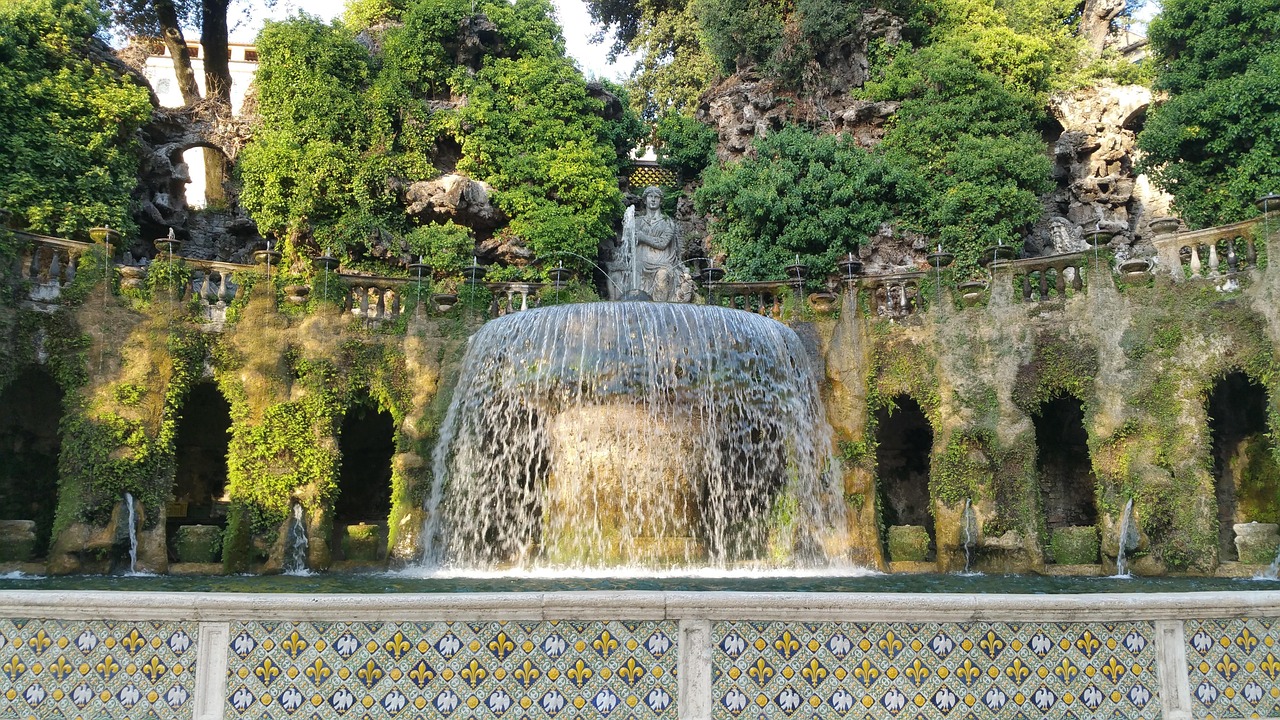
Day trips from Rome to Tivoli with seamless logistics
For many travellers, the best way to keep the day feeling easy is to treat it as one of the most satisfying day trips from Rome to Tivoli Villa Adriana bus ticket experiences you can do without overthinking it. Tivoli is near Rome, but it feels like a reset: greener air, a slower tempo, and space to move with confidence. The key is choosing logistics that match your adventure style.
To get to Tivoli, you have two dependable options. The bus from Rome’s Tiburtina station takes about an hour and is simple if you prefer to be hands-free; driving gives you flexibility for timing, stops, and a calmer arrival if you’re sensitive to crowds. If you do drive, aim to arrive early, park with patience, and treat the walk to the entrance as a gentle transition into Roman history rather than a sprint.
Tickets, value, and a seamless start at Villa Adriana
Entry costs are typically around 10 euros, with reduced rates for EU citizens under 26; there’s also free entry on the first Sunday of each month. Rules and hours can shift, so check official updates (often routed through the Ministry of Cultural Heritage) before you finalize your schedule. Bring a card, some cash, and a downloaded confirmation if you’re pre-booking, and you’ll breeze in with trust and ease.
If you like to combine culture with movement, a surprisingly fulfilling rhythm is to cycle around Tivoli in the morning, then slow down inside the villa for deeper insight. Several adventure seekers have told us that pairing an outdoor loop with the archaeological site made the day feel memorable rather than heavy—active first, then contemplative.
Comfort and safety for an archaeological site day
The surfaces at Villa Adriana are uneven, and the sun can be relentless, especially from late spring to early autumn. Comfortable shoes aren’t a suggestion—they’re your best support. Hydration and sun protection matter more than you think, because the distances between zones are real and shade is limited.
- Wear grippy, broken-in trainers or walking shoes for uneven archaeological paths.
- Carry water and refill when you can; build in small breaks before you feel tired.
- Pack sun protection (hat, SPF) and a light layer for windier shoulder-season days.
- Time it for spring or early autumn for mild weather and fewer crowds.
That last point is quiet luxury: visiting outside peak heat gives you more space to explore with confidence. When you can hear your own footsteps, the villa’s design reads more clearly—like a conversation rather than a crowd.
Canopus and Serapeum Villa Adriana, Tivoli, Italy, reflecting pool statues
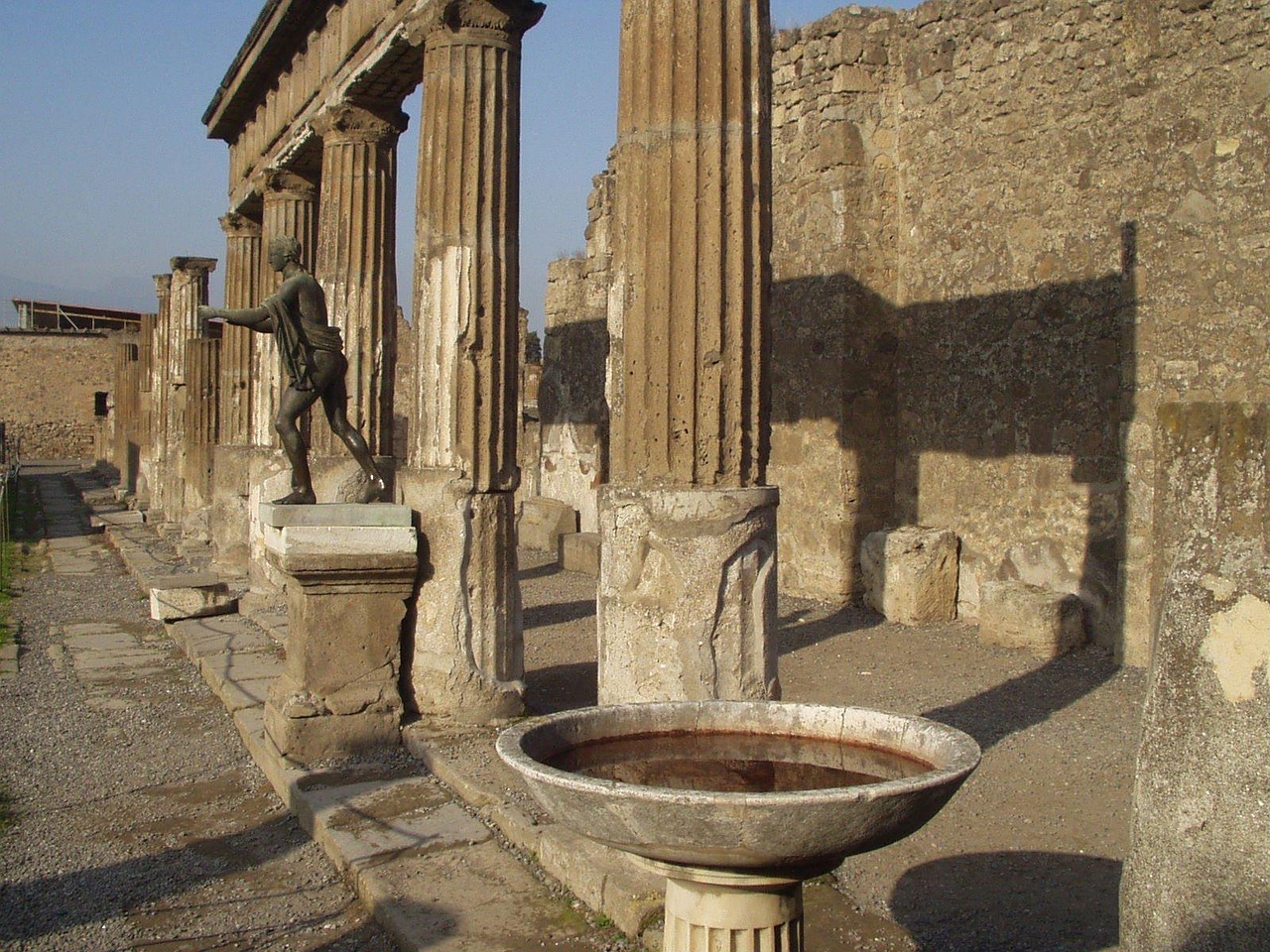
The Canopus and Serapeum at Villa Adriana
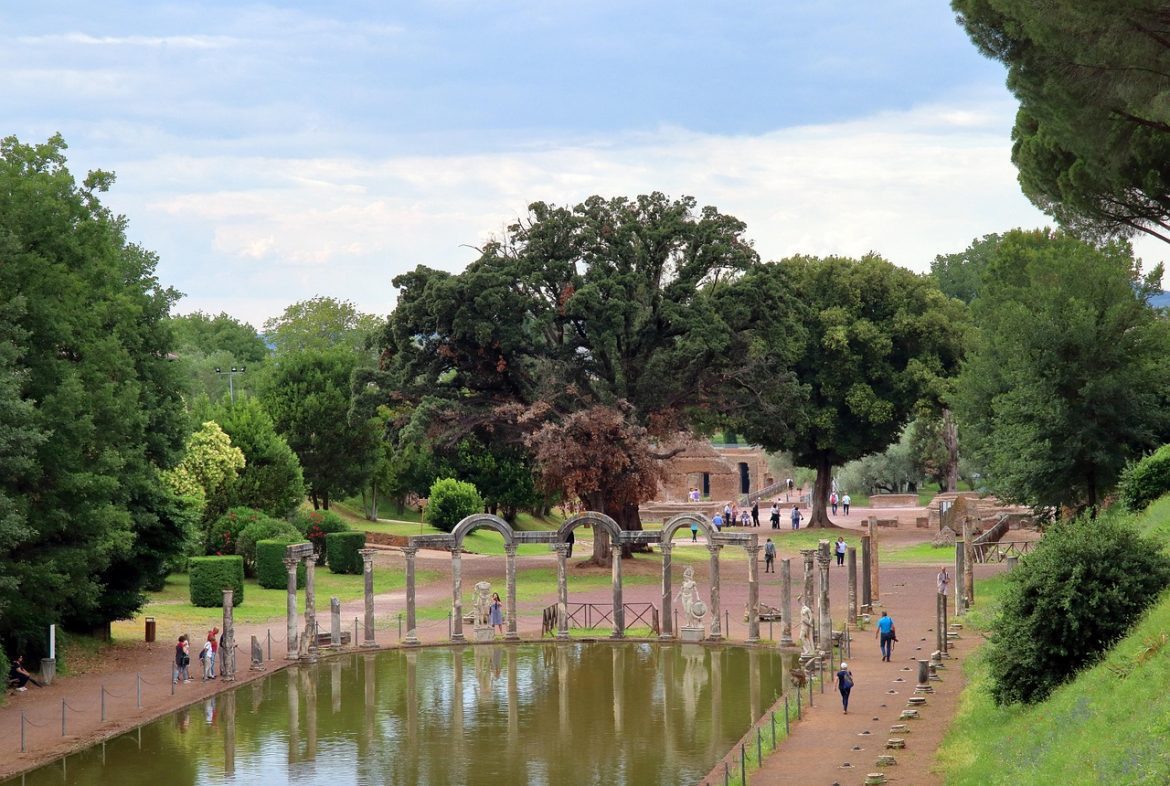
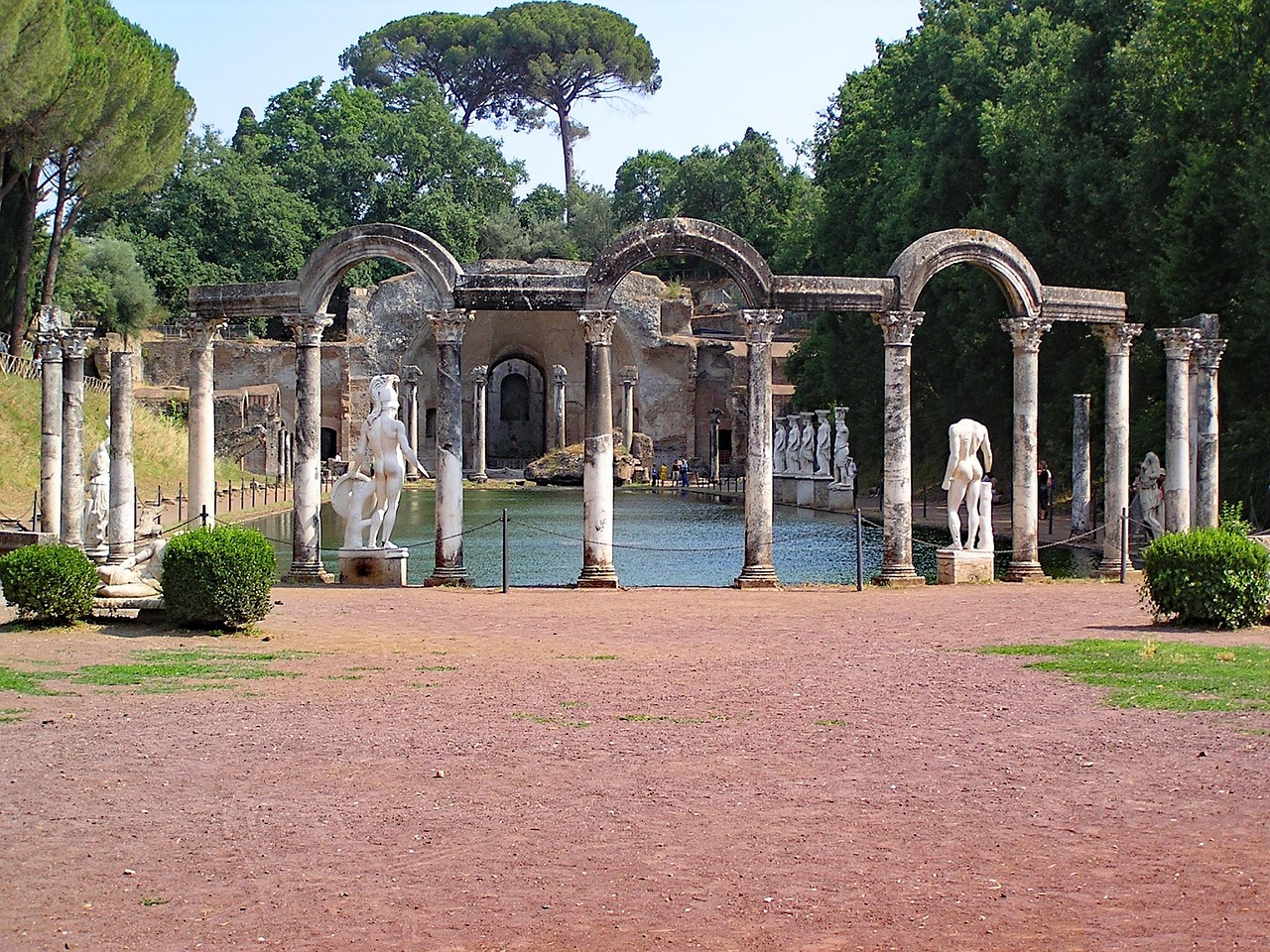
Even if you think you’re “not a ruins person,” Canopus and Serapeum Villa Adriana’s Tivoli, Italy, reflecting pool statues are the combination that tends to change minds. This is Villa Adriana at its most cinematic: a long reflecting pool edged with columns and sculptural fragments, created with elements of classical architecture and theatrical perspective. It’s the place where the villa feels less like a site and more like a lived idea.
The Canopus also carries a cosmopolitan cue that runs through Hadrian’s villa: the dialogue of Rome and Egypt. You’ll notice Egyptian references in form and mood, alongside Greco-Roman statuary and colonnades; materials mattered too, including cipollino marble and Egyptian granite, chosen to signal breadth, power, and taste. The result is architectural in the truest sense—space shaped to make you feel something.
Uncover the Canopus light and texture with care
One visitor once described a sunset here as “impossibly tender”—standing by the water as the light softened on stone, imagining quiet banquets without slipping into fantasy. That’s the sweet spot: to imagine, but stay grounded in what the ruin is actually telling you. Let the reflections do the storytelling, and you’ll uncover details in edges and surfaces you might otherwise walk past.
Local etiquette here is simple and meaningful: speak softly, and don’t touch the ruins. It’s not about restriction; it’s about care. When you slow down, the statue fragments and column lines start to feel like a language you can learn.
Where the Canopus fits in a first-timer loop
For most first visits, the Canopus and Serapeum works beautifully as a mid-route “wow” moment—after you’ve found your bearings, and before fatigue sets in. Plan a water break as you approach, then linger in the partial shade where possible. This way, you keep the day seamless, and the experience stays expansive rather than rushed.
Maritime Theatre Villa Adriana Tivoli Italy island villa Roman engineering
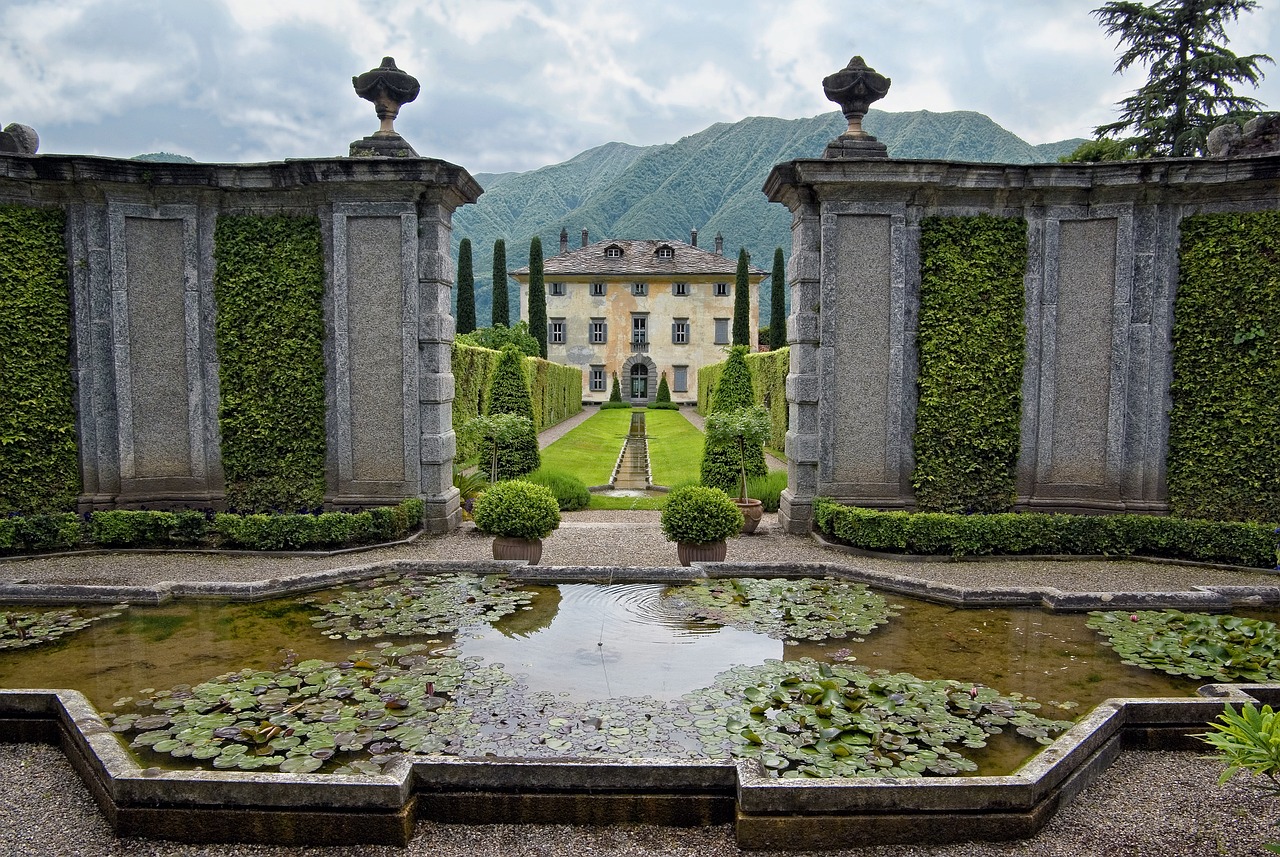
Maritime Theatre and Hadrian’s design mind
For a shift in mood, head to the Maritime Theatre Villa Adriana, Tivoli, Italy, island villa, Roman engineering experience—one of the most intimate corners of the entire villa complex. The Maritime Theatre is an island with a miniature villa, surrounded by water, with bridges that once controlled access. Here, Villa Adriana feels private, even secretive, as if you’ve stepped into a personal retreat inside a monumental world.
This is where you sense the mind of Roman Emperor Hadrian as designer rather than ruler. The water management, the circulation routes, and the way thresholds frame views show advanced Roman engineering in the service of leisure. If you’re travelling solo, it’s also a reassuring place—contained, legible, and calmer than the broad open spaces.
Architectural traditions and Hadrian’s villa design choices
Hadrian’s Villa absorbed influences from the architectural traditions of ancient Greece and the wider ancient Mediterranean world, refining them into something distinctly Roman. You can read the blend in proportions, in the relationship between curved and straight lines, and in how water becomes both boundary and ornament. It’s a quiet masterclass in architectural styles without needing a textbook.
Try standing still for a moment and noticing how your body wants to move through the space. Where does the path invite you, and where does it gently stop you? That subtle choreography is genius: it creates a sense of retreat while still being part of the larger villa.
Expert prompts and why a guide builds confidence
A history enthusiast once told us their guided visit here was “shockingly enlightening,” especially around hidden Roman innovations you’d never guess from fragments alone. A guided tour or audio guide is worth it if you want expert context without feeling talked at. It helps you connect this quieter corner to the imperial palace zones elsewhere on the site, so the day feels like a narrative rather than a collection of disconnected ruins.
- Look for how bridges control entry and create a psychological boundary.
- Notice the balance between open arcades and enclosed rooms for privacy.
- Uncover how water reflects light upwards, changing the atmosphere as you walk.
- Create a pause point here if the site feels vast—this is where many people reset.
See Tivoli’s Villa d’Este, Villa Gregoriana, and other villas.
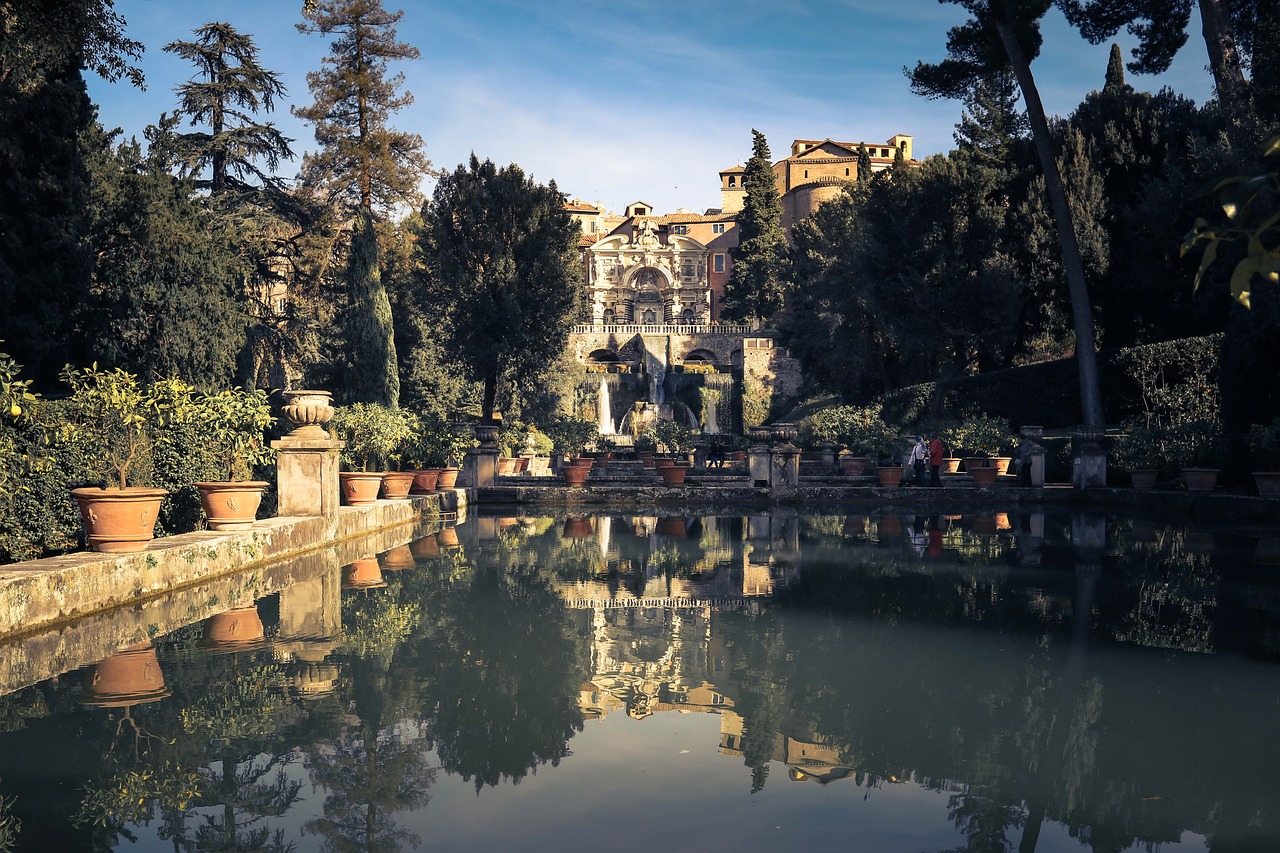
See in Tivoli after Villa Adriana with Villa d’Este and Villa Gregoriana
If you have extra hours, it’s worth asking what else to see in Tivoli, Villa d’Este, Villa Gregoriana, and the Villas of Tivoli after your time at Villa Adriana. Consider this the second act: a chance to design a fuller day (or a gentle weekend) where archaeology meets gardens and waterworks. Tivoli rewards travellers who stay a little longer, because each villa reveals a different century’s idea of beauty.
Villa d’Este is the glamorous counterpoint to Hadrian’s villa—less sprawling, more theatrical. It’s tied to Cardinal Ippolito II (also known as Cardinal Ippolito II d’Este) and the d’Este legacy, created in the 16th century amid the Renaissance and Baroque moods. Its celebrated fountain artistry is not just decorative; it’s a statement of control over nature, crafted into sound, mist, and rhythm.
Villa d’Este, d’Este legacy, and fountain artistry
As you wander, notice how the garden rooms create anticipation—turn a corner and there’s another fountain, another axis, another viewpoint. It’s easy to see why the architects of the Renaissance were so obsessed with perspective and movement. If Villa Adriana feels like an empire in fragments, Villa d’Este feels like a performance still running on schedule.
For travellers who crave a nature-forward contrast after sunlit stone, I recommend Villa Gregoriana, plain and simple: shaded paths, waterfalls, and cool air that reset your nervous system. It’s a simple, local way to balance the day if you’ve been exposed to heat.
Itinerary options for a crafted Tivoli day
To keep transitions seamless, choose based on your energy levels and the weather, not on a checklist. Here are two ways to create the day:
- Quick highlights: Villa Adriana in the morning, then a late-afternoon stroll through Villa d’Este for fountains and golden light.
- Slower route: Villa Adriana with an unhurried loop, a simple lunch in Tivoli, then Villa d’Este with time for gardens and viewpoints.
For meals, keep it uncomplicated: a light pasta, a salad, or something grilled so you don’t feel sluggish walking between sites. Tivoli has plenty of small places where the service is warm, and the pace is kind; the best choice is usually the one that lets you sit down quickly and drink water before you head back out.
FAQs: Villa Adriana in Tivoli, Italy
Is Villa Adriana worth visiting?
Yes—Villa Adriana is one of the most absorbing archaeological experiences in Lazio. The scale, design, and atmosphere make it feel like a complete world rather than a single monument, and highlights like the Canopus and the Maritime Theatre are genuinely memorable. If you enjoy walking, photography, and cultural insight, it’s a rewarding day that still feels calm when paced well.
What is the famous villa in Tivoli?
Tivoli is famous for two headline villas: Villa Adriana (Hadrian’s Villa), the vast Roman-era complex, and Villa d’Este, celebrated for its Renaissance garden design and fountains. Many travellers choose one, but seeing both shows how different eras used water, landscape, and architecture to express power and beauty in completely different ways.
Where is Villa Adriana in Italy?
Villa Adriana is in Tivoli, in the Lazio region of central Italy, just outside Rome. It’s straightforward to reach on a day trip by bus from Rome Tiburtina station or by car, and the setting feels noticeably greener and quieter than the city. Plan for plenty of walking once you arrive, as the site is extensive.
Is Tivoli Villa open to the public?
Yes, Villa Adriana is open to the public on most days of the year, though hours can vary by season, and occasional closures may occur. Tickets are usually available on-site, and some dates offer free entry, such as the first Sunday of each month. For a smoother visit, check the latest opening times before you travel and arrive earlier in the day.
What stayed with me in Tivoli after Villa Adriana
I think of this as my Villa Adriana, Tivoli, Italy, personal reflection because what remains isn’t a list of rooms but a sensation. Villa Adriana is one of those places that teaches quiet confidence: you realise you can move through grandeur without rushing and hold both wonder and restraint together. There’s something deeply reassuring about that—an invitation to explore without needing to conquer.
Days later, I still remember the craftsmanship more than the facts: how light landed on the stone, how water softened the edges of an archaeological complex, and how extensive gardens turned silence into something almost audible. Villa Adriana is one of the few ruins that feels genuinely lived-in, as if the villa were still doing what it was designed to do—shaping your mood through space.
Adventure and stillness don’t fight here; they take turns. You might cycle, then walk, then pause, and each shift feels intentional rather than accidental. And when you leave Tivoli, you carry not just Roman history but also a gentler way of paying attention—one you can bring into any city, any museum, any future villa.
Perhaps that’s why I like imagining this place in another season, when the air changes and the shadows fall differently, and there’s one more detail waiting to be uncovered.