Post Contents
- Before You Visit Venice: Designing a Seamless Arrival for Luxury Travel to Venice, Italy
- Venice Icons in San Marco and the Rialto for things to do in Venice: San Marco, Rialto Bridge
- Private gondola moments through hidden canal corners for a Venice gondola ride on the Grand Canal.
- Doge’s Palace VIP Power Art and the Bridge of Sighs for Doge’s Palace VIP tour Venice Bridge of Sighs
- Artful Venice and beyond: Venice at night, Peggy Guggenheim Collection, Venice Biennale, Murano, and things to do.
- Where to stay confidently in Venice for luxury hotels along the Grand Canal.
- FAQs: Venice, Italy things to do
- What Venice Leaves With You for experience in Venice reflections
Before You Visit Venice: Designing a Seamless Arrival for Luxury Travel to Venice, Italy
Before You Visit Venice: Designing a Seamless Arrival for Luxury Travel to Venice
If you’re planning to visit Venice, Italy, in a high-end way, the most luxurious choice you can make is timing. The best months are April to June and September to October, when the city of Venice feels more like a living stage than a crowded set, and every canal carries a softer hush. This matters for your time in Venice: you’ll move with ease, linger longer in galleries, and enjoy evenings that feel crafted rather than rushed.
Arriving well sets the tone. From northern Italy, the train pulls into Venezia Santa Lucia with a cinematic first glance across the water, while Marco Polo Airport can be equally graceful if you pre-arrange a private water taxi to glide you straight to your hotel door. That first boat approach is more than transport—it’s your first intimate introduction to Venice.
Visit Venice with calm confidence and space for getting lost
For a seamless stay, book timed tickets ahead for headline sights and choose one or two “anchors” per day. Keep a little unstructured time for getting lost—the streets of Venice reward curiosity, and you’ll feel supported when your schedule leaves room to wander without stress. Carry a small amount of cash for cafés and tips, and remember the euro is still king for quick, local transactions.
Local care matters here. Speak softly near religious sites, don’t feed pigeons in Piazza San Marco, and never sit on monuments or block queues—Venice’s beauty is fragile, and respect is part of traveling well. If you’re arriving with luggage, note that some routes involve steps, and a bridge in Venice can feel steep in the heat; a water transfer can be worth the extra spend for comfort and peace of mind.
Where to stay in Venice and a gentle orientation
San Marco places you close to the grand icons, while San Polo offers texture—small bacari, artisan corners, and a more local rhythm after day-trippers leave. Quieter edges can be restorative, especially if you value sleep and privacy. If you’d like a visual starting point for your own design, explore our trip gallery for Italy travel inspiration that pairs beautifully with a visit to Venice.
- Best time to go: April–June, September–October for calm weather and fewer tourist surges.
- Arrivals: train to Santa Lucia or airport to hotel by water taxi for a truly seamless first view.
- Tickets: reserve key timed entries in advance to protect your pace.
- Walking: expect cobblestones and steps; pack comfortable shoes and plan gentle breaks.
With the foundations in place, you can now see Venice as it’s meant to be experienced—unhurried, elegant, and deeply human.




Venice Icons in San Marco and the Rialto for things to do in Venice: San Marco, Rialto Bridge
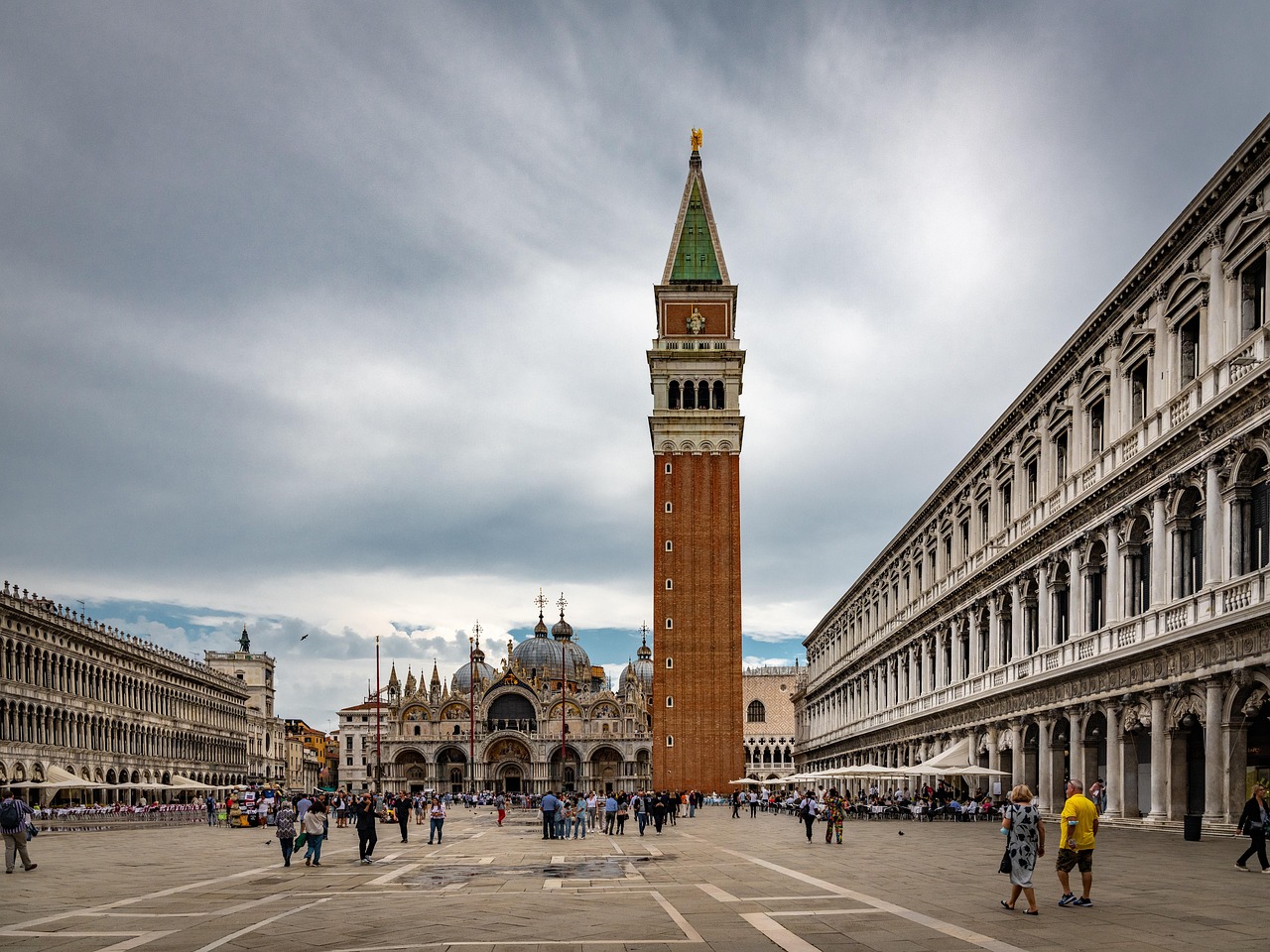
Venice Icons in San Marco and the Rialto for things to do in Venice
Among the most enduring things to do in Venice, the San Marco-Rialto Bridge is where the city displays its grandeur most confidently. Arrive at Piazza San Marco early in the morning, when the paving still holds the cool of night, and the square in Venice feels almost private. In this light, Mark’s Square becomes less a photo stop and more a feeling—an open-air salon framed by history.
Step into Saint Mark’s world with a visit to Saint Mark’s Basilica. The basilica is a place of worship as well as wonder, so keep your voice low and your movements gentle; the mosaics shimmer best when you slow down enough to let them come to you. Look for the warm gold tones overhead and the sense that Venice is always half-story, half-sea.
Things to do in Venice in San Marco with a view of Venice
For a classic elevation, take the lift up the bell tower in the piazza. The view from the bell tower is the kind of panorama that resets your internal compass: rooftops like terracotta punctuation, the lagoon beyond, and the city’s narrow threads of water. It’s the single moment many travellers describe as their clearest view of Venice, and it’s worth planning around softer morning conditions.
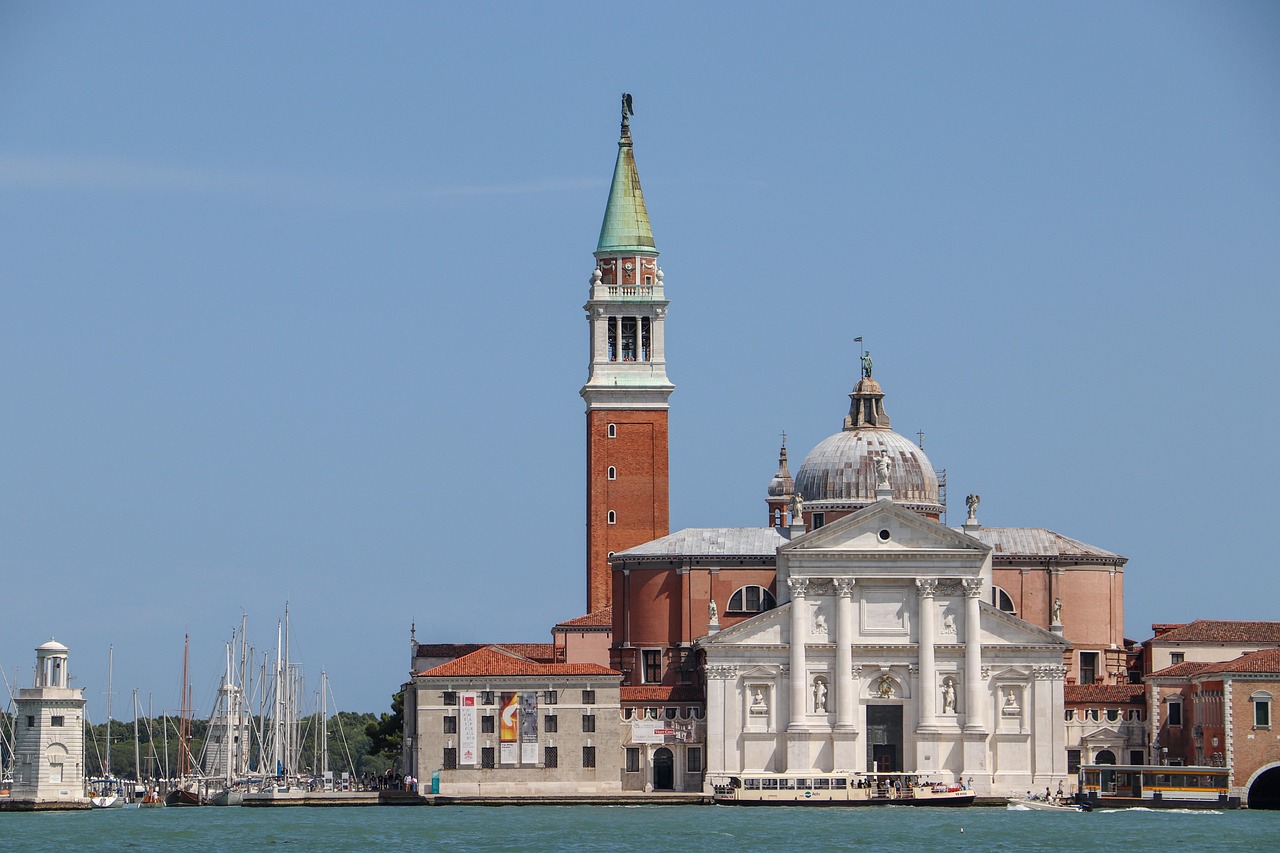
If you have time and energy, consider the bell tower at San Giorgio too, across the water—often calmer, with a slightly different perspective that feels more intimate. It’s a reminder that Venice is not one postcard angle but dozens of quiet variations.
San Marco and the Rialto with a classic crossing
From San Marco, wander towards the markets and the Rialto Bridge. It’s satisfying to cross the Grand Canal on foot here, then change your viewpoint by stepping onto the vaporetto—the water bus that locals use like a floating street. One crossing gives you architecture at arm’s length; the other gives you motion, reflections, and the real rhythm of the canal.
There’s a familiar “Rick Steves moment” in this area—those headline sights you may already recognise from guidebooks and television. Take that recognition as permission, not a limit: yes, enjoy the icons, but then explore one side street that isn’t on your list. Venice has a lot more to offer once you let it surprise you.
Next, we’ll design the kind of Venetian hour that doesn’t feel like sightseeing at all—just a quiet, personal glide through water and story.
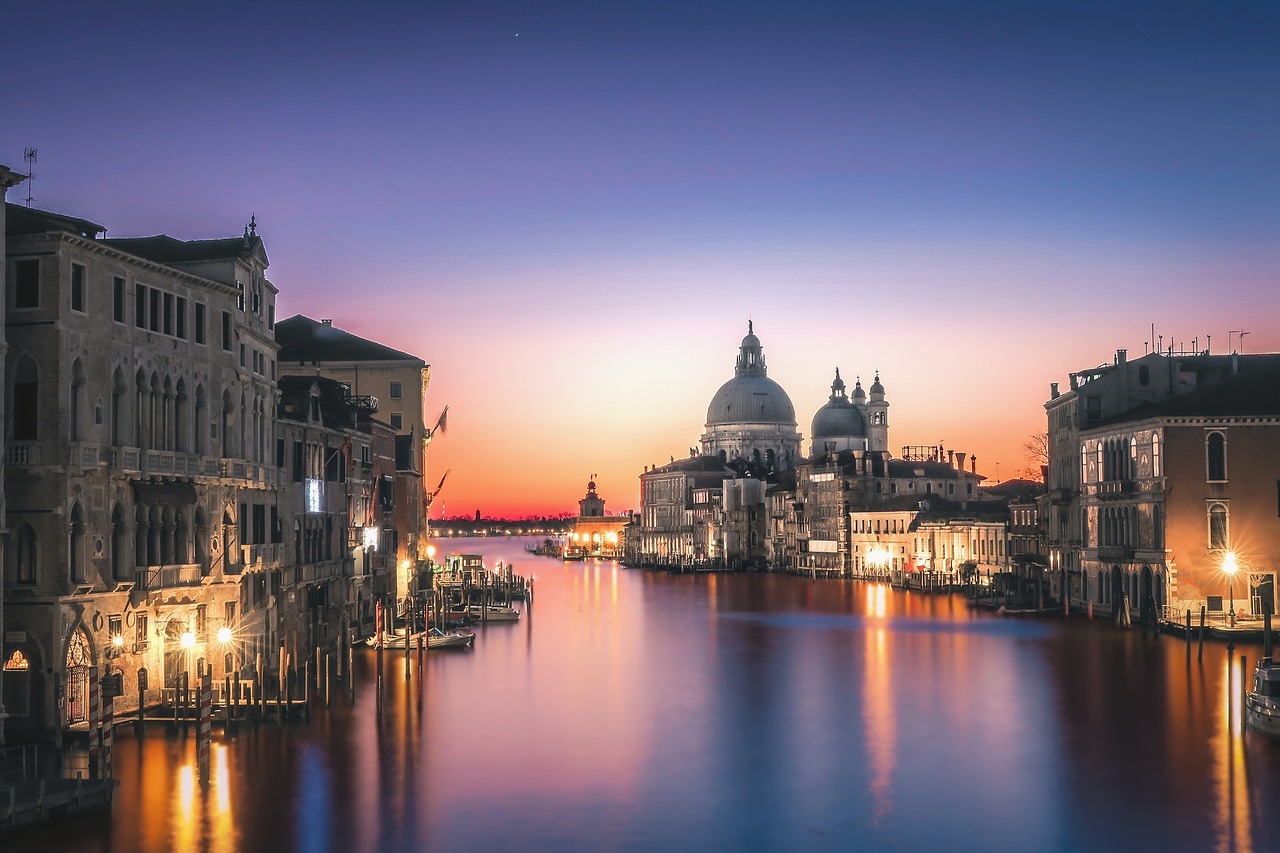
Private Gondola Moments Through Hidden Canal Corners with a Venice gondola ride
A Venice gondola ride, a private gondola, and the Grand Canal experience become truly memorable when you design it for intimacy. Imagine a sunrise gondola ride when the city is still waking: shutters closed, footsteps rare, and the canal reflecting pale peach light. One couple told me their honeymoon began this way, guided by a skillful gondolier who shared Venetian legends with such warmth that it felt like being welcomed into an old family story.
To keep it personal rather than performative, be clear about what you want: fewer main routes, more hidden turns, and time to pause. The best gondola moments are not about speed; they’re about sound—the soft dip of an oar, distant church bells, and the quiet closeness of palazzos that seem within reach of your fingertips.
Visit Venice by gondola and uncover quieter corners
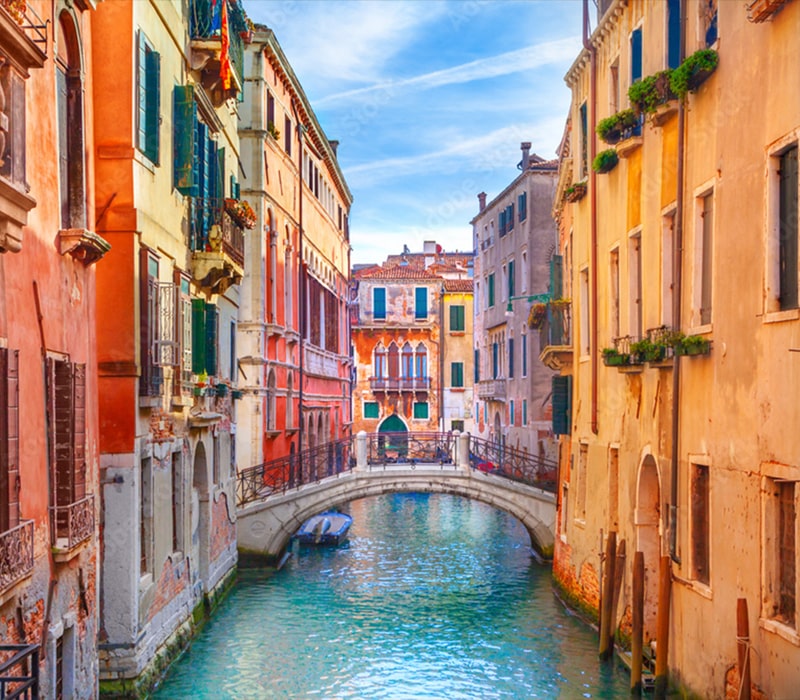
Ask for smaller waterways and “secret” lanes where the city feels like a private theatre set. Here, textures stand out: worn brick, moss at the waterline, a lace curtain shifting behind a window. This is where you uncover Venice’s gentlest side, and it’s often a favourite thing’s memory for couples, solo travellers, and anyone who prefers depth over spectacle.
A solo traveller once described the thrill of turning off a familiar route and finding artisan doors half-open—workshops tucked into the labyrinth. That sense of discovery is the heart of a luxury journey: not exclusivity for show, but access to quiet authenticity and local craft.
Along the Grand Canal with smart transport choices
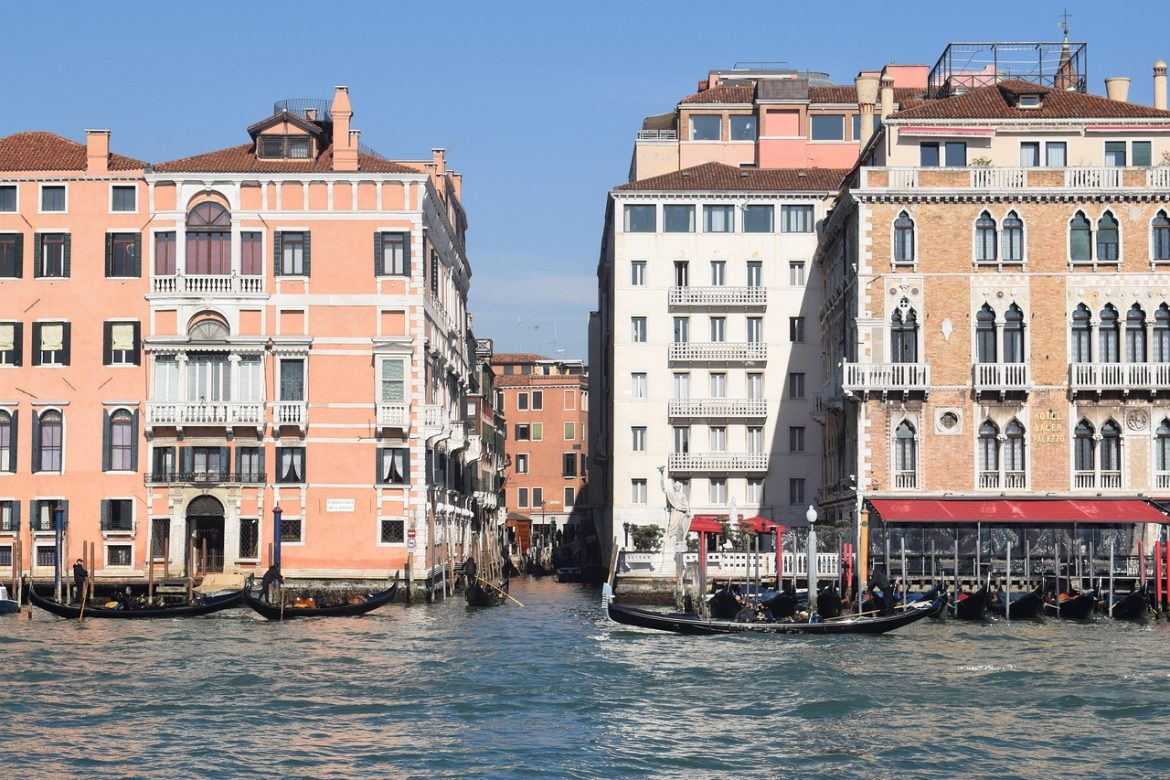
Pair your gondola hour with a longer boat ride along the Grand Canal. Passing Santa Maria della Salute—the Basilica di Santa Maria della Salute—gives you a front-row seat to Venice’s architectural confidence, while the movement of the water shows how the city works as a floating network. The Grand Canal is not just a view; it’s Venice’s main avenue, carrying everything from deliveries to elegantly dressed diners on their way to an evening reservation.
Mini logistics keep the day seamless. Choose the vaporetto for scenic, good-value movement and a touch of everyday Venice; choose a water taxi when timing, comfort, or privacy matters. And because Venice is a walking city with uneven cobblestones, built in short rests—an espresso, a gelato stop, a moment to sit with care away from busy pinch points.
- Gondola timing: sunrise or late afternoon for softer light and a calmer canal atmosphere.
- Route notes: request quieter waterways for a more personal glide.
- Transport balance: a vaporetto for perspective and a water taxi for speed and ease.
- Walking comfort: shoes matter; cobbles and steps can be tiring across long days in Venice.
From water-level poetry, we move to the city’s power rooms—where art, politics, and theatre blend in stone and gold.
Doge’s Palace VIP Power Art and the Bridge of Sighs for Doge’s Palace VIP tour Venice Bridge of Sighs
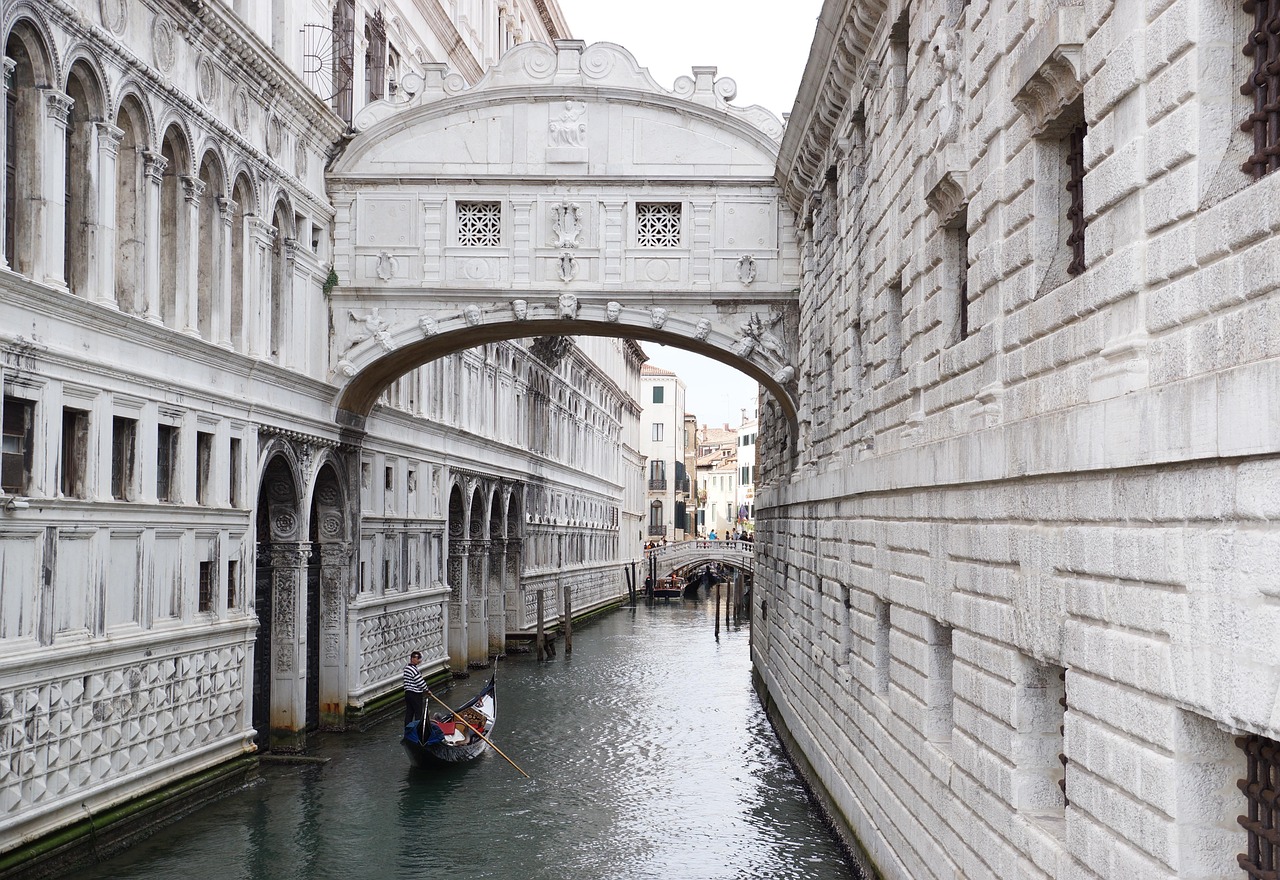
Doge’s Palace VIP Power Art and the Bridge of Sighs with a VIP tour
For travellers who want depth, a Doge’s Palace VIP tour, Venice Bridge of Sighs is one of the most rewarding ways to understand Venice beyond the postcard. With an expert guide, you’ll move through state rooms where Renaissance art isn’t decoration—it’s messaging, crafted to reinforce authority and civic pride. This is where Venice’s story becomes tangible: a republic built on trade, diplomacy, and the confidence of being a city on water.
A VIP approach also protects your pace. Timed entry reduces friction at the door, and an informed guide helps you notice details you might otherwise pass by—the symbolism in ceilings, the choreography of rooms, and the way architecture itself becomes an argument.
Things to do in Venice with the Bridge of Sighs handled with care
Walking the Bridge of Sighs is powerful when it’s presented with context rather than drama. It connects governance to consequence, leading to the prison cells where lives changed quietly, out of public view. A thoughtful guide will keep the tone respectful, allowing you to feel the weight of history without sensationalizing it.
To make the day seamless, plan the palace alongside Mark’s Basilica—many travellers like to pair the basilica and the Doge’s Palace in one well-paced morning. Give yourself enough time to pause between them; Venice is best absorbed in layers, not in a sprint.
Support for families and multi-generational pacing
For families or anyone travelling together across generations, the priority is comfort and confidence. Choose earlier timed slots, keep water to hand, and schedule a refined pause—coffee or an aperitivo—near the piazza once you’ve finished. It’s a simple reset that lowers stress and helps everyone enjoy the next chapter of the day.
Accessibility in Venice can be complex, but it’s manageable with planning. If you’re travelling with a pram or mobility needs, aim for fewer bridge crossings, rely more on vaporetto routes, and consider a water taxi for door-to-door ease at the start or end of your day.
Now we shift from civic splendour to Venice’s creative pulse—modern art, artisan skill, and evenings designed to linger.
Artful Venice and beyond: Venice at night, Peggy Guggenheim Collection, Venice Biennale, Murano, and things to do.
Artful Venice Around Venice and After Dark with Peggy Guggenheim and Murano
For culture lovers, the Peggy Guggenheim Collection, Venice Biennale, Murano, and things to do in Venice form a beautifully curated arc across a day. Begin with the Peggy Guggenheim Collection, where modern masterpieces are housed in a palazzo on the Grand Canal—an encounter that feels both intimate and grand. One art lover told me they felt unexpectedly emotional here: the work wasn’t just “seen”; it was felt, made more vivid by the Venetian light and the quiet elegance of the rooms.
For families, the anchor around Venice is often the Venice Biennale, which invites you to experience contemporary art as a conversation rather than an obligation. A family I met described how visiting together changed the way they spoke about creativity—children noticing patterns and textures, adults catching the politics and poetry beneath.
Around Venice with local makers and Murano crafts
To uncover Venice beyond galleries, spend a curated afternoon in artisan workshops. A solo traveller once described the thrill of finding makers in the smaller streets of Venice—watching hands shape tradition in real time, from careful lace-making stories to quiet restoration work. If you want an island detour, Murano is the classic choice for glassblowing; go with intention, choosing a reputable studio where the craft is explained with pride rather than rushed for show.
Keep your expectations elegant and grounded: Murano can be beautiful, but it can also be sales-driven in places. With the right guide or recommendation, you’ll find an experience that’s genuinely local, with insight into how Venetian craft has endured for centuries.
Things to do in Venice after dark with concerts and crafted dining
Evening in Venice is where the city becomes quietly cinematic. Attend a classical concert in a historic church or palazzo, and dress elegantly to match the ambience; it’s not about formality but about participating in the mood. The right venue makes the music feel like it’s rising from the stone itself, held by centuries of acoustics and candlelit calm.
Then, let the food scene in Venice show its most refined side. Reserve a Michelin-starred tasting menu with premium Venetian wine pairings—crafted, seasonal, and designed to unfold slowly. If you need gluten-free support, mention it at booking; the best kitchens handle dietary needs with confidence and care, and you’ll feel genuinely looked after rather than singled out.
- Art timing: mornings for galleries, late afternoon for Biennale spaces when energy dips.
- Workshops: choose small, reputable makers for a personal experience.
- Concert dress: smart, elegant layers suit Venetian evenings.
- Dining: pre-book tasting menus and note allergies early for seamless service.
After a day of art and atmosphere, your hotel becomes more than a base—it becomes part of how the city holds you.
Where to stay confidently in Venice for luxury hotels along the Grand Canal.

Where to Stay in Venice With Confidence with Venice hotels on the Grand Canal
Choosing hotels in Venice, the luxury Grand Canal, is less about star ratings and more about matching mood. Grand Canal icons deliver polished service, beautiful public rooms, and that unmistakable sense of arrival, while boutique palazzos offer discretion and a more residential feel. Think about what you want to come back to at the end of the day: buzz and glamour, or quiet and privacy.
Neighbourhoods shape your nights. San Marco is superb for classic proximity—especially if this is your first visit to Venice and you want early access to the icons—while San Polo often feels more textured and local after dark. If restorative sleep is your priority, Calmer Edges can feel like a private retreat, even when you’re only minutes from the center by vaporetto.
Stay in Venice with seamless movement and smart positioning
Venice is a city of bridges, and luggage plus steps can be a surprise if you haven’t planned. Positioning near vaporetto stops is a quiet form of luxury: it reduces friction and gives you freedom to move without constantly calculating routes. A water taxi is worth it when you’re arriving late, travelling with children, or simply want the comfort of door-to-door ease—especially on a short stay of a few days in Venice.
If you’re staying outside the historic centre, the final approach often involves a bus to Piazzale Roma, then a vaporetto onward. It can still be seamless, but the tactile romance of stepping out to water at your hotel door is part of why many high-end travellers choose to stay in Venice itself.
Important tips that keep your days in Venice joyful
Comfort is not optional here—it’s what makes beauty feel effortless. Pack comfortable shoes for cobblestones, bring elegant evening attire for concerts and fine dining, and keep your daily plan light enough to breathe. When you need a small reward, ask your hotel concierge where they’d go for the best gelato; it’s a simple pleasure that can reset a long afternoon.
With the right base, you’ll naturally fall into the city’s cadence—out to explore, back to rest, and then out again for the next golden hour. It’s the kind of rhythm that quietly promises back to Venice, not as a plan, but as a feeling you’ll recognize later.
And then, when the journey ends, Venice does what it always does—stays with you, like a soft echo of water under stone.
FAQs: Venice, Italy things to do
What should you not miss in Venice?
Don’t miss an early visit to San Marco, time inside Saint Mark’s Basilica, and a thoughtful walk through Doge’s Palace and the Bridge of Sighs. Add one water-based moment—whether a gondola at sunrise or a vaporetto ride along the Grand Canal—so you experience Venice at its true pace. For a modern counterpoint, the Peggy Guggenheim Collection is a standout.
What not to do in Italy as an American?
Avoid treating churches and religious spaces like noisy attractions—speak softly and dress respectfully. In Venice, don’t feed pigeons in Piazza San Marco, don’t sit on monuments, and don’t block bridges or narrow lanes for photos. It also helps not to rely on last-minute ticket buying for major sights; pre-booking reduces stress and supports a smoother, more considerate trip.
What months does Venice smell like?
Venice can smell unpleasant during hot, humid stretches in midsummer, when water levels and heat can intensify odours in some canals. Conditions vary by weather and location, but July and August are more likely to feel heavy. For a fresher, calmer atmosphere, many travellers prefer April to June or September to October, when temperatures are gentler.
How many days do I really need in Venice?
Three days in Venice is a comfortable minimum for first-timers who want to see San Marco, enjoy a gondola or Grand Canal ride, and add a museum such as the Peggy Guggenheim Collection without rushing. If you enjoy art, workshops, and leisurely dinners, four to five days feel wonderfully unhurried. Even a shorter stay can be memorable if you plan timed entries and keep your pace light.
What Venice Leaves With You for experience in Venice reflections
There’s a particular kind of silence you remember after Venice—water lapping lightly at the edge of a canal, footsteps fading, a window catching late sun. Long after your experience in Venice becomes a memory, the city returns in fragments: a ribbon of light on plaster, the scent of old books in a shaded passage, the way the air changes near the lagoon. Italy is one place that can feel endlessly photographed, yet still somehow private when you recall it.
You may remember the tenderness of a dawn gondola, the calm confidence of being guided through a palazzo, or a shared glance that needed no words. Perhaps it’s your child’s wonder at a painting that seemed to breathe, or the sense of trust you felt when a concierge quietly made everything seamless. These moments don’t sit in your camera roll; they settle somewhere gentler.
Venice doesn’t ask you to conquer it. It invites you to move slowly, to listen, to notice human craft and the care it takes to keep beauty alive. And if, one day, you find yourself pausing beside water in another city, you may feel Venice again—just for a moment—waiting in the light.