Post Contents
- Things to do in Verona – seamless high-end arrival and luxury travel guide
- Verona Arena & Arena di Verona – iconic attraction, open-air opera nights and tickets
- Best things for romance and piazza life in Verona – Piazza delle Erbe and timeless city moments
- Art and history by the river – Castelvecchio, Ponte Pietra, Castel San Pietro and the Adige River
- Eat in Verona, Amarone wine & a Lake Garda day trip – where to stay in Verona
- What stays with you after Verona: reflections and personal moments
- F.A.Qs: what to do in Verona Italy
Things to do in Verona – seamless high-end arrival and luxury travel guide
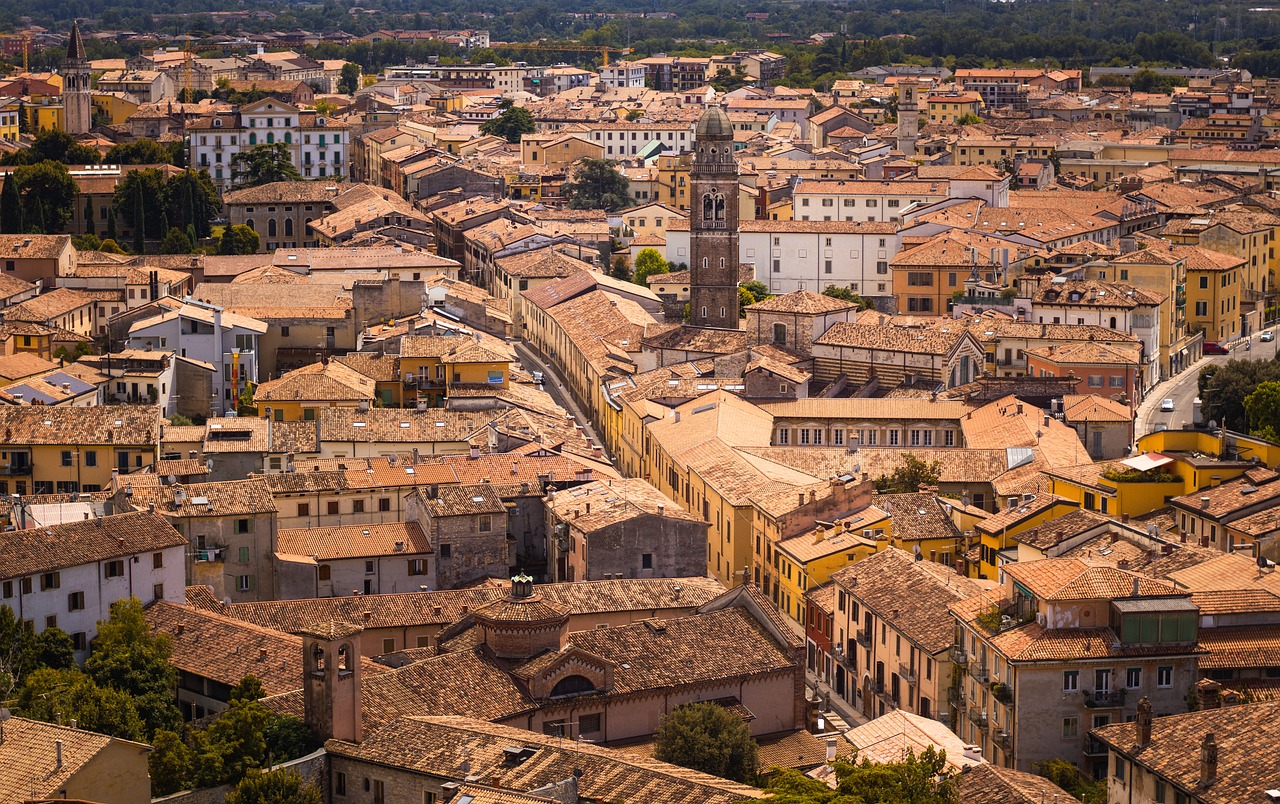
Things to do in Verona for a seamless high-end arrival
If you’re planning what to do in Verona Italy, this travel guide begins where luxury really lives: in the feeling that you’re supported from the moment you arrive. It fits neatly into an Italy itinerary through northern Italy, especially if you’re coming from Milan or Venice; many first-timers love the classic Verona and Venice pairing for romance and culture with minimal travel time. The city of Verona is a UNESCO world heritage site that’s genuinely easy to explore, so you can settle into the atmosphere rather than rush between stops.
If you’re arriving by rail, the main train station for most travellers is the Verona Porta Nuova train station. From there you can take a taxi or bus, but for a seamless start—especially with evening plans or luggage—many high-end travellers prefer a private driver who meets you on the platform and handles the details with care. If you’re flying into nearby airports, pre-booking a chauffeured transfer keeps the arrival crafted rather than complicated, and gives you space to picture the days ahead.
Go to Verona smoothly: private transfers, ZTL tips, and concierge support
To go to Verona well is to keep the first hour gentle. Ask your hotel concierge to arrange curbside car access, particularly if you’re staying inside the historic centre where ZTL traffic restrictions can be confusing. A trusted driver will know the best drop-off points near your accommodation, and you’ll step out already feeling oriented—an understated but important piece of comfort.
Once you’ve checked in, create a soft “first look” walk that links Piazza Bra to the historic centre. Begin in the open space of the square, let the Arena’s arches set the tone, then drift towards Porta Borsari for a handsome slice of Roman Verona that still feels lived-in. It’s an ideal self-guided introduction: straight lines, beautiful stone, and just enough atmosphere to make you feel you’ve arrived properly.
Verona Card: best value for top things, museums and tourist attractions
The Verona Card can be a smart convenience if you plan to visit several tourist attractions over a short stay—especially museums and churches. It’s often most valuable when you intend to include the Arena, the city’s major attraction for first-timers, and key religious sites such as the Duomo di Verona (Verona Cathedral). If your preference is for fewer stops, more lingering, and long lunches, you may find paying as you go suits your pace better.
Set expectations early: the best time to visit is late spring and early autumn, when the light is kind, the evenings stretch, and the streets feel less compressed. Summer is glorious, but crowd patterns intensify around midday and gather again at dusk. If you value context without being hurried, an expert private guided tour can uncover details you’d otherwise miss—fresco remnants, a hidden courtyard, and local stories—while still leaving the afternoon open for your own rhythm.
- Arrival tip: choose a private transfer if you have opera tickets, late dining, or heavy luggage.
- First-hour walk: Piazza Bra → Porta Borsari → a gentle meander into the centre for an easy sense of direction.
- Church etiquette: bring a light layer for modest dress codes at the Duomo and other sacred sites.
From here, Verona has no shortage of ways to make you feel looked after—starting with the city’s most iconic evening experience after dark, and the many other things to do in Verona when the streets glow.




Verona Arena & Arena di Verona – iconic attraction, open-air opera nights and tickets
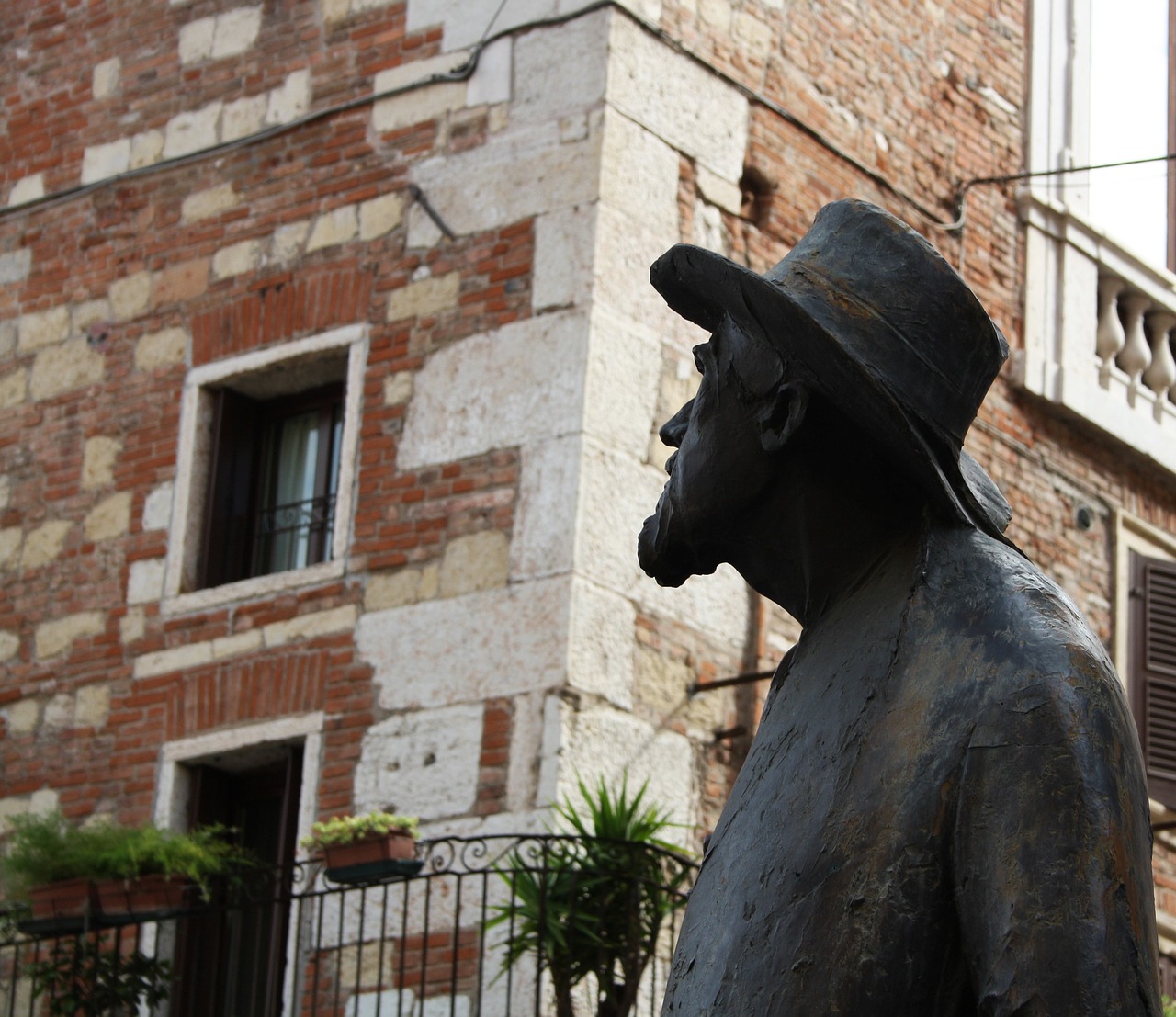
Verona Arena attraction and open-air opera nights
Arena di Verona summer performances are one of Italy’s most unforgettable nights, especially if you love experiences that feel both grand and intimate. This ancient Roman amphitheatre still feels startling in scale, even if you’ve seen celebrated ruins elsewhere. To sit in the Verona Arena under the night sky—listening to music carried across stone that has held crowds since Roman times—creates a sense of continuity that’s difficult to describe until you’ve felt it.
This isn’t just something you “do”; it’s an evening you settle into. The open-air season is famously popular, so book well in advance via official channels or a trusted agent. If you’re unsure where to sit, choose based on the comfort you value: padded seats and central viewpoints tend to feel most effortless, while higher tiers can be atmospheric but require more steps and a little more patience with the flow.
Arena tickets made easy: best seats, timing, and comfort tips
For a high-end evening, let your hotel or travel designer handle ticket selection and timing, then build the night around ease. Arrive early enough to enjoy the light and energy around Piazza Bra, when the city’s confidence rises and the crowds haven’t yet peaked. A refined aperitivo nearby—crisp sparkling wine, light bites, unhurried conversation—gives the night a calm beginning and helps you avoid last-minute queuing.
Plan the return as carefully as the arrival. A chauffeured pick-up or pre-booked taxi removes the only stressful part of opera night, especially when crowds spill back into the square together. If you prefer to dine after the performance, reserve ahead so you’re welcomed, not wandering.
Piazza Bra before the arena: aperitivo, dinner, and evening strolls
One couple celebrating their anniversary told us the opera transformed their stay into a deeply personal memory. They expected a beautiful show; they didn’t expect how the music, the warm stones, and the shared hush would slow them down—together—until the city felt like it was holding the moment for them. That’s the magic of designing an evening with care: Verona does the rest.
After the final applause, take a short, gentle stroll while the amphitheatre empties. Let the streets breathe again, and notice how the arches glow in the late hour. It’s a small ritual, but it builds confidence for evening wandering—and it keeps the night from ending abruptly.
Best things for romance and piazza life in Verona – Piazza delle Erbe and timeless city moments
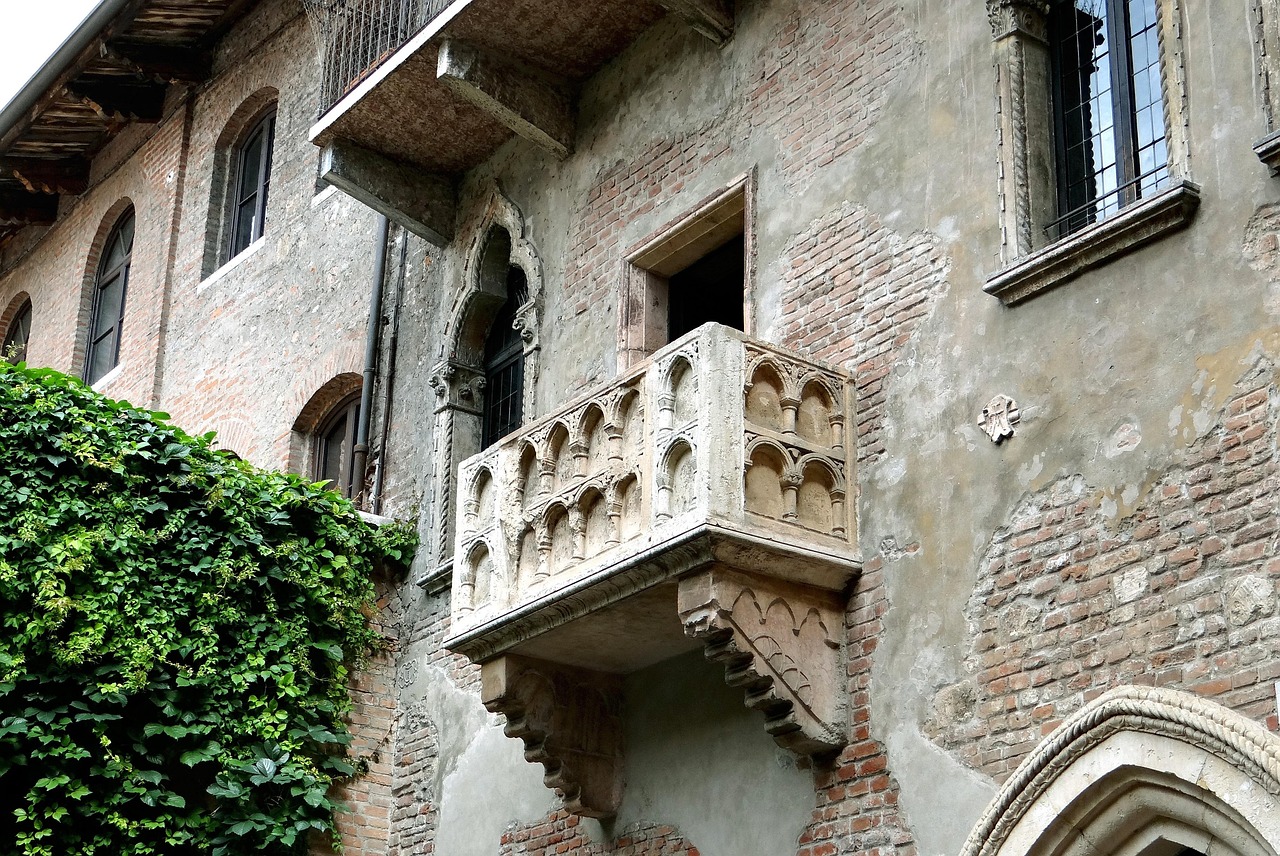
Best things for romance and piazza life in Verona
Verona’s romance is often presented as a checklist, but the city rewards a softer approach. Start early at Juliet’s House (Casa di Giulietta), and you’ll catch a quieter mood before the tour groups arrive. In the courtyard, the famous balcony reads less like a spectacle and more like a prompt to reflect on the Romeo and Juliet legend—and on the stories we choose to create for ourselves.
One traveller described arriving in the early morning when the space was almost empty. Without the crush, they could actually see the layers: the notes, the worn stone, the tender optimism in so many languages. It became less about a photo and more about the human impulse to leave love somewhere it might be found again.
Juliet’s balcony experience: early entry and the courtyard atmosphere
From there, move naturally into Piazza delle Erbe, Verona’s vibrant living room. This piazza is colour and texture: market stalls, frescoed façades, and tables arranged like a scene. Pause long enough to notice how the light shifts across the buildings; in late morning it can feel like the whole square is softly illuminated from within.
Choose one cafe and sit with intention rather than hopping restlessly. A single well-made espresso or a glass of something chilled can be an act of travel as care—proof that you’re not here to rush, but to feel the place.
Piazza delle Erbe to Piazza dei Signori: Torre dei Lamberti panoramic views
For an easy “square circuit”, step from the market square into the calmer grandeur of Piazza dei Signori. The change in atmosphere is immediate: less bustle, more stately lines, a slower pulse. If you’d like a panoramic perspective without hassle, Torre dei Lamberti offers classic views of the city—especially satisfying if you go earlier in the day and avoid the midday peak.
Beauty-with-context travellers should also look for Palazzo Maffei, a cultural jewel on the route that enriches the experience with art and detail. Then, when you’re ready to transition, Via Giuseppe Mazzini (often shortened locally to Mazzini) does its job as the polished link between sights—browse, but don’t overwhelm yourself. Set a small intention (a fragrance, leather, a gift), and keep the day feeling designed rather than distracted.
- Timing: visit Juliet’s House first thing, then linger in the market square once the city begins to hum.
- Detail to notice: fresco fragments and the warm, weathered surfaces that make each piazza feel textured, not pristine.
- Shopping mood: treat the main shopping street as a gentle promenade, not a mission.
When you’re ready for depth beyond piazza life, the city’s art and history are waiting in stone and shadow by the river.
Art and history by the river – Castelvecchio, Ponte Pietra, Castel San Pietro and the Adige River
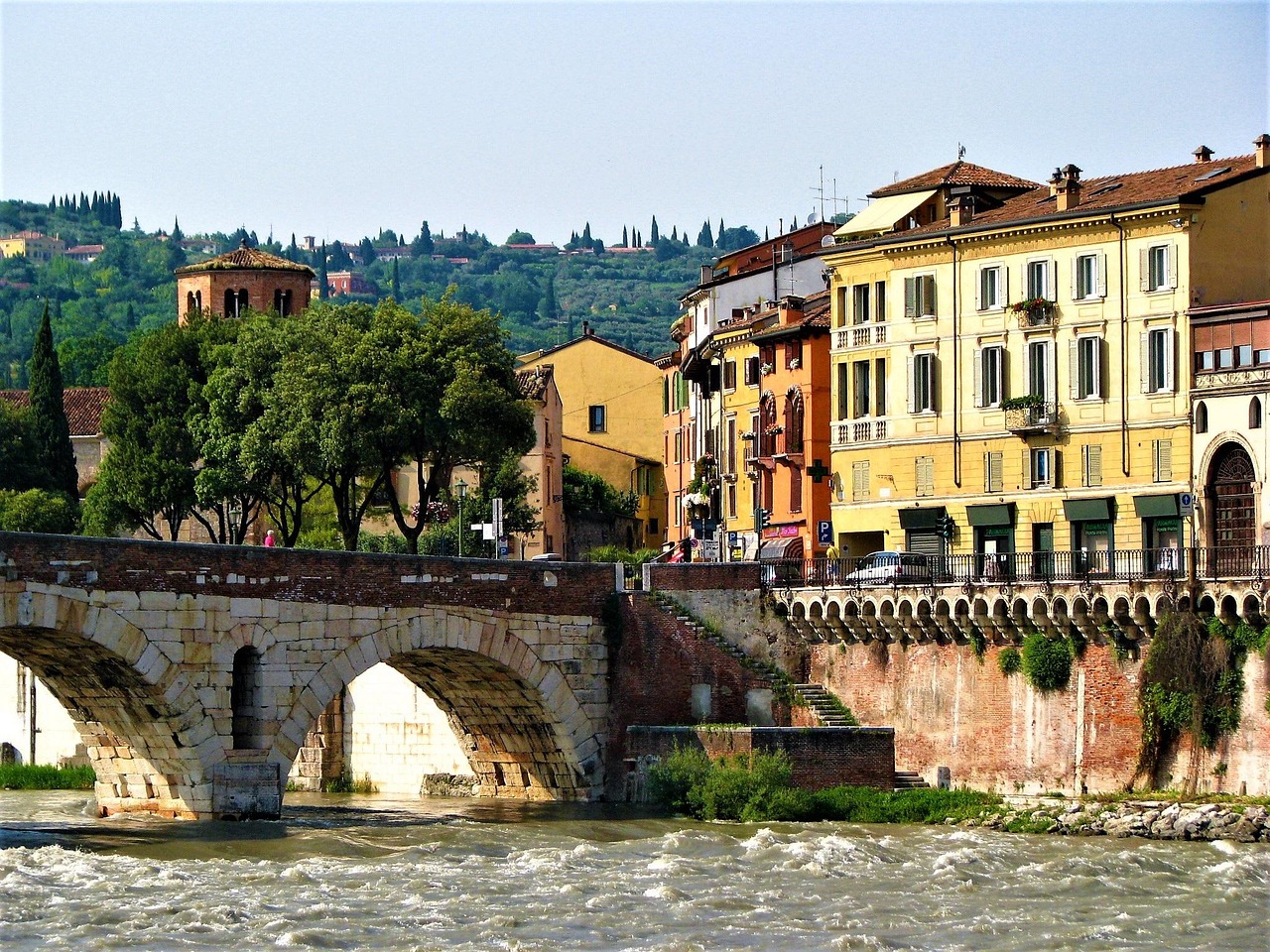
Art and history at Castelvecchio and the riverside viewpoints
This river-and-hills thread is the itinerary that gives Verona real emotional weight. Begin with Castelvecchio, an essential stop if you care about art and history presented with intelligence and restraint. The fortress matters as much as the collection: thick walls, a measured courtyard, and a sense that you’re stepping into layered time rather than simply looking at objects behind glass.
An art lover once told us they expected a “good museum” and found something quieter and more profound. The curated rooms felt like a conversation with the city’s past—unhurried, dignified, and deeply human. It’s the kind of place where your pace naturally drops, and you begin to see the streets differently when you step back outside.
A fortress museum moment: medieval and renaissance works and Verona’s quieter side
After the museum, design your golden-hour route along the water. There’s something instantly calming about walking beside the Adige as the light lowers and the day’s edges soften. For classic viewpoints, head towards the bridge and listen to the city settle into evening.
Then continue along the Adige until you reach Ponte Pietra. Here, take a minute for views of the river, then cross the ponte and begin the climb towards Castel San Pietro for a higher perspective. The reward is a view of Verona that turns rooftops and domes into a composed painting, with the river looping through it like a ribbon.
Along the Adige River: cross the Ponte Pietra to Castel San Pietro for a view of Verona
If you want a green interlude, consider Giusti gardens. They offer an elegant reset when you’re ready to step away from the busiest lanes: clipped hedges, perspective tricks, and a slower rhythm that feels intentionally crafted. It’s not about doing more; it’s about doing what restores you.
And if you’re weaving churches into your day, aim for one with real presence—such as the Basilica of San Zeno—rather than trying to see them all. The cathedral and Sant’Anastasia can also be meaningful, especially with the right context and a little time to linger.
Eat in Verona, Amarone wine & a Lake Garda day trip – where to stay in Verona
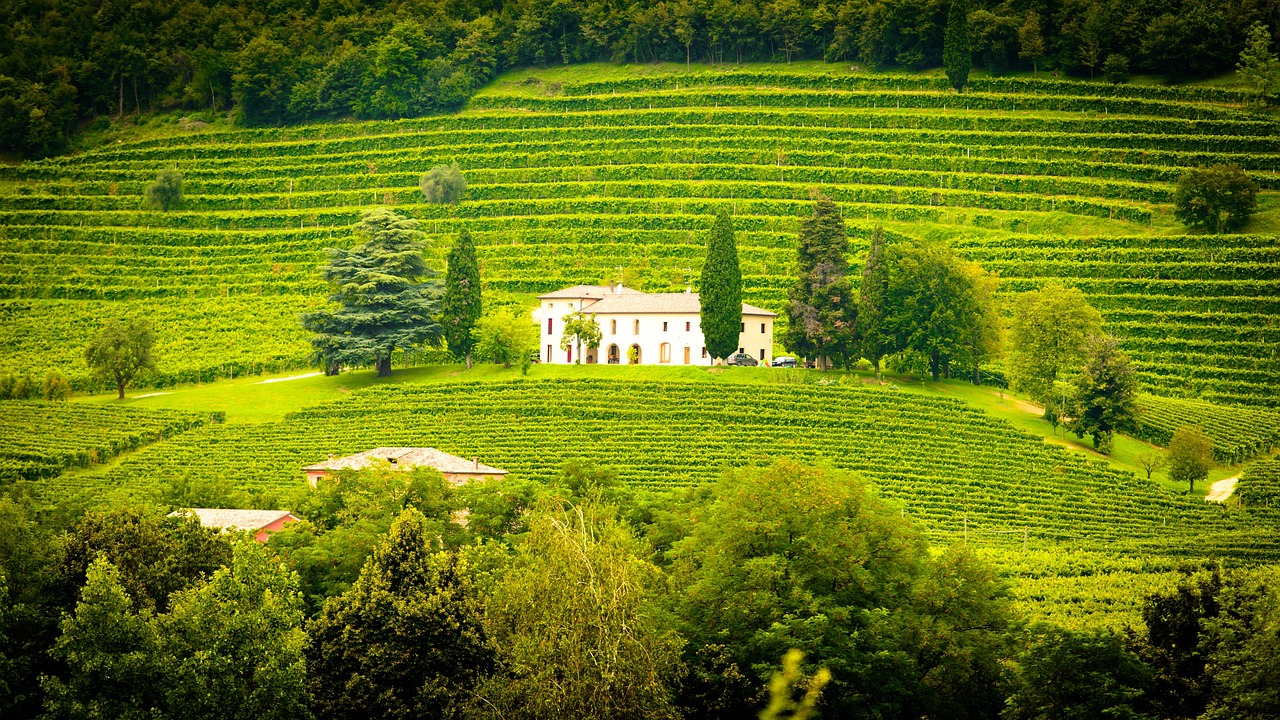
Valpolicella wine, eat in Verona, and a Lake Garda day trip
This is where your plans become truly personalised: one day for wine country, one day trip for lake light, and plenty of time in town for long meals. A private countryside experience is less about drinking more and more about accessing places that don’t run like production lines. Exclusive appointments often include calm cellar visits, a gentle introduction to the landscape, and tastings paced so you can actually understand what you’re enjoying.
For comfort and safety, a private vehicle matters—especially if you’re moving between estates or finishing with lunch. When you reserve ahead, you can ask for what suits you: a vertical tasting, a library bottle, or a pairing meal that feels like someone has genuinely designed it for the table in front of you.
Valpolicella: Amarone tastings and veronese food pairings
In Valpolicella, Amarone is the headline: rich, structured, and best appreciated slowly, ideally with food. Ripasso is often the more flexible companion—still characterful, but lighter on the palate and lovely with regional dishes. A wine connoisseur once described their private vineyard visit as a highlight of their Italian journey, not only for the wines but for the warmth of local vintners who treated them like returning friends; those veronese touches of hospitality can be the real luxury.
Back in town, eat in Verona with a local twist. Order gnocchi as a signature comfort, then let the rest of the meal unfold with pacing that respects your plans—especially if you’re heading to an evening performance. In upscale restaurants, tipping is appreciated but not obligatory; rounding up, or leaving around 10%, is customary when service has been thoughtful.
Stay in Verona: hotel areas, rooftop terraces, and a Lake Garda day trip
Choosing where to stay in Verona shapes the whole trip. The historic centre places you close to your favourite evening strolls, but it can be busier; quieter edges give you a calmer return at night and easier car access. In either case, prioritise hotels with reliable concierge support, smooth check-in, and (if it suits you) a rooftop terrace for a late drink under the lights.
For a polished escape, a Lake Garda day trip delivers lakeside glamour with minimal effort from the city. If you prefer a beaten path alternative, ask your driver to steer towards smaller villages where the water feels calmer and the lunch spots feel more local. Either way, this slice of the Veneto region pairs beautifully with Verona: one day of lake light, then back to town for dinner and a slow walk home.
- What to ask wineries for: cellar visit, vertical tasting, and a pairing lunch with seasonal produce.
- Reservation rhythm: book tastings and key dinners ahead, then keep the rest of your time open.
- Ease factor: a private driver for wine country and your lake day keeps everything seamless.
If you’d like inspiration for a broader route that includes Verona, you can browse our Trip gallery and imagine what a fully supported journey could feel like.
What stays with you after Verona: reflections and personal moments
Reflections and personal moments often arrive later, when you’re home and something small brings it back: the sound of footsteps in a quiet lane, or the way evening light softened the stone. A trip to Verona doesn’t demand attention; it settles in gently. You remember opera notes held in warm air, the hush before applause, and the sense that the city knew how to hold you without asking for anything in return.
What lingers is rarely the “headline” moment on its own, but the care in the choices around it. An early courtyard when the day was still kind. An unhurried coffee where you could simply watch the city breathe. A glass raised after a long lunch, when conversation felt easy and time felt generous.
Perhaps that’s Verona’s gift: it makes room for connection—between music and silence, between beauty and meaning, between you and whoever you’re travelling with. Long after the suitcases are unpacked, you may find you’ve brought back something subtler than souvenirs: a renewed confidence in travelling well, and a quiet trust in choosing places that let you feel looked after.
And somewhere in the back of your mind, you can already sense it—the thought of returning to Italy, not to repeat the same days, but to uncover what this city still has to show you: more things to do and see, in a different season, under a different light.
F.A.Qs: what to do in Verona Italy
Is Verona, Italy worth visiting?
Yes—especially if you enjoy compact, elegant cities with real depth. Verona balances iconic sights like the Verona Arena with quieter pleasures along the Adige River, and it feels genuinely walkable, refined, and welcoming for a short luxury stay.
Is 2 days in Verona enough?
Two days is enough to experience the main highlights at an unhurried pace: an evening at the Arena di Verona, a morning for the historic centre, and time for a museum or riverside viewpoint. Add a third day if you want wine country or Lake Garda without compressing your schedule.
What to do with 1 day in Verona?
With one day, focus on a simple centre route: Piazza Bra and the arena area, then Piazza delle Erbe and nearby lanes, finishing with a sunset stroll along the river. If timing aligns, an evening performance makes the day feel complete without adding extra stops.
What movie was filmed in Verona, Italy?
Several films have used Verona as a backdrop, but one of the best-known is Letters to Juliet, which leans into the city’s romantic atmosphere. It’s a light, cinematic lens on Verona’s courtyards, piazzas, and love-letter mythology.