Post Contents
- Designing a luxury itinerary: things to do in Rome, Italy, with calm, comfort, and style
- Colosseum and Roman Forum private guided tour in Rome, Italy: dawn entry and after-hours access
- Vatican Museum, Sistine Chapel, and St Peter Basilica: a luxury guided tour in Vatican City
- Pantheon loop to Trevi Fountain and the Spanish Steps: Piazza Navona walk for top attractions in Rome
- Rome food tour in Trastevere: private tastings of Italian food and wine after dark
- F.A.Qs: things to do in rome italy
- What Rome leaves with you: favourite things that linger after you visit Rome
Designing a luxury itinerary: things to do in Rome, Italy, with calm, comfort, and style
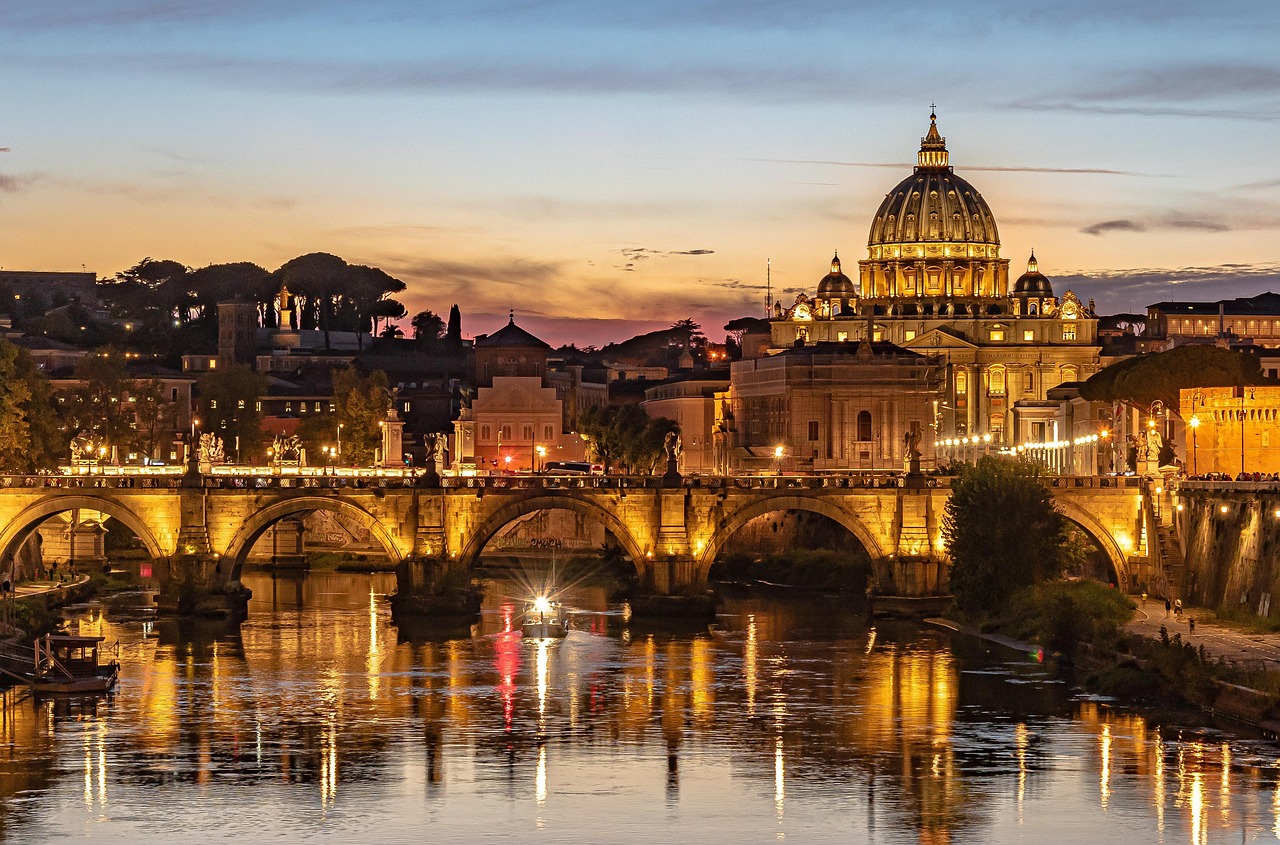
Designing your itinerary with confidence and care along the Tiber River in the city of Rome
If this is Rome for the first time, the most luxurious decision you can make is to slow the pace before you even arrive. A Rome itinerary can read like a checklist, yet the city of Rome reveals itself best when each day feels personal, crafted, and unhurried. Expect tourist areas to swell from mid-morning around the main tourist attractions, and plan your day so you meet the city before it’s busy.
A reassuring truth: you don’t need to see everything to feel you’ve truly visited Rome. There is much to see, but the best way to see it is to create breathing room—time for a quiet espresso, a place to get your bearings, and a few deliberate moments of beauty that stay with you. Think of it as a gentle way to experience Rome rather than a race between stops.
Best places to stay: a 4-5-day framework for a relaxed first stay in Rome
For a first stay in Rome, choose a neighbourhood in Rome that matches your rhythm. Centro Storico keeps you close to the Pantheon, piazza life, and many sites in Rome you can reach on foot; near the Vatican works beautifully if you want early entry and calmer mornings; Trastevere suits travellers who prefer evenings with atmosphere and a slightly more local, lived-in Rome texture.
To shape a confident 4-5-day framework, group Rome’s locations into walking loops rather than crisscrossing the city. One loop might sweep through the Centro Storico (Piazza Navona, Trevi Fountain, Piazza di Spagna and the Spanish Steps), another through ancient Rome (Colosseum, Roman Forum, Palatine Hill), and a third devoted to the Vatican Museums and St. Peter’s Basilica. You can also weave in Villa Borghese for an elegant pause—its gardens are a gentle counterpoint to stone and crowds, and the Borghese Gallery is a museum moment that feels quietly magnificent.
If you’re considering a one-day trip, keep it simple and supportive: Tivoli’s villas or Frascati’s vineyards sit outside of Rome without stealing your whole time in Italy. A day trip works best when it’s private, timed early, and you return before the city’s evening glow.
Seamless movement: Termini Station transfers, private drivers, and a romantic Vespa way to experience
Seamless movement is the difference between simply seeing the sites and feeling held by the experience. For high-end travellers, a private driver is often the most comfortable choice: you avoid parking stress, arrive at entrances on time, and keep energy for the moments that matter. A luxury car rental can work, but driving and ZTL zones can distract from the itinerary—walk when you can, and let the city unfold at human speed.
If you arrive by train, Termini Station is straightforward with support: arrange a meet-and-greet, and you’ll transition from platform to hotel without fuss. City Rome can feel surprisingly compact once you begin to move in loops, and your guide can tailor routes to shade, stairs, and the pace you enjoy—especially helpful for popular tourist corridors where crossings and crowds slow you down.
One couple described their private Vespa ride at twilight as the most cinematic way to experience: cobblestones humming beneath you, warm air on your hands, and the city’s lamps coming on one by one. It was romantic without trying too hard—just Italy travel at its most effortless, and a beautiful way to experience the city together.
Quick planning notes, with care: book your tickets well in advance for top sites, especially if you want a guided tour rather than standard entry. An audio guide can be surprisingly helpful for smaller monument visits when you’d rather wander freely. And don’t underestimate joy pacing: build in gelato stops, a rooftop pause, and time to simply watch Italians talk with their hands and their whole hearts.
- When to visit Rome: spring (April to June) or early autumn (September and October) for pleasant weather and fewer tourist surges.
- Comfort and confidence: a private driver for transfers and hillier stretches; walking for Centro Storico and piazza loops.
- Style and respect: modest dress for churches, particularly near the Vatican and inside sacred spaces.
- Micro-luxury: schedule Villa Borghese early, and keep Via Condotti shopping for a quieter weekday morning.
If you’d like inspiration for trips to Rome and beyond, you can browse our Trip gallery and imagine what your Italy itinerary could feel like with expert support and an experience designed around your pace.




Colosseum and Roman Forum private guided tour in Rome, Italy: dawn entry and after-hours access

Colosseum and Roman Forum at dawn and after-hours for a private tour in Rome, Italy
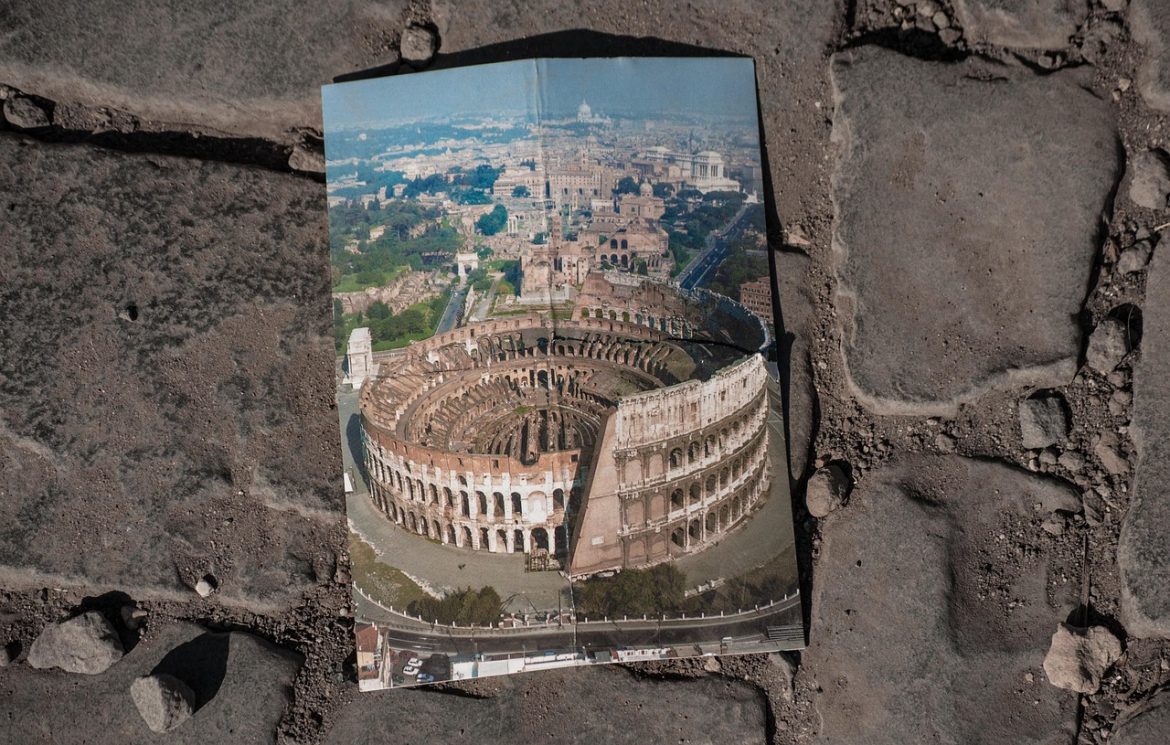
For many travellers, the most powerful Colosseum and Roman Forum experience isn’t about ticking off an attraction in Rome—it’s about entering history with quiet. The Colosseum can feel theatrical in the best way, and an early-entry or after-hours Colosseum visit changes everything: fewer voices, softer light, and a sense of the arena as a place of human stories rather than a crowd funnel.
Your guide can bring gladiator life into focus without sensationalism—who fought, why the games mattered, how the structure worked, and what remains beneath the stone. In the right light, the Colosseum is less a ruin and more a living lesson in power and design, becoming one of those tourist attractions that still feels intimate.
Colosseum mood and the Colosseum and Roman Forum sequence with Palatine Hill
Pair the Colosseum with the Roman Forum and Palatine Hill for continuity. The easiest flow is to begin with the Colosseum while you’re fresh, then move into the Roman Forum before mid-morning bottlenecks, finishing on Palatine Hill for a broader view of Rome. This sequencing reduces backtracking and keeps you ahead of the busiest pinch points.
There’s also a practical elegance in letting the story unfold geographically: amphitheatre to civic heart to hilltop. You don’t just see the icons—you understand how the city worked, one step at a time, which is the best way to see why this destination shaped the world.
Sunrise from the upper tier: tickets to prioritise, and what to see and what to skip
A traveller once told me their unforgettable moment came at sunrise from the Colosseum’s upper tier during a VIP tour. The city was still waking, the air cool, and the scale felt newly legible—less like a photo you’ve seen, more like standing inside an idea. They described a goosebump stillness, as if the Colosseum was finally speaking at its own volume.
For high-end planning, ask specifically about entrances and restricted areas. Depending on availability, restricted areas can include the arena floor or sections that keep you away from the main tourist streams. In high season, aim for 30 days in advance for the most coveted slots, and confirm which entry gate your host will use so your arrival is seamless.
Photography and comfort matter here. Wear shoes with grip for uneven surfaces, bring water, and consider a light layer for early mornings. If heat or mobility is a concern, your guide can help you decide what to see and what to skip so the Colosseum remains a pleasure rather than an endurance test.
Vatican Museum, Sistine Chapel, and St Peter Basilica: a luxury guided tour in Vatican City
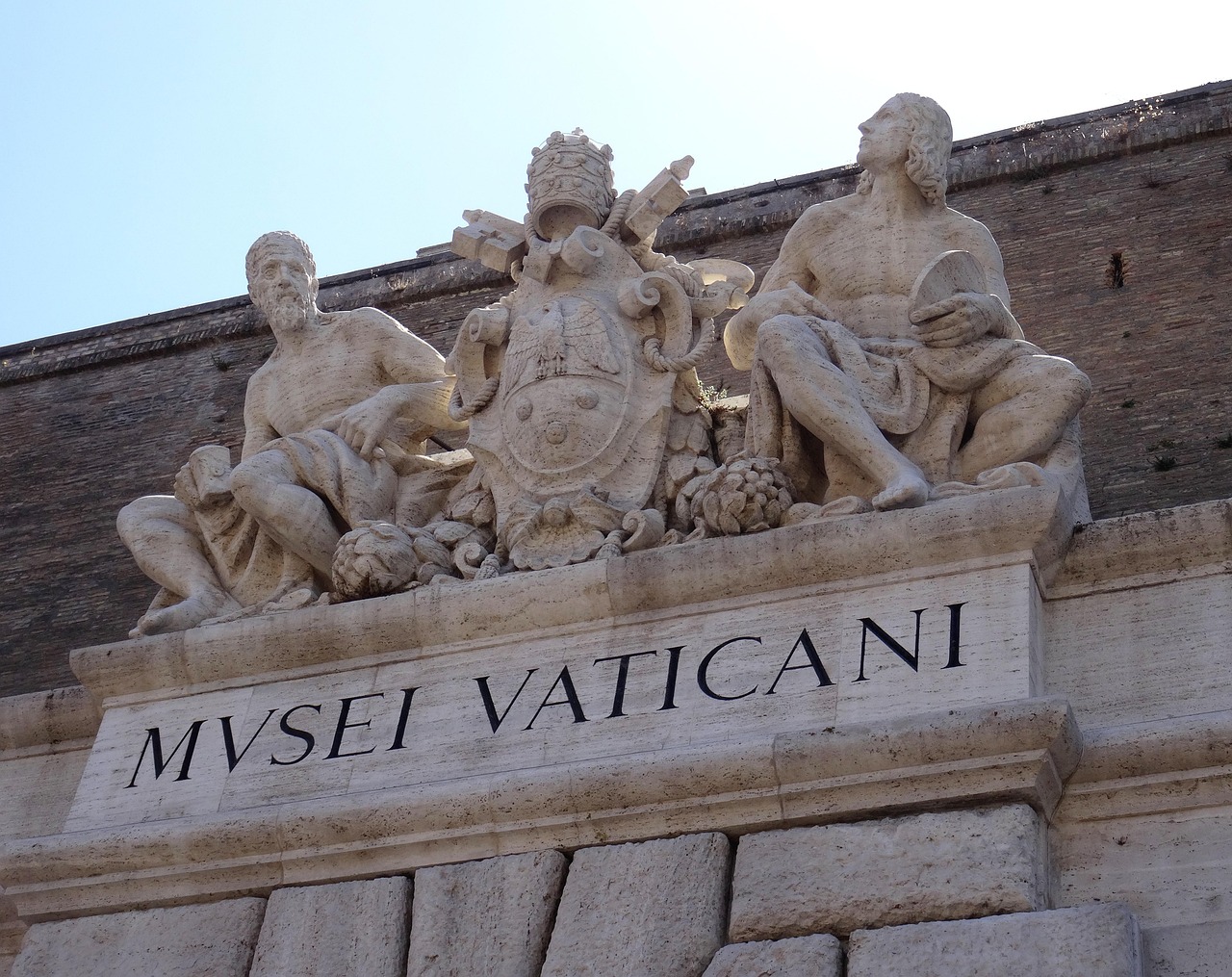
Vatican City with an expert guide beyond the highlights in a luxury Vatican Museums visit
The phrase Vatican Museum, Sistine Chapel, and basilica in one day sounds comprehensive because it is, yet the magic lies in how gently it’s paced. The Vatican Museums are a museum complex on a grand scale, and an expert guide helps you move through it with confidence: knowing when to linger, when to bypass a busy corridor, and how to uncover quieter galleries that most tourist itineraries rush past.
With the right support, the Vatican becomes less of a queue and more of a conversation. You’re not only visiting a monument; you’re entering a layered world of art, power, devotion, and human craft, right in the heart of Vatican City.
Vatican Museum flow, Sistine Chapel etiquette, and protecting your energy
Inside the Vatican Museum, an insightful guide can connect the dots between rooms, making the experience feel curated rather than overwhelming. They’ll also help you time the Sistine Chapel so you arrive with enough calm to actually see it—rather than just shuffle through it with the crowd.
Dress modestly for sacred sites (covered shoulders and knees), and keep your voice low inside the Sistine Chapel. Plan a water break and a short pause before the basilica; it’s a beautiful space, but it can also be physically demanding if you try to do everything at a fast pace.
Early access or late slots: choosing a guide (and a cool places add-on near the Vatican)
One high-end traveller described the warmth of a Roman guide who tailored their Vatican visit to lesser-known artworks and stories. The guide had lived in Rome and seemed to sense when the group needed shade, silence, or a slightly different angle. Instead of repeating a standard script, they created an experience that felt personal—like discovering the Vatican together, with care.
To optimise timing, consider early access for tranquillity, or late slots for softer light and a slower exit. Private vs small group depends on your priorities: private is the most flexible, while a tightly curated small group can still feel refined. Either way, this is a top-attraction strategy: avoid queues without stress and keep your attention on what you came to feel.
If you’d like an optional add-on with fewer crowds, Castel Sant’Angelo nearby is one of those cool places that still feels connected to the Vatican story, yet refreshingly spacious compared with the main corridors. It’s also an elegant place to get a panorama and reset before dinner.
- Timing tip: aim to secure prime entry days in advance, especially in spring and early autumn.
- What to carry: a small bottle of water, discreet sun protection, and a light scarf for modesty and comfort.
- Mindset: this is not a race—your guide’s job is to keep the Vatican calm, meaningful, and efficient.

Pantheon, piazza life and Rome’s iconic monuments in the Centro Storico
When you’re ready for an unhurried day of walking, this Pantheon-to-piazza loop becomes a ribbon of beauty through the Centro Storico. This is where the best things often happen between the famous stops—through a small piazza, along a side street, or in the pause before a fountain comes into view. It’s a classic set of tourist attractions, but it doesn’t have to feel touristy if you start early and keep a gentle pace.
Think of this loop as things to see with elegance: a sequence of monuments that are close enough to feel effortless, especially if you begin early and drift rather than march. For travellers planning activities in Rome, this is the ideal midday reset between heavier museum visits.
Pantheon mornings: a monument that still feels alive
The Pantheon is Rome’s living monument—ancient engineering that still feels startlingly modern. Arrive early for the calmest atmosphere, when the queue is shortest, and the light through the oculus is clean; the Pantheon rewards those quiet first minutes. Take a moment to notice how sound behaves under the dome—your footsteps, the hush of other visitors, the way the building seems to hold time.
Because this site fits naturally into everyday life, it’s also a gentle reminder that Rome isn’t just an open-air museum. It’s a working city of cafés, courtyards, and ordinary errands—one reason it feels so human even when you’re surrounded by history.
Piazza moments, Trevi Fountain rituals, and the Spanish Steps from Piazza di Spagna
From there, let the day unfold through piazza scenes: Piazza Navona for atmosphere and artists, Piazza del Popolo for scale and symmetry, and Piazza di Spagna (Spagna) for that classic approach to the Spanish Steps. If you want a view of Rome from the top of the steps, go early or at dusk; at midday, it becomes popular with large tour groups, and the mood changes.
At Trevi Fountain, timing is everything. Go at first light or late evening, choose a spot slightly to the side, and keep your camera work simple—this is an experience as much as an image. If you’re drawn to the tradition, throw a coin over your shoulder once and make a quiet wish; it’s a gentle promise to return to Rome, not a performance.
For context and photos, the Victor Emmanuel II monument in Piazza Venezia is a striking symbol of unified Italy and of Victor Emmanuel II, the first king of Italy. It is grand, bright, and sometimes polarising—yet worth seeing with a guide’s insight so it feels more than just a backdrop.
Micro-luxury additions make this loop sing. Choose a rooftop aperitivo near Spagna, plan a gelato stop (ask your concierge for the best gelato in this zone), and note which attractions are free to enter and which require a ticket. Many churches are free to enter, while certain viewpoints and museums require booking.
Rome food tour in Trastevere: private tastings of Italian food and wine after dark
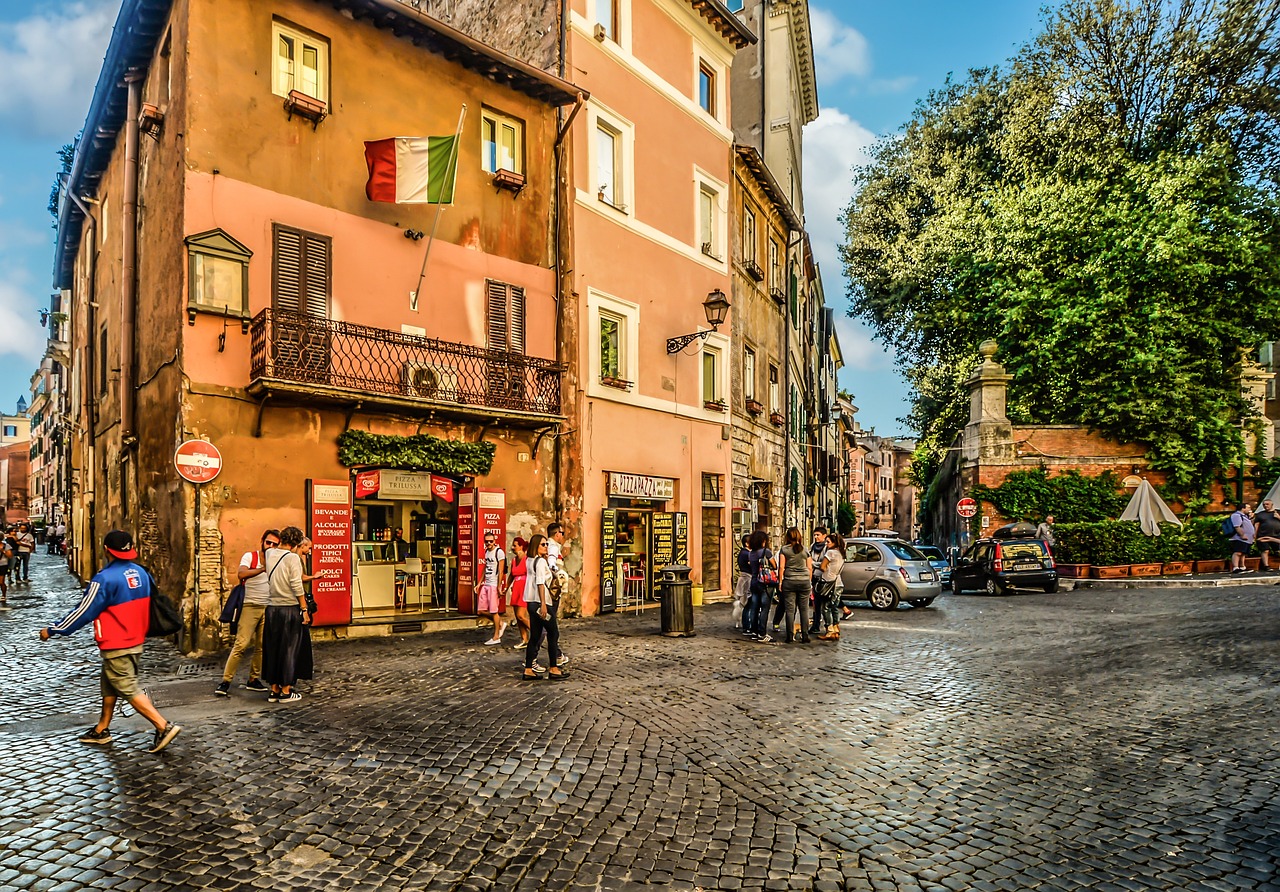
Trastevere evenings and a crafted food tour with Italian food and wine
If your day has been full of marble and masterpieces, the antidote is often evening Trastevere. The phrase ” Rome food tour in Trastevere ” can sound indulgent because it is, but when it’s done well, it’s also intimate, local, and deeply reassuring. You’re not chasing trends; you’re uncovering a neighbourhood in Rome that feels warm, a little bohemian, and beautifully alive after dusk.
Trastevere’s lanes have a particular texture: ivy, lantern light, the clink of glasses, and the soft choreography of people greeting one another. It’s one of the fun things to add to a refined itinerary when you want the city to feel like a companion rather than a spectacle.
Choosing a tour in Trastevere that feels intimate (not crowded)
A good tour in Trastevere should feel like a curated evening with a knowledgeable friend. Look for small numbers, a guide with genuine insight, and stops that prioritise craft over crowds. If you prefer a known operator, you might consider a tour with Walks of Italy, then ask for a premium small-group option that keeps the pace civilised.
One simple rule: if the guide is shouting over the street, it’s not luxury. The right experience should allow conversation, comfort, and time to actually taste what’s on the plate—especially on popular tourist streets where noise can flatten the mood.
Food tour pacing, private tastings, and a palazzo wine pairing story
A crafted food tour typically centres on Roman classics—supplì, a silky carbonara, seasonal antipasti—and a thoughtful gelato finish. For high-end travellers, quality and pacing matter more than quantity; your evening should feel light, not like a marathon.
If you prefer something more private, reserve a renowned trattoria and ask for a tasting menu with pairings. Share preferences in advance (allergies, favourite styles, whether you love bold reds or mineral whites) so the kitchen can create something personal. A sommelier-led dinner can transform the night into a cultural experience, not just a meal—and it’s one of our favourite ways to understand Italian food beyond the menu.
One traveller recalled a wine-pairing dinner in a historic palazzo, where the sommelier explained rare Italian vintages with such generosity that everyone leaned in. The service felt like care: glasses appearing at the right moment, stories offered without ego, and a gentle sense that you were being looked after together.
Confidence notes for evenings: be aware of pickpockets in busy areas (especially near transport nodes), and choose late-night transport with a private driver if you’re dressed up. Trastevere is generally safe, but calm planning helps you relax into the night.
- What to order: ask what’s seasonal, then trust the kitchen—Italian food is at its best when it’s simple and precise.
- Tipping: appreciated, not obligatory—round up or leave around 5–10% if service feels excellent.
- After dinner: stroll a quieter lane rather than the loudest strip; Trastevere rewards the softer corners.
F.A.Qs: things to do in rome italy
What can you not miss in Rome?
If you want three things that capture Rome’s essence, prioritise the Colosseum with an early-entry or after-hours experience, the Vatican Museums with the Sistine Chapel, and a slow Centro Storico walk to the Pantheon, Piazza Navona, and Trevi Fountain. Add one evening in Trastevere for atmosphere and Italian food. These cover history, art, and daily life—without rushing.
Is 3 days enough to visit Rome?
Three days is enough to visit Rome well if you design a tight, calm itinerary: one day for ancient sites (Colosseum and Roman Forum), one for the Vatican City highlights (Vatican Museum routes plus the basilica), and one for a Centro Storico loop with Piazza Navona, Trevi Fountain, and the Spanish Steps. Use early starts, pre-booked entries, and a private driver for key transfers.
Is $10,000 enough for a trip to Italy?
$10,000 can be enough for a high-end trip to Italy, depending on trip length, season, and hotel category. For Rome, it may include a luxury hotel, private transfers, a couple of premium guided tours (such as the Colosseum and the Vatican), and excellent dining—especially if you travel in the shoulder season. For longer multi-city time in Italy, budgeting becomes more sensitive.
Do and don’ts in Rome?
Dress modestly in churches, keep valuables secure in crowded tourist areas, and plan major attractions with pre-booked tickets or private tours. Do build in pauses—Rome is best savoured. Don’t rely on driving yourself in the historic centre unless you’re experienced with ZTL rules, and don’t try to fit too many top attractions into one day. A crafted pace is the real luxury for tourists and seasoned travellers alike.
What Rome leaves with you: favourite things that linger after you visit Rome
Long after you’ve left the eternal city, it isn’t the checklist that returns to you. It’s the way stone holds warmth at night, and how a piazza seems to change tone when the evening air cools. It’s the sound of footsteps threading through streets that have carried thousands of lives, and the quiet dignity of history sitting beside ordinary mornings.
When people describe the things to do in rome italy they loved most, they often return to small moments: the hush inside the Colosseum when the light was still new; the intimacy of a guide’s story in a museum corridor you might otherwise have rushed through; the ease of a seamless day designed with trust and care. These are not souvenirs you can pack, yet they travel with you more faithfully than anything in a shopping bag from the shops in Rome.
There’s also something generous that happens when you travel well together. You begin to share a language of beauty—an exchanged glance at a painted ceiling, a laugh over gelato, a pause to watch the city move. In that shared rhythm, confidence grows: you learn that you can enter busy places without being claimed by them, and that your time can feel both grand and deeply personal.
And perhaps that is Rome’s quiet gift. It doesn’t demand that you conquer it; it invites you to notice. If you do return to Rome one day, it may feel less like repetition and more like opening a familiar door—Rome waiting, patient, just beyond the next turn of light.