Post Contents
- Design an Italy bucket list itinerary for high-end travellers and tourist attractions with travel destinations
- Rome’s landmark tourist attractions and Italy bucket list experiences in the Eternal City
- Venice tourist attractions in Italy offer luxury gondola experiences with a romantic quiet charm.
- Amalfi Coast Naples attractions in Italy, luxury trip planning for one of the most beautiful seaside travel destinations
- Florence, Tuscany, Milan, Dolomites, Italy landmarks, and tourist attractions itinerary.
- F.A.Qs: Tourist attractions in Italy and luxury travel planning
- After Italy, what stayed with you
Design an Italy bucket list itinerary for high-end travellers and tourist attractions with travel destinations
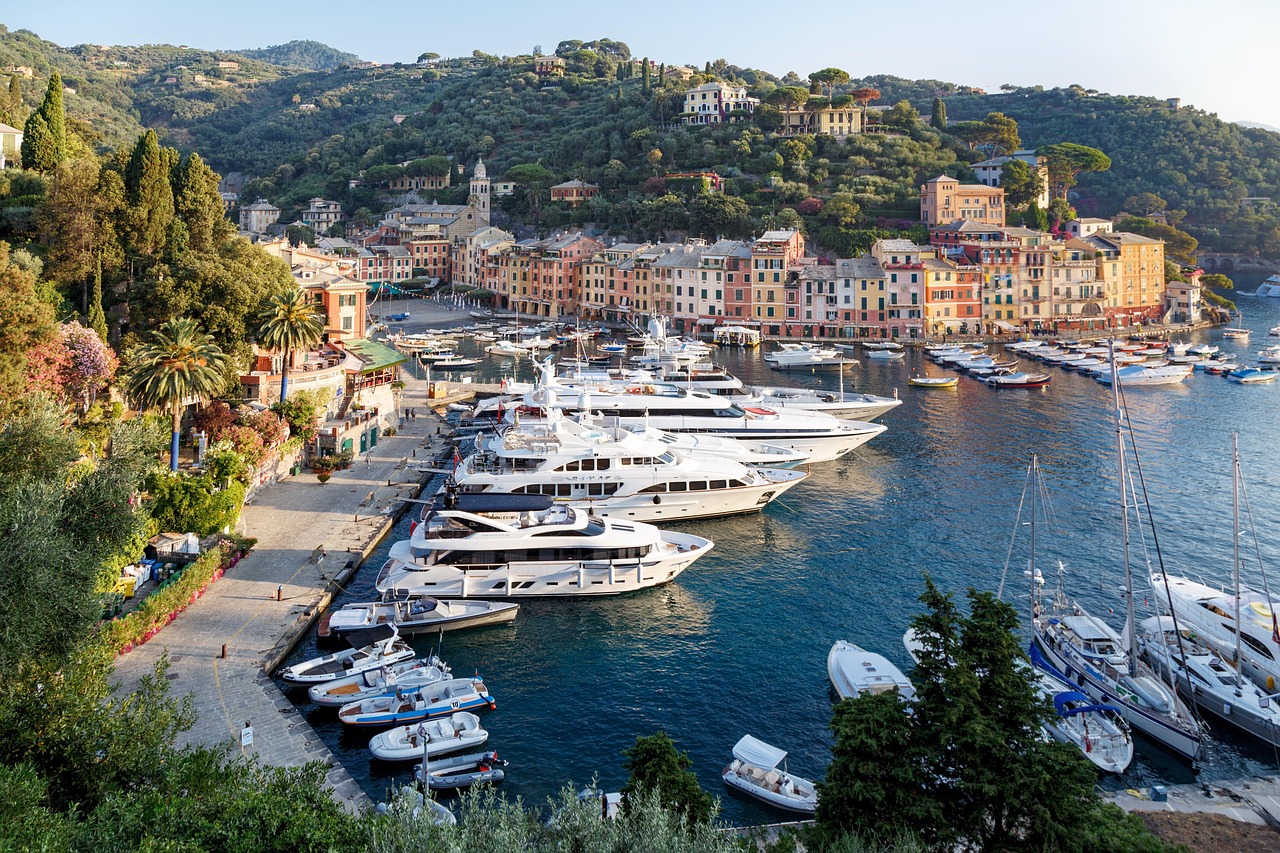
Design an Italy bucket list itinerary for luxury travel destinations in Portofino
If you’re looking for an Italy bucket list itinerary for high-end travellers and tourist attractions, think of it as a curated travel bucket list rather than a checklist. The art is in balance: famous Italian landmarks that feel essential, paired with quieter, local discoveries that help you uncover the country’s softer rhythm. This approach builds trust in the plan—because you’re not constantly negotiating queues, transfers, and dealing with decision fatigue.
A classic routing works beautifully for both first-timers and return visitors: Milan, Venice, Florence, Rome, then Naples and the Amalfi Coast, with an optional Sicily extension at the end. It moves from northern style to central Italy’s artistry, then down into southern Italy’s warmth, letting each stop feel distinct while still seamless.
Suggested routing across Italy travel destinations with breathing space
Start with Milan for design and fashion, then glide to Venice for a slower water-level wonder. Continue to Florence for Renaissance depth and Tuscany day escapes, then head to Rome—the capital of Italy—where ancient and modern life share the same streets. From there, Naples becomes your lively gateway near Naples to coastal calm, before the beauty of the Amalfi Coast offers a well-earned exhale.
- Milan: 2 nights for rooftop views, galleries, and aperitivo (arrive rested).
- Venice: 2 nights for dawn strolls, a museum slot, and a romantic canal moment.
- Florence: 3 nights to explore, plus a Tuscany day with rolling hills and a vineyard lunch.
- Rome: 3–4 nights for the Colosseum, Vatican, and evening piazza rituals.
- Naples + Amalfi Coast: 4–6 nights split between city energy and seaside restoration.
- Optional Sicily: 4–5 nights for a slower finale and beach afternoons.
Best time to visit Italy for a crafted luxury pace
The best time to visit depends on the feeling you want to create. Spring brings soft city light in Rome and Florence, with gardens and café terraces easing back to life. Summer is for longer days and the beach mood—especially May–September on the Amalfi Coast—while autumn in Tuscany leans into harvest tables and warm-coloured countryside. Winter suits museum lovers: Milan and Rome feel more local, and the Dolomites become a snow-edged dream of clean air and calm.
To keep the journey seamless, build in “white space”: long lunches, time for boutique browsing, and unhurried evening walks. If you’d like inspiration for how this can look in real life, our Trip gallery shares a sense of pacing and atmosphere.
Getting around is reassuringly straightforward. Italy’s train network is efficient and comfortable, and first-class tickets add quiet, room to breathe, and better support when plans shift. Add a private driver for countryside routes (Tuscany) or cliff roads (Amalfi Coast), where confidence matters more than saving minutes.




Rome’s landmark tourist attractions and Italy bucket list experiences in the Eternal City
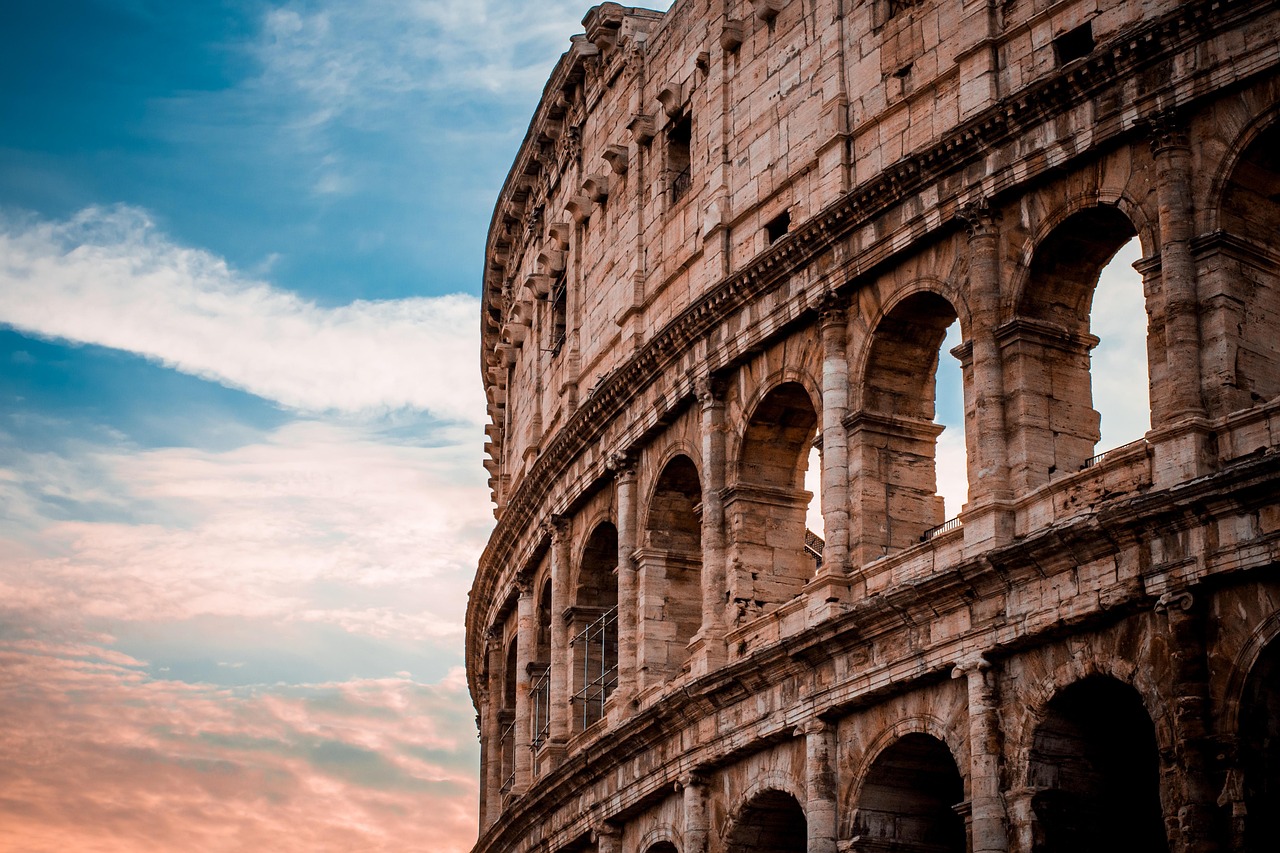
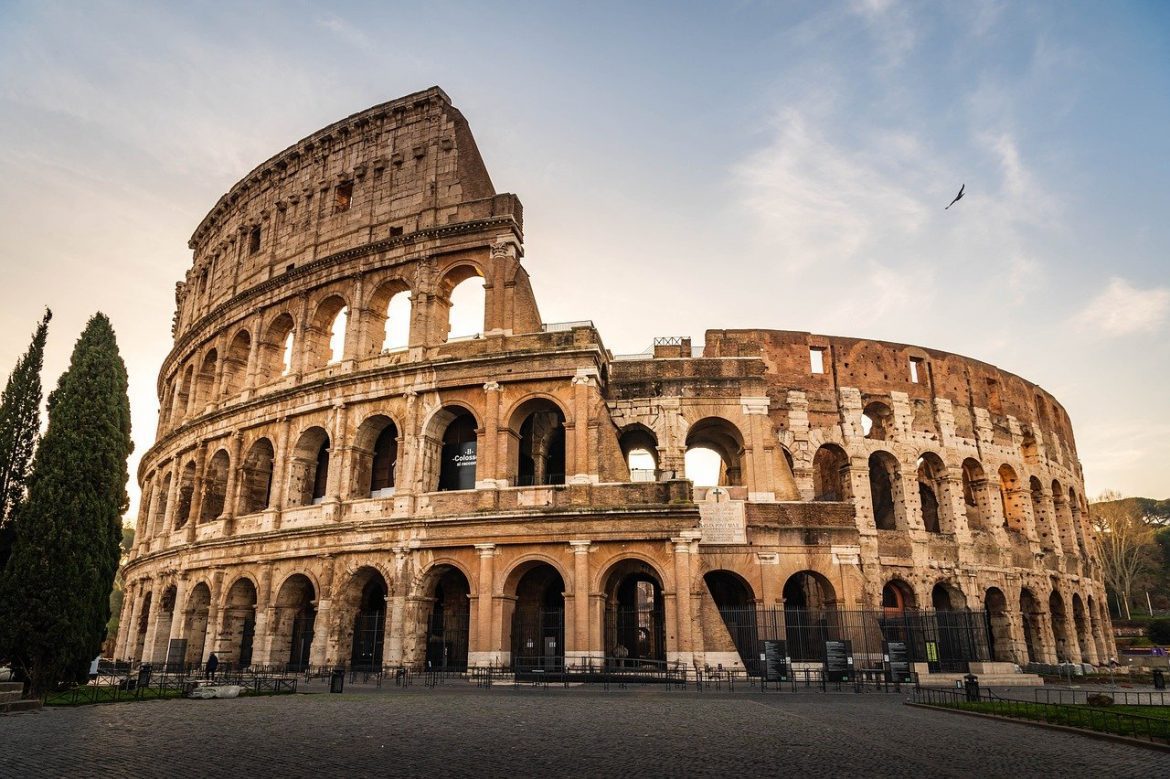
Rome landmark tourist attractions and Italy bucket list experiences at the Colosseum
For Rome’s landmark tourist attractions and Italy bucket-list experiences, timing matters—especially when you want calm as well as grandeur. On my first trip to Rome, I arranged an early start and reached the Colosseum as the city was still stretching awake. The soft morning light turned ancient ruins into a living theatre; for a moment, I could imagine ancient Rome returning, not as a spectacle, but as a quiet presence.
Colosseum essentials with expert context and comfort
The Colosseum is one of the most famous landmarks in Europe, and it draws million visitors for good reason. Understanding the construction of the Colosseum—its engineering, entrances, and social symbolism—adds real depth, which is why an expert guide is such a worthwhile luxury. A private or small-group visit also means you can pause for photographs without being carried along by the crowd.
Plan a morning or late-afternoon slot for gentler light and fewer bottlenecks. If you’re staying centrally, it’s easy to design a route that flows on foot—comfortable shoes, a bottle of water, and a slow pace that keeps the day feeling crafted rather than conquered.
Ancient Roman sites and Vatican care in the Eternal City
From the Colosseum, continue into the Roman Forum and Palatine Hill, where the layers of ancient Roman life are most tangible. Midday heat can be draining, so aim to visit these open-air sites early, then retreat to a shaded lunch spot. Later, shift to the Vatican: Vatican City’s museums, the Sistine Chapel, and Peter’s Basilica (with Peter’s Square just outside) are best approached with care and modest dress—covered shoulders and knees will help you feel respectful and at ease.
For high-end travellers, an early-entry strategy is the gentlest way to experience the Vatican without the crush. You’ll still feel the hush of galleries before the popular tourist surges arrive, and the Sistine ceiling lands as a personal encounter rather than a rushed glance.
In the evening, Rome becomes beautifully photogenic. Visit the Trevi Fountain after dinner when families drift home, then wander nearby lanes for a quieter piazza moment. The streets of Rome reward you when you slow down: a candlelit doorway, a violin echoing off stone, a gelato pause that feels like its own small ceremony.
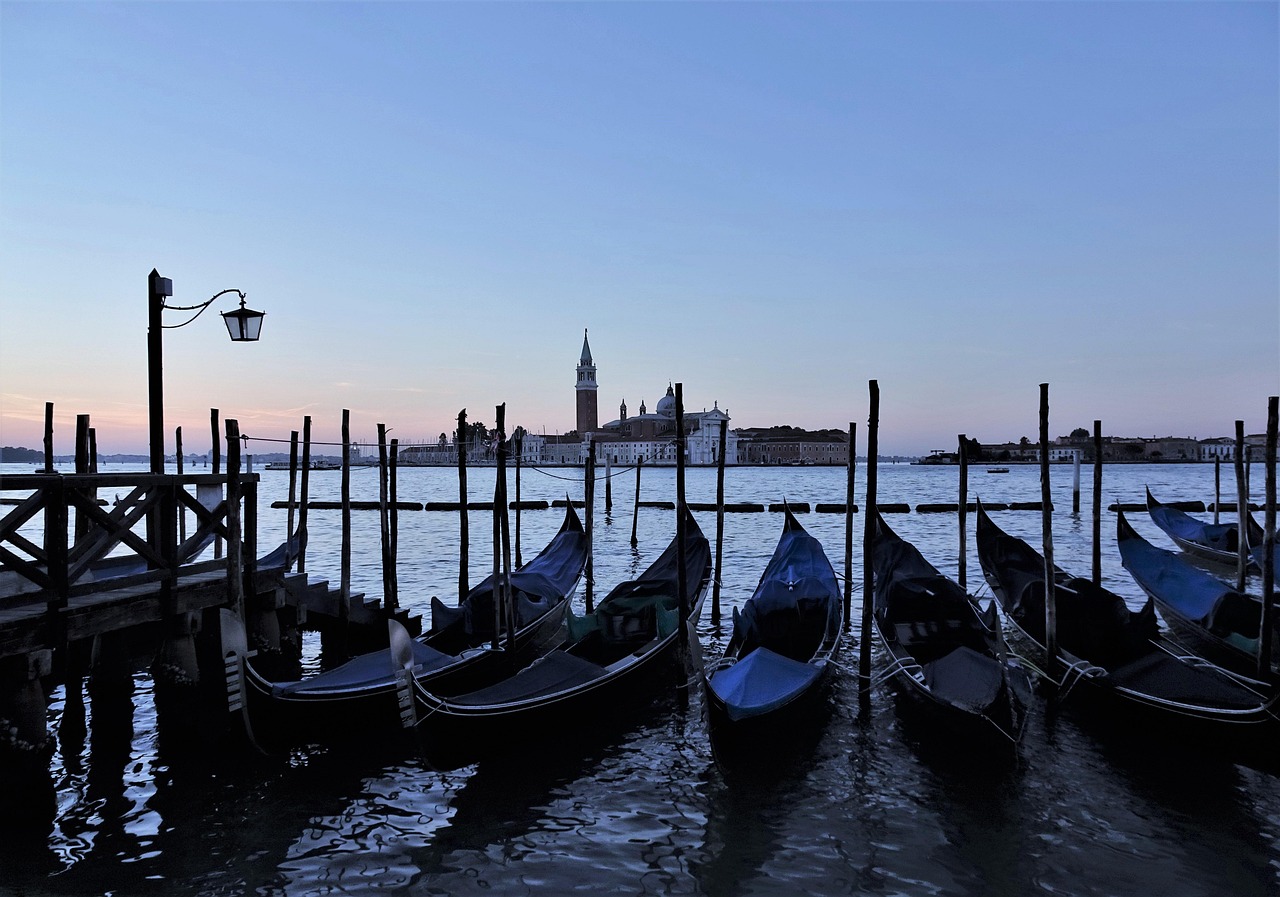
Venice tourist attractions in Italy offer luxury gondola experiences with a romantic quiet charm.
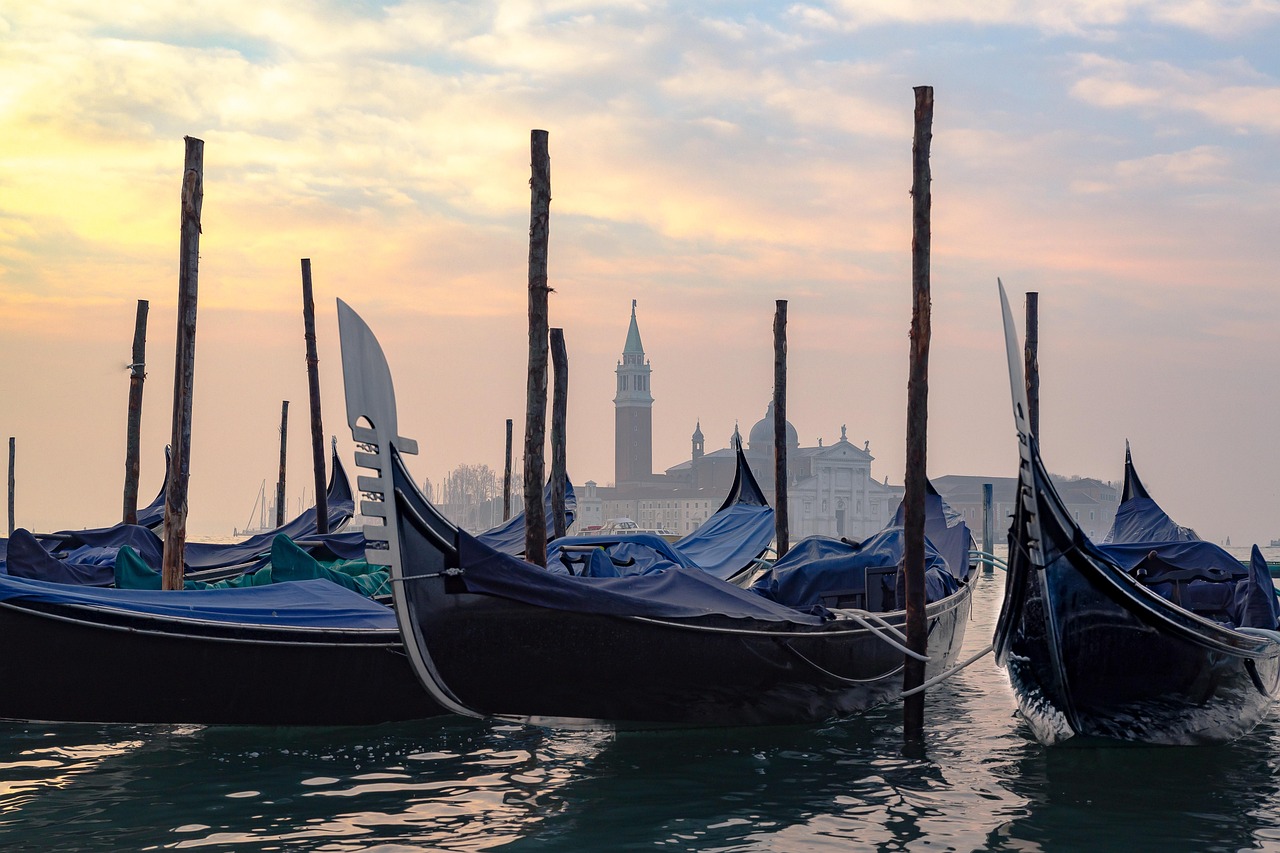
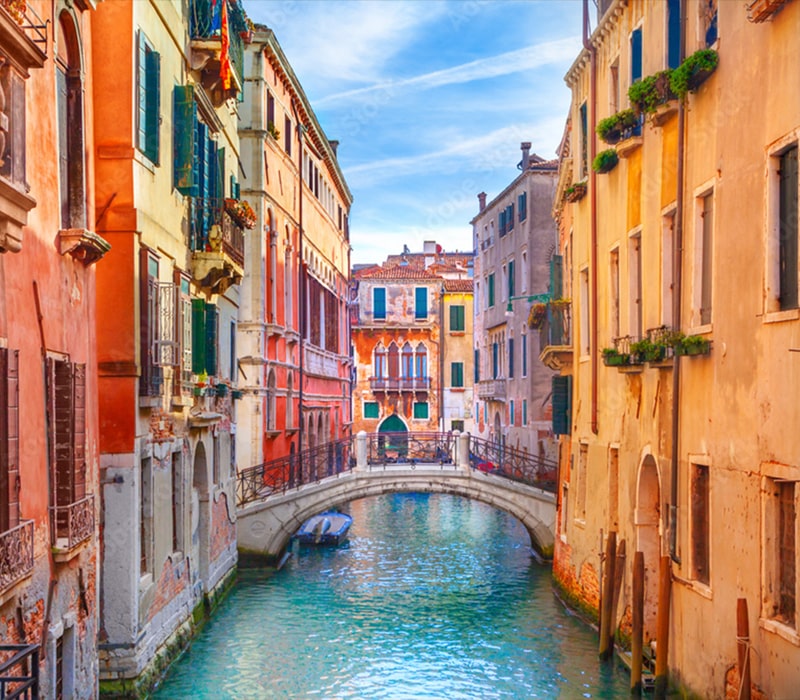
Venice tourist attractions with a quiet romantic gondola through serene canals
For Venice tourist attractions, Italy, and luxury gondola experiences, the secret is to let the city set the pace. Venice can enchant most at dawn and after dinner, when day-trippers fade, and the water reflects a softer version of the architecture. With the Adriatic Sea nearby and the lagoon breathing gently around you, this tourist destination feels less like a museum and more like a living stage set—except the script is your own.
A quiet gondola and the stories you carry home
A couple I travelled with still talk about their intimate gondola ride as the most personal moment of their trip to Italy. They booked through a trusted luxury operator, slipped into a smaller canal away from the crowds, and listened as their gondolier shared local stories—about hidden courtyards, family-run osterie, and the way Venetians read the weather in the water. It wasn’t loud or showy; it was calm, crafted, and quietly romantic.
If you’re set on a gondola, book in advance and ask specifically for a quieter route. It’s also worth confirming timing: early morning or later evening often feels more authentic, with fewer interruptions from bridge-side spectators.
Timeless places to visit in Venice without the rush
Begin with Piazza San Marco, then step into the basilica when it’s less busy so you can notice mosaics and shifting light. Afterwards, wander towards Ponte di Rialto for classic views and a sense of Venice’s daily rhythm returning—deliveries, market chatter, and the scent of coffee drifting from small bars.
To explore with confidence, use the vaporetto like a local for scenic journeys, and consider a private water taxi splurge for arrivals and departures when you want comfort and ease. In churches and small lanes, keep voices low and dress thoughtfully; it’s a simple gesture of care that invites warmer local interactions.
- Night 1: Arrive, settle in, then a slow aperitivo and an after-dinner stroll.
- Morning: Early Piazza San Marco, then a pre-booked museum slot before crowds build.
- Afternoon: Long lunch and boutique browsing; vaporetto ride for views.
- Evening: Quiet gondola or water taxi loop, then dinner in a neighbourhood trattoria.
Venice rewards restraint. When you stop trying to see everything, you start seeing what matters: texture, reflections, and the gentle surprise of turning into a lane that’s suddenly your own.
Amalfi Coast Naples attractions in Italy, luxury trip planning for one of the most beautiful seaside travel destinations
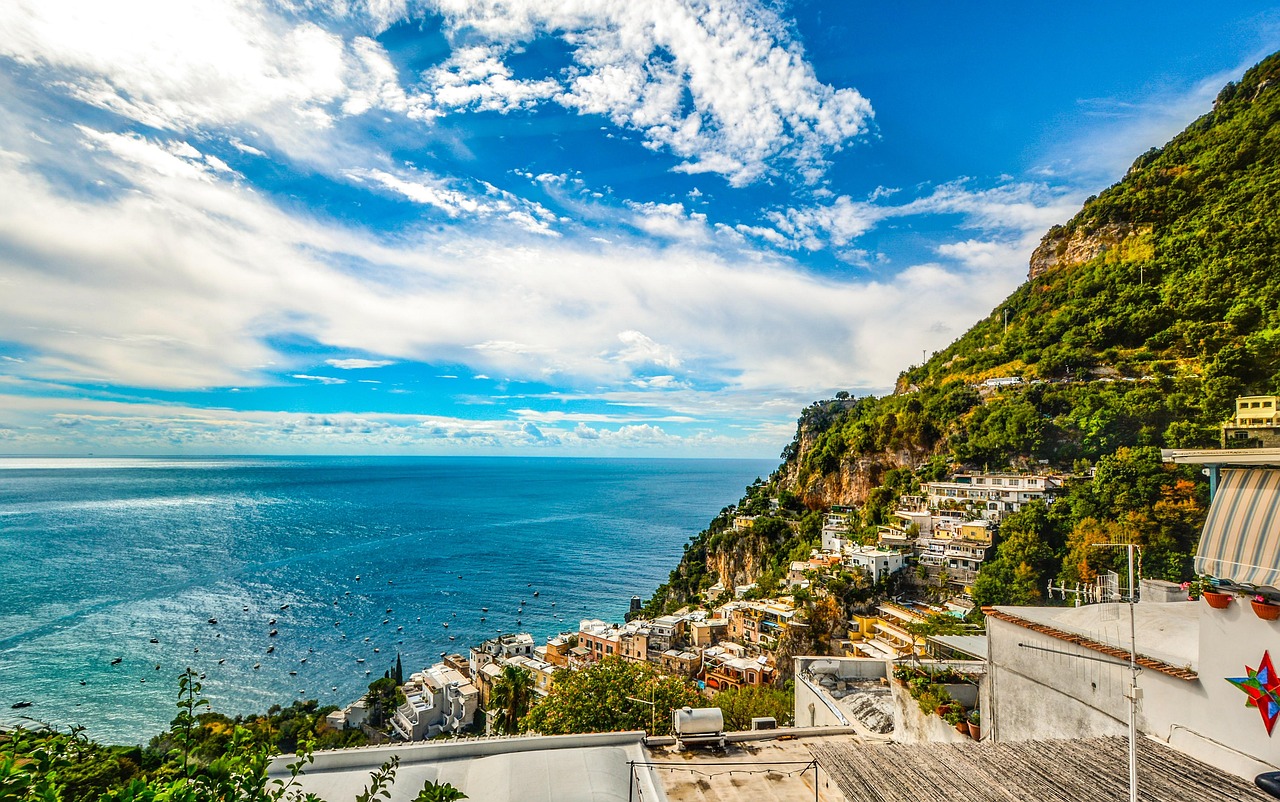
Naples and the Amalfi Coast attractions in Italy for seaside luxury and breathtaking views
For luxury trip planning to the Amalfi Coast and Naples attractions in Italy, it helps to start by appreciating Naples itself. Naples is historical and cultural, lively and opinionated, and it makes a soulful base before you slip away to the coast. Spend just enough time to taste the city’s energy—then allow the coastline to do what it does best: restore you.
The Amalfi Coast is one of the most beautiful stretches of shore in Europe, and the sense of arrival is immediate. From cliff roads, you’ll see breathtaking views; from terraces, the sea feels close enough to touch; and from sea-level approaches by private boat, the villages appear like theatre backdrops, stacked in sunlit layers.
Local craft, private access, and the beauty of the Amalfi Coast
An art lover I know arranged a private tour of artisan workshops along the Amalfi Coast, and it became the emotional centre of her stay. In small studios, she watched hands shape ceramics, fold linen, and paint patterns that have been repeated for generations—not as souvenirs, but as a living tradition. That kind of local insight creates connection, and connection is what makes luxury feel real.
Build these moments into your schedule when you’re freshest (late morning is ideal), then leave the afternoon open for a swim, a nap, or a slow spritz with a view. This is where care in planning becomes care for yourself.
Signature excursions from Naples to Positano and Pompeii
For a classic day, head to Positano for picturesque lanes, fashion boutiques, and terrace dining. For a deeper perspective, take an archaeological day trip to Pompeii and look up towards Vesuvius—suddenly, the landscape explains the history. Use a driver for cliff-road confidence and flexibility, but consider the ferry for a scenic, low-stress transfer when seas are calm.
When you want beach time without friction, ask your hotel concierge to reserve a beach club in advance. The best ones manage towels, loungers, and lunch with seamless efficiency, leaving you free to simply be present.
If there’s one indulgence that consistently feels worth it here, it’s a private boat day. You’ll gain personalised access to quiet coves, unhurried swims, and a different angle on the coast—one that feels both exclusive and strangely peaceful.
Florence, Tuscany, Milan, Dolomites, Italy landmarks, and tourist attractions itinerary.
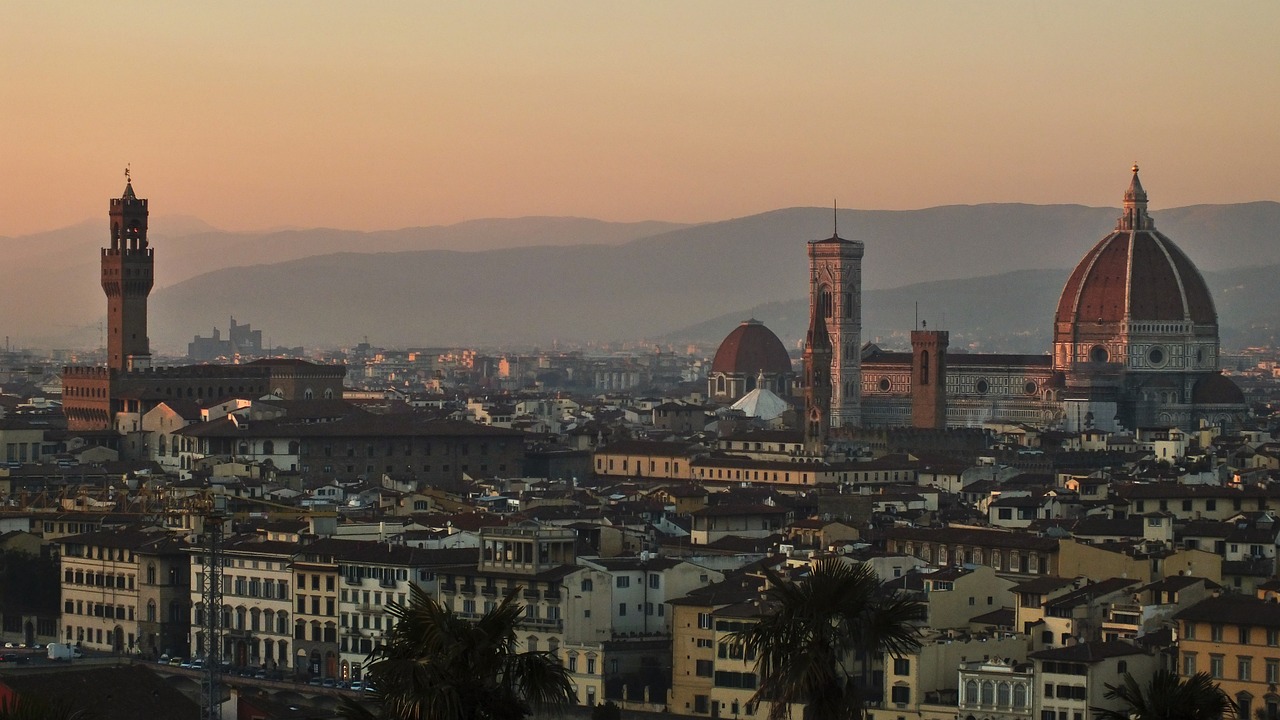
Florence, Tuscany, Milan and the Dolomites are famous Italian landmarks for a luxury itinerary
For Florence, Tuscany, Milan, and the Dolomites, famous Italian landmarks and tourist attractions, the luxury is in how you thread them together with ease. Florence is located in the heart of central Italy’s creative story, and it still feels like a city built for walking—golden light, carved stone, and cafés that invite lingering. If you plan museum time with pre-booked slots, you create calm where others find queues.
Florence artistry with Duomo moments and Michelangelo touchpoints
Start with the Duomo and Santa Maria del Fiore, where the scale is best appreciated slowly, looking up until your neck aches a little. Add Michelangelo highlights with a guide who can turn names and dates into human narratives—ambition, rivalry, devotion. Done well, Florence doesn’t feel like a “must-see”; it feels like a conversation you’re allowed to join.
For Tuscany, choose one anchor town and keep the day seamless. A driver can help you move comfortably between viewpoints and vineyards, with time for a long lunch among rolling hills. If you want a classic detour, Pisa is an easy addition: the Leaning Tower and its bell tower make a brief, bright interlude before you return to the quiet countryside.
Milan is also a design capital, and the Dolomites bring Alpine air
Milan is also a place where modern life looks particularly beautiful—clean lines, bold storefronts, and galleries that celebrate craft. Visit the Duomo rooftop for geometry and skyline views, then plan well ahead for Santa Maria delle Grazie to see the Last Supper; timed tickets are essential, and expert support is often the difference between “sold out” and “sorted”.
When you crave nature, extend north to the Dolomites and the wider Alps for a striking contrast. In two days, you can ride cable cars, breathe crisp air, and take in peaks that feel almost unreal; parts of the region are recognised as a UNESCO World Heritage Site, and the designation makes sense the moment you see the landscapes. It’s not about doing more—it’s about creating variety in a way that still feels restful.
- For Florence: book the first museum slot of the day, then leave afternoons open for cafés and artisan boutiques.
- For Tuscany: choose one vineyard lunch and one viewpoint; fewer switches mean more enjoyment.
- For Milan: secure timed entries early, then keep evenings for aperitivo and design districts.
- For the Dolomites: plan one cable-car day and one gentle walk; let the scenery do the work.
If you have the time, Sicily makes a beautiful final chapter—warm, slower, and full of texture. Think beach afternoons, a baroque old town, and the town of Taormina watching the Ionian side shimmer below. Keep it gentle: Sicily works best as an add-on that lets the trip soften into its ending.
F.A.Qs: Tourist attractions in Italy and luxury travel planning
F.A.Qs on tourist attractions in Italy for high-end travellers
What is the #1 tourist attraction in Italy?
It depends on how you measure it, but the Colosseum in Rome is often cited as the standout landmark for first-time visitors. It’s instantly recognisable, deeply tied to ancient Roman history, and easy to combine with the Roman Forum and Palatine Hill for a richer, more meaningful experience.
What is the Big 3 of Italy?
Many travellers refer to Rome, Florence, and Venice as the “Big 3” because they showcase Italy’s most iconic layers: ancient Rome and the Vatican, Renaissance art and architecture in Florence, and Venice’s unique lagoon atmosphere. For luxury travel, they’re best enjoyed with timed entries and slower pacing.
What is a top 15 destination in Italy?
The Amalfi Coast is widely considered a top-tier destination thanks to its dramatic cliff scenery, coastal villages, and effortless glamour. It suits travellers who want boutique hotels, private boat days, and local craft experiences—especially when you plan around traffic and reserve beach clubs in advance.
Is $5000 enough for a trip to Italy?
$5000 can be enough for a comfortable trip to Italy, but it may not cover a high-end style across multiple cities, especially with private guides and premium hotels. Consider travelling in the shoulder season, using first-class trains instead of drivers for longer hops, and choosing one or two key splurges, such as a private Vatican visit or an Amalfi boat day.
After Italy, what stayed with you
After the photographs are filed away and the suitcase is back in the cupboard, what stays with you isn’t the status of the landmark—it’s the feeling you had while standing there. Italy has a way of turning scale into intimacy: the hush before Rome fully wakes, the way Venice quietens at water level, and the salt air that seems to rinse your thoughts clean along the coast.
You remember the small kindnesses that made everything easier: a gentle correction of pronunciation, a server who noticed you were tired and slowed the meal into something soothing, a guide who read your curiosity and offered just enough context. These moments feel like support, but they’re also something deeper—proof that you can explore with confidence when your journey is designed with care.
And then there are the tiny rituals you carry home without trying. A morning espresso taken standing up, as if life is simpler that way. A pause in a piazza that reminds you to look up. A renewed respect for craft—how hands, time, and attention can create beauty that lasts.
Italy leaves you a little more attentive, a little more together with yourself and the people you travel with. The country doesn’t ask you to rush back; it simply makes space in your imagination, quietly, for the next time you might want to return.