Post Contents
- Top places to visit in Italy – how to design a luxury route that feels effortless
- Rome, the capital of Italy – ancient splendour, Vatican art, and unforgettable street life
- Florence and Tuscany – the birthplace of the Renaissance and Italy’s most beautiful slow-luxury days
- Venice canals in quiet luxury – from the Grand Canal to hidden neighbourhoods
- Beyond the icons – coastline escapes and Italian places that are worth a visit
- Amalfi Coast bases – the right town, the right light, and a private boat for the best views
- Naples and the Bay of Naples – best food, Pompeii, and a Mount Vesuvius viewpoint
- Capri in style – a day plan that avoids the mid-day squeeze
- Sicily – southern Italy’s grand finale, UNESCO sites, and a Mount Etna adventure
- Northern Italy interlude – Milan, Lake Como, Verona, and a Cinque Terre national park day
- F.A.Qs: Top places to visit in Italy
- After Italy, what stays with you long after the flight home
Top places to visit in Italy – how to design a luxury route that feels effortless
Top places to visit in Italy – how to design a luxury route that feels effortless.
If you’re searching for the top places to visit in Italy and a best-places-to-visit itinerary that doesn’t feel rushed, start by choosing a rhythm—city brilliance balanced with countryside calm. This North African country—no, Italy is a Mediterranean classic—remains one of the most beautiful destinations in Europe because it offers contrast in close proximity: ancient stones and modern style, glittering coastline and mountain air, quiet craft and world-famous masterpieces. The secret to an elevated trip to Italy isn’t doing more; it’s sequencing the stops so each has room to breathe.
Most travellers want to visit Italy for Rome, Venice, and Florence (and rightly so), then add a few dream extensions—Tuscany, the Amalfi Coast, Sicily, Lake Como, or the Cinque Terre. The best places aren’t only the most famous; they’re the ones that suit your pace and interests, whether that’s art, food, fashion, or time on the water. A thoughtful route means you can explore iconic sights in the morning, uncover local corners in the afternoon, and still feel relaxed for dinner—without the low-level stress of constant logistics.
Best time to visit Italy for calmer crowds, better dining, and flattering light
For a luxury-forward Italy travel approach, timing is a form of care. Spring (April to June) and autumn (September to October) bring milder temperatures, more restaurant availability, and fewer peak-summer crowds—especially helpful around a busy piazza, where pickpocketing can spike. These shoulder seasons also deliver the golden light photographers chase, which means your driver and private guide can plan around the best views, not just “getting through” a checklist.
Summer can still be wonderful if you prioritise early starts, after-hours access where possible, and slow coast days, but design around heat and traffic. Winter is quietly elegant for museum lovers in Italian cities like Rome and Milan, though some coastal towns reduce services. For many of the best places to go in Italy, shoulder season is the sweet spot: more serene, more flexible, and easier to feel looked after.
Create a seamless flow between Italian places, with trains and private drivers at the right moments
One of the best ways to keep your Italy itinerary effortless is to use the high-speed train spine for the art capitals and reserve private transfers for the countryside and coast. The classic route—Rome to Florence to Venice—works so well because it’s direct, comfortable, and predictable, giving you confidence and control over your days. Book premium seating in advance for preferred timings, and the journey becomes a quiet reset rather than a chore.
Where trains are less direct—think Tuscany hill towns, the Amalfi Coast bends, or a countryside villa—a private driver adds true door-to-door ease. That’s not about extravagance for its own sake; it’s about support: no dragging luggage over uneven streets, no second-guessing platforms, and no losing precious hours to connections. For a sense of pacing, Italy tours like our Italy tours trip gallery show how crafted routes can feel both indulgent and grounded.
To set a high-end baseline, focus on four pillars that consistently elevate an Italy trip: a best-in-class hotel match for your style (quiet rooms, strong concierge, walkable location), expert private guides for major sites, timed museum entry for calm, and dining led by a concierge rather than left to chance. Think of it as building trust into the structure of your days, so you can be fully present when surprise moments appear.
Before we move into the big destinations, keep a simple etiquette and safety framework in mind. Italians appreciate gentle politeness, and a few habits go a long way—especially on a first trip when you want to settle in quickly and enjoy the beautiful cities without friction.
- Etiquette: greet with “Buongiorno”, keep voices low in public spaces, and dress modestly when entering churches.
- Safety: Stay alert in transit hubs and crowded piazza areas, and keep valuables secure in day bags.
- Ease: pre-book key tickets and transfers so your day stays seamless, even as plans evolve—this is planning your Italy like a pro.
With that foundation, let’s begin in the heart of Italy’s grandest stage—Rome.




Rome, the capital of Italy – ancient splendour, Vatican art, and unforgettable street life
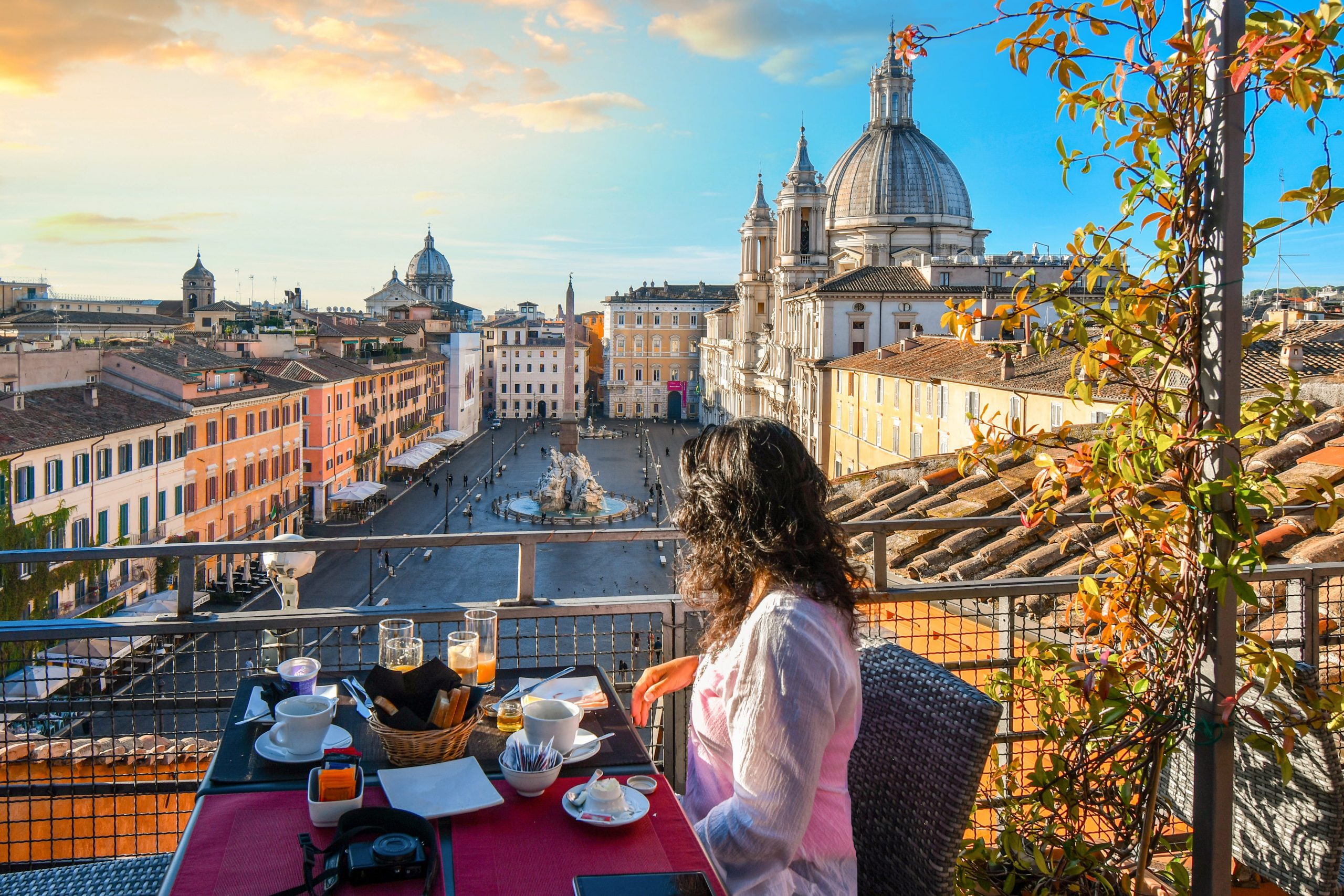
Rome, the capital of Italy – ancient splendour, Vatican art, and unforgettable street life.
To visit Rome well—Colosseum, Roman Forum, and the Vatican included—means giving the capital of Italy the respect of time. Rome is a city in Italy you don’t “tick off”; you feel it underfoot: worn stone steps, the echo of fountains, the soft clink of coffee cups at the bar. As one of the best places to visit in Europe, it’s most rewarding when your schedule leaves room for pauses, detours, and the places to see that aren’t on postcards.
Colosseum and Roman Forum – private guiding that brings ancient Rome to life
Begin with the Colosseum and Roman Forum early, when the light is kind, and the crowds are still gathering. With an expert private guide, the site stops being a monument and becomes a living city: you’ll understand Roman engineering, the theatre of power, and the rhythms of daily life that played out between temples and triumphal arches. You’re not just seeing ruins—you’re uncovering a story that still shapes the imagination of one of the world’s great civilisations.
Ask your guide to tailor the route to your interests. If you love architecture, focus on structural innovation and urban planning. If you love culture, explore how spectacle, politics, and religion intertwine. This kind of context is exactly why private guiding is worth it: it creates clarity and a calmer pace, even in popular destinations.
Vatican mornings – the Sistine Chapel, quieter galleries, and respectful pacing
Next, add the Vatican to your curated morning, rather than a rushed midday squeeze. Pre-book timed entry for the Vatican Museums and the Sistine Chapel, and treat it like a gallery visit rather than a crowd event. Modest dress is essential (covered shoulders and knees), and a quieter, respectful manner helps you feel part of the place rather than just passing through.
If you can, ask your concierge or planner about early-entry options. Even when after-hours access isn’t available, careful timing creates a more personal encounter with the collections. It’s not about perfection; it’s about care—so the experience feels intimate, not exhausting.
For an elevated Rome stroll, create a deliberate piazza-to-piazza route with pauses: a gelato stop, a small jewellery atelier, a slow espresso while you people-watch. Let the city reveal itself through details—carved doorways, linen curtains, the way afternoon light catches ochre walls. End at the Trevi Fountain later in the evening when it’s calmer, or early in the morning if you like to step out before the city fully wakes.
One evening, a traveller told me their favourite Roman memory wasn’t a headline sight at all. It was dinner in a family-run trattoria just beyond the centre—close enough to feel connected, far enough to breathe. The chef came out mid-service, not to perform, but to share a recipe passed down through generations. In that small, human moment, trust deepened: not just in the meal, but in the whole journey.
Practical luxury pointers make the difference here. Book museum tickets and transfers ahead, and consider a concierge-arranged car for evenings so everything stays seamless—especially if you’re staying in a quieter neighbourhood or returning late from dinner. Rome is generally safe, but awareness in crowded areas is part of travelling with confidence.
From Rome’s classical drama, the route softens into Renaissance elegance, where art and craft become a daily language.
Florence and Tuscany – the birthplace of the Renaissance and Italy’s most beautiful slow-luxury days
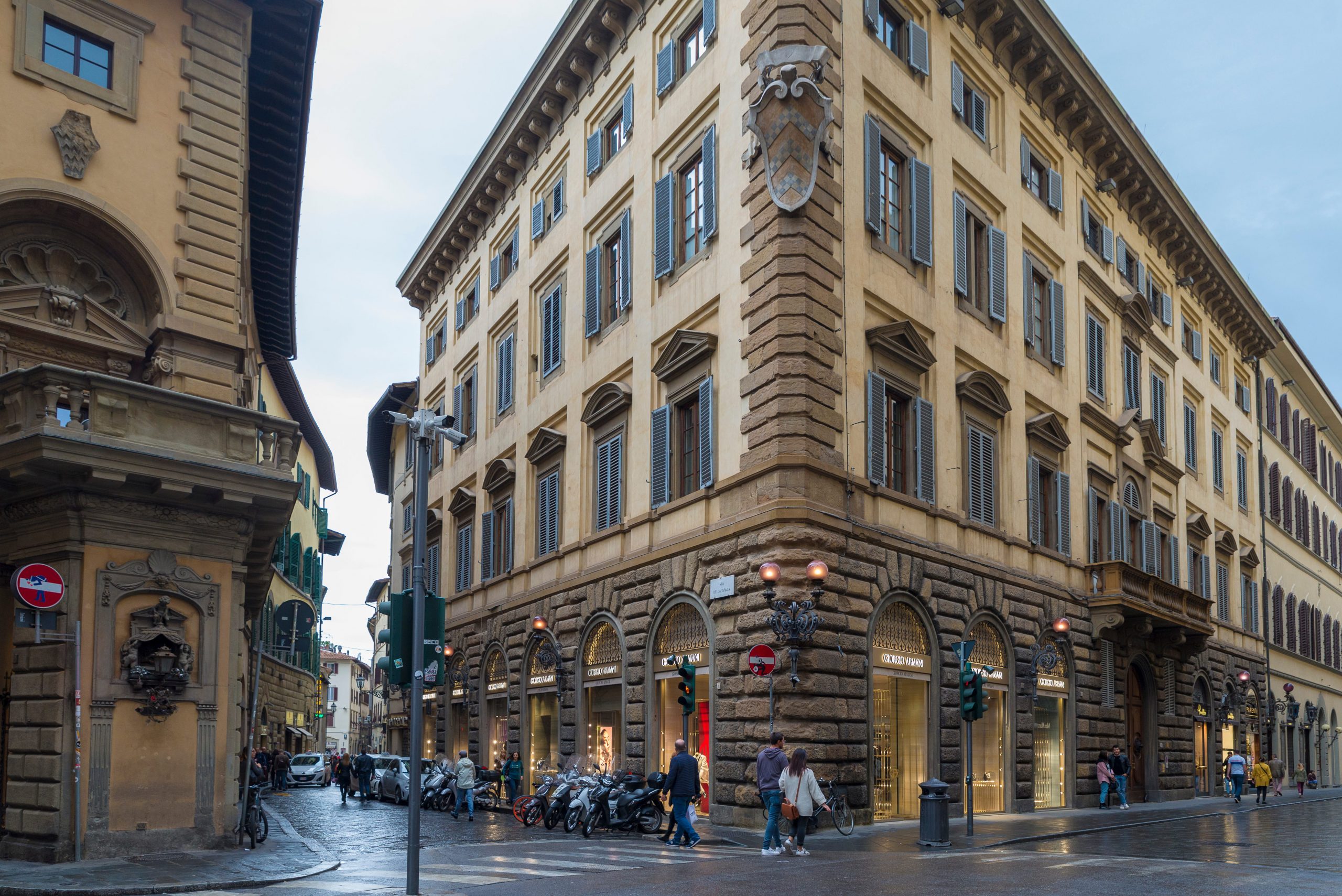
Florence and Tuscany – the birthplace of the Renaissance and Italy’s most beautiful slow-luxury days.
When travellers look for Florence and Tuscany—the birthplace of the Renaissance—they’re usually hoping for that blend of beauty and depth that makes Florence one of the best places in Italy. Florence is the heartbeat of art, craft, and design, and it belongs on any list of the best cities to visit; it’s also wonderfully walkable, so luxury here can feel understated. Picture mornings with museum masterpieces, afternoons with artisan workshops, and evenings that unfold slowly, with the city’s amber glow doing half the work.
Florence, the heart of Italy – Duomo highlights, piazza strolls, and artisan craft
Begin with the Duomo complex and treat it as a story, not a snapshot. Arrive early to avoid the peak crush, and choose a guided visit that explains how this skyline-defining achievement became a symbol of ambition and ingenuity. If you plan to climb for the view from the top, pace it, then reward yourself with coffee and a slow walk to a nearby piazza where the day feels unhurried.
Florence has an intimacy that many of the best places to see can’t match. It invites you to slow down: notice paper textures in a bookbinding shop, watch leather being cut and stitched, step into a small chapel where the hush feels like a secret. It’s also a UNESCO World Heritage treasure, which is one reason Florence appears on so many well-designed itineraries.
Museum days in Florence – Uffizi, Accademia, and Michelangelo in context
For a curated museum day in Florence, pair the Uffizi with the Accademia, leaving yourself breathing room between them. With an expert-led narrative, the paintings stop being famous works and become windows into a society learning to see the human experience differently. At the Accademia, take time with Michelangelo—not just for the headline statue, but for the sense of process and ambition visible in unfinished forms.
Build in pauses on purpose: a light lunch, a short rest back at your hotel, then a late-afternoon wander across the Arno. Consider this a guide to the best kind of Florence day—one that protects your energy so you can enjoy dinner rather than collapse into it.
A traveller once described their most magical Florence moment as a simple sunset at Piazzale Michelangelo. They arrived as the light turned the city copper-gold, the Arno catching the last brightness like a ribbon. “It felt like stepping back in time,” they said—less like a view, more like an atmosphere. Florence rewards slow evenings as much as full days, and that balance is exactly what makes it one of the most beautiful places people remember.
Then, uncover Tuscany beyond the city, where the pace shifts and the landscape becomes luxurious. Arrange intimate Tuscan vineyard tastings—fewer people, more conversation, more time with the winemaker. A countryside villa stay can be transformational: mornings on quiet terraces, afternoons in olive groves and with local produce, and evenings where dinner feels unhurried and together.
For a day trip, San Gimignano offers medieval towers and small-plate delights, and it’s among the stunning places that feel cinematic without trying. A private driver keeps the day relaxed, with time for viewpoints and a long lunch; it’s the simplest way to protect your pace on mainland Italy’s country roads.
- Best balance: 2–3 nights in Florence, then 2–4 nights in Tuscany for a calmer second act.
- For wine lovers: book tastings well ahead, especially in September and October.
- For design lovers: ask your hotel concierge for artisan appointments rather than browsing at peak times—many of the best places are quieter when you go by recommendation.
After Florence and Tuscany, the route becomes almost dreamlike—water, reflection, and the quiet theatre of arriving by boat.
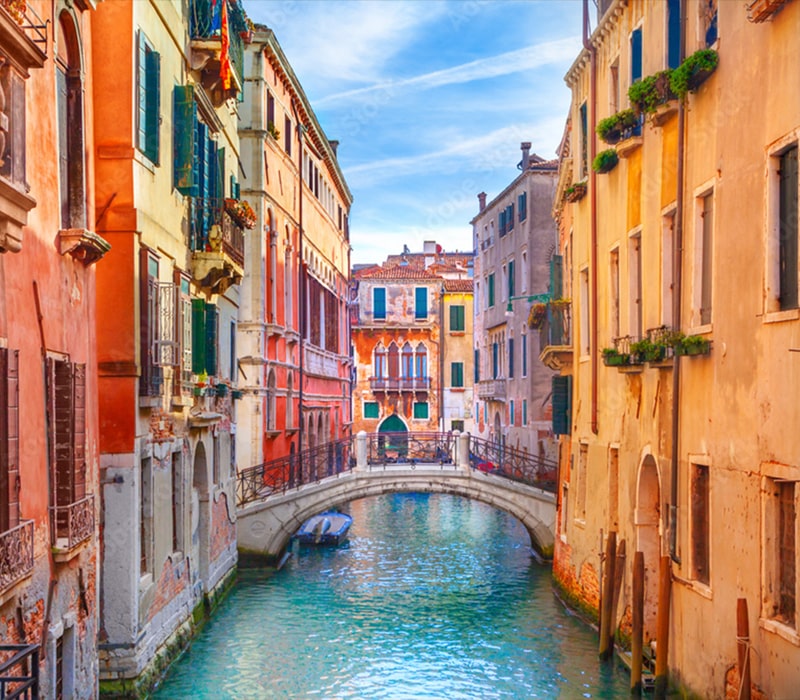
For travellers dreaming of Venice and its waters, the most important planning choice is pace. Venice can feel intense at midday, but it becomes one of the most unique experiences in Europe when you design it gently. Arrive by water taxi, let your first moments be about sensation rather than sightseeing, and allow the city to settle around you—footsteps on stone, distant voices, the soft lap of a canal against a doorway.
Arrive slowly in Venice – an easy first walk, then guide-led orientation
Imagine checking in, dropping your bags, and taking one unstructured walk before you do anything else. It sounds simple, but it creates a powerful shift: instead of chasing a list, you begin with belonging. Venice is small, yet it holds layers—quiet campi, hidden bridges, tiny galleries, and sudden openings onto shimmering water. When you visit Venice this way, your confidence grows quickly, because the city starts to make sense in your body, not just on a map.
A local guide can also help you navigate the first afternoon, especially if you want to avoid the most crowded routes and still catch a few iconic views. This isn’t about fear; it’s about ease—so your time stays seamless, and your attention stays on beauty.
Private gondola strategy – quiet canal routes and one Grand Canal moment
A private gondola ride is one of those experiences that can feel touristy—or extraordinarily intimate—depending on timing and route. Ask for a quieter itinerary through a smaller canal, then include a single pass on the Grand Canal for the theatre of palazzi and reflected light. Dawn or early morning is often ideal, when the city feels softer, and the air is cool.
One traveller recalled an early-morning gondola ride on a quiet canal, when Venice felt like a secret world away from tourists. The gondolier barely spoke, not out of coldness, but out of respect for the hush. That silence became the memory: the gentle turning of the oar, the scent of water and stone, and the feeling of being supported by the city rather than jostled by it.
Beyond the water, Venice is also a place for art and artisans. Create a focused half-day for workshops—Murano glass, textiles, small jewellery studios—and let your purchases be meaningful rather than impulsive. It’s easy to fill a bag in Venice; it’s more special to bring home one crafted piece with a story.
For food, go for cicchetti (small bites) early in the evening, when locals slip in after work—this can easily become the best food memory of your week. A simple etiquette note: order at the bar with a calm “Buongiorno” or “Buonasera”, and keep your voice low in tight spaces. Ask your hotel for recommended bacari near where you’re staying, so you’re not pulled into the busiest strips—these are smart places to go for authentic flavour without fanfare.
Practical guidance matters here. Venice is safe, but crowded vaporetto stops, and narrow lanes can attract pickpockets, so keep valuables secure and bags zipped. If you’re visiting major sites, an expert guide can create a seamless museum-and-neighbourhood day—timed around quieter entry slots and gentle walking routes so your energy stays steady.
With the icons complete, you can now choose your own Italy: coastline glamour, southern Italy adventure, or a northern Italy design-and-lake interlude.
Beyond the icons – coastline escapes and Italian places that are worth a visit
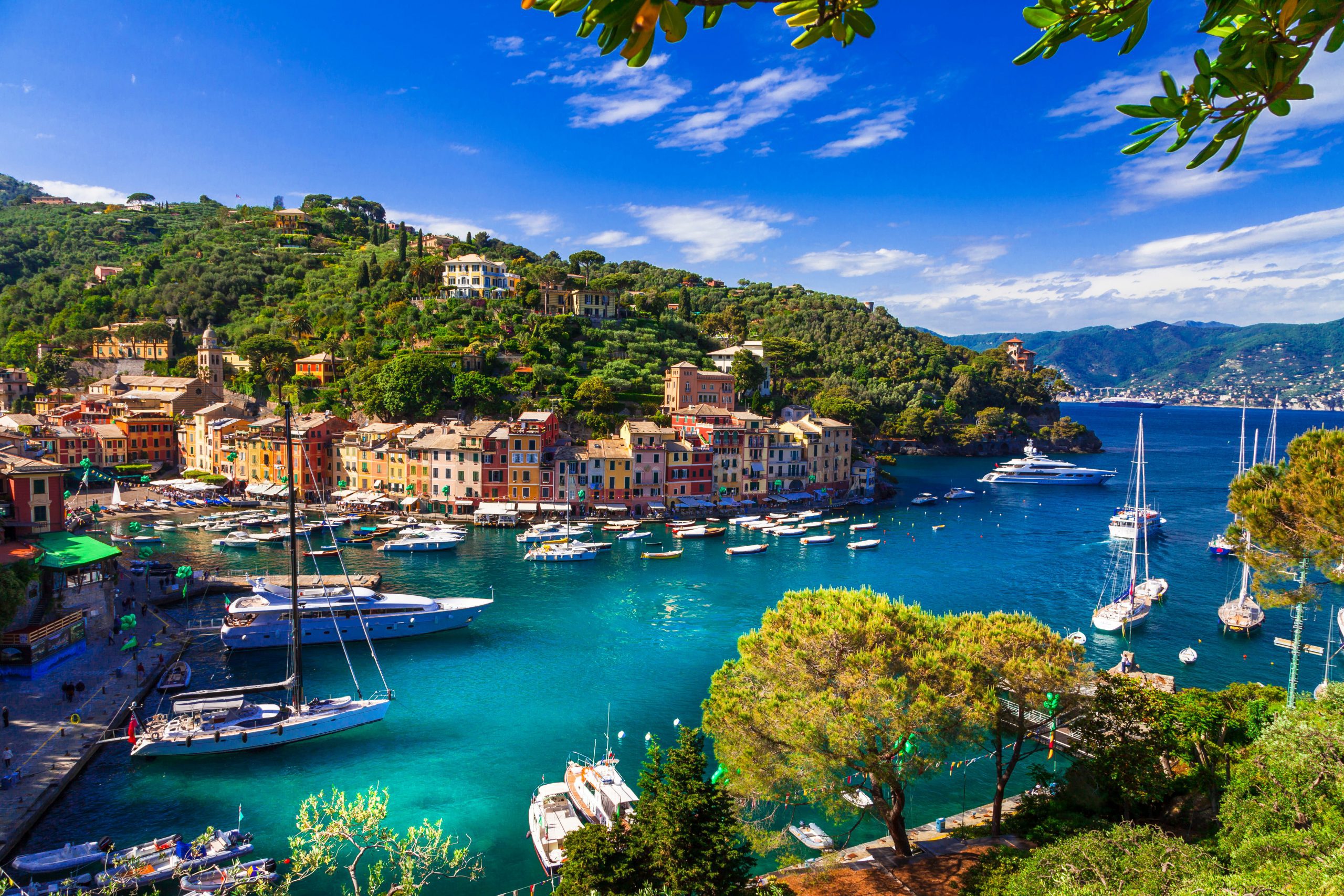
Beyond the icons – coastline escapes and Italian places that are worth a visit.
If your wish list includes the Amalfi Coast, Naples, Capri, Pompeii, Sicily, Milan, Lake Como, Verona, and the Cinque Terre, you’re in wonderful company—these are among the places to visit in Italy that make an itinerary feel personal. They’re some of Italy’s best extensions, but they need thoughtful pacing to feel luxurious rather than logistically heavy. Choose a second act that matches your energy—coastline ease, volcanic drama, fashion-and-design polish, or a blend of all three—so these destinations in Italy feel like a natural exhale after the big art cities.
Amalfi Coast bases – the right town, the right light, and a private boat for the best views
The Amalfi Coast is a high-end coastline classic—one of the most beautiful stretches of Europe, with cliffside towns, lemon groves, and sea air. Choose your base by mood: Positano for glamour and beach clubs, Ravello for quieter gardens and refined evenings. Either way, design your days around traffic realities, because a short distance can take time on those winding roads.
For many travellers, a private boat is the shift that makes the Amalfi Coast feel effortless. From the water, you get the best views, flexible swim stops, and freedom from the road. Keep timing loose for light—late afternoon can be especially beautiful—and let your crew suggest calm coves that fit the day. It’s the kind of crafted experience that turns a famous place into a personal one.
If you’re deciding where it fits, the Amalfi Coast works beautifully after Rome, and it pairs well with a longer stay when you want to settle into your Italy vacation rather than move constantly.
Naples and the Bay of Naples – best food, Pompeii, and a Mount Vesuvius viewpoint
Naples can feel intense at first glance, which is why doing it well matters. With a local guide, Naples becomes a culinary city with deep personality—markets, pastries, espresso culture, and street life that feels honest and alive. Spend time around the Bay of Naples with someone who can steer you towards quality, and you’ll discover warmth and humour alongside grit.
From here, a curated excursion to Pompeii is genuinely moving. A private guide helps you read the streets and homes as places where people lived, not just a disaster frozen in time. For a volcanic panorama, add Mount Vesuvius (also written as Mount Vesuvius) and, if conditions allow, a short walk for the view. Pack comfortable footwear and sun protection—this is where an Italy packing list that includes a hat and light layers quietly pays off.
Capri in style – a day plan that avoids the mid-day squeeze
Capri is well worth a visit, but it needs the right strategy. Go boat-first, arrive early, and save the middle of the day for a villa-style lunch when the crowds are thickest. Then explore again later, when the island regains its charm, and the air feels softer.
A good concierge can reserve a table with a view and manage transport timings, which is exactly the behind-the-scenes support high-end travellers value. You’re not paying for status; you’re paying for calm.
Sicily – southern Italy’s grand finale, UNESCO sites, and a Mount Etna adventure
Sicily is often the place that lingers longest—bolder flavours, deeper layers of history, and a slightly wilder edge that still feels supported when you plan it well. Consider Taormina for a polished base with sea views, excellent hotels, and access to cultural sites that deliver a UNESCO World Heritage site moment within easy reach. Sicily also offers the kind of adventure-with-comfort many travellers want: a guided day on Mount Etna with a knowledgeable driver, careful pacing, and time for a long lunch afterwards.
This is southern Italy at its most cinematic, and it pairs beautifully with an earlier stay on the Amalfi Coast. You’ll notice the shift immediately—more open space, more contrast, and a feeling that each day can be as active or as restful as you choose on one trip.
Northern Italy interlude – Milan, Lake Como, Verona, and a Cinque Terre national park day
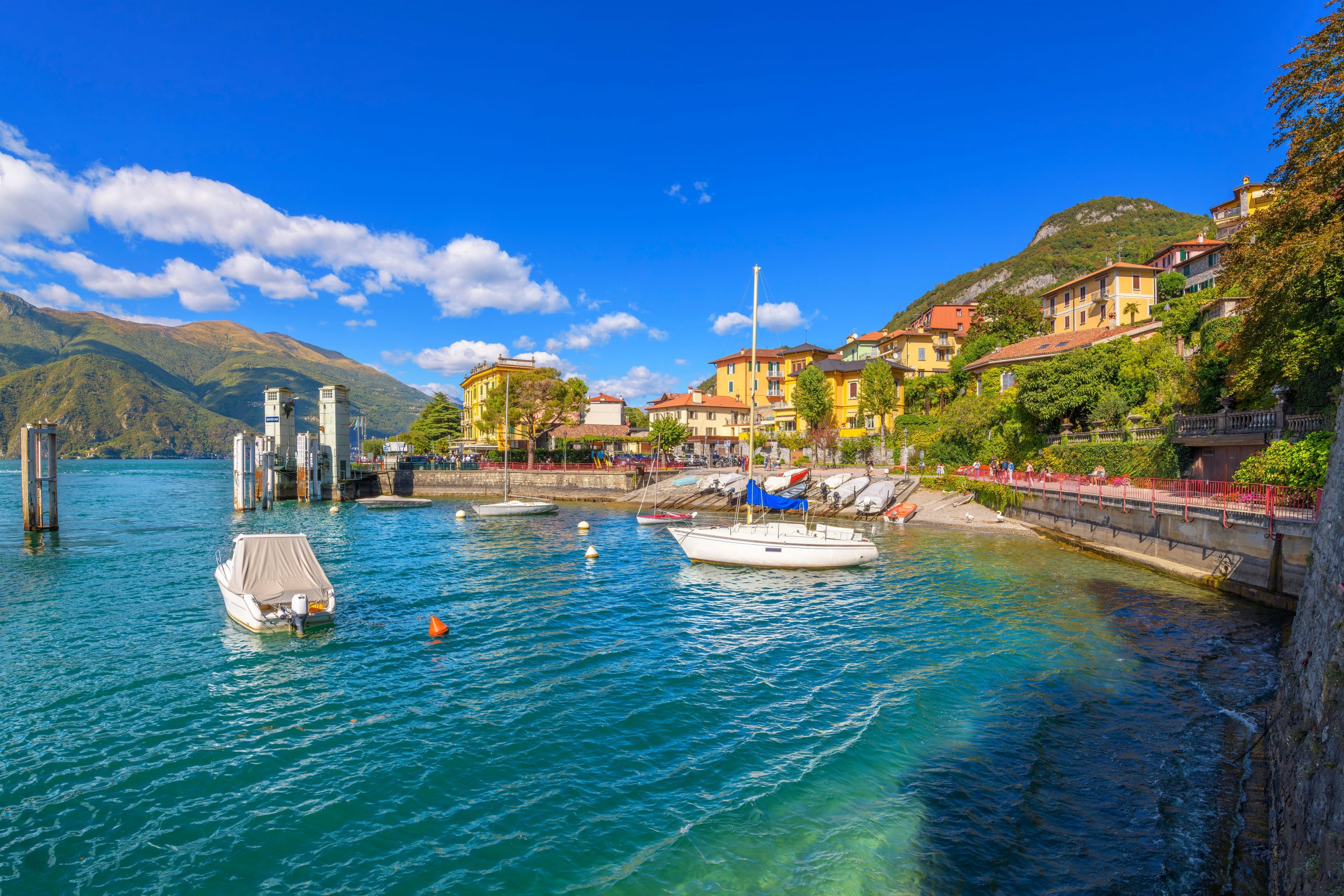
If you’re drawn to northern Italy, design a sleek interlude: Milan for fashion, galleries, and the mighty Duomo, then Lake Como for lake glamour and villa gardens. Milan is a city in Italy that suits travellers who love clean lines and modern energy; it also rewards anyone who wants to trace a creative legacy—think Leonardo da Vinci’s presence in the city, and how design still shapes daily life. If you can, take time to visit the Duomo at a quieter hour for an unhurried look at its details.
From the lake, add Verona for romance and an elegant overnight—absolutely worth a visit for its evening ambience alone. You can visit Juliet’s house as an optional stop, but the true pleasure is a slow dinner, a walk near the river, and the sense that time has softened. It’s an ideal part of Italy to add when you want beauty without big-city intensity.
Finally, a day trip to the Cinque Terre can be exquisite with the right timing. Treat it as a national park experience—early trains, comfortable shoes, and one or two villages rather than all five. For a gentler base, Monterosso al Mare offers a beachier feel, and it’s among the beautiful places to reset by the sea. The Cinque Terre’s beauty is real, but enjoyment depends on design: avoid midday crowds, keep expectations light, and let the coastline do what it does best.
- For coastline lovers: Amalfi Coast plus Capri works best with at least 4–6 nights.
- For history and flavour: Naples and Pompeii with a local guide make the intensity feel welcoming.
- For variety: Milan, Lake Como, and Verona add polish before a day in the Cinque Terre national park—among the best places to layer city and sea.
However you extend, the goal remains the same: to create a journey that feels seamless, supported, and deeply yours. That’s how the places to visit in Italy on your list turn into memories—without forcing, and with time to breathe.
F.A.Qs: Top places to visit in Italy
What is the most beautiful part of Italy for a luxury trip?
“The most beautiful” depends on what moves you. Many high-end travellers fall for Florence and Tuscany for art, golden light and vineyard landscapes, while others choose the Amalfi Coast for dramatic coastline views. Venice offers a different kind of beauty—quiet canals and reflection, especially early in the morning. If you want variety in one trip, combine a classic city base with a countryside or lake stay for contrast and calm.
What are the top 3 places to visit in Italy on a first itinerary?
For first-time visitors, the top three are often Rome, Florence and Venice. Rome brings ancient history with the Colosseum and Roman Forum, plus the Vatican for world-class art. Florence delivers Renaissance masterpieces and the Duomo, with easy access to Tuscany. Venice adds a one-of-a-kind canal atmosphere, especially with a private gondola route away from the busiest areas.
What are the top 15 places to go in Italy for a well-paced route?
A strong top 15 mix includes Rome, Florence, Venice, Tuscany, the Amalfi Coast, Naples, Pompeii, Capri, Sicily, Milan, Lake Como, Verona, Cinque Terre, and two flexible additions based on your style—such as Ravello on the Amalfi Coast or Taormina in Sicily. The best results come from selecting fewer stops and designing a seamless pace with trains, private drivers and well-timed experiences.
Where should I go first in Italy to see the best places without rushing?
For a first trip, start with Rome, Florence and Venice using high-speed trains for a seamless journey. Add 2–4 nights in Tuscany if you want vineyard tastings and a villa stay, or choose the Amalfi Coast for a coastline escape—then also visit one additional region only if you have time. Travel in spring or early autumn for better weather and fewer crowds, and book key museums and special dinners ahead so the experience feels calm and beautifully supported.
After Italy, what stays with you long after the flight home
After a trip to Italy, what stays isn’t a checklist. Its texture and feeling: the cool of stone under your hand as you turn a corner, the scent of espresso taken standing at the bar, the quiet hush of a canal before the day begins. You remember the way Florence glows at dusk, not because you tried to capture it perfectly, but because you let yourself be there—unhurried, open, and quietly amazed.
There’s a particular kind of togetherness that Italy invites, whether you’re travelling as a couple, a family, or close friends. When the journey is thoughtfully crafted—when transfers are seamless, when an expert guide is there at the right moment, when someone has taken care with reservations and timing—you stop bracing against the day. That’s when trust takes root, and you start to want to visit even the smaller spots in Italy that your guide recommends.
Perhaps it’s one image that returns first: a Florence sky seen from Piazzale Michelangelo; a Roman table where a chef shares a family recipe without performance; a Venice morning where the city feels like it belongs to the water and the light. Italy gives you these quiet proofs that beauty can be both grand and personal, and that being well looked after isn’t indulgence—it’s a form of care that lets you feel more fully. This is top Italy at its most human.
Back home, the change is subtle and timeless. You walk a little slower. You notice details you once ignored. You carry a calmer confidence into ordinary days, as if some part of Italy’s gentleness has travelled with you—waiting, perhaps, for the next doorway you’ll choose to open.