Post Contents
- A day in Milan: a luxury overview for high-end travellers (what to do in Milan, Italy)
- Milan in one day: Duomo di Milano rooftop views + Galleria Vittorio Emanuele II in the city centre
- Leonardo da Vinci’s Last Supper: private guided tour at Santa Maria delle Grazie, Milan
- Weekend in Milan: Brera district dining, Pinacoteca di Brera, and Teatro alla Scala
- Best things to do in Milan: Fondazione Prada, Castello Sforzesco, and Sempione Park
- F.A.Qs: Milan travel essentials and planning tips
- After your visit to Milan: what stayed with you (love with Milan reflections)
A day in Milan: a luxury overview for high-end travellers (what to do in Milan, Italy)
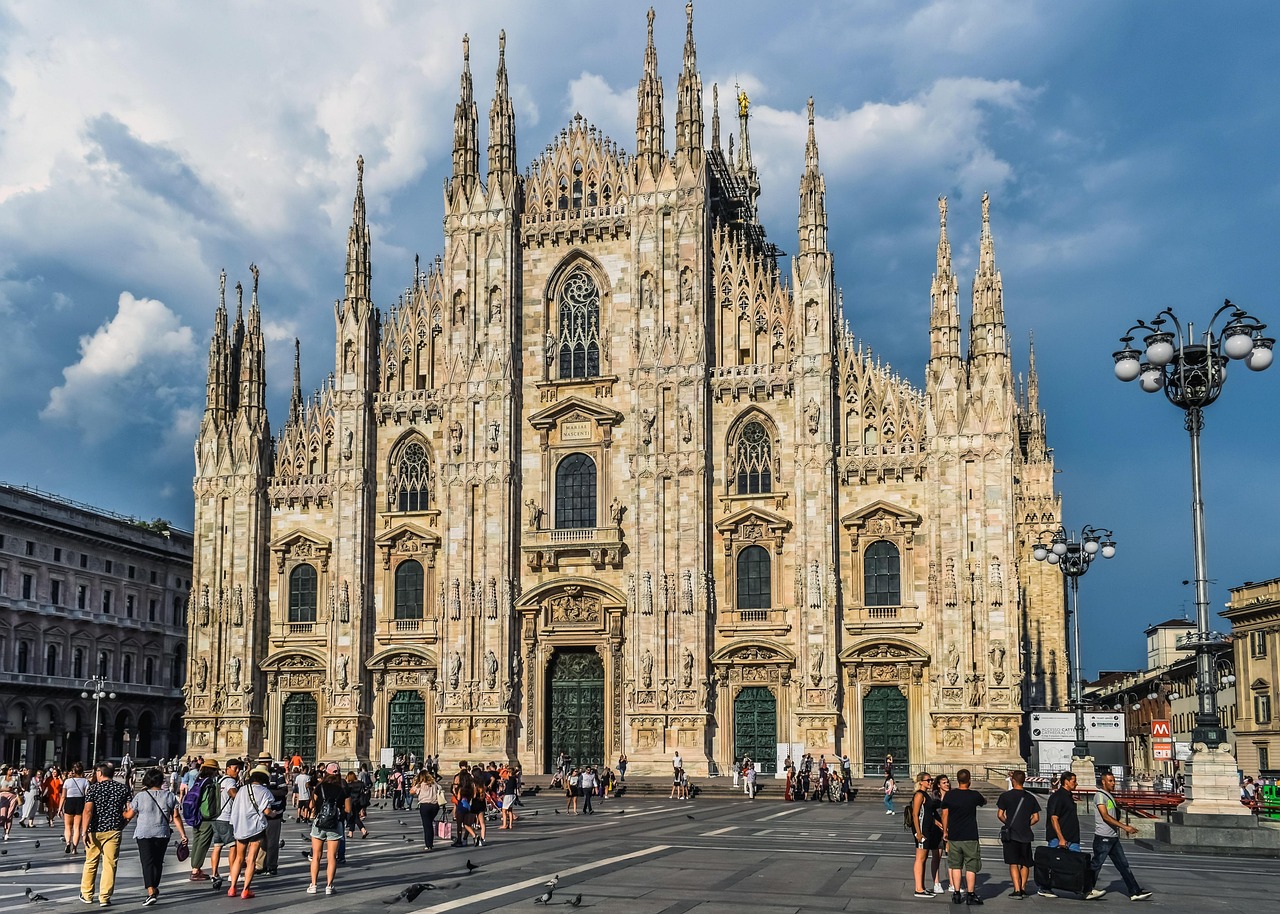
A calm, stylish start to a day in Milan—luxury pacing, elegant rituals, and Milan’s signature sights
This luxury guide to what to do in Milan, Italy, begins with the city’s rhythm: quiet at dawn, bright and purposeful by midday, and warmly social after dark when aperitivo softens the streets. Milan is a fashion capital, yes, but it’s also a city of small rituals—espresso taken standing at the bar, discreet service in museums, and an unhurried elegance that rewards travellers who move with intention. If you’re planning a perfect day, think of it as a sequence of beautiful places linked by short, easy walks rather than a checklist.
At sunrise, the marble of the cathedral reads almost pearl-grey; by lunchtime, central Milan becomes a study in design and tailoring; and in the evening, the city’s glow gathers around theatres and intimate tables. This guide is built around the main attractions in Milan—with timing and tone that keep the experience high-end, calm, and genuinely enjoyable. Consider it a refined answer to a very common travel question: the best things to do in Milan without rushing from one queue to the next.
Best time to visit Milan: plan a day in Milan with time to explore
For most travellers, the best time to visit Milan is April to June and September to October—pleasant light, lighter crowds, and a sense of ease around major landmarks. If opera nights or a special exhibition matter to you, let them anchor your schedule: build your day in Milan around those fixed times, then shape the rest with flexible margins for shopping, art, and long lunches.
In these shoulder seasons, you can often enjoy the Duomo roof in gentler temperatures and walk between neighbourhoods without feeling pushed indoors. It’s also a lovely window for a day trip from Milan, yet Milan is truly satisfying even when you keep your plans close to the historic core and the city’s top sights.
Get to Milan smoothly: Malpensa Airport, Milano Centrale, and hotel transfers
Many high-end travellers fly into Malpensa Airport or arrive by train at Milano Centrale. The simplest arrival is a pre-booked private transfer or an official taxi directly to your hotel, especially if you’re carrying shopping bags or dressing for an evening performance. That early sense of trust—someone meeting you, handling luggage, and navigating traffic—sets the tone for the whole visit to Milan.
Where you stay in Milan shapes your experience. The Duomo vicinity is ideal for first-time convenience and quick access to key landmarks; Brera offers charm and the feeling of living among galleries and cafe terraces; and Porta Nuova suits travellers drawn to contemporary skylines and Stefano Boeri’s Bosco Verticale.
For ways to get around, Milan’s metro and tram network is efficient, clean, and comfortable; for everything in the heart of Milan, a light walking tour mindset is often the most rewarding. If you enjoy bundled access, the Milan city pass is a popular choice for certain museums and timed entries—just check which inclusions align with the places to visit on your own list. For more inspiration across cities in Italy, browse our Trip gallery.
- Neighbourhoods for a first stay: Duomo for convenience, Brera for romance, Porta Nuova for modern design.
- Arrival support: private transfers help keep the transition to the city centre calm and polished.
- Style note: Milanese dressing is smart-casual by default; you’ll blend in easily with well-cut basics.
Next, we’ll move straight into the city’s most recognisable pairing—Duomo and Galleria Vittorio Emanuele—experienced in a way that feels intimate rather than crowded.




Milan in one day: Duomo di Milano rooftop views + Galleria Vittorio Emanuele II in the city centre
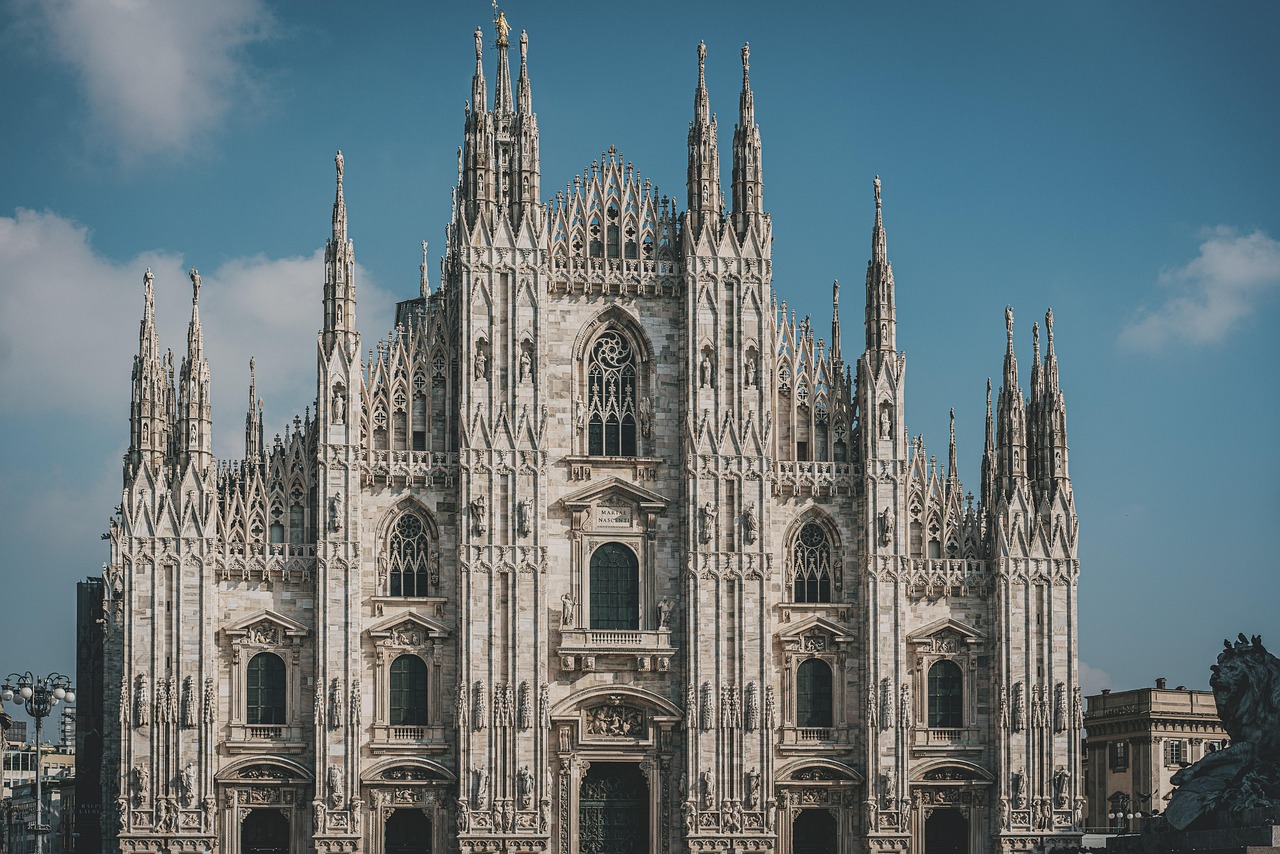
Early morning at the Duomo: rooftop perspective, sculpted spires, and a quiet start before the crowds in Milan
For a refined one day in Milan experience, start early at the Duomo, when the piazza is still quiet and the marble façade reads like lace against the sky. The Duomo di Milano is one of the most famous Gothic masterpieces in Europe, yet at the right hour, it feels less like a crowded attraction and more like a private encounter with craftsmanship. Take a moment inside the cathedral before you head upward—contrast is part of the magic.
Choose the lift for rooftop access and step into a sculpture garden of spires and saints. The reward is perspective: you’re not just looking over Milan—you’re understanding it, from the geometry of streets to the distant Alps on a clear day. It’s also one of Milan’s top sights for photography, even for travellers who think they’ve already captured every skyline.
Duomo rooftop at golden light: tickets in advance, dress code, and timing
If your time in Milan is short, planning matters: advance tickets make all the difference for roof access. Choose lift versus stairs depending on comfort, wear shoes that handle stone steps, and keep shoulders covered for cathedral etiquette. An insider tip locals quietly love: arrive early to catch soft light and photograph details before the midday rush in the city centre.
Pause at the highest points and let your eye travel across the rooftops of Milan; it’s a gentle reset before the city’s shopping energy begins. If you’re mapping a Milan itinerary, this rooftop chapter is the anchor that keeps the day feeling grounded and unhurried.
Next to the Duomo: Galleria Vittorio Emanuele II shopping arcade and cafe ritual
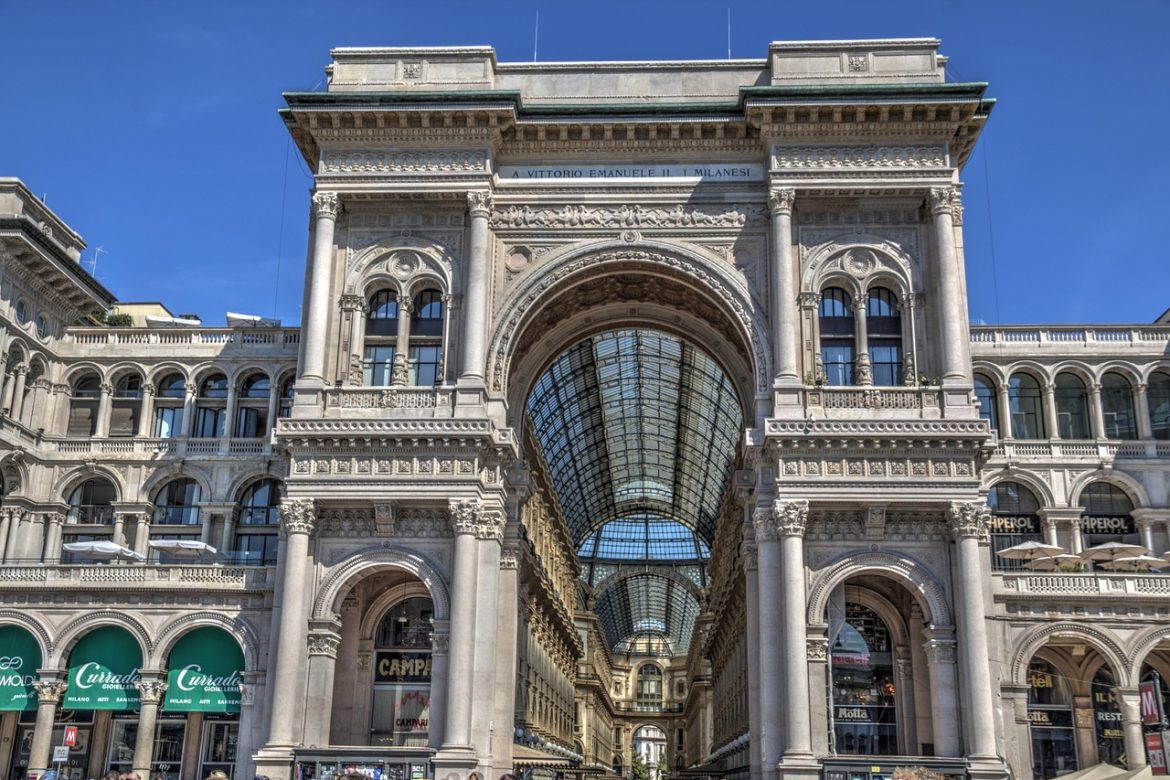
From the piazza, walk next to the Duomo into Galleria Vittorio Emanuele II—also often searched as Galleria Vittorio Emanuele—and let the mood shift from sacred marble to glossy elegance. With mosaic floors and a glass dome, it’s one of the world’s most cinematic interiors, functioning like a historic shopping arcade with the ease of a refined shopping mall. Begin with window shopping, then choose a cafe table for espresso and people-watching.
In the boutiques, staff are typically attentive without pressure; a polite “Buongiorno” and a relaxed question about materials or craftsmanship invites the best kind of help. If you love fashion, pause at a heritage house such as Prada and treat the stop like a mini design lesson—fabric, stitching, and silhouettes tell their own story.
From here, you’re perfectly placed to continue towards Renaissance history and the city’s most quietly powerful masterpiece.
Leonardo da Vinci’s Last Supper: private guided tour at Santa Maria delle Grazie, Milan
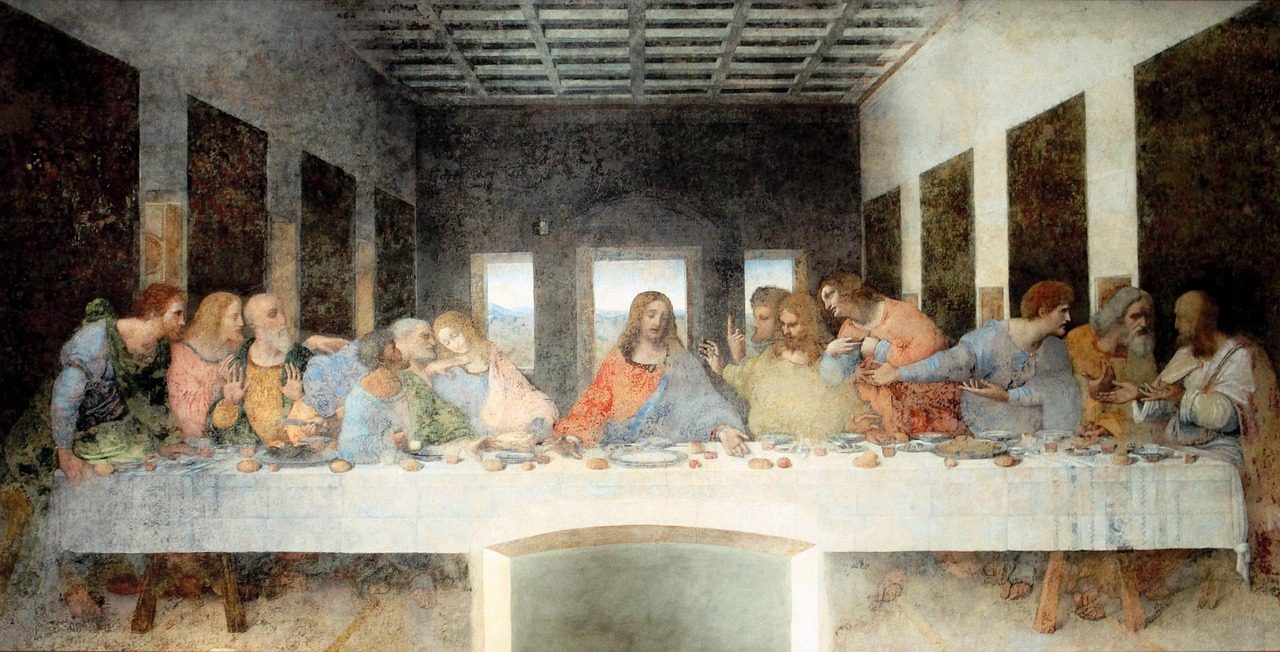
A private, expert-led encounter with Leonardo da Vinci’s Last Supper at Santa Maria delle Grazie in Milan
For many discerning travellers, seeing Leonardo da Vinci’s supper mural at Santa Maria delle Grazie is the moment that changes the tone of a trip to Milan. This experience isn’t about hype; it’s about context, conservation, and the quiet power of standing before a work that still feels startlingly modern. With the right expert, the visit becomes genuinely unforgettable—more like an invitation into history than a rushed photo opportunity.
A private approach also gives you breathing room: time to notice gestures, to understand how da Vinci’s perspective directs your gaze, and to leave with insight rather than only an image in your mind. This is one of the most meaningful things to do in Milan if you value art with depth and prefer a calm, curated pace.
Santa Maria delle Grazie: Basilica di Santa Maria delle Grazie details to notice before your guided tour
Arrive a little early to take in the Basilica di Santa Maria delle Grazie complex from the outside. The façade is restrained compared with the Duomo’s Gothic drama, which makes the transition inside feel even more focused. As you approach Santa Maria delle Grazie, notice the calm geometry of the architecture and the sense of enclosure—this is a space designed for contemplation.
Access is carefully managed, and that controlled entry is part of the care taken to protect the mural. The calm, almost ceremonial pacing reassures you that you’re stepping into a site that understands its own value in Milano and in the wider story of European art.
Last Supper restoration: why timed viewing protects Leonardo da Vinci’s supper mural
The supper has survived war damage, humidity, and centuries of overpainting; restoration choices and conservation science are central to understanding what remains. If you can, book a guided tour (or a private guided tour) with an art historian who can point out areas of loss, explain what has been stabilised, and highlight details that still convey Leonardo da Vinci’s intent. Timed entry isn’t a nuisance—it’s the conservation strategy that keeps the work visible for future generations.
Standard slots sell out quickly, so consider concierge help or specialist operators for preferred times; if your ideal entry disappears, a well-connected guide may suggest alternatives that keep the day seamless. Many travellers say the interpretation is what makes this stop feel intimate rather than crowded.
- Booking window: secure your slot weeks in advance during peak seasons.
- Keep it calm: arrive early, travel light, and treat it as a quiet encounter.
- Contingency: if you can’t get in, reframe the day with museums and return on another date.
After this stillness, Milan feels brighter—ready for long afternoons in Brera and a night dressed for music.
Weekend in Milan: Brera district dining, Pinacoteca di Brera, and Teatro alla Scala
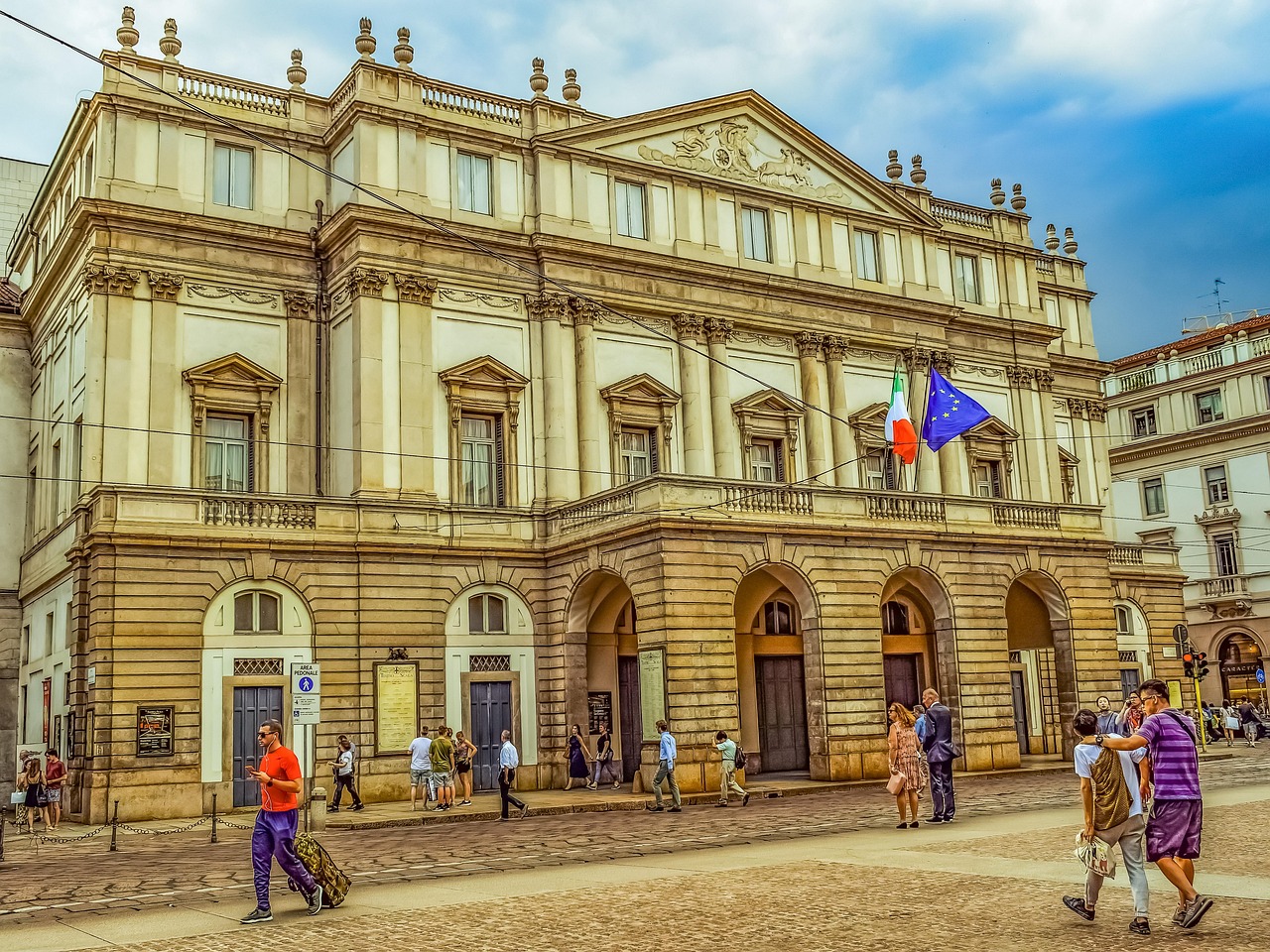
An evening in Brera: elegant streets, culture close by, and the anticipation of Teatro alla Scala
Brera is the combination that makes the city feel lived-in rather than simply visited. This is a district of Milan where culture sits close to daily life: cobbled lanes, small galleries, and a pace that encourages you to linger. If you went to Milan for beauty and rhythm, you often feel it most clearly there.
Start with a slow afternoon—browse artisan shops, take a gentle walking tour through side streets, and let yourself choose what draws you in. Brera’s charm is that it doesn’t demand you “do” anything quickly, even when you’re compressing the city into one day in Milan or extending the experience into a weekend in Milan.
Brera dining: upscale supper, reservations, and classic Milano flavours
For high-end dining, expect roughly €80 to €150 per person depending on wine and tasting choices, and do reserve—especially on performance nights. If you want classic comfort, choose saffron risotto or ossobuco in a room with old-world service; if you prefer modern Milan, look for tasting menus that play with texture and seasonal produce. A couple once shared how a romantic evening dining alfresco in Brera’s quiet piazzas became their hidden gem of the visit—more memorable than any headline attraction, simply because it felt local and unforced.
Between courses, notice how Milanese service tends to be discreet: present when you need it, invisible when you don’t. It’s a subtle form of care that makes a late meal feel effortless and polished.
Pinacoteca di Brera and Teatro alla Scala: art museum calm before an opera night
Before the evening, give yourself an hour in the Pinacoteca di Brera—an art museum that balances grandeur with calm. Even a short visit can be deeply satisfying: a few rooms, a few paintings, and a quiet sense of continuity that links Milan to the wider sweep of Italian art. Think of the Pinacoteca as a soft reset before a more dramatic night.
Then dress for Teatro alla Scala, stepping into the square near the statue of Leonardo da Vinci as the lights come up. Ticket strategy varies—good seats can sell quickly, but even well-placed upper levels offer excellent acoustics; aim to book early and choose nights that match your taste. Dress expectations are smart, polished, and respectful; you don’t need excess, just intention.
A high-end traveller once described an intimate performance here as magical—the blend of artistry and ambience felt like being carried, together, into another century. La Scala is one of the most beautiful opera houses in Europe, and it’s also one of the busiest cultural venues, which makes the hush before the first note feel even more precious. La Scala is one of those places where trust in tradition becomes part of the pleasure.
If you want the city’s softer side afterwards, consider a twilight aperitivo by the water.
As an optional add-on, stroll along the canals and choose a terrace to stop for a drink: the Naviglio Grande and Naviglio Pavese areas offer reflections, music, and that after-dark ease that Milan does so well. Look for a seat along the Naviglio Grande, then wander a few minutes to the Naviglio Pavese if you prefer something quieter; either way, the canal-side atmosphere is effortlessly cinematic.
Best things to do in Milan: Fondazione Prada, Castello Sforzesco, and Sempione Park
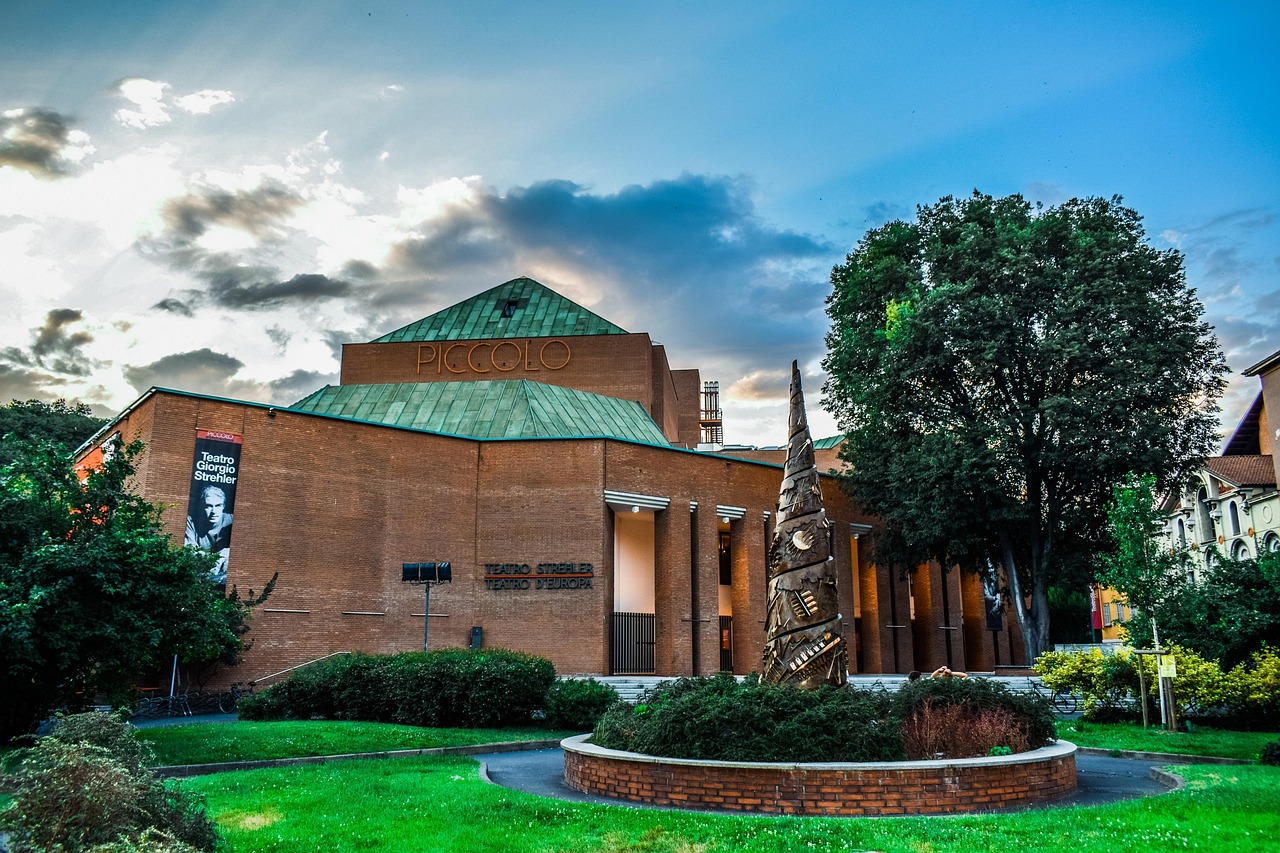
Design-forward Milan: from Fondazione Prada to castle courtyards and a restorative pause in Sempione Park
This sequence shows how Milan holds contrasts with confidence: bold contemporary installations, courtyards of stone, and then green shade. It’s a chapter for travellers who like an itinerary that feels designed, not crammed—and it rounds out the best things list with style and breathing room.
It’s also where you can widen your lens beyond the obvious landmarks while keeping the pace comfortable and curated—ideal when you want a few more things to do in Milan without adding stress or over-scheduling.
Fondazione Prada: contemporary art museum stop and design-forward attraction
Fondazione Prada is the contemporary counterpoint: sharp lines, unexpected spaces, and exhibitions that ask you to create your own meaning. Book timed entry and allow enough time to sit with the work—rushing here blunts the impact. A visitor once said the contrast made her see Milan, and other Italian cities, as living laboratories of creativity rather than museum pieces.
If you’re deciding what to see in Milan beyond the classics, Prada’s programme often provides the freshest answer.
Castello Sforzesco: museum of ancient art highlights, Sforzesco courtyards, and Sempione Park
At Castello Sforzesco, keep it unhurried: choose one or two sections rather than trying to see everything. The museum of ancient art offers sculpture, decorative arts, and a sense of the city’s historical seriousness; the most serene moments are often in the Sforzesco courtyards, where the noise feels far away. Nearby, the canal lock system is part of the city’s engineering story—some elements were designed by Leonardo da Vinci, a detail that quietly connects art to infrastructure.
Then cross into Sempione Park for a restorative pause. Find a shaded bench, let your shoulders drop, and enjoy the simple luxury of space—an easy contrast to the marble intensity of the Duomo and the shopping energy around the Galleria.
A detail often missed in Milan: take a short detour to Porta Nuova to see the skyline and Bosco Verticale up close. It’s a quick contrast that makes the historic centre feel even richer, and it rounds out your sense of places in Milan beyond the postcard frame. If you only have one day in Milan, even a brief modern glance can add surprising depth.
- Prada planning: timed tickets keep galleries comfortable; avoid peak weekend midday if you can.
- Sforza strategy: pick a highlight, then slow down—serenity is part of the design.
- Small upgrade: add a short tram ride to Porta Nuova to see the city’s present-day confidence.
By now, you’ve moved through grandeur and quiet corners. The final notes aren’t about doing more—they’re about what stays with you.
F.A.Qs: Milan travel essentials and planning tips
What is Milan, Italy, best known for?
Milan is best known for being Italy’s fashion and design capital, as well as a cultural hub with the Duomo, the Galleria Vittorio Emanuele II, and world-class performances at Teatro alla Scala. It’s also celebrated for Leonardo da Vinci’s Last Supper at Santa Maria delle Grazie, as well as a modern edge in districts like Porta Nuova.
What should you not miss in Milan?
Don’t miss the Duomo rooftop for views over the city, the Galleria for its iconic arcade atmosphere, and an expert-led visit to see the Last Supper. If you have time, add Brera for dining and art, plus a performance at La Scala for a truly special Milanese night.
Is $10,000 enough for a trip to Italy?
Yes—$10,000 can be enough for a high-end trip to Milan and wider Italy, depending on your style and length of stay. Luxury hotels, private transfers, and fine dining add up quickly, but with thoughtful planning, you can prioritise standout experiences (like private guides and premium tickets) while balancing costs across different travel days and Italian cities.
Is 2 days enough for Milan?
Two days are enough to experience the essentials at a comfortable pace: day one for the Duomo and Galleria, day two for the Last Supper, Brera, and either Fondazione Prada or the Sforzesco castle complex with Sempione Park. In two days, you can also add an evening at Teatro alla Scala without feeling rushed.
After your visit to Milan: what stayed with you (love with Milan reflections)
After a visit to Milan, what lingers is rarely the number of attractions you ticked off. It’s the hush on the roof when the city is still new to the morning; the warm glow beneath the dome of the galleria; the way the supper holds a room in silence; and the softened edges of evening when conversation turns low and unguarded. You may catch yourself remembering not just the Duomo, but the feeling of standing above it—steady, held, and quietly exhilarated.
There’s something tender in how Milan lets you move between worlds: opera velvet to contemporary steel, a white tablecloth to a sunlit piazza, the weight of history to the lightness of design. Somewhere between those contrasts, you uncover your own taste—what you’re drawn to, what you trust, what you want to carry home from this destination among Europe’s great cities.
And perhaps that’s how you fall in love with Milan: not through certainty, but through small acts of care—your own, and the city’s. Later, when you’re far away, you might still picture the stone catching the last light, hear a phrase of music in your mind, and wonder, with a calm kind of curiosity, what to do in Milan, Italy, on your next return.