Post Contents
- Why Volterra feels like a living time capsule – a Tuscan town built for curious adventure seekers
- Explore the Roman Theatre in Volterra, Italy – Roman remains from the 1st century BC
- Etruscan defenses in Volterra: Porta all’Arco and an easy walking tour
- Civic Volterra, Italy: the main square, historic palace facades, and Duomo life
- Alabaster craft in Volterra, Italy: workshops, museum context, and the Ecomuseum
- Visit Volterra, Italy from Pisa or Florence: transport, costs, and day trips around Volterra
- F.A.Qs: Volterra, Italy travel planning, history, and practical tips
- Final Thought
Why Volterra feels like a living time capsule – a Tuscan town built for curious adventure seekers
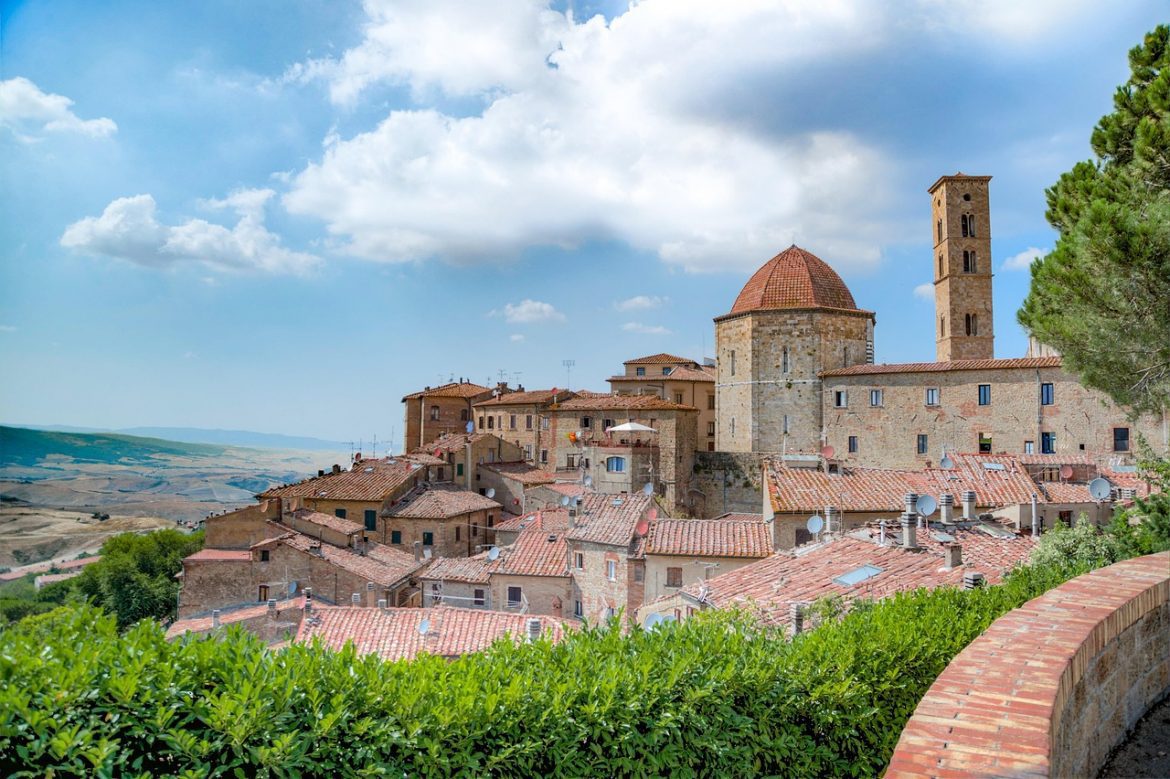
Volterra at sunset, with stone rooftops glowing above the valley
If you’re looking for a Volterra, Italy travel guide with a sense of movement, start by letting the place set the pace. Volterra is one destination that proves a simple wander can feel like an expedition: a charming town on a hilltop, and a Tuscan town that still feels quietly lived-in. As a town in Tuscany, it’s renowned for its peculiar urban character, a peculiar urban layout that reminds you to slow down and follow curiosity. That urban layout that reminds us to weave through lanes also evokes its Etruscan past and keeps us close to its Etruscan origins as you move through the town centre.
Volterra is well known for its Etruscan legacy, evident in its streets and stone structures. The Etruscans shaped the early settlement, and the Etruscan name of Volterra was Velathri, part of an Etruscan confederation long before Rome. Later came many Roman chapters, plus Roman and medieval shifts that tightened the lanes, raised a palace here and there, and left a city that still feels practical as well as poetic.
Volterra through time: Etruscan roots, Roman power, and the medieval town that followed
Here are the quick bearings you’ll want, just enough to give your steps meaning without turning your day into a lecture. The earliest layers are Etruscan, with defensive thinking and rituals that still echo in today’s routes. In later centuries, Volterra fell under Florentine supremacy; you’ll sense that broader politics in civic buildings and street geometry. It moved through the duchy of Tuscany before consolidating in the grand duchy of Tuscany, which then became part of the Kingdom of Italy in 1860.
What makes Volterra’s centre so reassuring for high-end travellers is its scale and the way it invites small decisions. You can design your day around short, rewarding climbs and long pauses—espresso in a quiet piazza, a slow turn through a side street, then a viewpoint that opens the countryside like theatre curtains. Build a personal rhythm: early mornings for soft light and quiet streets, and late afternoons when the stone begins to glow in the shadow of the evening.
Sunset from the city walls: golden hour views over the countryside
Travellers often recount sunset from the walls as if it’s a private show. Imagine standing at the top of a hill with a warm breeze, watching golden light turn the stone into something softer and more human. That small moment—unhurried, unfiltered—creates trust in the journey, because it proves you don’t need a checklist to feel something real.
If you’d like to keep planning visually, you can browse our Trip gallery for designer routes that pair Volterra with other Tuscan favourites.




Explore the Roman Theatre in Volterra, Italy – Roman remains from the 1st century BC
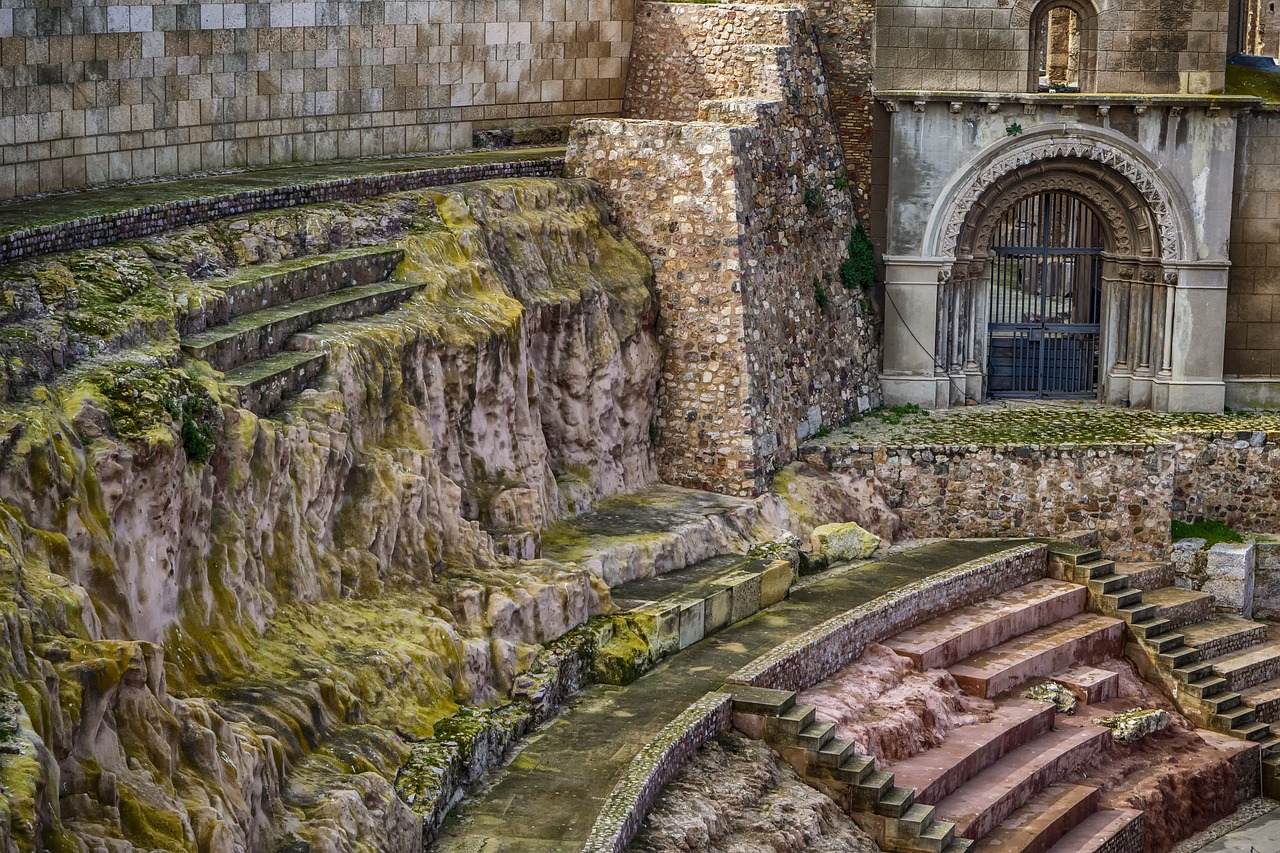
An ancient open-air theatre with sweeping tiers and a quiet, powerful atmosphere
To anchor your first deep dive, put “Roman Theatre Volterra, Italy, 1st century BC” on your map and arrive a little earlier than you think you need. Like the Roman theatre just outside the medieval city, this site feels close to town and, at the same time, strangely separate. The structure dates to the end of the 1st century BC, and you’ll notice how later repairs were layered in; by the end of the first century, places like this were already being reworked rather than replaced.
For adventure seekers, the appeal isn’t only historical—it’s physical and sensory. You feel Roman remains under your feet: stone seating, curved lines, and that open-air hush where the smallest sound seems to carry. Pause at the highest tiers, then look out across the countryside, and you’ll understand why this stop is both a monument and a viewpoint.
Best light at the theatre: views, tickets, and an easy walk back into Volterra
The best light tends to be morning or late afternoon, when shadows define the tiers and the surrounding landscape looks softer. Entry fees are modest, and you can combine your visit with an easy walk back towards the town centre for lunch. If you’re travelling in high-end style, consider a private guide who can point out subtler engineering details while keeping the mood relaxed and personal.
In the evening breeze, the seating seems to hold the air—cooler, calmer, and scented with greenery. Close your eyes for a second, and you can almost hear the hush before a performance, then the fields opening up beyond the stage like a painted backdrop.
- Timing: arrive early for quieter paths and cleaner photos.
- Costs: expect a small admission fee; carry a little cash just in case.
- Comfort: cobbles and uneven stone reward supportive footwear.
- Flow: pair the visit with a gentle stroll into Volterra for an aperitivo.
Etruscan defenses in Volterra: Porta all’Arco and an easy walking tour
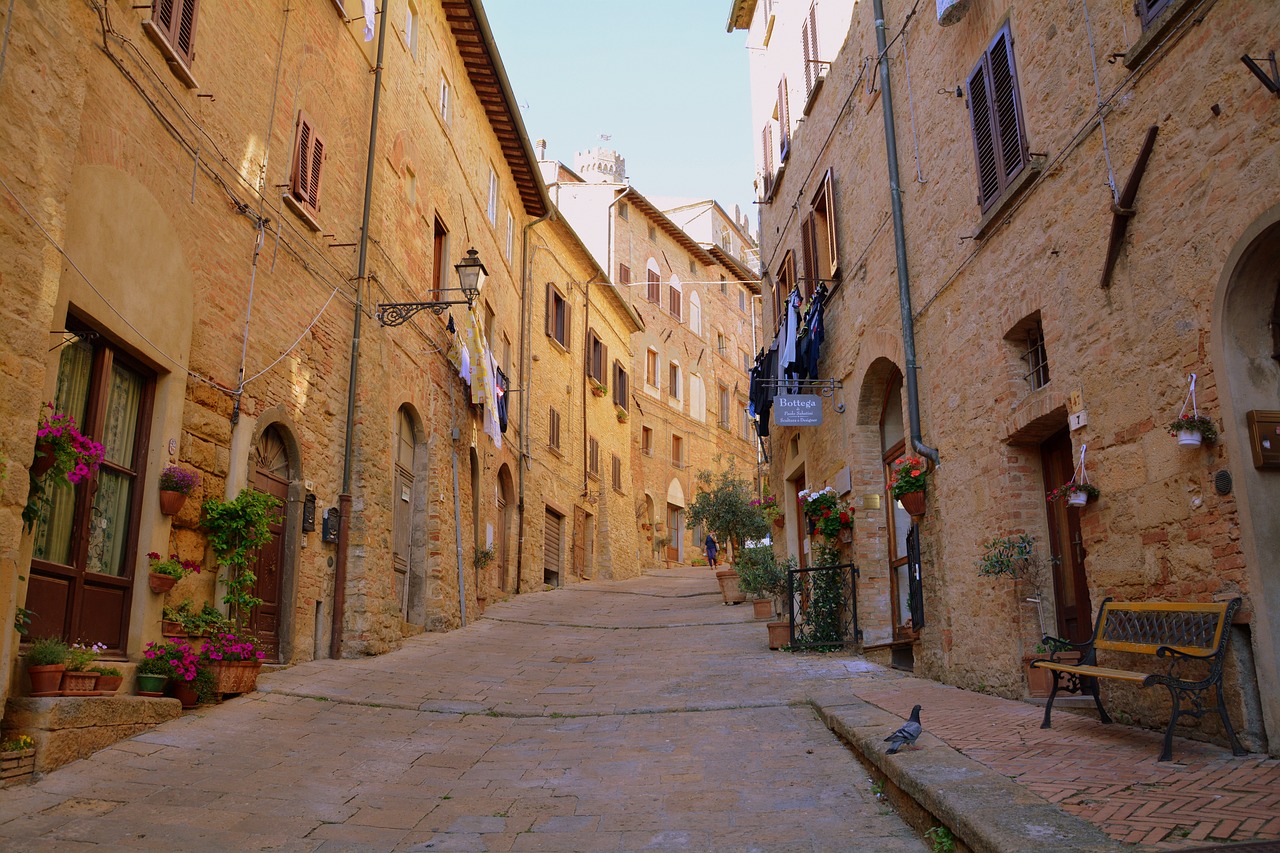
A calm climb through ancient streets and defensive gateways
For an “Etruscan city walls Volterra Porta all’Arco walking tour”, start when the town is still waking up. You can still visit part of the majestic protective walls, a stretch that makes the town’s ancient strategy feel immediate rather than abstract. This route is best enjoyed in silence and soft light, when each stone corner feels like a clue.
The showpiece is the gateway known as Porta all’Arco, including the well-preserved Porta with its distinctive Etruscan arch. Engineers built these defences with serious intent; in the 4th century BC, fortification walls were built to lock the settlement into the rock itself. By the end of the 4th century, the line of protection helped the community hold its position for generations.
Quiet Etruscan mornings for solo travellers: route ideas and mindful pacing
A solo traveller once described the peaceful atmosphere of early routes to lesser-known sites, feeling transported back in time. If that’s your style, keep it simple: choose one stretch of walls, one gate, and one quieter archaeological corner. The terrain can be uneven, so good shoes are a form of care; they keep your confidence steady as you navigate slopes and stones.
If accessible on your route, look out for an Etruscan necropolis viewpoint or interpretive stop, and hold the idea of an acropolis in your mind. It helps you frame the defensive logic: this is a place that watched the horizon first, then built culture inside the protection.
Small etiquette that keeps Volterra warm and local
When you pass through residential lanes and tucked-away piazza corners, soften your pace. A gentle “Buongiorno” to a shopkeeper or neighbour is not performance—it’s respect. Keep voices low near doorways, and you’ll feel the town respond in kind, opening itself to you with quiet trust.
Civic Volterra, Italy: the main square, historic palace facades, and Duomo life
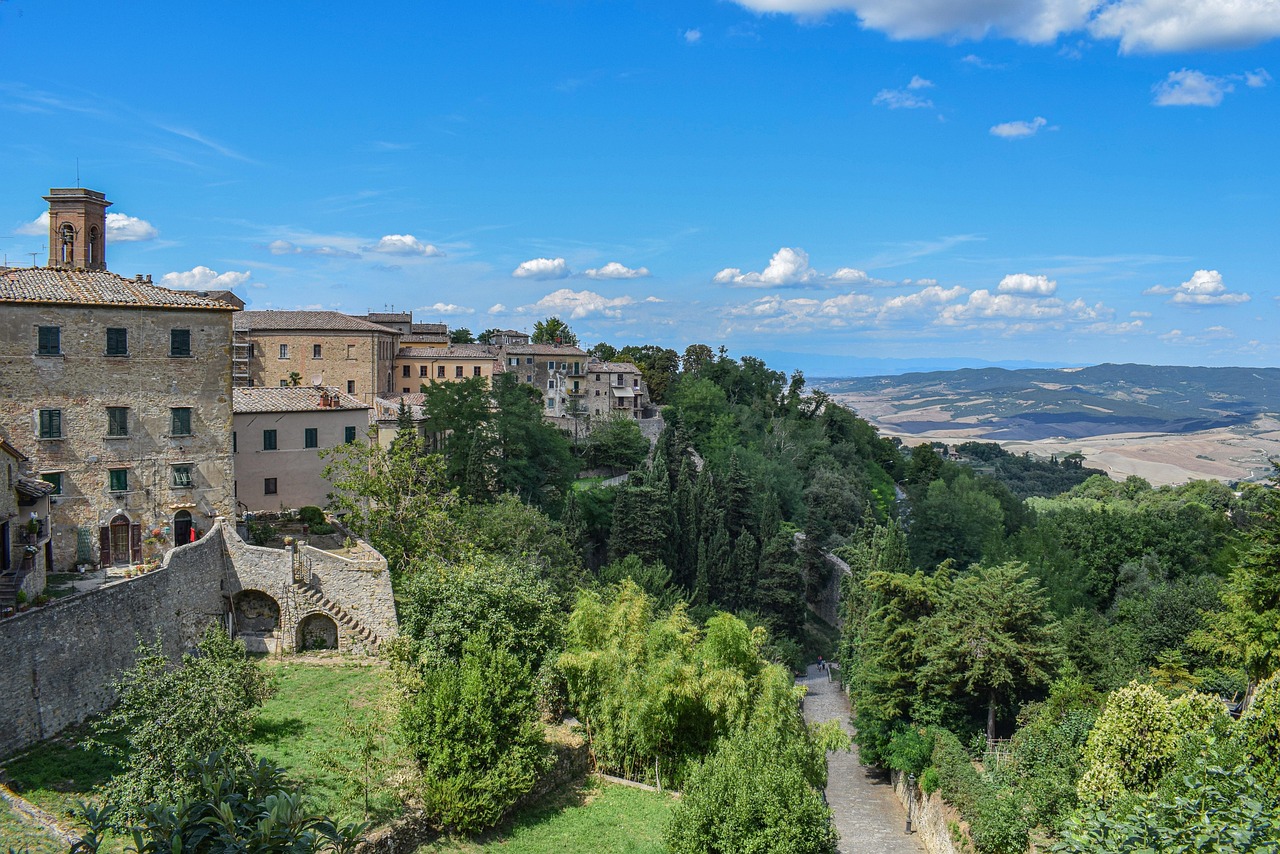
A classic civic scene in the heart of town
If your search is “Palazzo dei Priori Volterra Piazza dei Priori Duomo”, you’re really searching for the civic heartbeat of the town. Begin at Piazza dei Priori, the main square that gathers Volterra’s confidence into one compact stage. Palazzo dei Priori is Italy’s oldest town hall, a 13th-century statement of order and pride, and it makes the streets feel present rather than staged for visitors.
Inside and nearby, you’ll find works of art that reward slow looking; when it fits your interests, link in the pinacoteca for a curated pause between walks. If you enjoy museum time, balance that with the Museo Etrusco Guarnacci—an Etruscan museum visit that adds context to the streets you’ve just explored.
Duomo, Santa Maria, and practical details for a calm, photogenic loop
From the piazza, it’s easy to stitch a small loop: the Duomo (dedicated to Santa Maria) and the baptistry sit close enough to feel effortless. If you’re visiting the cathedral, take a quiet minute to look up; it’s worth visiting for the ceiling details and the sense of stillness. Step back outside to admire the palace facades and the surrounding fountains, which add sparkle to the stone-heavy palette.
For a ‘designer journey’ feel, ask a local for the best angle on a medieval tower. You may hear someone casually point to a torre del viewpoint connected to civic buildings—conversation is often the easiest way to find the most flattering light. If you have time, visit a nearby side-street café as well and watch the square’s rhythm change through the day.
A couple’s trattoria story and the confidence of belonging
A couple once told me their favourite memory here wasn’t a monument at all. They found a small family-run trattoria near the piazza, and a local named Francesco started sharing stories over a simple Tuscan dish. It turned dinner into a personal connection—one that made them feel supported, together, and genuinely welcome.
- Opening hours: seasonal changes are common, so arrive earlier or book when you can.
- Local manners: a warm “Buongiorno” goes a long way.
- Photos: morning light makes the square feel calmer and more spacious.
Alabaster craft in Volterra, Italy: workshops, museum context, and the Ecomuseum
Handmade craft and the soft glow of carved stone
When you look up “alabaster workshops Volterra Alabaster Museum Ecomuseum”, you’re stepping into the town’s most tactile tradition. Volterra is famous worldwide for alabaster, and the pleasure is that it isn’t hidden: you can see it, touch it, and learn it with respect. This is crafted culture—made slowly, with dust on hands and light passing through stone.
Start with the alabaster museum for context, then let the story become human in the workshops. The best visits happen on weekdays, when artisans have time to talk without pressure. Ask how the material behaves, how it’s cut, and what makes a piece durable for travel.
Alabaster moments that turn souvenirs into personal stories
A backpacker once described meeting an alabaster artisan who explained centuries-old techniques and invited them to try carving. The result wasn’t a perfect object; it was insight—an embodied memory that made the stop feel less like shopping and more like learning. If you’re travelling in a high-end way, you can arrange a private workshop session that feels calm, attentive, and genuinely personal.
Ecomuseum tours for geological and cultural depth around Volterra
To understand the landscape that feeds the craft, take a guided tour of the Ecomuseum. It connects geology, labour, and local identity around Volterra, helping you see why this settlement became what it is. You’re not just buying something beautiful; you’re meeting a place through its material.
As you shop, look for clean finishing, balanced weight, and honest explanations. You might notice a maker’s name or a family sign—perhaps even viti—but the best guide is conversation. Ask how to pack your piece safely, and request wrapping that supports travel without fuss.
Visit Volterra, Italy from Pisa or Florence: transport, costs, and day trips around Volterra
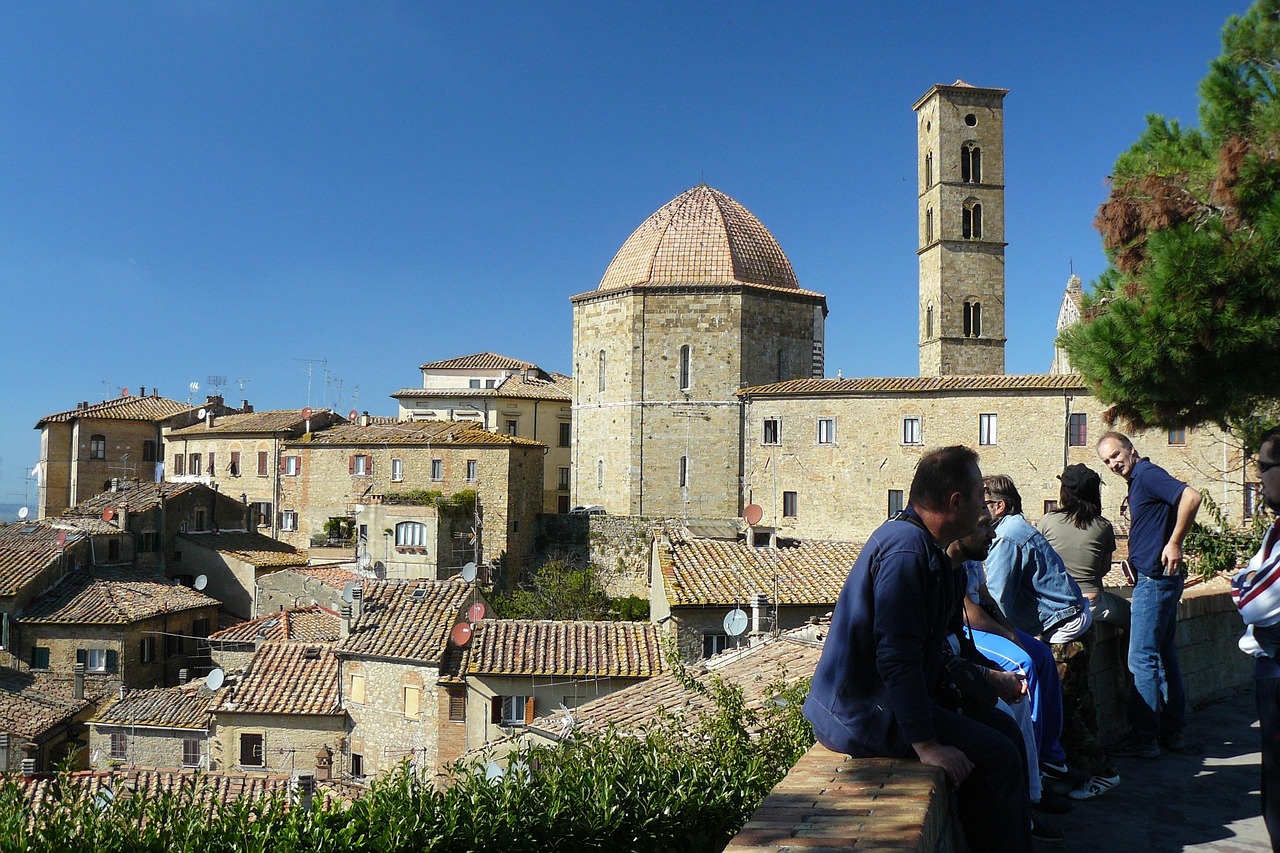
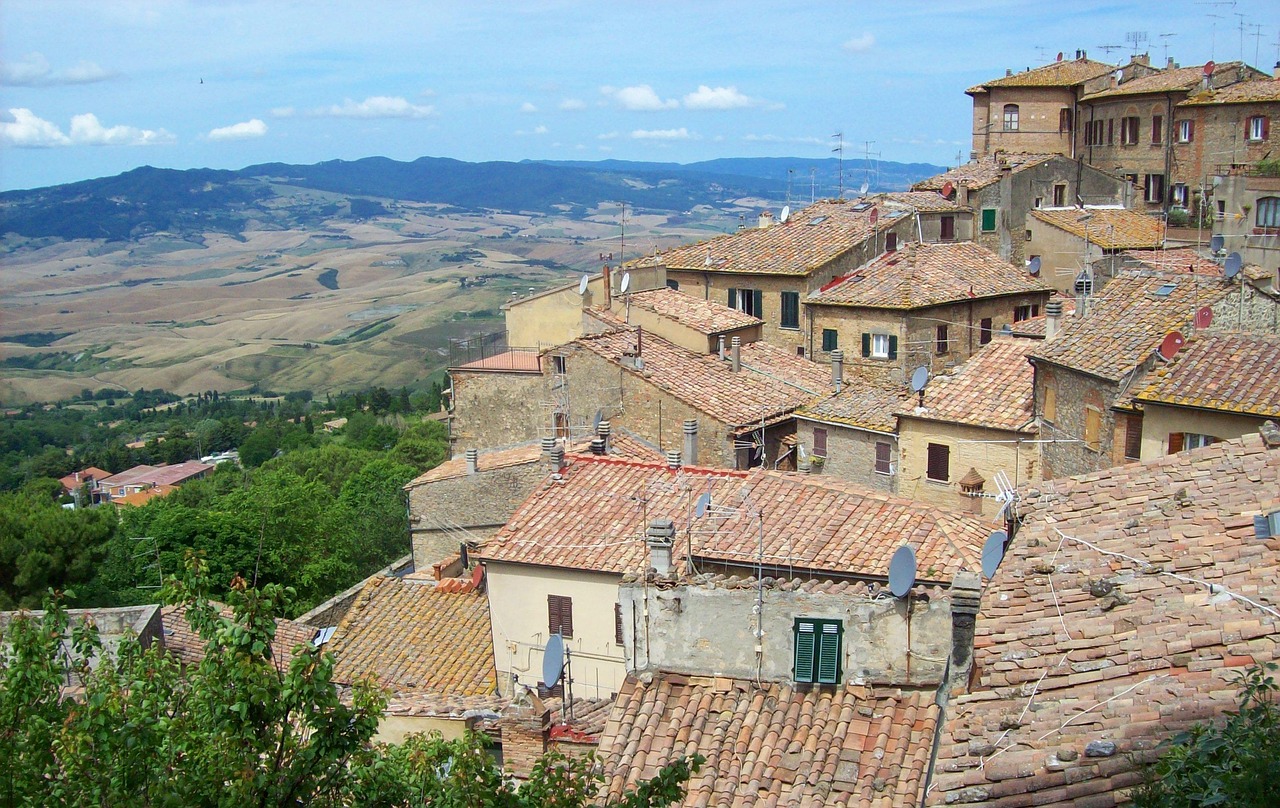
A scenic drive that turns the journey into part of the experience
If your priority is to visit Volterra, Italy, from Pisa or Florence with a few easy day trips, a little planning creates an effortlessly luxurious feel. Most travellers fly into Pisa or Florence, then choose between a direct bus or a rental car. The scenic drive is roughly 1.5 hours and genuinely worth it, with vineyards and ridgelines that make the approach feel cinematic.
Getting around Volterra with confidence: parking, ztl rules, and walking access
Inside the historic centre, you’ll encounter ztl rules, and they matter. Narrow medieval streets are beautiful, but they’re not designed for modern traffic, so parking outside the defensive ring is the low-stress choice. It supports a calmer arrival—no tight turns, no anxious reversing, just an easy walk in with your day already feeling seamless.
Once you’re on foot, the routes become intuitive. Plan climbs for cooler hours, carry water in summer, and keep your pace steady on cobblestones.
Tickets, the Volterra Card, and day trips to San Gimignano, Siena, and the Tuscan coast
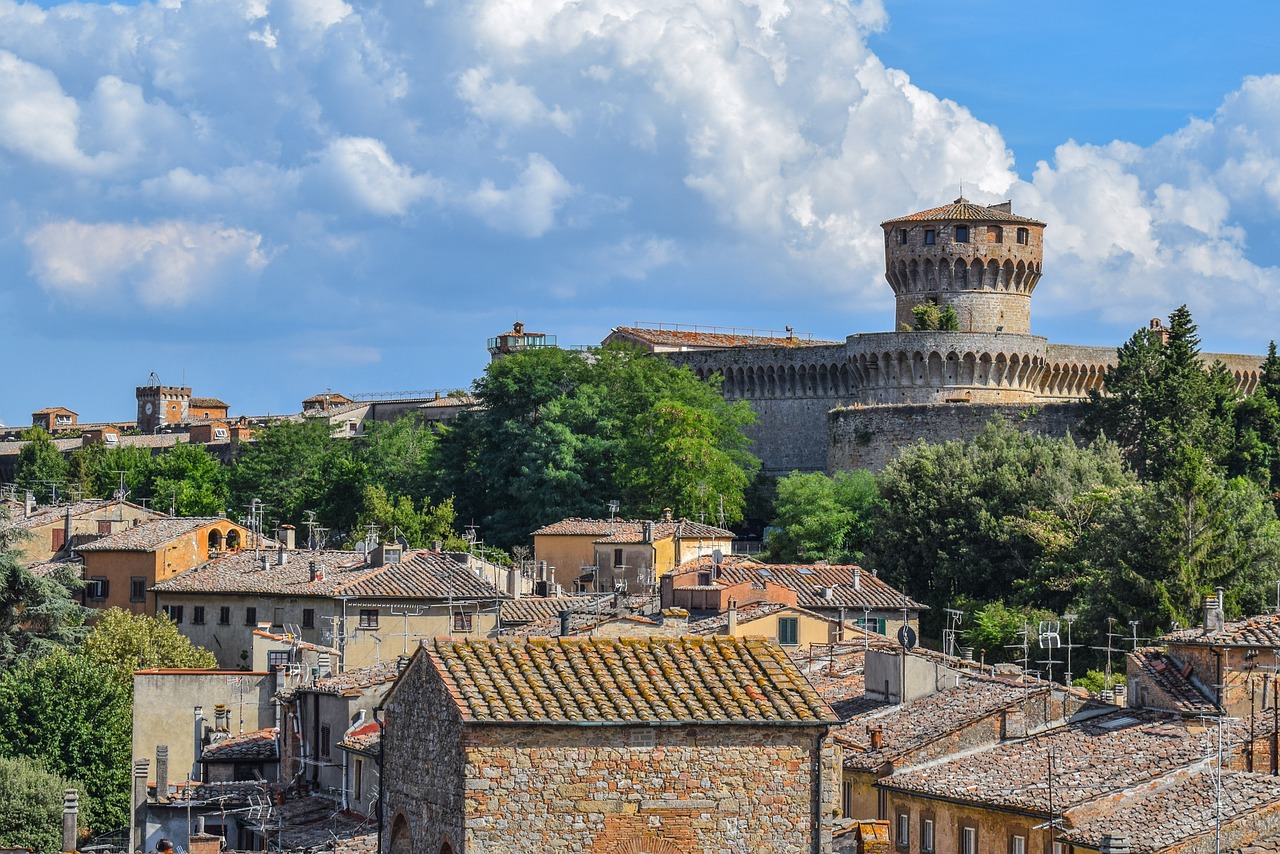
Budget-wise, Volterra is refreshing: the ancient theatre site and the town hall charge modest entry fees, while many outdoor sites are free. If the Volterra Card is available during your dates, it can simplify admissions and guided tours—especially useful when you want to support local guides and avoid queue friction. For a bigger viewpoint hit, climb the Fortezza Medicea (when open to the public) for panoramic vistas and strategic context.
Use this town as a base for easy breaks: San Gimignano for towers, Siena for deeper medieval texture, or a Tuscan coast detour when you want sea air. If you’re building a slower itinerary, a countryside villa stay can be the perfect one-time anchor between adventures, especially if you’re collecting a few hilltop towns in the same trip. Volterra’s compact size makes it easy to return for dinner even after a full afternoon out.
- Best season: April to October for weather and festival energy; July and August bring bigger crowds.
- Festival note: Volterra AD 1398 is high-energy—dress comfortably, keep space in busy lanes, and be respectful during performances.
- Driving: avoid the tightest lanes; park outside and walk in for ease.
F.A.Qs: Volterra, Italy travel planning, history, and practical tips
What is Volterra, Italy known for today?
Volterra is known for its Etruscan heritage (including gates and porta details), its ancient open-air theatre and other Roman-era sites, its medieval centre around Piazza dei Priori, and its long tradition of alabaster craftsmanship in local workshops.
Is it worth visiting Volterra on a day trip?
Yes—Volterra is worth visiting if you love culture with a sense of adventure. It’s compact, easy to explore on foot, and full of viewpoints, small museums, and streets that reward slow wandering.
Is Volterra the oldest town in Italy?
Volterra is sometimes described as one of Italy’s oldest towns because its origins date back to the Etruscan period, with evidence extending to the 4th century BC. It’s best to see that claim as a sign of deep antiquity rather than a strict, provable ranking.
Was Twilight actually filmed in Volterra?
Not exactly. The story places key scenes here, but much of the filming happened elsewhere. Even so, the dramatic stone streets and historic atmosphere make it easy to see why it was chosen as inspiration.
Final Thought
Volterra doesn’t simply add sights to your memory; it changes how you measure time. In Italy, places can feel beautiful on first glance, but Volterra feels layered—Etruscan, Roman, and medieval—each era resting quietly on the next. After a day of exploring, what stays isn’t the number of steps you took, but the way the stone seemed to hold the day’s warmth at dusk.
I think of the softness of evening light on old walls, and how the air cools in a lane just off the piazza. I think of local voices that carry kindness without performance—small exchanges that make a traveller feel seen. There’s a particular calm confidence that comes from moving at human speed and realising you haven’t missed anything at all.
And then there’s the craft: not as a purchase, but as a reminder that culture can be held in the hands. It’s the quiet dignity of work done carefully, and the gentle trust that forms when you listen well. Volterra’s greatest gift is that it never asks you to rush—volterra offers perspective that feels timeless, grounding, and surprisingly tender.
When you leave, you don’t just carry photographs; you carry a slightly different pace. Somewhere ahead, another town will be waiting, and you’ll recognise the feeling—curiosity leading, without urgency, into whatever comes next.