Post Contents
- Cagliari, Sardinia’s capital, a travel guide to Italy.
- Castello district in Cagliari and Bastione di Saint Remy viewpoint
- Cagliari Roman amphitheater museum in Sardinia
- Poetto Beach in Cagliari offers snorkelling, and the Devil’s Saddle hike along the coast.
- Marina district, Cagliari: Sardinian cuisine and markets by Via Roma.
- F.A.Qs:
- After Cagliari, what stays with you in Sardinia travel reflection Italy
Cagliari, Sardinia’s capital, a travel guide to Italy.
Cagliari Sardinia’s capital city at a glance
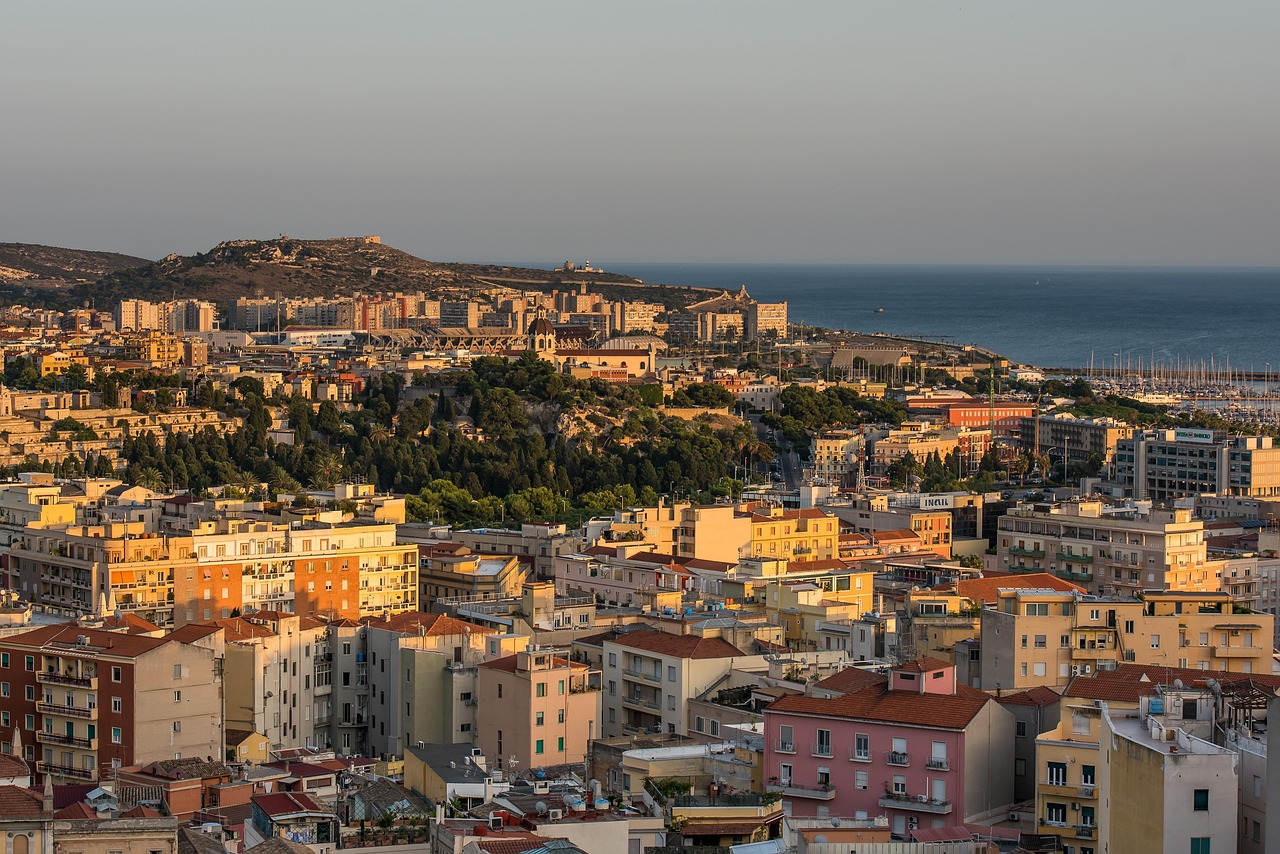
If you’re looking for a Cagliari Sardinia capital city travel guide that Italian travellers can actually use on the ground, begin with the city’s natural levels. Cagliari is built like a theatre: Castello up high, the Marina below at the waterfront, and Villanova tucked in between with lived-in corners that feel quietly local. Once you understand altitude, shade, and the sea breeze, you can design your days with ease and confidence.
Explore Cagliari by neighbourhood energy
Start with the hilltop and work down. Castello has the citadel mood—narrow streets, stone steps, and viewpoints that make you pause, even if you thought you were “just passing through”. The Marina adds porto energy and a gentle evening rhythm, while Villanova offers a softer pace for morning coffees and slow walks.
For high-end travellers who like a little adventure, Cagliari’s compactness is a gift: you can create a day that includes history, a museum stop, and a sea-air reset without feeling rushed. When friends ask for “things to do in Cagliari”, this is the answer—layer experiences rather than ticking boxes.
Seamless arrival and low-stress movement
Cagliari Elmas Airport makes arrival refreshingly straightforward, and from there, Cagliari’s transport is easy to navigate. Local buses connect the centre and the coastline, walking routes link districts naturally, and bike rentals let you glide along the flatter stretches when the sun is high.
- Best season: visit between May and October for warm evenings in Sardinia and a reliable outdoor rhythm.
- Best hours: explore early morning or late afternoon for cooler streets and calmer viewpoints in Cagliari.
- Etiquette: greet with buongiorno or buonasera, and dress modestly in churches.
- Safety: Stay alert for pickpockets in busy market areas; overall, Cagliari feels safe and welcoming.
If you’d like inspiration for broader Italy pairings, you can browse our Trip gallery and then return to Cagliari with a clearer sense of what you want this journey to mean.
When the city pace rises, give yourself a nature-in-the-city pause. The Botanical Garden of Cagliari is an easy reset: Mediterranean flora, quiet paths, and a gentle reminder that Sardinia’s beauty isn’t only on the coast.




Castello district in Cagliari and Bastione di Saint Remy viewpoint
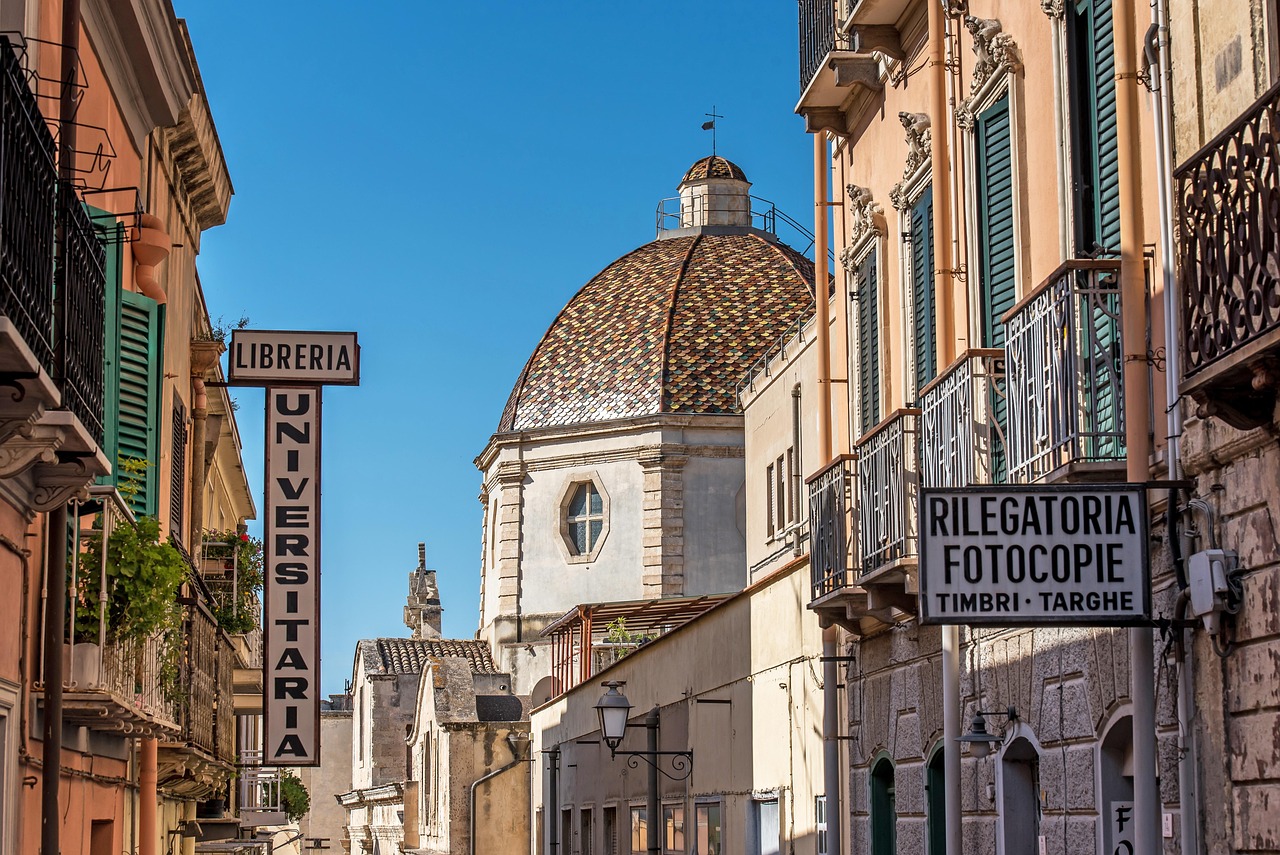
Castello district views and Saint Remy at sunset
A Castello district Cagliari Bastione di Saint Remy viewpoint walk is the kind of experience that turns a beautiful city into a personal memory. The climb into Il Castello winds through narrow streets, past medieval towers and stone staircases, and you can feel the old fortification doing its job—lifting you above the everyday into something almost cinematic. In Cagliari, that elevation changes how you see everything.
Hilltop Castello district details that reward slow walking
Take your time and let the streets guide you. You’ll notice quiet palazzi corners, cool shade between walls, and little pauses in the architecture that feel like invitations rather than obstacles. The layers matter here: Pisans first, then Aragonese power reshaping the skyline, leaving a stronghold that still frames Cagliari’s sense of self.
From certain angles, the city looks almost picturesque—especially as the light softens. It’s also where you begin to understand Sardinia’s capital as more than a gateway: it’s a lived place, with daily life flowing beneath the stones.
Saint Remy at sunset with a warm breeze
One traveller told us they timed their walk for the golden hour and reached Saint-Remy just as the warmth shifted into a gentle breeze. They watched the city lights come alive, one by one, and suddenly Cagliari felt intimate rather than grand—like the skyline was sharing a secret. It’s a small moment, but it stays with you because it’s made of sensation: air on skin, stone underfoot, and a horizon that feels close enough to touch.
For comfort, support the climb with small breaks. Pause for water before the final steps, and choose photo spots where you can lean into the view rather than hovering on the edge—your shoulders drop, your breathing steadies, and the experience feels calm.
A simple micro-itinerary: begin at Castello, linger at the bastion, then descend slowly into the lower streets. That way, the day feels crafted—never punishing, never hurried—just naturally unfolding.
Cagliari Roman amphitheater museum in Sardinia
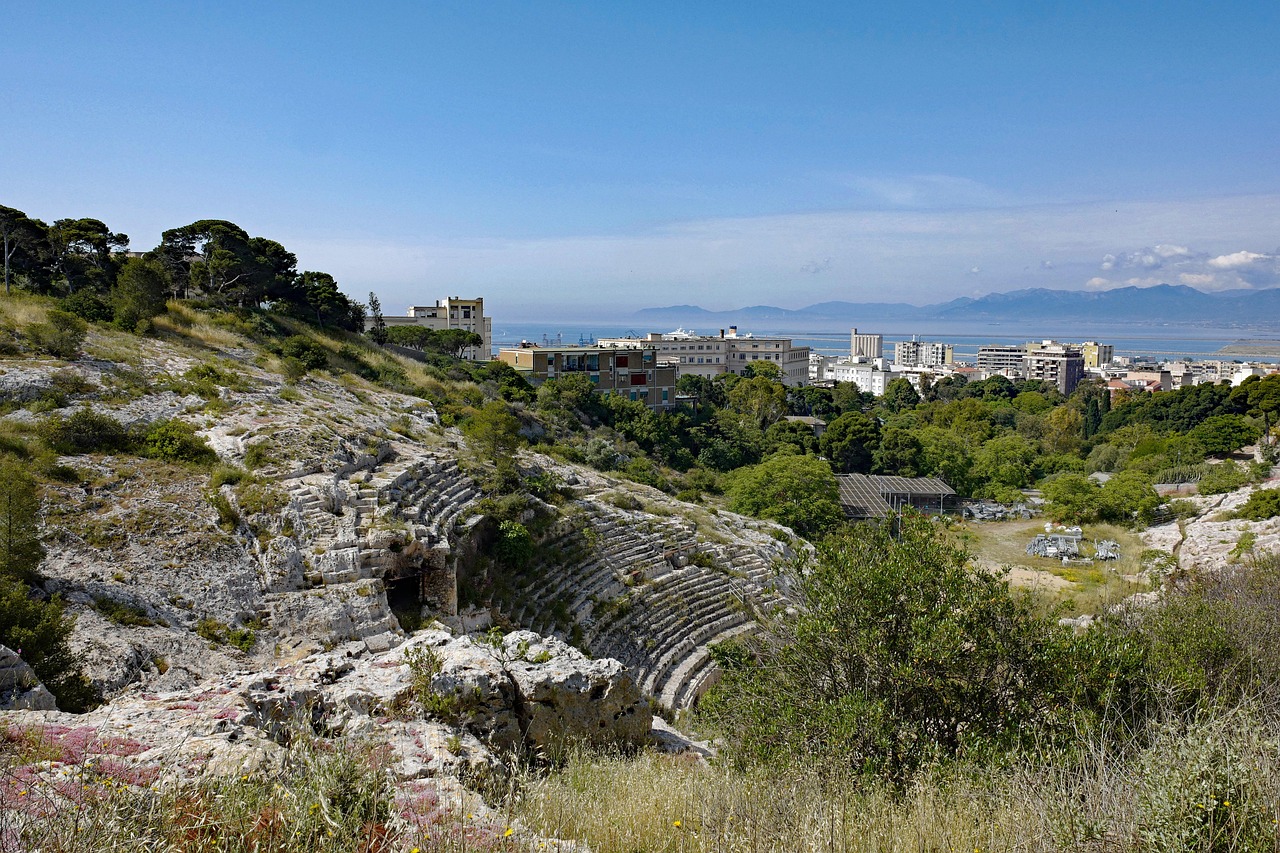
Archaeological Cagliari from Caralis to the amphitheatre
For an archaeological site, the Cagliari Roman amphitheatre museum pairing that makes the past feel vivid, give yourself permission to go slowly. The Roman amphitheatre sits in a setting that amplifies its scale, and its carved presence is a reminder that Cagliari has always been connected to larger worlds. In Sardinia, history doesn’t sit behind glass for long—it’s under your feet.
From Caralis to the Punic and Phoenician layers
Long before modern Cagliari’s cafes and promenades, Caralis was shaped by trade and sea routes. The Punic period matters, and the story reaches back further through Phoenicians and Carthaginians, linking the island of Sardinia to a Mediterranean network that feels astonishing when you stand in the heat and hear today’s city sounds nearby. A single detail from the first century BC—an inscription, a fragment, a name—can unlock an entire way of imagining the past.
If you love deeper context, weave in Sardinia’s ancient identity beyond the city. The Nuraghe legacy is never far away: the Nuragic world is one of the island’s great signatures, and sites like Barumini (Su Nuraxi), a UNESCO World Heritage Site, help you understand how Sardinia’s story stretches far beyond Roman timelines.
Archaeological Museum and a quieter kind of awe
To keep your archaeological day human, pair ruins with the Archaeological Museum. Seeing statues alongside everyday objects gives you insight into what people carried, cooked, wore, and valued—suddenly, “ancient” becomes familiar. It’s the most reassuring way to connect: not by memorising dates, but by recognising lived detail.
Then add contrast at the Basilica of San Saturnino, an early Christian stop where faith and time feel layered rather than loud. The stones are quieter here, and the atmosphere invites care—especially if you visit in the softer hours when the air is cooler.
- Budget with ease: keep around 5 euros for key entry fees, and you’ll feel prepared rather than surprised.
- Best timing: choose morning or late afternoon so your Cagliari exploration stays comfortable.
Poetto Beach in Cagliari offers snorkelling, and the Devil’s Saddle hike along the coast.
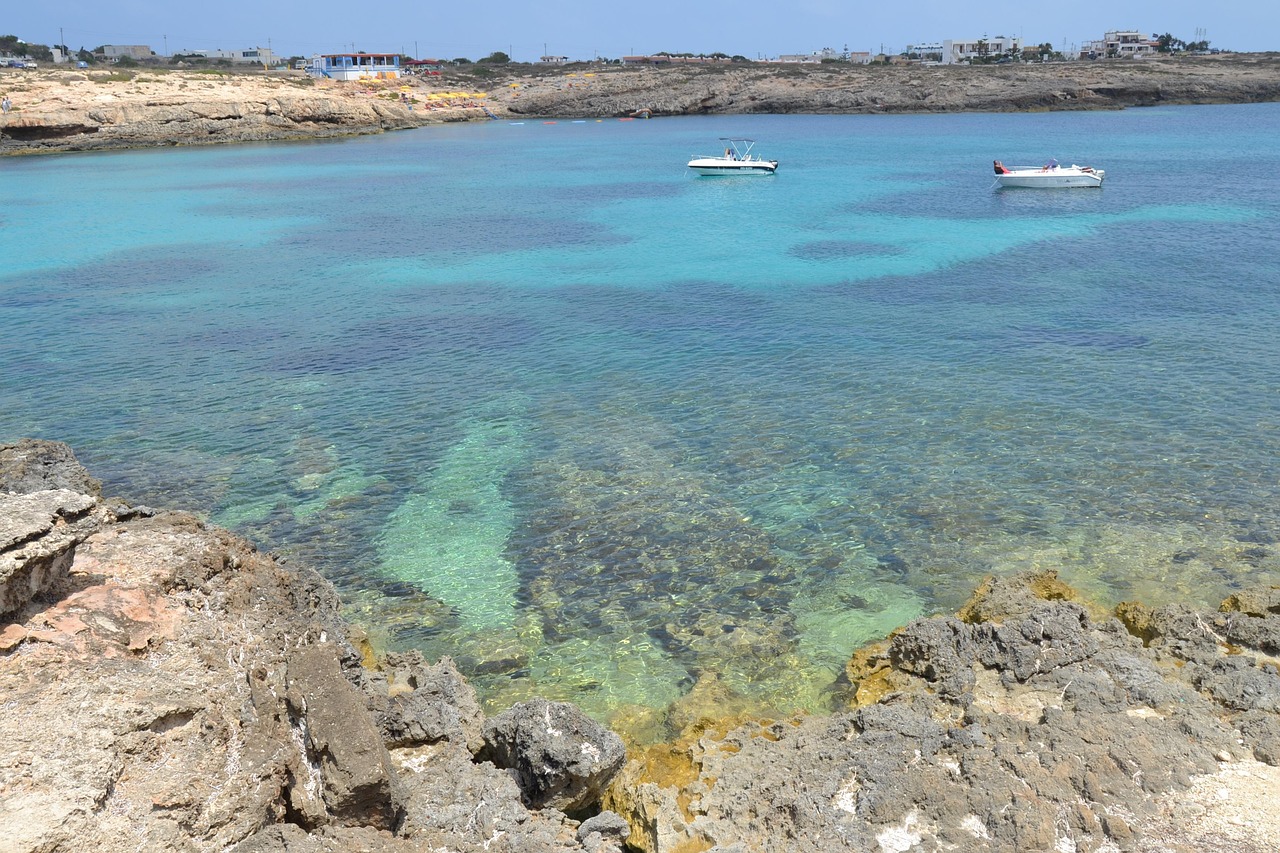
Poetto Beach adventures and the wild edges of Cagliari
Poetto Beach, Cagliari, snorkelling, Devil’s Saddle hike plans are where the city’s personality turns joyfully wild. Cagliari makes it easy to shift from stone streets to sea—one moment you’re in a café, the next you’re following the coastline with salt on your lips and a view opening across the Gulf of Cagliari. It’s one of the few capital experiences where adventure feels this seamless.
Beach time with real adventure options
Poetto Beach is long, open, and beautifully accessible, with a gentle dune edge in places that gives the shore a more natural feel than you might expect so close to a city. On calm days, snorkelling and swimming offer immediate immersion; when the breeze lifts, windsurfing adds a playful challenge. Look for the turquoise shifts in the water as the light changes—Cagliari rewards attention.
An adventurous solo traveller once described slipping into the sea, spotting vibrant marine life, then drying off and joining locals at beach bars. They said the best part wasn’t just the swim; it was how easily Sardinians welcomed them into the rhythm of the afternoon, as if togetherness was simply how the beach worked.
Lagoon wildlife near Molentargius in a regional natural park
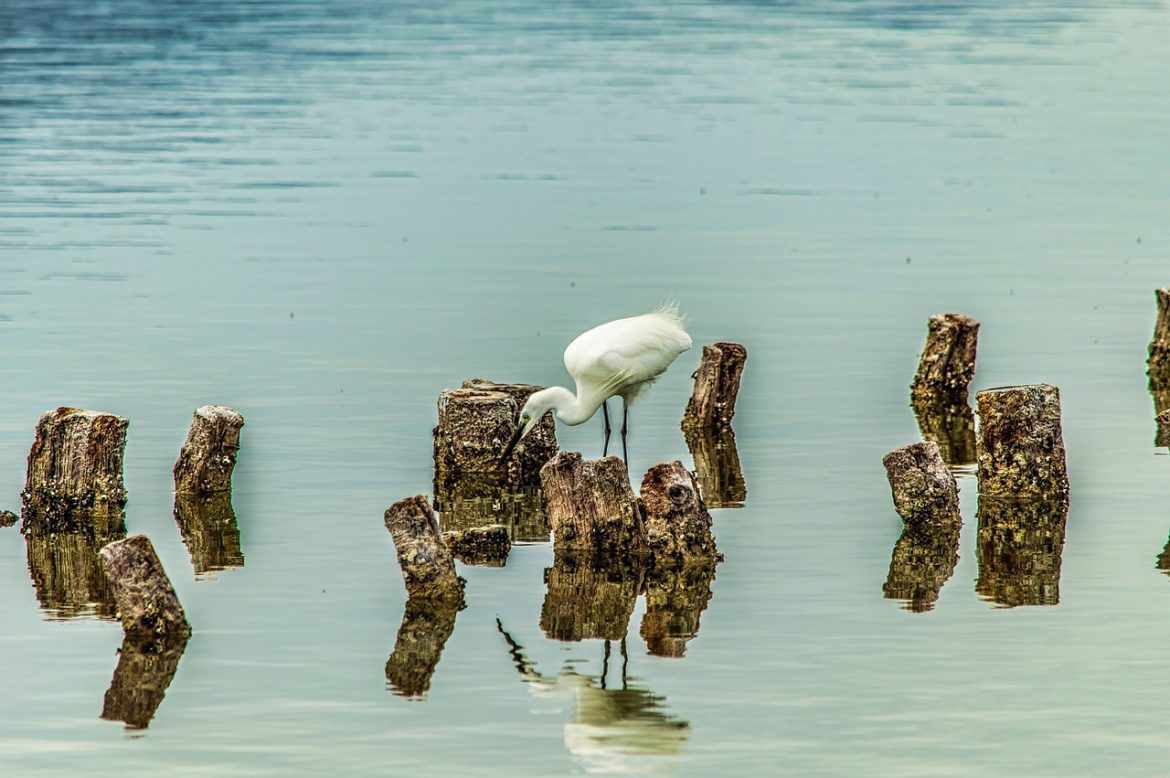
For a nature-side quest, set an early alarm and head towards Molentargius. This regional natural park and nearby lagoon areas, such as Santa Gilla, offer a different sort of thrill: pink flamingos catching the light, a heron standing perfectly still, and raised catwalks that keep the wetlands accessible without disturbing the habitat. It’s an easy way to add quiet wonder to your Cagliari days.
If you want to extend your map, Calamosca and a Capo viewpoint add variety—rockier, more intimate edges that feel like secret corners. For visitors to Sardinia who can spare a day, consider a south coast triangle: Villasimius for beautiful beaches, and the archaeological ruins of Nora near Pula, where ancient ruins sit close to the sea in a way that feels almost unreal.
Marina district, Cagliari: Sardinian cuisine and markets by Via Roma.
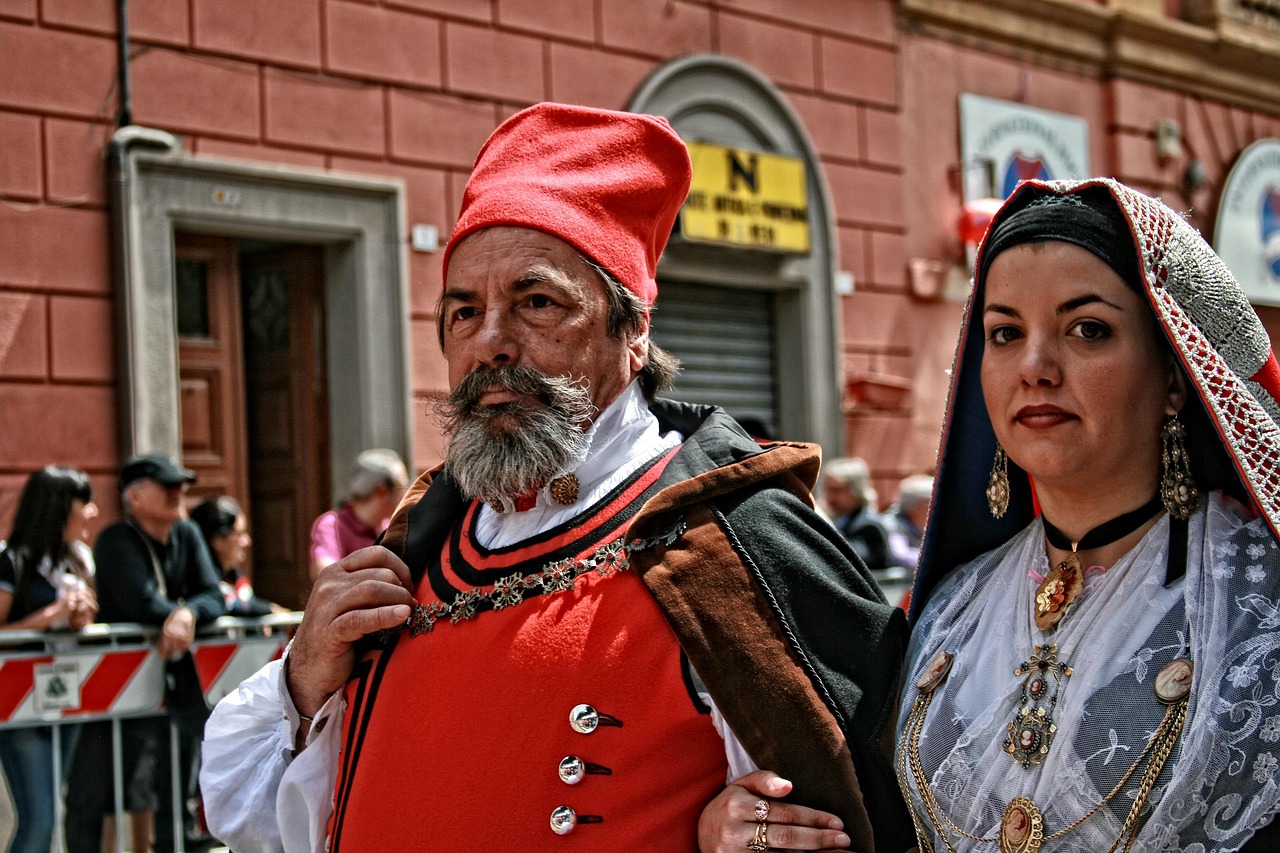
Marina district markets and Sardinian cuisine by the seafront
A Marina district, Cagliari, Sardinian cuisine, local markets, wander is where flavour becomes your guide. Start on Via Roma and drift into backstreets where colourful buildings meet the seafront Marina district, with its easy, social, and a little hypnotic mood as the porto settles into the evening. In Cagliari, dinner is rarely just dinner; it’s a cultural practice of care.
Sardinian cuisine with confidence and a sense of place
Order like you mean it, even if you’re trying something for the first time. Traditional Sardinian cooking is generous: malloreddus, culurgiones, and fregola bring comfort, while local seafood keeps the menu bright. Add pecorino when it appears, and finish with seadas for something sweet and memorable—dolce in the best way.
If you enjoy wine, a glass of vermentino fits naturally with fish and sunset conversations. These Sardinian dishes and local flavours don’t need overthinking; they need presence. Let your meal be unhurried, and you’ll feel the city soften around you.
Vibrant markets and the joy of browsing safely
For cultural enthusiasts, San Benedetto is pure energy: seafood counters, produce piled high, and small jewellery options nearby that make perfect, meaningful souvenirs. It’s also where you use gentle common sense—keep your bag close in busy aisles—without losing the joy of discovery. Cagliari is friendly, and your calm awareness is usually enough.
One group of friends told us their favourite memory wasn’t a landmark, but a shared table after a market morning. Fresh seafood, laughter, and the warmth of Sardinians who treated them like regulars—proof that local culture lives most clearly in ordinary kindness.
As you eat, you may hear conversations about Sardinian culture and the island’s blue zone, and how people live longer with community at the centre. Whether or not you believe the theories, you can feel the truth of it at the table: meals create togetherness, and togetherness creates ease.
F.A.Qs:
Is Cagliari, Italy, worth visiting?
Yes—Cagliari is worth visiting if you want Italy with a distinct island identity. You can move from Castello’s panoramic history to the shoreline in the same day, with excellent food and a warm, local welcome that feels genuine rather than staged.
Why is Cagliari famous?
Cagliari is famous for its hilltop Castello views, layers of Roman and medieval heritage, and an easy connection to the sea via Poetto Beach. It’s also known for lively markets and seafood-forward dining that showcases Sardinia’s character.
Is Cagliari a walkable city?
Cagliari is very walkable across the central districts, especially between the Marina and the lower streets. Castello is walkable too, but it’s steep—plan a slower pace, take water, and time your climb for cooler hours so it feels comfortable.
How far is Cagliari from the beach?
Cagliari is close to the beach: Poetto is essentially the city beach and is easy to reach by bus, bike, or taxi, depending on where you’re staying. Travel time is typically short, making sea time a simple part of your day.
After Cagliari, what stays with you in Sardinia travel reflection Italy
A Cagliari Sardinia travel reflection, Italian travellers often share that it begins in the body, not the mind. It’s the memory of stone steps still warm from the day, the sea air threading through a street at dusk, and the sense that the city is both ancient and everyday at once. Cagliari’s gift is that it doesn’t demand you perform wonder; it simply offers it, patiently.
Later, you might find yourself holding onto one personal moment: a sunset from above, a shared plate in the Marina, or salt left on your skin after a swim. These are small encounters, but they quietly reshape how you travel next—less chasing, more noticing, more trust in what unfolds when you move with care.
Designer Journeys’ approach is simple: let expert planning support you, then leave room for the city to meet you halfway. Travel with confidence, stay open to local conversation, and remember that the most meaningful adventures are often the ones you create together with a place and its people.
And when you picture Cagliari’s lights at dusk, you may sense it clearly—Sardinia feels like a story you’ve only just begun to uncover.