Post Contents
- Ferrari museum in Maranello, Italy – how to visit the museum in Maranello with confidence
- Museo Ferrari exhibits in Maranello – Enzo, race heritage, and iconic design inside the museum
- Ferrari Museum Italy simulator – a Formula 1 activity in Maranello
- Maranello tour options – factory views, test track insight, and guided storytelling
- Ticket price & package for Ferrari Museum Italy – parking, Modena links, and how to buy
- F.A.Qs: Ferrari Museum Italy ticket, tour & travel planning
- Maranello museum reflection – why the Ferrari experience stays with you
Ferrari museum in Maranello, Italy – how to visit the museum in Maranello with confidence
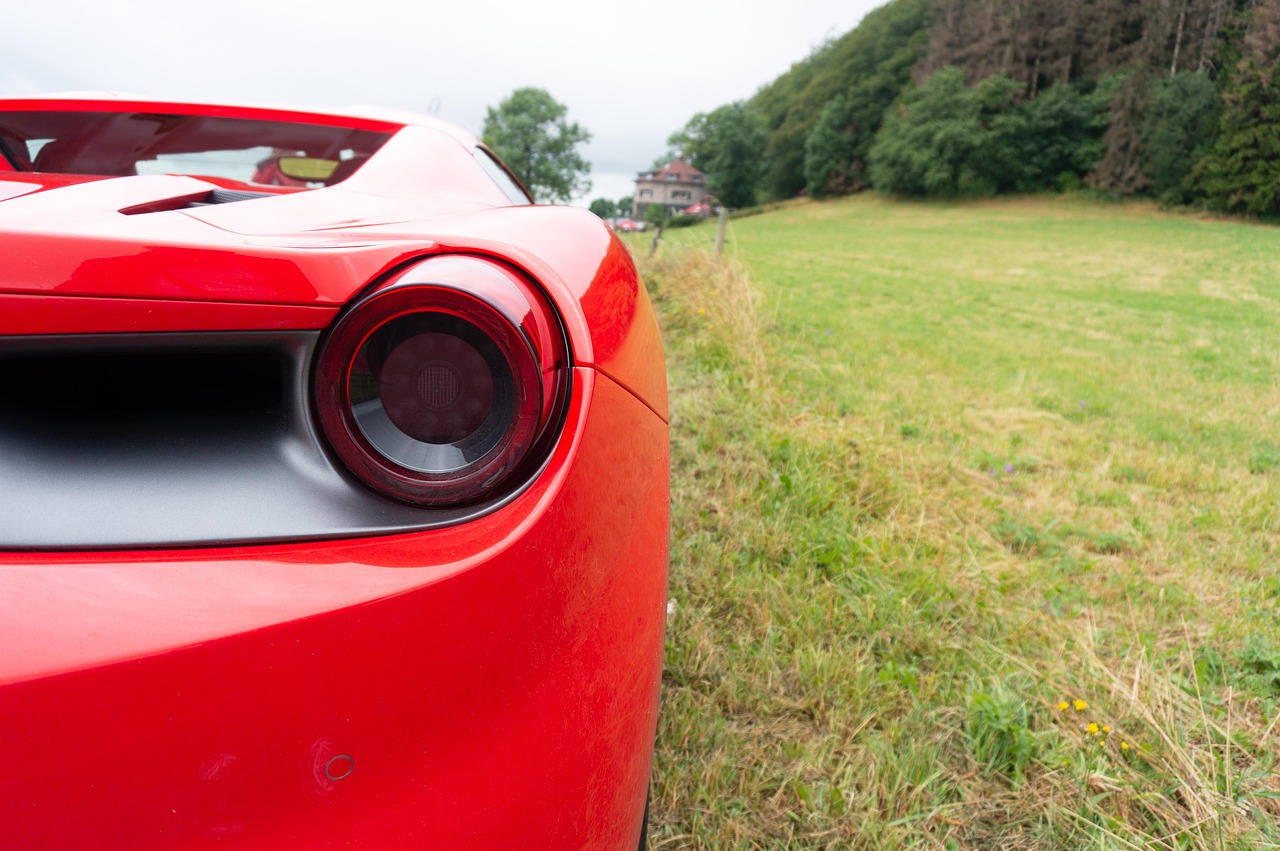
Ferrari Museum in Maranello: a Maranello highlight for an Italy day trip
For many travellers, Ferrari Museum Italy isn’t a checklist item—it’s a pilgrimage to Maranello for anyone who’s ever felt their pulse rise at the sound of a race engine. The Ferrari museum in Maranello works because it balances spectacle with a clear narrative: light, sound, film, and close-up design details that make each car feel alive rather than simply parked behind a rope.
Even if you’re not a lifelong motorsport member, the museum is welcoming and sensory-rich. Families often mention how easy it is to enjoy together, thanks to clear signage, curated information panels, and plenty of moments that invite wonder without requiring deep technical knowledge.
Before you explore: layout, highlights, and how long to spend
Expect a natural flow through eras and innovations—F1 cars, a landmark prototype, and vintage racers—so you can see how performance and beauty evolved side by side. If you like to linger, plan 2–3 hours on site; if you’re moving briskly, a focused 1-hour stop still delivers the “wow” factor.
That first “wow” moment is almost a shared ritual: visitors step into the main hall, spot an iconic red Ferrari, and suddenly everything goes quiet for a second. It’s not just speed on display—it’s ambition made tangible, in a Maranello museum setting that feels both modern and intimate.
Motor Valley day trip: Maranello, Modena, and the regional context
If you want to create a fuller day, Modena sits nearby and adds a wonderfully local counterpoint—balsamic traditions, elegant streets, and more design history in one walkable city. Maranello also connects you to the wider regional Motor Valley, where craft and competition have shaped a distinctive Italian identity.




Museo Ferrari exhibits in Maranello – Enzo, race heritage, and iconic design inside the museum
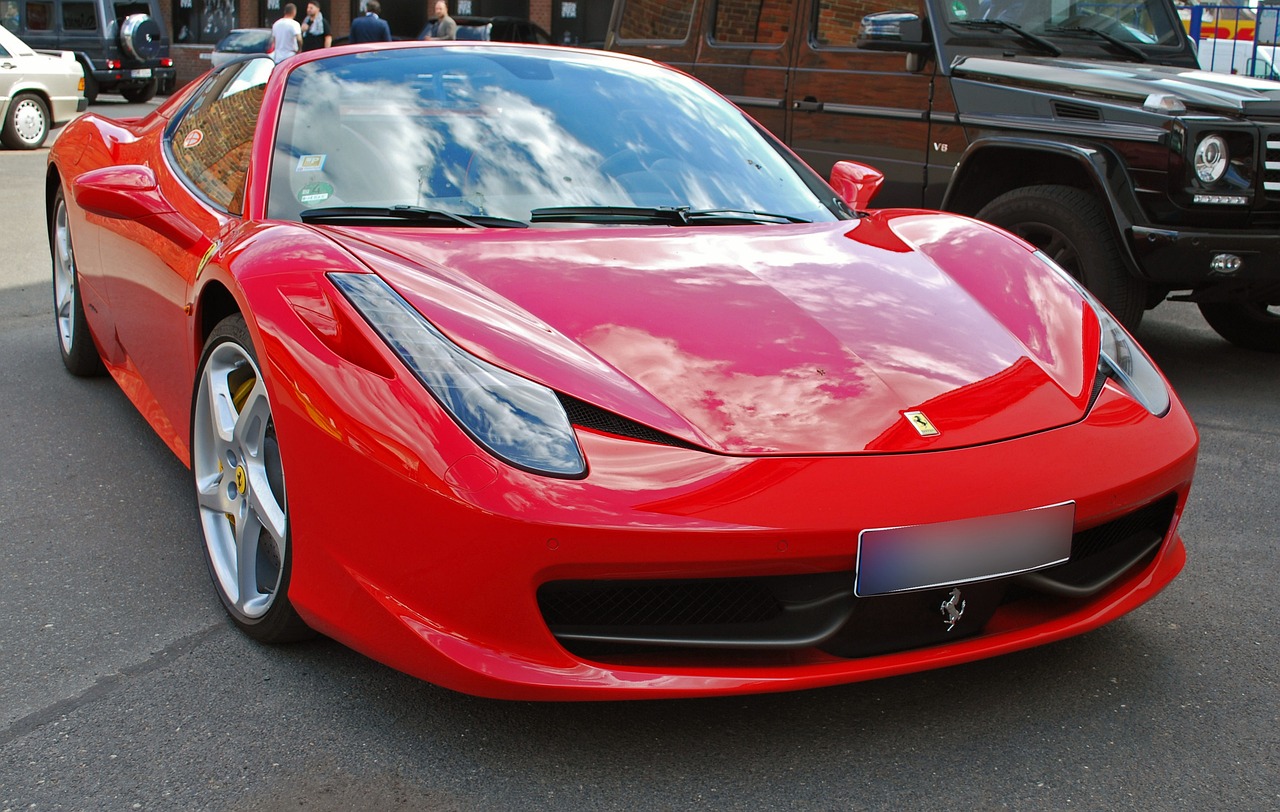
Inside the museo: cars, design language, and the racing story
Step deeper in, and the experience shifts into cultural storytelling: museo presentation is handled with a curator’s hand, where engineering becomes art and brand identity becomes language. The Ferrari museum doesn’t simply show you what was built—it helps you uncover why it mattered, and how race success shaped the design decisions that followed in road and sport models.
Films, interactive displays, and succinct information boards bring Enzo and the company’s obsession with precision into focus. There’s a warmth in how the museum frames dedication: not just winning, but the craft behind it.
Enzo’s story and race legacy: why it feels personal
One of the most repeated visitor stories is the thrill of getting close to rare models—sometimes even sitting inside a featured car during special arrangements—feeling the heritage become personal. An enthusiast once described an emotional pause in front of a classic Ferrari: not because it was the most expensive, but because it carried the marks of an era that dared to dream.
Look for contrasts that sharpen your insight: classic silhouettes alongside cutting-edge supercars, and a reference to the P4 era that still reads like a design manifesto. You begin to see style as something crafted—an evolving conversation between speed, safety, and beauty.
Photography, pacing, and museum information for visitors
Photography rules can vary between galleries and special displays, so follow the local guidance and staff support—especially where film projections or protected content are involved. Wear comfortable shoes for moderate walking, and give yourself permission to slow down; the most memorable details often appear when you’re not rushing.
If you need a breather, the shop area is an easy reset point—quiet enough to regroup, lively enough to keep the energy up. Notice the emblem’s presence on memorabilia: it’s a small symbol, yet it carries a century of belief.
Ferrari Museum Italy simulator – a Formula 1 activity in Maranello

Formula 1 simulator and hands-on activity for adrenaline seekers
For adventure seekers, the simulator is the point where the museum becomes a full-body memory. This Formula 1 experience is a race-flavoured activity that trades quiet contemplation for focus, reaction time, and that unmistakable surge when you hit a virtual straight.
First-timers are often surprised by how supportive the facility feels. Choose beginner settings if you’re new: it keeps the thrill high while building confidence, rather than overwhelming you in the first corner.
Formula 1 simulator tips: settings, driver feel, and availability
A traveller once told us the Formula 1 simulator was the adrenaline-pumping highlight of their Italy travel—hands tight on the wheel, sound rising, eyes narrowing as everything becomes wonderfully simple: brake, turn, accelerate. If you’re visiting with friends, the shared laughter after a spin-out is part of the joy.
Availability can change by day and season, and there may be an extra charge. It’s worth checking options when you arrive or in advance so you can decide whether they fit your budget, price expectations, and time.
Keeping a seamless rhythm between calm galleries and speed
To create a seamless flow, alternate high-energy simulator time with slower museum zones. It keeps the experience balanced—especially for families, where one person might want the activity while another lingers with the design details.
It’s also surprisingly social: spectators can cheer, film short clips where permitted, and share the moment together. In a museum setting, it feels like permission to play—without losing the sense of craft.
Maranello tour options – factory views, test track insight, and guided storytelling
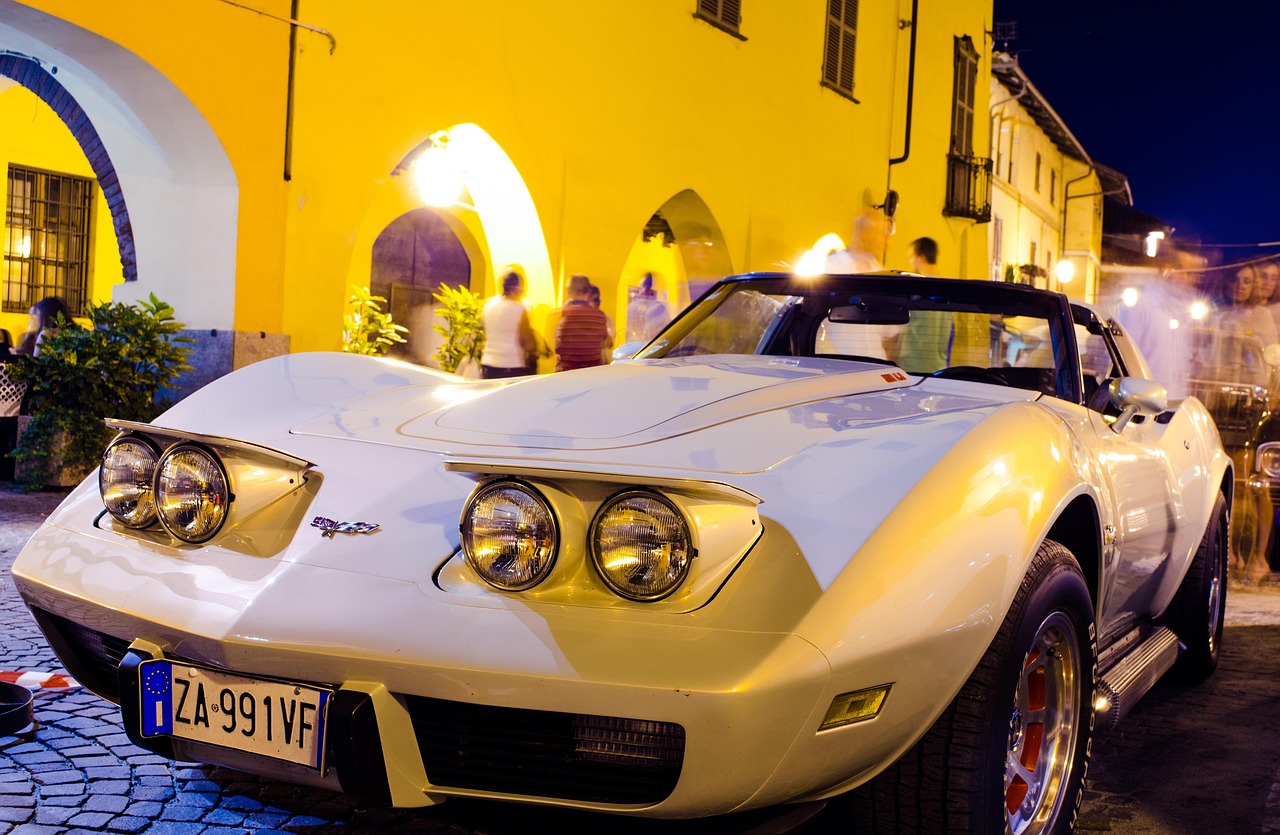
Guided tour context and potential factory views for a deeper day
If you’re craving depth, a guided tour can be the layer that turns a great museum into a truly designed experience in Maranello. A tour typically adds context—timelines, behind-the-scenes narratives, and the kind of expert framing that helps you connect innovation to real-world performance.
Do keep expectations grounded: factory views should be treated as possible glimpses into assembly areas, depending on the tour package, operational schedule, and what’s permitted that day. That said, even a brief look can feel extraordinary when you realise these aren’t props—this is living craftsmanship.
Guided tour insights: special exhibitions, prototype tech, and innovation
Many tours emphasise how motorsport pushes the boundaries of materials, aerodynamics, and technology. Temporary exhibitions can be particularly special, spotlighting solutions that later shape road cars—an insight into how competition becomes progress.
When you’re guided, the museum’s content gains a new clarity: why a curve exists, why a cockpit is shaped that way, how safety and speed negotiate with each other. It’s the kind of storytelling that stays with you.
Arriving with confidence: meeting points, schedule notes, and accessibility
Arrive early to find meeting points calmly and settle into the group pace. If you need support—accessibility checks, a slower tempo, or simple directions—ask staff and follow signage; the museum is used to welcoming all kinds of visitor, from hardcore fans to curious newcomers.
Before you leave, stand quietly with one classic car. Notice the stitching, the reflections, the restraint in the lines. It’s a reminder that design communicates emotion as much as speed.
Ticket price & package for Ferrari Museum Italy – parking, Modena links, and how to buy
Tickets, price, packages, and logistics for a seamless Maranello day
For smooth planning, tickets and logistics are the practical backbone of your day in Maranello and nearby Modena. The simplest advice is still the best: purchase online to skip queues, then use the museum ticket office as a backup if plans change. For the most trusted updates—opening hour changes, special events, and current ticket details—check ferrari.com before you go.
Typically, the entry price is around 17–25 euros, with discounts often available for children, students, seniors, and some member categories. You may also find seasonal offers on bundles or timed entry, and there are small free pleasures that don’t require a ticket at all, like browsing the store or taking a calm pause in the area around the museum to reset between exhibits and the next leg of your day.
Getting to Maranello via Modena with calm, local logic
The most realistic route is a train to Modena (often easy on regional lines), then a taxi or bus onwards to Maranello. If you’re driving, a car rental gives flexibility across Motor Valley, and parking is generally manageable—just aim to arrive early in peak seasons.
If you want to broaden the cultural arc, pairing Maranello with the Museo Enzo Ferrari in Modena creates a beautifully rounded story of heritage and modern ambition, all within one elegant city-to-workshop rhythm.
A simple hour-by-hour plan, a restaurant break, and time for the store
- Hour 1: Main hall and headline exhibits—let yourself feel that first impact.
- Hour 2: Films, design details, and interactive zones; add the simulator if it’s on your wish list.
- Hour 3 (optional): Guided tour elements or a slower second pass for photography (where permitted) and reflection.
Build in a restaurant stop without rushing: a leisurely lunch after the museum often feels better than squeezing in a meal in the middle. For additional inspiration across Italy, you can browse our Trip gallery and imagine how Maranello could sit inside a wider crafted itinerary.
If you need to locate official Ferrari contact details for accessibility, lost-property, or booking questions, use the official site—look for an office listing and a support e-mail so you’re never left guessing.
F.A.Qs: Ferrari Museum Italy ticket, tour & travel planning
Which Ferrari Museum in Italy is better?
It depends on what you want. The Ferrari Museum in Maranello leans into racing, modern supercars, and an immersive brand experience, often with simulator options. The museum in Modena (Museo Enzo Ferrari) feels more biographical and design-led, with a stronger focus on Enzo’s life and curated exhibitions. Many travellers choose Maranello for adrenaline and Modena for cultural context—together they feel complete.
Where are the two Ferrari Museums in Italy?
One museum is in Maranello, in Italy’s Motor Valley near Modena. The other is in Modena itself, commonly known as the Museo Enzo Ferrari. Both are in the Emilia-Romagna area, making it easy to combine them with local food culture and other automotive landmarks if you want a fuller itinerary.
How far apart are the two Ferrari Museums?
Maranello and Modena are close—typically around 20–30 minutes by car or taxi, depending on traffic and your exact start point. Public connections can take longer due to wait times. Because the distance is short, many travellers comfortably see one museum in the morning and the other later the same day, or split them across two relaxed days.
Do you need to book the Ferrari Museum?
Booking isn’t always mandatory, but it’s strongly recommended—especially on spring, autumn, and school holiday weekends. Buy your ticket online to skip queues and plan your arrival time with confidence. If you’re adding a guided tour element or hoping for simulator availability, booking ahead (and checking ferrari.com for updates) is the safest way to keep the day seamless.
Maranello museum reflection – why the Ferrari experience stays with you
After Maranello, what lingers isn’t the noise—it’s the quiet after the engines, the sense that focus can be beautiful. In the museum’s calm spaces, you feel how dedication shapes outcomes, and how ambition becomes less about spectacle and more about trust in your own craft.
I keep thinking of the human moments: a child leaning into an interactive display, suddenly inspired by a story of persistence; a visitor smiling at a detail only they noticed; an enthusiast moved by heritage made real at arm’s length. The Ferrari museum doesn’t demand you be a specialist—it simply invites you to see what happens when people dedicate themselves to doing one thing extraordinarily well.
Long after you leave Maranello, the feeling is oddly reassuring: confidence, wonder, and a quiet motivation that slips into everyday life. And somewhere on an Italian road—perhaps near Modena, perhaps in a small local café—there’s always another encounter with speed and beauty waiting to be noticed, if you’re curious enough to look.