Post Contents
- Your First Day in Venice: How to get to the city by canal and start smoothly as a first-time visitor
- Piazza San Marco essentials: Mark’s Basilica mosaics, the Campanile bell tower, and Doge’s Palace
- Grand Canal rituals: Rialto Bridge, bridges in Venice, and the best places to see in Venice by water
- Private gondola ride at dusk: gondola in Venice routes, booking tips, and pricing basics
- Islands of Venice day trip: Murano and Burano artisan beauty across the lagoon
- F.A.Qs: Top things to do in Venice, Italy (quick answers)
- Experience Venice after visiting Venice: reflections, Venetians, and what stays with you
Your First Day in Venice: How to get to the city by canal and start smoothly as a first-time visitor
Your First Day in Venice: arrivals and a seamless start as you glide into the city by canal
If you’re searching for top things to do in Venice, Italy, start before you’ve even stepped onto a ponte: plan an arrival that feels calm, clear, and quietly special. This is a classic thing to do in Venice for first-time travellers—because the city rewards those who enter gently, with space to notice the light on the canal and the way the City of Venice seems to float. For a luxury-minded trip to Venice, that first hour matters; it sets the tone for everything that follows once you’re in Venice proper.
Most travellers reach Venice via Venice Marco Polo Airport or by train to Venezia Santa Lucia. From the airport, you can choose between vaporetto water buses and a private water taxi; from the station, the vaporetto is immediate, while a private boat transfer can feel like a small ceremony along the canal. If you’d like inspiration for the wider journey across time in Italy and around Italy (or anywhere else in Italy), you can browse our Trip gallery for beautifully paced routes.
Get to Venice by boat: vaporetto line routes vs private water taxi (luggage-friendly ease)
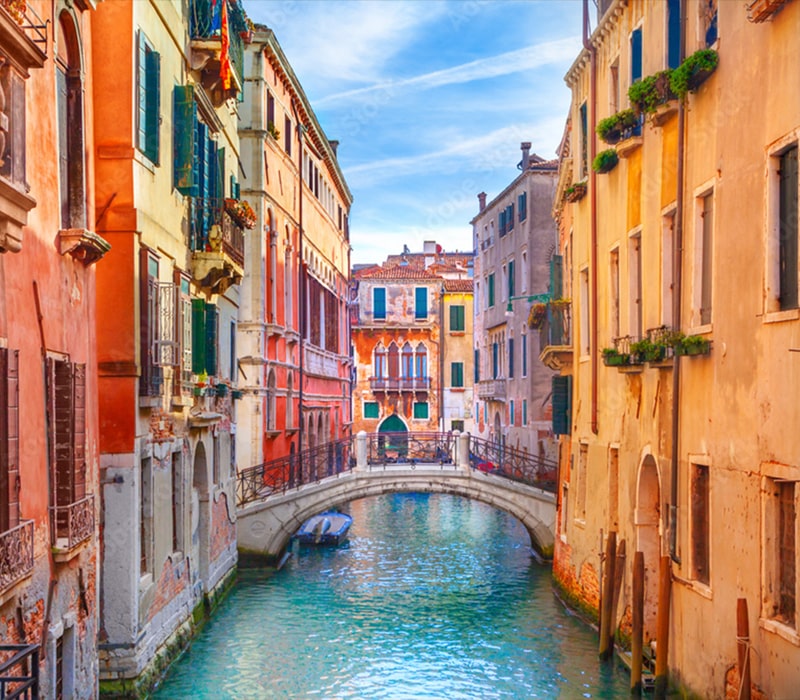
Your first impression of water is Venice introducing itself: palazzi rising from the waterline, a bend in the canal revealing a quiet campo, and the Grand Canal opening like a stage set. The vaporetto is wonderfully practical and delivers the same cinematic glide, just with more people. A private water taxi offers a seamless door-to-dock feeling—especially supportive if you have luggage, a tight connection, or simply want to arrive with care.
Whichever you choose, let the transition be unhurried: step into Venice proper, take a breath, and allow yourself a small pause before your itinerary starts. Creating that buffer is one of the best things you can give yourself here—space to settle, rather than rush from bridge to bridge.
When to go: the best time to visit, acqua alta planning, and calmer walking routes
The ideal seasons are spring (April to June) and early autumn (September and October), when the air feels mild, and the streets are less crowded with tourists. If your only time to visit Venice is later in the year, Venice in winter can be beautifully atmospheric—just plan for acqua alta. Waterproof footwear, a spare pair of socks, and quick access to raised walkways will keep you dry and relaxed rather than reactive.
One traveller told us that an early morning wander through Cannaregio became her favourite thing in the city: no agenda, just soft footsteps and shutters opening. She uncovered hidden gems—an artisan bookbinder, a tiny jewellery studio, and a café where the espresso arrived with a warm smile. Cannaregio is a part of Venice that feels lived-in, and it’s the perfect place to remember that your visit doesn’t need to be a race.
Quiet etiquette that protects the city: Venice’s ecosystem and daily life need a little gentleness in return. Avoid sitting on bridges, keep narrow passages clear, and step aside when a queue forms behind you. If you time your walks to dodge day trippers (midday around major landmarks), you’ll see Venice with far more ease—and the canals feel calmer, too.
- Arrival tip: choose one water transfer and stick with it—too many switches create stress when you’re navigating canals and luggage.
- Stay in Venice well: a boutique hotel or palazzo along the Grand Canal makes returning “home” feel like part of the experience.
- Style meets comfort: wear elegant, supportive shoes; cobblestones and bridges in Venice add up quickly.




Piazza San Marco essentials: Mark’s Basilica mosaics, the Campanile bell tower, and Doge’s Palace
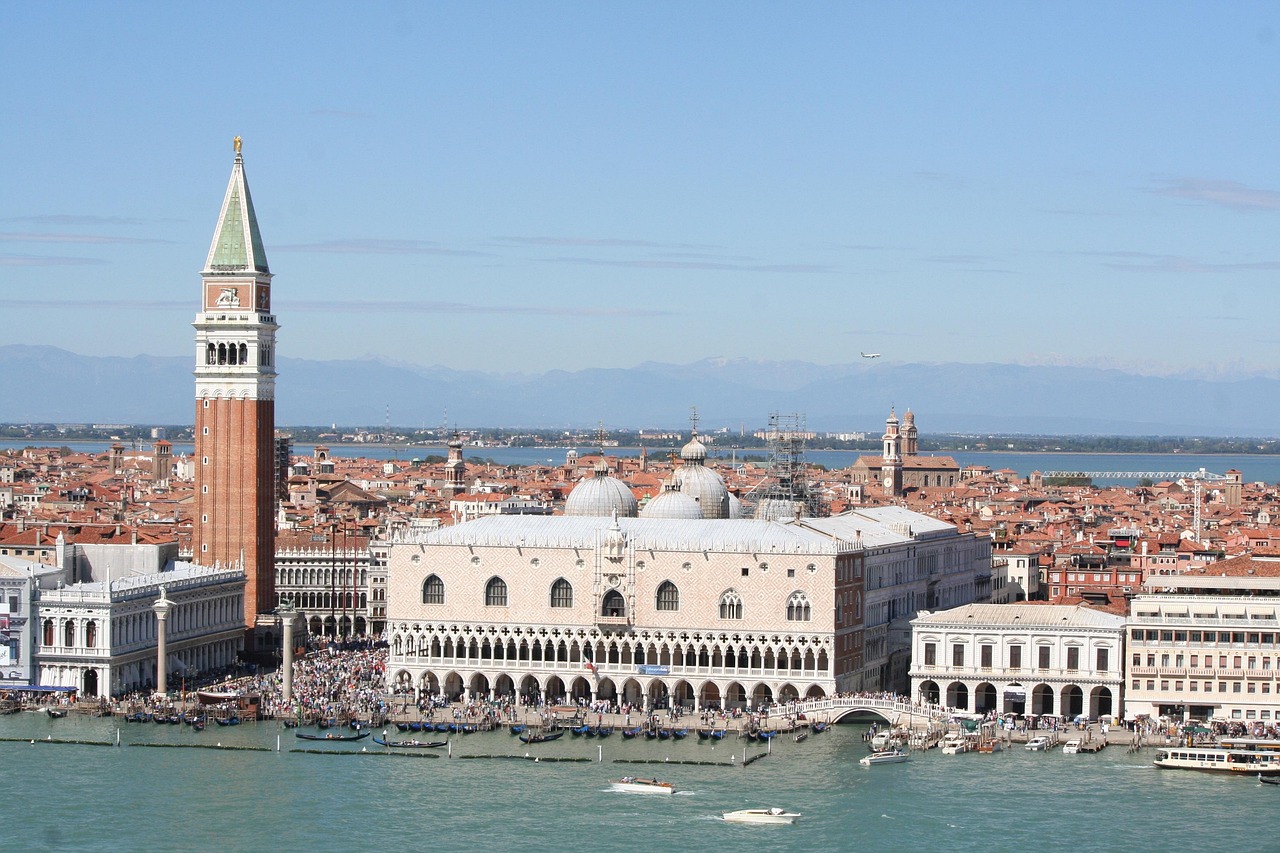
Piazza San Marco icons: basilica mosaics, bell tower views, and palace interiors
For anyone compiling the best sights in the heart of Venice, a morning in Piazza San Marco is the classic anchor—just approached with a little strategy. Arrive early, when the stones are freshly washed, and the atmosphere feels more Venetian than postcard-perfect. If you’re deciding what to see in Venice on a short itinerary, this is where scale and detail meet: arches, mosaics, music, and the steady pull of water nearby.
As far as churches in Venice go, Mark’s Basilica is the showstopper—mosaics that glow with an almost underwater sheen and details you’ll miss if you rush. A guided tour is worth the investment: an expert can translate symbols, point out craft techniques, and help you navigate entry timings with minimal friction. In peak season, that support feels like a small luxury all its own.
Campanile bell tower tickets: the best view from the top of the bell tower (and an alternative at San Giorgio Maggiore)
The Campanile bell tower is the lift ride you won’t regret—pre-book tickets and aim for an early slot. From the top of the bell tower, you’ll take in rooftops, the glitter of the water, and the geometry of canal lines threading the city, with distant silhouettes that make the whole scene feel surprisingly delicate. If you want the best view, stand still for a minute and let your eyes adjust; then begin reading where waterways curve and where the light lands.
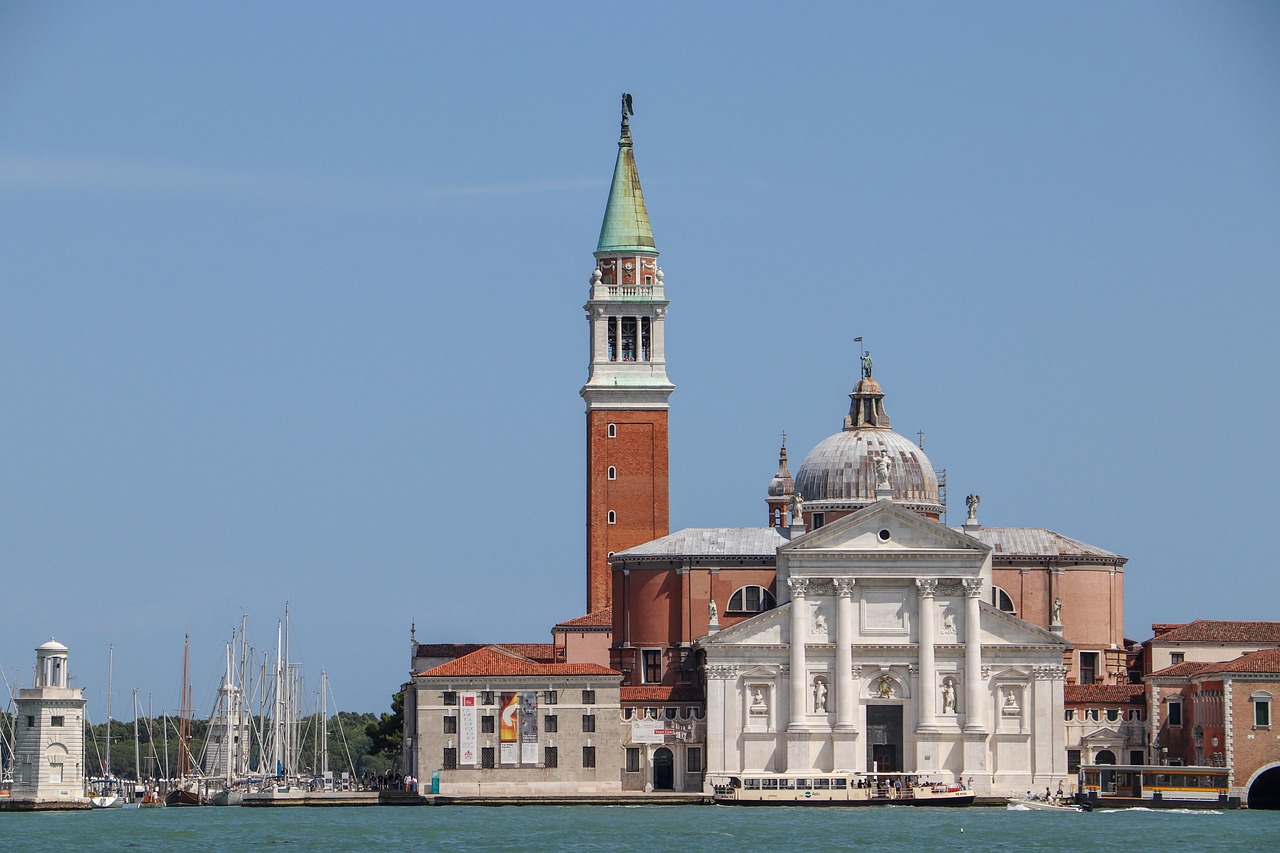
Take your time up there. For a slightly different angle, consider a short vaporetto ride to San Giorgio Maggiore and its bell tower; it’s one of those places where the panorama feels expansive without feeling frantic.
Doge’s Palace rooms and the Bridge of Sighs: the Republic of Venice, art, and how to visit without overwhelm
Inside Doge’s Palace, you’ll move through richly painted rooms—Renaissance art, gilded ceilings, and the story of the Republic of Venice told through power, trade, and diplomacy. Move slowly through the state rooms and let one or two pieces become personal, rather than trying to capture everything. For travellers who like depth, this is one of the best things to do in a single morning because it rewards attention.
From within the complex, you’ll cross the Bridge of Sighs, a narrow passage that carries more myth than most tourists expect. For the classic exterior photo, step to Ponte della Paglia—ideally early, before the tourist crowd presses in. If you can, arrange early entry; the difference in calm is remarkable, making the experience feel intentional rather than crowded.
Tourist-proof pacing: build in a quiet pause—perhaps a coffee just beyond the piazza—so the icons feel absorbed, not merely ticked off.
Grand Canal rituals: Rialto Bridge, bridges in Venice, and the best places to see in Venice by water
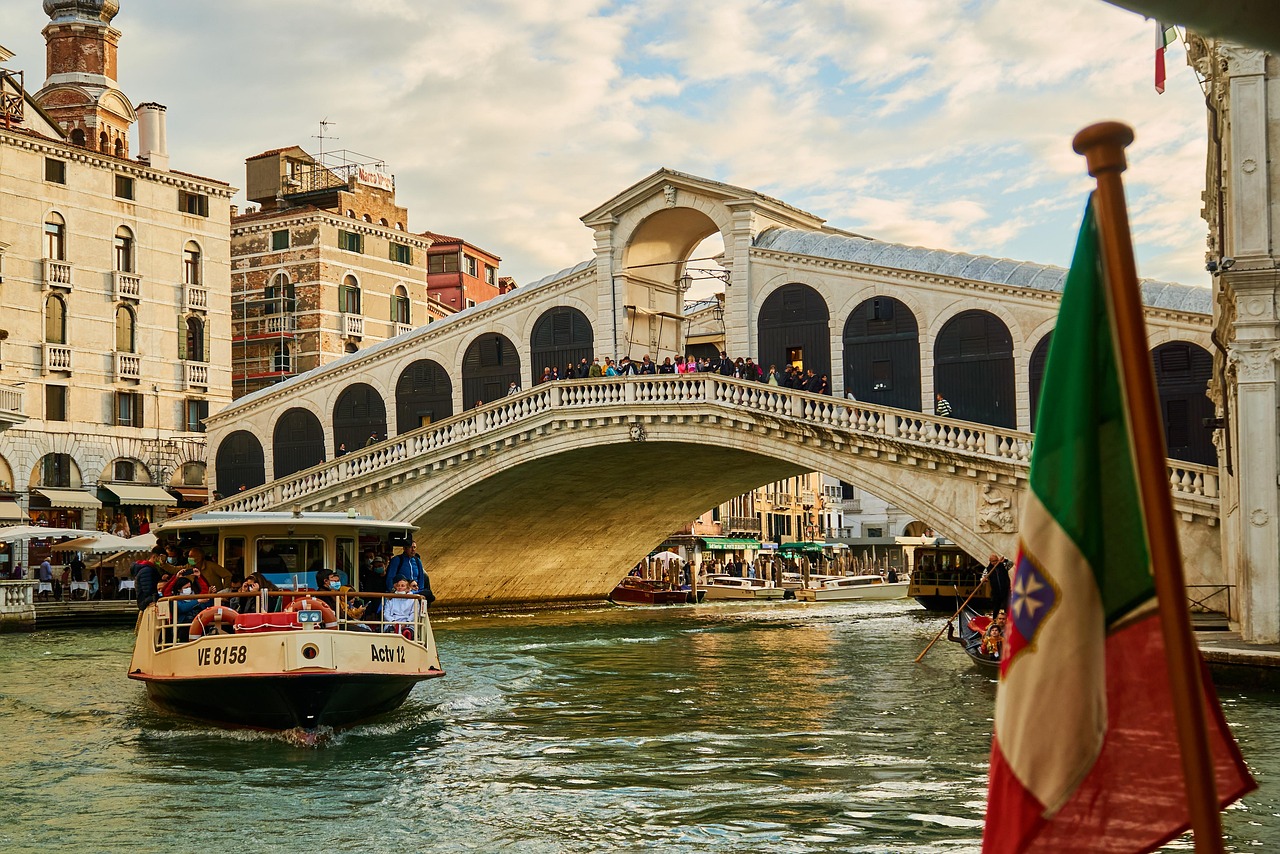
Grand Canal rituals: elegant walks, the city by water, and the Rialto Bridge
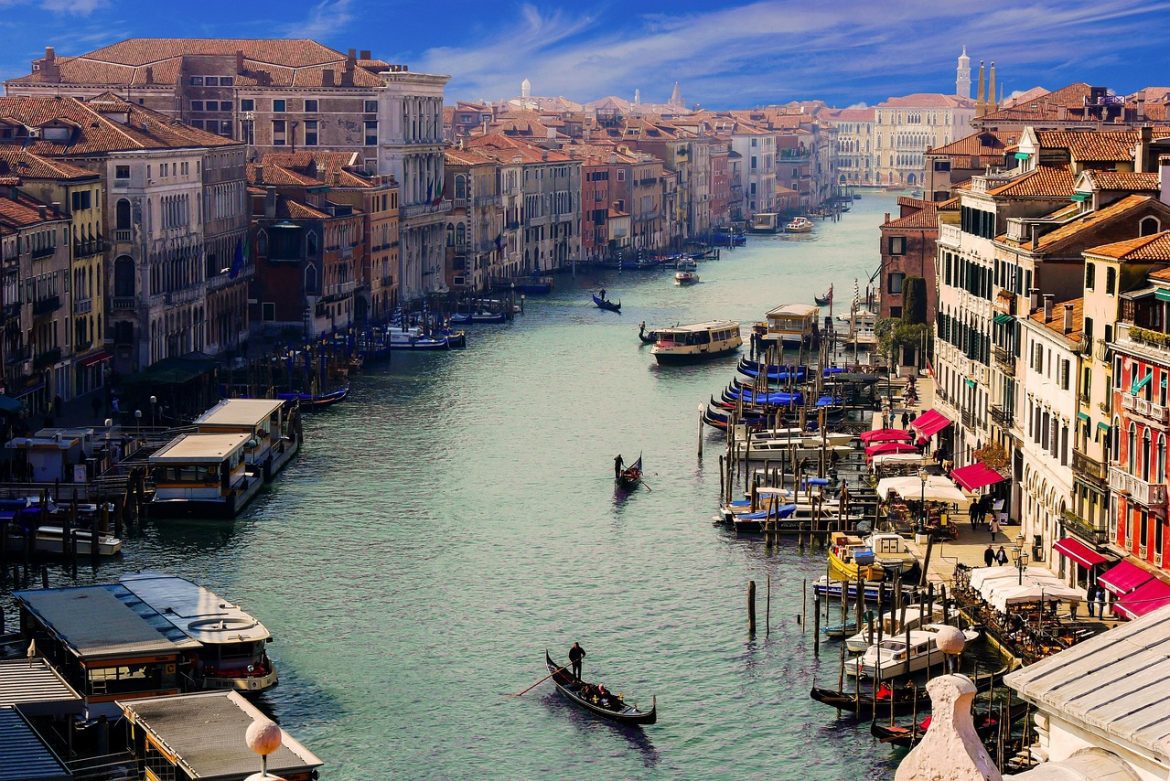
If you’re planning a beautifully paced day, think in rhythms: a vaporetto glide, a stretch on foot, and then water again. Venice has 400 bridges, and each ponte becomes a tiny viewpoint—an invitation to pause without needing a formal plan. This is where you begin to feel the city as a living design, not a museum, as boats slip past and the canal reflections do the decorating.
Begin with a vaporetto ride along the Grand Canal, then step off for short, elegant walks that follow smaller canals into quieter lanes. In one area, you’ll notice something quietly delightful: four bridges crossing the same small canal within minutes, each framing a different slice of daily life—laundry lines, deliveries, and a flash of sun on water.
Rialto Bridge in softer light: cross the Grand Canal and add a rooftop stop for views of Venice
Rialto Bridge is a landmark you’ll want to see, but timing is everything. Come early or later in the afternoon for softer light and fewer people, and you’ll experience the Rialto Bridge as architecture rather than an obstacle course. To cross the Grand Canal quickly in the same spirit locals use, try a traghetto crossing when it’s operating—simple, fast, and surprisingly memorable.
If a nearby rooftop terrace is open, take it—those views of Venice, looking down to the canal traffic, give you a composed way to photograph the city. It’s also a smart moment to browse markets or pick up a small souvenir that actually feels like your trip, not just a last-minute purchase.
Venice from the water: Santa Maria della Salute, quiet canal bends, and a creative pause
One of the most beautiful ways to experience Venice is simply to watch the water traffic drift past Santa Maria della Salute, where the dome seems to hold the edge of the Grand Canal in place. Step back from the main flow and notice the palazzi façades—faded colours, ironwork balconies, and reflections that turn stone into shimmer along every canal bend.
For a calm detour, slip into Libreria Acqua Alta, a charming bookstore in Venice where stacks of books sit in bathtubs and boats, ready for the city’s tides. It’s imaginative and gently surreal—an easy stop that feels special even when it’s popular.
As the afternoon softens, pause with a glass of wine near the water and order a few cicchetti—Venice food at its most casual and local, best enjoyed without hurry. Keep footwear in mind: cobbles, steps, and every bridge are part of the beauty, but your comfort supports the whole day.
If your evening appetite turns cultural, this is also a lovely moment to attend a classical concert or opera at Teatro La Fenice—proof that Venice’s magic isn’t only outside, but behind velvet curtains too.
Private gondola ride at dusk: gondola in Venice routes, booking tips, and pricing basics
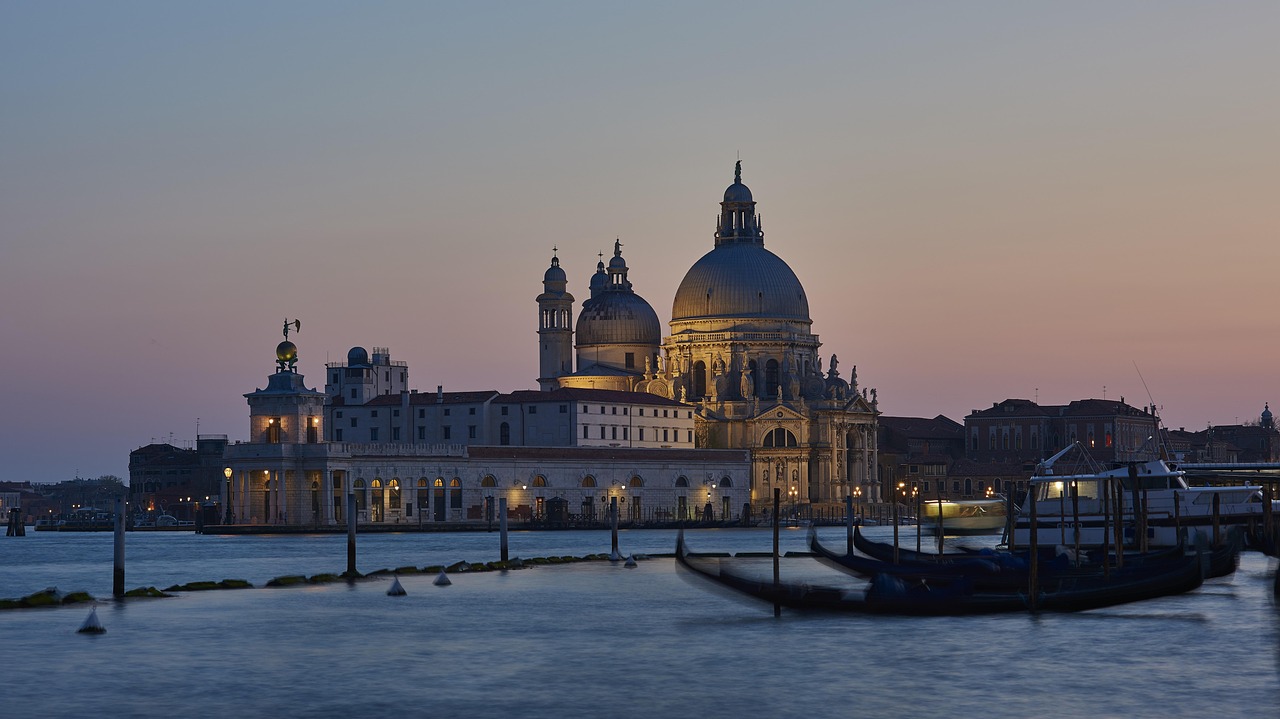
A private gondola ride at dusk: romance with confidence on quiet canals
For many couples, a private evening glide is the moment that turns a beautiful stay into a personal memory. The gondola in Venice is not a shortcut or a commute—it’s a crafted ritual, and a genuinely unique experience when you know what to expect and how to book well. Done thoughtfully, it feels less like a tourist checkbox and more like intimate theatre.
As a baseline, the standard option is a 30-minute ride during the day, often starting from busy points near major waterways and busier canal corners. Dusk takes a little more planning, but the pay-off is real: softer light, quieter side canals, and a sense that the city is exhaling.
Start with quiet canals, then reveal the Grand Canal.
Book in advance if you want a specific time, a calmer starting point, or a longer glide into smaller canals. Ask for a route that leans away from the Grand Canal at first, then returns for a “reveal” near a larger stretch of water. This supports that last glimpse of Venice you’ll carry with you—lanterns on the water, footsteps on a ponte, and the echo under low arches.
A couple once described their twilight gondola ride as almost unreal: the gondolier began to sing softly, and the sound travelled up stone walls as if the city itself was listening. It wasn’t staged or loud; it was simply a human moment, offered with warmth.
Gondola pricing: official stations, hotel support, and avoiding rushed pitches
For reassurance, agree on the price and duration before you step in, and choose official gondola stations rather than accepting a rushed pitch in a crowded lane. If you’re travelling high-end, your hotel concierge can arrange a trusted departure point and guide you to the right canal, so the whole moment feels effortless.
- Best timing: aim for the last hour of daylight, so photos glow without harsh contrast.
- Boarding tip: confirm where you’ll meet—some stations sit a few turns away from the main flow.
- Elegant pairing: follow with an early dinner reservation and a slow stroll to keep the evening unhurried.
This is one of the best things to do when you want romance without pressure—and one of the best things to remember from your time in Venice: calm water, gentle movement, and a city that feels yours briefly.
Islands of Venice day trip: Murano and Burano artisan beauty across the lagoon
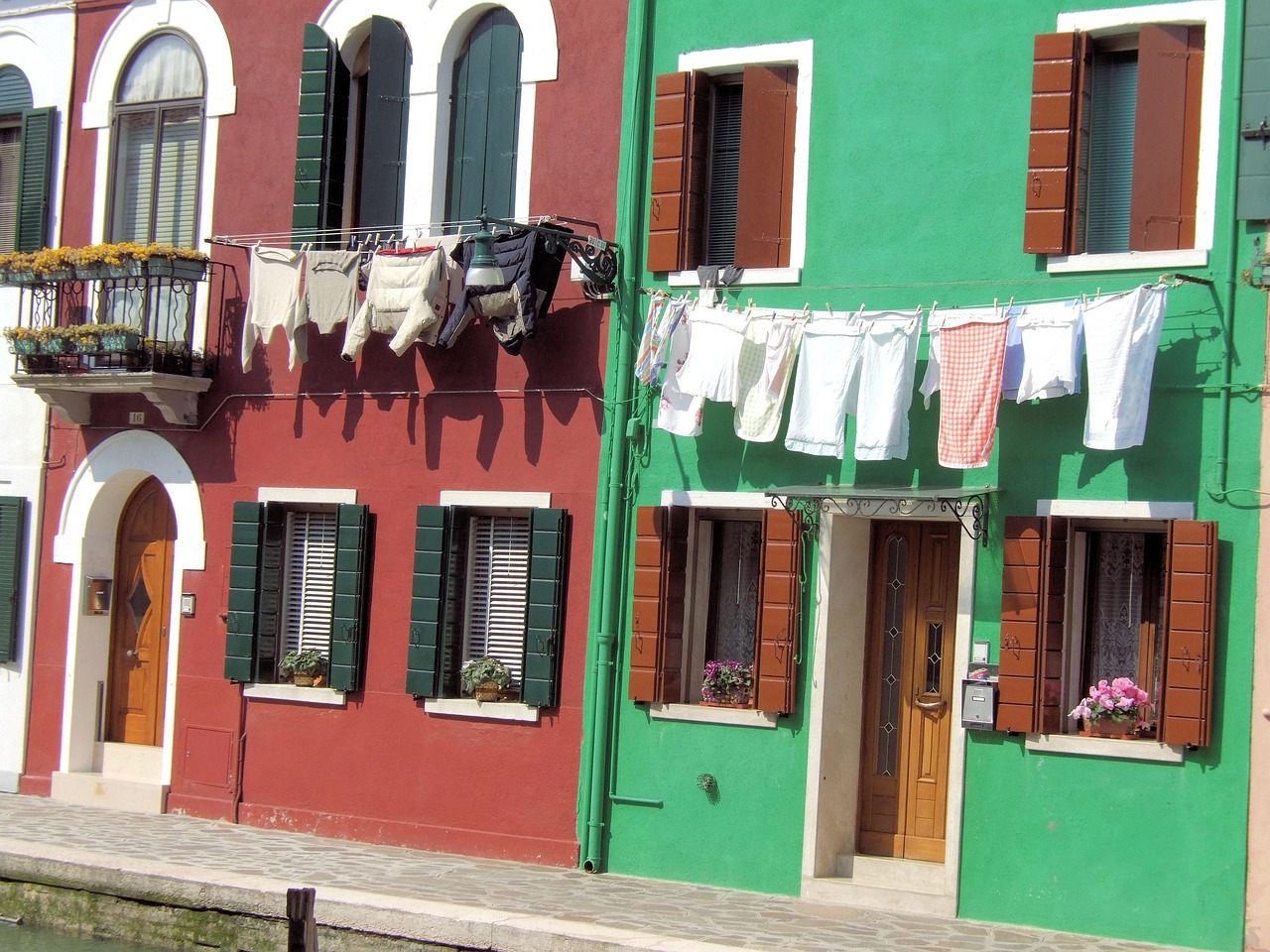
Islands of Venice: Murano and Burano artisan beauty across the lagoon
When you’re planning a day on the islands, think of it as an around-Venice escape—variety beyond the main island of Venice, without losing the city’s waterbound magic. The islands of Venice invite you to slow down and engage with craft, colour, and local stories that feel distinct from those of the central sestieri.
Go for half a day if your time in Venice is tight, or make it a full day if you want breathing room. The point isn’t to collect islands like stamps; it’s to choose fewer stops and stay longer, so curiosity can do its work.
Murano workshops: watch master glassmaking and make a purchase with provenance
Murano is synonymous with glass, but the most memorable visits are the ones arranged with care. A solo traveller once told us she felt genuinely soothed watching glassblowers: controlled heat, steady hands, and the transformation from molten glow to delicate form. It’s a window into Venetian craftsmanship that stays with you long after you’ve left the workshop.
If you’re buying a souvenir, ask where it was made and request documentation where appropriate. The goal isn’t to interrogate; it’s to make a purchase confidently and bring home something meaningful with a clear story, not a generic trinket.
Burano colour and lace heritage: slow streets, respectful photos, and warm encounters
Burano’s painted houses are famous for a reason: colour here isn’t decoration, it’s identity. A family shared how locals gently explained lace-making traditions—how patterns are learned, how patience is part of the craft, and how the island holds its heritage with pride. For children and adults alike, it becomes unexpectedly educational and quietly heartwarming.
Be respectful with photos: if someone is working, ask before you linger. Small-group encounters feel more personal, and your presence lands with more trust.
Logistics that keep it refined: take an early vaporetto to avoid the midday crush, and plan your return before late afternoon queues build. This kind of pacing makes the islands feel like an elegant add-on to your Italy travel route—something you’ll remember long after you’re elsewhere.
- Photo pauses: aim for side streets in Burano where colours feel calmer and less crowded.
- Comfort: bring water and a light layer; breezes over open water can catch you off guard.
- Design note: one workshop visit beats three rushed stops—depth is the real luxury.
F.A.Qs: Top things to do in Venice, Italy (quick answers)
What shouldn’t I miss in Venice if I only have a day?
Don’t miss Mark’s Basilica mosaics and the Campanile for panoramic views, plus Doge’s Palace for the history of Venice and Renaissance art. Build in time for the Grand Canal and a quieter wander through Cannaregio, then consider Murano or Burano if you’d like artisan culture beyond the main sights for your day in Venice.
What is the number one attraction in Venice, Italy?
For most visitors, the number one attraction is Mark’s Square and the surrounding landmark cluster in San Marco. Arriving early makes a huge difference, and a guided visit can add insight while keeping the experience smooth and well-paced.
Do and don’ts in Venice, Italy?
Do book key experiences in advance, wear comfortable shoes, and respect local life by keeping narrow lanes clear. Don’t sit on bridges, block doorways for photos, or treat the city like a theme park. Travel gently, follow local regulations, and remember this is a living community as well as a landmark.
What time of year does Venice smell bad?
Occasional odours can happen during very hot summer spells when water levels are low, and certain canals are stagnant, particularly in quieter back areas. Choosing spring or early autumn usually avoids the worst heat, and staying near well-flushed canals or the Grand Canal can help if you’re sensitive to heat.
Experience Venice after visiting Venice: reflections, Venetians, and what stays with you
After a few days here, what lingers is rarely a checklist. It’s the sensation of moving through a city shaped by water, light, and patient craft—where every canal bend changes the mood, and every small ponte offers a new frame. Venice without noise in your schedule reveals itself slowly, and the details you notice almost by accident begin to matter most.
We remember the shared pauses: standing together at the edge of a quiet canal while a delivery boat passed, or the hush inside a small café where the morning felt private despite the world outside. There was a bell tower view that made the city feel impossibly delicate, and then, minutes later, the grounding sound of footsteps and everyday conversation returned us to earth. In those moments, it’s one: a place that asks you to soften your pace and let it lead.
A local guide once mentioned how Venetians still celebrate festivals like the Redentore, when fireworks ripple across the water and tradition turns the lagoon into a mirror. It’s a reminder that the city of Venice is not only an object of admiration; it’s a living home that responds to visitors who move with care. If you’re lucky, you’ll feel that shift in the heart of Venice—when observation becomes connection, and you start to see Venice rather than just pass through it.
We share the best things not as a checklist, but as an invitation to return in another season and notice something new. Venice remains one of those places—one of the most beautiful cities in the world—because it never gives you the same day twice. Long after you’ve left, you may find yourself thinking less about what you did, and more about what you noticed: a craftsperson’s hands, lantern light settling on a canal, and stone worn smooth by centuries.