Post Contents
- First visit to the Colosseum in Rome, Italy.
- Tickets for Parco Archeologico del Colosseo and metro Line B Colosseo station are part of Italy’s plans for the Colosseum.
- Tour of Rome’s Colosseum underground chambers, arena floor, and gladiator path.
- Roman Forum and Palatine Hill from the Colosseum in Rome, Italy, walking route to explore ancient Rome.
- Colosseo night tour and sunrise visit with VR experience at the Colosseum in Rome.
- F.A.Qs: Colosseum in Rome, Italy
- Personal reflection on visiting Rome’s Colosseum, the Flavian amphitheatre.
First visit to the Colosseum in Rome, Italy.
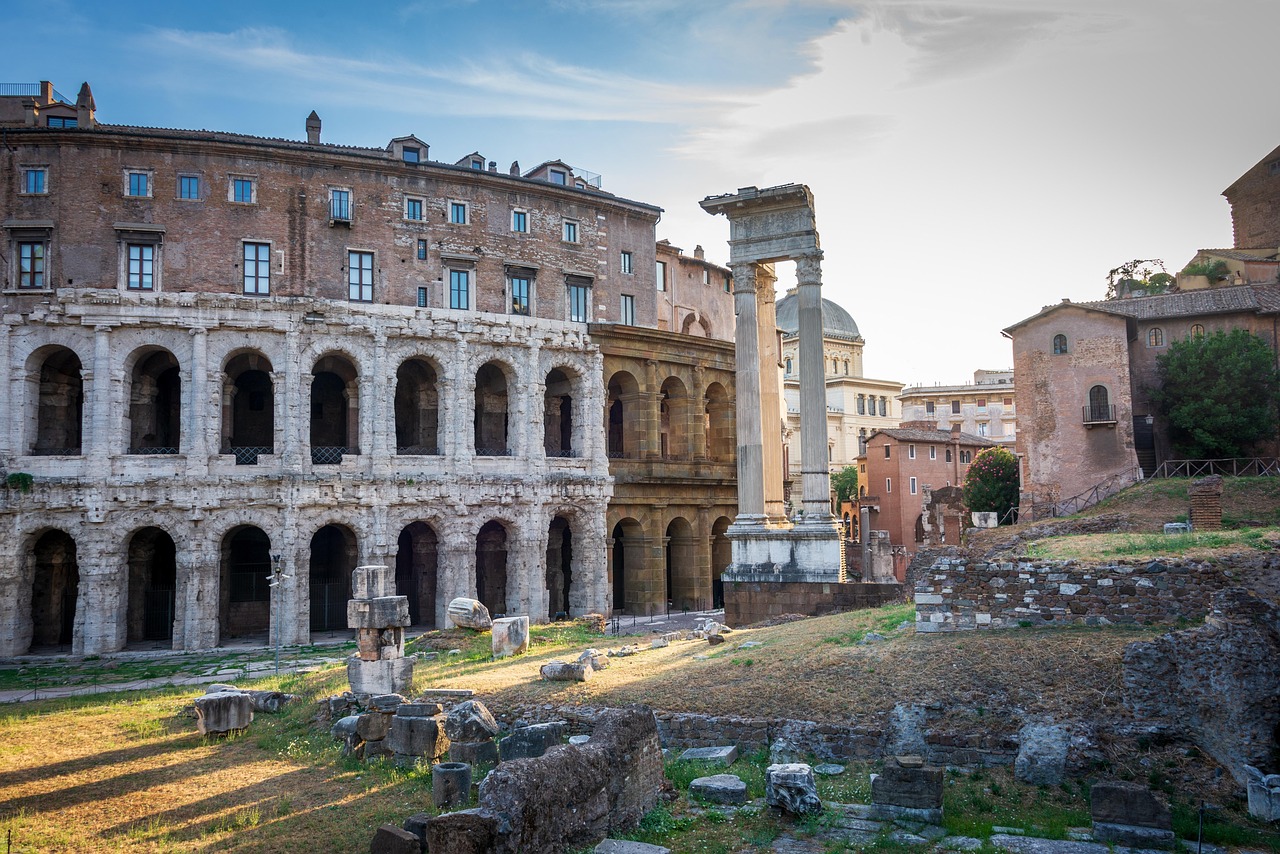
Colosseum and the City of Rome First Impressions as you arrive for a first visit
Your first visit to the Colosseum in the city of Rome, Italy, often begins before you even pass security: scooters skim by, pines frame the skyline, and the Roman Colosseum appears like an idea made solid. The Colosseum is still an emotional lift for seasoned travellers—an immediate shift from modern noise to ancient scale, where you can imagine the amphitheatre filling with voices and dust.
It’s a symbol of Rome and one of the seven wonders of the modern age; more than a postcard, it’s a monument that helps you trust your own curiosity. With seven million visitors each year, it can feel busy, yet the first sight is strangely personal—like stepping into a story you already half-know. It welcomes a million visitors a year in a way few ruins can, and still feels intimate once you slow down.
Why the Colosseum still matters
Known today as the Colosseum, this place has long been a stage for Rome’s changing identity—from imperial celebration to Christian remembrance. On Good Friday, the pope leads the Via Crucis nearby, a modern ritual threaded through ancient stone, reminding you that places endure by being reimagined together.
High-end travel here isn’t about rushing; it’s about creating space for insight. Pause at the outer arches and notice how the light moves across the tiers—warm, honeyed, almost theatrical—then take a breath before you enter, as if you’re crossing into Ancient Rome.
Quick orientation around the archaeological park
The Colosseum sits within a compact cluster of essentials: the amphitheatre itself, the Roman Forum valley, and the Palatine Hill. Even if you’re arriving for one headline sight, you’ll feel more confident with a simple mental map: Colosseum first for timed entry, then Forum for texture and detail, and Palatine for the long view.
On a small group walk, I once met a local historian who had that rare gift of making engineering feel human. He pointed out tiny wear marks on steps and explained how crowd flow was “designed” to move thousands with surprising ease—an expert reminder that the most memorable stories are often hiding in plain sight, waiting for you to uncover them.




Tickets for Parco Archeologico del Colosseo and metro Line B Colosseo station are part of Italy’s plans for the Colosseum.
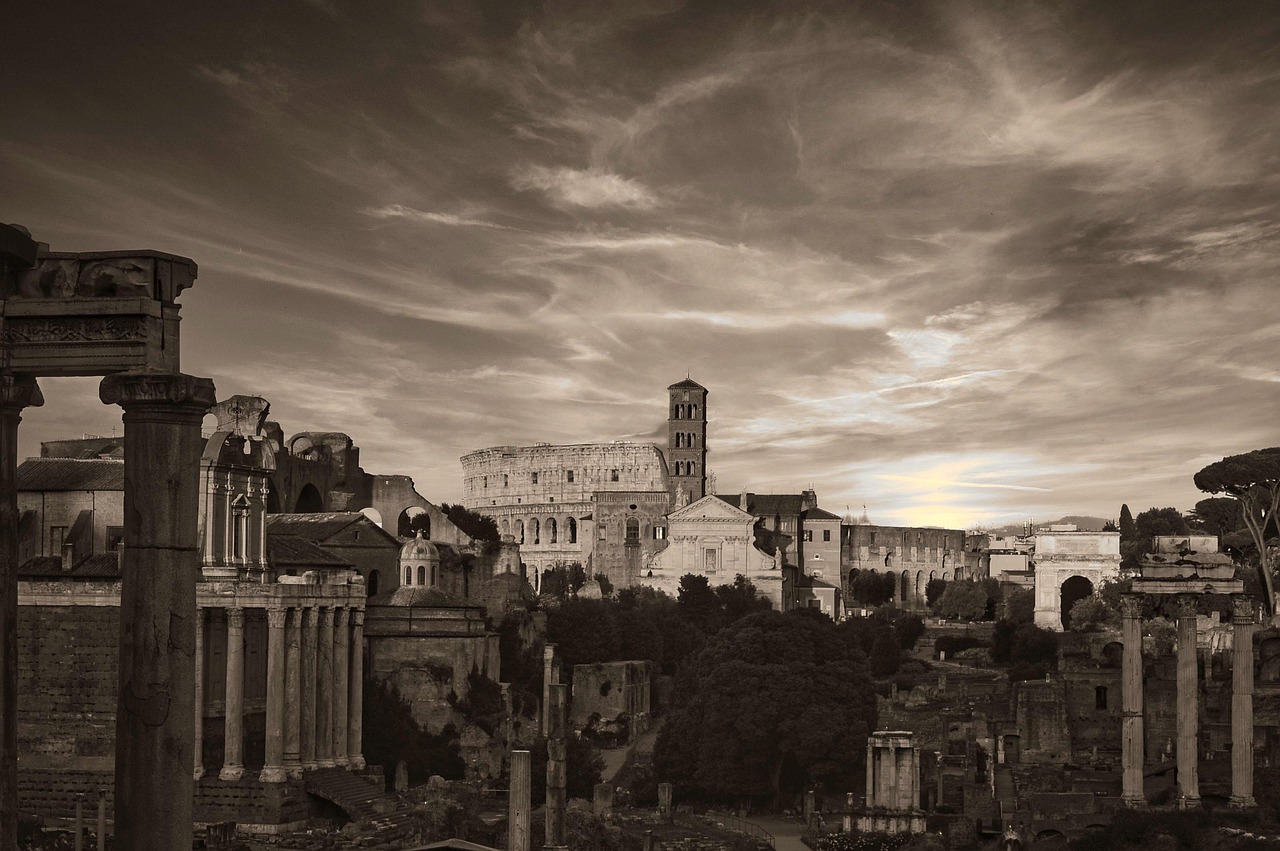
Parco Archeologico del Colosseo Tickets Timing and Transport for a seamless start
For Parco Archeologico del Colosseo tickets, metro Line B, Colosseo station, Italy logistics, the best luxury is calm: pre-booked entry, a clear plan, and time built in for pauses. The official combined ticket typically covers the Colosseum, Roman Forum, and Palatine Hill—excellent value if you want a full day that feels curated rather than crammed. Booking online in advance is the simplest way to skip long queues and ensure smoother security, especially during peak season.
Entry pricing changes, but a standard adult ticket is often around €16, with discounts for EU citizens and youth; bring ID if you’re using a reduced entry. If you’re choosing a guided option, look for add-ons like arena or underground access, which turn a good visit into a crafted one.
Timing that supports adventure and comfort
Adventure seekers do best early morning or late afternoon: cooler air, better light, and fewer crowds pressing at your shoulders. In summer, the heat builds fast on stone, so those first slots can feel like a private invitation. Opening hours shift seasonally, so check ahead and design your day around your energy, not just the clock.
- Best crowd balance: first entry of the day or the last couple of hours before closing.
- Best photos: softer light in the morning; rich shadows later in the day.
- Best pacing: Colosseum first (timed), then Forum/Palatine without rushing.
Transport, what to bring, and gentle care for the site
Transport is straightforward: Metro Line B to Colosseo station drops you right beside the action, with taxis and private transfers also easy if you’re staying central. Bring water (especially June–September), sunscreen, and comfortable walking shoes—uneven surfaces are part of the experience. This is also a place for care: follow signage, and don’t touch fragile stonework that has survived centuries.
Accessibility is improving, with lifts and adapted routes in parts of the site; staff can guide you to the most supportive entrances. If anyone in your party needs rest breaks, plan short sits in shaded edges of the Forum later—your day will feel more seamless, and your confidence stays intact.
If you’re pairing Rome with other regions, keep inspiration handy via our Trip gallery—it’s a lovely way to imagine what you’ll discover next without overplanning.
Tour of Rome’s Colosseum underground chambers, arena floor, and gladiator path.
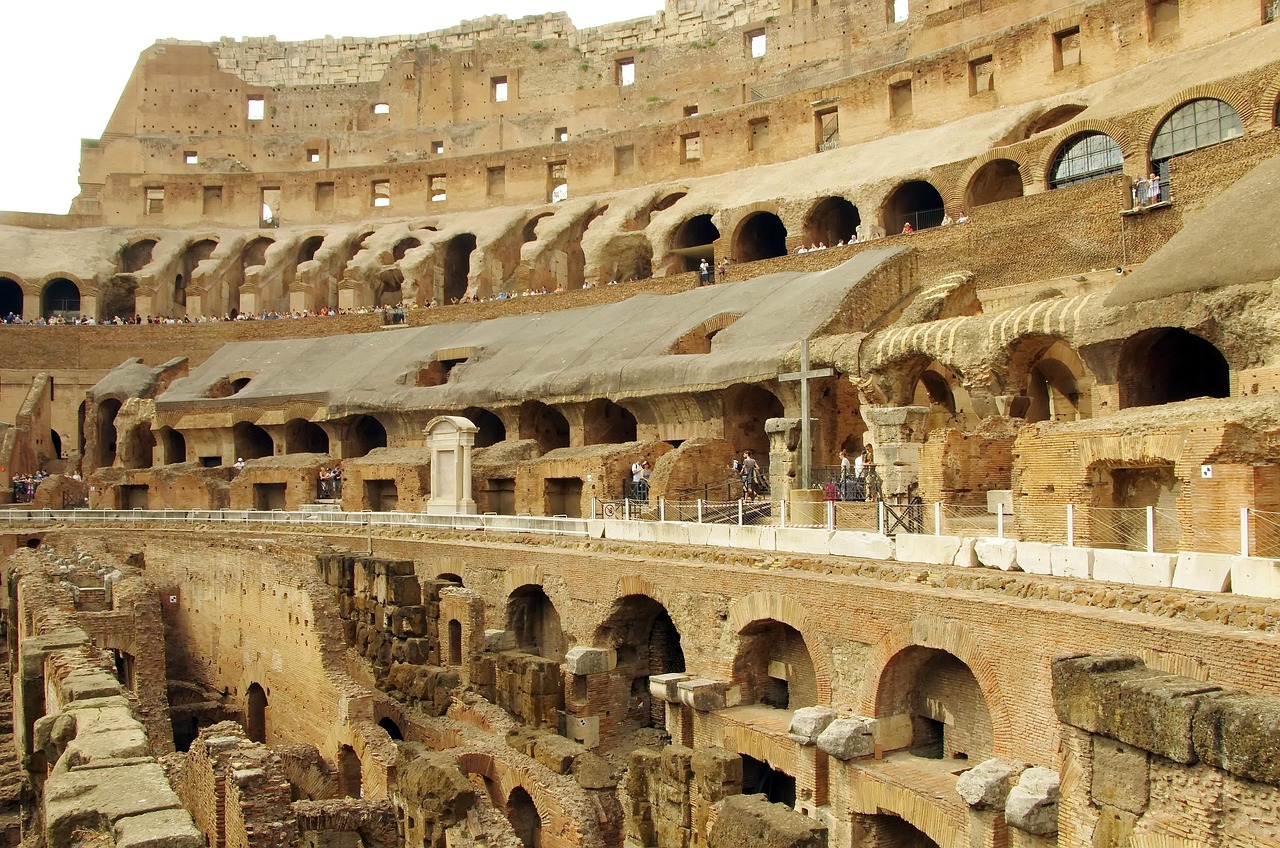
Tour of the Colosseum Underground and Arena Floor following the gladiator path
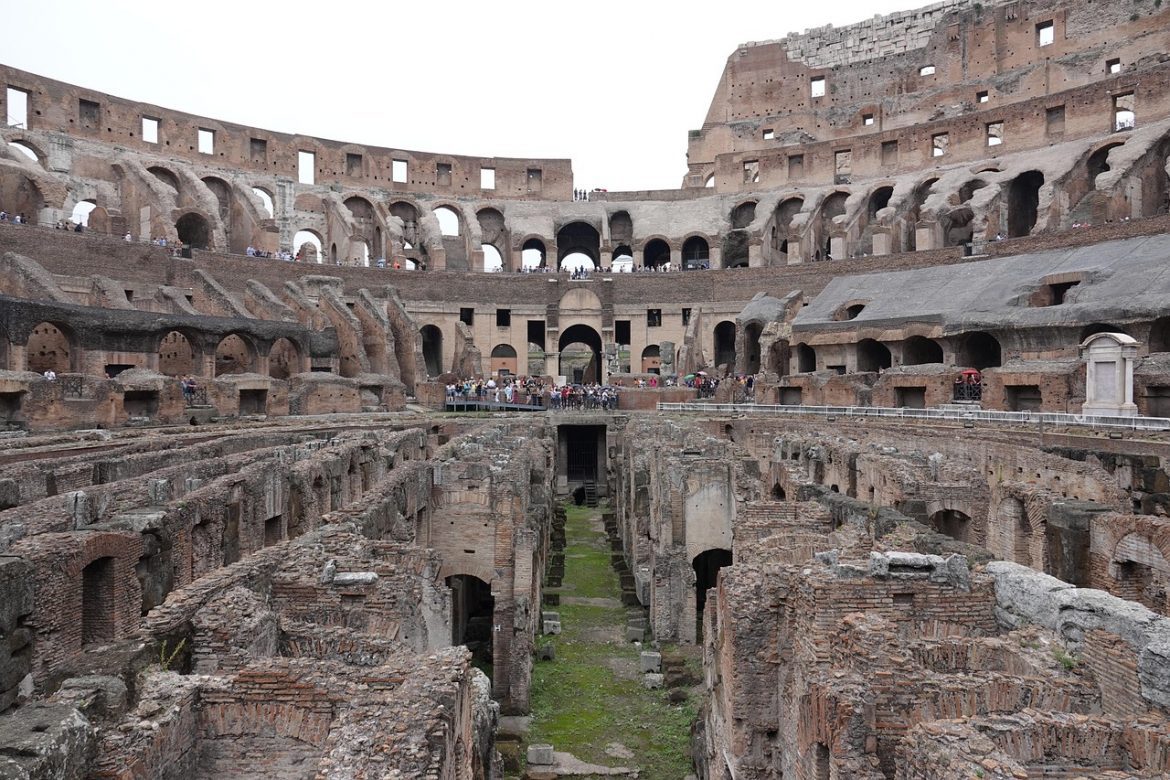
A tour of the Colosseum underground chambers, arena floor, and gladiator path in Rome, Italy, is where history becomes physical. You enter with the crowd, then step onto the arena floor where the space suddenly reads as an amphitheatre built for spectacle—open sky above, steep seating all around, and the uncanny sense that you’re standing at the centre of the Roman imagination.
From the arena, the route drops beneath the arena into the hypogeum: darker corridors, cooler air, and the machinery of power. This is where a gladiator would have waited—close enough to hear the roar, far enough to feel time stretch.
Gladiator perspective from arena to hypogeum
The Colosseum could transform a quiet moment into thunder. Guides will point out where trapdoors opened, how platforms rose, and how coordinated teams moved animals and scenery with astonishing precision. It’s easier to understand gladiatorial culture here—not as a film cliché, but as a tightly managed performance with real risk and a carefully controlled narrative.
For comfort and safety, remember the underground includes steps and narrower passages; it’s cooler and dimmer, which is a relief in summer but can feel abrupt if you’re not expecting it. A guided visit is supportive because it turns “where am I?” into “now I see,” with context that’s as valuable as the photographs.
The Flavian story and the construction of the Colosseum
The construction of the Colosseum is a clean, dramatic arc of politics and pride. The Colosseum began under Emperor Vespasian, the founder of the Flavian dynasty, and Emperor Titus inaugurated it in 80, launching 100 days of games that helped bind Roman citizens to the new order. Those opening celebrations were propaganda and public gift at once—Rome’s message, carved into travertine.
Architecturally, it’s an elliptical structure measuring about 156 meters (around 513 feet) along its long axis—an engineering scale that still feels audacious when you stand at ground level. The tiers, arches, and stair systems were designed for flow, so the Roman people could enter and exit with surprising speed.
Entertainment here ranged from animal hunts featuring exotic animals to staged dramas and gladiator fights. At times, accounts suggest the arena was even filled with water for early aquatic displays—another reminder that the amphitheatre was a machine for wonder as much as violence.
Uncover the hidden: the site is inseparable from Nero. Where the amphitheatre stands, there was once an artificial lake in the grounds of Nero’s golden house, the Domus Aurea. After Nero’s fall, the lake was drained, and a public monument rose in its place, shifting private excess into civic theatre. Nearby stood a colossal statue and the famous statue of Nero that likely influenced the later name—an echo of one ruler’s ambition lingering beneath the Flavian programme.
By the time of the emperors of the Flavian dynasty, the message was clear: Rome belonged to the people again, at least in appearance. That tension—between generosity and control—threads through the entire Roman Empire, and you can feel it in the stone as you walk.
Roman Forum and Palatine Hill from the Colosseum in Rome, Italy, walking route to explore ancient Rome.
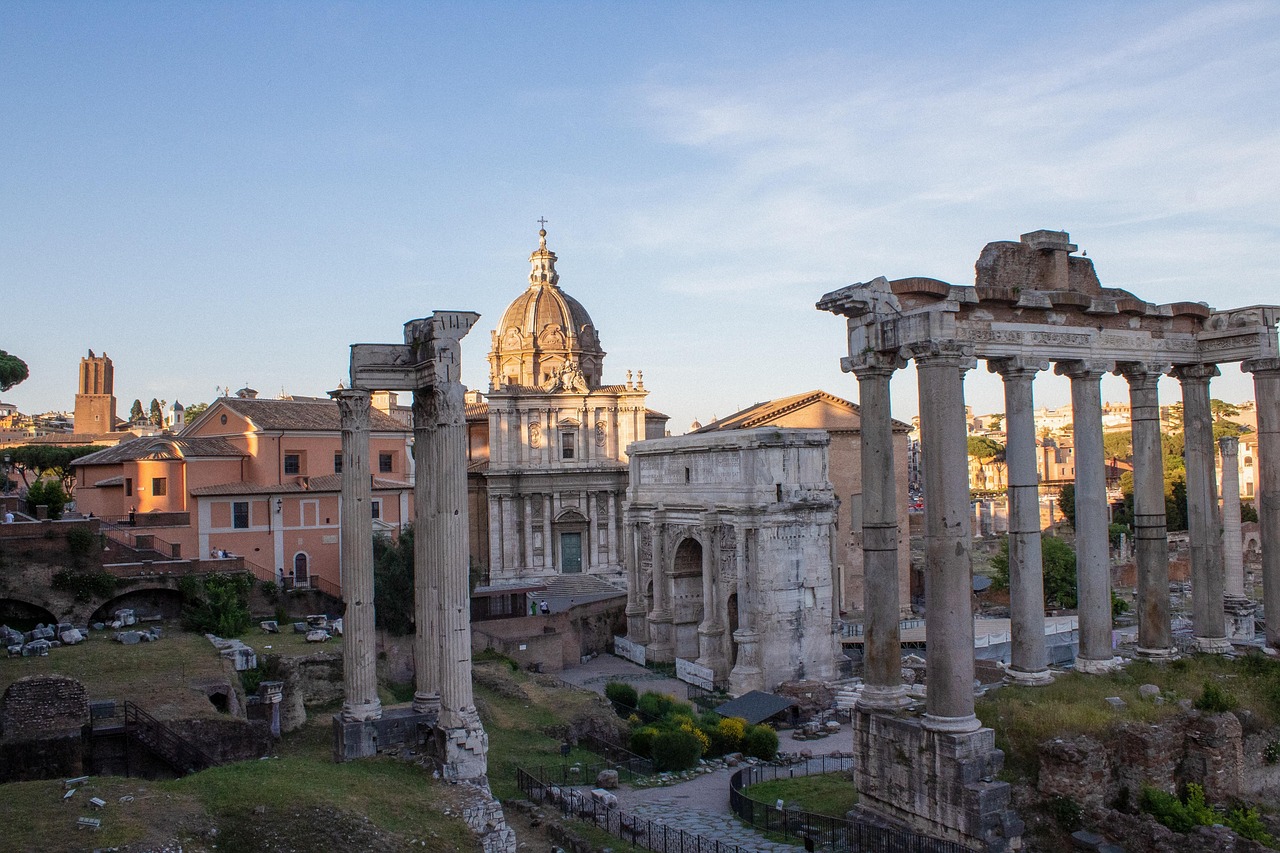
Roman Forum and Palatine Hill Walking Through Ancient Rome from the Colosseum
The Roman Forum and Palatine Hill from the Colosseum, Rome, Italy, walking route is the natural second act, and it’s where the city’s “why” comes into focus. Step out of the Colosseum and head towards the Forum entrances: within minutes, the noise changes and the ground opens into a layered, low-lying valley of foundations, columns, and pathways that once hosted the daily pulse of Ancient Rome.
To keep it time-smart, aim for a gentle flow: Forum first while your mind is fresh for details, then climb to Palatine Hill for viewpoints and a slower pace. The higher you go, the more the city feels designed—ruins below, modern Rome beyond, and the Colosseum holding the centre of the picture.
Roman Forum life and the politics of memory
The Roman Forum reveals Rome as a political and social theatre: law courts, temples, speeches, and processions built to be seen. Emperors used architecture to create legitimacy, turning stone into memory and memory into power. If the amphitheatre shows what Rome watched, the Forum shows how Rome decided what mattered.
For a quieter corner, angle towards the less-crowded edges and look back across the central pathways; you’ll often find pockets where you can hear your own footsteps. It’s a reassuring way to explore—unhurried, observant, and open to insight.
Reading columns like a curious detective
Take a moment with the column styles: sturdy doric proportions, scroll-like ionic capitals, and the leafier flourish of corinthian detail. These aren’t just pretty categories; they’re clues to periods, patrons, and aesthetic choices. Once you start noticing them, the ruins become legible—less “ancient pile,” more a living archive.
There’s also an honest story of endurance. An earthquake damaged sections; rebuilding occurred in phases, and in later centuries, parts were used as a quarry for reusable stone. At times, structures were repurposed into a fortress, and the landscape shifted again and again—especially as the Western Roman Empire faded and the city adapted.
If your day includes the wider centre, it’s easy to stitch in a glance towards Piazza Venezia afterwards, but keep a little energy in reserve for evening light. A seamless day is rarely the longest day; it’s the one with the best rhythm.
- Shade and water: carry a refillable bottle; pause in shaded edges when the sun is high.
- Where to slow down: take a short rest before the Palatine climb, then enjoy the viewpoints.
- Keep it comfortable: the surfaces are uneven—steady shoes help you maintain your focus and your feet.
Colosseo night tour and sunrise visit with VR experience at the Colosseum in Rome.
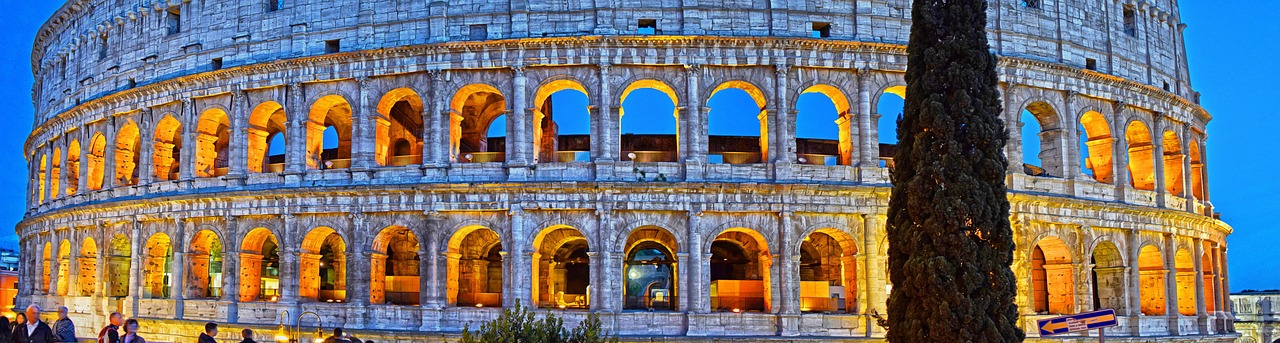
Colosseo at Sunrise Night Tours and VR Experiences around the Colosseum
The Colosseum night tour, sunrise visit, VR experience, Rome, Italy, the question is really about mood. At sunrise, the Colosseum stands in softer silence, and the golden light makes the arches glow like warmed marble—an atmosphere many travellers describe as their most unforgettable photo moment. At night, the same monument feels cinematic: fewer crowds, illuminated ruins, and a sense that you’ve stepped into a quieter chapter of the city.
One adventurer told me they arrived early, when the day felt newly made, and it changed their whole relationship to the site. The modern journey—coffee in hand, camera ready—suddenly felt like a respectful counterpoint to the epic stories held within the stone.
Choosing a night tour that feels designed
A night tour often includes timed entry, a smaller group, and carefully lit viewpoints that highlight the structure’s curves and shadows. It suits travellers who want culture with an edge—more atmosphere, less heat, and a calmer pace that supports deeper attention. For the trip back, plan transport in advance (taxi, rideshare, or a pre-arranged driver) so the evening feels crafted rather than draining.
If you’re travelling in a group, agree on a simple meeting point outside and keep a little extra time buffer. Confidence at night comes from small details done well.
VR as a vivid lens on gladiatorial contests
Some select tours offer a VR experience, which can be wonderfully effective when you want context without heavy jargon. With the headset on, you can visualise seating tiers, the arena surface, and the staging of gladiatorial contests—then remove it and recognise the same geometry in the real stone. It’s a modern tool that helps you imagine the ancient crowd, the choreography, and the emotional mechanics behind the spectacle.
For adventure seekers, VR can also be a bridge between past and present: the thrill of discovery, balanced by the care of informed storytelling. It’s not replacing the Colosseum—it’s sharpening your eye for what’s already there.
F.A.Qs: Colosseum in Rome, Italy
What is so special about the Colosseum in Italy?
The Colosseum is special because it’s a vast ancient amphitheatre where you can physically feel the scale of Roman engineering and public life. It’s also a powerful symbol of Rome, with layers of history that range from imperial ceremony to later religious meaning, making it both iconic and emotionally resonant.
Can you just walk into the Colosseum in Rome?
You can enter only with a valid ticket, and time slots are often controlled, especially in busy seasons. For a smoother experience, book online in advance so you can arrive with confidence, breeze through security, and avoid long queues that can eat into your day.
How much does it cost to visit the Colosseum in Rome?
Standard entry is often around €16 for adults, with reduced prices for eligible EU citizens and youth (bring ID if you’re using a discount). Prices can vary depending on what’s included, and special access areas, such as the arena or underground, typically cost more on guided tours.
Are there toilets in the Colosseum?
Yes, there are toilet facilities available for visitors, though queues can build at peak times. It helps to use them when you first enter or just before a guided segment begins, so you’re not distracted during the most immersive parts of the visit, such as the arena or underground areas.
Personal reflection on visiting Rome’s Colosseum, the Flavian amphitheatre.
The Colosseum in Rome, Italy, often prompts personal reflection; it arrives later, when you’ve left the gates and the street noise returns. You might notice it in your posture first: the lingering sense of scale, the memory of cool corridors, the way time felt briefly elastic inside the Flavian amphitheatre. The Colosseum has long invited people to gather and look—first in the days of the Flavian Amphitheatre, and now as travellers who arrive with questions and leave with quieter ones.
What stayed with me wasn’t only the grandeur, but the feeling of togetherness across centuries. I thought about the Roman people pressed shoulder-to-shoulder in the tiers, and about visitors today—languages layered like stonework—each of us trying to create meaning from what remains. Somewhere in that shared attention is a kind of human continuity: we still come together to witness, to imagine, to test our courage against stories larger than ourselves.
History here is not tidy. By the 6th century, parts of the site had changed function, and traditions grew around early Christians and martyrdom, whether or not every detail is provable. The Colosseum became many things over time—ruin, resource, symbol—and yet it never lost its pull. You leave with a renewed trust in curiosity, and a gentle awareness that care for heritage is part of the journey, even when you’re simply passing through.
Later, walking away, you might catch warm light touching broken arches and feel unexpectedly steady—like your travels are not only about movement, but about attention. Italy keeps offering layers, and the next one doesn’t need to announce itself loudly; it often appears when you’re quiet enough to notice.