Post Contents
- Attractions in Italy as a Destination Guide for High-End Travel and Luxury Travel Destinations
- Rome Attraction Icons for a Trip to Rome with Colosseum, Vatican and Trevi Fountain
- Venice Attraction Moments with a Private Gondola, Palazzo Views and Ponte di Rialto
- Florence Attraction Days from the Uffizi to Tuscany, Chianti, and Siena near Santa Maria del Fiore
- Places to Visit in Italy and Best Places to Visit from Milan to Amalfi Coast, Naples, Cinque Terre Sicily and Dolomites
- F.A.Qs: Attractions in Italy for High-End Travellers
- What Stayed With Me After Italy
Attractions in Italy as a Destination Guide for High-End Travel and Luxury Travel Destinations
Attractions in Italy as a Destination Guide for High-End Travel
If you’re looking for an attractions-in-Italy destination guide for luxury travel, the most reassuring approach is to think in terms of themes rather than ticking off top attractions. Italy is a mosaic of travel destinations: ancient Rome and imperial stories, Renaissance galleries, canal cities, coastline retreats, and alpine serenity. When you design your trip this way, each day feels crafted—shaped around your pace, your interests, and the kind of calm that makes luxury feel like care, not excess.
Start by choosing two or three “anchor” experiences—those world-famous moments you’ve always wanted—then build in quieter rituals that help you feel local. A short espresso at the bar, an unhurried aperitivo, and a late-afternoon gelato become the thread that ties it all together, giving you confidence that you’re not just seeing Italy, you’re living it.
Design a crafted route by theme, not by checklist
High-end Italian travel becomes effortless when you pair major sights with space. Rather than rushing from one tourist hotspot to the next, create a route with breathing room: a favourite piazza for people-watching, a boutique hotel address close enough to return for a pause, and one small daily ritual that keeps you grounded. It’s not about doing less; it’s about uncovering more—especially the moments you didn’t know you were hoping for.
To help you create that rhythm, keep your “big” sight to one per half-day. Then let the rest be texture: a market lane, a quiet church interior, a terrace view, a slow walk back at dusk. Luxury, here, often comes down to timing.
Best time to visit and seamless movement between destinations
The best time to visit is spring and early autumn, when the light is soft, the queues are more manageable, and the heat doesn’t force you indoors. Those seasons also reduce the pinch-points that make a popular tourist area feel crowded, so your days feel unhurried and more personal.
Movement matters. Italy’s train network is an elegant way to glide city to city—smooth, central, and surprisingly stress-free with first-class seating. For door-to-door support (especially with luggage, tight schedules, or when you simply want comfort), a private transfer is often the most seamless option.
- Use trains for Rome–Florence–Venice-style routes: fast, reliable, and with central arrivals.
- Choose private transfers for the countryside or the coast, where roads and timing can add friction.
- Book timed-entry tickets in advance for major museums and monuments to skip lines and maintain your confidence.
A final note, offered with warmth: modest dress is expected in churches and basilica spaces, and tipping is generally modest in restaurants. That small respect unlocks a gentler welcome, better service, and a sense of trust that makes the whole destination feel easier to navigate. When you’re ready to imagine your own route, take a look at our Trip gallery for design-led inspiration.




Rome Attraction Icons for a Trip to Rome with Colosseum, Vatican and Trevi Fountain
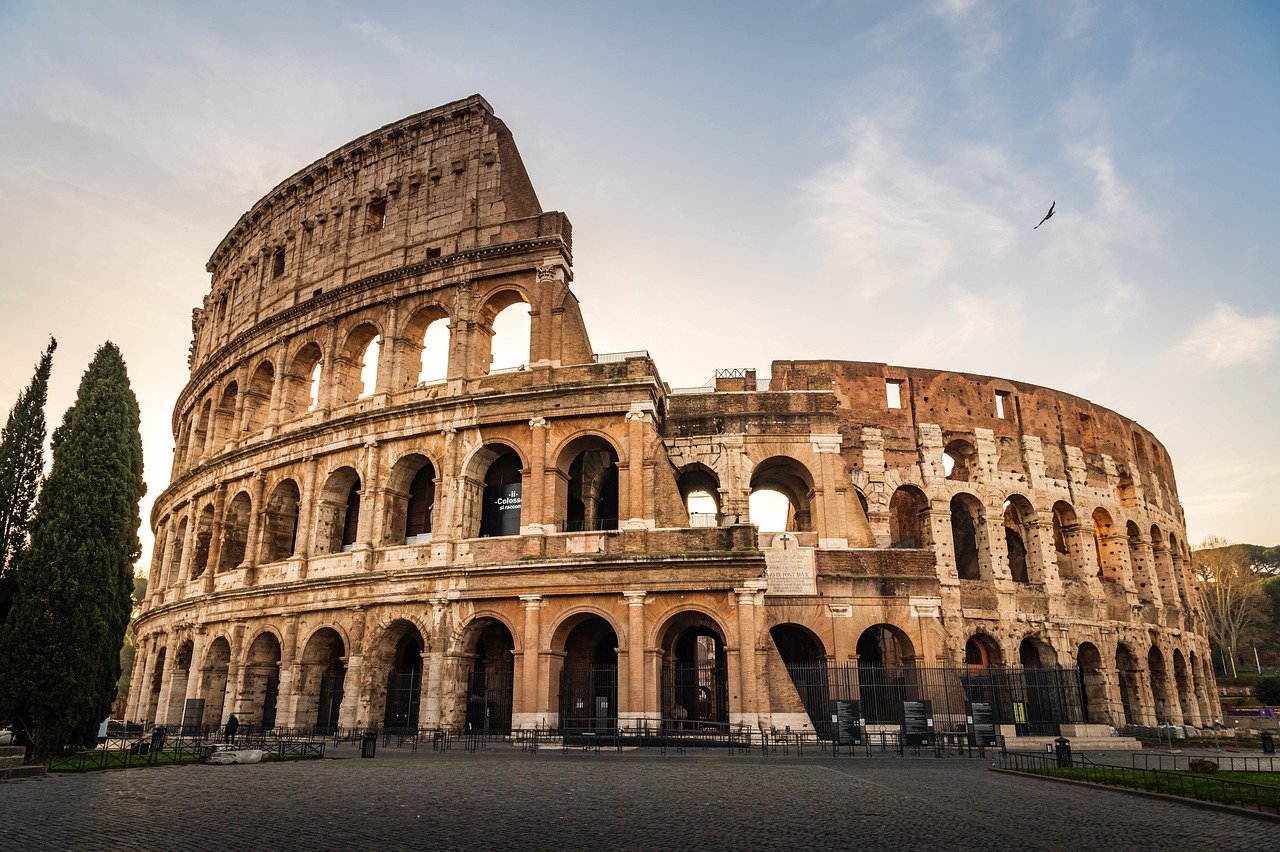
Rome and the Eternal City Icons You Can Uncover
For travellers planning a trip to Rome, the signature pairing is simple: a Rome attraction morning at the Colosseum, followed by the Vatican’s artistic crescendo—and then, crucially, time to wander. Rome is the Eternal City, and it doesn’t respond well to being hurried. With expert guidance and a crafted pace, you can explore the icons while still feeling the city’s daily life unfold around you.
The luxury difference often comes down to timing, shade, and story. When you’re supported by a private guide, ancient sites stop being “ruins” and become human again: places of work, spectacle, ambition, and ordinary routine.
Colosseum and ancient Rome with a private guide
The Colosseum is best experienced with a private guide who can set the scene without overwhelming you with dates. Arrive early for softer light and cooler temperatures, then move into the Roman Forum once the day begins to warm. Your guide can help you find shade, choose the least congested routes, and translate what you’re seeing into daily life—how people ate, traded, socialised, and navigated status in ancient Rome.
One small but powerful tip: plan a slow exit. Let the final moments be yours—stand back, take in the scale, and allow the atmosphere to settle before you move on. That pause is often what you remember most.
Vatican Museum highlights done quietly, including the Sistine Chapel
For the Vatican, the goal is the opposite of rushing: choose a timed entry that gives you time to calm down. In the Vatican Museum, focus on a handful of rooms rather than trying to “do it all”—the Gallery of Maps is a favourite for its sheer detail and colour, and it sets a beautiful rhythm before the Sistine Chapel. Continue into Peter’s Basilica for a final, breath-catching sense of scale, then step outside and let daylight return you to the present.
A high-end traveller once described their private after-hours tour as stepping into a secret world—hushed corridors, art that felt newly alive, and the kind of silence that lets you notice brushwork, marble, and meaning. It’s hard to overstate what that does for your relationship with the city: it turns a famous tourist experience into something intimate and personal, shaped with care.
When you need to reference it later, keep the day simple: one morning for the Colosseum and Forum, one separate session for the Vatican. That spacing protects your energy and helps you absorb the detail.
After the grand sites, design an afternoon “between the monuments”. Begin at the Pantheon, then drift to a favourite piazza for an espresso. Visit the Trevi Fountain at a quieter time—late morning can be busy, but early evening often softens—and end at the Spanish Steps once the heat has eased. This is where Rome becomes yours: not a schedule, but a mood.
For a high-end, central base, look for a discreet address that’s walkable yet calm—close enough to return for a rest, far enough from the busiest streets to sleep well. Proximity creates a more restful rhythm, and that rhythm becomes your quiet advantage in Rome.
Booking notes: reserve timed entries well in advance, aim for the earliest slots, and build in contingency time between appointments. A crafted day never feels squeezed; it feels like it was designed around you.
Venice Attraction Moments with a Private Gondola, Palazzo Views and Ponte di Rialto
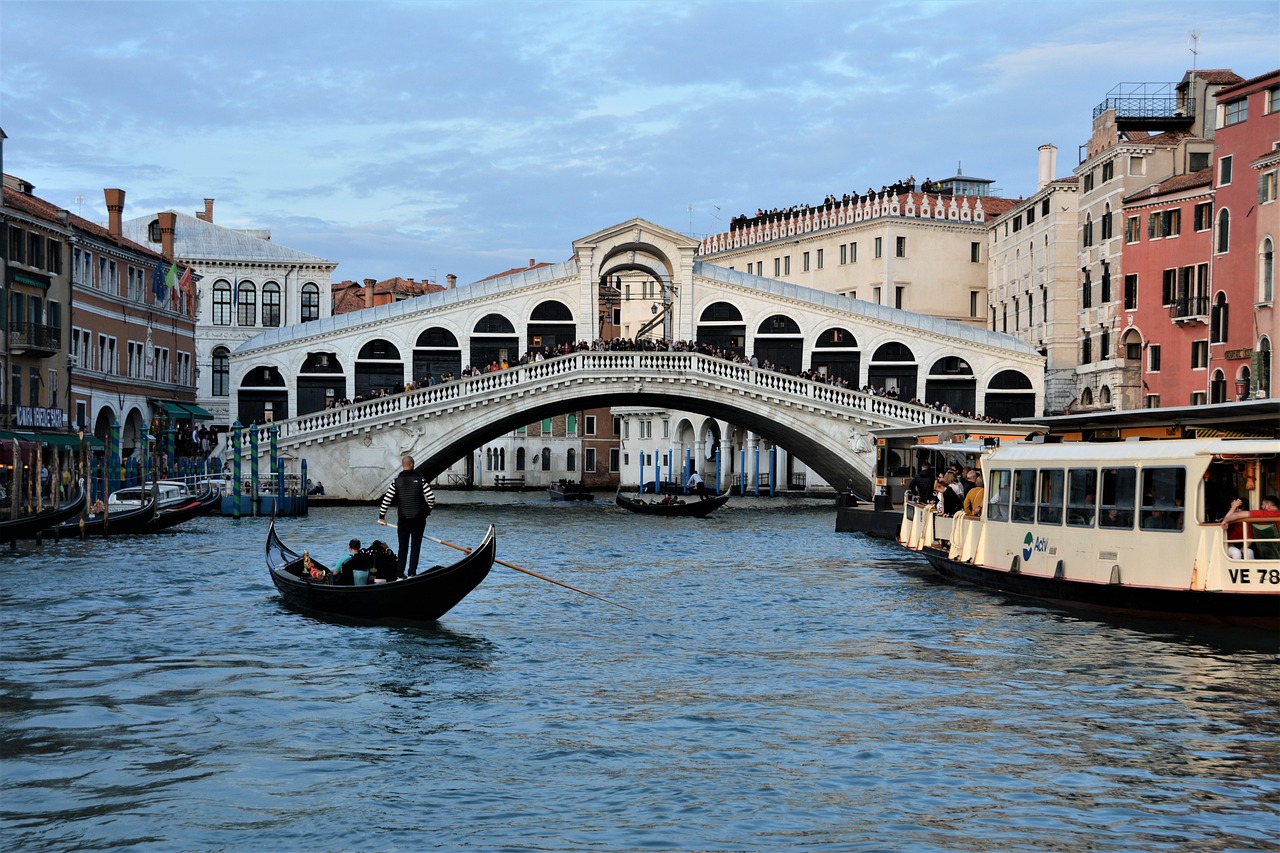
Venice Canal Romance Beyond the Rialto
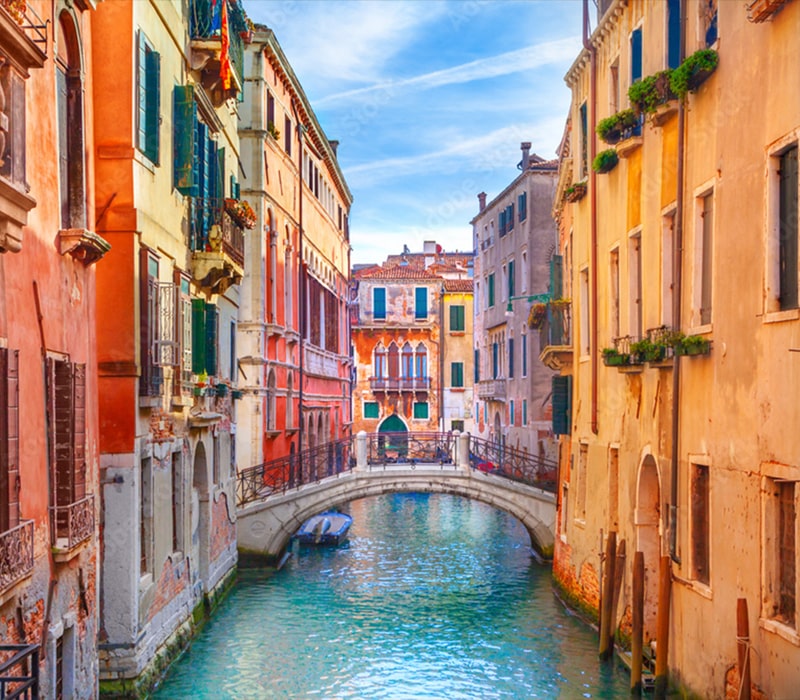
For a Venice attraction day that feels genuinely luxurious, let the city set the pace: architecture reflected in water, palazzo façades at golden hour, and the pleasure of getting slightly lost on purpose. The keyword here is slow. Venice rewards travellers who explore with curiosity and who trust the quieter lanes as much as the famous viewpoints.
Think of Venice as a sequence of small scenes rather than one grand performance. A single candlelit canal moment can feel more vivid than a dozen hurried photos—and it often arrives when you stop chasing the crowd.
Private gondola strategy beyond the Rialto
A private gondola is most magical when the route includes lesser-known waterways, with a gentle nod to the Ponte di Rialto area rather than letting Rialto dominate the day. Aim for a start time when the light is kind, and the traffic is lighter, then glide into quieter corners where the sounds soften and the details sharpen—ironwork balconies, peeling paint, and secret courtyards opening like little stage sets.
One traveller told us about an unforgettable candlelit dinner aboard a gondola, drifting past softly glowing palaces. It wasn’t loud or showy; it was tender and almost theatrical in its calm. That’s the Venice you want: a sense of togetherness, held by the city’s hush.
Photography and a serene Venice atmosphere
If photography matters to you, early morning is your ally. Venice can feel genuinely serene before day-trippers arrive—bridges are quiet, reflections are clearer, and you’ll uncover corners that look impossibly picturesque without needing to chase them. Late evening brings a different kind of beauty: lamplight, gentle footsteps, and water that feels like dark glass.
For comfort, consider luggage handling and private water transfers to your hotel. A quiet canal-view room can transform your arrival and departure into a small ceremony: you step off the boat, breathe out, and immediately feel supported.
- Arrive by private water transfer if you value door-to-door ease and minimal fuss.
- Choose gondola timing at dawn or dusk for softer light and fewer interruptions.
- Step inside churches respectfully with modest dress; the welcome is warmer when you meet local expectations.
Venice is also a city of courtesies. A gentle tone, unhurried movement, and respectful behaviour in sacred spaces help build trust. Service improves, and your day feels less transactional—more like a destination that has opened its arms.
Florence Attraction Days from the Uffizi to Tuscany, Chianti, and Siena near Santa Maria del Fiore
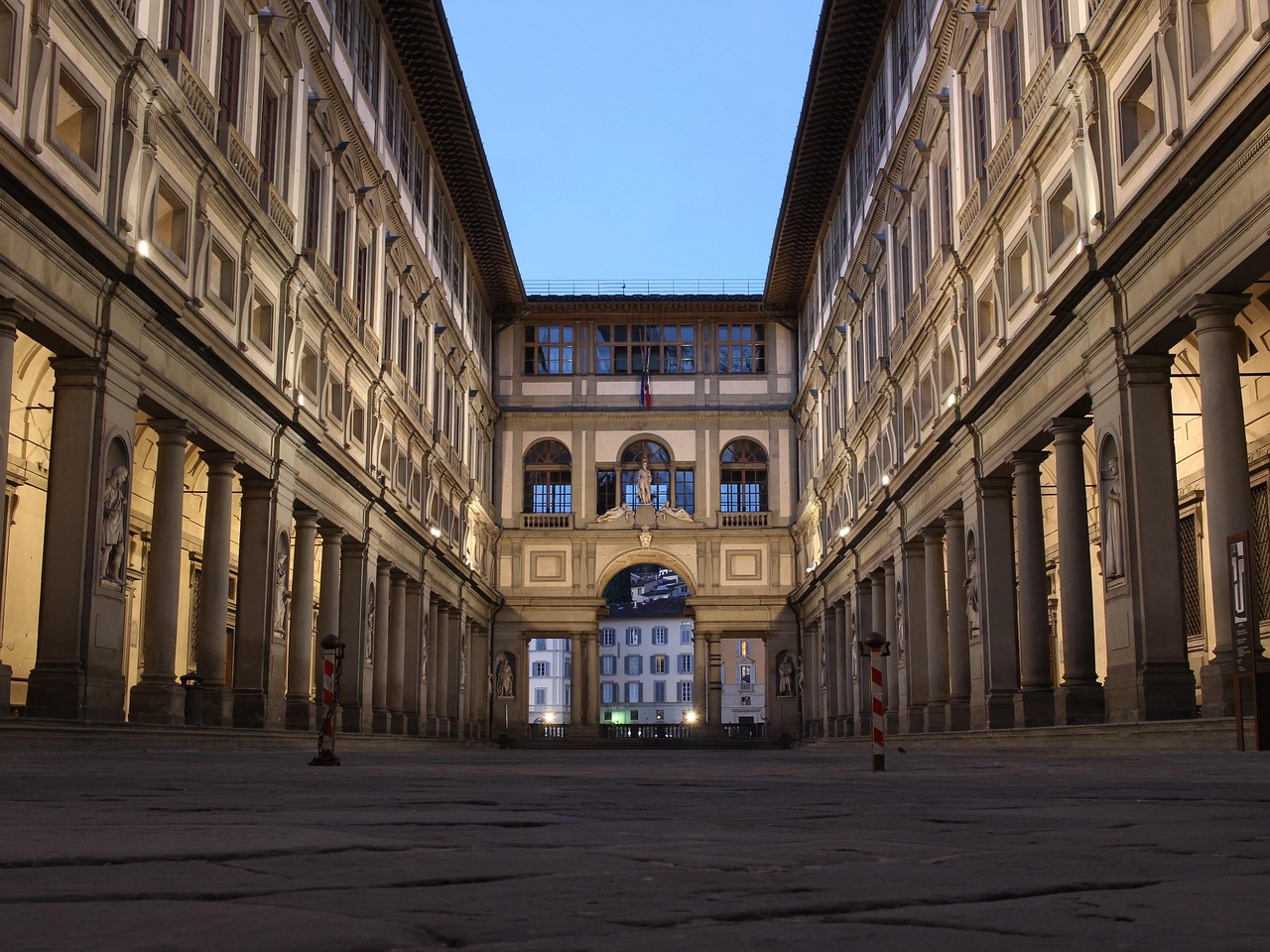
Florence Art and Tuscany Wine from the Uffizi to Chianti
If you’re planning a Florence attraction itinerary, the best approach is to keep it elegant and edited: one great museum, one architectural masterpiece, and one beautifully paced Tuscan extension. The keyword search focus—Florence attraction Uffizi Tuscany Chianti Siena Santa Maria del Fiore—captures the arc perfectly, but the experience only shines when you give it space.
Florence is compact and walkable, which is a gift for high-end travellers. You can step from gallery to café to atelier without ever feeling you’re “commuting”, and that keeps the day light and enjoyable.
Uffizi timing and an expert frame for the Michelangelo context
The Uffizi is best with a pre-booked slot and an expert who can frame what you’re seeing in a way that feels clear rather than academic. Choose a morning entry, then focus on a curated route: a handful of masterpieces, a few pauses, and time to look properly. Museum fatigue is real, and it’s the fastest way to make beauty feel like work.
As you move through the collections, it helps to place Michelangelo in context—how his world shaped the city’s confidence, and how Florence’s patrons used art to communicate power and devotion. With the right guide, the story lands in a way that feels human, not like a lecture.
Santa Maria del Fiore mornings and Chianti at sunset
For cathedral splendour, plan a paced morning at Santa Maria del Fiore and the surrounding piazza. Begin early, then take a café pause before you climb. If you choose to go up, Giotto’s bell tower offers a beautiful perspective over rooftops—an amazing view that feels earned, especially when the city is still waking up.
Then, let Tuscany be your exhale. Chianti is an intimate extension of Florence when it’s done with care: exclusive tastings, rolling lanes, and a flexible schedule that lets you stop when the landscape calls you to. One couple described their personalised Tuscany wine tour as the highlight of their journey—intimate conversations with winemakers, learning the story behind each vintage, and strolling through vineyards at sunset as the hills turned bronze. Those famous rolling hills don’t feel like a postcard in that moment; they feel like a memory being made.
If you’d like a refined day trip that’s calmer than the busiest Florence streets, add Siena. Its palette leans baroque in mood—warm stone, shadowy interiors, and a slower rhythm that feels confidently local. Siena is a wonderful choice for travellers who prefer ease to intensity, and it complements Florence beautifully.
Practical touring matters in the countryside. You can hire a car if you love independence and are comfortable on narrow roads, but many high-end travellers prefer a driver so the day stays seamless. Keep water on hand, plan for shade, and allow flexible stops—those spontaneous viewpoints are often the most personal part of Tuscany.
Places to Visit in Italy and Best Places to Visit from Milan to Amalfi Coast, Naples, Cinque Terre Sicily and Dolomites
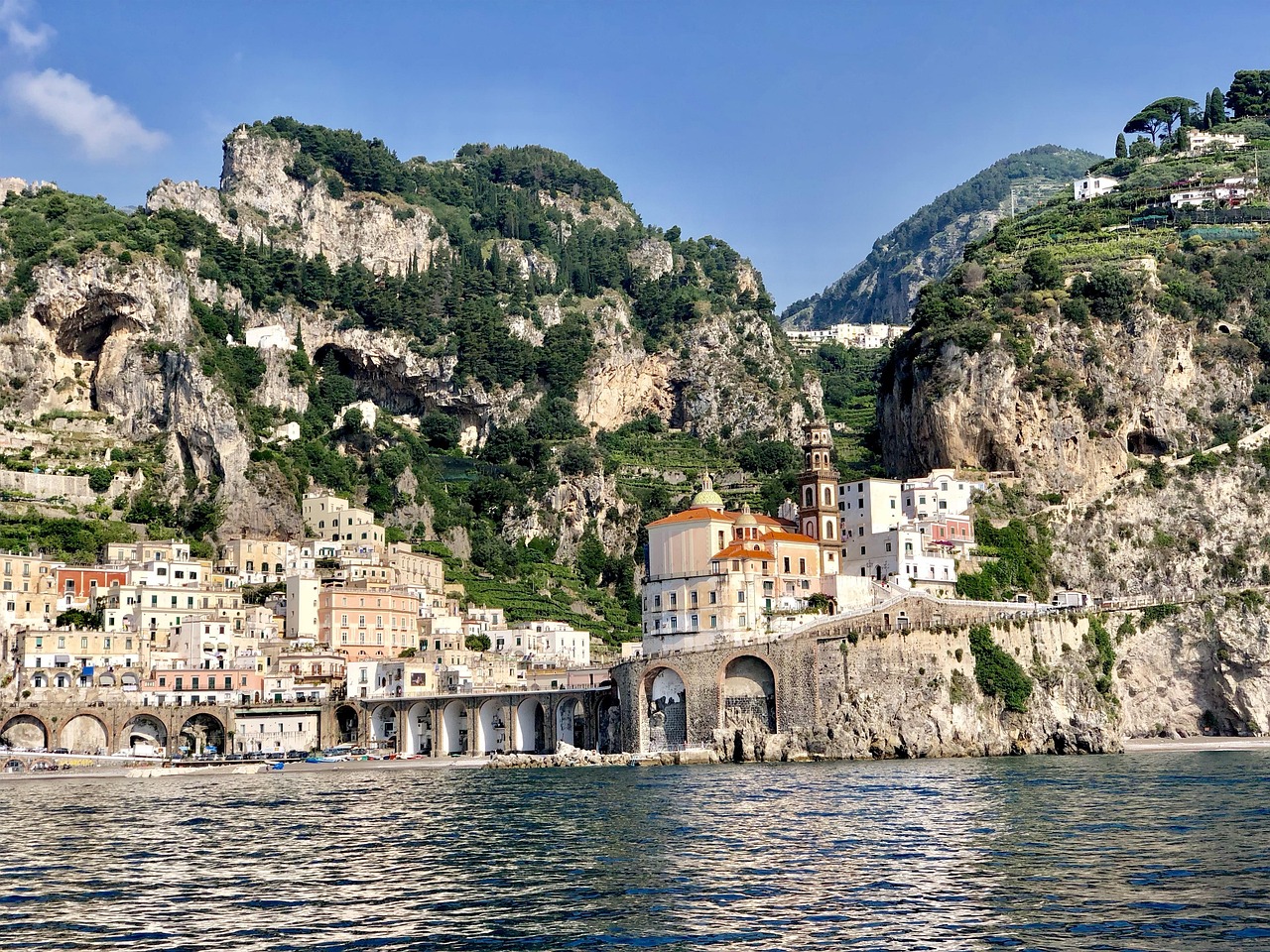
Milan to the Coasts and Islands Italy Bucket List Additions
When clients ask for places to visit in Italy beyond the classics, I suggest choosing additions that match your energy: design-forward cities, lakeside calm, mountain air, or a beach escape with serious style. This chapter is your Italy bucket list expansion—best places to visit when you want variety without losing that crafted, supported feel.
The secret is contrast. Italy becomes richer when you balance art cities with landscape, and when you let travel days stay seamless rather than stressful.
Milan icons with Duomo di Milano and Santa Maria delle Grazie
Milan is a high-impact stop that can be wonderfully low-stress if you keep it focused. Pair the Duomo di Milano with a timed visit to Santa Maria delle Grazie, then finish with a refined aperitivo where locals actually linger. Milan’s pleasure is in its polish—design, fashion, and the quiet confidence of a city that doesn’t need to perform for you.
From Milan, consider a pause in the city of Como. A short lakeside stay feels like a palate cleanser: elegant waterfront promenades, boat rides that slow the mind, and dinners that stretch gently into the night.
Amalfi Coast, Naples, Pompeii and Cinque Terre colour
For mountain air and a different register of beauty, the Dolomites bring Alpine light, wide horizons, and a rugged serenity that feels worlds away from the cities. Choose viewpoints with an amazing view and keep the day simple: a scenic drive, a gentle walk, and a long lunch where you don’t watch the clock.
Then there’s the coastline—Italy at its most cinematic. The Amalfi Coast is pure elegance when you remove the friction: a private transfer spares you the stress of tight roads, especially along sections perched above the sea. In Positano, look for a terrace moment with a blue sea backdrop, and let the afternoon drift. If you want a little extra romance, base nearby in Sorrento for a calmer rhythm while still enjoying the cliff-hugging drama of the coast.
Naples offers a thrilling contrast: bold, creative, and deeply alive. With an expert, you can explore Naples with confidence, then take a private archaeological experience through the ruins of Pompeii, where the story of the eruption makes history feel human. Add Mt Vesuvius for viewpoints that place the landscape in context; standing there, you understand why the past still feels close.
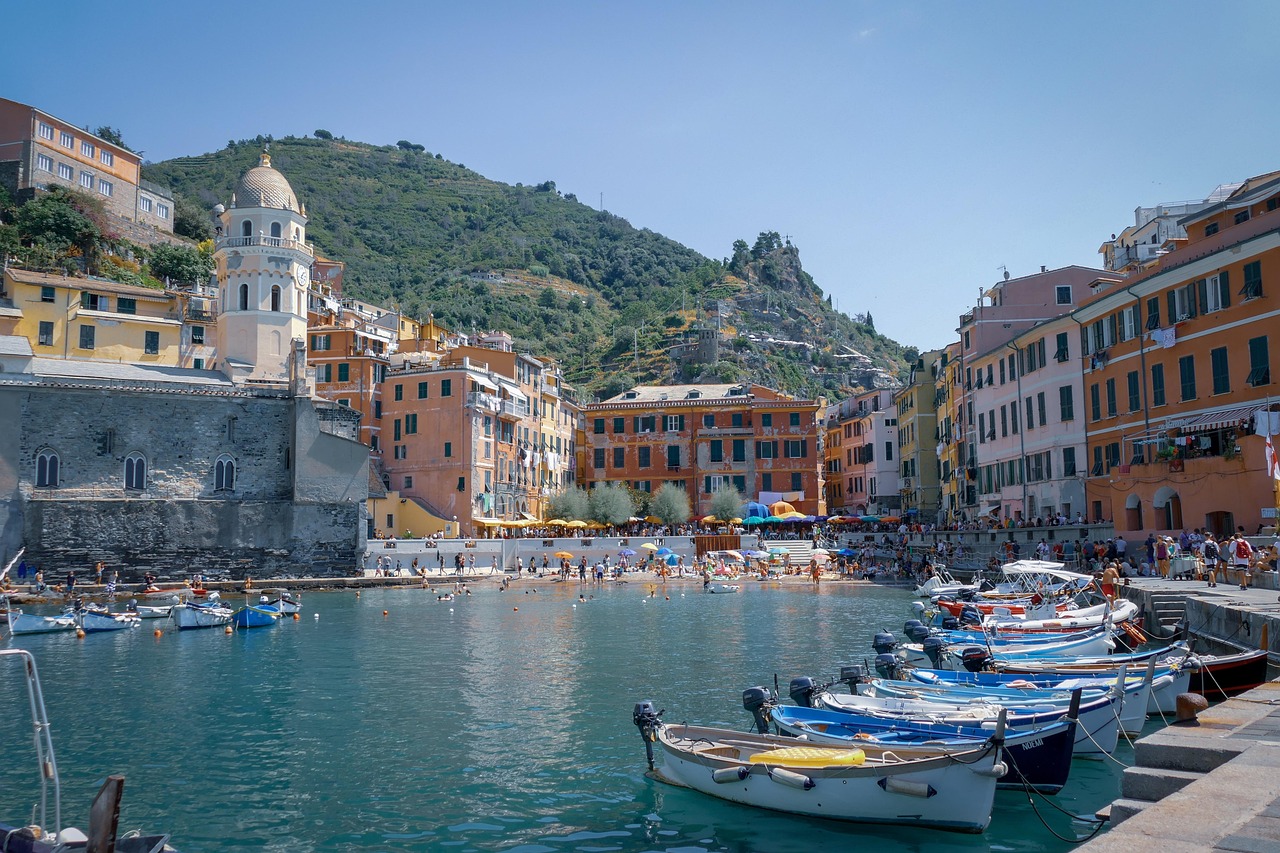
Cinque Terre is best as a selective splash of colour rather than an endurance test. Consider a Ligurian day plan that focuses on Monterosso and Vernazza, with time for a simple beach pause. Yes, sandy beaches are possible when timed well—arrive early, choose the right stretch, and keep your expectations realistic. The reward is a light, joyful day that feels like summer, even outside peak season.
- Keep Milan tight: two icons, one aperitivo, then move on refreshed.
- Choose private transfers for the Amalfi Coast and around Naples to stay calm and supported.
- Do Cinque Terre selectively: one or two villages, a swim, and a long lunch beats rushing.
For longer stays, Sicily is a world of its own—culture, food, and layered towns that reward time. If your priority is beach and calm, the island of Sardinia offers a different kind of luxury: clearer water, slower days, and a gentler pace that pairs beautifully with a high-end resort base. Decide what you want most—history, cuisine, baroque streets, or sea air—and build the trip around that single north star. That’s how a trip to Italy becomes personal rather than generic.
F.A.Qs: Attractions in Italy for High-End Travellers
F.A.Qs: Attractions in Italy for High-End Travellers
What is the #1 tourist attraction in Italy?
It depends on your measure, but for many travellers, the Colosseum in Rome is the most iconic tourist draw. If your priority is art, the Vatican’s collections can feel equally essential. For a high-end experience, the “number one” is often the one you can enjoy quietly—through timed entry, expert guiding, and thoughtful pacing that turns a famous sight into something personal.
What are the top 15 destinations in Italy?
There isn’t one fixed list, but a strong top set usually includes Rome, Venice, Florence, Milan, Naples, the Amalfi Coast, Tuscany, Siena, the Dolomites, Lake Como, Cinque Terre (often Vernazza and Monterosso), Sicily, Sardinia, Pompeii, and key Vatican highlights. For luxury travel, the best set is the one designed around your pace, with seamless connections and fewer rushed days.
Is $5000 enough for a trip to Italy?
$5000 can be enough for Italy, depending on trip length, season, and how you travel, but it may not cover a consistently high-end style if you add private guides, five-star hotels, and premium trains. To stay comfortable, travel in shoulder season, prioritise one or two splurges (like a private Vatican visit), and keep other days simple. A crafted plan helps you spend where it matters most.
What are the special attractions in Italy?
Italy’s special attractions are experiences that combine heritage with atmosphere: early entry to the Colosseum, a quiet Vatican visit, a private gondola ride in Venice, an Uffizi morning in Florence, and a sunset tasting in Chianti. Beyond the classics, special can mean Lake Como elegance, Dolomites air, or an Amalfi Coast terrace. The most memorable moments are usually the ones carefully crafted over time.
What Stayed With Me After Italy
When I think back on Italy, it isn’t only the headline sights that return. It’s the way history and architecture sit beside daily life without effort: a doorway worn smooth by hands, a waiter remembering your coffee, the soft hush that settles over a piazza at dusk. These are the moments that linger—small, almost weightless, yet somehow lasting.
There’s a quiet confidence that comes from being well supported. Not in a showy way, but in the gentle assurance that your days have been designed with care: the right timing, the right pacing, the right address to come home to. That sense of trust changes how you move through a place. You stop bracing for stress and start noticing light, texture, and human warmth in ordinary exchanges.
Togetherness, wonder, and the afterglow of discovery
Travel, at its best, reshapes what we value. Shared wonder—art that catches you off guard, wine that tastes of the land, sea air that clears the mind, alpine light that sharpens colour—has a way of drawing people together. You find yourselves speaking more softly, looking longer, and carrying the day with you rather than letting it rush past.
And then, long after the flight home, it returns in fragments: a canal at night, a church interior cooling your shoulders, the sensation of time stretching open. Italy remains, not as a list completed, but as a feeling you can step back into whenever you allow yourself to imagine what else you might uncover next.