Post Contents
- Best time to visit Rome, Italy, for high-end travellers – comfort, access, and atmosphere in Rome’s Eternal City
- Weather in Rome & crowd levels throughout the year: what each season really feels like
- Times to visit Rome by month in Italy: major events, festivals, and a luxury calendar
- Visiting Rome’s icons: Colosseum, Vatican Museums, early tours, and Trevi Fountain timing
- Rome evenings in Trastevere and mornings in Testaccio: markets, classes, and local texture
- Rome Borghese Gallery tickets: a quieter museum experience with fewer people
- Rome Italy accommodation and private transfers from Leonardo da Vinci Airport
- FAQs: Best time to visit Rome, Italy
- After Rome: reflections on visiting Rome and finding your own best time
Best time to visit Rome, Italy, for high-end travellers – comfort, access, and atmosphere in Rome’s Eternal City
Rome in soft golden light: choosing the best time for luxury travellers
When you’re deciding the best time to visit Rome, Italy, as a luxury traveller, “best” is rarely a single fixed date—it’s the right mix of comfort, access, and atmosphere in Rome. In Rome, the weather is pleasant only when it supports long, unhurried walks; crowd patterns determine whether your morning feels intimate or crowded; and pricing shapes everything from suites to private guides. Even opening hours matter, because the right early slot can transform how you experience a single attraction—and how you feel for the rest of your day in Rome.
If you want the clearest answer upfront, spring and fall are usually the best times to go. Rome in the spring brings gentle warmth and a sense of bloom, while early autumn offers golden evenings and a calmer pace after summer. Both seasons often bring fewer crowds than the height of summer, without giving up the street life that makes Rome feel alive—ideal for a refined Rome vacation.
Define the best time to visit Rome: a luxury decision framework for visiting Rome well
To plan your perfect Rome stay, start with priorities rather than promises. If your dream is calm gallery mornings, favour shoulder-season weekdays and first entries. If you imagine outdoor dining and sunny days, you’ll lean towards late spring or early autumn, when you can linger over lunch without the strain of summer heat and without battling the thickest crowd at popular reservations in Rome.
Think of your time to go to Rome as a design choice—especially for the time of year you visit. Do you want cool mornings and candlelit trattorie, or late nights when Rome seems to glow? When you decide what you want to feel, the practical choices—timed tickets, neighbourhood pacing, and your hotel location—fall into place with far more confidence.
A personal lens on romance, art, and Rome beyond the crowd
This guide is written with care for travellers who want Rome to feel supportive, not demanding. We’ll explore the icons, uncover calm corners, and share a few personal moments that show how a crafted itinerary can protect your energy. Wherever you land on the calendar, we’ll keep the focus on trust: in your plans, in your pacing, and in the small details that make visiting Rome feel beautifully human—even when the crowd is close by.




Weather in Rome & crowd levels throughout the year: what each season really feels like
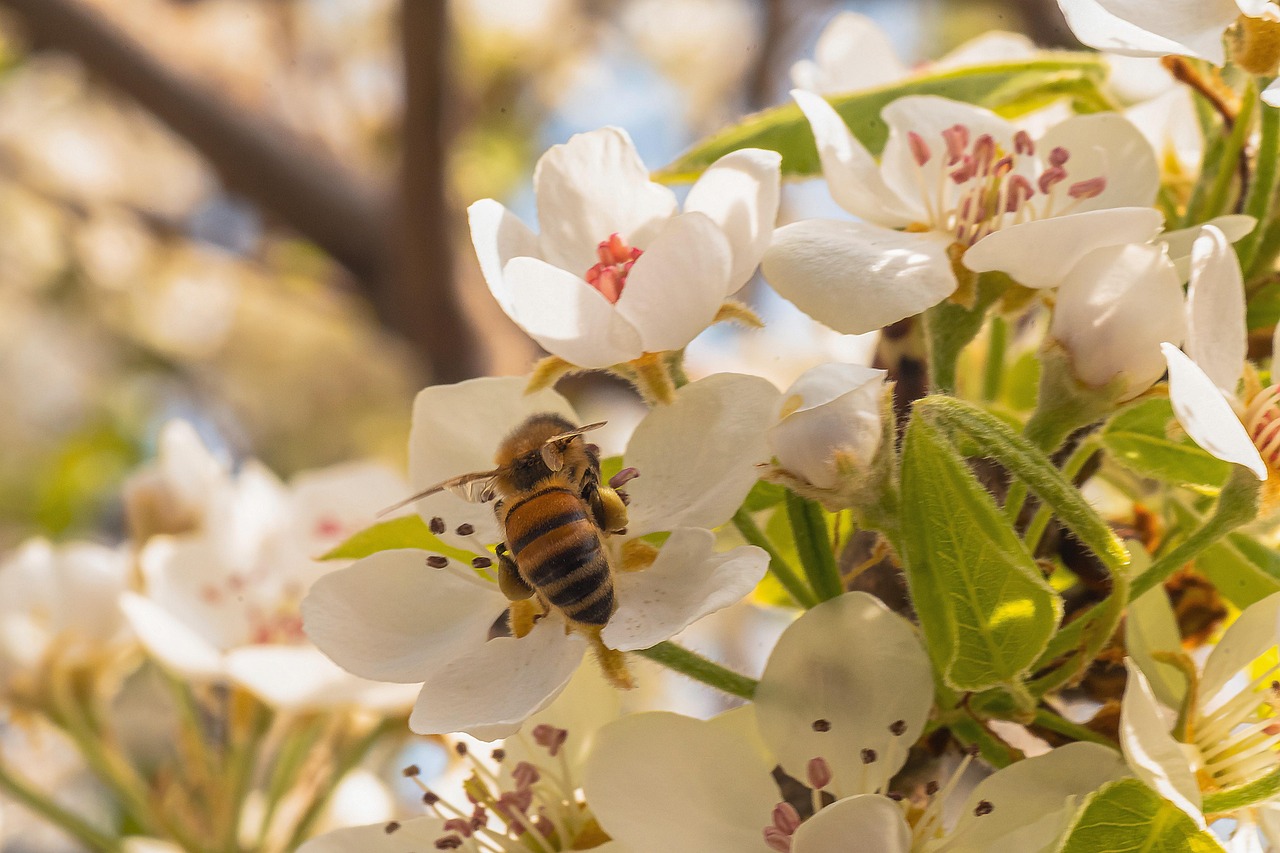
Seasonal flowers in the city: understanding comfort and crowd levels in Rome
If you’re comparing conditions and crowd levels by time of year, it helps to translate climate into lived experience in Rome. Rome can feel crisp on winter mornings, humid in midsummer afternoons, and wonderfully balanced in the shoulder months. The real luxury is choosing conditions that let you sightsee at an elegant pace, rather than racing between shade and queues of tourist groups.
Daylight is part of comfort, too, in Rome. Longer days invite late aperitivo and open-air dinners, while shorter days reward an earlier start and a slower, gallery-first afternoon. Rain shifts the feel of cobbled lanes and can increase pressure at indoor sites, so it’s worth building a flexible plan that doesn’t rely on one long outdoor stretch.
What each season feels like in Rome: winter calm, spring bloom, and summer intensity
Winter (especially January and February) can be quietly atmospheric, with cooler evenings and a more local rhythm in Rome. Spring builds steadily, and spring in Rome is the season many travellers describe as a great time for walking—comfortable temperatures, gardens waking up, and terraces returning. Summer brings intensity: expect the heat to spike, particularly in late July into August, when Rome can feel more animated and more demanding.
Autumn is often the sweet spot for travellers who want warmth without the harsher edges of summer in Rome. Early autumn still carries that late-day glow, while later autumn leans into richer food and a softer pace—an ideal moment to design an art-and-dining-focused holiday in Italy, with the bonus of local harvest-season flavours.
Understanding tourist season in Rome: high season, peak season, and crowd-smart pacing
Rome’s tourist season is strongest in the high season window, with peak season typically running from June to September. These are also the busiest weeks for school breaks and school trips, which can swell crowds at headline sights and fill up restaurant reservations. Even with private access, Rome can feel more intense—so pacing becomes just as important as booking, particularly for a tourist who wants the highlights without the strain.
A crowd-smart approach doesn’t mean doing less; it means doing it differently in Rome. Choose private early starts, late entries, and curated time on streets that stay quieter. In practice, that can look like a pre-opening visit, a long lunch while foot traffic peaks, and an evening stroll when day-trippers have faded, and Rome feels yours again.
Times to visit Rome by month in Italy: major events, festivals, and a luxury calendar
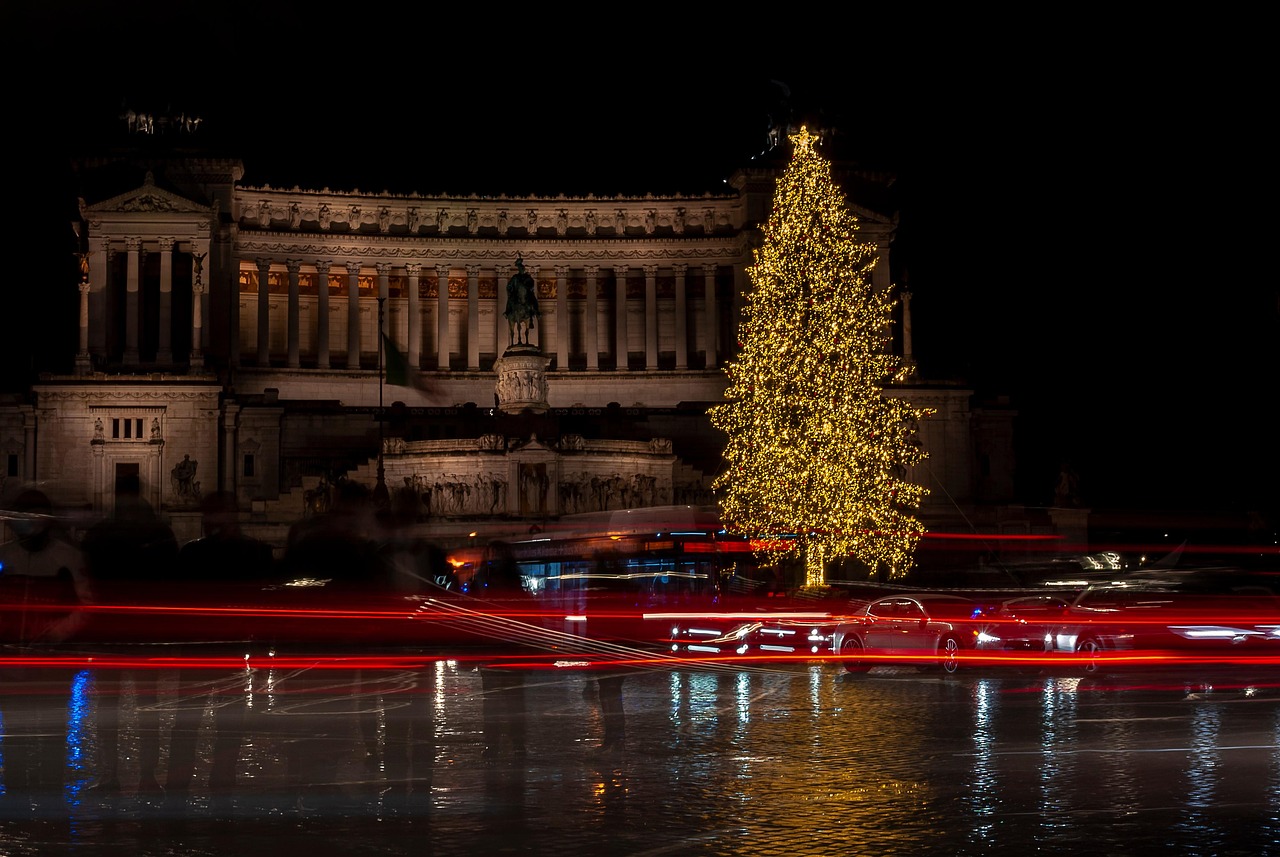
City lights and seasonal tradition: times to visit Rome by month
If you’re researching times to visit Rome month by month across Italy, start with one simple truth: months in Rome each carry a distinct mood. Some are made for galleries and long lunches; others are built for late nights, festival energy, and the buzz of open-air life. For high-end travellers, the art is matching Rome’s rhythm to your own—so visiting Rome feels effortless rather than over-programmed, no matter the time of year.
For a more budget-friendly trip without sacrificing comfort in Rome, consider late winter and parts of late autumn, when availability improves, and popular dates loosen up. You’ll still want to book key tickets, but you may find more choice in guides, drivers, and sought-after dining reservations.
Major event periods (Easter & Epiphany) that reshape Rome’s mood and logistics
Easter is one of Rome’s most significant periods, particularly around Holy Week. As a major event, the Vatican area becomes in high demand, and access can change due to services and security, so planning requires an expert hand and a bit of patience. If you want the spiritual spectacle, it can be a moving celebration; if you want calm and shorter lines, it’s wise to pick different dates.
Early January brings Epiphany, with a post-Christmas sense of festivity still in the air and a distinctly festive glow after dark. Rome can feel magical in the evenings, yet more manageable by day once the holiday rush fades. This is also a pleasant time to lean into slow art, warm cafés, and an unhurried rhythm—an elegant way to enjoy Rome without the most intense crowd.
Summer realities in Rome: Ferragosto, Estate Romana, and the upside of long nights
In July and August, Rome becomes a different place. Ferragosto can bring closures and reduced hours as many Romans leave the city, and the heat can narrow the most comfortable window to early morning and late evening. That said, long twilight can be lovely if you design your days around rest, shade, and private transport—especially when you want to keep the crowd at arm’s length.
Summer also brings Estate Romana, a season of cultural programming that can include open-air concert nights and occasional movie screenings. Expect busier evenings in popular areas, and book dinner with intention—ideally on a terrace where you can watch Rome’s light change without feeling pressed. It’s a quintessential summer festival season for travellers who enjoy culture after dark.
Explore the Italy trip gallery
Visiting Rome’s icons: Colosseum, Vatican Museums, early tours, and Trevi Fountain timing
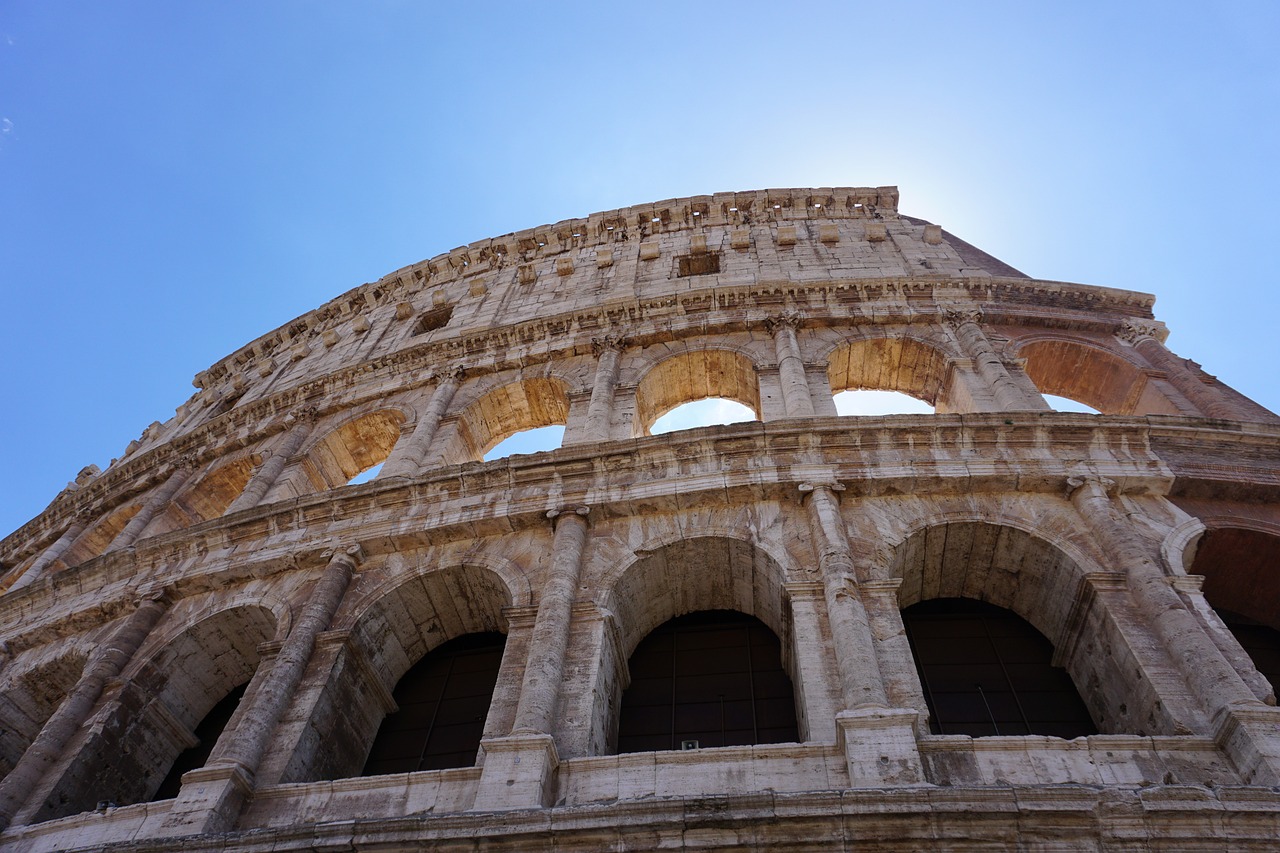
Warm afternoon light on Rome’s icons: timing matters for a calmer visit
For visiting Rome efficiently and beautifully, the luxury move is to protect your time and energy before you protect your photos. This is the chapter where pacing becomes an act of care: pre-booked entry, a private guide who reads the room, and breaks placed before you feel you need them. When you avoid pinch points, Rome opens up—more detail, less noise, and far less crowd fatigue.
An icon day plan in Rome that feels crafted, not rushed
Start early, while Rome is still cooling and the day is still gentle. Build in a mid-morning pause—espresso, a shaded courtyard, or a calm boutique browse—then return to a major sight with timed entry. This approach is especially helpful for first-time visitors who want the highlights without the stress. A good guide will adjust routes in real time, steering you away from the most congested corridors and the noisiest junctions as the crowd builds.
- Pre-book everything: key entry slots, transport, and one anchor lunch reservation to keep your day in Rome smooth.
- Choose your peak moments: one headline site in the morning, one in the afternoon, then a quiet reset away from the most packed streets.
- Pack for comfort: light layers, water, and shoes suited to cobblestones—small choices that make the best time feel even better.
The ancient amphitheatre and Vatican City, without the usual rush
For the Colosseum, early entry is the cleanest route to breathing space, while late afternoon can offer gentler light in Rome. One line of history is enough to deepen the experience: this arena once staged spectacles that revealed how Rome wielded power over its people. With the right timing, you can stand in its curve and actually hear your guide, even when the crowd swells outside.
Vatican City remains a pinnacle, especially the Vatican Museums, the Sistine Chapel, and St Peter’s Basilica. An exclusive pre-opening or early-morning tour is the difference between simply seeing and truly absorbing—museums without the usual distractions, where your attention can settle on colour, scale, and silence. Remember the dress code here: cover your shoulders and knees, and you’ll move with ease and respect.
Then gift yourself a Roman ritual: Trevi Fountain at dawn, when the marble feels cooler, the air is calmer, and you can linger with the sound of the fountain before the crowd arrives. The Pantheon soon after can be unexpectedly serene, and Piazza Navona is at its most graceful before day-tripper flows swell. These early hours are where Rome’s elegance feels most intimate.
Rome evenings in Trastevere and mornings in Testaccio: markets, classes, and local texture
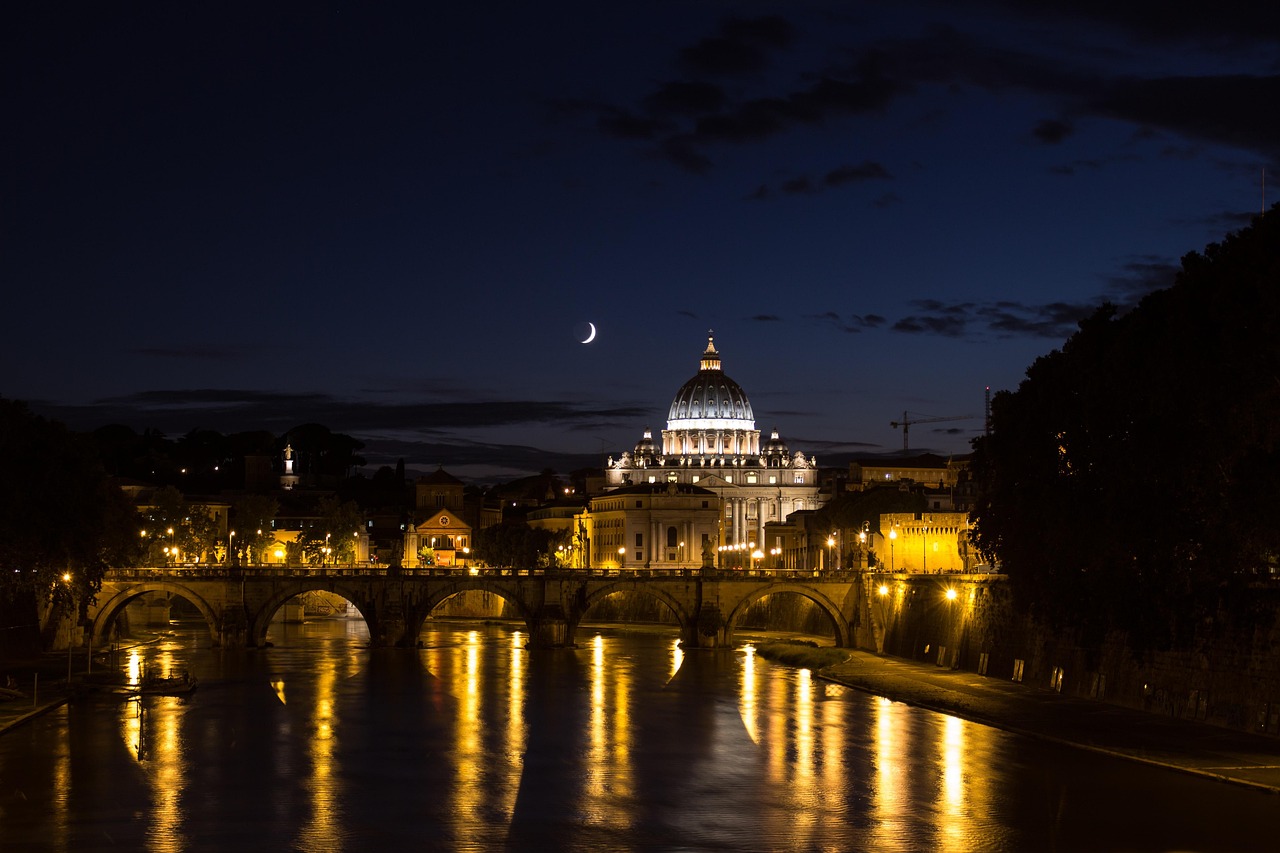
Glowing evening streets: Rome’s neighbourhood moments beyond the main sights
For Trastevere evenings and Testaccio mornings, the best time to visit Rome isn’t only about temperature—it’s about when Rome feels local and emotionally close. After-hours Rome is where you trade checklists for texture: laundry lines, clinking glasses, and conversation that spills into a piazza. At a private pace, you can explore without feeling like you’re simply following the same routes as everyone else.
Trastevere nights are designed for romance, aperitivo, and local energy
Imagine a gentle walk through Trastevere as the light turns honeyed and the lanes begin to glow. This is where Rome does “Roman holiday” effortlessly—authentic trattorie, musicians tuning up, and that easy sense of celebration that doesn’t require planning, only presence. Begin with a courteous “Buongiorno” earlier in the day, and by evening you’ll feel how naturally Italians respond to warmth and respect.
One couple I met celebrated their anniversary with a private dinner overlooking the Roman Forum at twilight. The view shifted minute by minute—stone turning rose, then grey, then almost silver—and Rome’s timeline felt suddenly personal. Rome has a way of making an ordinary hour feel like a once-only moment, if you create the space for it.
Testaccio mornings: local markets, cooking classes, and a more relaxed pace
In Testaccio, a traveller once told me that a cooking class with a local chef changed their relationship with Italian cuisine. It began with shopping the market—tomatoes that smelled of sun, simple cheeses, honest olive oil—then learning a technique that relies on trust in ingredients. It’s the kind of experience that quietly follows you home, and it’s a wonderful counterpoint to the city’s most popular sight.
For mornings in Rome, choose an early route through markets and artisan shops, when conversations are easier, and the streets feel more breathable. You’ll notice details you’d miss later: the rhythm of deliveries, the first espresso orders, the way shutters lift like a slow curtain. No matter what time of year, that early calm is a reliable luxury in Rome.
Keep valuables secure in busy areas—wear crossbody bags in front, wear minimal jewellery, and stay calm in tight lanes. It’s not about fear; it’s about moving with confidence so your attention stays on beauty rather than vigilance, even when the crowd presses close.
Rome Borghese Gallery tickets: a quieter museum experience with fewer people
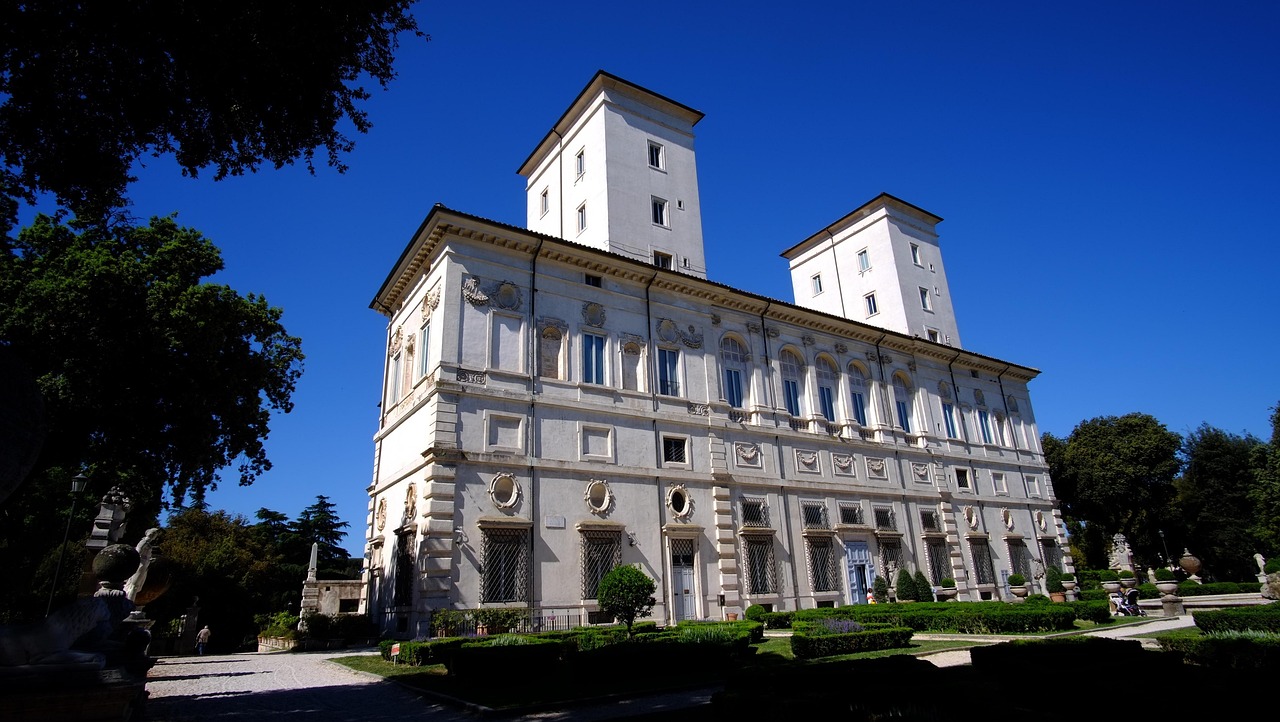
An intimate gallery setting: how timed entry keeps art experiences calmer
If you’re looking up Borghese Gallery tickets and quieter art experiences, you’re already thinking like a high-end traveller in Rome. The Borghese Gallery is beloved precisely because it’s controlled: timed entries, intimate rooms, and a natural limit on visitor density. It’s one of the easiest ways to discover Rome’s artistic grandeur without feeling swept along all day, even during popular times to visit Rome.
Borghese Gallery is an intimate, unhurried highlight in Rome
To keep the visit personal, book the earliest available slot and arrive a touch early. Inside, slow down—let one sculpture or canvas hold your attention, and allow the rest to unfold rather than “collecting” it. This is a museum where a quiet corner can feel like a private audience, even when the city outside is at its most active.
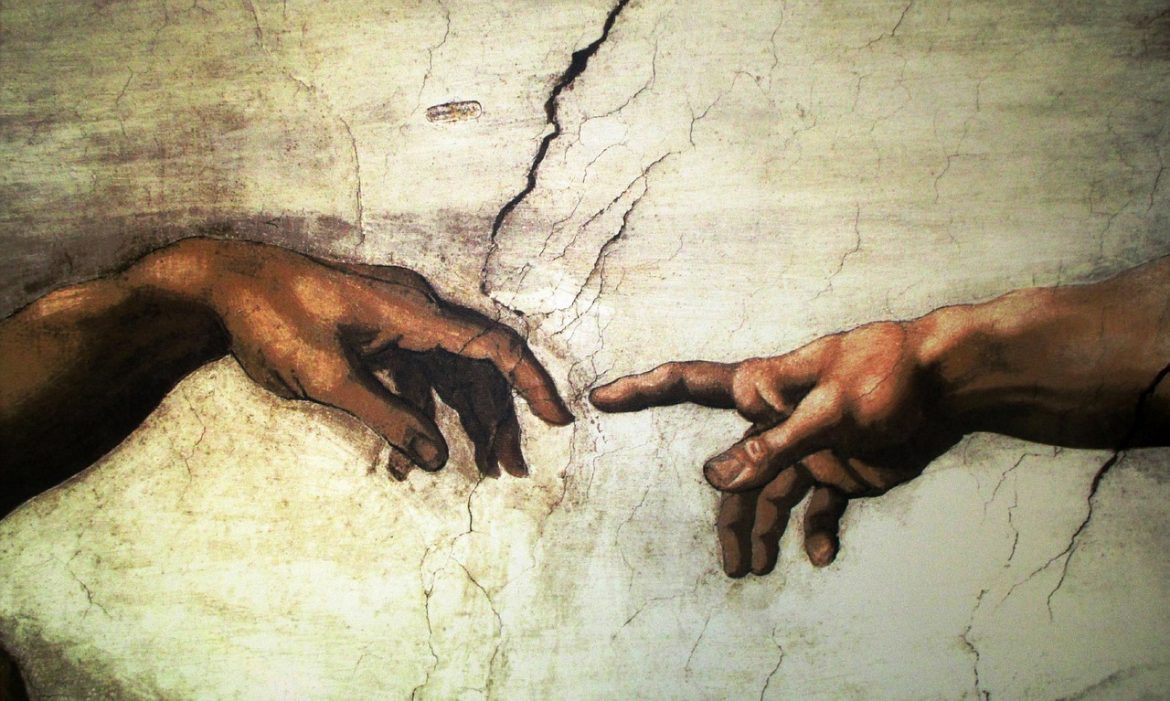
An art enthusiast once described seeing Michelangelo’s frescoes in the Sistine Chapel with minimal pressure during a pre-opening window. Their insight was simple: awe needs space. If art is central to your Rome holiday, prioritise early access whenever possible, and you’ll feel the difference in your body as much as in your photos.
A wet-weather strategy in Rome: rainy day plans, the rainiest month, and gardens for balance
Every itinerary benefits from a rainy-day plan, especially if your trip falls in the rainiest month. Choose one anchor museum for the morning, then pair it with a smaller nearby visit—something charming, easy, and flexible—so your afternoon still feels crafted rather than salvaged. If the weather clears, step back outside and let Rome reset you.
For balance, pair art with gardens and green paths: a quiet bench, a slow loop through shade, and a simple gelato before evening plans. It’s also a smart moment to wander a little, letting Rome’s details come to you.
Rome Italy accommodation and private transfers from Leonardo da Vinci Airport
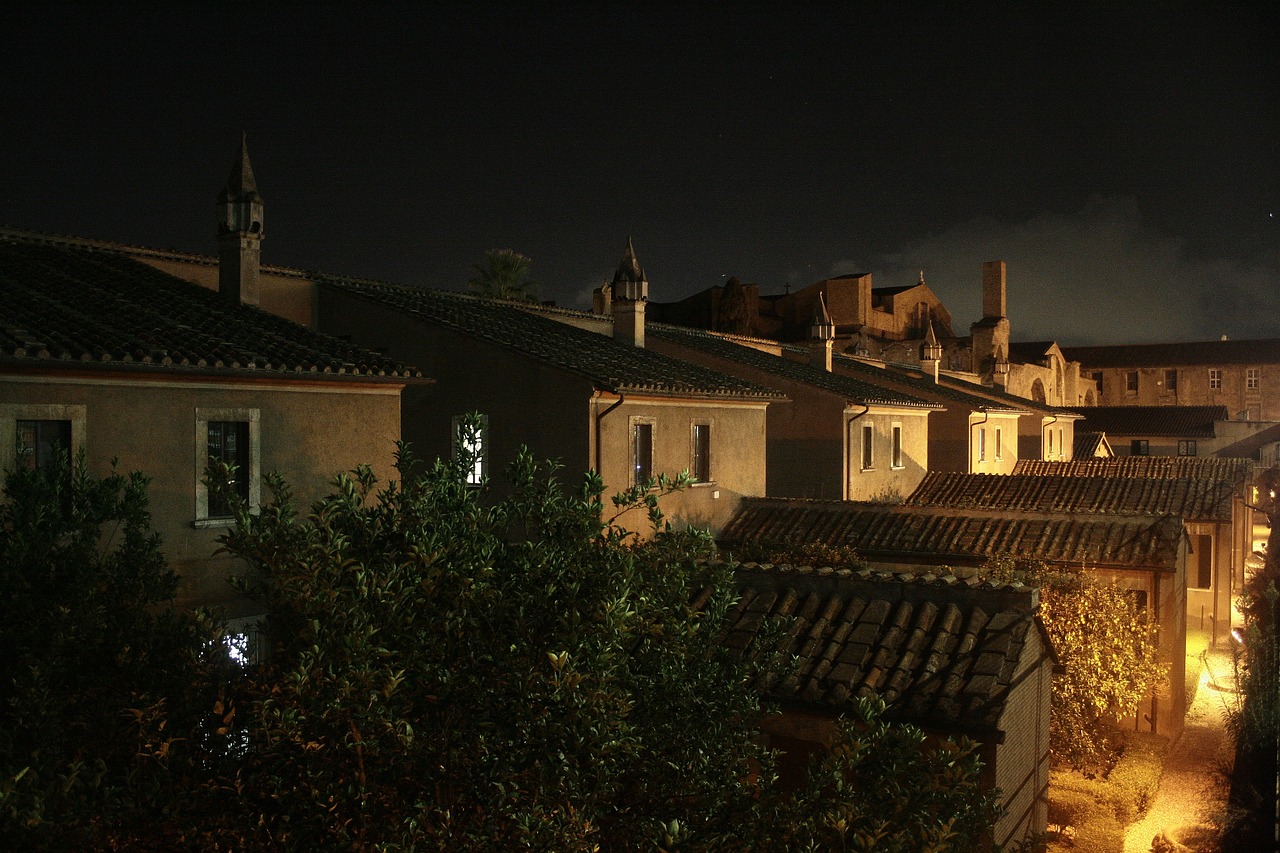
Classic street scenes: arriving well and moving smoothly in Rome, Italy
For Rome, Italy arrivals and private transfers, the true luxury is a seamless first hour. Book a flight into Leonardo da Vinci International Airport, arrange a private transfer, and time your check-in to avoid the heaviest lobby rush. That first hour sets the tone: calm, hydrated, and already oriented in Rome, rather than trying to solve logistics while tired.
Best areas in Rome for elegant walking and easy access
Your base should support your style of visiting Rome. For walking elegance and easy access, central areas near historic lanes are ideal, but pick streets that stay calmer at night so sleep is protected. A well-chosen base also reduces time in traffic, leaving more space for long lunches, art, and a gentle end to the day—while your hotel becomes part of the experience, not just a place to sleep.
Consider what you want outside your door in Rome: quiet cafés for morning planning, a nearby piazza for people-watching, or a short walk to the river for a pre-breakfast reset. The right location can make Rome feel less crowded, even when the wider centre is busy.
Getting around Rome with confidence, plus a refined day trip option
Use a chauffeured car when timing matters—early Vatican entries, dinner reservations, or when you want to arrive unruffled in warmer months. Walk on foot for short distances, because Rome is a city of discoveries between destinations: a hidden church façade, a courtyard, a view down a lane. Keep your phone and wallet secure in packed zones; it’s a simple layer of care that keeps your day easy when the crowd thickens.
If you want to leave the city for variety, keep it crafted and light. A day trip to Florence can complement Rome beautifully: a single gallery focus, a refined lunch, then back before late evening. Done well, it refreshes your senses without diluting your connection to Rome.
FAQs: Best time to visit Rome, Italy
What’s the cheapest month to visit Rome for good value and lighter crowds?
The cheapest month is often in the off-season, particularly parts of winter after the holiday period. You can find better-value flights and more availability in premium rooms, while Rome feels calmer and the crowd thins. Do keep in mind that some attractions may have shorter hours, so it’s still wise to book key tickets and plan your days around daylight.
Is $10,000 enough for a high-end trip to Italy, including Rome?
Yes, $10,000 can be enough for a high-end trip to Italy, depending on your travel style, length of stay, and the dates you choose. Rome is very doable with a refined approach if you prioritise a well-located base, book core experiences in advance, and choose a few standout private tours rather than trying to do everything at once.
What is a must-eat in Rome for first-time travellers?
A must-eat is a classic Roman pasta such as cacio e pepe or carbonara, ideally in a traditional trattoria in Rome. For a fuller local rhythm, try aperitivo in the early evening, then enjoy a slow dinner where ingredients are the star. If you want a deeper connection, a market-led cooking class can transform how you understand simplicity and technique.
What is the rainy season in Rome, Italy, and how should you plan?
Rome can see more frequent rain in late autumn and parts of winter, though showers can happen at any time. If you’re travelling in a wetter period, build a flexible plan: choose an anchor museum, add a smaller nearby visit, and leave space for long lunches. With the right pacing, a wet day can feel intimate rather than limiting, and you’ll still enjoy the city between showers.
After Rome: reflections on visiting Rome and finding your own best time
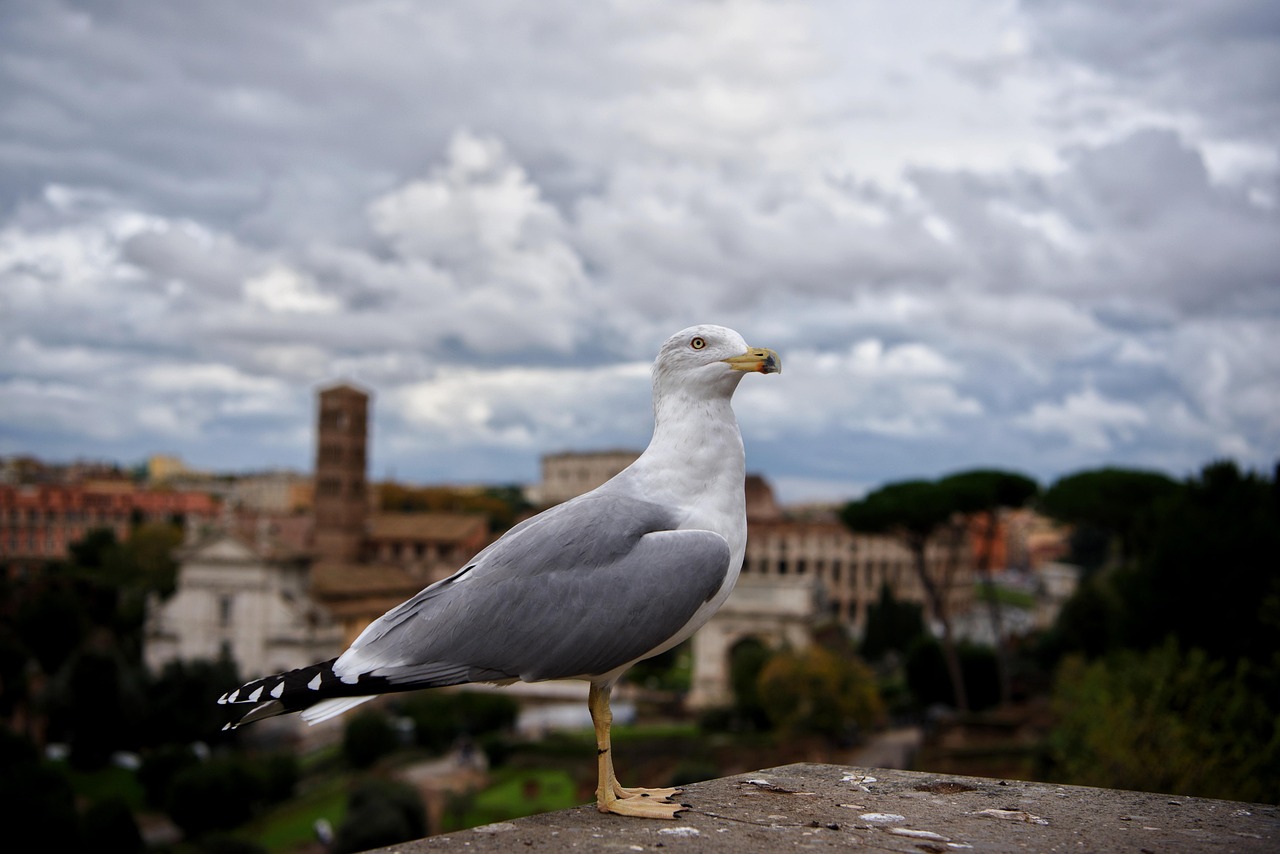
For after-Rome reflections on visiting Rome, I return to a solo visitor’s story of early walks along the Tiber. They described the serenity before the city fully awakens—soft footsteps, a few runners, a gull turning above the water—while Rome still feels like it belongs to itself. In that hush, Rome’s grandeur becomes gentle, and your thoughts stop competing with the crowd.
Perhaps that’s the real answer to the best time to visit Rome: the moment you feel most present. When the crowd fades into background texture, small things come forward—the light on stone, the sound of cups on saucers, the patient craft of a shopkeeper opening shutters. You begin to trust your own pace, and Rome meets you there.
Long after you’ve left Italy, what stays is rarely the checklist. It’s the care in small exchanges, the warmth of a local greeting, the calm confidence of a day designed well, and the way city life teaches you to look up. Rome, at its best, doesn’t demand you hurry; it quietly invites you to notice—no matter the time of year.
And sometimes, in ordinary life, you’ll catch a familiar angle of light on a wall or hear water moving in a rushing arc, and for a second you’ll be back—walking beside the river, unbothered by time, curious about what Rome might show you next.