Post Contents
- Choosing the Best Time to Visit Venice for High-End Ease for Luxury Travel
- Month-by-Month Guide to Weather, Crowds and Mood for best times to visit
- Venice Calendar Carnival, Biennale and Cultural High Notes for best time to visit Venice
- Signature Experiences by Season, Private Tours, and Golden-Hour Canals for exploring Venice
- Around Venice Day Trips to Murano, Burano and Quiet Torcello for a day trip
- Planning a Trip Seamless Arrivals, Water Taxis and Where to Stay for planning a trip
- Practical Elegance Etiquette, Packing and Crowd-Smart Days for best times to visit
- F.A.Qs: Best time to visit Venice, Italy
- What Stayed With Us After Venice for the best time of the year
Choosing the Best Time to Visit Venice for High-End Ease for Luxury Travel
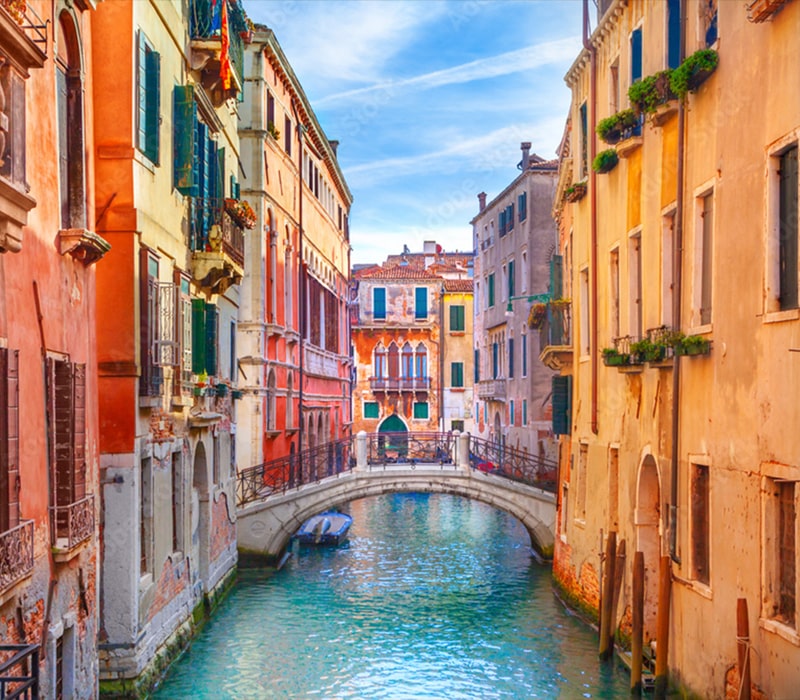
Choosing the Best Time to Visit Venice for High-End Ease as gondolas drift past sunlit palazzi
When clients ask about the best time to visit Venice Italy luxury travel, they’re rarely only asking about temperature. They’re asking about privacy, the availability of the suites they actually want, and whether the canals feel romantic or rushed. For high-end ease, timing is the invisible upgrade: it shapes how quietly you can move through the city, how quickly you can secure a table, and how effortlessly an expert guide can design your days.
In the season in Venice, even familiar scenes shift. Piazza San Marco can feel like a stage set at dawn, then a lively theatre later in the day; the Rialto area can be an elegant stroll in shoulder season, or a tight weave of bodies at peak season. If your priority is calm access to Venice’s best museums and the city’s most iconic attraction, arriving at the right time of year is what makes “exclusive” feel genuinely personal.
Choosing the best time with a luxury lens
High season brings energy and long evenings, but it also brings more competition for the best guides, private boats, and coveted reservations. Quieter weeks offer a slower pace and a gentler soundtrack: footsteps on stone, lapping water, and conversations that don’t need to compete with the world. With local insight, you can still visit the headline sights while keeping your experience crafted rather than crowded.
Best times to visit are a personal decision
There isn’t one single answer for every traveller. Romance often leans towards late spring or early autumn; art lovers may align with an exhibition calendar; families may prefer school-holiday practicality paired with early starts. The best Venice is the one that matches your pace—so we’ll explore your options together, with care and trust built into every choice.




Month-by-Month Guide to Weather, Crowds and Mood for best times to visit
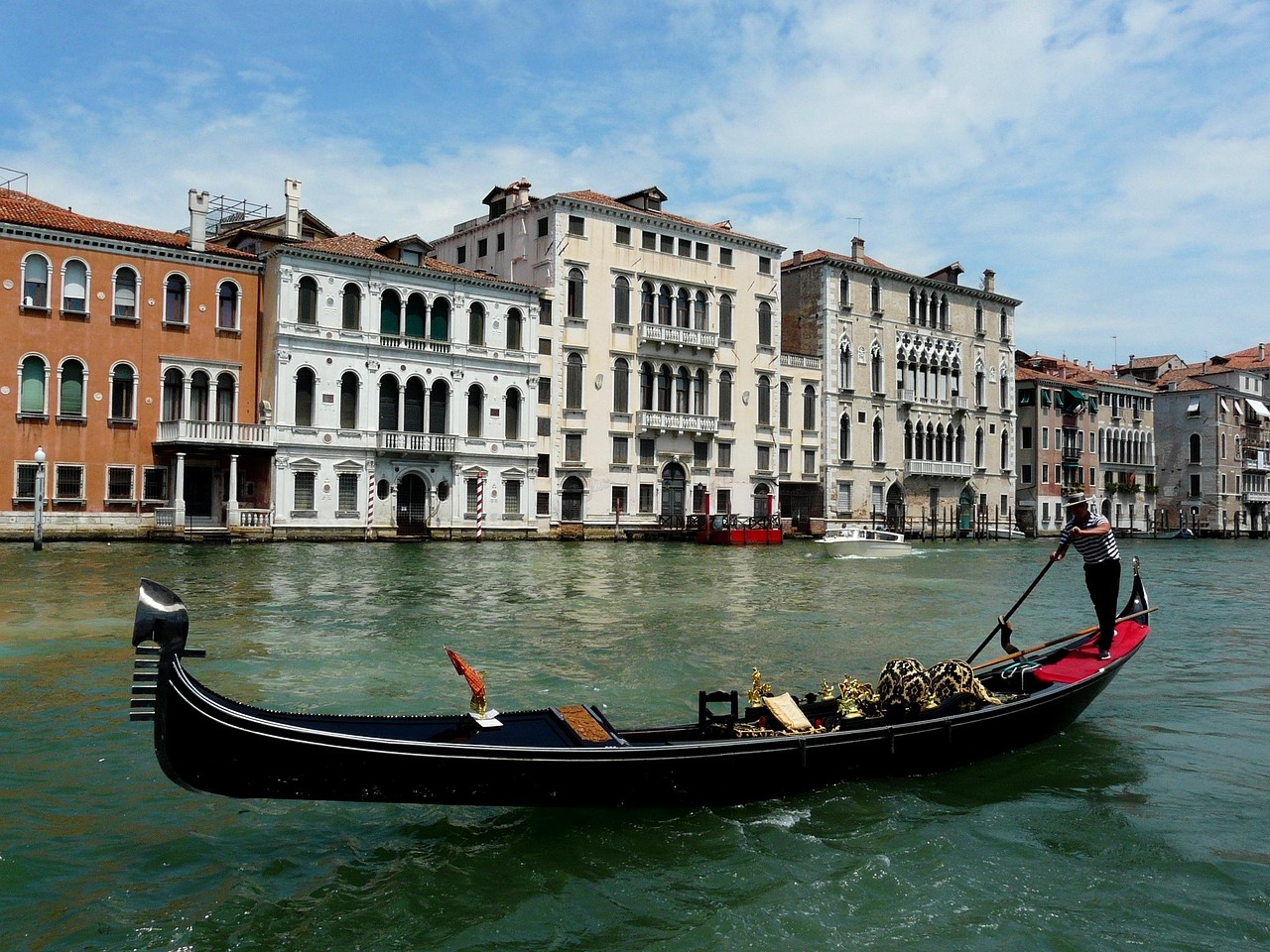
Month-by-Month Guide to Weather, Crowds and Mood with a boat gliding through Venice waterways
This Venice month-by-month guide, with the best times to visit, is the quickest way to understand how each month feels on the water. Think of each month in Venice as a different mood: some are crisp and cinematic, others are warm and sunny, and a few are simply busy. Your ideal time depends on whether you value sunshine, space, or spectacle—and how you prefer to explore Venice.
Month-by-month guide to crowds begin and pricing
January–February: Winter in Venice can feel intimate and atmospheric, with better availability and a quieter dining scene—though you’ll want to be alert to occasional flooding around high water periods.
March: A transitional month to visit Venice, often with improving light and fewer tour groups than later spring.
April: Spring season starts to shine, with comfortable afternoons and a fresh sense of possibility—often a great time to explore on foot.
May: One of the best months for balanced weather and elegant evenings.
June: Still before the very busiest stretch in many years, June and September are often the benchmarks for travellers seeking sunny weather without the most intense squeeze.
July–August: Venice in summer is beautiful but demanding. Summer in Venice means heat, humidity, and higher rates; July in Venice can feel glamorous yet full. If you’re coming in July and August, we recommend early private visits, shaded aperitivi, and a slow midday reset so your trip to Venice stays pleasurable rather than relentless.
September–October: September is one favourite for collectors and food lovers: an excellent time for terrace dining, longer gallery visits, and evenings that still feel soft. October often brings cooler air and a calmer rhythm, though you may need a light layer after sunset.
November–December: These months can deliver remarkable value and a quieter lagoon, but daylight is shorter, and weather can turn quickly. If you love candles, concerts, and unrushed breakfasts, the low season in Venice can feel deeply luxurious—just plan footwear for wet pavements with confidence.
- Best weather windows: late spring (April to June) and early autumn (September to October)
- Most intense crowd pressure: parts of peak tourist season, especially mid-summer
- Best value with atmosphere: low season, especially late autumn into winter
Venice Calendar Carnival, Biennale and Cultural High Notes for best time to visit Venice
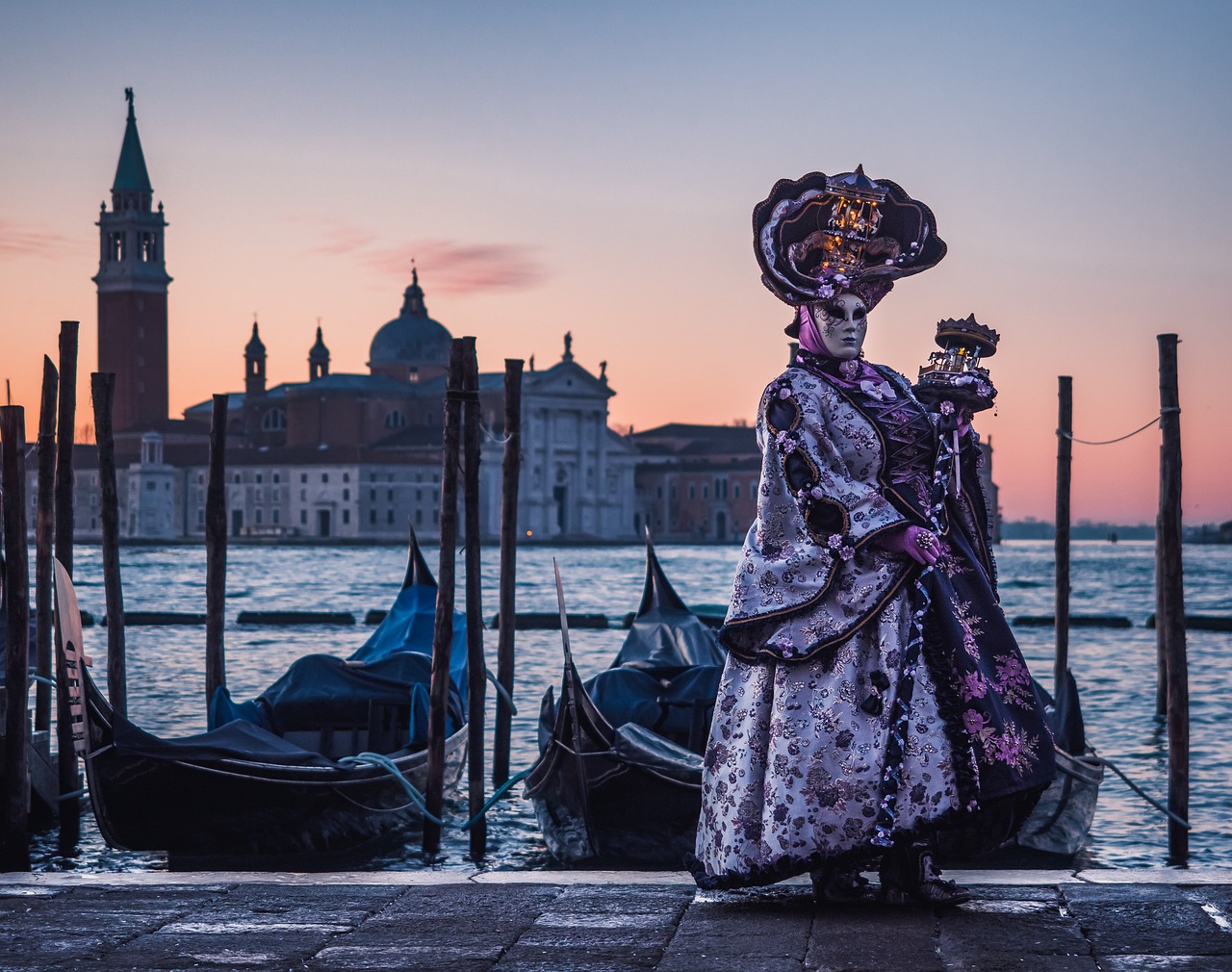
Venice Calendar Carnival, Biennale and Cultural High Notes with masked figures in ornate costumes
If your question is really about the Venice Carnival, the Venice Biennale, and the best time to visit Venice, you’re in wonderful company. Venice rewards travellers who time their arrival with culture: the city becomes a living salon, where costume, design, and performance spill into the streets. The key is to plan with expert support so dates that look thrilling on paper remain seamless on the ground.
Venice carnival and carnival season in high style
The Carnevale di Venezia is the iconic moment of the Venice Carnival—elegant, theatrical, and wonderfully Venetian. A couple once told us their most unforgettable night in Italy was a masked ball in a historic palazzo: candlelight on silk, music echoing down stairwells, and the feeling of stepping into another century. For a high-end approach, consider private atelier fittings for costumes, curated invitations, and a chauffeur-style water arrival that keeps the magic intact.
Venice Biennale, exhibition planning, and collector access
The Venice Biennale is unmissable for design-minded travellers and collectors. With the right introductions, you can arrange previews, private guides, and a paced route through each exhibition so you’re not rushing from room to room. It’s often a great time to visit for those who want the best Venice for contemporary art without forcing too many sights into one day.
Other anchor moments bring their own shimmer: the Venice Film Festival adds glamour and exceptional people-watching. Local celebrations can affect logistics too—Feast of San Marco brings civic pride, while Epiphany can shift opening hours and dining demand. During Christmas and New Year’s, the city feels quietly luminous, but you’ll want to book New Year’s Eve dining well ahead.
And if you love a festive summer pulse, mark Festa del Redentore: celebrated on the third Sunday of July with traditional boats, lagoon gatherings, and spectacular firework displays. For a calmer counterpoint later in the year, the Regata Storica boat race in September offers colour and pageantry without the same heat as mid-summer; November’s festa della salute adds a local, reflective note.
Signature Experiences by Season, Private Tours, and Golden-Hour Canals for exploring Venice
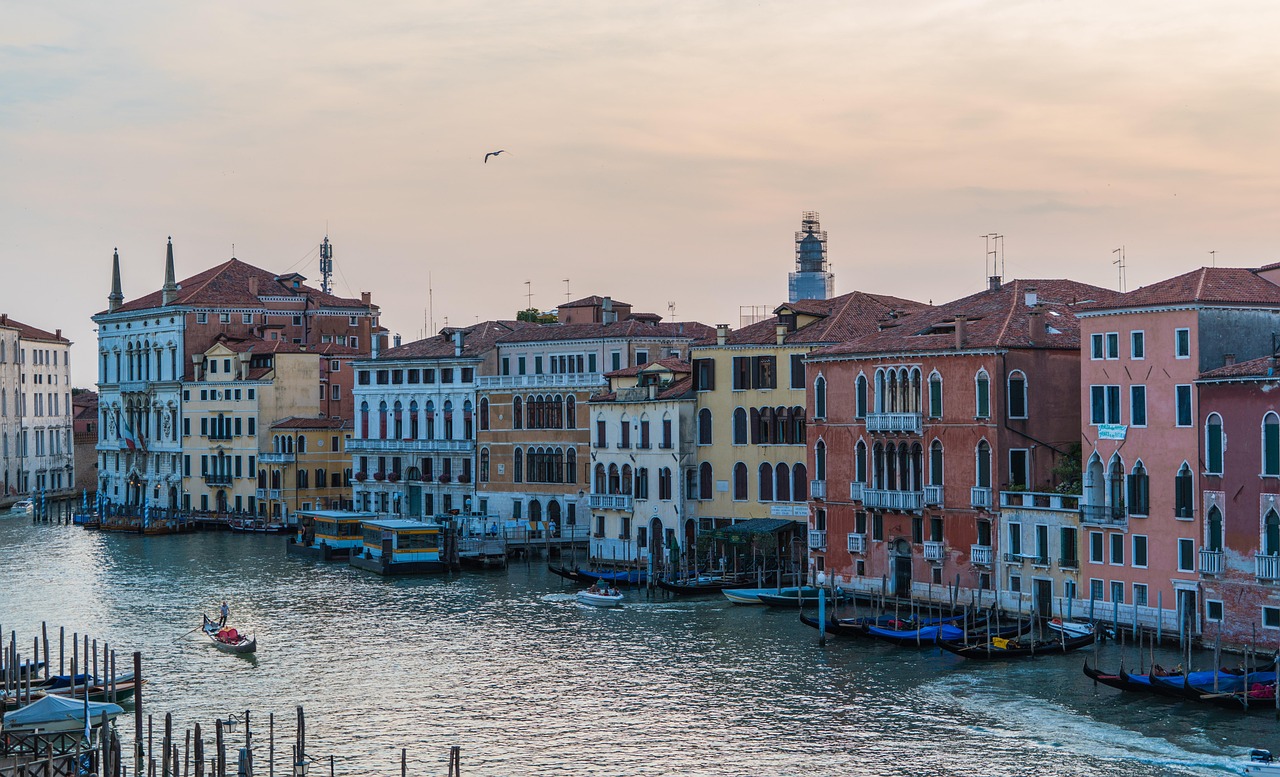
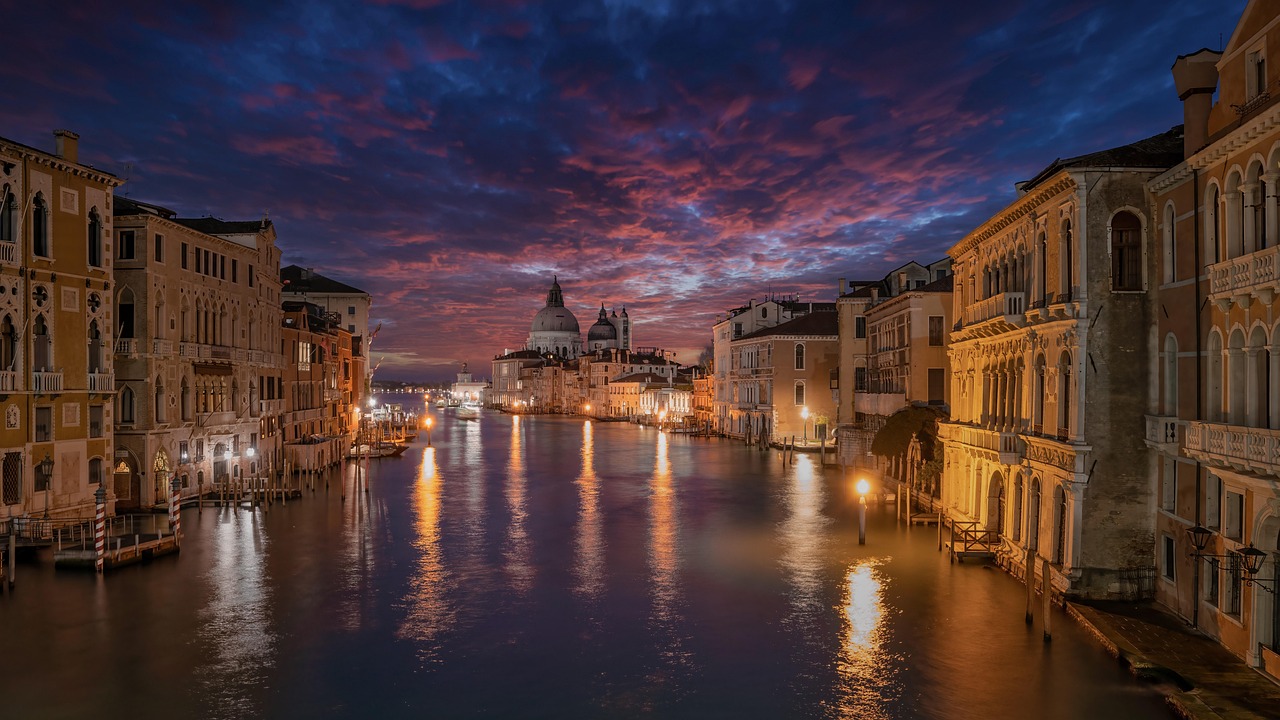
Signature Experiences by Season Private Tours and Golden-Hour Canals with gondolas at twilight
To explore Venice, on a private tour of St Mark’s Basilica, Doge’s Palace, and a gondola, in a way that feels refined, timing is everything. Private tours before queues build can transform the experience: St. Mark’s Basilica reveals its mosaics in hush, and Doge’s Palace feels less like a corridor and more like a story you’re uncovering, one room at a time. With the right guide, even busy spaces around San Marco become a series of quiet corners and thoughtful pauses.
Explore Venice’s best with private access and calm pacing
We like to design days with built-in breathing space—especially in high season. Think early entry, then a late lunch when the city is busiest elsewhere, followed by a crafted afternoon: a concert, a museum evening, or artisan visits that feel local rather than performative. This is how you keep the city’s headline attraction moments intimate, even when the calendar is full.
Canals of Venice at dawn and sunset, gondola trust
A luxury traveller once shared that their favourite memory wasn’t a grand event at all, but a dawn gondola ride. The canals of Venice were glassy and still; the city felt like it was waking up just for them. It’s a gentle reminder that the best time to visit Venice can be measured in quiet minutes as much as in months.
For many, a gondola at sunset is the classic romantic choice. For the best light and comfort, aim for the last golden hour before dusk, when temperatures soften and photographers love the glow on water. Book through your hotel concierge or a trusted partner so the route is thoughtfully chosen—and you’re not negotiating on the spot when you’d rather be fully present.
Dining deserves the same care. Upscale waterfront restaurants with Grand Canal views are unforgettable, but table timing matters: earlier seatings can feel more serene, while later reservations suit those who love a lively scene. In peak season, reserve well ahead so spontaneity doesn’t become stress.
- Elegant mornings: sunrise walks, private museum entry, quiet coffee near the water
- Beautiful middays: shaded aperitivo, slow shopping, a return to your suite to reset
- Evenings with sparkle: terrace dining, chamber music, lantern-lit strolls near the Rialto
Around Venice Day Trips to Murano, Burano and Quiet Torcello for a day trip
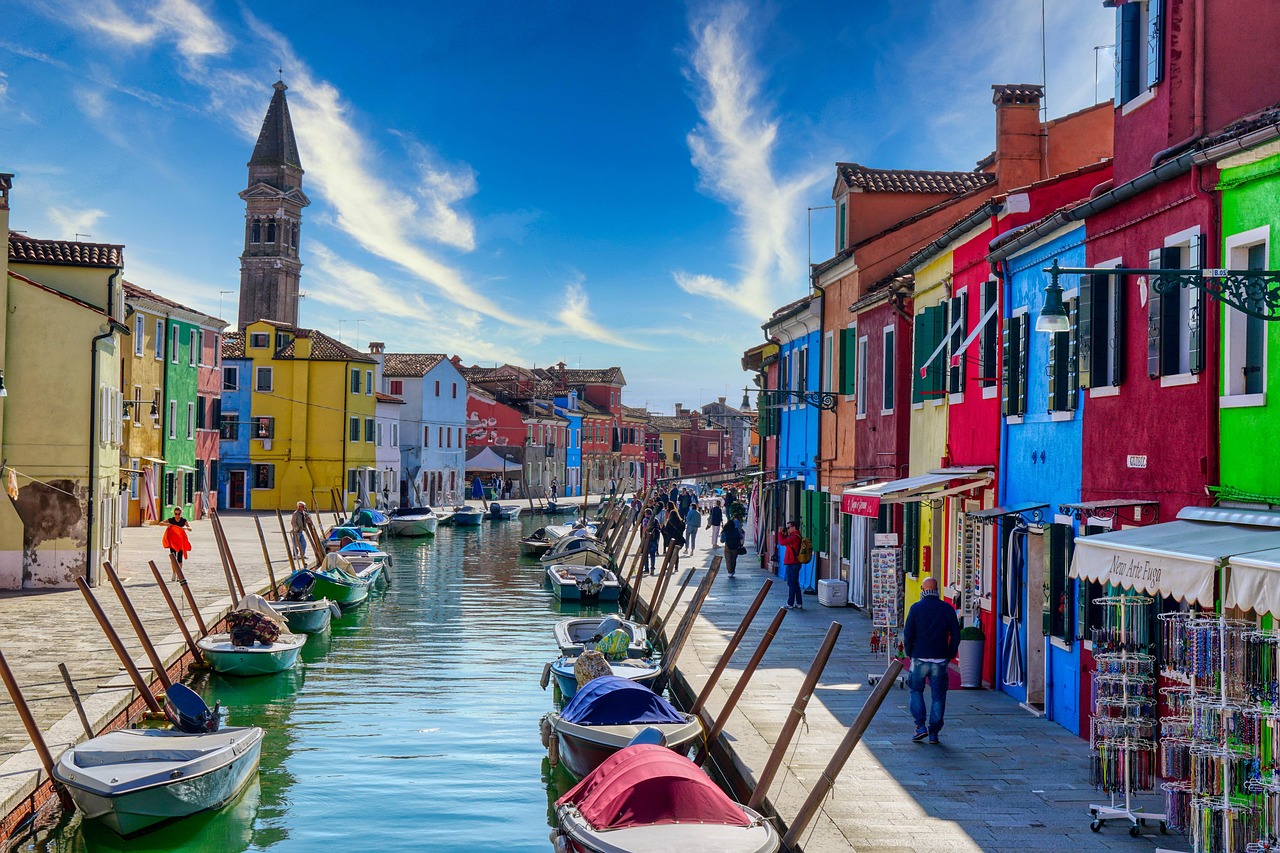
Around Venice Day Trips to Murano, Burano and Quiet Torcello with colourful island houses
A well-timed day trip around the Venice islands of Murano, Burano, and Torcello can make the main city feel even more effortless. The refined rhythm is simple: leave early, enjoy the lagoon while it’s quiet, then return for a late lunch back in town—avoiding mid-afternoon bottlenecks at vaporetto stops. It’s a small design choice that keeps your days calm and your evenings free for dining or theatre.
Island of Murano for collectors and Venetian craft
The island of Murano is more than a demonstration; it’s a living workshop culture. With introductions arranged in advance, you can visit studios, meet master artisans, and understand technique rather than just purchase. A collector once told us that sourcing rare pieces directly from a maestro changed their appreciation of Venetian artistry—the objects became personal, linked to faces and stories, not just labels.
Burano colour, lace-making, and Torcello are quiet
Burano is pure joy: vibrant houses, lace-making heritage, and lanes that photographers adore. Arrive earlier for gentler footfall, then linger over seafood with lagoon views. For a softer counterpoint, Torcello offers a quieter, historic side of the lagoon. A family we know still talks about their serene boat trip there—children roaming safely, parents enjoying space, and the simple relief of silence just a short ride away.
In practice, vaporettos are excellent for most travellers, especially with a multi-stop plan. But private boats can be the most seamless choice for families with prams, or for collectors carrying purchases from Murano. It’s not about extravagance; it’s about support, ease, and arriving everywhere with confidence.
Planning a Trip Seamless Arrivals, Water Taxis and Where to Stay for planning a trip
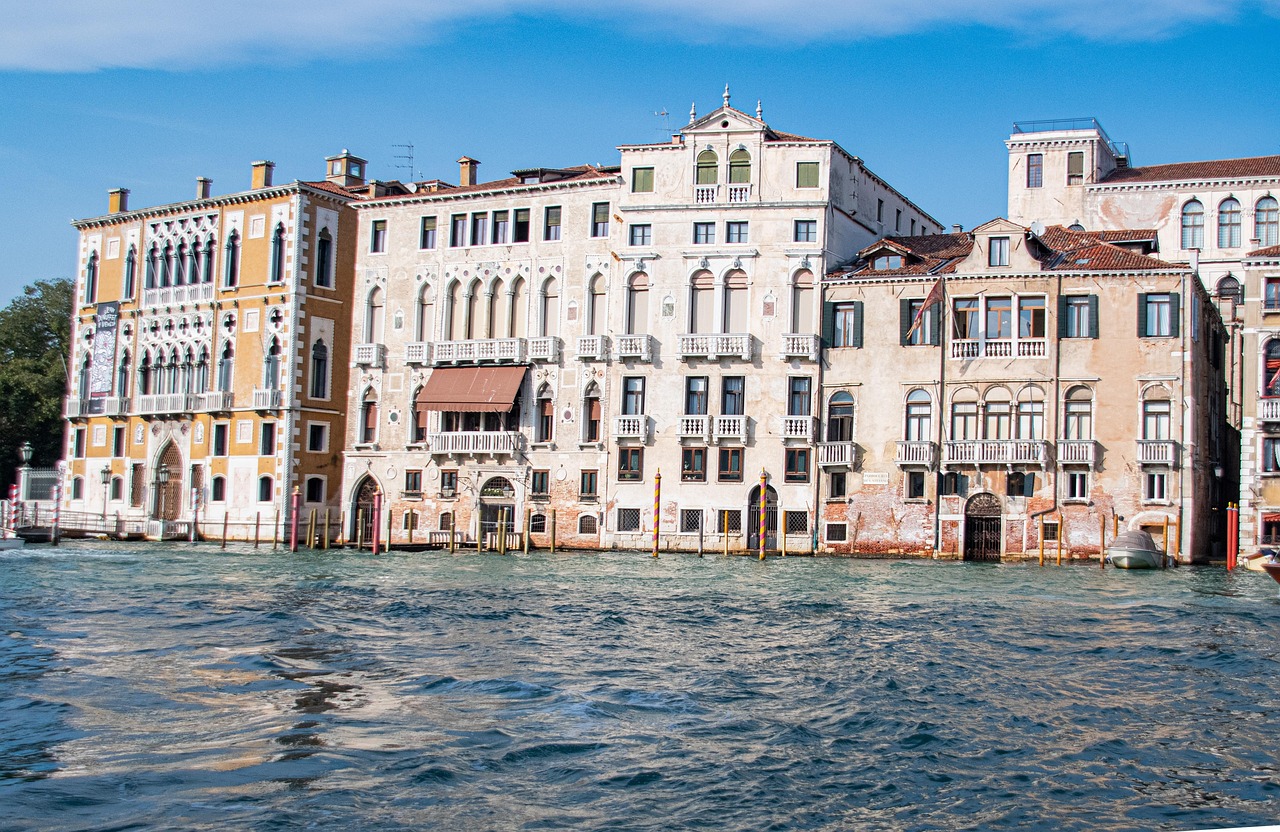
Planning a Trip: Seamless Arrivals, Water Taxis and Where to Stay with a private boat near Venice
For many travellers, planning a trip to Venice, Italy, including luxury hotels and a private water taxi, begins the moment you land. Arriving via Marco Polo Airport with a private water taxi transfer is the most seamless start: you step from terminal to boat, your luggage is handled with care, and the city reveals itself by water—an instant shift into holiday mode. It’s also the simplest way to reduce friction if you’re travelling with family, shopping bags, or more formal eveningwear.
Where to stay for St Mark’s glamour or Dorsoduro calm
If you want iconic access, luxury hotels near St Mark’s place, you’re close to Piazza San Marco at its most cinematic—especially early. If you prefer a more residential, design-led feel, Dorsoduro offers a calmer base with excellent galleries and a slightly quieter evening atmosphere. When selecting, consider noise (some canals echo), views (Grand Canal or hidden garden), and walkability to your preferred dinner neighbourhoods.
How Venice works on foot and by vaporetto
Venice is a city of stairs and bridges, and even short distances can involve steps. Comfortable but elegant footwear is not optional; it’s the foundation of relaxed days. For transport, the vaporetto waterbus system with a multi-day pass is efficient and often faster than you’d expect, particularly when the main lanes are busy. We also like mixing in private boats for evening returns—when it’s dark, you’re dressed up, and you want the night to feel effortless.
To explore inspiration for your own itinerary, browse our Trip gallery. It’s a lovely way to imagine what a crafted Venice stay can look like when planned together, with expert help.
- Book ahead: suites, private guides, and key dining in peak season
- Confirm logistics: water taxi pick-ups, luggage handling, and evening transport
- Design your pace: one major sight per morning, then slow afternoons for discovery
Practical Elegance Etiquette, Packing and Crowd-Smart Days for best times to visit
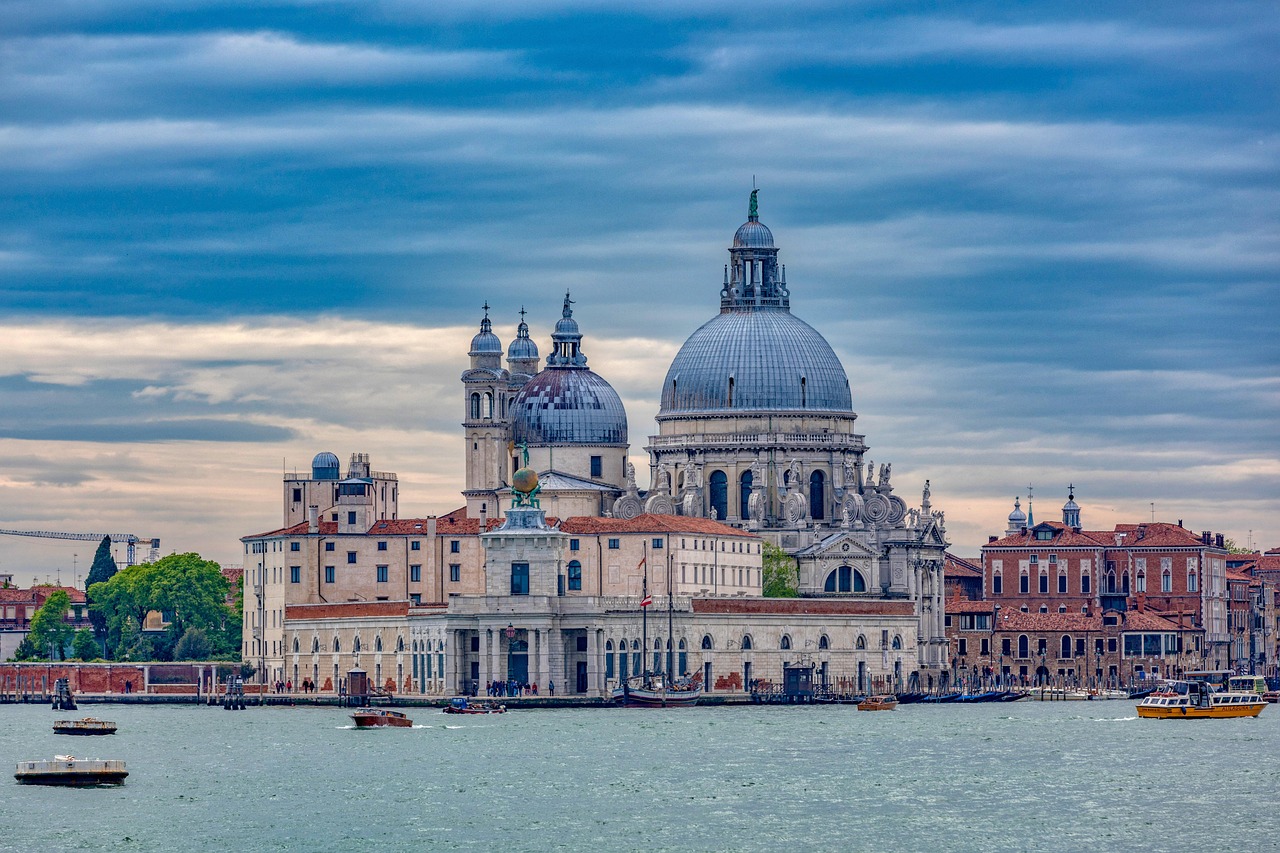
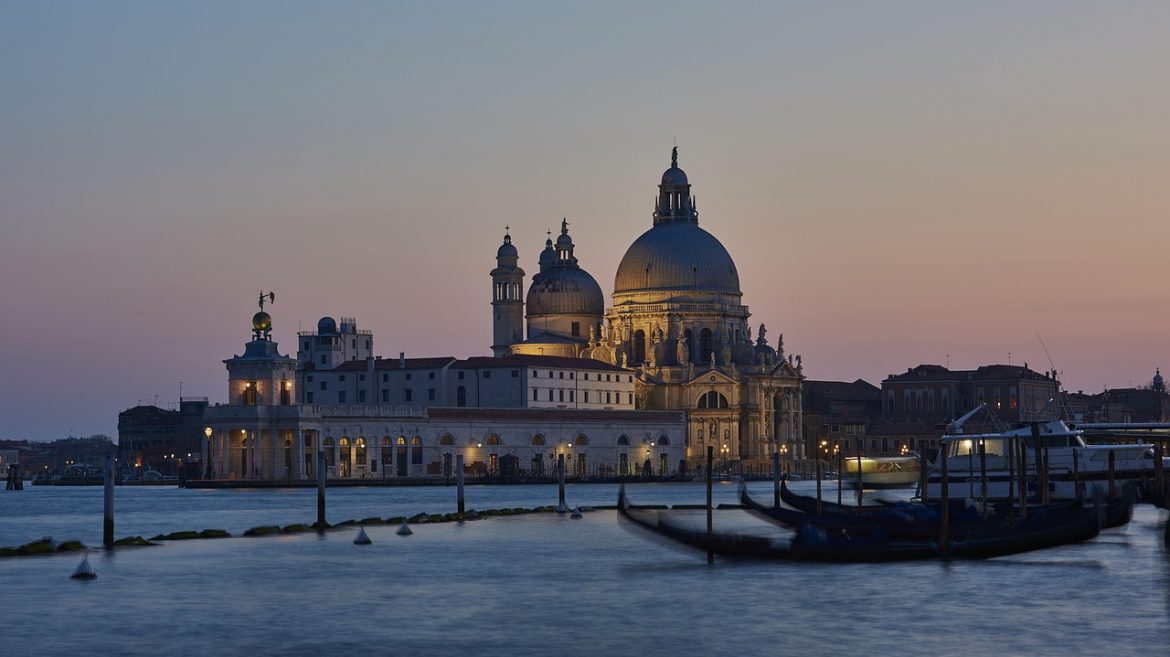
Practical Elegance Etiquette, Packing and Crowd-Smart Days with a basilica facade in Venice
If you’re weighing the best times to visit Venice crowds, etiquette, packing, and luxury, it helps to know that refinement in Venice is often quiet. Dress modestly when visiting churches, keep voices low in residential lanes, and follow local rhythms—especially during early mornings and late evenings when the city feels most personal. These small choices are a kind of respect, and they’re also what keep your experience feeling grounded and gracious.
What to pack for comfort, style, and occasional flooding
Pack as though you’ll walk more than you expect—because you will. Choose comfortable but elegant shoes with good grip for bridges, add a light layer for evening breezes, and keep rain protection handy. In months when high water is possible, waterproof footwear and a calm, flexible plan are your best friends; it’s less about worry, more about confidence.
Crowd-smart days that still feel like the best Venice
Even during peak tourist season, you can create calm with smart pacing. Start early, take a late lunch, and schedule one “pause” each day—an espresso by the water, a gallery bench, or a quiet campo where you can simply watch life unfold. If you want to cross the Ponte di Rialto, go before the city fully wakes; you’ll feel the difference immediately.
Budgeting can be equally thoughtful. Invest in private tours and one or two truly memorable meals, and use standard options where Venice is already excellent—like a vaporetto pass or a simple cicchetti crawl with a local guide. When plans are made with care, support, and trust, your trip feels elevated without being over-engineered.
F.A.Qs: Best time to visit Venice, Italy
What is the cheapest time to go to Venice, Italy?
The cheapest time is typically in the low season, especially from November to early March (excluding carnival and major holiday weeks). You’ll often find better hotel rates and more availability for upgrades, while still enjoying atmospheric days, cosy dining, and quieter museums.
How many days in Venice is enough?
Three to four days is enough for a first visit with a high-end pace: one day for San Marco highlights, one for deeper neighbourhood discovery, and one for islands such as Murano or Burano. If you’re attending the Venice Biennale or want slow shopping and dining, five days feel wonderfully unhurried.
What is the rainy season in Venice?
Venice can see more rain in late autumn, particularly October and November, though showers are possible year-round. The key is to plan flexible indoor options—museums, palazzi, and long lunches—so a wet hour feels like part of the city’s romance rather than a disruption.
In what months is Venice flooded?
Flooding risk is highest in autumn and early winter, particularly from November to January, when high-water events are more likely. It rarely ruins a well-planned trip: with waterproof footwear, updated tide forecasts, and smart timing, you can move around comfortably and confidently.
What Stayed With Us After Venice for the best time of the year
Long after you’ve left, Venice returns in small, precise images. Light shifting on water; the sound of a single boat moving through shadow; the way stone steps feel cool under your hand. Sometimes it’s a still canal at first light, when the city seems to breathe slowly, as if inviting you to match its pace. Sometimes it’s evening near the Rialto, when the last warmth of the day lingers, and the world feels briefly, beautifully uncomplicated.
The best time of the year to be there is not always a date on a calendar. It can be the version of yourself you hope to meet in that place—more rested, more curious, more open to wonder. In that sense, choosing the right year to visit is an act of quiet self-knowledge, and the planning becomes something meaningful rather than merely practical.
Venice has a way of staying with you precisely because it never fully explains itself. It simply waits—water and stone, patient and luminous—ready to be discovered again when life makes space for beauty.