Post Contents
- Rome at a Glance: Build an Eternal City Rhythm for Places to Go in Rome, Italy
- The Colosseum After Hours: Colosseum and Roman Forum Private Tour for a Quieter Rome
- Vatican City in Private: Vatican Museum Masterpieces and the Sistine Chapel Experience
- Villa Borghese: Borghese Gallery Museum and Giardino Retreat in the Heart of Rome
- Piazza Walks and a Famous Fountain Circuit: Piazza Navona, Trevi Fountain, and Classic Rome
- Trastevere Beyond the Beaten Path: Local Guide, Food Tour, and Basilica Highlights
- Seamless Practicalities in Rome: Best Time to Visit, Tickets, Safety, and Transport
- F.A.Qs: Places to Go in Rome, Italy, and the Best Things to Plan
- What Stayed With Me After Rome: Personal Reflections on the Eternal City
Rome at a Glance: Build an Eternal City Rhythm for Places to Go in Rome, Italy
If you’re searching for places to go in Rome, Italy, with a luxury-leaning pace, start by accepting one truth: Rome is a city of layers, and it rewards rhythm. In the city of Rome—the capital city of Italy—you can step from ancient Roman stone to a hushed museum gallery, then into a sunlit piazza where daily life feels theatrical and real at once. The goal isn’t to sprint through every attraction; it’s to shape a day that feels polished, unhurried, and still spontaneous.
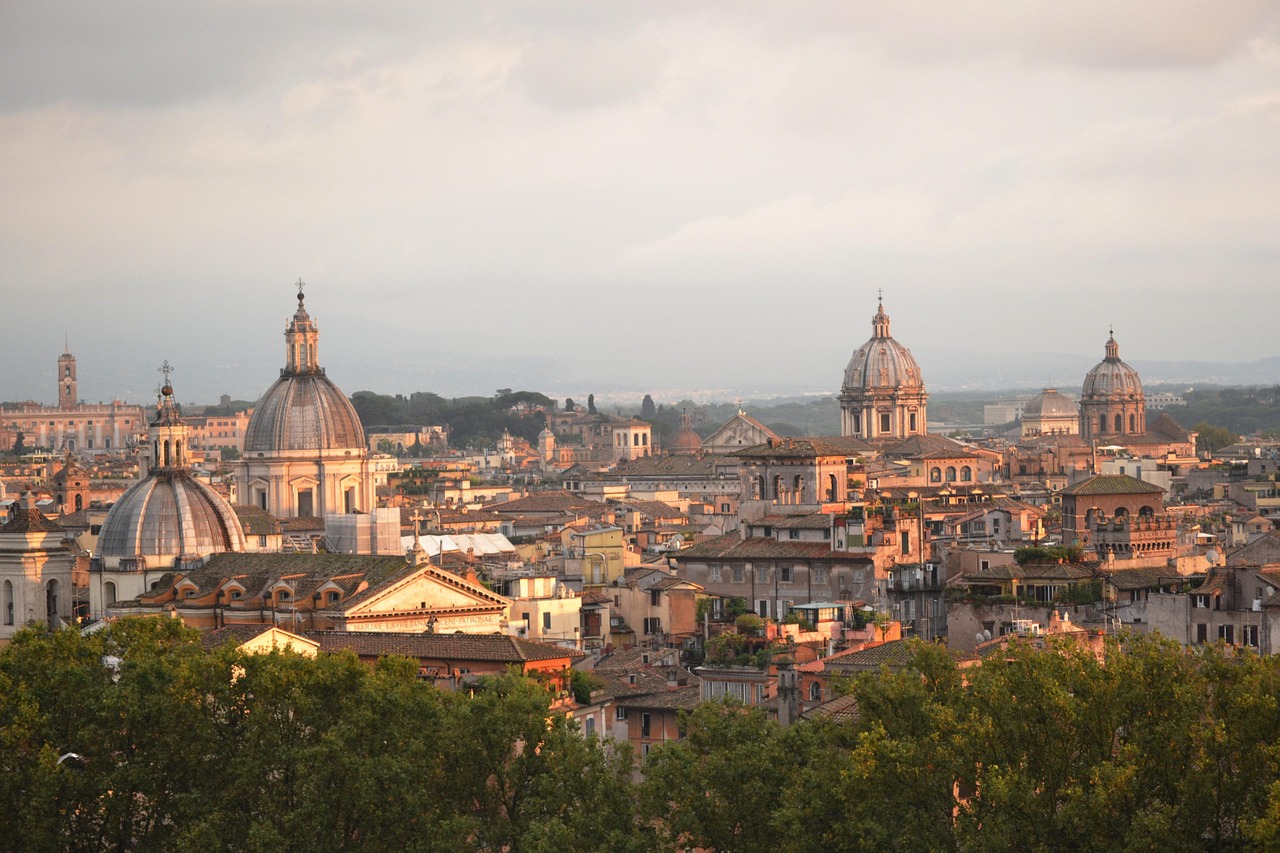
Rome at a glance: a calm rhythm for things to do in Rome, from rooftops to piazza life
High-end Rome works beautifully in three movements: early starts for iconic sites, a mid-day pause to reset, and evenings chosen for atmosphere rather than queues. Between the headline stops, the most memorable interludes are often the simplest—churches that are free to enter, viewpoints that are free to visit, and long, graceful strolls that make even “Rome on a budget” feel considered and elegant.
Best things and free things to do in Rome: graceful, low-effort, high-impact moments
- Dip into churches that are always free, then step back out into the light with a quiet sense of wonder and a cooler, calmer pause from the streets.
- Some attractions are free on the first Sunday—the sunday of every month—but crowds can be intense, so weigh “value” against serenity.
- Plan one viewpoint as a gentle place to take a break, and treat it like a place to visit for atmosphere—not a race to the next stop.
Practical foundations matter. Cobblestones ask for comfortable shoes, and if you’d rather glide through the centre of Rome in style, a chauffeured car can make transfers feel seamless—especially at night when you want to arrive composed, not depleted. This kind of planning also helps you see more without feeling like you’re constantly navigating.




The Colosseum After Hours: Colosseum and Roman Forum Private Tour for a Quieter Rome
If your wish list includes a private tour of the Colosseum and Roman Forum in Rome, Italy, consider scheduling it after hours. The Colosseum is a famous landmark and one of the wonders of the world, but in the evening, it feels less like a crowded attraction and more like a personal encounter with time. With softer light and fewer voices, you can picture gladiators, the theatre of power, and the engineering confidence of the Roman Empire.
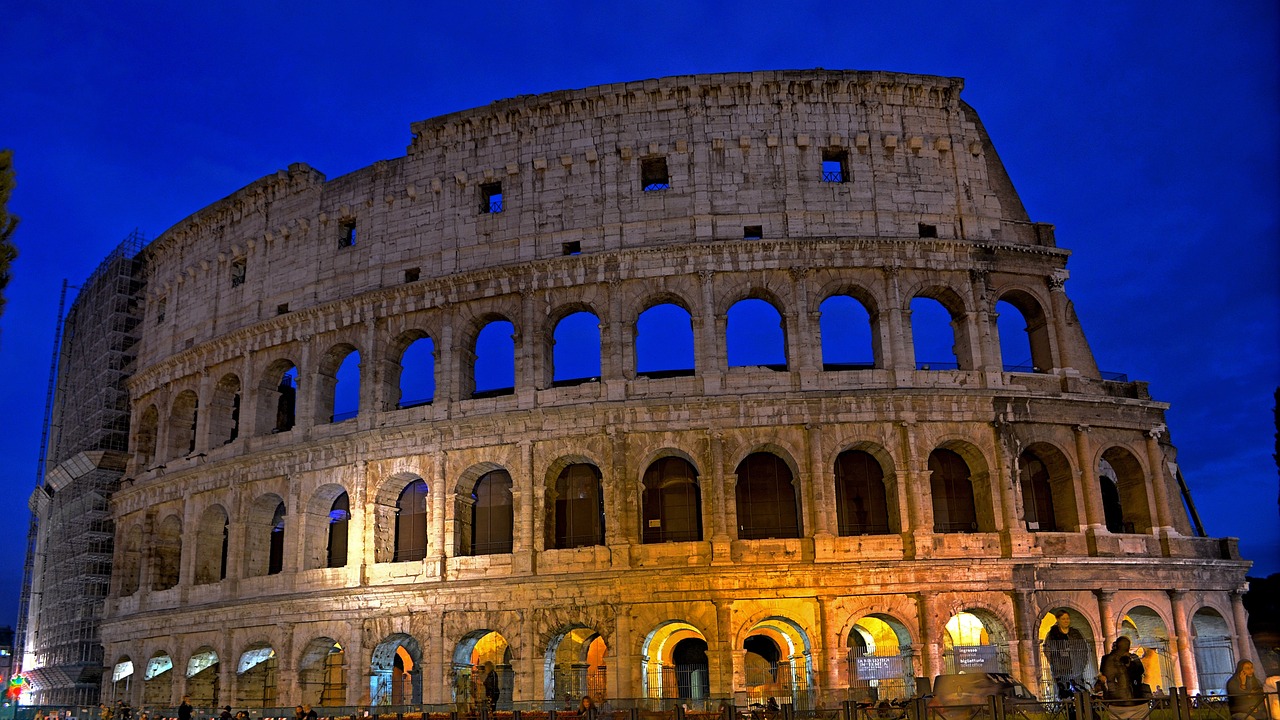
The Colosseum after hours: a quieter way to experience Rome’s most famous landmark
The most rewarding way to explore is to treat the Colosseum, the Roman Forum, and Palatine Hill as one story: the spectacle of the arena, the civic heart of the Roman Forum, and the private heights of emperors. A well-paced guided tour connects the fragments into a vivid narrative—so you spend less time decoding signage and more time understanding why this part of Rome shaped the world.
Colosseum, Roman Forum and Palatine Hill: time slot, tickets well in advance, and smooth pacing
Booking is the difference between “possible” and effortless. Choose a time slot, book your tickets online, and plan well in advance because tickets sell out during peak season. For VIP access, you truly need to book; your expert support will also help with crowd flow, entry points, and pacing across the Roman Forum and Palatine Hill.
For a small luxury flourish, step away from the tourist traps afterwards. Let your guide suggest a refined piazza nearby for an aperitivo—somewhere you can sit, exhale, and let Rome settle into the present.
Vatican City in Private: Vatican Museum Masterpieces and the Sistine Chapel Experience
For a Vatican Museums private tour, Sistine Chapel, Rome, Italy, the true luxury is calm. A private or small-group visit to the Vatican Museum is designed for close-looking: you move through galleries with fewer bottlenecks, and you can actually absorb each masterpiece instead of simply photographing it. If you’re collecting things to do in Rome that feel genuinely special, this is one of the most consistently rewarding mornings in Rome.
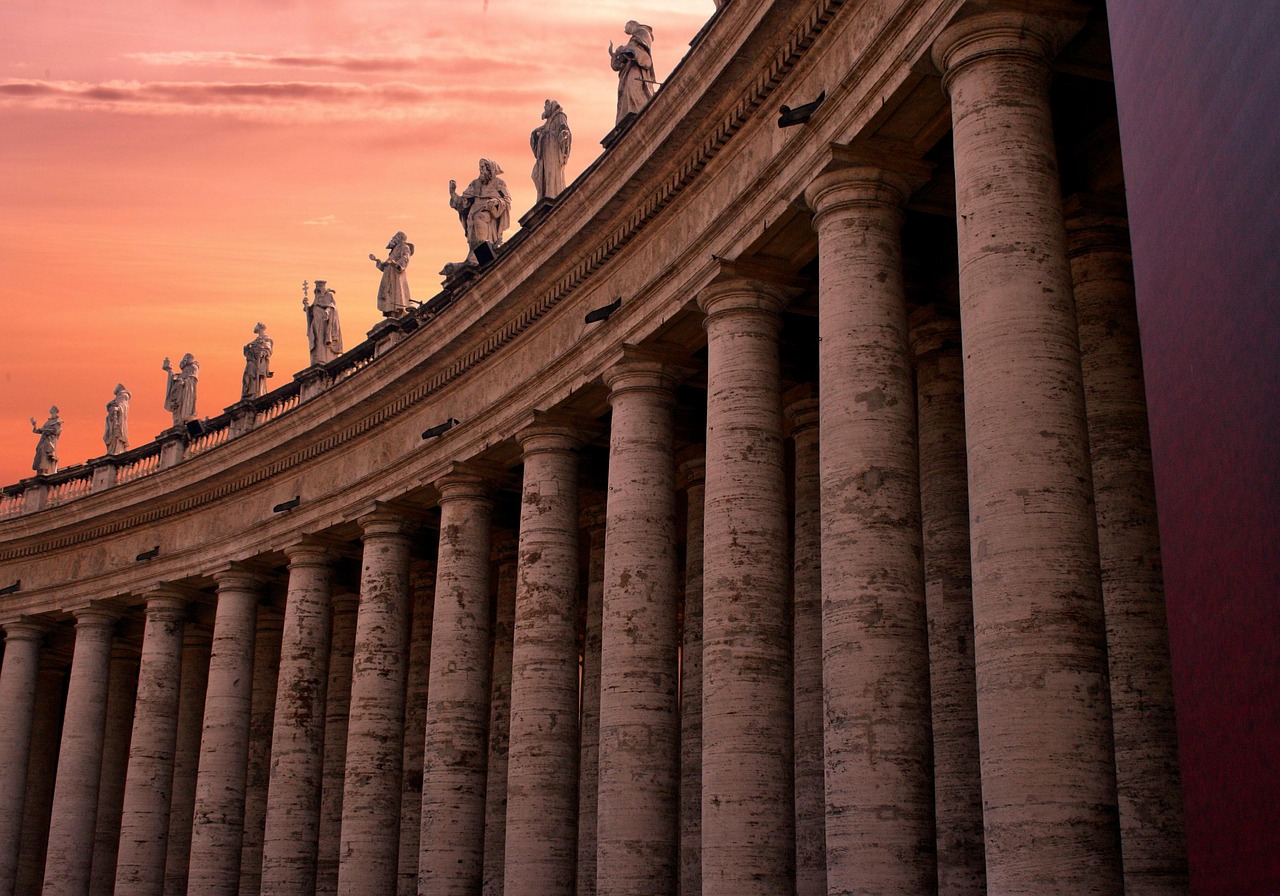
Vatican City in private: a museum morning beneath Rome’s luminous skies
The emotional centre, of course, is the Sistine Chapel. One traveller described a moment of awe standing beneath Michelangelo’s ceiling on a private, small-group visit—realising, almost physically, that centuries of artistic genius were suspended above them. In that hush, the chapel wasn’t just another attraction; it was a human achievement you could feel, with space to breathe and a guide who knew when to speak and when to let silence do the work.
Tour of the Vatican and basilica add-ons: San Pietro, the dome view, and dress code
If you have the energy, add St Peter’s Basilica (also locally known as San Pietro or di San Pietro) and consider the dome for a rooftop perspective and a memorable sense of height. If you want the exact phrasing locals and travellers use, this is also the moment you’ll hear “Peter’s Basilica” and Pietro used interchangeably, as well as Peter’s for short in conversation. Dress codes are strict: shoulders and knees covered, especially in any basilica. A light layer or shawl keeps the day seamless and respectful if you continue on to other church interiors.
- Arrive for early entry where possible; security is real, but it’s manageable with expert planning and a clear route.
- Wear comfortable shoes; even within the vatican complex, you’ll walk more than you expect between galleries and courtyards.
- Keep a small bottle of water and move with quiet confidence—your guide is there to support you.
Done well, Vatican City feels less like a crowd challenge and more like a crafted, intimate museum morning you’ll remember long after you leave Rome.
Villa Borghese: Borghese Gallery Museum and Giardino Retreat in the Heart of Rome
For Villa Borghese, Borghese Gallery and Gardens museum in Rome, think of a refined reset in the middle of the city. The Borghese Gallery is one of the most impressive small museum spaces in Rome: curated, time-controlled, and naturally calmer than the mega-attractions. It has the best places energy—exceptional art without the frantic pace—so you can truly explore each room, each sculpture, and each painting without feeling rushed.
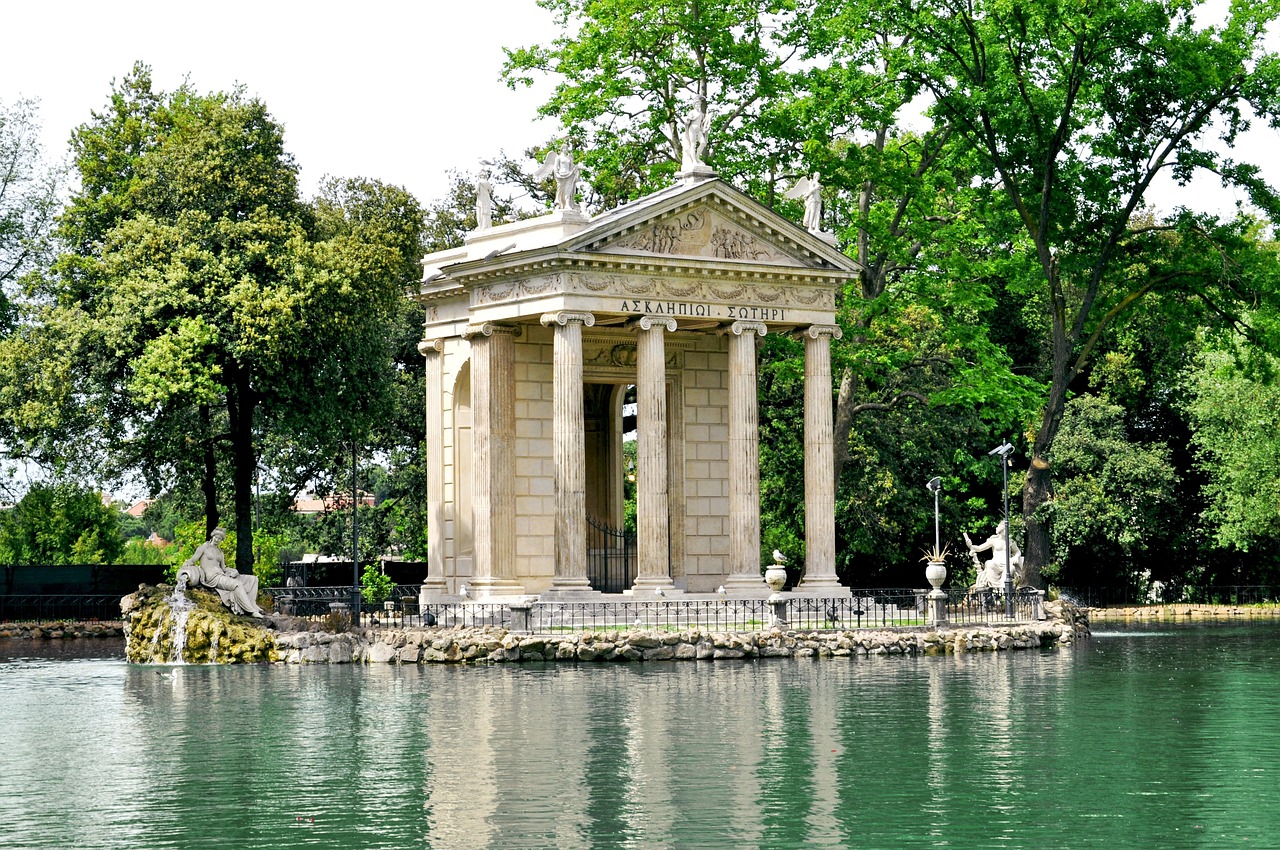
Villa Borghese: a museum and garden in the heart of Rome
Pair your museo visit with a stroll through the Villa Borghese gardens and a slow giardino promenade. It’s the kind of afternoon that lets high-end travel feel human: you can take a break without stepping away from beauty. If you want a single, perfectly placed view of Rome, walk to the Pincio terrace and let Rome’s warm stone unfold beneath you.
Museum timing in Rome: book smartly so Villa Borghese feels effortless
Book timed entry and treat it as a centrepiece rather than a filler. Afterwards, wander without an agenda: a shady bench, a quiet coffee, perhaps a discreet picnic-style pause if that feels personal. Optional extra: arrange a private driver to pick you up so you return to your hotel feeling composed, not rushed.
This is also why museum days in Rome can be restorative—when they’re designed with breathing space and one unforgettable masterpiece at a time.
For Piazza Navona, Trevi Fountain, Spanish Steps, and Rome attractions, create a walking circuit that feels like a film—only slower, more thoughtful, and yours. Begin with Piazza Navona, where baroque curves and street life meet. Pause by the Fontana dei Quattro Fiumi (often referenced as Fontana dei Quattro Fiumi), then drift towards campo de’ fiori for colour and energy—think Campo stalls and the scent of Fiori—and on to Piazza del Popolo for grand symmetry and breathing room.
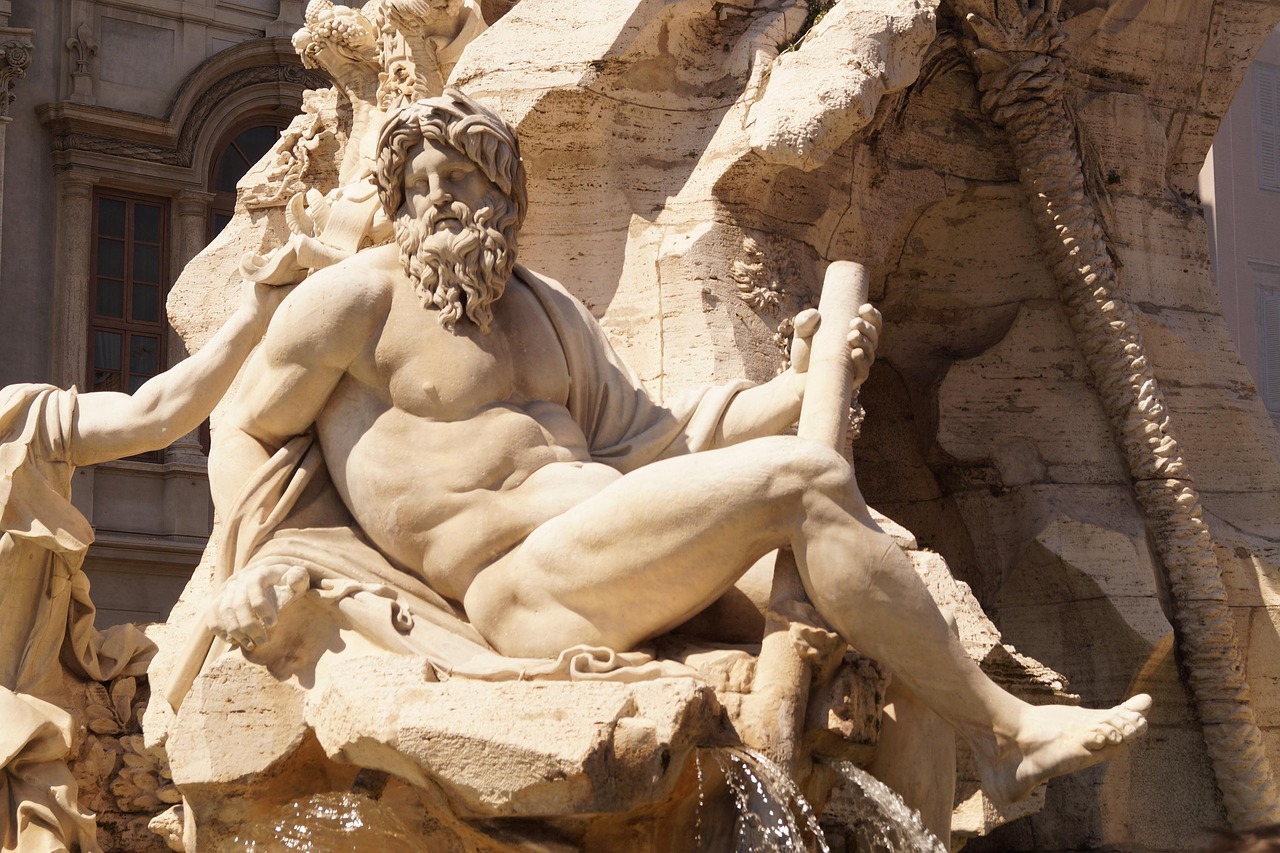
Piazza life and a famous fountain circuit: from Piazza Navona to Trevi
No circuit is complete without a famous fountain moment at the Trevi Fountain. If you want the ritual without the crush, go early—before the day warms up—and stand a little back so you’re not pressed against the edge. Then, with gentle etiquette, toss a coin in the Trevi Fountain over your shoulder and step away so others can do the same.
Spanish Steps and the Pantheon: Piazza di Spagna strolls, gelato, and an iconic place to visit
- Stop at the Spanish Steps at dawn and take in the quiet from the top; Piazza di Spagna feels unexpectedly serene.
- Choose a gelato that keeps the mood refined—simple flavours, beautifully made—then continue at a measured pace between piazza corners and elegant shopfronts.
- Thread in the Pantheon (one of the oldest standing monuments in Rome) for a cool, circular breath of engineering genius and an easy, central place to visit.
For contrast, include Piazza Venezia and the monumental victor emmanuel ii complex: the altar of the fatherland (Altare della Patria), tied to unified Italy, and the tomb of the unknown soldier. It’s an architectural shift—an emotional reminder that Rome contains many eras at once, from emperors to modern identity.
Keep your camera ready and your awareness calm. Pickpockets can operate in crowded piazza areas and around major landmarks, but Rome is generally safe with normal vigilance; stay confident, keep valuables secure, and enjoy the theatre of the street.
Trastevere Beyond the Beaten Path: Local Guide, Food Tour, and Basilica Highlights
For the Trastevere local guide food tour in Rome, Italy, arrive at golden hour and let a local expert lead you gently away from the obvious. Trastevere is where you uncover the lived-in Rome: quiet courtyards, artisan corners, and churches that feel like neighbourhood secrets. Step into the basilica di Santa Maria in Trastevere for a moment of stillness, then return to the lanes where laughter and clinking glasses spill into the street.
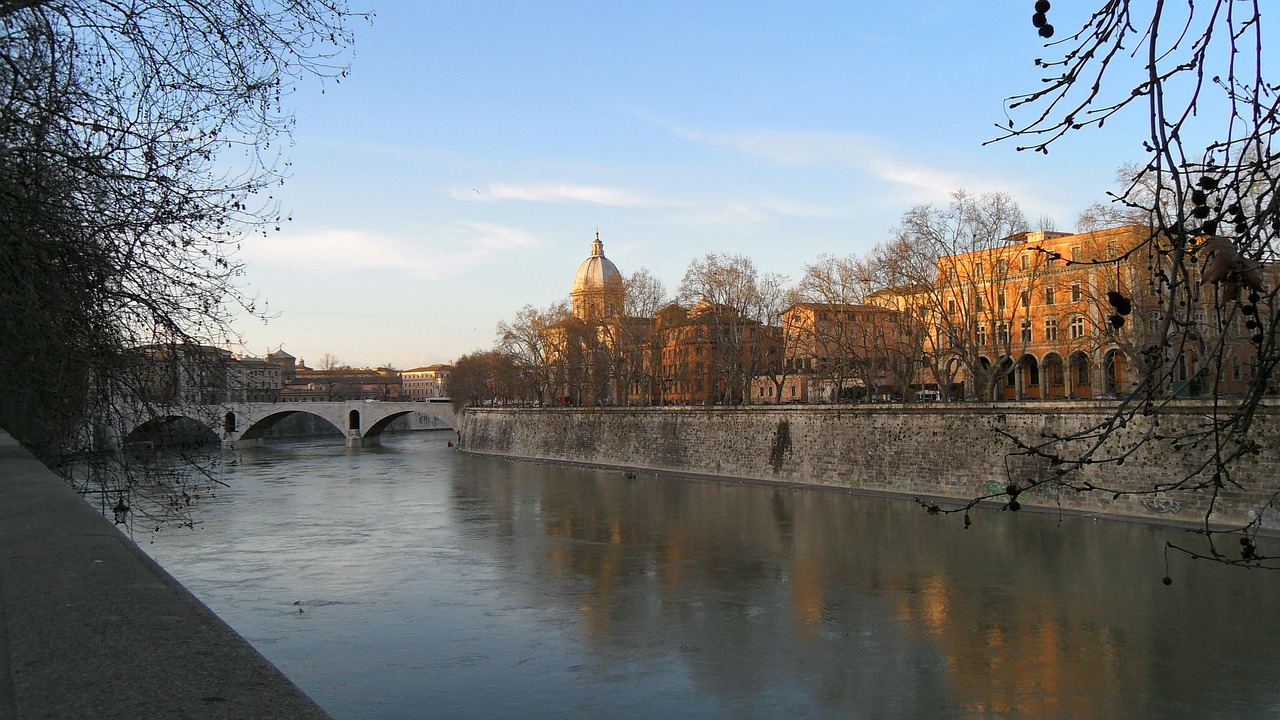
Trastevere after dark: a softer side of Rome beyond the beaten path
One luxury traveller told us that a guided wander here changed their entire visit to Rome: their guide remembered their preferences, adjusted the pace, and quietly shaped the route around crowds. They discovered hidden wine bars and small workshops they’d never have found on their own, and the experience felt rooted in trust and care rather than performance. It was Rome beyond the typical tourist attractions—a single evening that felt deeply personal.
Food tour pacing in Rome, plus Via Appia Antica as one of the most interesting escapes
A thoughtful food tour is best taken slowly: seasonal plates, excellent wine, and a final gelato stop that feels like a reward rather than an afterthought. If you’re dining near major attractions, reserve refined restaurants ahead; the best tables in Rome are rarely accidental.
If you want greenery and history with fewer crowds, consider Via Appia Antica as a half-day escape. It’s one of the most interesting ways to feel this destination at the edges—stone, pines, and time—without the city’s constant hum.
Seamless Practicalities in Rome: Best Time to Visit, Tickets, Safety, and Transport
For visiting Rome, spring, autumn, private tours, tickets, safety, transport, timing and planning create freedom. The best time to visit Rome is spring (April to June) or early autumn (September to October), when the light is flattering, the air is gentler, and you’re more likely to move through each museum and piazza with ease. Shoulder season also makes premium experiences—like early entries and calm attraction windows—feel more attainable.
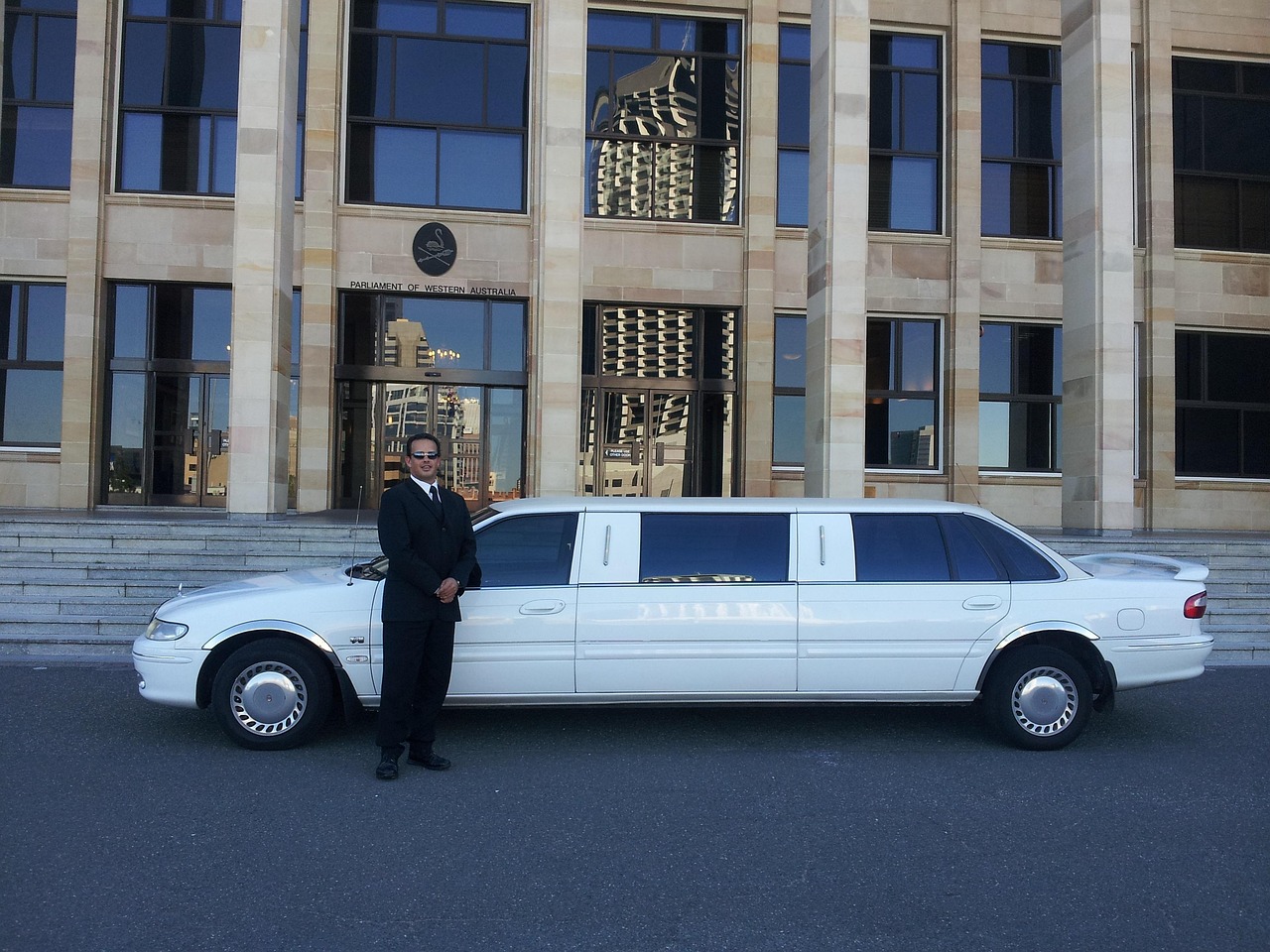
Seamless practicalities in Rome: timed entries, private transfers, and calm pacing
Private tours, timed entries, and a booking strategy for Rome’s top sites
Design your bookings like a quiet framework. Reserve timed entries for the Colosseum, Roman Forum, Vatican Museums, and Borghese days in advance; then build relaxed meals and free time to wander around them. Private tours deliver richer insight and a sense of being supported—your guide can adapt if a queue forms, if energy dips, or if you want to linger in one museum longer.
- Plan one “big” attraction per morning, then a slower afternoon (a park, a long lunch, a smaller museum).
- Keep religious visits seamless: modest layers that cover shoulders and knees for any basilica, including within Vatican areas.
- Choose reputable transfers; for evenings, a chauffeured car adds ease and style through central Rome.
On safety: be calm, not fearful. In crowded piazza areas, keep your bag closed and valuables secure. With that simple vigilance, you can explore confidently and stay present in the experience.
Where to stay depends on your style: central for walkability, or quieter edges for space. Either way, concierge-style planning keeps it all seamless—especially when you pair landmark mornings with late dinners. If you’d like to browse curated journeys and design support, see our Trip gallery.
F.A.Qs: Places to Go in Rome, Italy, and the Best Things to Plan
What shouldn’t you miss in Rome?
Don’t miss the Colosseum (ideally after-hours), the Roman Forum and Palatine Hill for context, and a thoughtfully paced Vatican experience ending in the Sistine Chapel. Balance these iconic moments with a piazza walk—Piazza Navona, Trevi Fountain —and a quiet stop at the Pantheon to feel Rome rather than rush it.
What are the top five attractions in Rome?
Five standouts are the Colosseum, the Roman Forum, the Vatican Museums, St. Peter’s Basilica, and the Borghese Gallery. These cover ancient history, world-class museum collections, and Rome’s most moving sacred art. For a high-end trip, a private guide and timed tickets transform each attraction into a calmer, richer experience—perfect if you’re planning a first visit to Rome and want it to feel effortless.
What to do in Rome in 3 days?
Day one: Colosseum, Roman Forum and Palatine Hill, then an evening aperitivo in a refined piazza. Day two: early Vatican Museums, Sistine Chapel, and St Peter Basilica, followed by a slow lunch. Day three: Borghese Gallery and Villa Borghese, then a piazza circuit with the Pantheon—finishing in Trastevere for dinner.
Is there a 7th wonder in Rome?
Yes—many travellers consider the Colosseum one of the New Seven Wonders of the World. Seeing it with fewer crowds, particularly on an after-hours guided tour, makes the scale and atmosphere far more powerful. Pair it with the Roman Forum so the story of Rome feels complete rather than isolated—and so your visit to Rome has context, not just highlights.
What Stayed With Me After Rome: Personal Reflections on the Eternal City
For Rome, Italy, personal reflections, what lingers isn’t a checklist—it’s the way the light lands on stone at the end of the day, and how even a familiar street can feel newly made. Rome called to me in small, quiet ways: the soft hush beside a fountain when the crowd thinned, the sudden lift of violin notes in a piazza, the cool air inside a basilica that steadied the mind. This is the eternal city at its most convincing—simple, intimate, and quietly grand.
A traveller once recounted a magical sunset dinner atop the Gianicolo Hill, and I understand why it stayed with them. As the skyline shifted from gold to blush, the city’s domes and rooftops seemed to breathe. There was no need to chase anything—just to sit, to taste, to listen, and to let Rome become memory at its own pace.
That may be the gift of this beautiful city: it meets you where you are. It doesn’t demand frantic ambition; it invites you to slow down, to notice, and to carry home a gentler kind of attention. And if you ever return to Rome, it won’t be to “finish” it—only to discover what you’re ready to see next.