Post Contents
- Pisa Travel Guide: Overview of the Top Things to Do in Pisa for High-end Travellers
- Piazza dei Miracoli, the Leaning Tower of Pisa, an attraction for a World Heritage Visit
- Visit Pisa Cathedral (Duomo) and the Battistero di San Giovanni for Romanesque masterpieces.
- Explore Pisa city centre, Piazza dei Cavalieri, the Arno River, and beyond the tower.
- Best time to visit Pisa, stay in Pisa, travel tips, and nearby day trips.
- F.A.Qs: Pisa, Italy Attractions
- What Stayed With Me After Pisa, Italy: Reflections After the Journey
Pisa Travel Guide: Overview of the Top Things to Do in Pisa for High-end Travellers
Pisa Travel Guide: Overview of the Top Things to Do in Pisa for High-end Travellers
This chapter is your to-do list in Pisa’s travel guide for high-end travellers, designed to help you arrive with confidence and leave feeling you truly uncovered the city. Pisa is a popular Tuscan city, yes, but it’s also quietly liveable—an intelligent, walkable place where art, study, and daily rituals soften the edges of being a popular tourist stop. The iconic leaning tower is a headline, yet the deeper pleasure comes from moving beyond the postcard moments with care and expert pacing.
To make the experience seamless, it helps to imagine Pisa in neighbourhood “moods”. The Piazza dei Miracoli is ceremonial and luminous, with world-class monuments set in open green space. The old city is more intimate: stone lanes, bookshops, and local restaurants tucked behind façades that reward a slower glance. Along the banks of the River Arno, you’ll find softer light, aperitivo energy, and a gentle evening rhythm that feels crafted for lingering.
Best places to start your trip to Pisa by neighbourhood feel
Rather than darting between pins on a map, create a simple structure that keeps the day elegant. Start early at the Piazza dei Miracoli while the marble still feels cool and the air is quieter. Then drift into the city centre for boutique browsing and a café pause, and save the Arno for late afternoon when the light flatters the riverfront and the mood becomes more romantic.
- Piazza dei Miracoli: monumental beauty and the city’s most famous attraction.
- Old city: the most charming streets in Pisa for browsing, coffee, and small churches.
- Arno River: evening strolls, reflections, and a calmer pace along the embankments.
- Shopping and pauses: pick a few streets, then let curiosity lead—luxury here is time, not ticking boxes.
A gentle day in Pisa flows that feels seamless
For a refined day in Pisa, begin with an early timed entry (especially if you’re climbing), then take a late-morning visit to a museum or cathedral interior at an unhurried pace. Enjoy a long lunch—food and wine are part of the culture, not an afterthought—then finish with a golden-hour walk and a well-chosen dinner reservation. This is one of those Italian cities where you can design your day around light, comfort, and mood rather than transport logistics.
Travellers often tell us that Pisa surprises them: it’s a bustling city with students and families, yet it becomes intimate when you explore at a slower tempo. If you give it a little space, it gives something back—quiet corners, warm local greetings, and a sense of belonging that feels unexpectedly personal.




Piazza dei Miracoli, the Leaning Tower of Pisa, an attraction for a World Heritage Visit
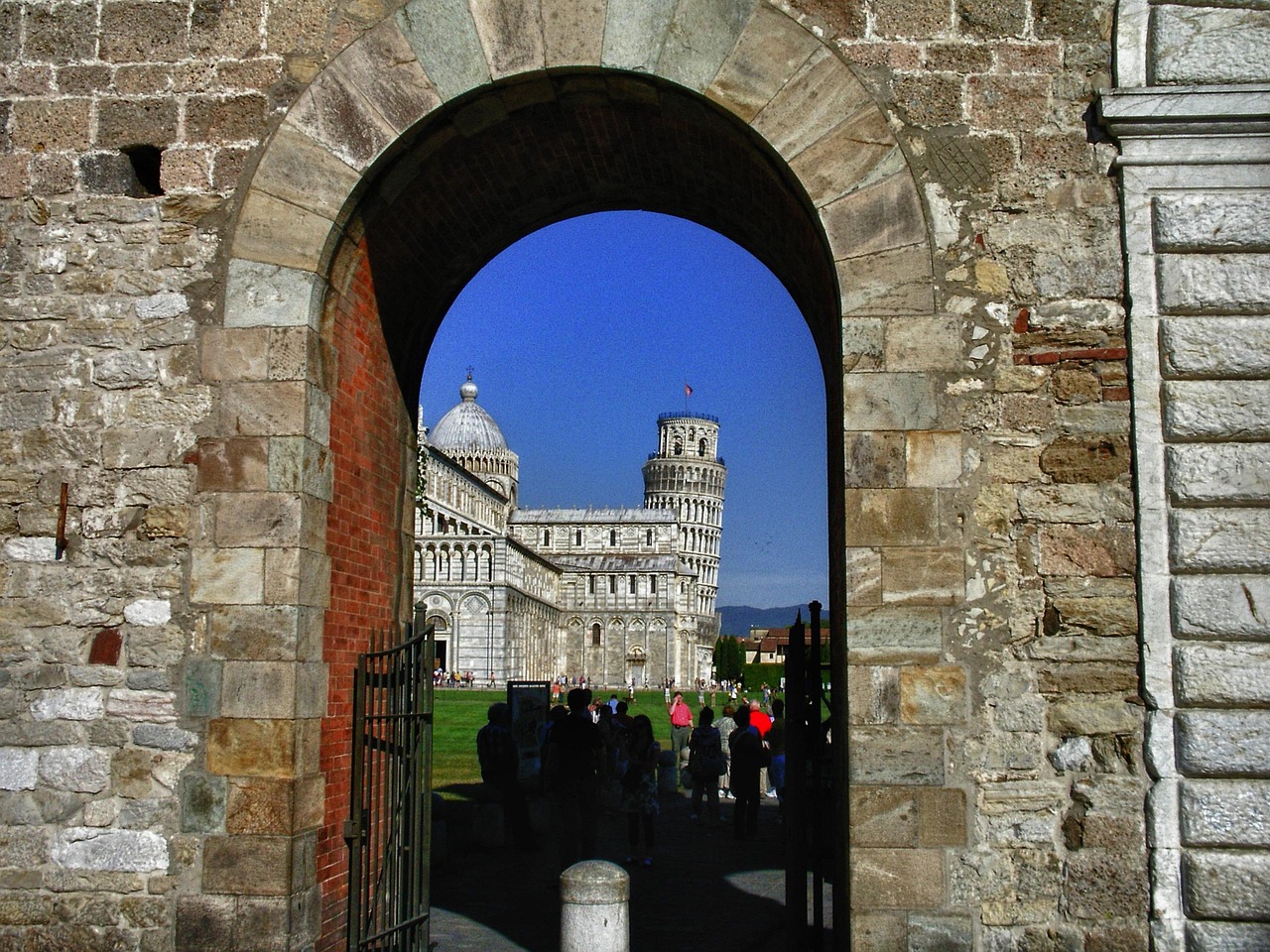
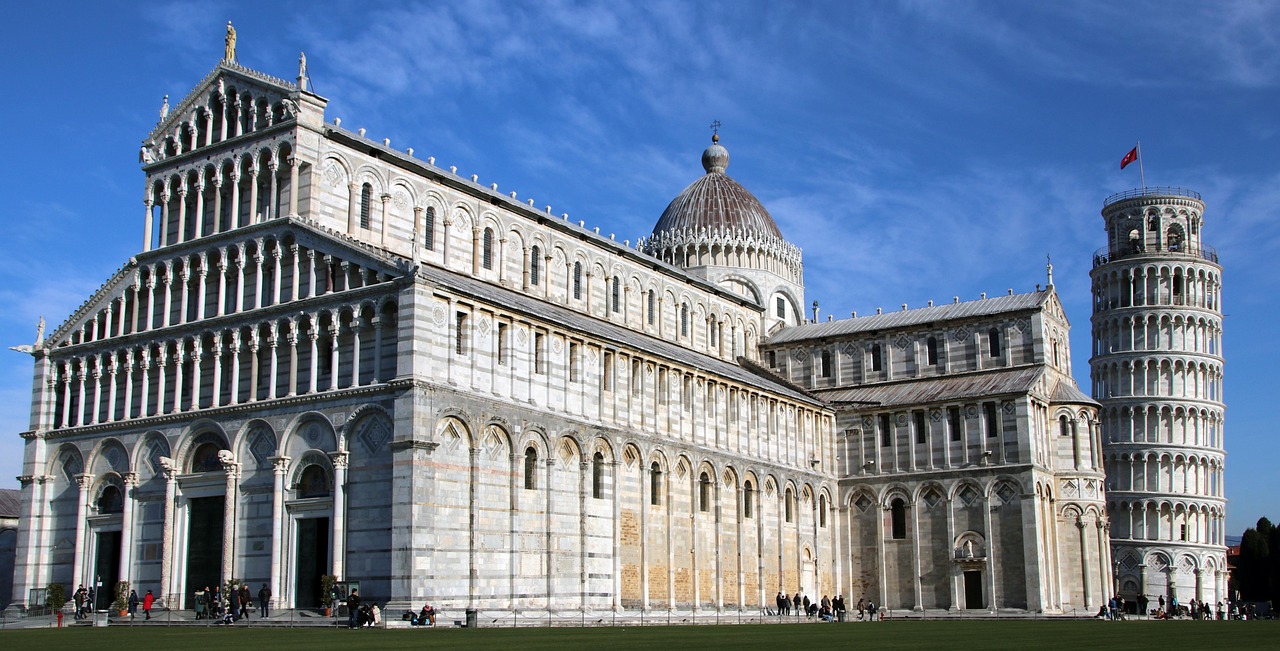
Piazza dei Miracoli and the Leaning Tower Attraction at sunrise in Pisa
For many travellers, planning the Piazza dei Miracoli Leaning Tower of Pisa attraction is the key to enjoying the square in calm, rather than feeling swept along. This UNESCO World Heritage site is most magical when you arrive early or late, when the grass looks freshly brushed, and the monuments feel like they’re floating in light. Approach from the outer edges first, letting the perspective unfold—there’s a certain elegance in not rushing straight to the tower.
Stand for a moment and simply take it in: the geometry of white marble against Tuscan sky, the hush between bell chimes, and the way the square invites slower steps. This is the moment to discover Pisa beyond the leaning tower as a feeling—open space, careful craftsmanship, and a sense that the city is proud but not showy.
Leaning tower tickets, timed entry and travel tips for comfort
Book Leaning Tower tickets online well in advance and choose a time slot that suits your energy level. Arrive with a buffer for security checks and to enjoy the Piazza dei Miracoli without haste. You’ll be asked to store bags, and some restrictions apply—planning ahead keeps everything seamless and avoids a last-minute scramble.
- Footwear: wear supportive shoes; the steps are smooth, and the lean changes your balance.
- Pacing: climb slowly and pause when needed—there’s no prize for speed.
- Hydration: bring water, especially in warmer months; the climb can feel warmer than expected.
- Timing: a morning slot often feels calmer; golden hour is unmatched for atmosphere if you prefer a later visit.
One story we hear often: the climb is exhilarating and physically challenging, especially as the tilt becomes more obvious with each turn. Yet at the top, the reward is immediate—those best panoramic views across the rooftops and the calm symmetry of the square below. You don’t just “see” the famous leaning tower; you feel it in your body, and that makes the memory surprisingly vivid.
Photography beyond the iconic pose in Piazza dei Miracoli
For high-end travellers, the most beautiful images often come from restraint. Try framing the leaning tower with a sliver of lawn in the foreground, or capture details—arches, shadows, and the way marble absorbs the sun. Golden hour creates a creamy warmth across the façades, and a longer lens helps you isolate craftsmanship rather than crowds.
Because sacred spaces sit alongside the headline attraction, it’s worth moving with quiet care. Keep voices low near entrances, and dress modestly when stepping into religious sites—cover shoulders and avoid beachwear. The most refined travel is always respectful, and that respect tends to be returned in the form of a calmer, more meaningful experience.
Visit Pisa Cathedral (Duomo) and the Battistero di San Giovanni for Romanesque masterpieces.
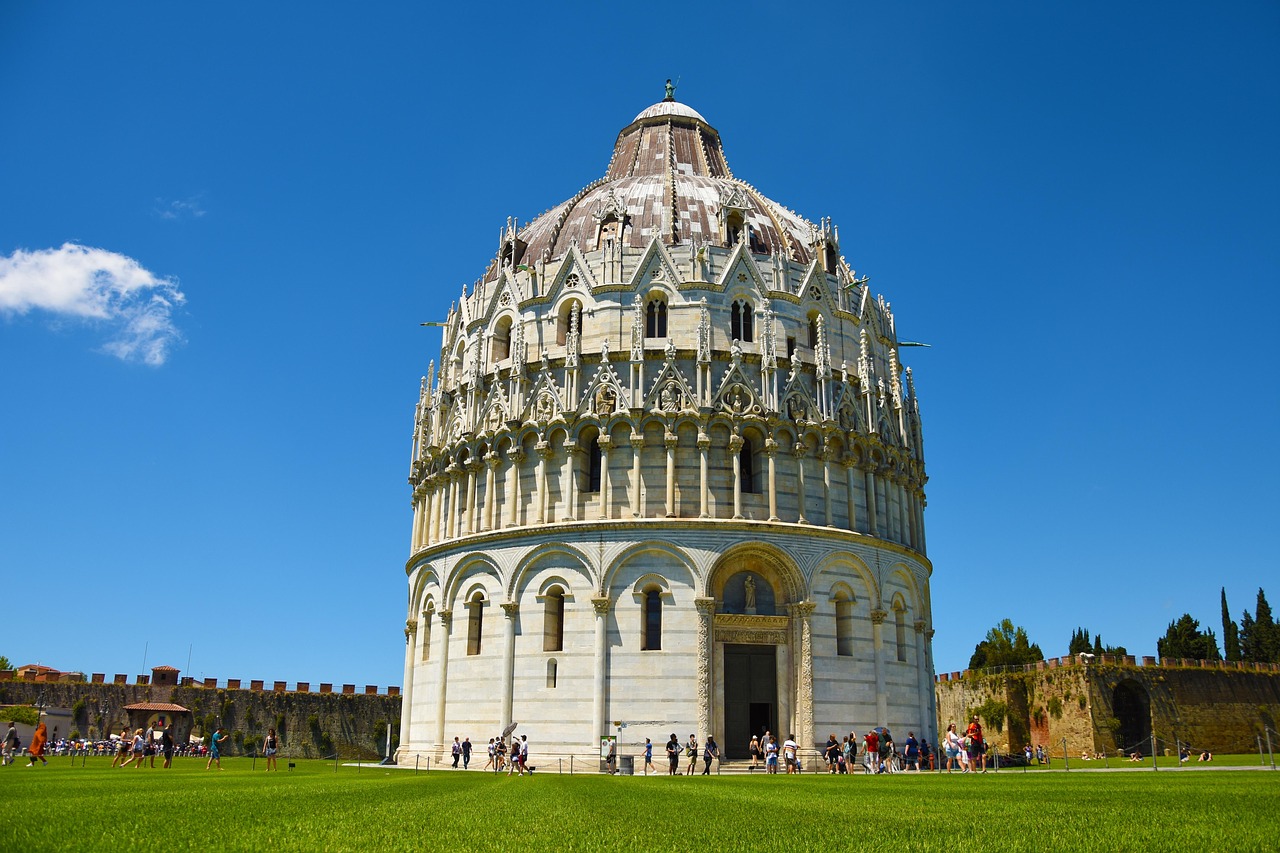
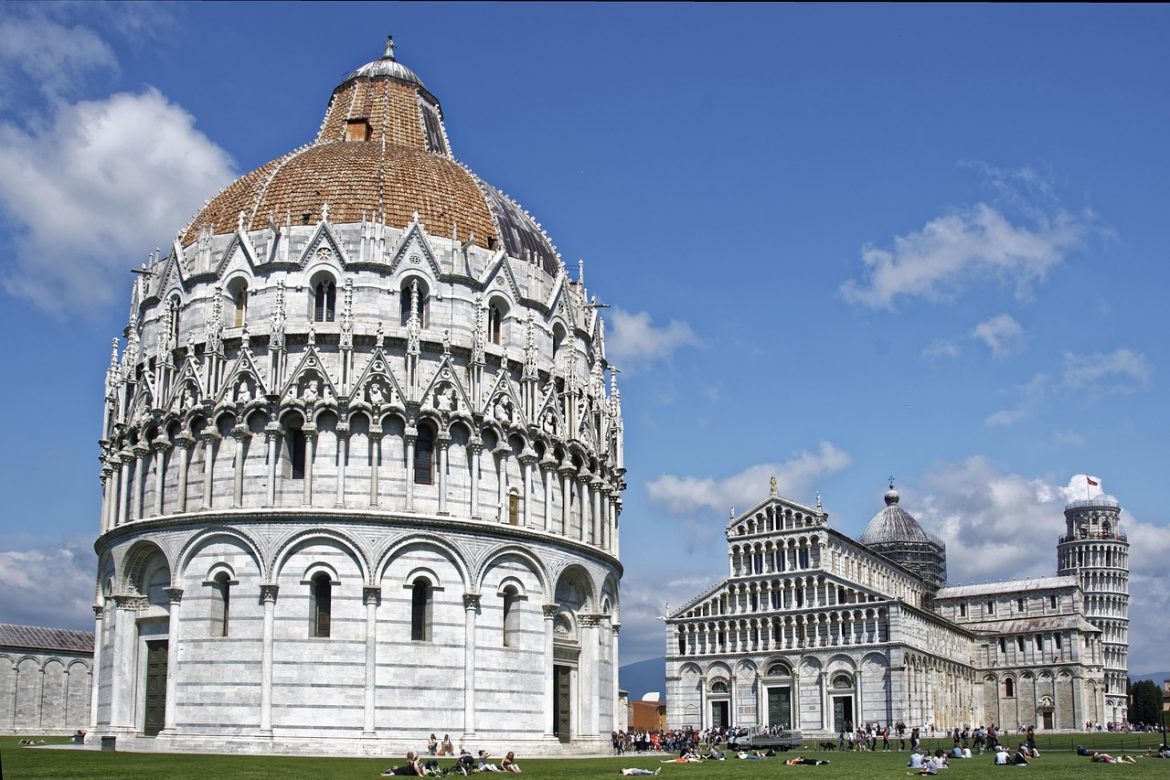
Pisa Cathedral and Baptistery Romanesque Masterpieces in Piazza dei Miracoli
If you’re looking to deepen your experience, a visit to the Pisa Cathedral (Duomo) and the Battistero di San Giovanni offers the kind of beauty that lingers long after you’ve left the square. The Pisa Cathedral is a Romanesque triumph: patterned marble, layered arches, and a façade that feels almost like lace carved in stone. Step inside and the atmosphere changes—cooler air, softened sound, and a reverent stillness that invites you to slow down.
Move through with modest dress and quiet attention. Even in busy seasons, you can create a more personal experience by letting groups pass, choosing a side aisle for contemplation, and focusing on details rather than trying to “cover” everything. The Duomo is not only an architectural marvel; it’s a gentle doorway into the history of Pisa.
Pisa Cathedral details and the art of moving with care
Look for the craftsmanship in the marble surfaces, the rhythm of columns, and the way the light falls across gilded elements. If you’re travelling together, it can be lovely to choose one detail each—an inlay, a pulpit, a particular corner of light—and share why it caught your eye. That small act helps you discover the cathedral as a lived space rather than just a monument.
Where fresco work is visible, keep your distance and avoid flash photography. Fresco viewing etiquette is simple but important: patience, gentle movement, and an awareness that you’re in a living spiritual environment, not a gallery designed for noise.
Battistero di San Giovanni and the 13th-century story
The Battistero di San Giovanni is unforgettable for its acoustics and sculptural richness. If you time it well, you may hear an attendant demonstrate the resonance—notes that lift and hover in the dome, turning a short moment into something quietly transcendent. It’s one of those experiences that feels crafted even though it’s wonderfully simple.
To add cultural insight without overwhelm, notice the pulpit associated with Nicola Pisano and his son—an essential reference point for understanding the shift in style and storytelling in the 13th century. You don’t need to be an art historian to appreciate the human tenderness in the carving; you only need a little time and the confidence to look closely.
Practical notes help keep the visit seamless: opening hours vary by season, and bundled tickets can offer better value and less queueing. For a calmer pace, aim for early entry or later afternoon, and avoid arriving at the same time as large group tours. A quieter interior changes everything—it allows the marble, light, and scale to do their work.
Explore Pisa city centre, Piazza dei Cavalieri, the Arno River, and beyond the tower.
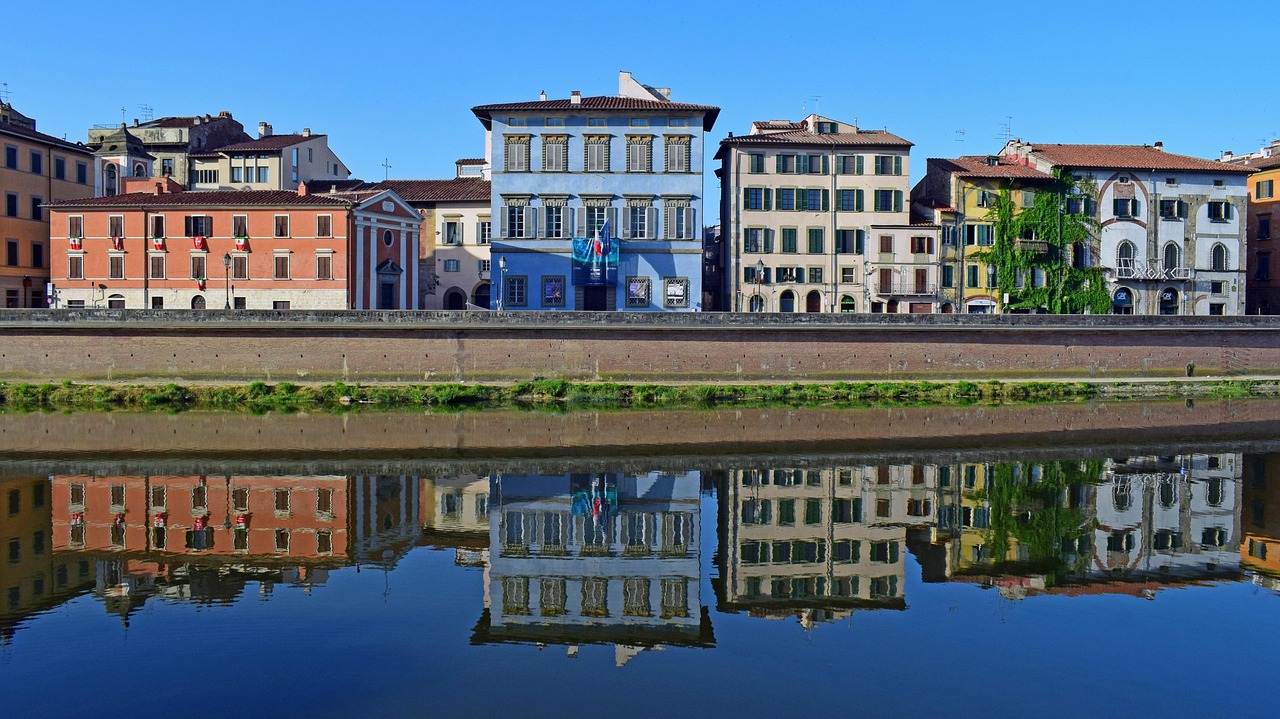
Explore Pisa Beyond the Tower in the City Centre with riverfront views
This is where the city becomes quietly addictive: explore Pisa city centre, Piazza dei Cavalieri, Arno River at a human pace, and you’ll uncover a different kind of luxury—space, texture, and time. Begin at Piazza dei Cavalieri, where the facades feel scholarly and ceremonial at once. The University of Pisa shapes the atmosphere here; the student presence brings a lively intelligence that makes the city feel current rather than preserved.
Notice the palazzo fronts and the square’s careful symmetry, then let your route soften into the shopping streets. This is the heart of Pisa beyond the leaning tower—everyday life, beautifully framed.
Piazza dei Cavalieri, palazzo details and academic charm
In Piazza dei Cavalieri, lift your gaze. The stories are on the surface: sculpted motifs, orderly windows, and the dignified confidence of centuries-old institutions. If you enjoy niche curiosities, you can also look into the Museo di Anatomia Umana (often referenced in English as the museum of human anatomy) for an offbeat, scholarly perspective—one that suits travellers who like their culture layered and specific.
From here, create a walk that feels crafted rather than rushed. It’s easy to over-plan, but Pisa rewards a lighter touch: choose a few anchors, then allow room for local surprises.
Borgo Stretto to along the Arno River for golden light
Head towards Borgo Stretto for boutiques, cafés, and that quintessential sense of Italian ease. This is a lovely place to pause with an espresso and simply watch the choreography of the street. If you’d like a small cultural detour, keep an eye out for Chiesa di San Michele—one of those church doorways that seems to appear quietly, then stays in your mind.
Continue along the Arno River as the afternoon light warms. The banks of the river Arno feel gentler than the Piazza dei Miracoli, with fewer crowds and a more romantic rhythm. Santa Maria della Spina—small, intricate, and striking—makes a perfect stop for photos that feel more personal than the standard tower shot.
For a refined interlude, Palazzo Blu offers exhibitions that change throughout the year; it’s an elegant way to add depth between walking and dinner. And if you want an elevated viewpoint, the walls of Pisa invite a quiet, slightly exclusive feeling above street level—these city walls, sometimes described as medieval or Renaissance, let you see rooftops and church domes with a fresh perspective. Look for signage referencing the Mura di Pisa, and you’ll find an easy-to-follow access point for a gentle circuit.
One couple once told us their favourite memory wasn’t a monument at all: it was a rooftop restaurant moment, dining with the Leaning Tower in view under a Tuscan sunset. The city felt soft and golden, and the evening unfolded with such ease that it became a story they still retell—proof that Pisa’s understated luxury often lives in the pauses.
Best time to visit Pisa, stay in Pisa, travel tips, and nearby day trips.
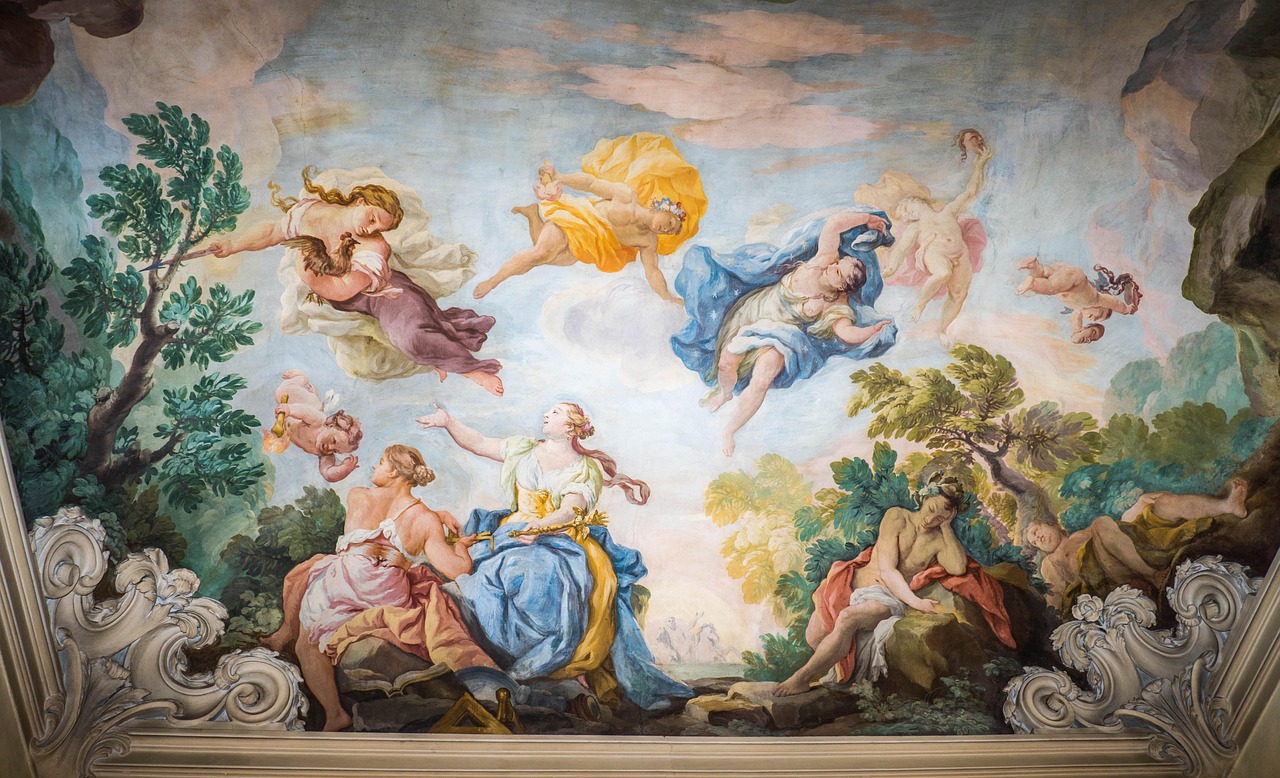
Best Time to Visit Pisa, plus where to stay in Pisa with elegant interiors
For seamless planning, the best time to visit Pisa, stay in Pisa, travel tips, and day trips near Pisa sections are designed to support you with the practical details that make a high-end journey feel effortless. The best time to visit Pisa is spring and early autumn, when the weather is mild, and the light is flattering—warm enough for evening strolls, cool enough for comfortable walking. In these shoulder months, the city feels more spacious, and you can enjoy the main attractions with far less friction.
Summer can be dazzling but busy, while winter offers a quieter mood—ideal if you prefer museums, long lunches, and a slower pace. Whenever you go, comfortable shoes and a simple hydration plan make a surprising difference, especially if your itinerary includes the tower climb and long outdoor walks.
Where to stay in Pisa and choosing the right place to stay
Choosing where to stay is less about chasing “best” and more about matching your style. If you want a heritage atmosphere, a place to stay near the old city gives you access in the evening, once day-trippers have left. For design-led comfort, consider addresses near the river, where you can step out for an aperitivo with ease. If you prefer quieter nights, look for elegant stays near piazza edges, where you’re close to everything without feeling in the centre of the flow.
If your plan includes a late dinner or an early start, staying central keeps the experience seamless—no taxis needed, no timing anxiety. In a compact city like Pisa, that convenience is a genuine luxury.
Getting there, getting around and optional day trips with confidence
Arriving is straightforward. Galileo Galilei Airport is well connected to the centre, and the Pisa Mover makes the transfer simple, even with luggage. The train station is a key advantage for travellers building a wider route through Tuscany; connections to Pisa and Florence are frequent, making it easy to design a flexible itinerary with expert confidence.
Once in town, the city centre is best explored on foot or by bike. Use a taxi when you’re dressed for dinner, carrying shopping, or returning late—small choices that keep the experience comfortable. If you only have half a day, focus on the Piazza dei Miracoli and one relaxed walk into the old streets. With a full day, add the Arno, a museum, and the city walls for a more layered impression.
For day trips, think of them as invitations, not obligations. Florence is the obvious art immersion, and a solo traveller once shared that wandering the Boboli Gardens there felt like a quiet retreat from crowds—proof that even the most famous places can feel serene when you choose the right moment. Livorno offers coastal character and excellent dining, while Marina di Pisa brings a Ligurian Sea breeze and a slower, saltier rhythm that pairs beautifully with a long lunch.
If you’d like to browse itinerary inspiration and see how a crafted route can feel, you can explore our Trip gallery for central Italy journeys designed with care and trust.
- Local customs: a warm “buongiorno” goes a long way, and modest dress is appreciated in sacred spaces.
- Tickets: pre-book timed entry for headline sites to avoid queues and protect your preferred rhythm.
- Comfort: pack light for the day, keep water handy, and design breaks into your walking route.
F.A.Qs: Pisa, Italy Attractions
What is Pisa famous for?
Pisa is famous for the Leaning Tower of Pisa in the Piazza dei Miracoli, one of Italy’s most recognisable landmarks. The same square also holds the cathedral and baptistery, so the experience goes beyond a single photo. Many travellers remember the climb as both thrilling and surprisingly physical, with rewarding views over the city once you reach the top.
Is Pisa, Italy, worth visiting?
Yes—Pisa is worth visiting if you approach it as more than a quick stop. Alongside the famous monuments, you’ll find an elegant city centre, riverside walks, and squares shaped by academic life. With timed tickets and good pacing, Pisa can feel calm and refined, especially in spring or early autumn when the atmosphere is more spacious.
Is 2 days enough for Pisa?
Two days is enough to see the main sights at an unhurried pace and still enjoy quieter moments. Day one can focus on Piazza dei Miracoli, the cathedral interiors, and the climb to the tower. Day two is ideal for exploring the Arno area, Piazza dei Cavalieri, museums, and the city walls—plus lingering over long meals without feeling rushed.
What to do in Pisa for 3 days?
In three days, you can experience Pisa’s highlights and add depth. Spend time in the Piazza dei Miracoli, explore the old streets and boutique areas, and enjoy sunsets along the river. Use the extra day for slow cultural visits and optional nearby escapes, such as a day at the coast in Marina di Pisa or a day trip to Livorno, depending on your mood.
What Stayed With Me After Pisa, Italy: Reflections After the Journey
In the quiet after the day’s movement, Pisa becomes less about landmarks and more about atmosphere. Pisa, Italy, reflections after the journey tend to arrive softly—when the crowds thin and the marble seems to hold the last warmth of the sun. The tilt of the famous leaning tower is still there in memory, but it’s remembered as a feeling in the body: a small, thrilling imbalance, then the steadiness of the city beneath.
What stays with you is often something smaller than any monument. It might be a local shopkeeper’s patience as you choose a gift, the sudden hush inside a chapel, or the glow along the Arno at dusk as the river turns the city into reflections. You begin to trust your own pace, and the trip becomes more personal—less about proof, more about presence.
Pisa has a way of suggesting that travel doesn’t need to be loud to be meaningful. With a little support and thoughtful planning, the experience feels calm, seamless, and quietly generous. And when you leave—whether towards the coast, back to Florence, or deeper into central Italy—you may find that Pisa feels less like a completed checklist and more like a beginning point: a place you’ll carry, and perhaps return to, when you want beauty without hurry.