Post Contents
- Nanjing Road Pedestrian Street, Shanghai, China: First Look + How to Visit by Metro
- Shanghai Nanjing Road East: History, Concession-Era Layers, and Cultural Heritage
- Shopping Street Icons on Nanjing Road: No.1 Department Store to Luxury Brands
- Local Street Food and Hidden Alleys Near Nanjing Pedestrian Street
- Bund in the East: Night Walk from East Nanjing Road to the Huangpu River
- F.A.Qs: Nanjing Road, Shanghai, China
- What Stayed With Me After Nanjing Road in Shanghai, China
Nanjing Road Pedestrian Street, Shanghai, China: First Look + How to Visit by Metro
If you’re planning to explore nanjing road shanghai china, start with a clear picture of this street in shanghai: Nanjing Road East runs through the Huangpu district from People’s Square toward the waterfront, and it’s widely described as the busiest retail stretch in the city. Even so, the experience can feel surprisingly easy when you treat it as a flexible walk instead of a checklist. Come curious, move at your own pace, and remember you can step into quieter side streets whenever you want a breather.
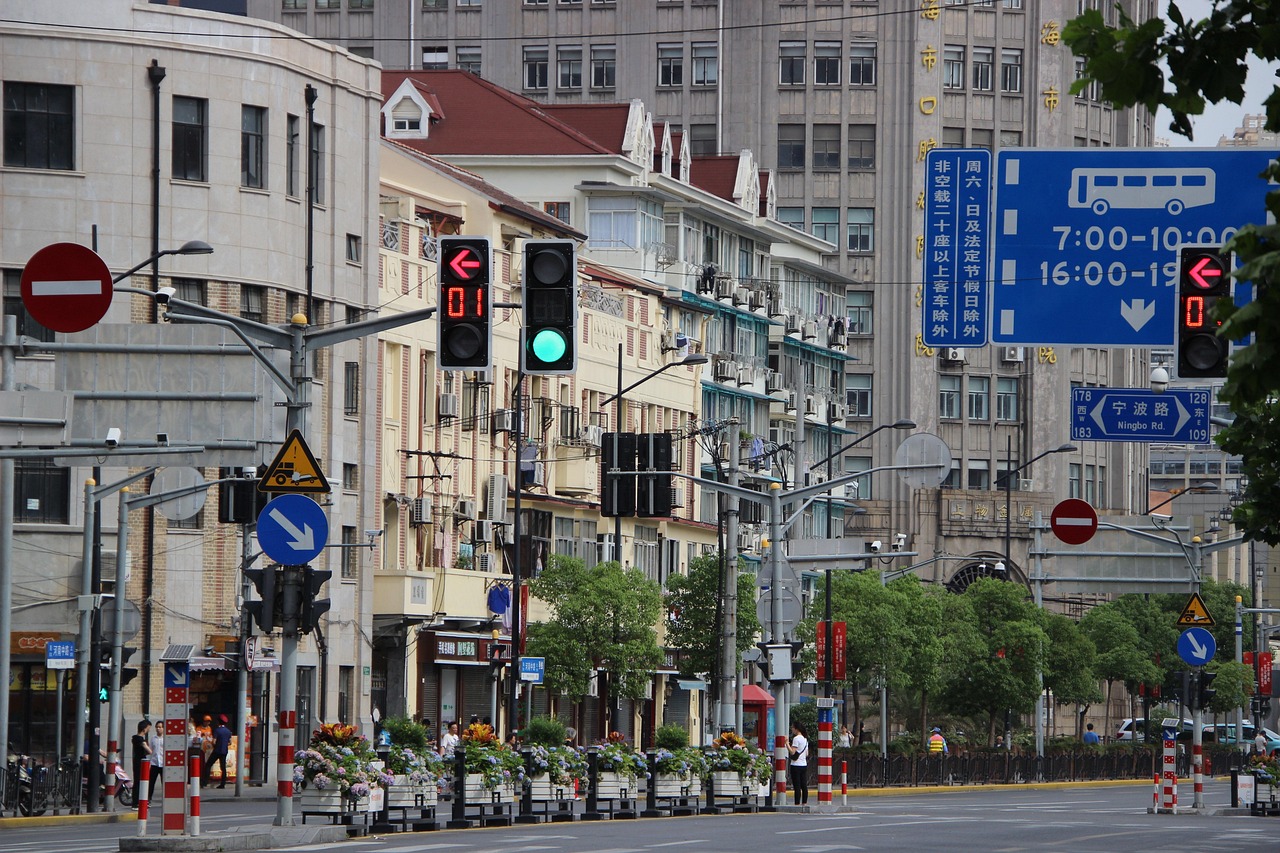
Nanjing Road in Shanghai: A Pedestrian Street First Look at the pedestrian street
Getting your bearings on the car-free stretch of Nanjing Road
The best place to start is the pedestrianised core: wide paving, clear signs, and a steady flow of people that naturally guides you forward. Notice the open plaza-style pockets where you can pause, reorient, and choose between browsing department stores or simply taking in the atmosphere. The early landmark moments matter—heritage shopfronts, bright billboards, and a pedestrian-friendly walkway that encourages you to slow down, even as Shanghai moves fast.
For high-end travellers, the trick is to treat Nanjing Road as an urban attraction rather than a marathon. Explore one side of the main street, cross over, then do the other—small “chapters” that keep it enjoyable. When you want a quieter beat, duck into a side lane or a small alley for a few minutes, then return to the buzz when you’re ready.
Metro arrivals, key stations, and calm crowd habits
Arriving by metro is simple. East Nanjing Road Station (sometimes listed as Nanjing East Road Station) is the most convenient access point, and People’s Square Station is a nearby hub—often called the Square Metro Station by travellers—if you’re coming from museums or parks. To keep things straightforward, you can take metro line 2 from major interchanges across Shanghai, or take metro line 1 if you’re travelling north–south through the centre. If you prefer above-ground, some visitors also hop on bus 10 to Nanjing East Road for a scenic arrival.
Inside the road station concourse and on the street, keep belongings close and practise unhurried, respectful queuing—Shanghai rewards calm. A solo tourist once told me they felt genuinely supported here: lively, yes, but welcoming, with visible staff and bright evening lighting that helped them trust their pace. Comfortable shoes are your quiet luxury, and a small crossbody bag worn to the front is practical care without fuss.
- Best time to visit: spring or autumn for comfortable weather and fewer crowds.
- Weekend strategy: arrive earlier, then pause in a café when the car-free zone gets busy.
- Street etiquette: keep right, queue patiently, and let the experience unfold.


Shanghai Nanjing Road East: History, Concession-Era Layers, and Cultural Heritage
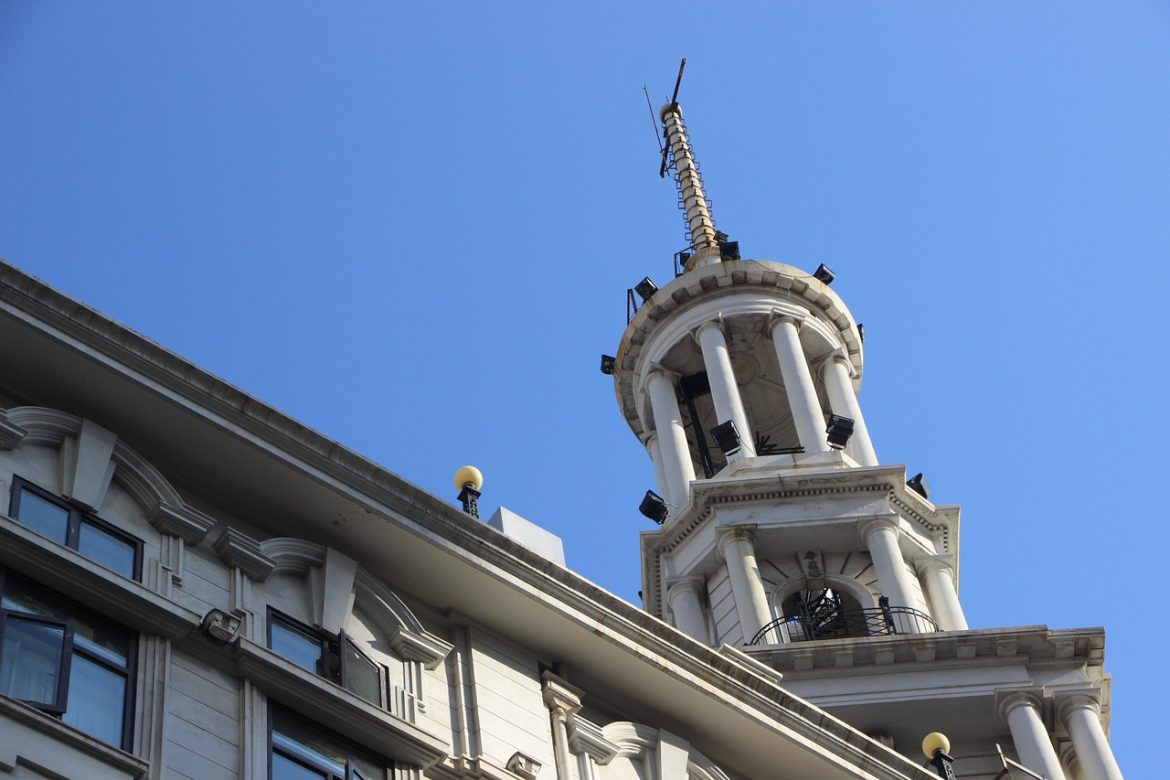
To understand the story of Nanjing Road East, you only need to look up as you walk. This section of Nanjing reveals how the street expanded during the concession era, gradually becoming a symbol of commercial ambition in Shanghai. The history isn’t locked in a textbook; it’s written into storefront proportions, older cornices, and the way modern lightboxes sit beside earlier lines—living cultural heritage you can read as you go.
Shanghai Nanjing Road East History and Cultural Heritage with classic façades near East Nanjing Road
Architectural clues to spot while walking East Nanjing Road
Turn it into a small game: spot an older façade, then find the contemporary detail beside it. You’ll notice how signage, window rhythm, and building height shift as you move down Nanjing Road East, and how the street keeps reinventing itself without losing its backbone. Pause for a minute, imagine who walked here a century ago, then watch today’s shoppers stream past—it’s one of the simplest ways to feel the city’s continuity.
If you want a deeper layer without losing spontaneity, consider pairing it with a Shanghai tour day—self-guided with a plan, or a private tour that adds context while leaving room for your own discoveries. For inspiration as you map your route, you can browse our Trip gallery and picture how Shanghai Nanjing Road fits into a bigger itinerary.
Nearby attractions around People’s Square for a balanced day
Just off this commercial street, People’s Square adds cultural weight to your day and rounds out the shopping with real nearby attractions. Shanghai Museum is a rewarding stop when you want quiet focus, and the urban planning exhibition offers insight into how the city’s future-facing design was imagined and revised over time. The contrast makes the day feel richer—less like “shopping”, more like an evolving portrait of Shanghai.
Travellers often remember the exact moment the neon signs switch on; even if you’re not buying a thing, it can feel like Shanghai is inviting you into its modern myth—dynamic, bright, and oddly personal in the middle of it all.
Shopping Street Icons on Nanjing Road: No.1 Department Store to Luxury Brands
The appeal of this shopping street is that you can browse in layers—from heritage retail to glossy flagships—without pressure to overspend. Nanjing Road is famous for icons like No. 1 Department Store, as well as other classic department stores that still feel like part of daily life in Shanghai. Treat it as an experience: step in for the architecture and atmosphere, then step back out when you’re ready to continue.
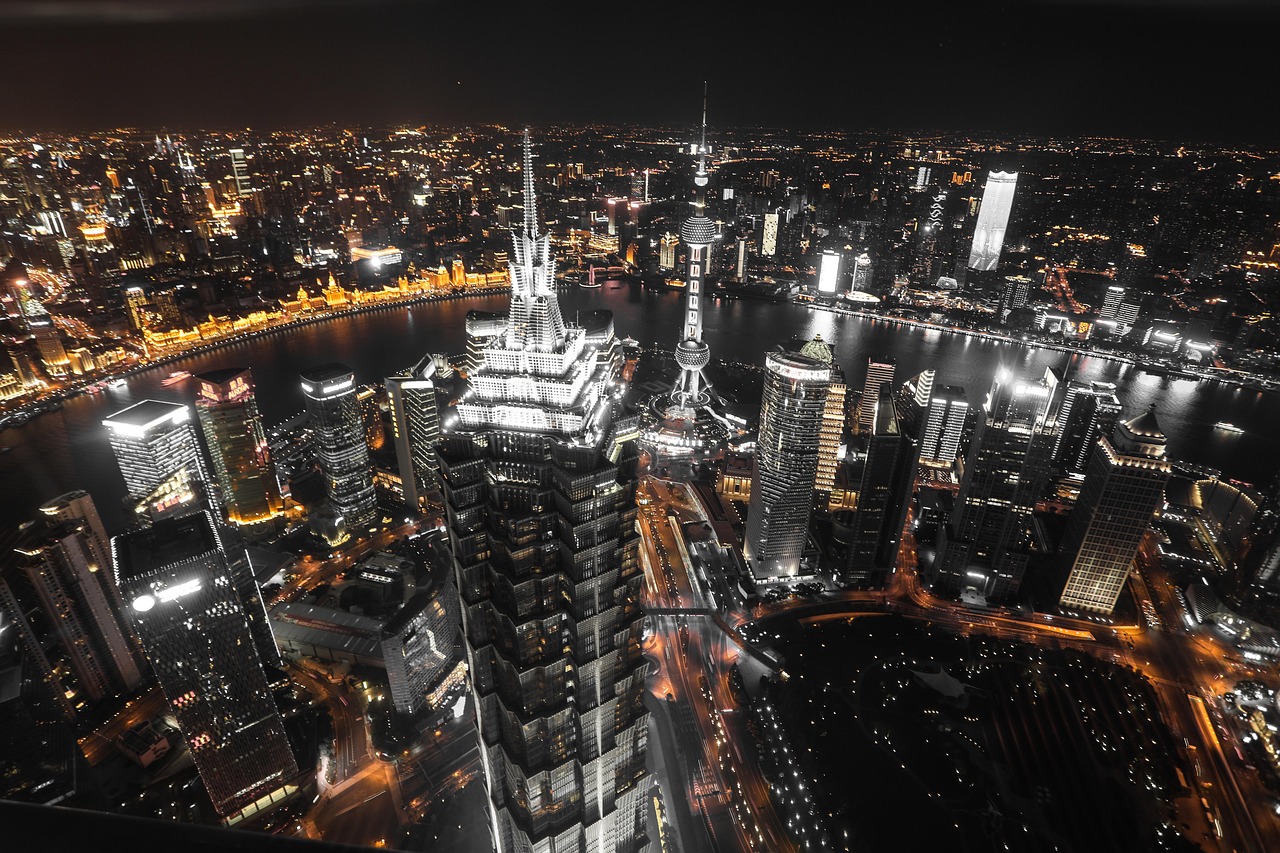
Shopping Street Icons From Shanghai No 1 Department Store to Luxury Brands at night on Nanjing Road
Specialty stores, international brands, and flagship shopping with confidence
Along Nanjing Road, you’ll find speciality stores that are ideal for design-led gifts, plus international brands in clean, air-conditioned comfort. For high-end travellers, it helps to decide your “yes” categories in advance—perhaps one crafted accessory, one piece of local design—so you can explore freely and still feel in control. If you’re seeking flagship stores, look for the bigger corner addresses and large-window spaces where a single flagship launch can feel like retail theatre.
A tourist once told me their favourite purchase wasn’t expensive at all: it was a small souvenir found after a warm chat with a vendor who helped them compare options without rushing. That human connection—smiles, patience, and trust—can be the real luxury.
Nanjing West Road (Nanjing Xi Lu): upscale malls, high-end brands, and Jing’an Temple
When you’re ready to shift gears, Nanjing West Road takes you into a more upscale zone with shopping malls and a contemporary retail culture. Locals often call it Nanjing Xi Lu, and it’s where modern shopping becomes an attraction in its own right—sleek interiors, curated displays, and high-end brands presented almost like art. If you want to cool off between stops, step into a single mall for a quick reset, then continue toward the area around Yan’an Road for more storefronts and cafés. Nearby, Jing’an Temple (also written as Jing’an Temple) adds a calm, golden counterpoint if you want a cultural pause among the luxury brands.
Keep an eye out for street performers too; they’re part of what makes Shanghai feel alive after dark. If a song stops you in your tracks, a small tip is an easy way to support the moment.
- Polite bargaining mini-guide: smile, ask the price, counter once or twice, and accept “no” gracefully.
- Best places to negotiate: smaller stalls and informal counters, not fixed-price department stores.
- Comfort cue: if you feel pressured, step away—your confidence is your best companion.
Local Street Food and Hidden Alleys Near Nanjing Pedestrian Street
If you’re craving street food near the bright shopping strip, you’re in the right place—but the best bites often sit just off the main flow. The Nanjing pedestrian area is easy to walk, yet the most local flavours tend to appear in a nearby alley where the pace drops and the menus feel less performative. Think of it as an evening you can design with care: a few tastings, plenty of water, and a gentle pace that keeps it fun and comfortable for any tourist, even on a first visit.
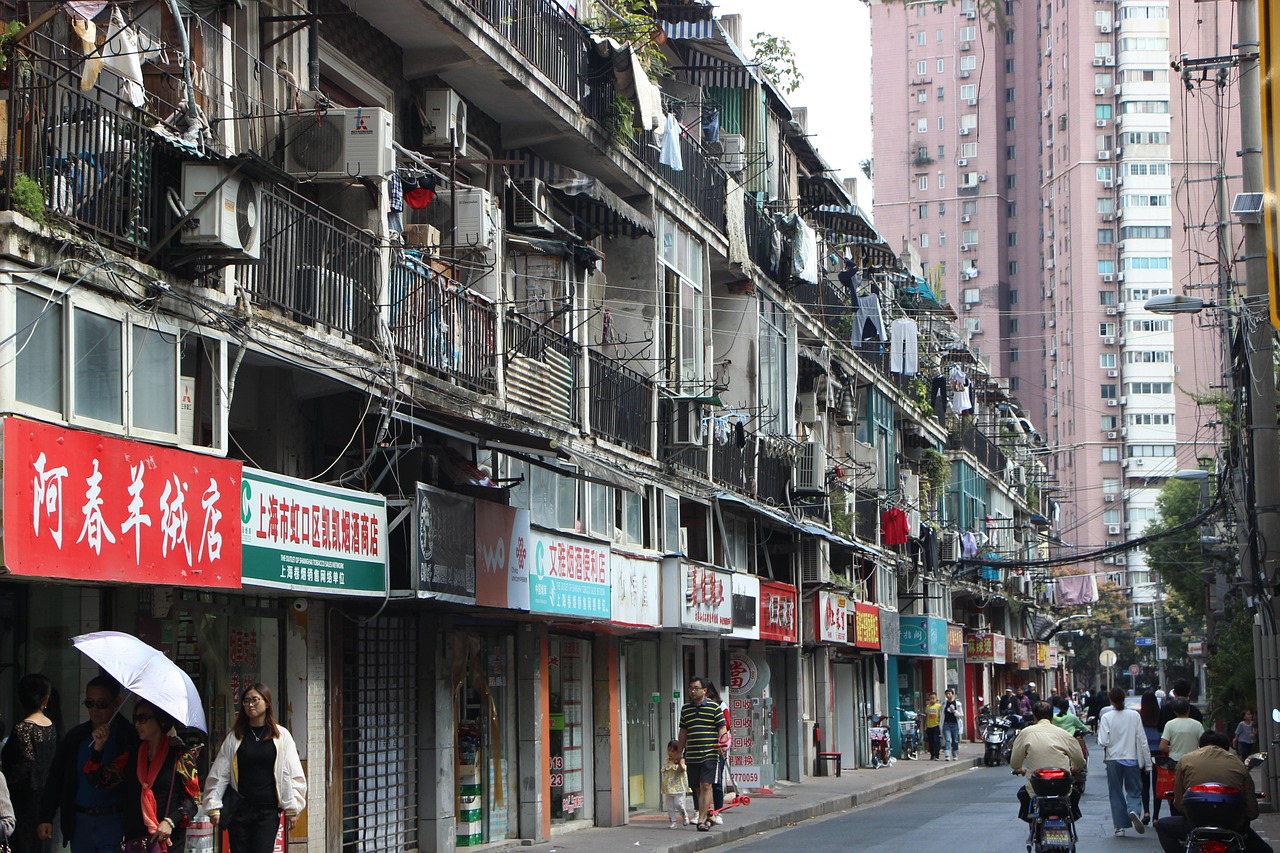
Local Street Food and Hidden Alleys Near Nanjing Pedestrian Street with side lanes off the bright shopping strip
How to choose local snacks and street food without anxiety
Start with what you can see being cooked fresh, and favour stalls with a steady turnover. If spice levels are uncertain, ask for “less chilli” and build up—Shanghai flavours can be delicate, but some snacks arrive with a playful kick. For many travellers, this is where the city becomes personal: you’re not just watching, you’re tasting your way into its rhythm.
A group of Adventure Seekers once described heading out after hours with a local guide who gently helped them uncover hidden gems away from typical tourist spots. It wasn’t about bragging rights; it was about trust—learning which stall to try first, which eatery felt safest, and how to order with a smile even when you don’t share a language.
Budget notes and health cues near Nanjing pedestrian street
There’s no entrance fee to the street itself, and snacks are usually affordable, though it’s wise to allow for a few small splurges if something looks irresistible. Keep tissues and hand sanitiser handy, and don’t feel obliged to try everything at once; pacing is part of smart travel care in Shanghai.
- Choose well: hot food cooked to order is generally a safer bet than lukewarm trays.
- Skip a stall if: the oil looks overly dark, surfaces seem unclean, or you feel uncertain.
- Stomach support: eat smaller portions, balance sweet and savoury, and take a breather between tastings.
One quiet secret: if you want the street to feel more local, step away from the brightest signage for ten minutes, then return when you’re ready. That small choice can create a calmer, more rewarding evening.
Bund in the East: Night Walk from East Nanjing Road to the Huangpu River
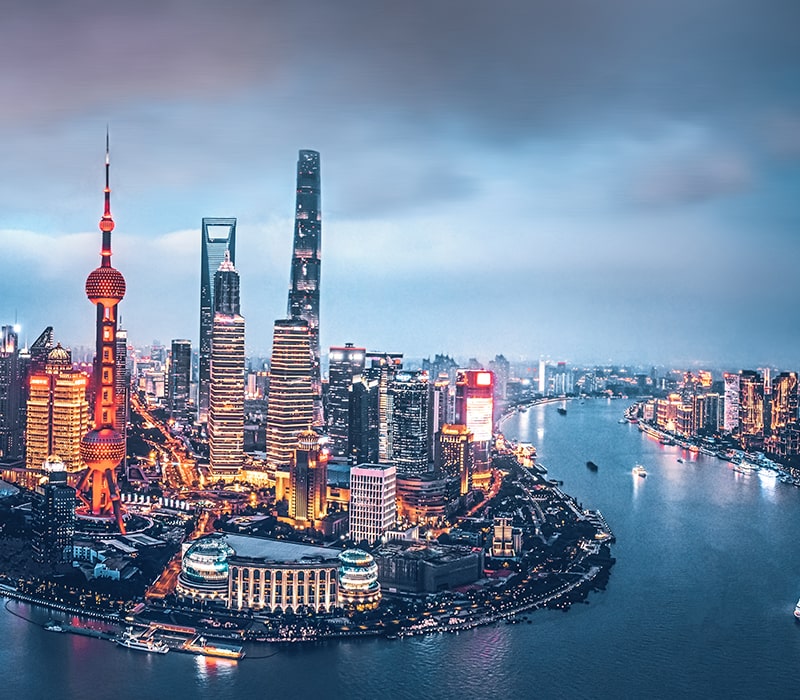
The most seamless evening plan is to start at dusk on East Nanjing Road, then let the lights pull you toward the water. This is where neon lights feel like a curtain rising—then, gradually, the city opens into air and space beside the Huangpu River. It’s a must-see way to experience Shanghai after shopping, without needing a car or a complicated itinerary.
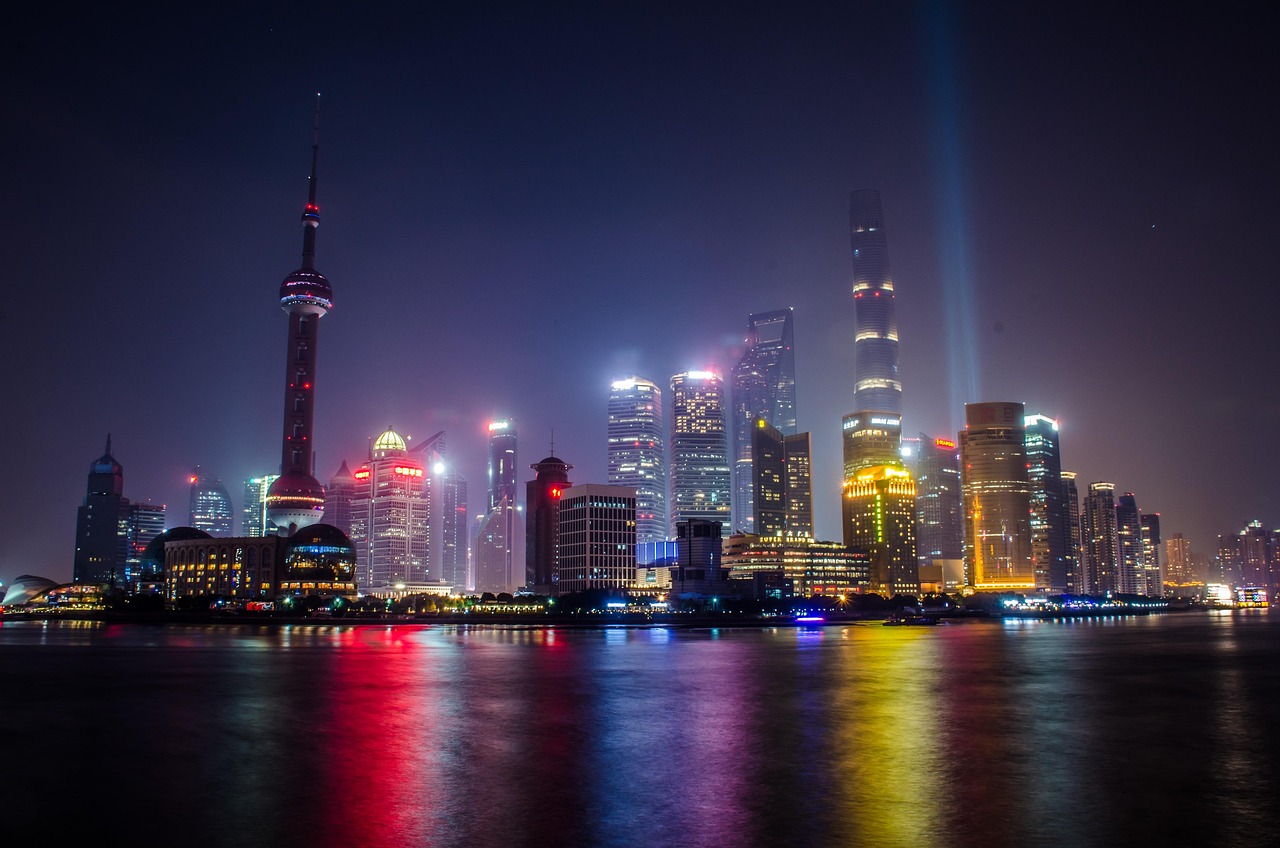
Bund in the East, The Night Walk After Nanjing Road with Shanghai skyline views
From bright signs to river views on the historic Bund
Begin while the atmosphere is lively, then head toward the eastern end where the crowds subtly thin. The mood shift is real: the Bund in the east feels like Shanghai taking a breath, with the historic Bund architecture behind you and open river views ahead. Pause for the skyline—it’s a classic “old meets new” moment that rarely disappoints, even if you’ve seen the photos before.
You don’t need over-instruction here—just notice the details. A lamppost line, the echo of footsteps, the way light reflects on the water: these small moments make the walk feel crafted, even if you planned it in five minutes.
Night comfort tips for the walk from Nanjing Road to the Bund
Practical night comfort matters: keep valuables secure, choose well-lit routes, and trust your instincts. The area is generally safe, helping first-time visitors feel confident while staying alert in big, busy Shanghai.
A family once reflected that Nanjing Road helped them understand the city’s blend of heritage and modern vibrancy. The grandparents noticed older storefront styles; the teenagers talked about light, fashion, and speed. On the Bund, they all found the same quiet feeling—space to look, and time to connect.
F.A.Qs: Nanjing Road, Shanghai, China
Why is Nanjing Road famous?
Nanjing Road is famous as Shanghai’s flagship shopping corridor, blending historic department stores with modern retail, bright signage, and a lively pedestrian zone. It’s also a cultural snapshot of the city’s commercial rise, with heritage façades alongside contemporary storefronts and easy access to sights such as People’s Square and the Bund.
Why is Shanghai called the Demon City?
Shanghai is sometimes nicknamed the “Demon city” (often linked to the Japanese term “Makai Toshi”) because of its intense, fast-changing energy and dramatic skyline—especially at night. The name reflects fascination and power rather than literal danger, and most visitors experience the city as vibrant, welcoming, and well-policed in major areas.
How long to spend at Nanjing Road?
Allow 2–3 hours for a relaxed first visit if you want to browse, people-watch, and sample a snack or two. If you’d like to include department stores, side streets, and an unhurried walk onward to the Bund, 4–5 hours feels comfortable—especially in the evening when the lights and atmosphere peak.
Why is Nanjing so famous?
Nanjing is famous for its long history as a former capital of China and for major cultural and historical sites linked to imperial eras and modern events. Visitors are drawn to its city walls, museums, and riverside scenery, as well as its role in shaping Chinese history across different dynasties and periods.
What Stayed With Me After Nanjing Road in Shanghai, China
When I think back to Nanjing Road, what returns first is not a purchase or a photo. It’s the steady hum of the crowd—and the calm confidence that arrived when I realised I could move at my own pace. Shanghai can be immense, but it also offers small forms of support: clear crossings, a shared laugh at a snack stall, and strangers making space without being asked.
In quieter moments, I remember how the street invited me to look twice. A shop window that held an older pattern. A doorway that suggested another era. The city’s motion didn’t erase its past; it carried it lightly, as if reminding you that change can be beautiful when it’s handled with care.
The glow of neon and the open air by the river became symbols rather than checklists—possibility, movement, and belonging in a place that never pretends to stand still. I left wanting more time for side streets, and a longer evening stroll that let the city reveal itself in small, unhurried scenes.
And perhaps that’s what stays: the sense that Shanghai doesn’t ask you to finish it, only to return when you’re ready to notice something new.