Post Contents
- Chinese food map of China: where to start exploring Chinese cuisine across provinces and bamboo.
- Chengdu Sichuan cuisine street food hotpot noodle guide China with Sichuan and steam
- Xi’an night market hand-pulled noodle tofu food in China with mein and black vinegar
- Beijing Peking Duck is a popular high-end Chinese dish served in China, often with sweet and sour sauce.
- Shanghai night market tour features Chinese dishes like dim sum, baozi, and wonton.
- Hangzhou Longjing tea ceremony, Chinese culture, travel, China, steam, traditional Chinese medicine.
- Dumpling making workshop in northern China with local families using dough and wheat.
- Visit China food tour: plan transport, safety, costs, enjoy noodles and broth.
- F.A.Qs: Foods in China: Planning and Dietary Questions
- After China, reflections on Chinese food memories at the table.
Chinese food map of China: where to start exploring Chinese cuisine across provinces and bamboo.
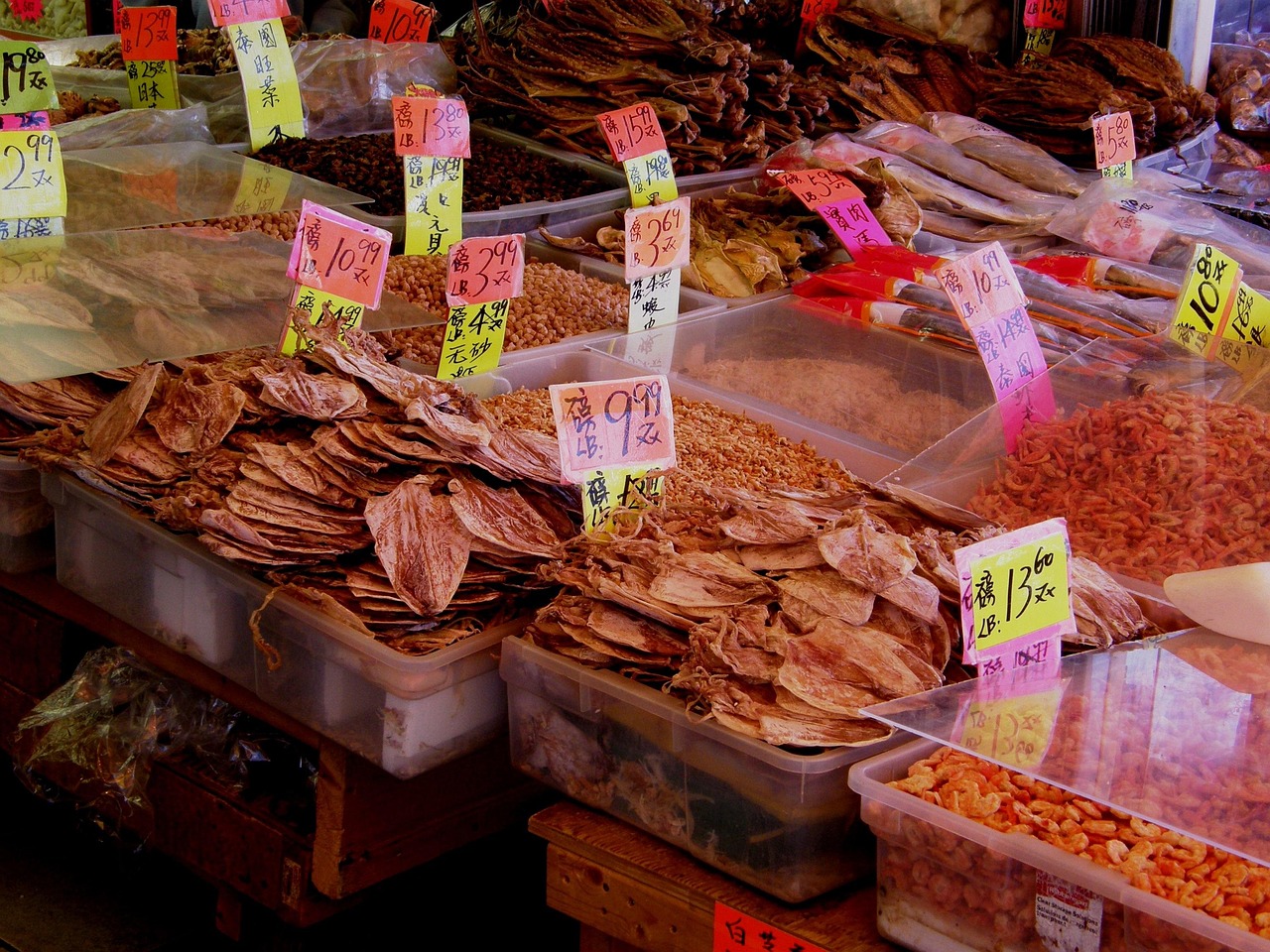
Chinese food map of China. Where to begin, setting your first culinary route across China
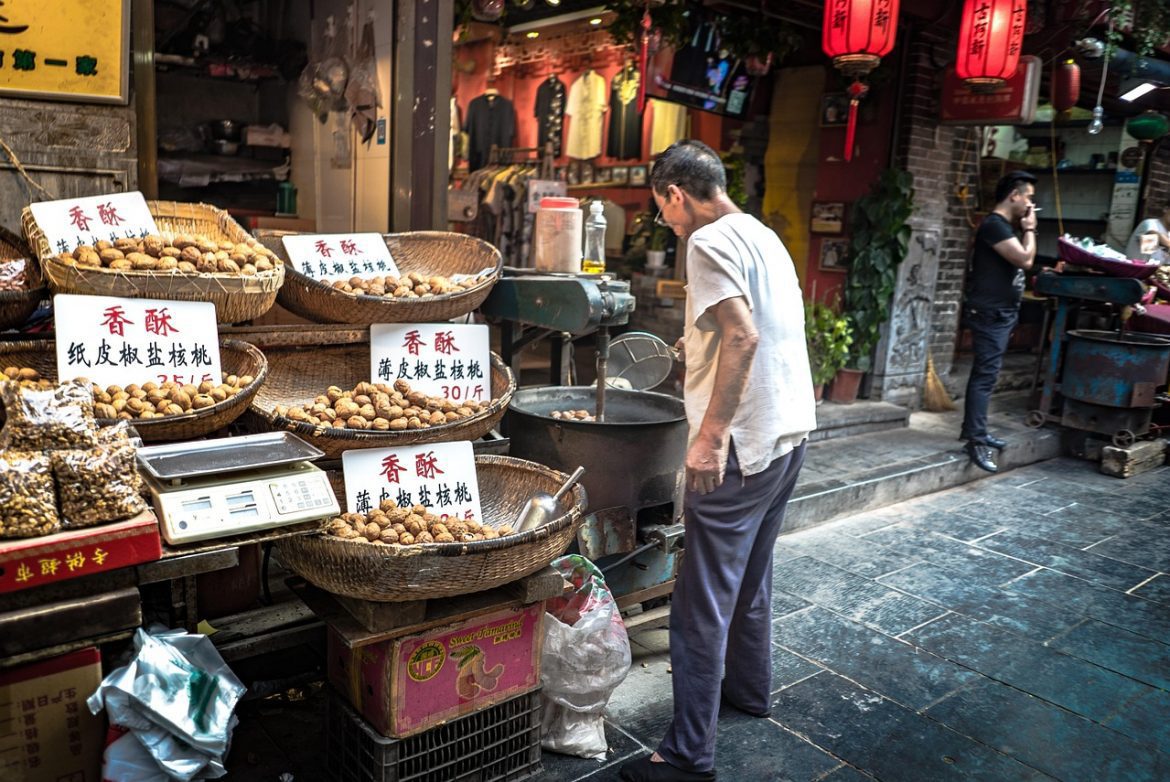
When travellers ask where to start, I often begin with the simplest, most calming frame: Chinese food and Chinese cuisine across China provinces isn’t one menu—it’s many, shaped by climate, history, and pantry. Once you see the logic, you stop feeling overwhelmed and start to uncover patterns you can trust, even when the characters on a sign are unfamiliar.
China’s long history of trade and migration means each province has developed its signature comforts. In the north, wheat becomes noodles and dumplings; in the south, rice culture thrives; along coasts, seafood and lighter aromatics appear; inland, preservation and spice feel more pronounced. This is why a single week can taste dramatically different from city to city.
Bamboo steam and the building blocks of authentic Chinese flavour
Across China, you’ll keep meeting a few building blocks—helpful anchors for high-end travellers who like to order with confidence. Look for stacks of bamboo baskets: they signal steam, freshness, and quick turnover. Notice how soy sauce can be light and aromatic rather than heavy, and how black vinegar brings brightness to rich dishes.
Just as common are broth-based comfort bowls. A clear broth can be the reset button between bolder courses, and it’s an easy “yes” for families who want something reassuring while still feeling local.
How to design your route for favourite bites and rest
What makes something feel traditional Chinese isn’t just a recipe; it’s context—technique, balance, and the care with which food arrives at the table. Major cities may present a traditional dish with modern plating, yet the core remains recognisable when flavours stay honest. That’s the sweet spot for luxury travel: comfort plus craft.
To design your culinary route, think in layers: one “market night” for spontaneity, one “crafted reservation” for a seamless celebration, and one quieter cultural ritual (like tea). Couples can imagine a nightly stroll and one special booking; families can create a shared tasting plan with predictable breaks and early evenings when needed.


Chengdu Sichuan cuisine street food hotpot noodle guide China with Sichuan and steam
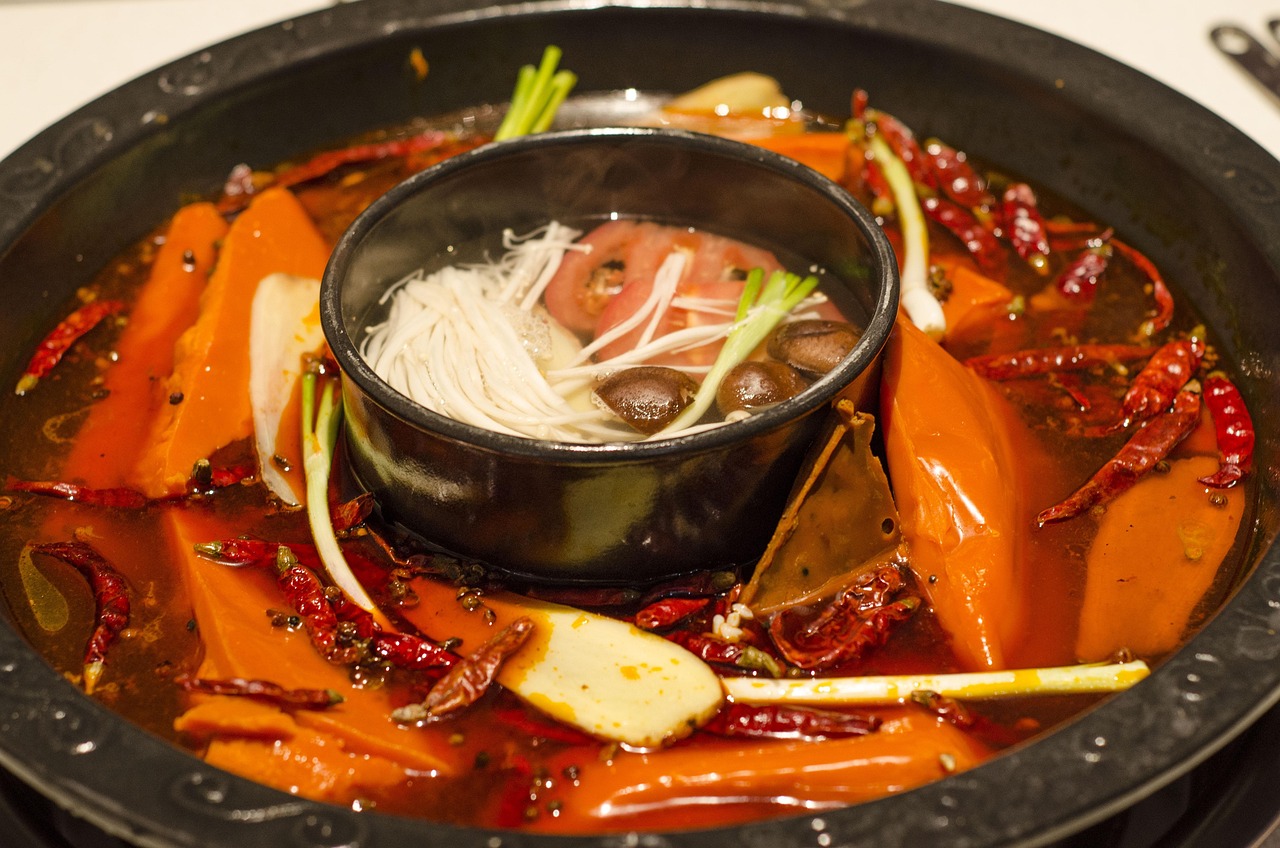
Chengdu Sichuan cuisine hotpot and noodle heat, lantern-lit streets and evening bites
For travellers who want flavour with heart, few places compare to Chengdu Sichuan cuisine street-food hotpot noodle guide in China. Chengdu is where curiosity turns into appetite: you can explore alleyways, follow aromas, and still feel supported by the city’s easy rhythm.
Street stall confidence and fresh steam cues
Start with a simple street-level rule: choose a busy street stall with visible steam. Watch for fast hands, clean surfaces, and ingredients being topped up. If you’re spice-sensitive, begin mild and build—Chengdu rewards pacing.
Ordering is easier than it looks: point, smile, and ask for “bú tài là” (not too spicy) if you can. A translation app helps, but so does trusting your senses—freshness is often obvious when the steamer lifts and everything smells bright.
Sichuan cuisine hotpot and a couple’s personal moment
A couple once told me their most magical moment in China happened in a cosy Chengdu eatery, leaning close over bubbling hotpot. They didn’t handle heat well, yet the staff offered a split pot—one side gentler, one side fearless—so they could taste together without anxiety. In that simple act of care, they found trust at the table.
True Sichuan cuisine isn’t just “hot”; it’s layered, with numbing peppercorns, fermented notes, and a fragrance that feels oddly comforting. Add a light broth base for reassurance, then create your own dipping sauce with sesame, garlic, and a touch of soybean paste.
A noodle dish with miàn, beans, chilli, and cucumber brightness
Don’t leave without a bowl built around miàn—that springy chew that makes every bite satisfying. Look for a spicy noodle dish dressed in a glossy spicy sauce with beans and chilli, then finished with cucumber for lift. It’s bold, yet balanced.
Spice ladder for confidence: start with “little spicy”, then “medium”, and only then go full Chengdu. Adventure seekers can uncover deeper heat; families can order one mild bowl and one spicier bowl, then share and adjust together.
Xi’an night market hand-pulled noodle tofu food in China with mein and black vinegar
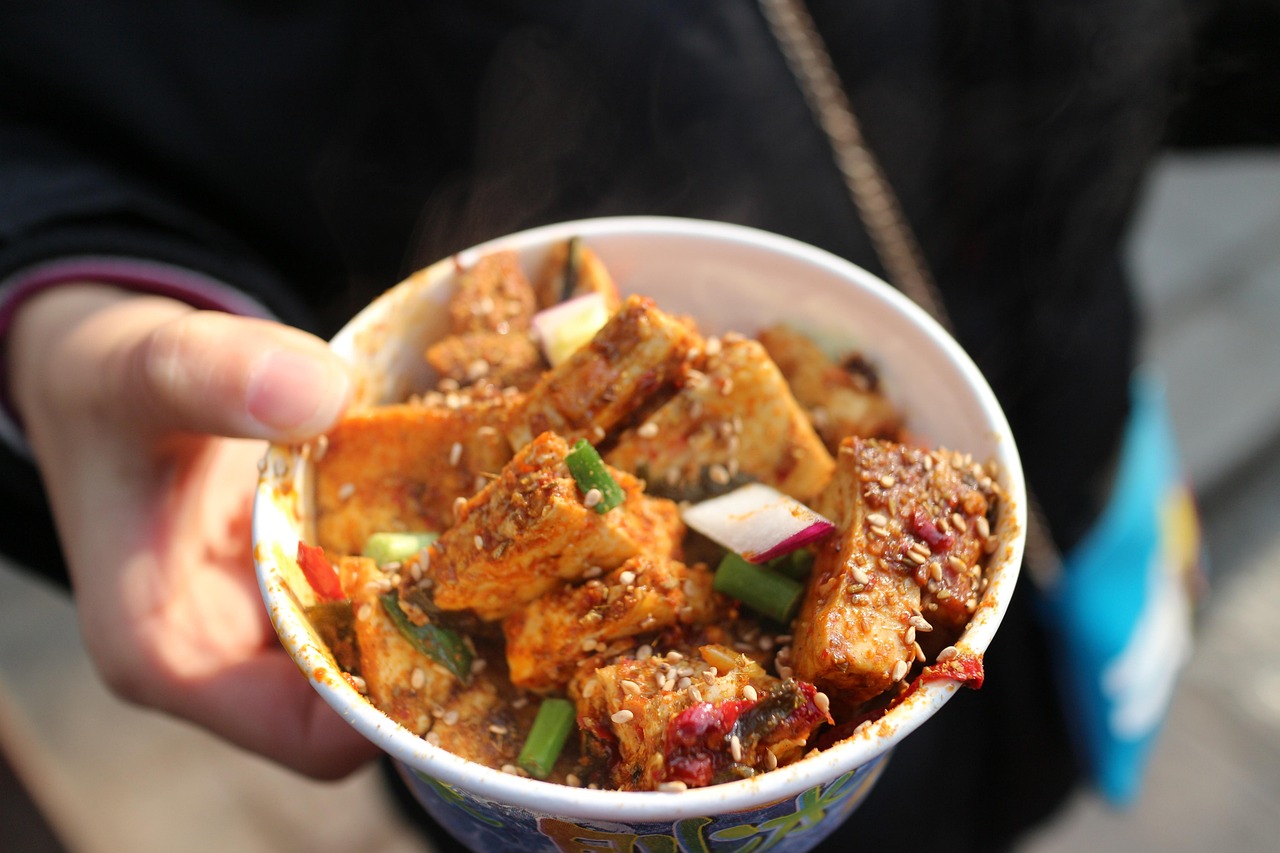
Xi’an night markets hand-pulled noodle and tofu bravery, glowing stalls and lively queues
After dark, Xi’an night market hand-pulled noodle tofu food in China becomes a sensory theatre of sizzling pans, queues, and quick decisions. This is the Chinese market energy many travellers imagine—loud, fragrant, and surprisingly organised once you find your rhythm.
The golden rule is to follow the crowd, but not blindly: pick stalls where food is cooked to order, where you can see the flame and the ladle, and where turnover is fast. If you’re travelling with children, arrive a little earlier so the Chinese street scene feels exciting rather than exhausting.
Thick wheat noodles, mein variations, and finishing touches
Xi’an is a north-western celebration of wheat. Try thick wheat noodles served in aromatic oil with chilli, or a hearty mian/mein-style bowl with spices that feel warm rather than aggressive. Many versions come with pork or beef, and you’ll often see minced pork scattered through a richer sauce.
The smallest details matter: a splash of black vinegar can sharpen the whole bowl, while sliced scallions add a clean green bite. Take a moment to smell before you stir—aroma is half the pleasure.
Tofu bravery and a family story that turned into laughter
An adventurous family I met here dared each other to try tofu that announced itself before it arrived. The ferment aroma was intense, and there was hesitation—then one bite, then another, and suddenly the night became a shared joke and a proud little triumph. Food is rarely just food; it’s a story you carry home.
For peace of mind, stick to bottled water (avoid tap water) and choose items pulled straight from the pan. If you need a softer landing after something bold, a simple soup broth and plain noodles can bring you back to centre gently.
Beijing Peking Duck is a popular high-end Chinese dish served in China, often with sweet and sour sauce.
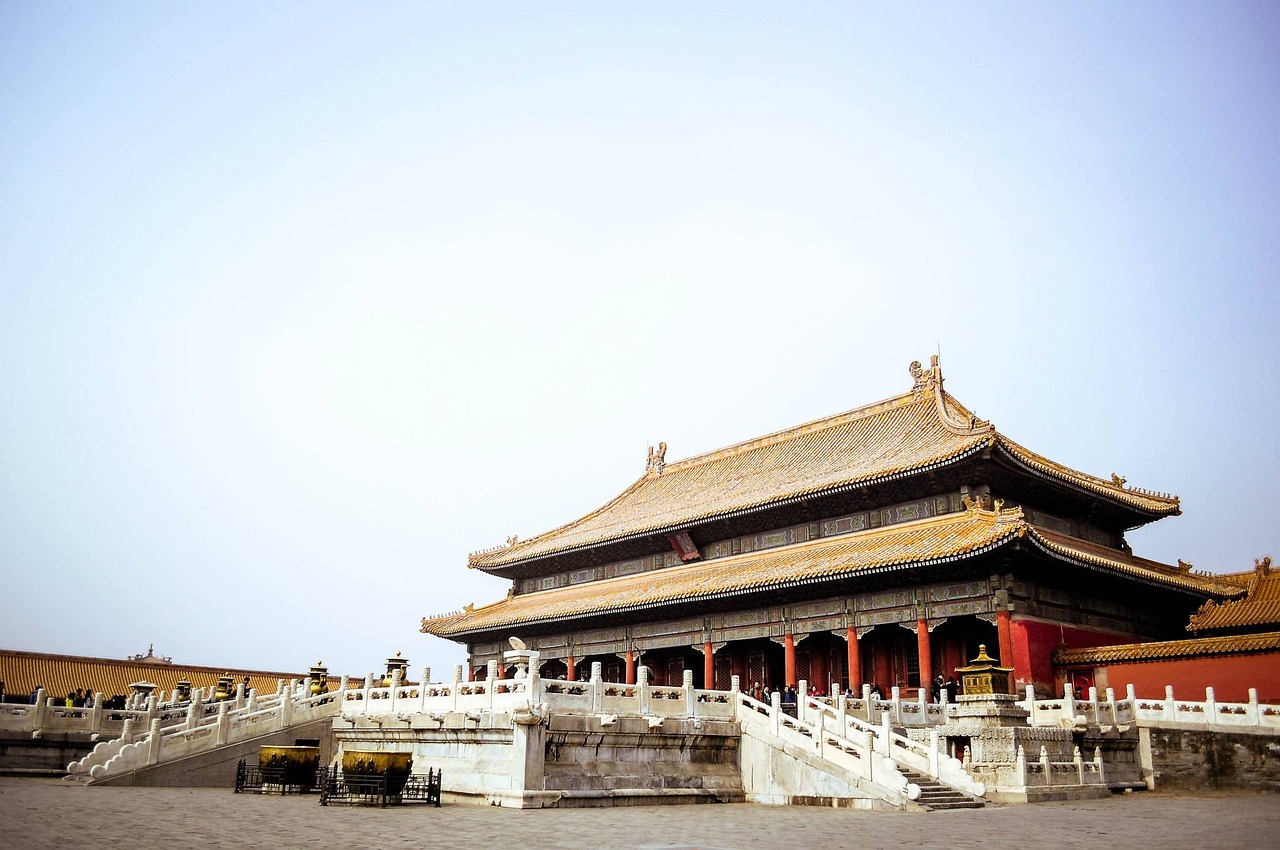
Beijing Peking Duck and popular Chinese restaurant rituals, tableside carving in a refined dining room
In Beijing, few experiences feel as celebratory as Beijing Peking Duck, a popular Chinese dish, and high-end dining in China. It’s one of the popular dishes in China, not just for flavour but for ritual: the carving, the presentation, and the shared delight when that first piece of skin crackles.
Peking duck theatre and authentic Chinese technique
At renowned dining rooms, Peking duck arrives with crisp skin, tender meat, and thin pancakes. You’ll add cucumber and spring onion, and choose your sauce—sometimes hoisin, sometimes a glossy, sweet-and-sour option that leans playful. Done well, it tastes unmistakably authentic chinese, even when the room is modern and the service is meticulously crafted.
For high-end travellers, it’s worth asking how the duck is roasted and how many courses are included. Some restaurants use the remaining carcass to make a light broth or a stir-fry, turning one dish into a complete experience.
Cost, booking, and popular Chinese dining customs
Expect a high-end Peking Duck meal to cost roughly $40–$100 per person, depending on the restaurant and what you order alongside. Booking ahead creates a seamless evening—ideal for couples celebrating or multi-generational families who want comfort, space, and pace.
Dining customs are part of the pleasure. Many meals are shared, with dishes placed centrally so everyone can taste together. If serving chopsticks are provided, use them—it’s a small act of respect that builds trust in traditional settings and reassures hosts that you understand local etiquette.
What to order alongside (to balance richness):
- Stir-fried seasonal greens for freshness
- A dish with black bean flavours for depth without extra heat
- A gentle soup broth to reset your palate
Shanghai night market tour features Chinese dishes like dim sum, baozi, and wonton.
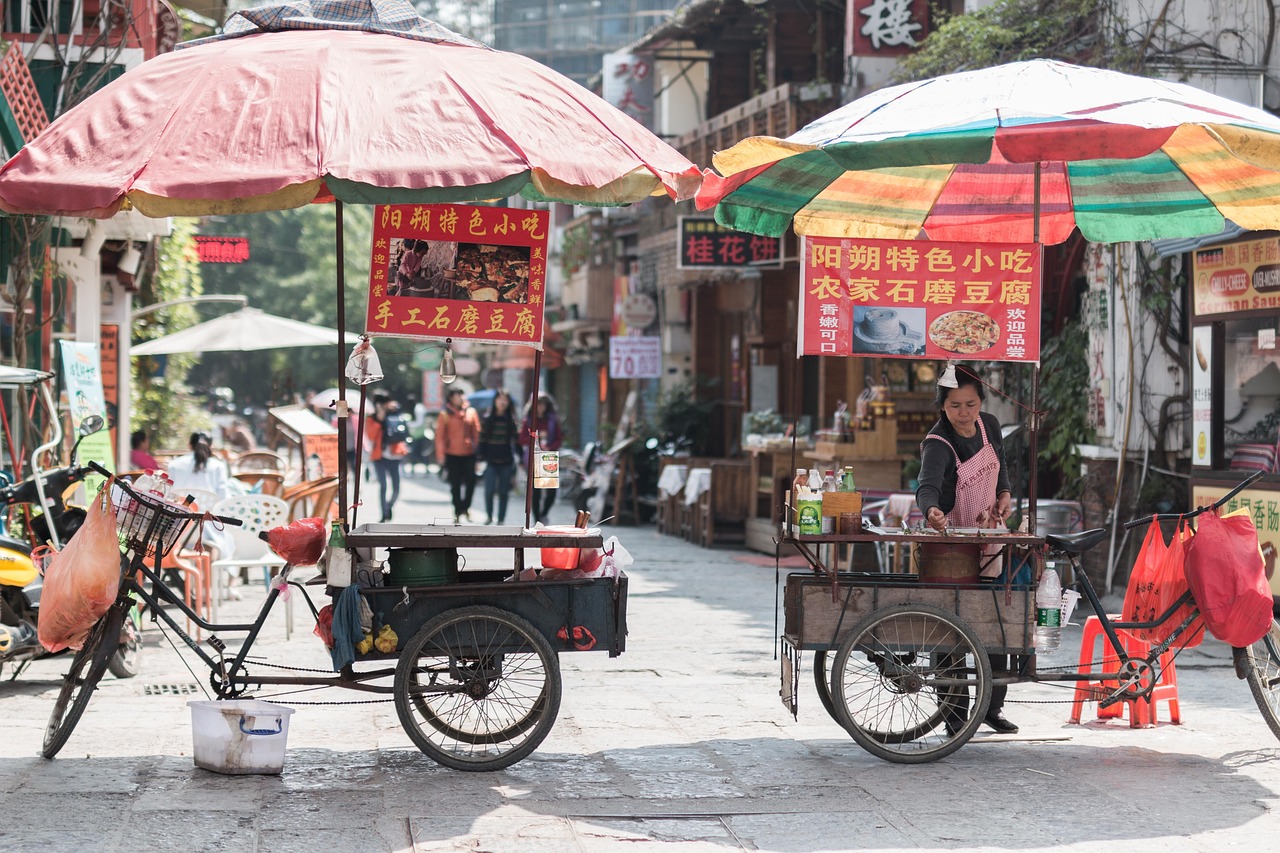
Shanghai night market tour, Chinese dishes from across China, neon-lit stalls, and shared small plates
A Shanghai night market tour of Chinese dishes across China is the dream for travellers short on time but big on curiosity. In Shanghai, you can sample across China in one evening—little bites that act like a preview of future cities.
Dim sum, Cantonese touches, and siu flavours beyond the north
Alongside northern wheat staples, you’ll often find dim sum-style snacks and Cantonese favourites that nod to Guangzhou and the south. Look for siu flavours—sweet-savoury roasted notes—tucked into skewers, glazed meats, or buns. It’s a gentle way to broaden your palate without committing to a full banquet.
Keep an eye out for a plump wonton in a light soup, or a tray of bite-sized dumplings. Even one warm mouthful can shift your understanding of regional balance.
A tasting flight approach with buns, baozi, and confidence
To keep things elegant (and avoid market fatigue), treat the night like a tasting flight. Order two or three small plates, share them, and take a moment between stalls. Try a fluffy baozi, then a crisp pancake, then something sweet—perhaps a ball of glutinous rice rolled in sugar and peanut crumbs.
If you’re travelling as a family, arrive early, choose a base spot to regroup, and keep your hands clean before the next bite. If you’re travelling as a couple, make it playful: note your “favourite” snack and call it your favourite Chinese street find of the trip.
Hangzhou Longjing tea ceremony, Chinese culture, travel, China, steam, traditional Chinese medicine.
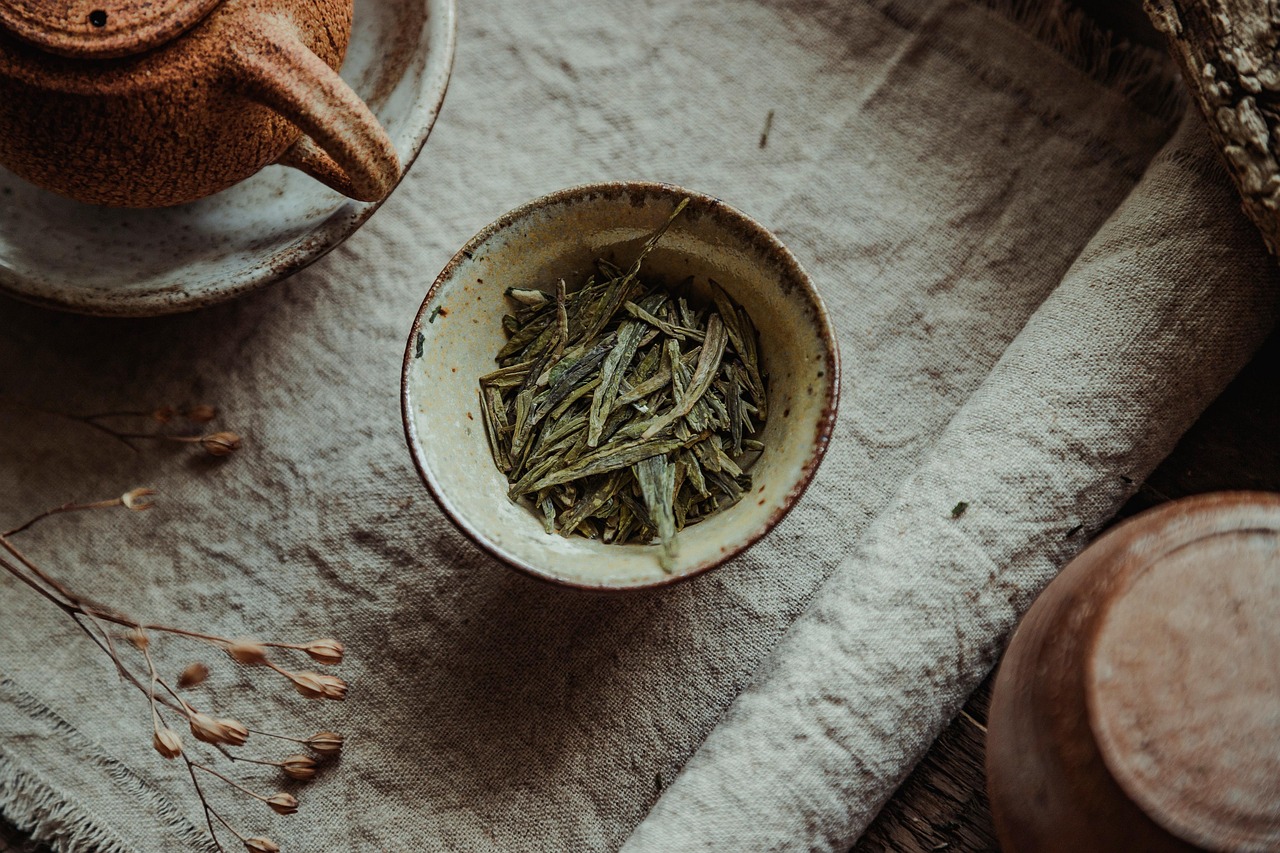
Hangzhou tea ceremony, Chinese culture in a cup, Longjing leaves and a calm pouring ritual
When you need a softer counterpoint to markets and noodle heat, Hangzhou Longjing tea ceremony, Chinese culture, and travel in China offer calm in its purest form. It’s one of the most graceful ways to experience Chinese culture beyond common dishes, and it invites you to slow down with intention.
Longjing focus, slightly sweet aroma, and a solo traveller’s reflection
A solo traveller once described the ceremony to me as “quiet confidence in motion”. The host warmed the cups, measured leaves, and poured with a steady hand—small movements that felt like a kind of care. Longjing is often slightly sweet, fragrant, and clean, with an aroma that lingers without demanding attention.
That focus changes how you taste everything afterwards. The palate becomes more sensitive; rich sauces feel richer, and delicate broths feel more comforting.
Tea etiquette as a palate reset and cultural insight
Tea is also practical: it’s a palate reset between a rich duck meal and a dumpling feast, and it gives you space to listen when locals share insight. If you’re offered more, accept with thanks; if you’ve had enough, a gentle hand over the cup usually does the trick.
In some tea houses, you may hear references to traditional Chinese medicine concepts—such as warming and cooling, balance, and seasonal choices. It’s best approached as cultural language rather than medical advice, a window into how people think about wellbeing in everyday life.
Dumpling making workshop in northern China with local families using dough and wheat.
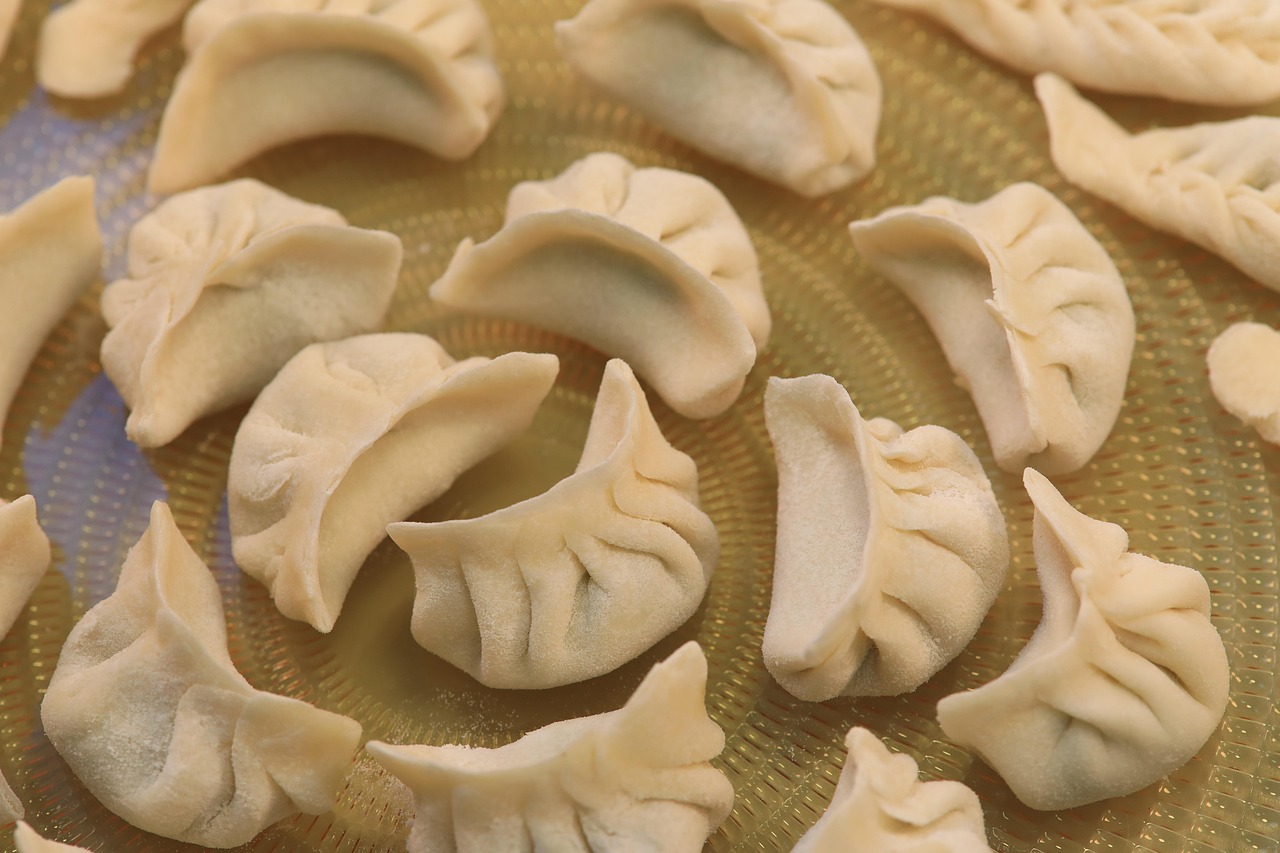
Northern China dumpling workshop with local families, hands shaping wrappers around fragrant fillings
A dumpling-making workshop in northern China, Chinese dumplings, and local families is where a trip becomes personal. Being welcomed into a home, you’re no longer just tasting—you’re helping to create the meal, guided with warmth and humour by people who want you to feel supported.
Dough texture, mince fillings, and steam versus boiling
In much of northern China, wheat is the backbone. You’ll learn how dough should feel: soft, elastic, and rested long enough to roll without tearing. Fillings vary, but a classic uses mince with chives and cabbage; often it’s minced pork, though vegetable options are usually easy to arrange with care.
Cooking method changes everything. Boiling keeps wrappers silky; steaming concentrates aroma; pan-frying adds a crisp base. When the lid lifts and steam rises, the kitchen smells like comfort.
Chinese New Year meaning and a symbol of Chinese togetherness
Hosts may explain that dumplings are especially meaningful during Chinese New Year and New Year celebrations. Their shape echoes old currency, a symbol of Chinese togetherness and good fortune—food as a wish you can hold in your hands.
Beginner checklist for confidence:
- Ask for a simple fold first (half-moon is perfect)
- Keep a small bowl of water nearby to seal edges
- Start with less filling than you think you need
- Line finished dumplings so they don’t stick
If you have dietary needs, share them early and kindly. Most families and workshop hosts respond with genuine care, and the experience becomes even more trust-building as everyone works together.
Visit China food tour: plan transport, safety, costs, enjoy noodles and broth.

Visit China like an expert, planning transport safety and timing, a traveller checking routes before a food tour
Planning a food tour, transport, and safety costs well is to travel like an expert without losing spontaneity. The best journeys feel crafted, but never rigid—especially when you’re weaving in late-night noodles, early starts, and family-friendly pauses.
Best seasons, crowds, and timing for food in China
Spring and autumn are ideal for outdoor markets and long walks between tastings, with comfortable evenings for a bowl of noodle soup or a snack run. Be cautious during the busiest holiday periods, especially Chinese New Year, when crowds and prices can rise and popular places book out quickly.
For high-end travellers, the confidence boost comes from planning one or two key meals in advance, then leaving space for discovery. That balance is often the best traditional approach: respectful of culture, kind to your energy, and open to surprise.
Getting around, ordering support, and safety
In major cities, public transport and ride-sharing apps make evenings feel easy. Pre-save addresses in Mandarin to show drivers, and you’ll glide from a museum to dinner without friction. If you’d like inspiration for routes and pacing, browse our Trip gallery and imagine how each city’s flavours could fit your style.
Ordering gets simpler if you learn a few words: “mian” (noodle), “jiǎozi” (dumpling), and “dòufu” (tofu). Translation apps help you uncover menus, and pointing is perfectly acceptable in busy environments.
Comfort and safety basics:
- Choose busy stalls and watch for fresh heat and visible steamers
- Avoid drinking tap water; keep bottled water handy
- Build rest stops into the day, especially for families and couples
- Dress comfortably and expect crowds at peak times
One mindset helps more than any checklist: treat short trips like a gentle rehearsal for living in China. Slow down, taste thoughtfully, and prioritise what’s popular throughout China—a great bowl of noodle soup, a well-made dumpling, a clear broth—over chasing everything at once.
F.A.Qs: Foods in China: Planning and Dietary Questions
What are the top 10 foods in China?
A common “top 10” list includes Peking duck, hotpot, dumplings, noodles, wonton soup, baozi buns, stir-fried greens, dim sum, mapo tofu, and sweet rice snacks. China is vast, so consider this a starting point rather than a rule. The most rewarding approach is to try regional specialities in each province and let your own favourites emerge naturally.
What is traditional food in China?
Traditional food in China is regional, shaped by local climate and ingredients. Northern areas lean towards wheat-based noodles and dumplings, while southern regions use more rice, lighter broths, and seafood. Many traditional meals are shared family-style, with balanced flavours and attention to texture. Even in modern cities, you’ll find traditional dishes prepared with classic techniques and a strong sense of hospitality.
What Chinese food is ok for kidney patients?
If you have kidney disease or dietary restrictions, it’s best to ask your clinician for personalised advice. In general, some people look for simpler options like clear broth soups, plain rice or noodles, steamed vegetables, and lighter dishes with less salt and sauce. When travelling, you can request less soy sauce, avoid very salty soups, and choose steamed preparations, but always confirm what fits your medical needs.
Is Chinese food good for Crohn’s?
Crohn’s disease affects everyone differently, so it’s important to follow your clinician’s guidance. Some travellers find they do better with mild, simply cooked dishes such as plain noodles, rice porridge, steamed eggs, and clear broths, while spicy, oily, or highly fibrous foods can be triggering. When ordering, consider choosing non-spicy options and asking for sauces on the side to help you manage ingredients and comfort.
After China, reflections on Chinese food memories at the table.
In the end, food in China reflects Chinese food memories, which aren’t stored like a list of restaurants. They return as small scenes: a shared bowl passed across a table without words, the warmth of steam on your hands, the hush that falls during tea when everyone suddenly feels present.
You remember the courage of that first unfamiliar bite—how quickly it shifted from uncertainty to delight. You remember how strangers became guides, offering quiet reassurance through gestures, refills, and the careful placement of a plate in front of you. Even the boldest flavours soften in hindsight, becoming a form of comfort rather than a challenge.
And perhaps that’s the real gift: travel creates a different kind of closeness. Couples find new ways to laugh together; families discover shared bravery; solo travellers learn that care can be wordless and immediate. Chinese food becomes less about “knowing what to order” and more about trusting the table, wherever it appears.
Long after you’ve unpacked, the journey stays open—waiting in the quiet space between curiosity and appetite, like the next cup being poured.