Post Contents
- Why the National Museum of China should be on your Beijing itinerary for a must-see national museum experience.
- Before you visit the National Museum of China, check tickets, entry times, and booking tips for Beijing.
- Ancient China hall at the National Museum of China displays archaeological treasures, including the bronze Houmuwu square cauldron.
- Revolutionary History and the Road of Rejuvenation at the National Museum of China, Beijing
- Temporary exhibitions of modern artwork and a local Beijing day plan for the National Museum of China, focusing on Beijing’s modern art exchanges.
- F.A.Qs: National Museum of China, Beijing
- What stays with you after the National Museum of China in Beijing, as a national museum of china beijing personal reflection
Why the National Museum of China should be on your Beijing itinerary for a must-see national museum experience.
Why the National Museum of China belongs on your Beijing route
If you’re mapping out a national museum of China, a must-see experience in Beijing, this is the place where scale meets soul. Often named among the popular museums in the world, the National Museum of China is a truly comprehensive museum—a rare chance to stand close to first-class cultural relics and feel Chinese history become immediate, human, and vivid. The collection is frequently cited as around 1.4 million objects, with more than one million items catalogued across rotating study and display programmes.
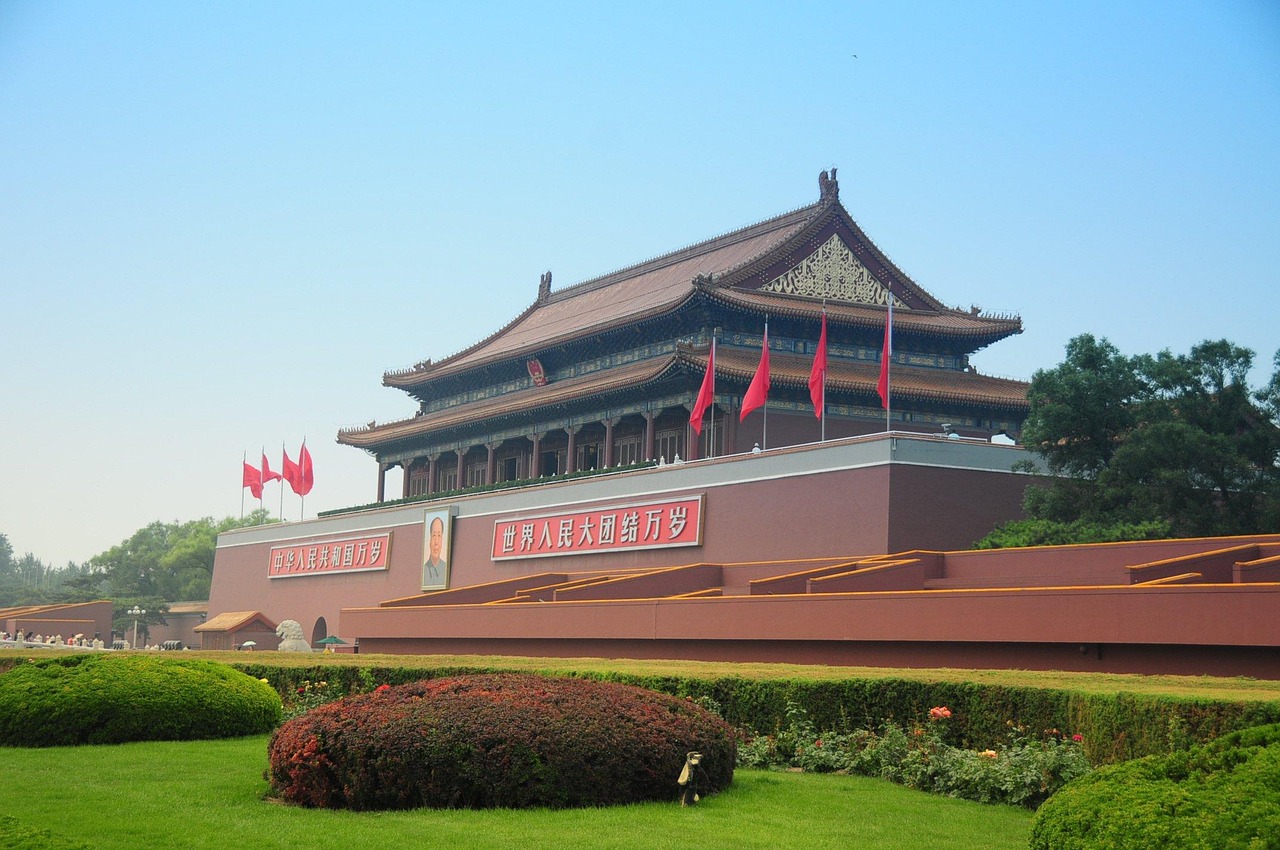
It sits on the eastern edge of Tiananmen Square, which means a central Beijing landmark can become a meaningful starting point rather than a quick photo stop. You can step from the open civic space into a calm interior where centuries unfold gallery by gallery, as if the city’s pulse slows for a while. For travellers who love to explore with intention, that contrast is part of the magic.
Beijing architecture that frames the story
The building itself carries presence: a vast land area and a façade that feels ceremonial without being ornate. At 42.5 meters high, it reads like a modern “palace of history”, and its design blends clean lines with subtle traditional Chinese elements—crafted symmetry, dignified proportions, and the sense that you’re about to uncover something important.
Adventure-seeker energy, refined to details
This is an adventure of attention rather than altitude. Create your own small quests: follow an inscription across a vessel, notice how materials change from dynasty to dynasty, or imagine the hands that shaped a single curve. These quiet discoveries build cultural confidence fast, even if you arrive knowing only the headlines of China’s past.
One moment many visitors share is the sudden hush that falls when you meet an ancient masterpiece in person. You can be standing together in a wide hall, yet feel as though time has narrowed to one object—close enough to remind you that history was once simply someone’s life.


Before you visit the National Museum of China, check tickets, entry times, and booking tips for Beijing.
Before you go to the National Museum of China tickets entry and timing
Consider this your national museum of China ticket booking tips, Beijing travellers rely on when they want a smooth, high-comfort morning. Admission is free, but National Museum of China tickets must be reserved online in advance via the official museum website or authorised platforms; if you need help on the day, the ticket office area can assist with on-site queries (though availability may be limited). Bring your passport—an ID card check is part of entry, and security screening is strict.
Getting there is simple: use Tiananmen East or Tiananmen West subway stations, then walk towards the museum along well-signposted approaches. Travel light to move faster through checks—large bags, sharp items, and certain liquids may slow you down or be refused. Once inside, photography is generally permitted without flash, and a quieter voice helps everyone share the space with trust and care.
Timing strategy for a calmer Beijing gallery morning
For a peaceful visit, arrive at opening time on a weekday, and avoid national holidays if you can. A group of adventure seekers once told us that entering right as the doors opened changed the whole mood: the first galleries felt reflective rather than rushed, and they could truly discover the flow of each exhibition without the pressure of crowds.
Design a 3 to 4-hour route with confidence
Because the National Museum of China is vast, design your visit like a well-planned trail: pick two major goals, then add optional stops if your energy stays high. Most travellers do well with 3–4 hours focused on the core story.
- Two-hall plan: Ancient China first, then the Revolutionary History section for a full-span narrative.
- Optional add-on: a temporary show near your route for a modern contrast.
- Comfort pacing: schedule a short reset every 45–60 minutes—your attention is your luxury here.
Finally, keep etiquette simple: don’t touch displays, hold space for others, and accept gentle staff direction as supportive rather than restrictive. Small courtesies create a seamless experience for everyone moving through these galleries together.
Ancient China hall at the National Museum of China displays archaeological treasures, including the bronze Houmuwu square cauldron.
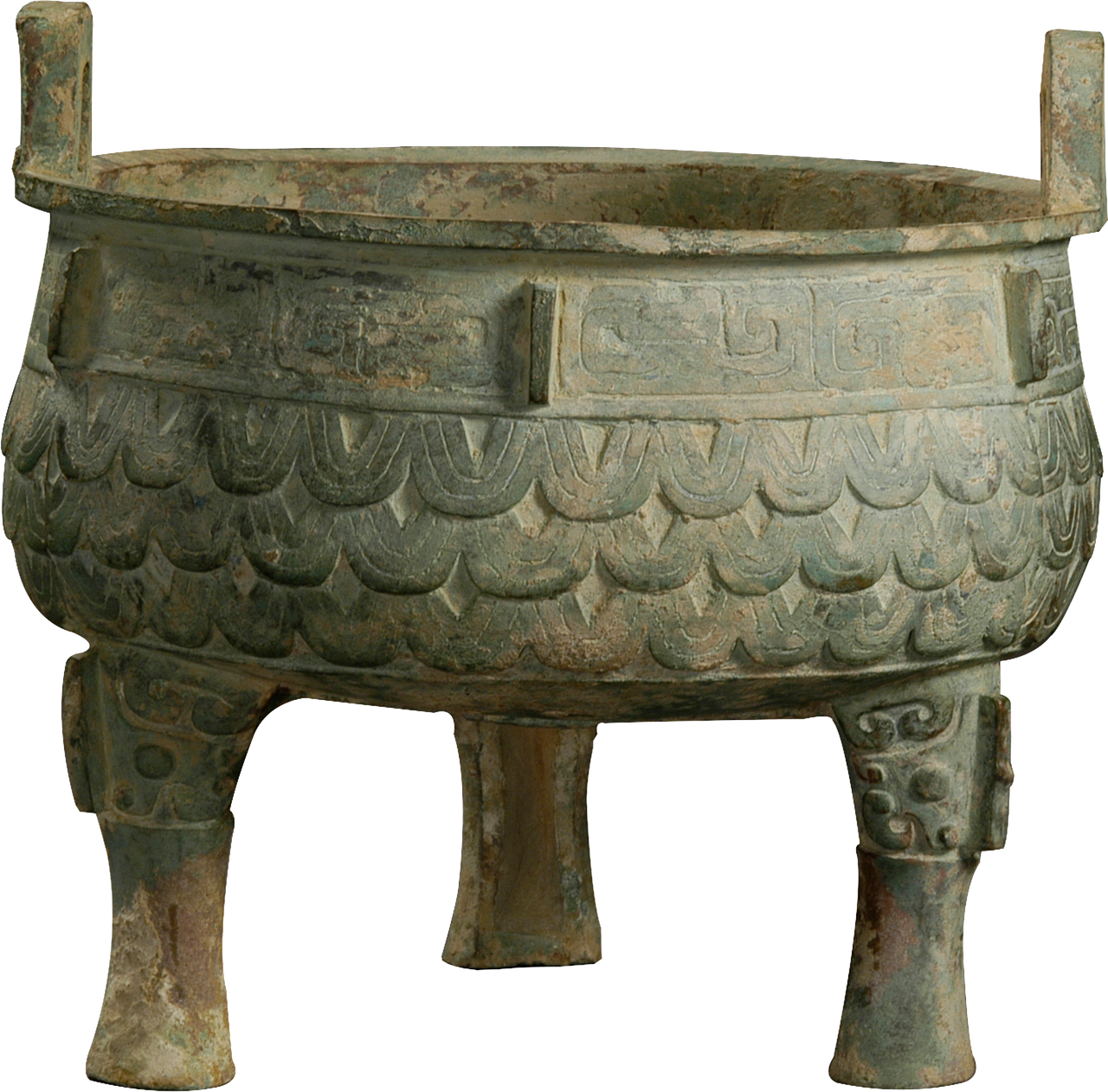
Ancient China Hall, where archaeological wonders come alive
At the National Museum of China, the Ancient China exhibition presents an archaeological narrative that becomes beautifully legible—an exhibition system that both displays and interprets daily life, belief, technology, and power across ancient Chinese civilisation. Rather than feeling like disconnected rooms, it’s curated as a journey: you move from early forms and rituals into mature artistry, then on into shifting dynasties and cultural exchange.
Bronze anchors Houmuwu and the square cauldron
Even if you collect museum memories the way others collect summit photos, a few objects will stop you in your tracks—especially the monumental houmuwu and the square cauldron. Their scale and casting complexity feel almost impossible, and the symbolism invites you to imagine ceremonies, authority, and the cost of making beauty durable. Seeing this bronze legacy in person often becomes the day’s defining insight.
Treasure-hunt prompts for ancient Chinese works of art
To explore with confidence, don’t try to “see everything”. Instead, slow your pace and look for craft clues that reveal intention: tool marks, glaze depth, and the rhythm of line. One quiet joy here is that many objects still feel personal—made to be held, worn, used, and treasured.
As you move through the gallery, watch for porcelain that shifts from practical to poetic, luminous jades, and a single standout jade piece from the qing dynasty that seems to hold light inside it. You’ll also find buddhist statues that invite a softer gaze, plus calligraphy that reads like movement captured—true works of art, even if you don’t know the script.
Dynasty context is gently layered. You’ll feel the long arc through the yuan period and into ming and qing transitions, where taste, technique, and materials subtly change. If you’re curious, notice how “ancient cultural” life was shaped by trade: hints of the Silk Road appear through motifs and goods, and some labels reference discoveries like Sanxingdui, expanding what many travellers thought they knew about early China.
Behind the scenes, the museum’s institute teams and curators draw on rich research resources and a solid research foundation. That scholarship is why the stories feel grounded—not just beautiful objects, but interpreted lives, stitched together by archaeology and patient expertise.
Revolutionary History and the Road of Rejuvenation at the National Museum of China, Beijing
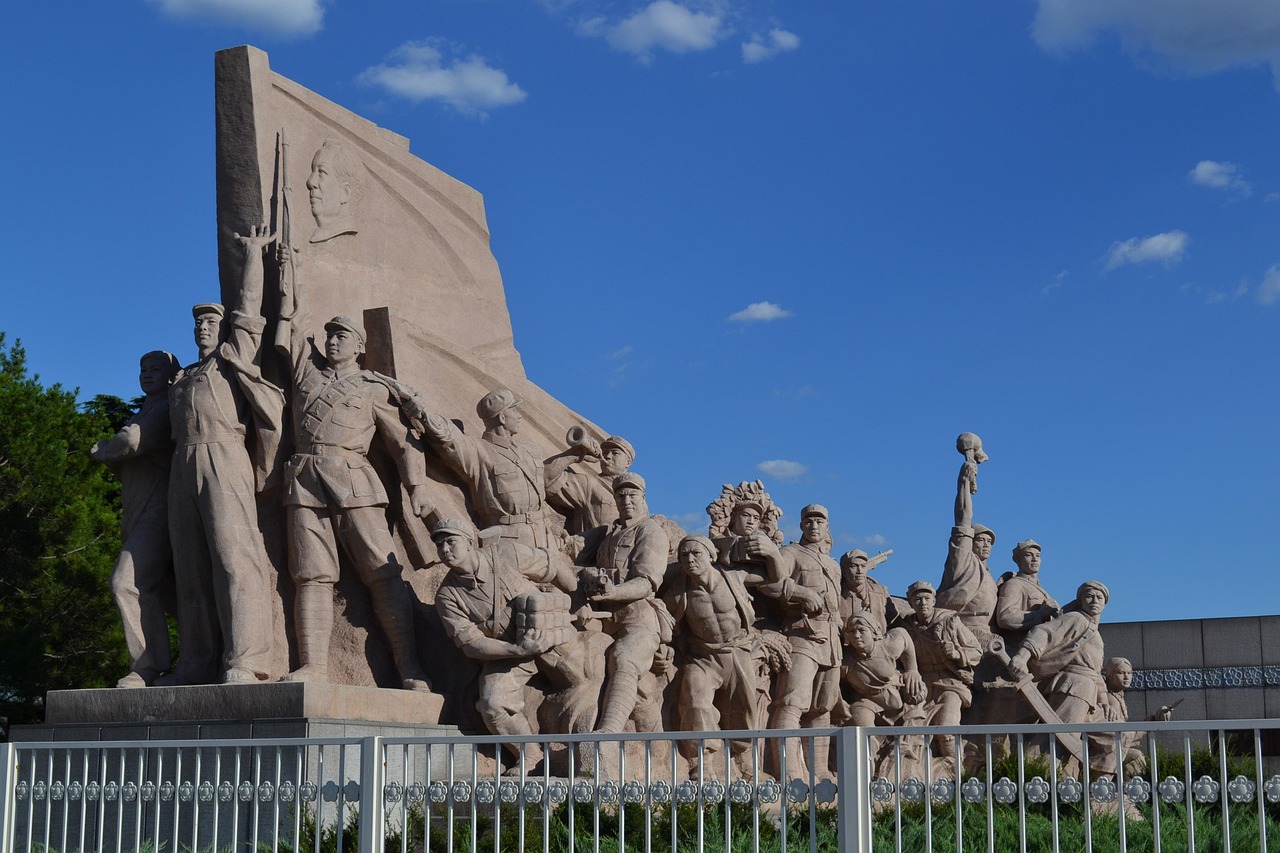
Revolutionary History and the Road of Rejuvenation with heart
The National Museum of China Revolutionary History Road of Rejuvenation, Beijing, galleries can be emotionally intense, and it’s wise to enter with warm self-care. This permanent exhibition focuses on resilience and unity, offering a lens into pivotal moments that shaped modern identity and the lived experience of Chinese people. If you’ve just come from Ancient China, the shift can feel like stepping from long time into close time—faces, voices, and decisions that still echo.
Road of Rejuvenation and the new era narrative
The road to rejuvenation is structured as a clear narrative, and the theme is often framed in the language of the new era. You may also notice references to enhancing cultural confidence and to public ideals, such as core socialist values, alongside themes described as culture, advanced socialist culture, and contemporary advanced culture. For many travellers, the best approach is respectful viewing and personal reflection without judgement—simply letting the storytelling be what it is.
A gentle method to slow down inside each exhibition gallery
When the pace feels heavy, choose one anchor per room: an object, a photograph, or a quote panel. Pause long enough to imagine a voice behind it—someone writing, waiting, marching, or rebuilding. This is where the museum supports deeper understanding, not through spectacle, but through proximity to real choices.
One travel blogger described walking this section as “travelling through courage”. If you feel overwhelmed, that reaction is normal—step aside, breathe, and return when ready. Mentions of policy moments, such as the 19th National Congress, may appear in context, along with aspirations like building a socialist cultural power; you don’t need to agree with every framing to see the human story underneath.
Temporary exhibitions of modern artwork and a local Beijing day plan for the National Museum of China, focusing on Beijing’s modern art exchanges.
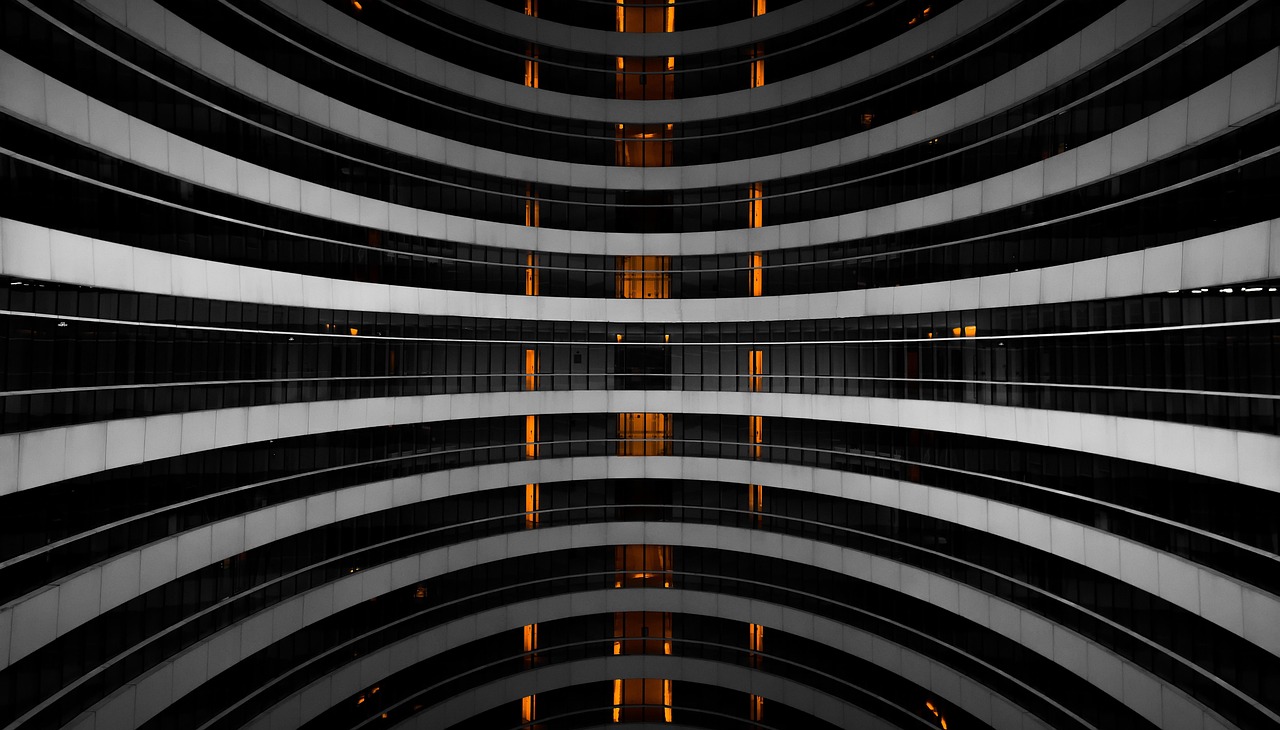
Temporary exhibitions of modern artwork and a local Beijing day plan
One reason to return is that the National Museum of China’s temporary exhibitions and modern art exchanges in Beijing keep the experience fresh. Check the museum schedule before you go: temporary exhibitions and special exhibitions can appear seasonally, and many are designed as exchange exhibitions exploring Chinese and foreign civilisations through the idea of mutual learning. It’s also where you might encounter unexpected materials—an intricate carving in African wood, or a contemporary installation that reframes older motifs.
A crafted contrast between ancient cultural objects and fine arts
Try a simple, high-impact contrast: see an ancient cultural object in the morning, then step into a modern room where colour, sound, and scale behave differently. One contemporary artwork can sharpen your eye for what never changes—line, balance, symbolism—while showing how fine arts evolve alongside society. This is art and a cultural conversation you can feel, even without deep background reading.
Seamless museum plus city itinerary from Tiananmen Square to the Forbidden City
To create a seamless day, design your route so walking feels ceremonial rather than tiring. Start at Tiananmen Square early, enter the museum, then step back out for Beijing’s great open-air landmarks. For a classic pairing, walk or take a short transfer to the Forbidden City afterwards (or save it for the next morning if you prefer slow travel). For curated inspiration and route ideas beyond the city centre, browse our Trip gallery.
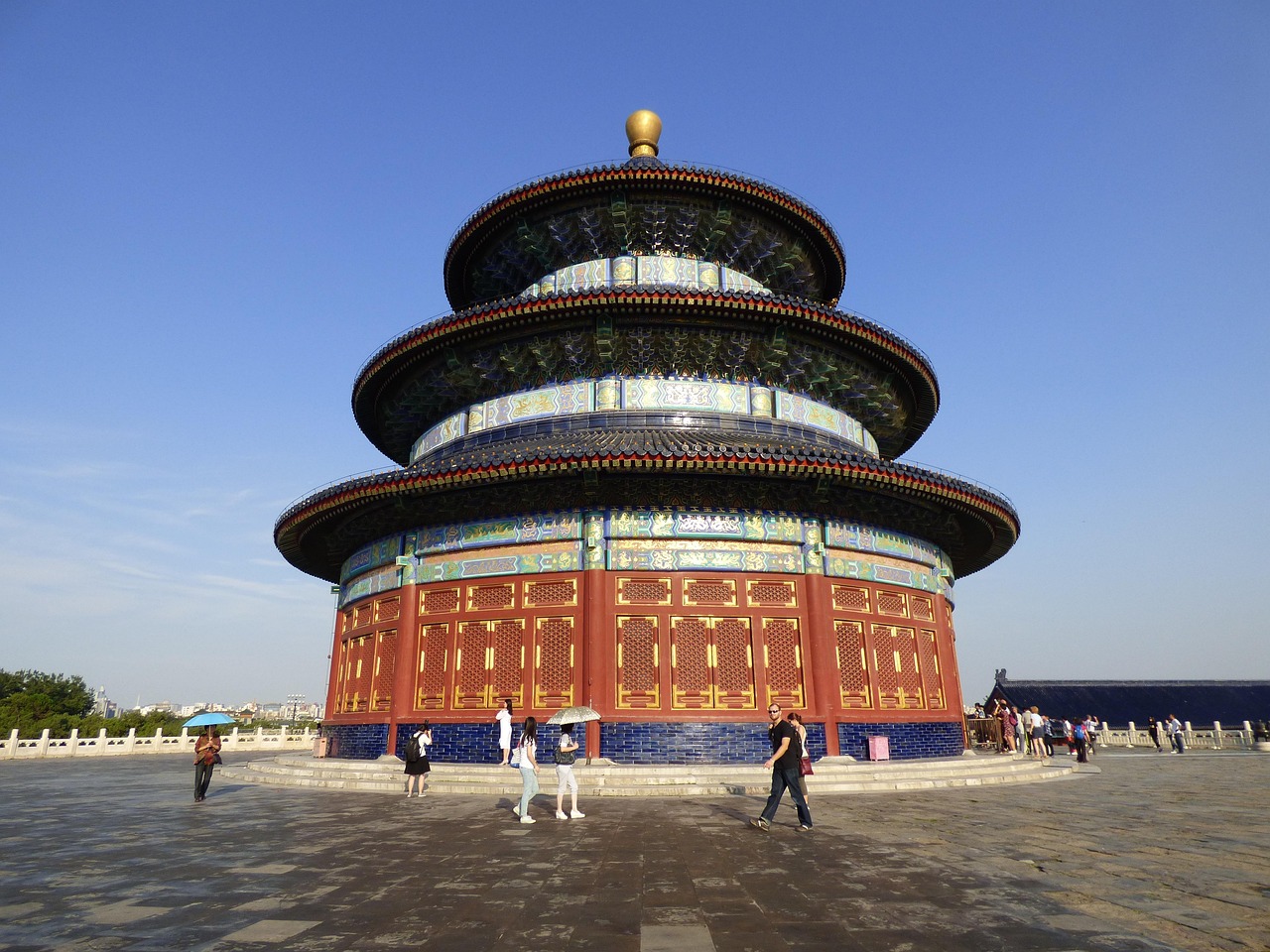
- Same-day calm option: the Temple of Heaven for elegant pathways and local park life.
- Another gentle classic: the Summer Palace for lakeside strolling and long views.
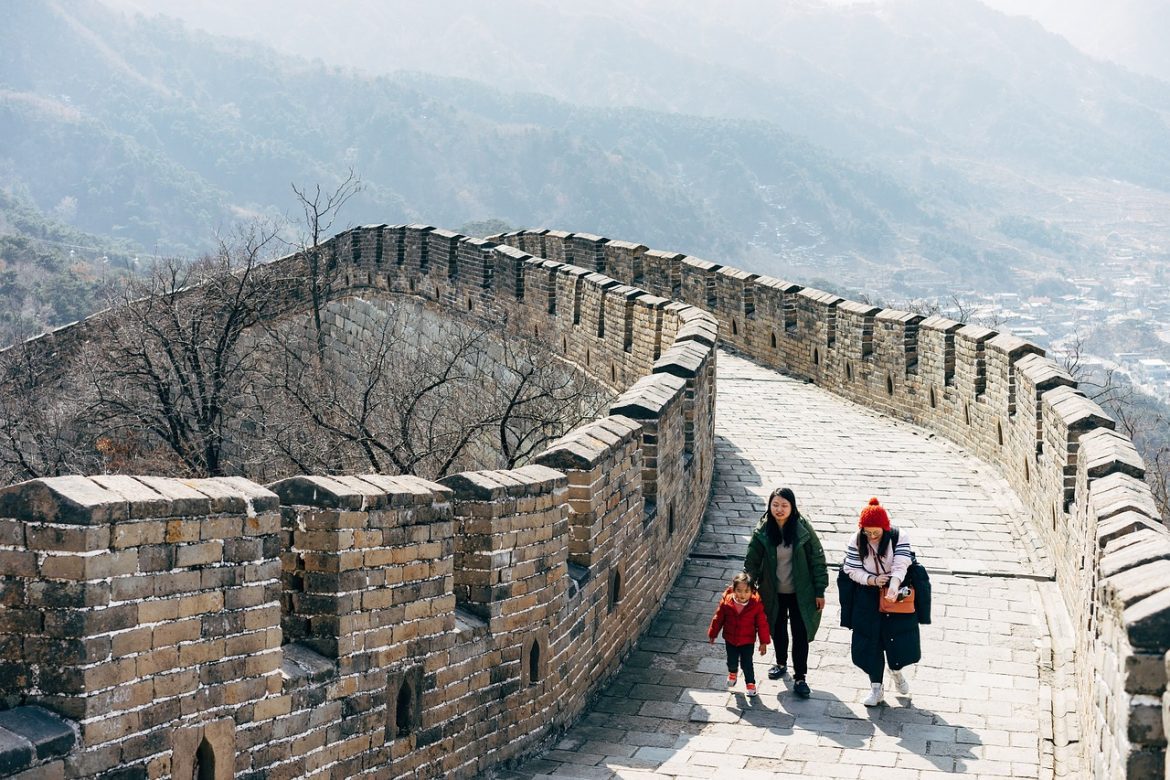
- Adventure day add-on: plan the Great Wall separately—Badaling for convenience, or the Mutianyu Great Wall for a more scenic, less compressed feel.
Accessibility is well considered: the National Museum of China is wheelchair accessible, and English-language guided tours can add expert insight. If you’re travelling as a couple, family, or solo, a private tour can be a reassuring choice—someone to pace the day, answer questions, and help everyone stay connected to the stories together.
F.A.Qs: National Museum of China, Beijing
Is the National Museum of China free?
Yes. Entry is free, but you still need to reserve a time slot online in advance and pass security screening. Bring your passport for identity verification, arrive early for a calmer entry, and expect checks similar to those at other major sites around central Beijing.
Is the National Museum of China worth visiting?
Yes, especially if you want a single place that connects ancient craftsmanship, national narratives, and changing artistic expression. The galleries are vast, so it’s most rewarding when you choose a focused route, take breaks, and let a few objects and stories sink in rather than trying to see everything.
Is Beijing the oldest city in the world?
Beijing is one of the world’s great historic capitals, with a long and complex past, but it’s not typically considered the world’s oldest city. Many other cities have earlier continuous urban histories. Beijing’s strength is how clearly layers of imperial, modern, and contemporary life sit side by side.
What is at the National Museum of China?
You’ll find extensive collections spanning early civilisations to modern times, including major permanent halls such as Ancient China and the Revolutionary History displays, as well as rotating exhibitions. Expect ceremonial objects, sculpture, decorative arts, documents, and curated narratives that help you understand how ideas, power, and daily life evolved across centuries.
What stays with you after the National Museum of China in Beijing, as a national museum of china beijing personal reflection
Long after a national museum in Beijing, personal reflection begins; it often deepens as you leave the last gallery and step back into Beijing’s light. The city sounds return—footsteps, traffic, distant announcements—yet your sense of time feels wider, gentler. You may notice you’re walking more slowly, as if your mind is still adjusting to the scale of what you’ve just held in your attention.
What lingers is rarely a checklist. It might be the silhouette of a ritual vessel, the quiet gaze of a Buddhist figure, or a single stroke that taught you how patience can look. In a museum in the world this large, those small moments become your own—personal, unrepeatable, and oddly comforting.
There’s also a shared thread that stays with many travellers: how moving through stories together can create confidence and care. Whether you came to discover the past, to support a partner’s curiosity, or to explore your own questions, the museum has a way of making space feel human.
And perhaps that is the most enduring gift—an unhurried respect for China’s fine traditional culture, and the sense that you could return one day, quietly, to uncover another layer when curiosity calls again.