Post Contents
- Xi’an as an ancient capital: Emperor Qin, imperial power, and the afterlife vision
- Unearth the terracotta army pits in Xi’an – terracotta warrior moments inside Pit 1
- Terracotta Army Museum: 1974 excavation and archaeological insight in Xi’an
- Qin Shi Huang Mausoleum: the emperor’s tomb landscape and what to expect on your visit
- Xi’an city wall fortification and Muslim Quarter: local food, timing, and travel tips
- F.A.Qs: Terracotta Warriors and Xi’an planning
- Xi’an terracotta warrior reflections: a quiet journey after your visit
Xi’an as an ancient capital: Emperor Qin, imperial power, and the afterlife vision
Xi’an and the Qin Emperor’s afterlife dream in Shaanxi province
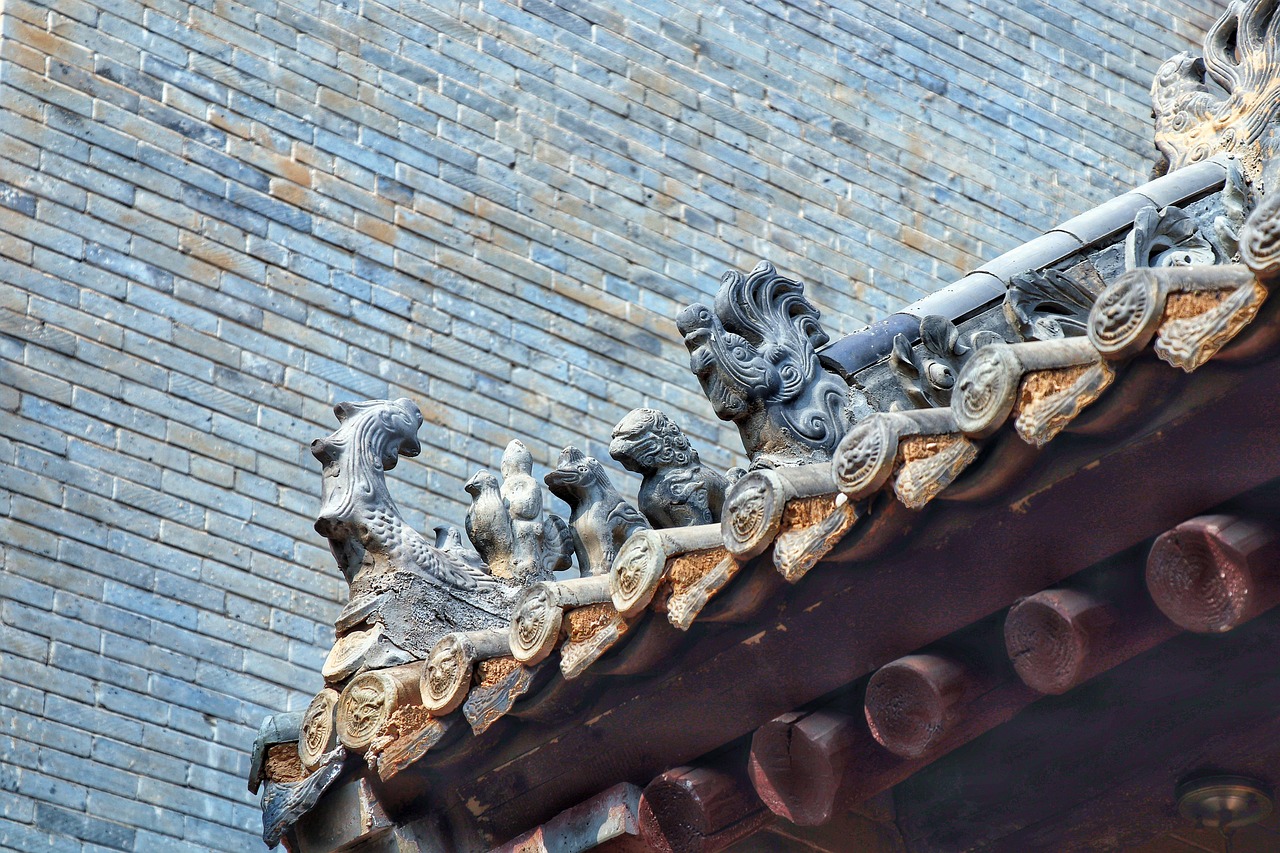
If you searched “xi an china terracotta warriors,” start with the setting, because this destination lands best when you feel the context, not just the facts. Xi’an is an ancient capital with a calm, lived-in grandeur, where street life and stonework sit side by side as if time has learned to share.
Emperor Qin—better known as Qin Shi Huang—imagined an afterlife that required an entire protective world. The terracotta warrior ranks were created as guardians beyond death, not as a single statue, but as a full, life-size presence that still changes the air in the room.
From the Warring States to unification under the Qin dynasty
To orient yourself, picture the Warring States era tightening into one decisive shift in the third century, when the Qin dynasty brought rival kingdoms under unified rule and reshaped everyday life. That transformation left traces in roads, law, and Chinese writing, so visiting today can feel like standing at the hinge point of history.
On the ground, the story is layered rather than overwhelming: multiple pit spaces, a museum that explains conservation, and a wider tomb landscape that adds meaning to what you’ve seen. If you book a local specialist, their guidance can be quietly invaluable—clear enough to build understanding, but still spacious enough to let you feel your own response.


Unearth the terracotta army pits in Xi’an – terracotta warrior moments inside Pit 1
Unearth the terracotta army pits and meet each warrior in Xi’an
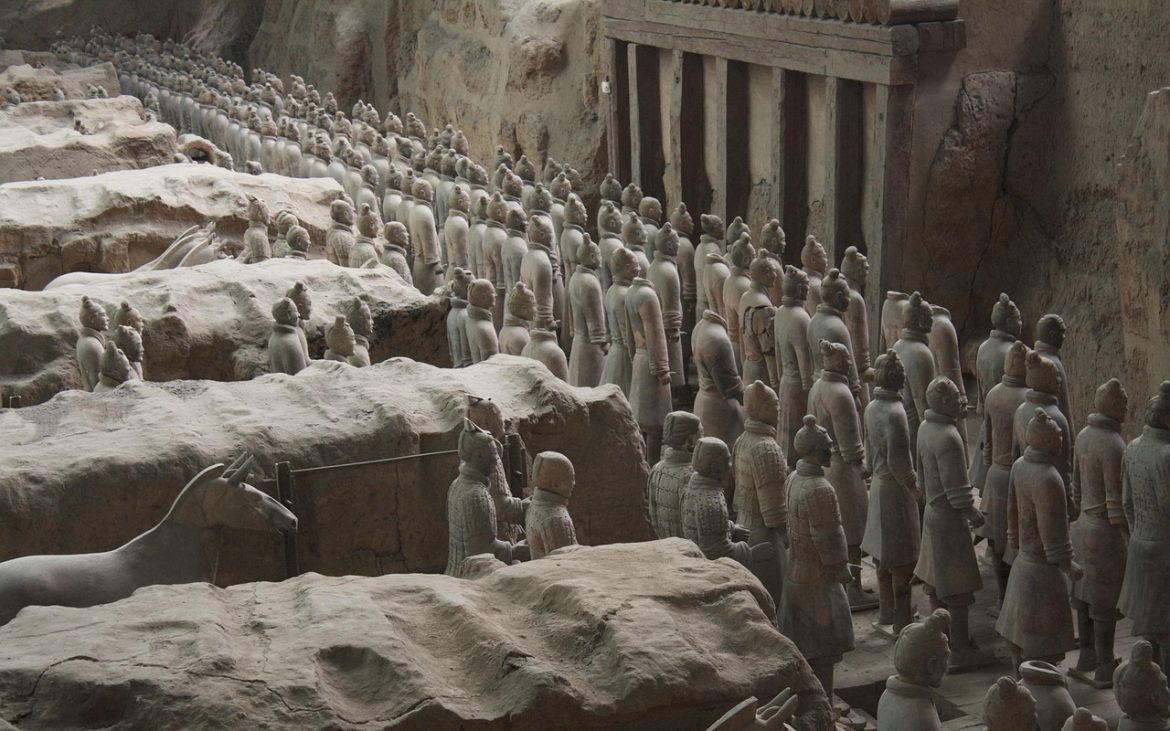
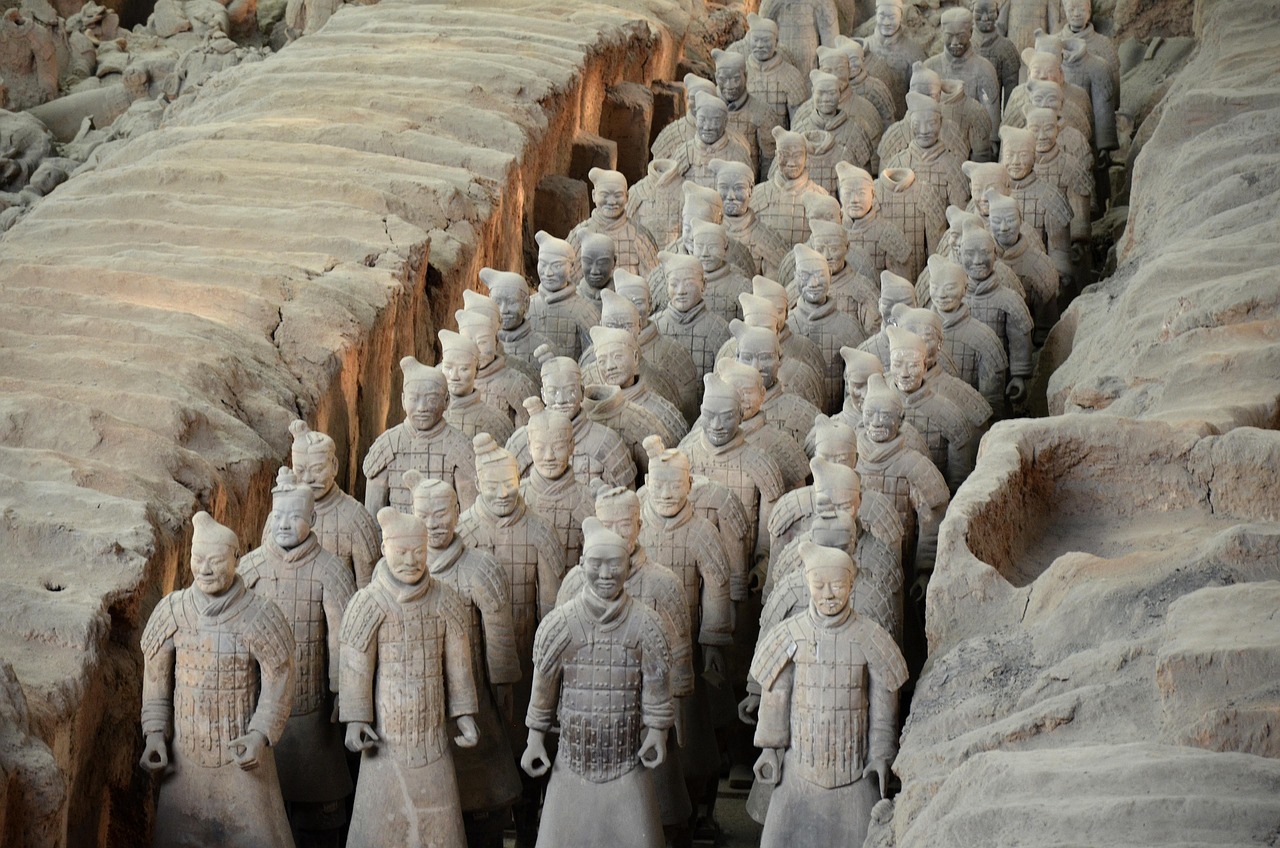
This is the heart-racing moment many travellers remember: you unearth the scale of the site as you step into Pit 1 and the space opens like a hangar of history. In front of you stand several thousand figures in battle formation, and you don’t just look—you pause, because meeting a warrior line at full scale is genuinely humbling.
Give yourself a second to scan the pit from end to end: not everything is complete, and that incompleteness is part of the truth. Some terracotta warrior forms are still emerging from the earth; others feel startlingly present, their stance and spacing implying strategy as much as ceremony.
Terracotta army details to notice beyond the headline photo
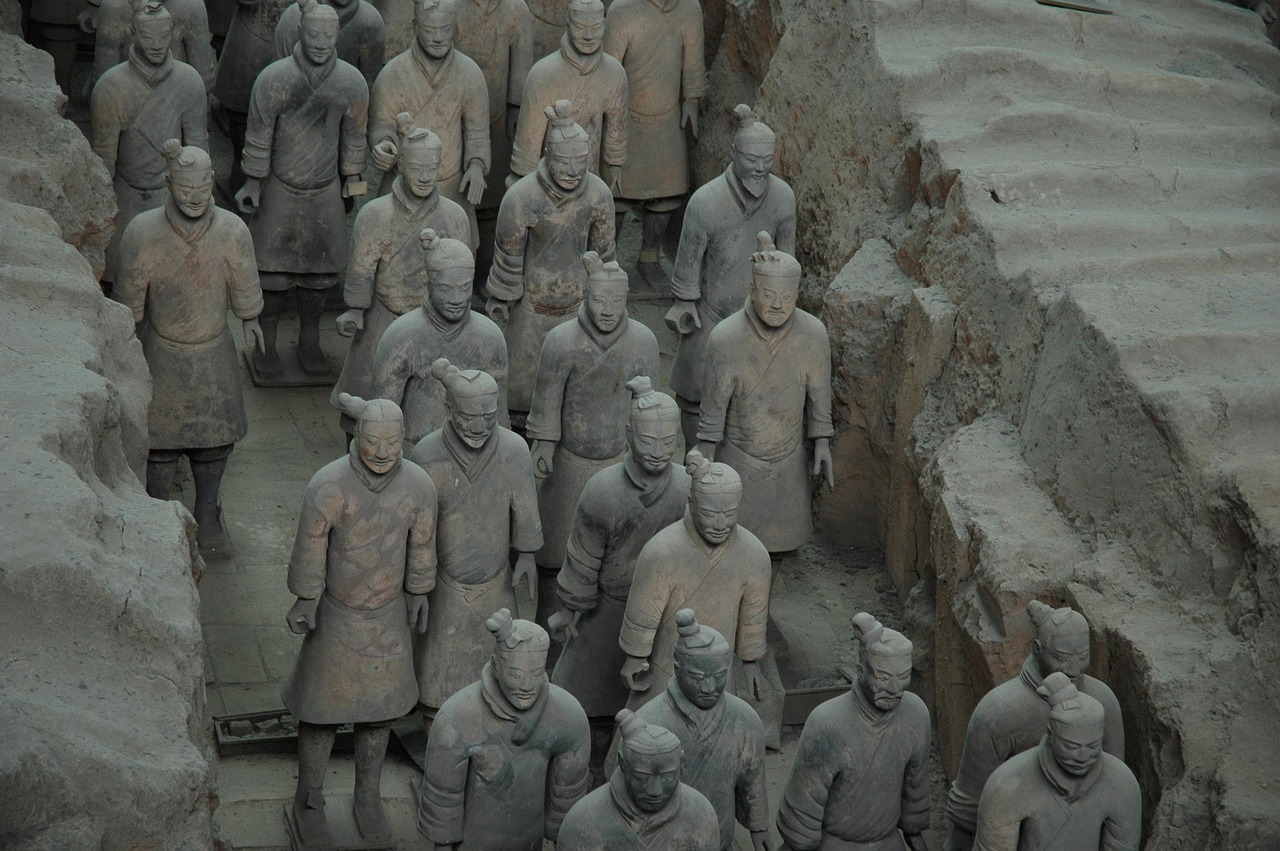
If you want to explore with confidence, look for storytelling in the ranks. You’ll spot different ranks through armour and stance, a poised archer, and the calm authority of a general; elsewhere, a charioteer stands near a horse team and chariot lines that suggest motion even in stillness—warriors and horses arranged with intent.
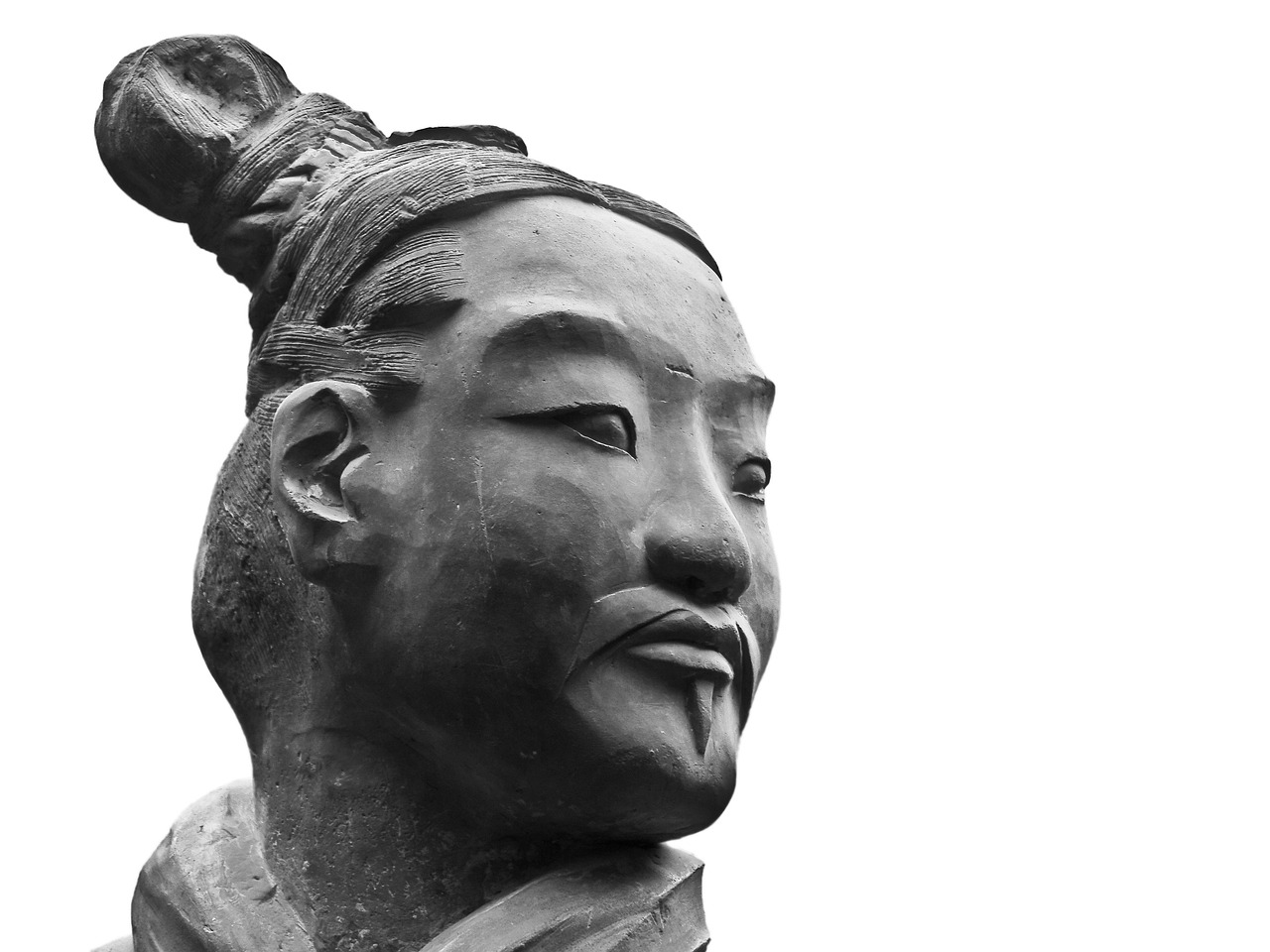
- Faces and hair: unique facial details, a distinct hairstyle, and expressions that read like portrait sculpture rather than a repeated model.
- Clothing: the fold of a tunic and the way armour plates overlap—small choices that feel surprisingly human, up close.
- Posture: some figures appear to kneel, a reminder that this was an organised force, not a single pose copied for effect.
The craftsmanship often catches high-end travellers off guard: each terracotta warrior looks as if it belonged to someone, as if an artisan had left a signature in clay. In that moment, the site stops feeling like an attraction and becomes an encounter—quiet, personal, and strangely intimate.
A gentle etiquette note helps everyone settle in: avoid flash photography in the halls, keep voices low, and never touch the exhibits. That shared care protects the work and also gives you room to take it in without being rushed by the crowd.
Terracotta Army Museum: 1974 excavation and archaeological insight in Xi’an
From 1974 to today’s exhibition hall at the Terracotta Army Museum
The Terracotta Army Museum is the essential bridge between awe and understanding, and it begins with a single turning point: 1974. That year, farmers digging a well struck fragments—warriors were discovered—and a careful process began: excavating, recording each layer, and reassembling pottery figures into the formations you see today.
Even if you’re not a specialist, the museum makes the science of archaeology easy to follow. You’ll see how an archaeologist reads soil like a document: mapping where each piece was found, stabilising pigments that can fade quickly, and documenting every step so knowledge isn’t lost to speed.
Exhibition hall highlights: artefacts, pottery, and bronze chariots
Give yourself time in the exhibition hall, because it rewards curiosity. Beyond the terracotta warrior lines, displays connect the army to an imperial system—administration, materials, and workshop craft—so the experience feels less like a single marvel and more like a complete world.
- Weapons and precision: an arrowhead display that hints at discipline and standardised production.
- Craft and restoration: examples showing how fragments are cleaned, matched, and conserved so cracked surfaces can be understood, not hidden.
- Royal transport: references to bronze chariots that deepen the sense of ceremonial power.
Look out for multimedia moments and any special exhibition programming; when it’s offered, it can be surprisingly moving for first-timers and genuinely useful for families travelling together. Reconstruction visuals often send you back to the pits, where you notice small details you missed the first time.
Many travellers have seen a replica abroad, but the atmosphere here is different. Notable overseas exhibitions have appeared at the National Geographic Society Museum, the Metropolitan Museum of Art, and the Bowers Museum, yet seeing the terracotta warrior story in Xi’an feels grounded in place, right where the landscape and the history meet.
You may also see “qinshihuang” on labels and translations—another way the museum references Qin Shi Huang without losing the thread for international visitors.
Qin Shi Huang Mausoleum: the emperor’s tomb landscape and what to expect on your visit
Qin Shi Huang Mausoleum and the emperor’s tomb landscape near the Terracotta Army
A visit to the wider grounds becomes richer when you walk from the museum complex into the surrounding landscape. You start to sense how the warriors and horses belong to one funerary world, planned as protection and status through distance, earthworks, and placement across the site.
This is where context matters more than spectacle. The construction of his tomb was a vast state project shaped by imperial administration, with figures like Li Si tied to the system that enabled such coordination. You may hear darker legends—such as workers being buried alive—but the most responsible approach is to focus on what can be evidenced on the ground and in the records.
What remains unopened at the mausoleum site
Travellers will hear key terms used with care here: the mausoleum complex and the emperor’s tomb at the centre. Importantly, the central tomb has not yet been excavated, largely for conservation reasons; today’s teams prioritise preservation until methods can better protect what may be inside.
What surprises many visitors is that the site isn’t only about soldiers. Other finds, including an acrobat figure, hint at a complete courtly world intended to serve the ruler beyond death, not just an army set in clay.
For adventure seekers, the appeal is also physical: the grounds are expansive and uneven. Wear comfortable shoes, pace your steps, and build in water breaks so the day stays energising rather than draining—especially if you started early for a quieter pit experience.
And then, almost without warning, the emotional resonance lands. The idea that each terracotta warrior was made to protect the Qin emperor in the afterlife can feel personal, especially when you imagine the labour and planning that went into it all.
Xi’an city wall fortification and Muslim Quarter: local food, timing, and travel tips
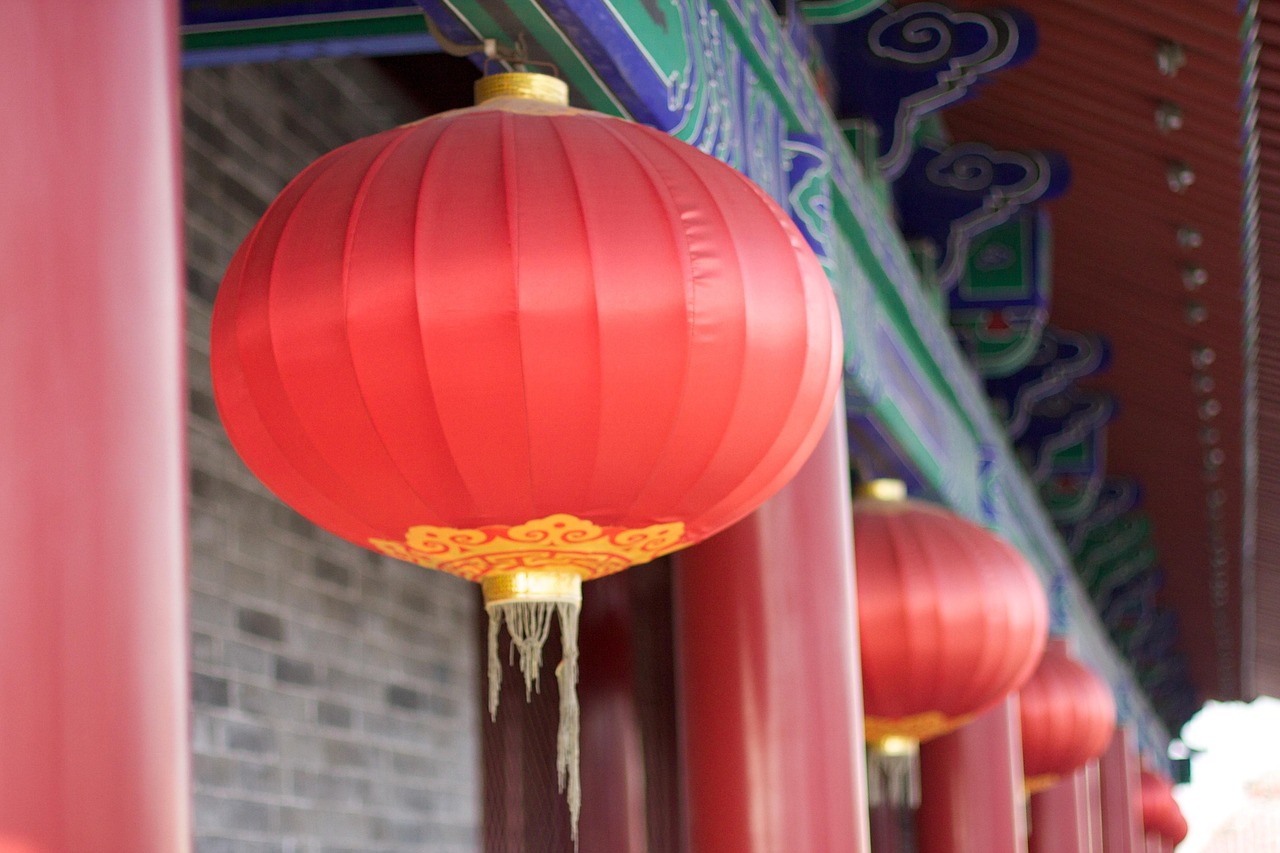
City wall fortification and the Muslim Quarter energy in Xi’an after the Terracotta Warriors
Pairing the museum complex with the city itself helps your day feel complete rather than crammed. A classic rhythm is Terracotta morning, then back into Xi’an for a wall walk or cycle—an adventurous contrast that brings your body back into the present after hours spent with the past.
Visit to the terracotta route plan, transport, and practical costs
For a smooth visit to the terracotta, arrive early to beat the tour-bus peak and enjoy a more contemplative first look. The site is reachable by public bus or taxi from the city centre; allow buffer time for queues, security checks, and the simple pleasure of lingering where you feel drawn.
- Tickets: entry costs around 150 CNY for adults, with common student and senior discounts; tickets typically include the museum and the main pits.
- Comfort: wear supportive walking shoes for long pathways and uneven ground, and keep a light layer for air-conditioned galleries.
- Etiquette: no flash, keep noise low, and follow staff guidance—small actions that protect the site for everyone.
Back in the city, the wall is a living fortification you can actually inhabit, especially at golden hour. If you love the Great Wall, this is a different story: urban, intact, and ideal for photos and perspective without leaving the city.
For local immersion, head to the Muslim Quarter as evening gathers. It’s a treasure trove of aroma and energy—grilled skewers, fresh breads, and sweet snacks—and many Chinese people speak with pride about how this layered history still thrives within modern city life.
If you’re sketching future journeys through China, you might enjoy browsing our Trip gallery for inspiration you can shape to your own pace and style.
F.A.Qs: Terracotta Warriors and Xi’an planning
Are the Terracotta Warriors in Xi’an?
Yes. The Terracotta Warriors are located near Xi’an in Shaanxi, within the museum complex built around the main pits. Most visitors stay in the city and travel out by taxi or public bus, then return for the wall and evening food streets.
Why hasn’t Qin Shi Huang’s tomb been opened?
The central tomb at Qin Shi Huang’s mausoleum has not been opened because conservation comes first. Teams want to avoid damaging fragile materials, pigments, and the sealed burial environment until methods can better protect what may be inside.
Can you visit the Terracotta Warriors in China?
Yes. You can visit the Terracotta Army Museum in China with a standard entry ticket, which typically covers the museum and the main pit areas. Arriving early helps you experience the site with more space and calm, and following no-flash rules supports preservation.
Which city in China is known for the Terracotta Warriors?
Xi’an is the city most closely associated with the Terracotta Warriors. It’s also known for its city wall, vibrant food culture, and role as a UNESCO World Heritage Site base for travellers who want both landmark history and a lived local atmosphere.
Xi’an terracotta warrior reflections: a quiet journey after your visit
The feeling of a terracotta warrior visit isn’t something you finish at the exit gates—it follows you, quietly, afterwards. You might remember one face more than the full hall: the set of the mouth, the calm of the eyes, and the sense that time can fold in on itself when you least expect it.
What lingers for many travellers is the silence between details: the dust-light in a pit, the soft echo of footsteps, and the poised stillness of a horse beside shattered fragments. There’s a tender paradox to it all—so much power expressed through clay and earth, then left to wait.
If you travelled together, the meaning often deepens later, at unexpected moments. Families remember the questions; friends recall the shared pause when scale became real; couples carry home a private sense of connection to a world built for belief.
You don’t need to memorise every date or debate to trust your response. Let the insight arrive slowly, like something you keep uncovering—one that softens the distance between then and now, and leaves you imagining what else still lies beneath the ground, waiting with patient dignity.